
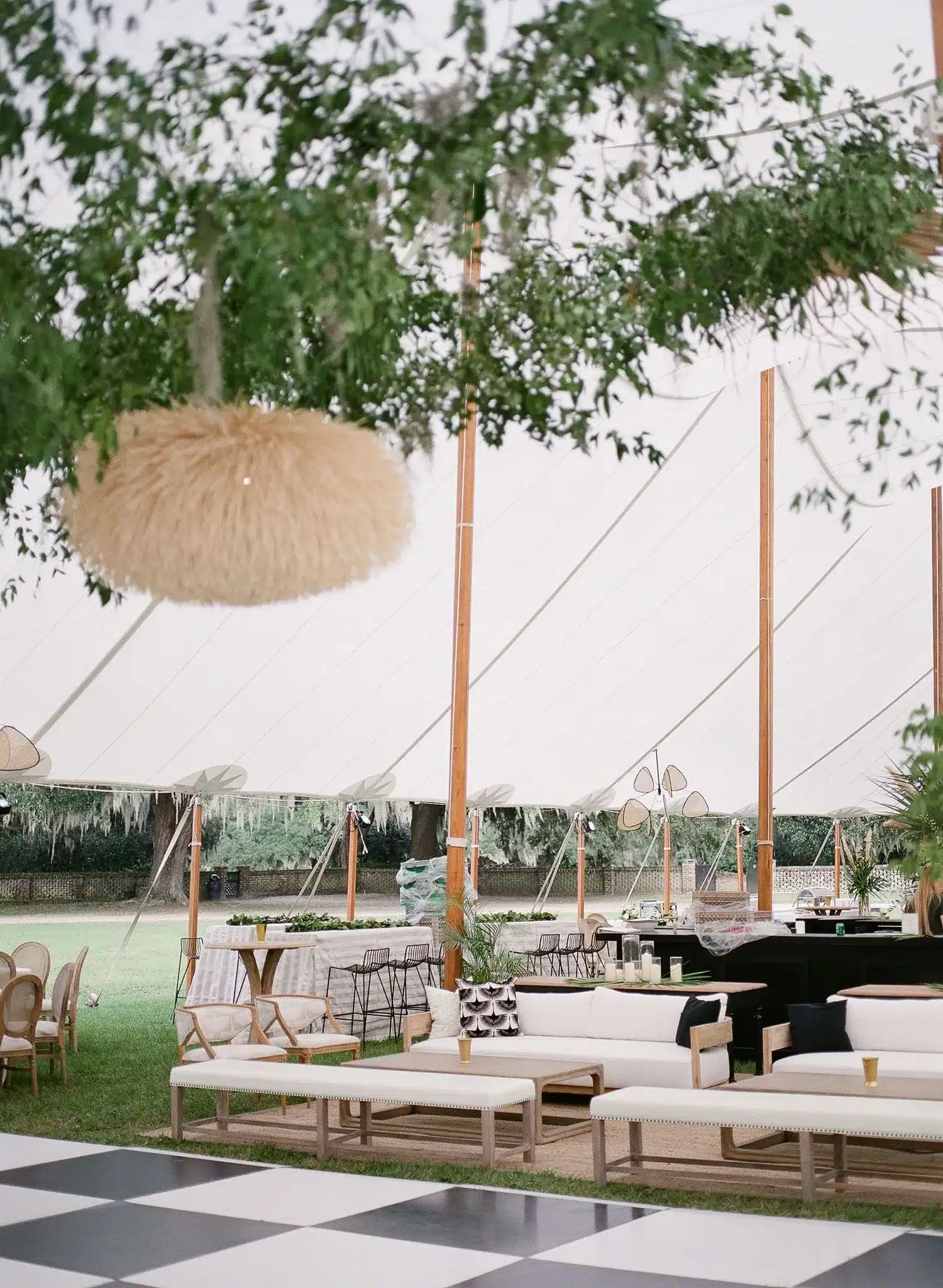
Creating a memorable event atmosphere begins with light. When layered with intention, lighting has the power to transform any venue into a refined, immersive environment. By combining ambient washes, precise accent highlights, and focused task illumination, planners can shape mood, highlight architectural details, and ensure guest comfort throughout the event. This guide explores the art of layered event lighting, from the foundational roles of ambient, accent, and task lighting to advanced techniques, customization strategies, and emerging innovations. With the right approach, lighting becomes more than a utility; it becomes the defining element that elevates every celebration.
Key Takeaways
- Ambient, accent, and task lighting work together to create balanced, functional, and beautiful event environments.
- Layering light at different heights and intensities adds depth, dimension, and visual intrigue to a venue.
- Ambient lighting establishes mood, accent lighting highlights key features, and task lighting ensures clarity for important activities.
- Smart controls, sustainable LEDs, and immersive technologies expand creative possibilities for modern lighting design.
- Customizing layered lighting for weddings, galas, or concerts ensures the atmosphere matches the event’s unique goals.
- Partnering with Curated Events provides expert design, premium fixtures, and flawless execution for unforgettable results.
What Are the Three Pillars of Event Lighting and Their Roles?

Event lighting design rests on three foundational layers: ambient, accent, and task lighting. Together, they shape atmosphere, direct focus, and ensure functionality. Ambient lighting establishes the overall mood and unifies the space, accent lighting adds drama and depth by highlighting architectural and decorative features, and task lighting ensures clarity for activities such as presentations, dining, or performances. When thoughtfully combined, these layers create a harmonious balance of beauty and practicality.
What Is Ambient Lighting and How Does It Shape the Mood?
Ambient lighting provides broad, diffused illumination that fills a venue evenly, creating a welcoming foundation for the event’s design. By softening shadows and setting the overall brightness, it establishes warmth, intimacy, or openness depending on the occasion. Elegant chandeliers casting a gentle glow over a ballroom, string lights woven through an outdoor tent, or LED washes highlighting walls in soft tones all contribute to a cohesive, inviting atmosphere.
How Does Accent Lighting Highlight Event Features?
Accent lighting adds dimension by directing attention to décor, architectural details, or branded elements. It creates contrast and visual interest, ensuring important features stand out beautifully. Strategic uplights can emphasize columns or greenery, gobo projections can display custom patterns or monograms, and pin spots can highlight floral arrangements or table settings with precision. These accents bring character to a space while complementing the ambient foundation.
Why Is Task Lighting Essential for Functionality?
Task lighting ensures clarity and comfort in areas where focused illumination is needed. This practical layer supports both guest experience and event operations by providing consistent visibility. Stage spotlights enhance presentations and performances, buffet and bar lights illuminate service areas, and podium lamps allow speakers to present with ease. Integrated seamlessly with ambient and accent layers, task lighting balances aesthetics with purpose.
How Do You Expertly Layer Ambient, Accent, and Task Lighting?
Layered lighting is about creating depth, balance, and flow throughout your event space. The process begins with establishing a warm ambient foundation that defines the overall mood. Next, task lighting is introduced to ensure clarity in essential areas like stages, buffets, or bars. Finally, accent lighting is added to highlight décor, architecture, or focal points, bringing visual drama and sophistication. Imagine a soft overhead wash setting the tone, focused illumination guiding guests at dining stations, and pin spots highlighting floral arrangements—together, these layers create an intuitive and memorable lighting design.
What Techniques Ensure a Harmonious Blend of Lighting Layers?
A well-layered design requires thoughtful balance across height, intensity, and color. Key techniques include:
- Gradual Intensity Progression: Ambient lighting provides a soft base, task lighting delivers moderate focus, and accent lighting adds striking highlights. This natural progression guides the eye smoothly across the space.
- Color Temperature Harmony: Warm whites enrich intimate and social settings, cooler whites enhance active zones, and carefully chosen accent colors introduce bold, impactful moments.
- Strategic Zoning and Control: Grouping fixtures into independent circuits allows precise adjustments—dimming, tinting, or shifting focus—without disrupting the overall atmosphere.
This approach ensures no single element dominates, resulting in a cohesive, layered environment that feels refined and purposeful.
How Do Vertical, Horizontal, and Depth Layering Elevate Ambiance?
Placing lights on different planes creates dimension and makes the space feel immersive:
This multi-dimensional approach transforms flat spaces into dynamic environments, drawing guests deeper into the experience.
What Pitfalls Should Be Avoided in Lighting Layering?
Even the most sophisticated designs can falter if common mistakes aren’t addressed. Avoid:
- Placing all fixtures at the same height creates a flat, one-dimensional look.
- Mixing incompatible color temperatures disrupts the intended mood.
- Overlooking power and control requirements leads to inconsistent or unreliable results.
By sidestepping these challenges, layered lighting becomes a polished and effective design element that enhances both function and beauty.
Which Lighting Fixtures Work Best for Ambient, Accent, and Task Lighting?

Every layer of event lighting requires fixtures chosen for both performance and aesthetic impact. The right selection not only ensures reliable function but also enhances the overall atmosphere, creating a cohesive and memorable design.
What Ambient Lighting Fixtures Create a Warm and Welcoming Atmosphere?
Ambient fixtures establish the foundation of a space, filling it with balanced light and setting the tone for the entire event. Popular rental options include:
- Chandeliers and Pendants: Timeless focal points that bring elegance and refinement.
- String and Fairy Lights: Soft, decorative illumination that adds charm and intimacy, especially in outdoor or tented settings.
- LED Wash Fixtures: Smooth, even washes of color across walls and ceilings to unify the space.
These elements provide a luminous backdrop that allows accent and task lighting to be layered seamlessly.
How Do Accent Fixtures Like Uplights and Gobos Add Depth and Character?
Accent lighting highlights key features and brings dimension to a space. Carefully placed fixtures can create dramatic focal points and enhance visual storytelling:
- LED Uplights: Vertical washes that emphasize architectural details or greenery.
- Gobo Projectors: Custom patterns or logos that introduce personalization and branding.
- Pin Spots and Spotlights: Focused beams that illuminate décor, floral displays, or centerpieces with precision.
Accent lighting introduces drama and intrigue, ensuring important details stand out beautifully.
What Task Lighting Ensures Functionality and Guest Comfort?
Task lighting provides clarity in areas where visibility is essential, complementing the ambient and accent layers without overpowering them:
- Stage Spotlights: Consistent, glare-free lighting for speakers and performers.
- Bar Lighting: Focused illumination for service areas, supporting efficiency and safety.
- Buffet Lighting: Even coverage that highlights food displays and enhances presentation.
This layer ensures that both form and function are balanced, elevating the guest experience while supporting practical needs.
How Can Layered Lighting Be Customized for Different Event Styles?
The most effective lighting designs are tailored to the type of event. By adjusting fixture selection, color palettes, and focal points, layered lighting can perfectly complement the atmosphere—whether romantic, professional, or high-energy.
How Do You Layer Lighting for a Romantic Wedding Reception?
Wedding receptions benefit from soft, warm lighting that enhances intimacy and elegance. A thoughtful approach might include:
- Warm-white ambient washes to create a welcoming base.
- Subtle blush or amber uplights to highlight floral installations and architectural details.
- Low-intensity pin spots to illuminate centerpieces without overpowering the mood.
This combination creates a romantic glow that flatters both guests and décor, setting the perfect tone for celebration.
What Lighting Layers Work Best for Corporate Events and Galas?
Corporate gatherings require lighting that balances professionalism with visual impact. Key techniques include:
- Neutral white ambient washes to establish a polished, consistent backdrop.
- Cool white task lights for registration desks, stages, and presentation areas.
- Accent lighting with gobos or branded uplights to reinforce logos and sponsor presence.
This approach conveys sophistication while keeping the event visually engaging.
How Does Layered Lighting Enhance Concerts and Large-Scale Events?
For concerts and festivals, lighting must energize the audience and complement the performance. Effective layering may feature:
- Dynamic stage washes to shift moods in sync with the music.
- Moving head fixtures for bold, kinetic accents.
- Strategic floor uplights on trussing and audience areas to extend color and depth.
Together, these layers create an immersive, high-energy atmosphere that leaves a lasting impression.
What Are the Latest Event Lighting Trends Enhancing Layering Capabilities?

Advancements in lighting technology are unlocking new creative possibilities for event design. From smarter controls to sustainable innovations, today’s tools make layered lighting more versatile, efficient, and immersive than ever before.
How Is Smart and Automated Lighting Transforming Layered Design?
Automated lighting systems now allow designers to manage fixtures with precision and ease. Wireless DMX protocols and networked controls make it possible to:
- Activate instant scene presets that shift entire lighting layers with one command.
- Remotely manage task and accent fixtures for last-minute refinements.
- Synchronize moving lights with background washes to achieve seamless, dramatic transitions.
This level of control streamlines setup while ensuring that each layer of light aligns perfectly with the event’s flow.
What Are the Advantages of Sustainable LED Lighting in Event Rentals?
LED technology is at the heart of modern, eco-conscious event design. These fixtures provide:
- High energy efficiency with significantly reduced power consumption.
- Extended lifespan for long-term reliability.
- Advanced color mixing (RGBW and RGBA) without the need for traditional gels.
- Flicker-free operation for flawless photography and video capture.
Sustainable LEDs allow planners to prioritize environmental responsibility while still delivering striking, high-quality illumination.
How Do Immersive Lighting Experiences Use Layering for Greater Impact?
The most memorable events combine layered lighting with emerging technologies to engage guests on multiple levels. When paired with projection mapping and interactive elements, layered lighting creates environments that tell a story.
This integration of light, movement, and technology transforms venues into participatory experiences that resonate long after the event concludes.
Why Partner with Curated Events for Expert Layered Lighting Design and Rentals?
Partnering with Curated Events means more than just securing high-quality fixtures. It ensures access to thoughtful design expertise, premium equipment, and seamless execution that elevates your event atmosphere from start to finish.
How Does a Professional Lighting Design Consultation Shape Results?
Every lighting plan begins with a detailed consultation where our team evaluates your venue, event flow, and thematic goals. From there, we craft a customized layered lighting design that:
- Blends ambient, accent, and task lighting into a cohesive visual narrative.
- Establishes optimized power distribution and control zones for reliability.
- Anticipates challenges with proactive contingency strategies, including weather or layout adjustments.
This collaborative process ensures an atmosphere that is both visually stunning and perfectly tailored to your event.
What Quality Standards Define Curated Events’ Lighting Rentals?
Curated Events maintains the highest standards of reliability and precision. Every fixture and installation is supported by:
- Factory-calibrated LEDs for accurate color consistency.
- Routine safety inspections to safeguard guests and venues.
- Backup equipment on-site to guarantee uninterrupted service.
These practices provide peace of mind while ensuring flawless execution.
How Have Layered Lighting Designs Elevated Previous Events?
Curated Events has delivered exceptional layered lighting for a wide range of gatherings, including:
- A prestigious gala where vertical layering expanded the perceived scale of a historic ballroom.
- A corporate launch where synchronized accent and task lighting highlighted the unveiling of a new product.
- An outdoor concert energized by immersive uplighting and dynamic moving head fixtures.
Each example reflects our ability to design atmospheres that captivate guests and amplify the overall experience.
Frequently Asked Questions
How Do You Effectively Create Mood with Layered Event Lighting?
The secret lies in combining a soft, enveloping ambient base with carefully selected accent colors and thoughtfully moderated task illumination. Warm color temperatures and low-intensity washes foster intimacy and relaxation, while high-contrast accent beams can ignite excitement and draw focus.
What Is the Specific Purpose of Uplighting Within Accent Lighting?
Uplighting involves positioning fixtures at floor level to cast light dramatically upwards, accentuating architectural features, textures, or drapery. This technique masterfully draws the eye along vertical lines, adding a sense of grandeur and highlighting design elements without altering the overall ambient light levels.
How Do You Achieve a Harmonious Balance of Lighting Intensity Across Different Layers?
Balancing intensity involves establishing a deliberate ratio: ambient lumens typically form about one-third of the accent lighting power, with task coverage falling somewhere between these two levels. Employing consistent dimming curves and precisely calibrated color temperatures ensures seamless transitions between layers, preventing any single element from overpowering the others.
Conclusion
Layered lighting is both an art and a strategy. By thoughtfully blending ambient, accent, and task illumination, planners can create environments that are visually dynamic, functional, and unforgettable. From intimate weddings to large-scale corporate gatherings, the careful orchestration of lighting ensures every moment is experienced with clarity and elegance. Partnering with a trusted provider like Curated Events brings access to premium fixtures, expert design consultation, and flawless execution, ensuring your event radiates with sophistication and impact. With layered lighting as your foundation, every occasion can shine with distinction.