
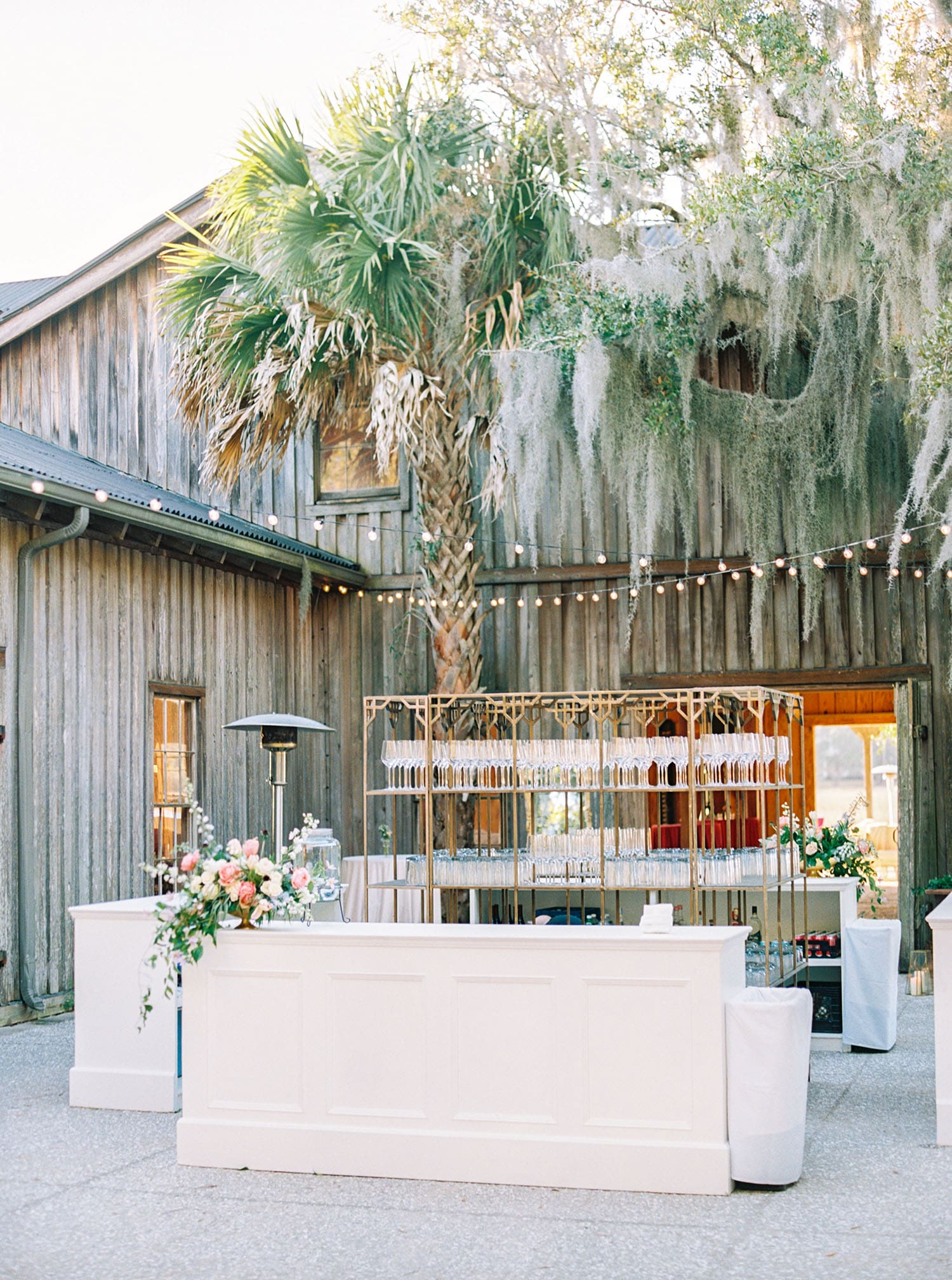
Corporate tent rentals can turn an outdoor space into a polished, functional setting for a company event. Whether the occasion is a client reception, employee celebration, product launch, outdoor meeting, company anniversary, or formal dinner, the right tent helps define the event space while supporting comfort, flow, and design.
For Charlotte businesses, tent rentals are especially valuable when hosting events on corporate campuses, lawns, rooftops, private properties, or outdoor venues. A tent provides structure and weather protection, but it can also do much more. With the right size, layout, lighting, flooring, furniture, and décor, a tented event can feel as refined and intentional as an indoor venue.
In this guide, we’ll cover corporate tent rentals in Charlotte, including how to identify your event needs, compare tent styles, choose the right size, plan complementary rentals, and work with a full-service rental partner like Curated Events.
Why Tent Rentals Matter for Corporate Events

Tent rentals give companies more flexibility when planning outdoor events. Instead of depending only on traditional indoor venues, businesses can create event spaces in locations that feel more personal, scenic, or connected to the company’s identity. A tent can make a corporate campus, open lawn, courtyard, rooftop, or private property feel event-ready.
For corporate gatherings, the tent is not just a weather solution. It becomes the foundation for the entire event layout. It helps define where guests arrive, dine, network, watch presentations, enjoy entertainment, or gather for a reception. When the tent is planned with the event’s goals in mind, it supports both the practical flow and the visual atmosphere of the celebration.
Creating a Comfortable Outdoor Event Space
Guest comfort is one of the main reasons to rent a tent for a corporate event. A tent helps protect attendees from direct sun, light rain, and changing outdoor conditions while creating a more controlled environment for the event.
Comfort can be improved further with flooring, sidewalls, fans, heaters, lighting, and thoughtful furniture placement. These additions are especially useful for events with longer timelines, formal dining, presentations, or high-profile guests. When guests feel comfortable, they are more likely to stay engaged with the program and enjoy the experience.
Supporting Guest Flow and Event Functionality
A tent helps organize the event space. It can separate dining areas from cocktail spaces, create a defined stage or presentation zone, support catering service, and give guests clear places to gather.
For larger corporate events, a tented layout may include registration, bars, lounge areas, buffet stations, dining tables, a dance floor, staging, and back-of-house catering space. Planning these areas within the tent footprint helps prevent congestion and makes the event feel more seamless.
A well-designed tent layout should also account for guest movement, vendor access, emergency pathways, and service flow. These details help the event operate smoothly from arrival through breakdown.
Protecting the Event From Weather Concerns
Weather can be unpredictable, and outdoor corporate events need a plan that protects both guests and event infrastructure. A tent helps reduce the risk of weather disruptions by providing coverage for seating, food service, entertainment, staging, décor, and equipment.
Depending on the season and site, planners may also need sidewalls, flooring, climate control, drainage considerations, or backup plans for severe weather. Addressing these needs early makes it easier to protect the event experience and avoid last-minute adjustments.
Start by Identifying Your Event Needs
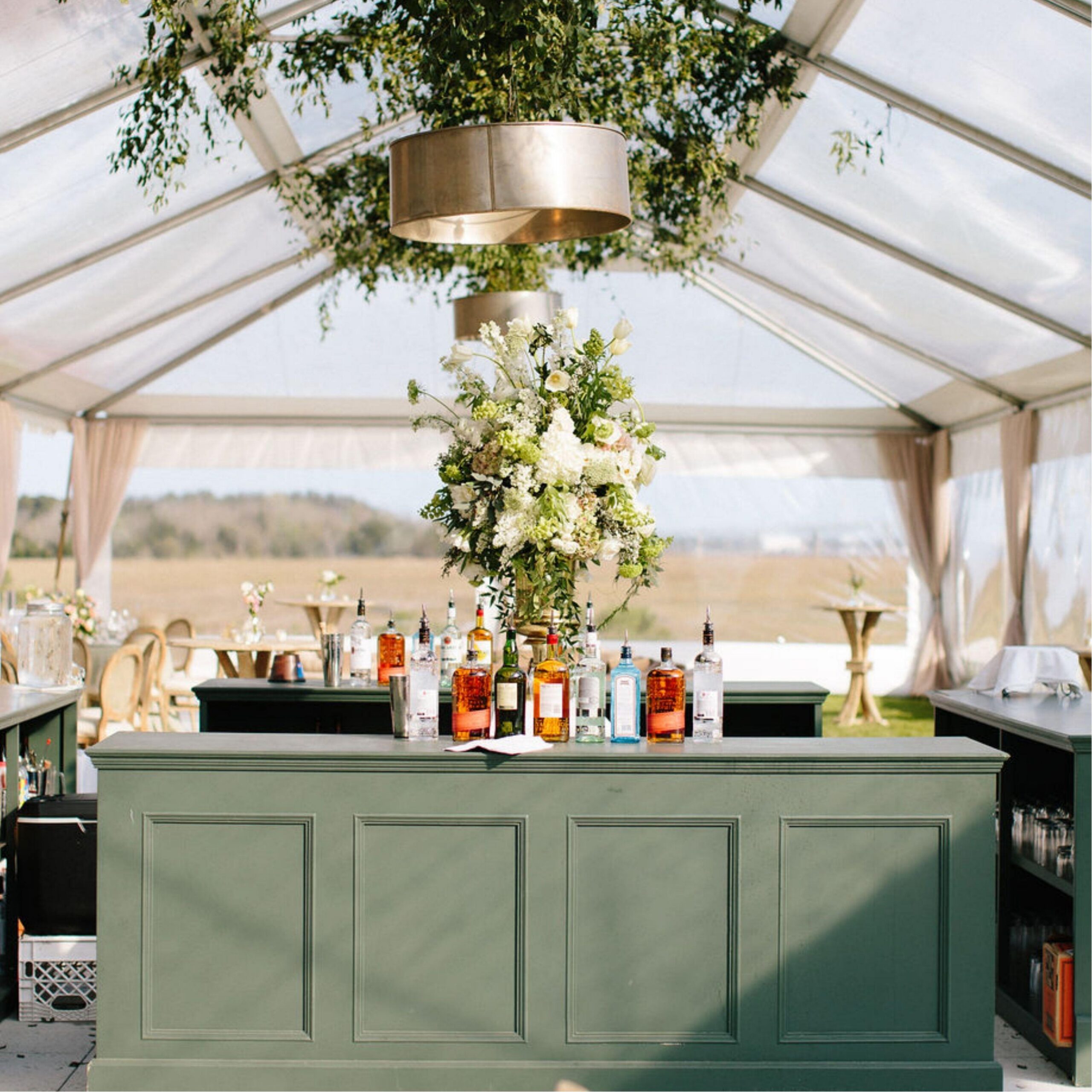
Before choosing a tent style or size, start with the practical details of the event. Guest count, event format, venue conditions, and desired atmosphere all influence the best tent solution. A tent for a formal seated dinner will require a different layout than a tent for a casual employee gathering, product launch, cocktail reception, or conference-style presentation.
Identifying these needs early helps determine the tent footprint, rental accessories, furniture plan, lighting requirements, and installation logistics. It also gives the rental team the information needed to recommend options that fit the event rather than forcing the event to fit the tent.
Confirm the Guest Count
Guest count is one of the most important details in tent planning. It affects the tent size, seating layout, catering space, restroom access, bar placement, and amount of furniture needed.
A seated dinner typically requires more space per guest than a standing reception. Events with staging, dance floors, buffet tables, lounge furniture, or product displays will also need additional square footage. Even if the guest count is still an estimate, sharing a realistic range early helps the rental team plan a tent size that supports comfort and movement.
Define the Event Format
The event format determines how guests will use the tent. A seated corporate dinner may need dining tables, chairs, tabletop rentals, lighting, and clear sightlines to a stage. A networking reception may need cocktail tables, lounge areas, bars, and open circulation space. A product launch may require a stage, branded display area, lighting, and room for guests to gather around a focal point.
By defining the format early, planners can choose a tent layout that supports the event’s purpose. The tent should make the program easier to experience, not create obstacles for guests or vendors.
Consider the Atmosphere You Want to Create
Tent rentals can support many different event styles, from polished and formal to relaxed and social. The desired atmosphere will influence tent style, lighting, flooring, furniture, linens, décor, and accessories. A formal corporate gala may call for a sailcloth tent, chandeliers, flooring, refined dining tables, and elegant seating. A casual employee event may work better with open-sided tenting, lounge areas, simple lighting, and flexible seating. A branded product launch may need a more modern layout with staging, uplighting, custom displays, and clean furniture lines.
The clearer the design direction, the easier it is to select rentals that feel cohesive.
Account for Venue Conditions and Site Requirements
The event site will determine what is possible from a tenting standpoint. Surface type, available space, slope, drainage, access points, power availability, nearby buildings, landscaping, and local venue rules can all affect the tent plan. Some sites may require specific anchoring methods, permits, flooring, generators, or delivery access. Others may have restrictions on setup timing, vehicle access, or where equipment can be installed. Reviewing these details early helps prevent installation issues and ensures the tent can be safely and properly placed.
Popular Tent Types for Corporate Events

Different corporate events require different tent styles. The right choice depends on the event format, guest count, venue surface, desired atmosphere, and the amount of open interior space needed. Some tents are best suited for flexible layouts, while others are chosen for their visual impact or ability to accommodate large-scale installations.
For Charlotte corporate events, tent rentals may be used for outdoor receptions, company celebrations, product launches, conferences, formal dinners, employee events, and brand activations. Understanding the main tent options can help planners choose a structure that supports both the event design and the practical requirements of the site.
Frame Tents for Flexible Event Setups
Frame tents are a versatile option for corporate events because they do not require center poles. This creates a more open interior layout, making it easier to arrange tables, chairs, stages, lounge areas, bars, catering stations, or product displays.
Frame tents can often be installed on a variety of surfaces, including pavement, grass, patios, and other outdoor areas. This makes them useful for corporate campuses, parking lots, courtyards, rooftops, and venues where layout flexibility is important. Their clean structure also allows for sidewalls, lighting, flooring, and décor to be added based on the event’s needs.
Pole Tents for Classic Outdoor Celebrations
Pole tents are known for their traditional peaked appearance, which can create a more classic outdoor event atmosphere. They are often used for company celebrations, employee gatherings, outdoor dinners, and milestone events where the tent itself contributes to the visual style of the occasion.
Because pole tents rely on center poles and perimeter staking, they are typically best suited for grassy areas or sites that can accommodate proper anchoring. The interior poles should be considered during layout planning, especially when placing tables, bars, dance floors, stages, or sightlines for presentations. With thoughtful planning, pole tents can create a warm and inviting setting for corporate celebrations.
Clear-Span Tents for Large-Scale Corporate Events
Clear-span tents are designed to provide open, unobstructed interior space. They are a strong option for larger corporate events, conferences, exhibitions, product launches, and events that require flexible layouts without interior poles.
This tent style can accommodate larger guest counts, staging, lighting, audiovisual needs, dining areas, lounge zones, and branded installations. Clear-span tents also work well when planners need a more structured environment that can feel closer to a temporary venue. Because of their scale and technical requirements, they typically require more detailed planning around installation, site access, power, flooring, and safety considerations.
Sailcloth Tents for Upscale Outdoor Gatherings
Sailcloth tents are often selected for upscale outdoor events because of their elegant shape and translucent fabric. During the day, they allow natural light to filter through the space. In the evening, they can create a warm glow when paired with thoughtful lighting.
For corporate dinners, client receptions, anniversaries, and more refined outdoor gatherings, sailcloth tents can help create a polished atmosphere without feeling overly formal. They pair well with chandeliers, wood flooring, lounge furniture, refined tables, linens, florals, and decorative lighting. Like pole tents, sailcloth tents often require staking, so the site conditions should be reviewed early.
How to Choose the Right Tent Size

Choosing the right tent size is one of the most important decisions in the rental process. The tent needs to be large enough to keep guests comfortable, support the event layout, and allow vendors to work efficiently, but it should not be so large that the space feels empty or disconnected.
Tent size depends on more than guest count. Planners should also account for seating style, food and beverage service, staging, dance floors, lounge furniture, registration areas, bars, décor, and circulation space. A well-sized tent creates a more comfortable and professional event environment.
Estimate Space Based on Guest Count
Guest count provides the starting point for tent sizing. A seated dinner generally requires more square footage than a standing reception because tables, chairs, service aisles, and place settings all need room. A cocktail-style event may allow for a smaller footprint, but it still needs enough open space for guests to move comfortably.
As a general planning guideline, seated events often require more space per guest than standing receptions. However, the final tent size should be confirmed based on the full event layout rather than guest count alone. If the event includes a stage, buffet, bar, lounge seating, or dance floor, those features will increase the required footprint.
Plan for Seating, Dining, and Reception Layouts
The layout style has a major effect on tent size. Round tables, banquet tables, classroom seating, theater-style rows, cocktail tables, and lounge groupings all use space differently.
A formal dinner may need room for dining tables, guest chairs, service aisles, buffet stations, bars, and a stage for remarks. A networking reception may need a mix of cocktail tables, lounge furniture, bars, and open circulation space. A corporate presentation may require rows of seating, a stage, audiovisual equipment, and clear sightlines.
Planning the layout before finalizing the tent size helps prevent crowding and ensures the space supports the event format.
Include Space for Staging, Bars, Catering, and Dance Floors
Many corporate events require more than guest seating. Staging, bars, catering stations, dance floors, registration tables, display areas, and back-of-house zones all need to be included in the tent plan.
For a product launch, additional space may be needed for displays, lighting equipment, branded installations, and guest viewing areas. For a gala or anniversary celebration, planners may need room for a stage, dance floor, band or DJ setup, bars, and dining tables. For a conference or outdoor meeting, space may be needed for check-in, presentation equipment, sponsor tables, and refreshment stations.
Including these elements early prevents the tent from becoming too tight once all rentals and vendors are added.
Allow Room for Guest Movement and Service Flow
A successful tent layout should feel easy to navigate. Guests should be able to move between entrances, seating areas, bars, food stations, lounges, restrooms, and entertainment spaces without bottlenecks.
Service flow is equally important. Caterers, rental teams, planners, and event staff need access routes that do not interfere with the guest experience. A tent that is technically large enough for the guest count may still feel crowded if there is not enough circulation space.
Building in room for movement helps the event feel more comfortable, organized, and professionally planned.
Full-Service Rentals That Complement Tent Rentals
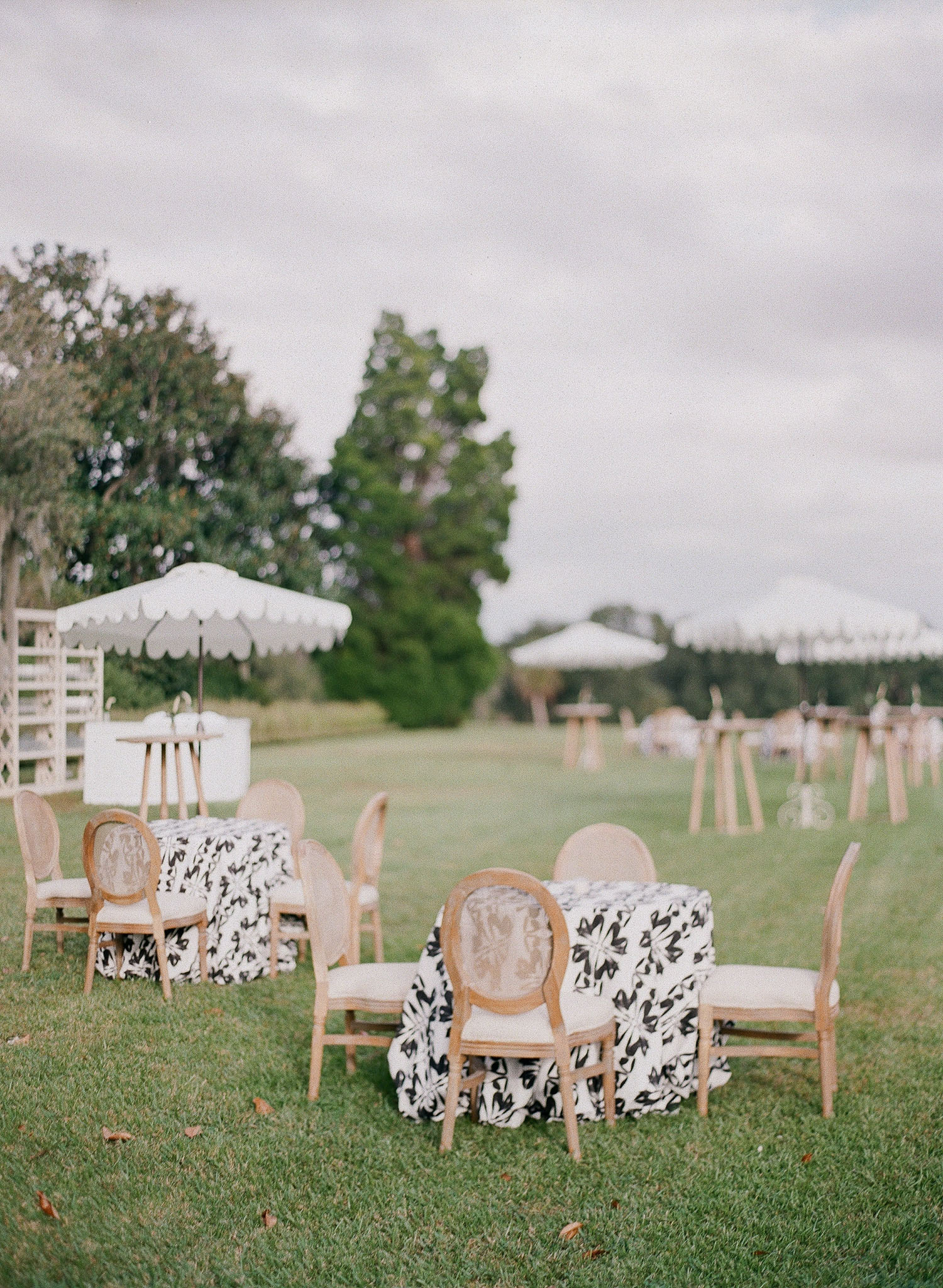
A tent provides the structure for an outdoor corporate event, but the supporting rentals determine how the space looks, feels, and functions. Tables, chairs, linens, tabletop items, lounge furniture, décor, catering equipment, lighting, and flooring all work together to create a complete event environment.
For Charlotte companies, coordinating these rentals with the tent plan can make the event feel more polished and cohesive. Instead of treating the tent as a standalone item, planners should consider how every rental element supports the guest experience, event format, and overall design.
Tables, Chairs, and Seating Arrangements
Tables and chairs are central to the layout of a tented corporate event. The right selections depend on whether the event is a seated dinner, networking reception, meeting, product launch, employee celebration, or formal program.
For seated events, round tables, banquet tables, or specialty tables can be arranged to support dining, conversation, and sightlines to a stage or presentation area. For cocktail-style events, high-top tables and smaller seating clusters can encourage movement and interaction. For presentations or meetings, rows of chairs, classroom seating, or mixed seating arrangements may be more appropriate.
Chair style also affects the tone of the event. Formal chairs can elevate a gala or executive dinner, while more casual seating may be better suited for employee gatherings, outdoor lunches, or relaxed company celebrations.
Linens and Tabletop Rentals
Linens and tabletop rentals help bring refinement and consistency to the event design. Tablecloths, napkins, chargers, plates, flatware, glassware, and serving pieces should coordinate with the overall palette, level of formality, and dining format.
For corporate events, these details can also support branding in a subtle way. Linens in company-inspired colors, polished glassware, or a coordinated place setting can help the event feel intentional without making the design feel overly promotional.
In a tented setting, tabletop details are especially important because they help soften the structure and make the space feel finished. When paired with lighting, florals, and furniture, they contribute to a more complete and professional atmosphere.
Décor and Lounge Furnishings
Décor and lounge furnishings can make a tented event feel more welcoming and visually engaging. Lounge areas give guests comfortable places to gather, network, and relax between program moments, while décor helps connect the tent design to the company’s brand or event theme.
Sofas, lounge chairs, coffee tables, side tables, ottomans, rugs, plants, florals, signage, branded displays, and decorative accents can all be used to define different areas within the tent. These pieces are especially useful for client receptions, leadership dinners, product launches, and employee celebrations where connection and conversation are part of the event’s purpose.
The goal is to create a tented environment that feels designed rather than temporary. Coordinated furniture, décor, and lighting can help the space feel more like a finished venue.
Catering Equipment and Service Areas
Catering equipment is essential for keeping food and beverage service organized. Depending on the event format, rentals may include buffet tables, serving trays, chafing dishes, beverage dispensers, bars, glassware, prep tables, refrigeration units, trash receptacles, and back-of-house support items.
Service areas should be included in the tent layout from the beginning. Bars, buffets, catering prep zones, and staff pathways all require space. If these areas are added too late, the tent may feel crowded or the guest flow may become difficult.
For corporate events, food and beverage service should feel efficient and polished. The right catering rentals help maintain presentation quality, reduce congestion, and support a smoother guest experience.
Tent Accessories That Improve Comfort and Design

Tent accessories can make a major difference in the success of an outdoor corporate event. While the tent itself provides structure and coverage, accessories such as flooring, lighting, climate control, sidewalls, draping, and entry features help make the space more comfortable, functional, and visually complete.
These details should be selected based on the event date, venue conditions, guest count, program, and desired atmosphere. For formal events, accessories can help create a more elevated setting. For casual or high-traffic events, they can improve comfort, safety, and usability.
Flooring for Stability and a Finished Look
Flooring gives a tented event a more stable and polished foundation. It can help level uneven ground, improve guest comfort, protect shoes and furniture, and make the space easier to navigate.
Flooring is especially useful for seated dinners, formal events, dance floors, staging areas, and events with heavy guest traffic. It can also help protect the event from damp grass, soft ground, or uneven surfaces. In more elevated designs, flooring can make the tent feel closer to a finished indoor venue.
The right flooring choice should account for the site surface, weather, guest experience, and event style.
Lighting for Ambiance and Visibility
Lighting is essential for both atmosphere and function. It helps guests see clearly, defines important areas, and gives the tent a more finished look after sunset.
Common lighting options for tented corporate events include market lights, uplighting, chandeliers, lanterns, spotlights, pin spots, and stage lighting. Market lights can create a warm, inviting glow, while chandeliers or decorative fixtures can make the space feel more refined. Uplighting can add color and depth, and focused lighting can highlight stages, bars, dining tables, signage, or branded displays.
A strong lighting plan should support the mood of the event while also ensuring that guests, vendors, and presenters can move through the space comfortably.
Climate Control for Seasonal Comfort
Climate control helps keep guests comfortable during outdoor events, especially in changing seasonal conditions. Depending on the weather, planners may need fans, heaters, air conditioning solutions, or sidewalls to help manage temperature and airflow.
For summer events, fans and ventilation can help reduce heat inside the tent. For cooler evenings, heaters can make the space more comfortable for dining, networking, or presentations. Climate control is especially important for longer corporate events, formal dinners, and gatherings with executive guests, clients, or speakers.
Planning for comfort early helps prevent weather from becoming the focus of the event.
Sidewalls, Draping, and Entry Features
Sidewalls can provide additional protection from wind, rain, sun, or cooler temperatures. They can also create a more enclosed and private environment for corporate events that require a controlled setting.
Draping can soften the interior of the tent and make the space feel more elegant. It works well for galas, client dinners, anniversary events, and other formal corporate gatherings. Entry features, such as defined walkways, branded signage, floral accents, or lighting, can help create a stronger first impression as guests arrive.
Together, these accessories help transform a basic tent into a complete event space that feels intentional, comfortable, and aligned with the company’s event goals.
Lighting, Staging, and Dance Floors for Tented Events
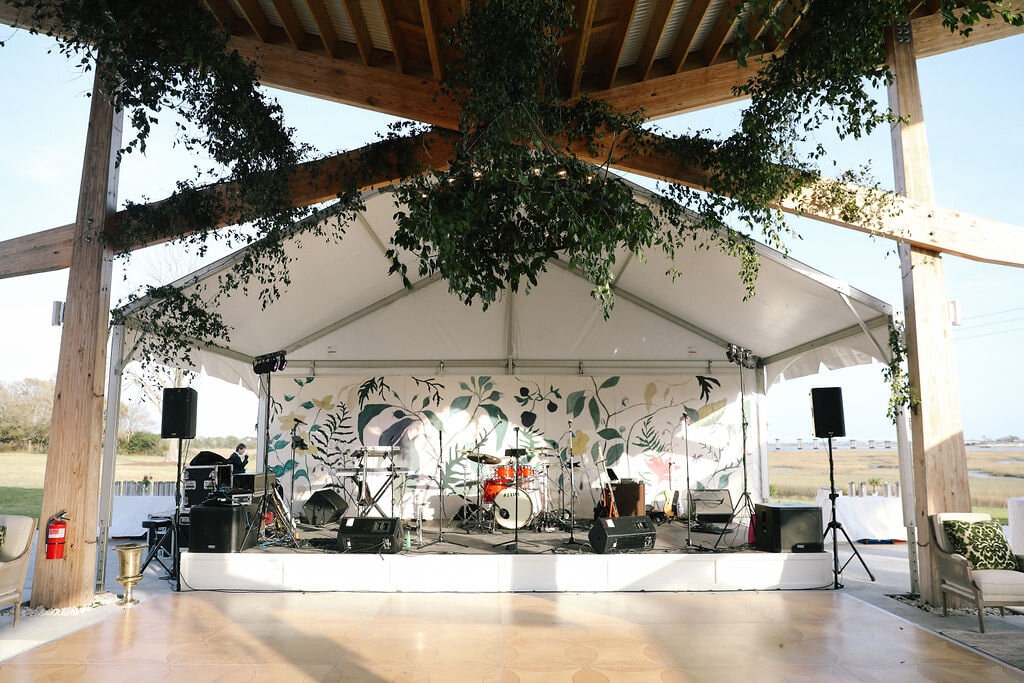
Lighting, staging, and dance floors can help transform a corporate tent from a covered outdoor space into a fully designed event environment. These rentals support the guest experience by improving visibility, defining focal points, and creating areas for presentations, entertainment, dining, and celebration.
For corporate tent events in Charlotte, these details are especially useful when the event includes executive remarks, product launches, awards, live entertainment, client receptions, employee celebrations, or milestone moments. When planned with the tent layout, they help the entire space feel more polished and functional.
Market Lights, Uplighting, and Chandeliers
Lighting is one of the most important additions to a tented corporate event. It provides visibility, creates atmosphere, and helps the tent feel complete after sunset.
Market lights are a popular choice for tented events because they create a warm, inviting glow that works well for receptions, dinners, and networking events. Uplighting can add color and dimension to the tent interior, helping reinforce the event palette or company branding. Chandeliers and decorative fixtures can bring a more refined look to formal dinners, galas, anniversary events, and client-facing celebrations.
The lighting plan should account for both style and function. Guests need enough light to move comfortably, dine, read signage, and engage with the program, while the overall mood should still feel intentional and appropriate for the event.
Stage Rentals for Presentations and Entertainment
A stage creates a clear focal point inside the tent. It is especially useful for corporate events that include speakers, panel discussions, award presentations, product reveals, live music, DJs, or formal remarks from leadership.
The stage size should be based on the program and guest count. A small platform may be enough for a welcome toast or brief presentation, while a larger stage may be needed for multiple speakers, entertainment, or a branded backdrop. Placement is also important. Guests should have clear sightlines, and the stage should not block service pathways, exits, or major circulation areas.
Staging can also support other event elements, such as podiums, screens, floral arrangements, lighting equipment, and signage. When coordinated with the tent layout, the stage helps organize the program and gives the event a more professional structure.
Dance Floors for Receptions and Celebrations
Dance floors are a strong addition for corporate celebrations, anniversary events, holiday parties, employee appreciation events, and post-program receptions. They give guests a dedicated place to gather and participate once the formal portion of the event transitions into entertainment.
The dance floor should be sized for the guest count and placed where it supports the event flow. It often works best near the stage, DJ, band, bar, or lounge area, allowing guests to move easily between entertainment and social spaces. Lighting can also help define the dance floor and give it more energy without disrupting the rest of the event.
For outdoor or tented events, the dance floor should be planned with the flooring and ground conditions in mind. A stable, level surface improves safety and comfort for guests.
Layout Planning for Accessibility and Guest Flow
Lighting, staging, and dance floors should be planned as part of the full tent layout rather than added after the main rentals are selected. These elements affect how guests move, where they gather, and how they experience the event program.
A strong layout should provide clear paths between entrances, seating areas, bars, catering stations, restrooms, lounges, stages, and dance floors. It should also consider accessibility, vendor movement, emergency exits, and service access. For larger events, keeping high-traffic areas open can prevent congestion and improve the overall guest experience.
When these elements are coordinated early, the tented event feels more organized, comfortable, and professionally executed.
Pricing Factors for Corporate Tent Rentals
Corporate tent rental pricing depends on several factors, including the tent type, size, rental duration, accessories, installation needs, and site conditions. Because every event has different requirements, it is best to think of tent pricing as part of the full event environment rather than the tent alone.
A basic tent installation for a short daytime gathering will usually have different requirements than a fully designed tented event with flooring, lighting, climate control, staging, lounge furniture, catering areas, and extended setup needs. Understanding what affects pricing can help planners budget more accurately and avoid unexpected costs.
Tent Type and Size
The type and size of the tent are two of the biggest pricing factors. Larger tents require more materials, labor, installation time, and site preparation. Specialty tent styles may also have different cost considerations based on structure, design, and setup requirements.
A frame tent, pole tent, clear-span tent, and sailcloth tent may each serve a different purpose and come with different installation needs. For example, a clear-span tent for a large corporate event may require more detailed planning than a smaller frame tent for a reception. The right choice should be based on the event format, guest count, site conditions, and desired design.
Rental Duration and Event Timeline
Rental duration can also affect pricing. Some events may only need a tent for one day, while others require additional time for setup, rehearsals, vendor installation, multi-day programming, or breakdown.
The event timeline matters because tents are often installed before other vendors arrive. If the tent needs to be set up several days in advance to allow for flooring, lighting, staging, décor, and catering equipment, that may affect the overall rental plan. Venues with limited access windows, overnight installations, or strict breakdown requirements may also require additional coordination.
Accessories, Flooring, Lighting, and Climate Control
Accessories can significantly influence the total cost of a tented event. Flooring, lighting, sidewalls, draping, chandeliers, fans, heaters, air conditioning, generators, staging, dance floors, and specialty décor all add function and comfort, but they should be included in the budget from the beginning.
These additions are often necessary for a polished corporate event. Flooring can stabilize the space, lighting can improve ambiance and visibility, and climate control can help keep guests comfortable. For formal dinners, client receptions, product launches, and executive events, these elements may be just as important as the tent itself.
Delivery, Setup, Breakdown, and Site Complexity
Delivery, setup, and breakdown requirements can affect pricing based on the location, access, installation conditions, and labor involved. A flat lawn with easy vehicle access may be simpler than a rooftop, courtyard, sloped site, parking lot, or venue with limited loading areas.
Site complexity may also involve anchoring requirements, permits, power access, surface protection, flooring needs, or coordination with other vendors. If the installation requires extra labor, equipment, or time, those factors should be reviewed during the quote process.
Discussing site details early allows the rental team to provide a more accurate quote and helps planners avoid last-minute logistical issues.
Booking Timeline and Planning Tips
A clear booking timeline helps keep a corporate tent rental on track from the first inquiry through installation. Because tented events often involve site requirements, weather planning, vendor coordination, and multiple rental categories, it is best to begin the planning process early.
For Charlotte corporate events, early planning gives the rental team time to evaluate the site, confirm tent availability, recommend accessories, and coordinate the full setup. This is especially important for larger events, peak-season dates, outdoor venues, corporate campuses, and events that require flooring, lighting, staging, climate control, or custom layouts.
When to Book Tent Rentals in Charlotte
Corporate tent rentals should be booked as early as possible once the event date, venue, and approximate guest count are known. Early booking helps secure the preferred tent style, size, and accessory rentals before availability becomes limited.
This is especially important during busy event seasons or when the event requires specialty items such as sailcloth tents, clear-span tents, flooring, chandeliers, lounge furniture, staging, or climate-control equipment. Early planning also gives teams more time to refine the layout and confirm logistics with the venue.
Why Site Visits and Consultations Matter
A site visit or consultation helps determine which tent options will work best for the event location. During this step, the rental team can review the available space, surface type, slope, access points, power needs, anchoring requirements, and nearby structures.
This information is important because the site can affect tent size, installation method, flooring needs, delivery access, and accessory recommendations. A consultation also allows planners to discuss the event format, desired atmosphere, guest count, and any special requirements, helping ensure the tent plan supports the full event experience.
How to Coordinate Tent Rentals With Other Vendors
Tent rentals should be coordinated with the venue, caterer, florist, audiovisual team, entertainment provider, planner, and any internal company contacts involved in the event. The tent is often one of the first elements installed, so other vendors may depend on its setup before they can begin their own work.
A clear vendor timeline helps prevent delays and ensures each team understands when they can access the space. Flooring, lighting, staging, furniture, tabletop rentals, décor, catering equipment, and audiovisual elements should all be scheduled in the right order so the setup process runs efficiently.
Final Confirmations Before Event Day
Final confirmations help ensure that the tent rental plan is accurate before installation begins. These details may include the final guest count, tent size, layout, delivery address, setup time, pickup schedule, accessory rentals, power needs, and any venue requirements.
It is also important to confirm weather plans, site access, contact information, and the placement of key event areas such as entrances, stages, bars, catering zones, restrooms, and guest seating. Reviewing these details before event day helps reduce last-minute changes and supports a smoother setup.
Safety and Quality Standards for Tent Rentals
Safety and quality should be central to every corporate tent rental plan. A tented event needs to look polished, but it also needs to be installed properly, meet venue requirements, and account for weather, guest movement, and equipment placement.
Working with an experienced rental partner helps ensure the tent is appropriate for the site and installed according to professional standards. This is especially important for corporate events with large guest counts, staging, lighting, catering equipment, or high-profile attendees.
Professional Installation and Anchoring
Professional installation is essential for tent safety. The rental team should determine the proper anchoring method based on the tent type, surface, site conditions, and venue requirements.
Grass, pavement, rooftops, courtyards, and parking lots may each require different installation approaches. Anchoring, staking, ballasting, and flooring needs should be reviewed before the event to ensure the tent can be installed securely. Proper installation also helps protect guests, vendors, equipment, and the overall event setup.
Weather Planning and Venue Requirements
Weather planning is a critical part of any outdoor corporate event. Planners should consider sun exposure, wind, rain, temperature, drainage, and backup options when selecting a tent and accessories.
Sidewalls, flooring, fans, heaters, climate control, and drainage planning can help improve comfort and reduce weather-related disruptions. Venue requirements should also be reviewed early, including rules for anchoring, permits, setup windows, load-in access, generators, and emergency access.
By addressing weather and venue requirements in advance, planners can make better rental decisions and reduce the risk of avoidable issues.
Equipment Quality and Compliance
Rental equipment should be clean, well-maintained, and appropriate for the event. This includes the tent structure, fabric, poles, frame components, flooring, lighting, staging, sidewalls, and accessories.
Quality equipment contributes to both safety and appearance. For corporate events, this matters because the tented environment reflects the company hosting the event. Reliable equipment, professional installation, and compliance with applicable venue or local requirements help create an event space that feels secure, polished, and ready for guests.
Frequently Asked Questions
What type of tent is best for a corporate event?
The best tent type depends on the event format, venue, guest count, and desired atmosphere. Frame tents are versatile and work well for flexible layouts on different surfaces. Pole tents offer a classic outdoor look and are often used for company celebrations, outdoor dinners, and more traditional gatherings. Clear-span tents are a strong option for large-scale events that require open interior space, while sailcloth tents are often selected for upscale outdoor receptions, dinners, and milestone celebrations. A rental partner can help compare these options based on the site conditions, layout needs, and event goals.
How do I know what tent size I need?
Tent size should be based on the guest count, event format, and all planned elements inside the tent. A seated dinner typically requires more space than a standing reception because tables, chairs, service aisles, and place settings take up additional room.
Planners should also include space for bars, buffet stations, staging, dance floors, lounge furniture, registration tables, catering areas, and guest movement. The best approach is to build a layout first, then select a tent size that supports the full event plan comfortably.
How far in advance should I book a tent rental?
It is best to book corporate tent rentals as early as possible once the event date, venue, and estimated guest count are known. Early booking gives planners better access to preferred tent styles, sizes, and accessories, especially during busy event seasons.
Larger events, outdoor installations, and events requiring flooring, lighting, staging, climate control, or specialty tents should allow extra planning time. Early coordination also gives the rental team time to review the site, confirm installation needs, and coordinate with other vendors.
What accessories should I add to a corporate tent rental?
Common tent accessories include flooring, lighting, sidewalls, draping, fans, heaters, climate-control equipment, chandeliers, market lights, staging, dance floors, and entry features. The right accessories depend on the season, event style, guest count, and venue conditions.
For formal corporate events, flooring, chandeliers, draping, and refined lighting can make the tent feel more elevated. For outdoor receptions or employee celebrations, market lights, lounge furniture, bars, and climate-control options may be more important for comfort and atmosphere.
Can tent rentals be coordinated with lighting, staging, and furniture?
Yes. Tent rentals should be coordinated with lighting, staging, furniture, linens, tabletop rentals, catering equipment, décor, and audiovisual needs from the beginning. These elements affect the tent size, layout, power needs, installation order, and guest flow.
Coordinating all rentals together helps create a more cohesive event environment. It also reduces the risk of layout conflicts, crowding, delivery issues, or last-minute changes once the tent is installed.
Conclusion
Corporate tent rentals give Charlotte businesses the flexibility to create polished outdoor event spaces for client receptions, employee celebrations, product launches, meetings, company anniversaries, and formal dinners. The right tent provides structure, comfort, and weather protection while supporting the overall event design.
A successful tented event starts with clear planning. Guest count, event format, venue conditions, tent style, layout, accessories, lighting, staging, furniture, catering needs, and safety requirements should all be considered before the rental is confirmed. When these details are planned together, the tent becomes more than a covered space. It becomes a complete event environment that feels professional, comfortable, and aligned with the company’s goals.
Curated Events offers corporate tent rentals in Charlotte along with full-service event rentals, including tables, chairs, linens, lighting, staging, lounge furniture, décor, flooring, dance floors, and catering equipment. With consultative support from planning through installation, Curated Events can help companies create outdoor event spaces that are functional, refined, and ready for guests.