
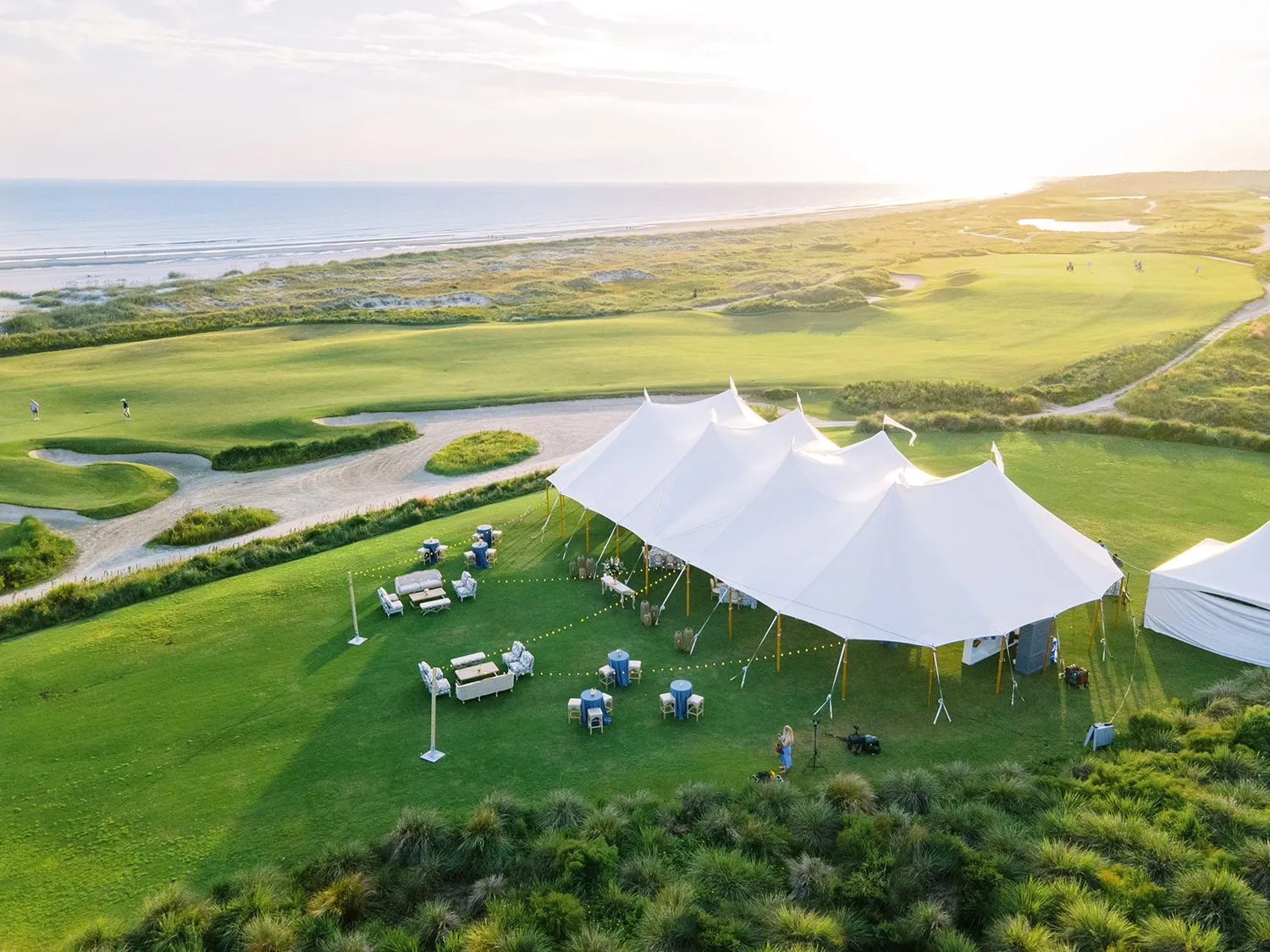
A winter tent can provide a distinctive setting for an outdoor wedding, corporate gathering, or private celebration, but the structure alone does not address every condition guests may encounter. Wind, changing temperatures, and damp ground can each influence how the space functions throughout the event.
Selecting the right Raleigh winter tent accessories begins with understanding what the venue requires. Sidewalls can provide additional weather protection, heating equipment addresses colder temperatures, and flooring may improve the usability of certain surfaces. Each component serves a different purpose, and not every tented event needs all three.
Curated Events offers tenting and climate-control rentals in Raleigh, along with dance floors and other event equipment. Understanding when these supporting elements are appropriate can help planners create a comfortable, functional setting without adding unnecessary components.
Which Winter Tent Accessories Does Your Event Actually Need?
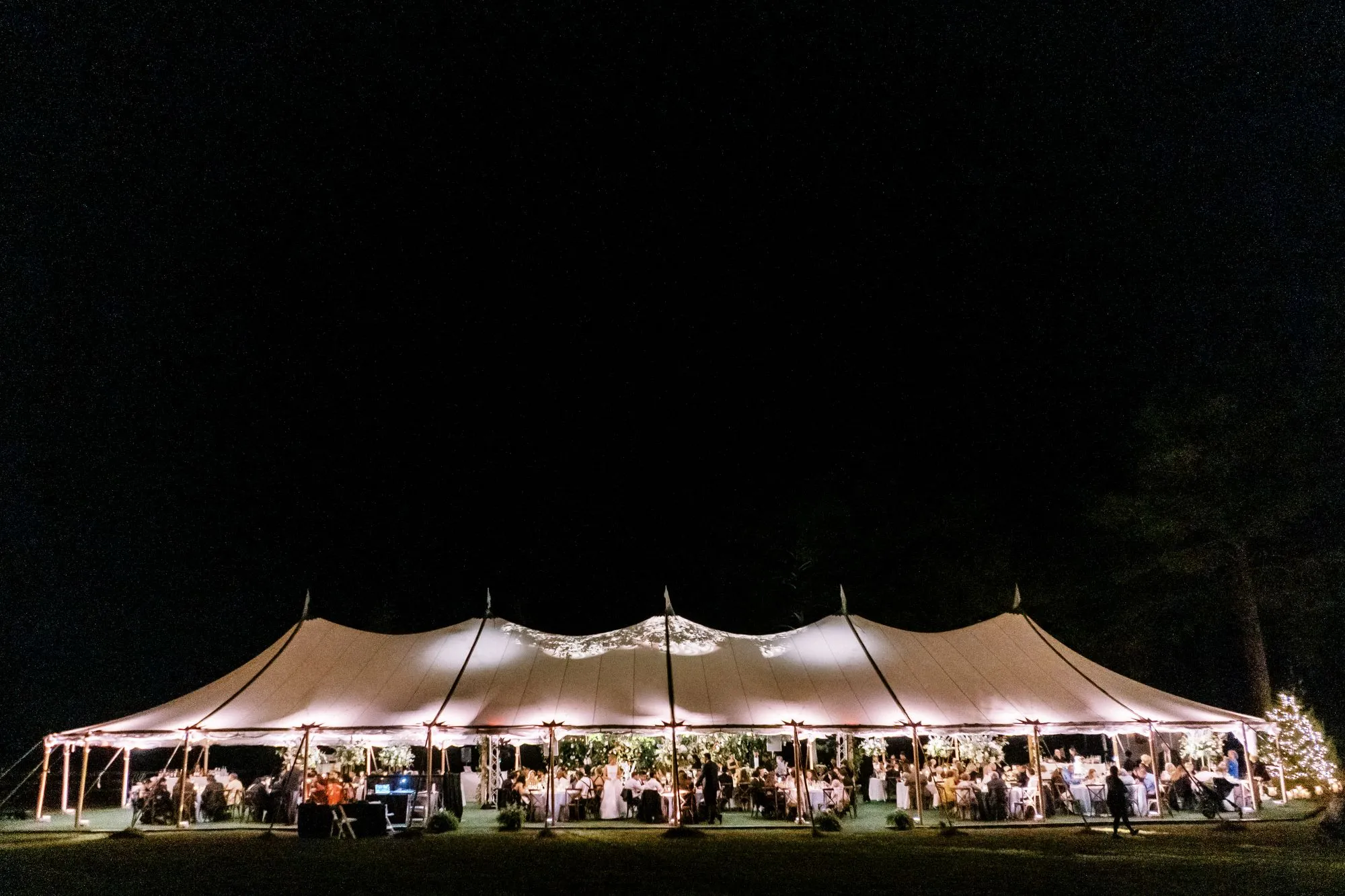
The appropriate accessories depend on the tent’s location, the expected conditions, and how the space will be used. A winter reception on an exposed lawn presents different considerations from an evening gathering beneath a tent installed on a sheltered paved courtyard.
Consider the Event’s Weather Exposure
The first consideration is how much protection the surrounding property provides.
A tent positioned in an open landscape may be more exposed to wind and wind-driven rain than one located beside a building or within a sheltered courtyard. Even when the forecast appears favorable, conditions can change between an afternoon ceremony and an evening reception.
Sidewalls may be useful where additional protection is needed, while heating requirements should be evaluated against the anticipated temperatures and duration of the gathering.
Existing shelter can influence these decisions, but it does not automatically eliminate the need for supporting equipment. The actual tent location should guide the selection.
Evaluate the Ground and Event Activities
The surface beneath a tent can be just as important as the conditions around it.
A winter celebration on grass may encounter damp or softened ground, particularly following rainfall. This can influence the suitability of the surface for dining furniture, high-traffic areas, and guest movement.
An event held on a stable paved surface may have fewer flooring requirements, although a designated dance floor could still be appropriate.
The activities taking place inside the tent should also be considered. A seated dinner, standing reception, and event featuring dancing place different demands on the ground surface, making it important to distinguish between full flooring coverage and a specific area intended for entertainment.
Confirm Compatibility With the Selected Tent
Not every tent accepts the same accessory configurations.
The structure’s design influences which sidewalls can be fitted, how entrances are arranged, and what heating equipment may be appropriate. Flooring requirements can also depend on the tent’s installation surface and available interior space.
Curated Events’ Raleigh tenting collection includes frame, garden, sailcloth, and structure tents.
Before adding accessories to the rental order, confirm that the preferred components are suitable for the selected structure and the venue’s conditions.
When Should Sidewalls Be Added to a Raleigh Winter Tent?
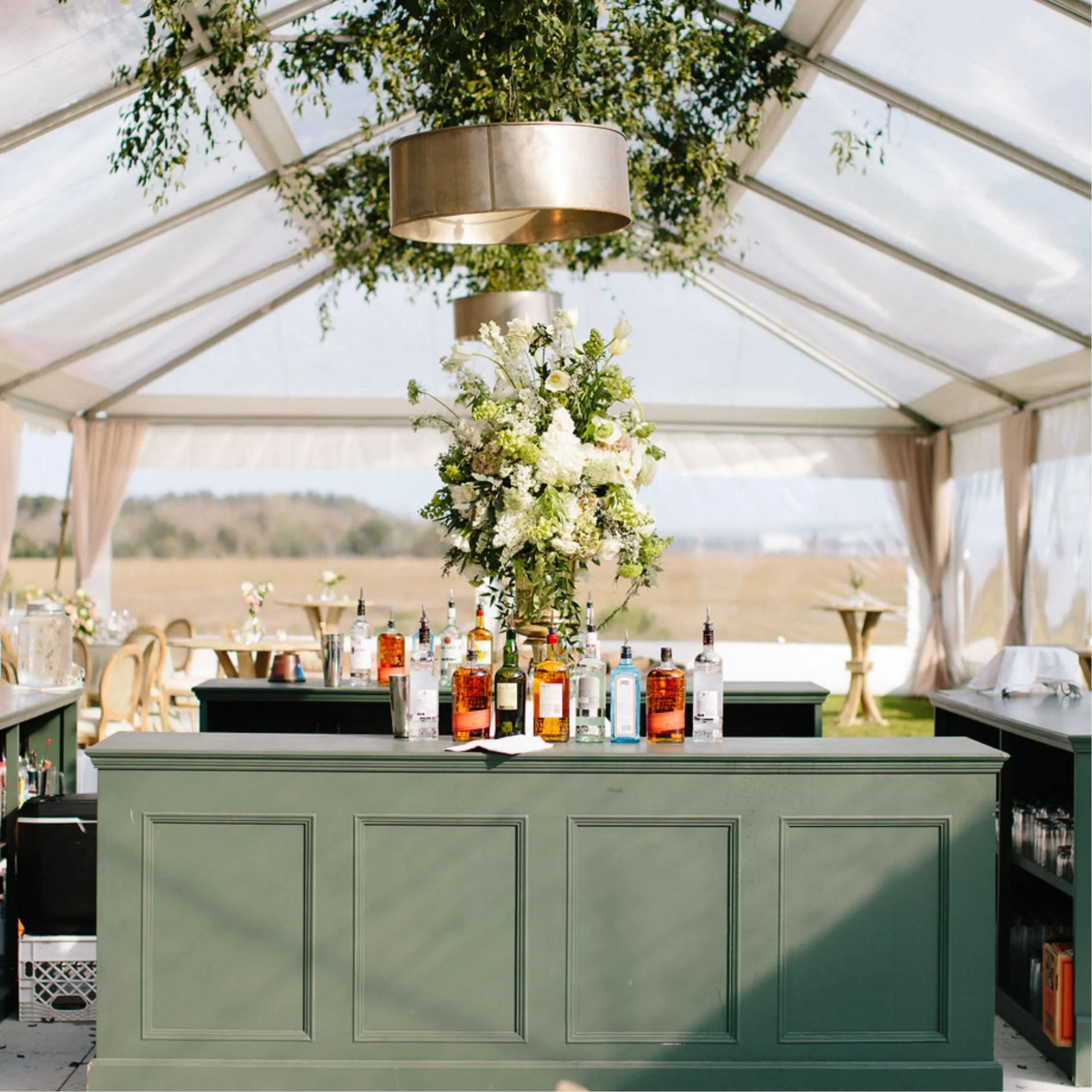
Sidewalls can provide additional protection from outdoor conditions while changing how the tent looks and functions. Their value depends on the degree of weather exposure, the desired enclosure, and the requirements of any equipment operating inside.
Identify Where Wind and Rain Protection Is Needed
A tent roof provides overhead coverage, but open sides leave the interior exposed to wind and rain entering from an angle.
For seated winter receptions, this may be particularly relevant near dining tables positioned along the tent perimeter. Catering stations and other service areas can also require consideration when the weather is unsettled. We cover this further in Hot Beverage Dispenser Rentals for DC Winter Events.
Adding sidewalls may help reduce exposure, although their effectiveness depends on the tent configuration and the conditions encountered.
The decision should account for the direction of prevailing weather, the location of guest seating, and the relationship between the tent and surrounding structures. Sidewalls should be considered part of the weather plan rather than a guarantee of complete protection.
Compare Sidewall Coverage and Appearance
Sidewalls influence the character of an event space as well as its exposure to outdoor conditions.
Solid panels can provide a more enclosed appearance and additional privacy, while windowed options, where available, may preserve views of the surrounding property. This distinction can be important when the landscape forms part of the event setting.
However, the choice should not be made on appearance alone. The selected panels must be compatible with the tent, and their suitability should be reviewed in light of the expected weather and the proposed heating equipment.
Standard sidewalls should not be assumed to provide meaningful insulation simply because they create an enclosed appearance.
Keep Entrances and Ventilation in the Plan
Enclosing a tent changes how guests and vendors move through the space. Entry points must remain accessible, and catering teams may require separate service routes. These openings can also influence the interior environment as guests move between the tent and the surrounding areas.
When heating equipment is planned, the enclosure must meet the system’s ventilation and operating requirements. Complete sidewall coverage is not automatically appropriate for every installation.
These details should be evaluated together so the sidewalls support the event’s function without interfering with access or equipment safety.
When Is Additional Tent Heating Necessary?

Sidewalls can help reduce exposure to outdoor air, but they do not actively heat the space. Whether additional heating is necessary depends on the event’s timing, expected temperatures, tent configuration, and the length of time guests will remain inside. You may also find The Ultimate Guide to Luxury Tent Rentals for Memorable Outdoor Celebrations helpful.
Consider How Long Guests Will Remain in the Tent
A short reception held during a relatively mild afternoon may have different heating needs from a formal dinner extending several hours after sunset.
Guests who remain seated for an extended period may experience the conditions differently from those moving between event areas. This makes the event schedule an important part of the heating assessment.
Rather than selecting equipment based on the temperature expected when guests arrive, planners should consider the anticipated conditions throughout the gathering.
The rental provider can then evaluate whether supplemental heating is appropriate and what equipment the proposed structure may require.
Understand How Enclosure Affects Heating Needs
The relationship between sidewalls and heating is an important part of winter tent planning. Read more in Tent Heater Rentals for Winter Events in Charlotte.
An open-sided tent allows air to move more freely through the structure, while a more enclosed arrangement may reduce some exposure to outside conditions. However, enclosure alone does not determine the heating capacity or equipment type required.
Tent dimensions, ceiling height, entrances, and anticipated weather conditions all influence the assessment.
These factors should be reviewed as one system rather than assuming that adding sidewalls will automatically make a particular heater suitable.
Confirm Utility and Equipment Requirements
Commercial tent heaters may require electrical power, fuel, and designated operating space, depending on the equipment selected.
The venue must be able to accommodate these requirements safely. Equipment placement, ventilation, fuel arrangements, and electrical connections should follow the manufacturer’s specifications and applicable safety requirements.
For Raleigh events, the heating and cooling rental collection provides an overview of available climate-control categories.
Specific equipment recommendations should be confirmed with the rental team before finalizing the tent configuration, particularly when sidewalls or other enclosure elements are involved.
Does Your Winter Tent Need Flooring or Just a Dance Floor?
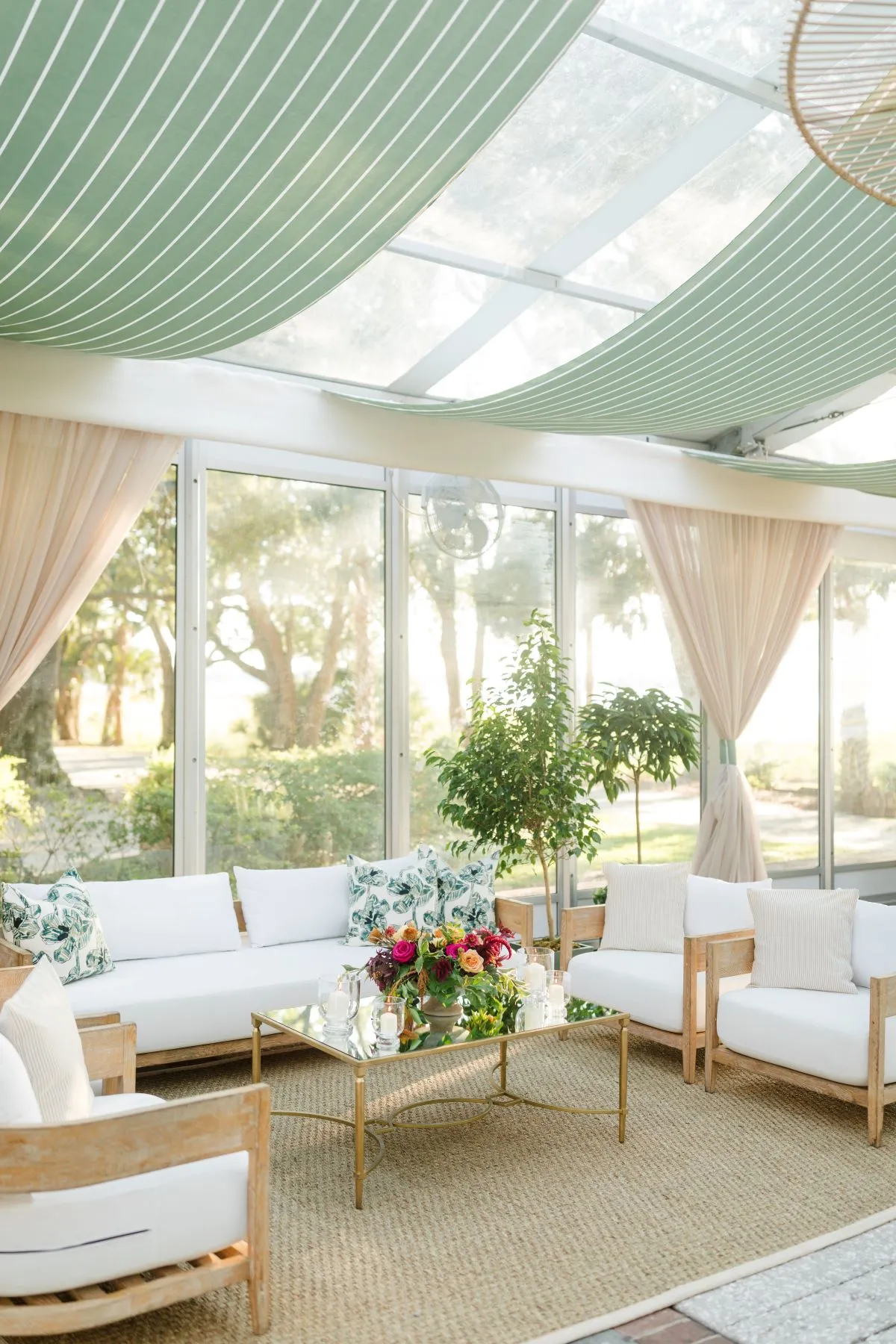
Flooring decisions should begin with the condition of the installation surface and the activities planned beneath the tent. A dance floor creates a designated area for entertainment, while broader tent flooring addresses a different set of requirements. You may also find How to Choose Tent Flooring and Lighting for Raleigh Events helpful.
When Ground Conditions Call for Additional Flooring
Grass, soft soil, and uneven surfaces can affect how comfortably guests move through a tented event space.
Following rainfall, a lawn may become damp or less stable under regular foot traffic. This can influence furniture placement, walking routes, and the suitability of the surface for particular activities.
Appropriate temporary flooring may provide a more consistent surface, depending on the product and site conditions. However, flooring should not be assumed to correct substantial slopes, drainage problems, or other installation concerns without further assessment.
The venue surface should be reviewed before selecting a flooring solution, especially when the event includes formal dining or substantial furniture arrangements.
How Dance Floors Differ From Full Tent Flooring
A dance floor and full tent flooring are not interchangeable. Dance flooring is intended to create a designated surface for dancing, while broader event flooring may cover dining areas, circulation spaces, or a larger portion of the tent. For more detail, see our article The Essential Role of Flooring and Carpeting in Tent Events.
Curated Events’ Raleigh dance floor collection includes Black & White Laminate, Cherry Wood, Sterling Ash, and White Driftwood finishes.
These products offer different appearances for the entertainment area, but their presence does not establish that the rest of the tent has a suitable ground surface.
A dance floor should also not be treated as an insulated subfloor. If wider floor coverage or specialized ground preparation is needed, the available options should be confirmed separately with the rental team.
Consider Entrances and High-Traffic Areas
The condition of the ground is particularly important where guests enter the tent or move frequently between activity areas.
An entrance connecting a lawn to a paved walkway may require additional consideration of surface transitions, especially when the two areas sit at different heights.
The same applies to routes serving catering stations, restrooms, and other frequently used spaces.
Where temporary flooring is proposed, accessibility and the suitability of transitions should be reviewed with the venue and installation team. A floor treatment that works within the main gathering area must also connect appropriately with the surrounding surfaces.
How Do Sidewalls, Heaters, and Flooring Work Together?
Although each component addresses a separate concern, their selection should be coordinated. The most appropriate combination becomes clearer when the venue surface, weather exposure, and event activities are considered together.
A Winter Reception on a Lawn
Consider a wedding reception held beneath a tent on an open lawn outside Raleigh.
The exposed location may call for sidewall coverage to reduce wind and rain entering the dining area. If the celebration continues into the evening, the schedule and forecast may also justify a professional heating assessment.
Ground conditions introduce a separate consideration. If the lawn is soft or damp, the planner may need to discuss whether additional flooring is appropriate for dining areas or principal walkways.
These decisions should be reviewed together because the sidewall arrangement, heating requirements, and usable floor area all influence the final setup.
The lawn setting does not automatically require every available accessory, but it does call for an evaluation of each component against the actual conditions.
An Evening Event on a Paved Surface
A corporate reception held on a paved courtyard presents a different combination of requirements.
The existing surface may be sufficiently stable for tables, chairs, and normal guest movement, reducing the need for extensive temporary flooring. If dancing is part of the program, a designated dance floor may still be desirable.
As the event continues into the evening, sidewalls and heating can be assessed according to the expected temperatures and the degree of exposure around the courtyard.
In this situation, the most useful combination may involve weather protection and a specific entertainment surface rather than flooring throughout the tent. For more detail, see our article Outdoor Charlotte Events: Tent, Flooring & Climate Solutions.
Selecting accessories according to the actual venue prevents the arrangement from becoming unnecessarily complicated.
A Tent Connected to an Indoor Venue
A tent attached or positioned adjacent to an indoor venue requires particular attention to transitions between the two spaces.
Guests may move repeatedly between the building and the tent, making the arrangement of entrances an important consideration. The change in temperature between indoor and outdoor areas may also affect the perceived comfort of the tented space.
Sidewall placement and heating requirements should account for these access points, while any flooring transitions should be appropriate for regular guest movement.
The objective is to make the tent function as a complementary event area while respecting the structural and operational requirements of both spaces.
What Should Be Confirmed Before Finalizing Winter Tent Accessories?
Once the appropriate components have been identified, the proposed rental arrangement should be reviewed as a complete setup. This helps establish which products are available, how they will work together, and what remains to be coordinated.
Verify Which Accessories Are Included
Start by confirming the selected tent structure and the specific accessories included in the proposal.
Sidewalls, heating equipment, flooring, and dance floors should not automatically be assumed to form part of a standard tent rental.
Review the proposed sidewall configuration, the heating equipment recommended for the structure, and any additional surface coverage required for the venue.
The quote should make clear which products are included and whether separate arrangements are needed for supporting equipment or installation.
Review the Combined Layout With the Rental Team
Accessories should be evaluated against the final event layout rather than selected independently.
Confirm that entrances and circulation routes remain appropriate, that furniture does not interfere with equipment requirements, and that flooring arrangements suit the planned activities.
Catering access and other operational routes should also be considered where they affect the proposed configuration.
Reviewing these elements together helps identify potential conflicts before the installation plan is finalized.
Address Weather-Related Changes Before the Event
Winter conditions can change between the initial planning stage and the event date.
Discuss how forecast changes may affect the proposed enclosure, heating requirements, or ground preparation. Any adjustments should be reviewed with the rental team rather than assuming additional equipment can be installed at short notice.
Availability and installation requirements may limit changes close to the event, so relevant decision deadlines should be established in advance.
Frequently Asked Questions
Do All Winter Tents in Raleigh Need Sidewalls?
No. Sidewall requirements depend on the tent structure, weather exposure, event format, and proposed heating system. Some locations may benefit from additional enclosure, while others may accommodate a more open configuration. Compatibility and ventilation requirements should be confirmed before installation.
Are Sidewalls Enough to Keep a Winter Tent Warm?
Sidewalls can reduce exposure to wind and outside air, but they do not actively heat a tent. Whether commercial heating equipment is necessary depends on the expected temperatures, duration of the gathering, and structure’s configuration.
Can a Dance Floor Replace Full Tent Flooring?
No. A dance floor creates a designated surface for dancing and does not automatically address the conditions throughout the rest of the tent. If the venue requires additional flooring for dining, circulation, or ground stability, those requirements should be evaluated separately.
Does Curated Events Offer Tent Heaters in Raleigh?
Yes. Curated Events Raleigh offers heating and cooling rentals, including tent climate-control equipment. The appropriate products depend on the tent, weather conditions, and installation requirements, with availability confirmed for the event date.
Plan Your Raleigh Winter Tent With Curated Events
A winter tent does not need every available accessory to create a comfortable and functional event setting. The right choices depend on the structure, expected weather, ground conditions, and activities taking place beneath it.
Sidewalls can provide additional protection from outdoor conditions, heating equipment addresses temperature requirements, and suitable flooring may improve the usability of particular areas. Understanding these distinctions helps planners select components for a clear purpose rather than adding them automatically.
Curated Events offers tenting, climate-control equipment, and complementary rentals for Raleigh weddings, corporate events, and private celebrations. Ready to plan? Request a quote from Curated Events Raleigh.
Explore the Raleigh event rental collection and request a custom quote to discuss the sidewalls, heating, and flooring considerations appropriate for your winter event.