
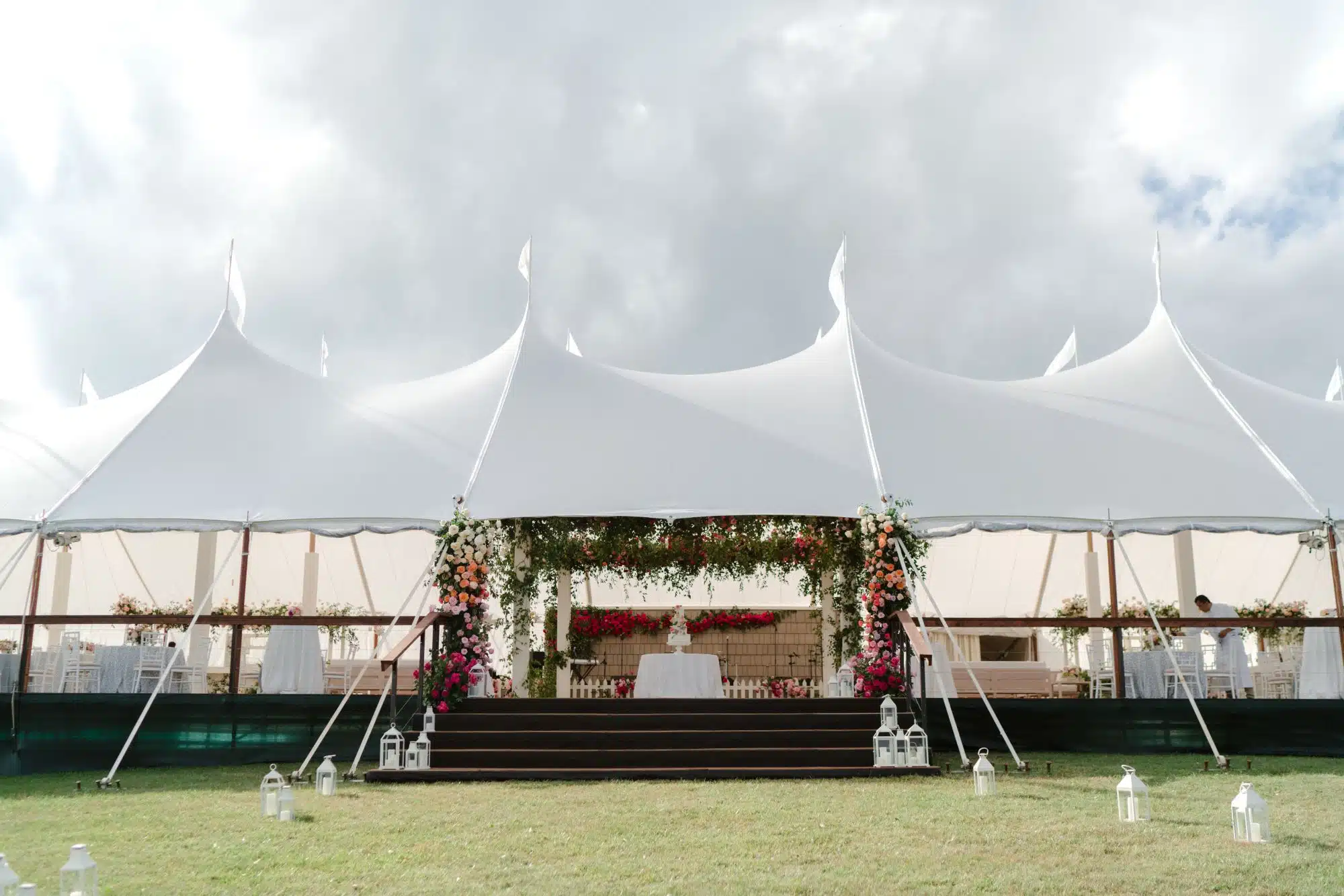
Designing comfortable layouts for large-scale events is crucial for enhancing the attendee experience and ensuring the event’s success. A well-thought-out layout not only facilitates smooth navigation but also promotes social interaction and engagement among participants. This article will explore eight effective strategies for creating comfortable layouts, focusing on ergonomic seating arrangements, traffic flow optimization, technology integration, accessibility considerations, crowd management principles, and the importance of case studies in demonstrating successful designs. By implementing these strategies, event planners can significantly improve attendee comfort and satisfaction, ultimately leading to more successful events.
How can ergonomic seating arrangements enhance comfort at large events?
Ergonomic seating arrangements play a vital role in enhancing comfort at large events by promoting better posture and reducing fatigue. These arrangements are designed to support the body’s natural alignment, which can lead to improved attendee wellbeing and engagement. By prioritizing ergonomic seating, event planners can create an environment that fosters comfort and productivity, allowing attendees to focus on the event rather than their discomfort.
What are the best ergonomic furniture options for event seating?
When selecting ergonomic furniture for event seating, consider the following options:
- Adjustable Chairs: These chairs allow users to customize their height and support, accommodating various body types and preferences.
- Lumbar Support Cushions: These cushions provide additional support for the lower back, promoting proper posture during long periods of sitting.
- Stools with Footrests: Stools with footrests can help reduce leg strain and improve circulation.
These ergonomic options not only enhance comfort but also contribute to a more enjoyable event experience.
How does seating layout impact attendee wellbeing and flow?
The layout of seating arrangements significantly impacts attendee well-being and event flow. A well-designed seating layout can facilitate social interactions and networking, while a poorly planned layout can lead to congestion and discomfort. For instance, arranging seats in a circular or semi-circular formation encourages conversation and engagement among attendees. Additionally, ensuring adequate space between seating areas allows for easy movement and access to amenities, further enhancing the overall experience.
What strategies optimize traffic flow for large event spaces?
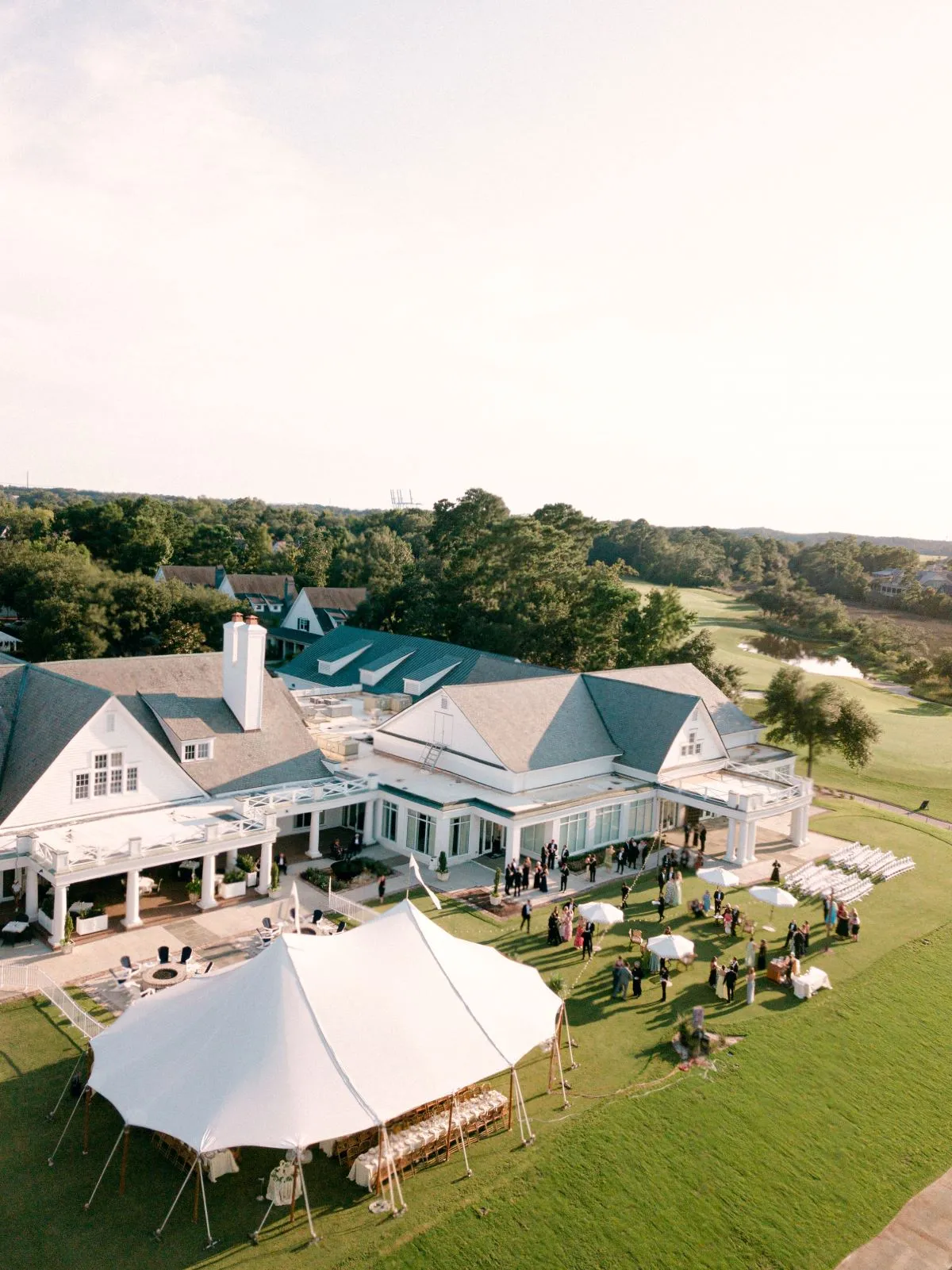
Optimizing traffic flow in large event spaces is essential for minimizing congestion and ensuring a smooth experience for attendees. Effective traffic patterns can guide attendees to key areas, such as registration, restrooms, and food stations, reducing frustration and enhancing overall satisfaction.
How to design effective event traffic patterns to reduce congestion?
To design effective traffic patterns, consider the following strategies:
- Clear Signage: Use clear and visible signage to guide attendees to various areas of the event, helping them navigate efficiently.
- Wide Aisles: Ensure that aisles are wide enough to accommodate the expected foot traffic, allowing for easy movement and reducing bottlenecks.
- Designated Entry and Exit Points: Establish separate entry and exit points to streamline the flow of attendees and prevent overcrowding in specific areas.
Implementing these strategies can significantly improve traffic flow and enhance the overall event experience.
Which zoning and space planning techniques improve event navigation?
Zoning and space planning techniques are crucial for improving event navigation. By dividing the event space into distinct zones, planners can create a more organized and intuitive layout. Consider the following techniques:
- Thematic Zones: Create zones based on themes or activities, allowing attendees to easily identify areas of interest.
- Interactive Spaces: Incorporate interactive spaces where attendees can engage with exhibits or participate in activities, encouraging exploration and movement.
- Rest Areas: Designate rest areas with comfortable seating and amenities, providing attendees with a place to recharge and socialize.
These zoning techniques enhance navigation and contribute to a more enjoyable event experience.
How does technology integration improve comfort and functionality in event layouts?
Integrating technology into event layouts can significantly enhance comfort and functionality. Technology can streamline processes, improve communication, and create a more engaging experience for attendees. By leveraging innovative solutions, event planners can create layouts that are not only comfortable but also efficient.
What event planning technologies support layout design and attendee experience?
Several event planning technologies can support layout design and enhance the attendee experience:
- Event Management Software: This software helps planners design layouts, manage registrations, and track attendee engagement in real-time.
- Interactive Floor Plans: Interactive floor plans allow attendees to navigate the event space using their smartphones, providing them with information about sessions, exhibitors, and amenities.
- Virtual Reality Tools: Virtual reality tools can help planners visualize layouts and make adjustments before the event, ensuring optimal design and functionality.
These technologies contribute to a seamless event experience, enhancing both comfort and engagement.
How can interactive layout tools enhance event planning consultations?
Interactive layout tools can significantly enhance event planning consultations by providing a visual representation of the proposed layout. These tools allow planners to:
- Visualize Space Utilization: Planners can see how different layouts will utilize space, helping them make informed decisions about seating arrangements and traffic flow.
- Engage Clients: Interactive tools enable clients to participate in the design process, fostering collaboration and ensuring their needs are met.
- Test Scenarios: Planners can test different layout scenarios to identify the most effective design for attendee comfort and engagement.
By incorporating interactive tools into consultations, planners can create more tailored and effective event layouts.
Why are accessibility considerations critical in large-scale event design?
Accessibility considerations are essential in large-scale event design to ensure that all attendees can participate fully and comfortably. By prioritizing accessibility, event planners can create inclusive environments that cater to diverse needs, enhancing the overall experience for everyone involved.
What accessibility features ensure inclusive event environments?
To create inclusive event environments, consider incorporating the following accessibility features:
- Wheelchair Access: Ensure that all areas of the event are accessible to individuals using wheelchairs, including entrances, restrooms, and seating areas.
- Sign Language Interpreters: Provide sign language interpreters for sessions to accommodate attendees with hearing impairments.
- Visual Aids: Use visual aids, such as large print materials and braille signage, to assist attendees with visual impairments.
These features not only comply with legal requirements but also demonstrate a commitment to inclusivity and attendee comfort.
How to incorporate ADA compliance into event layout planning?
Incorporating ADA compliance into event layout planning involves understanding and implementing the requirements set forth by the Americans with Disabilities Act (ADA). Key considerations include:
- Accessible Routes: Ensure that all pathways and entrances are accessible, with ramps and clear signage indicating accessible routes.
- Seating Arrangements: Designate accessible seating areas that provide adequate space for wheelchairs and companions.
- Emergency Procedures: Develop emergency procedures that account for the needs of individuals with disabilities, ensuring their safety during the event.
By adhering to ADA compliance, planners can create a welcoming environment for all attendees.
What crowd management principles improve comfort and safety at large events?
Effective crowd management principles are crucial for improving comfort and safety at large events. By implementing these principles, planners can minimize risks and enhance the overall experience for attendees.
How does crowd flow optimization reduce congestion and enhance experience?
Crowd flow optimization involves strategically managing the movement of attendees to prevent congestion and ensure safety. Key strategies include:
- Monitoring Attendance: Use real-time data to monitor attendance levels and adjust crowd management strategies accordingly.
- Designated Pathways: Establish designated pathways for different types of traffic, such as foot traffic and service vehicles, to minimize conflicts.
- Staff Training: Train staff to manage crowds effectively, ensuring they can respond to emergencies and assist attendees as needed.
These strategies contribute to a safer and more comfortable event environment.
Which best practices support effective crowd control in event layouts?
Implementing best practices for crowd control can significantly enhance attendee comfort and safety. Consider the following practices:
- Pre-Event Planning: Conduct thorough pre-event planning to identify potential crowd management challenges and develop strategies to address them.
- Clear Communication: Use clear communication methods, such as announcements and signage, to inform attendees about crowd management procedures.
- Feedback Mechanisms: Establish feedback mechanisms to gather input from attendees about their experiences, allowing for continuous improvement in crowd management strategies.
By following these best practices, planners can create a more enjoyable and secure event experience.
Frequently Asked Questions
What role does lighting play in event layout design?
Lighting is a crucial element in event layout design as it influences the atmosphere and mood of the space. Proper lighting can enhance visibility, highlight key areas, and create a welcoming environment. For instance, using softer lighting in lounge areas can promote relaxation, while brighter lights in presentation zones can keep attendees alert. Additionally, strategic lighting can guide attendees through the space, making navigation easier and more intuitive. Overall, effective lighting design contributes significantly to attendee comfort and engagement.
How can sound management improve the event experience?
Sound management is essential for creating a comfortable event environment. Poor acoustics can lead to noise distractions, making it difficult for attendees to engage in conversations or focus on presentations. To improve sound management, planners can use sound-absorbing materials, strategically place speakers, and create designated quiet zones. Additionally, providing headsets for presentations can help attendees hear clearly without background noise interference. By addressing sound management, event planners can enhance the overall experience and ensure that attendees can fully participate in the event.
What are the benefits of using modular furniture in event layouts?
Modular furniture offers significant benefits for event layouts, including flexibility and adaptability. This type of furniture can be easily rearranged to accommodate different activities or attendee needs, allowing for quick adjustments during the event. Additionally, modular pieces can be combined to create various seating arrangements, promoting social interaction and comfort. This versatility not only enhances the attendee experience but also allows planners to optimize space utilization effectively. Overall, modular furniture contributes to a dynamic and engaging event environment.
How can planners ensure effective communication during large events?
Effective communication during large events is vital for ensuring a smooth experience for attendees. Planners can implement several strategies, such as using clear signage, providing event schedules, and utilizing mobile apps for real-time updates. Additionally, having staff members available to assist attendees and answer questions can enhance communication. Regular announcements can also keep attendees informed about important information, such as session changes or emergency procedures. By prioritizing communication, planners can help attendees navigate the event confidently and comfortably.
What are the key considerations for outdoor event layouts?
When planning outdoor event layouts, several key considerations must be taken into account. Weather conditions are paramount; planners should have contingency plans for rain or extreme heat, such as tents or shaded areas. Additionally, the terrain should be assessed for accessibility, ensuring that pathways are stable and safe for all attendees. Providing adequate restroom facilities and hydration stations is also essential. Finally, incorporating natural elements, such as landscaping and seating arrangements, can enhance the overall experience and comfort of outdoor events.
How can feedback from previous events inform future layout designs?
Feedback from previous events is invaluable for informing future layout designs. By analyzing attendee surveys and comments, planners can identify areas for improvement, such as seating comfort, traffic flow, and accessibility. This data allows planners to make informed decisions about layout adjustments that enhance attendee experience. Additionally, understanding what worked well can help replicate successful elements in future events. Continuous improvement based on feedback ensures that each event is more comfortable and engaging than the last, ultimately leading to higher satisfaction rates.
Conclusion
Designing comfortable layouts for large-scale events is essential for enhancing attendee satisfaction and engagement. By implementing ergonomic seating, optimizing traffic flow, and prioritizing accessibility, event planners can create environments that foster interaction and comfort. These strategies not only improve the overall experience but also demonstrate a commitment to attendee wellbeing. Discover how our expert event planning services can help you create unforgettable experiences today.