
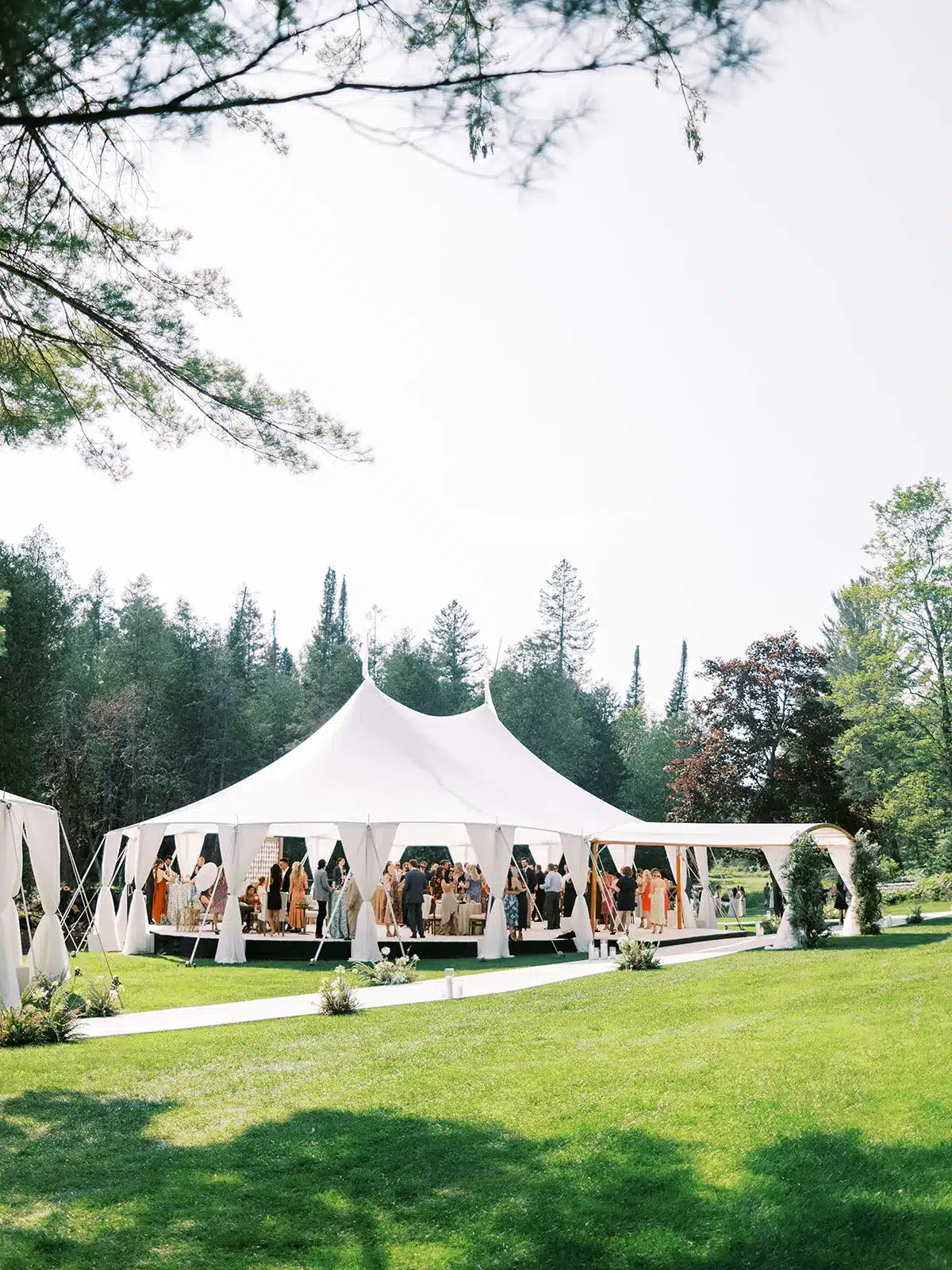
Our corporate events bar rentals deliver polished beverage service, portable bar builds, and branded hospitality designed for business gatherings. We pair practical, mobile setups with experienced staff so your guests receive consistent, on‑brand service—whether it’s a gala, product launch, networking reception, or offsite meeting. This guide explains popular bar styles, branding options, operational advantages, package tiers, design and sustainability recommendations, and a straightforward booking workflow so planners can select the right solution and brief vendors confidently. We also call out the practical details—service flow, staffing ratios, and customization—so the bar supports both presentation and guest experience without permanent construction.
Corporate events remain a powerful tool to increase brand awareness and advance business goals.
We are Curated Events — a rental partner focused on high‑quality furnishings and attentive service that lift every gathering.
What Types of Bar Rentals Are Ideal for Corporate Events?
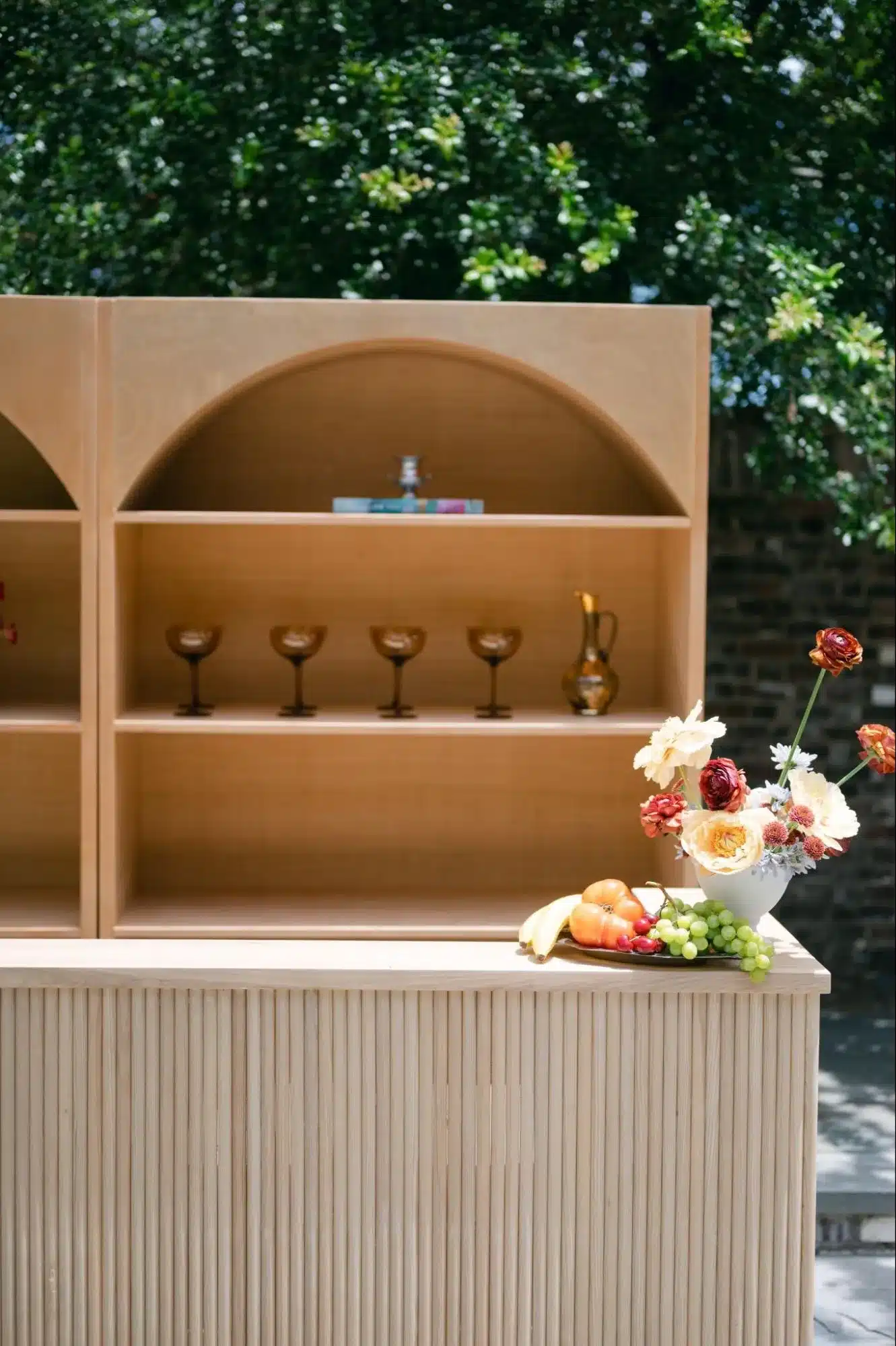
Corporate bar rentals span mobile units built to match your event’s tone and footprint—from sleek backlit counters to warm timber stations. Each option acts as a service point and a visual anchor that guides guest flow and reinforces your brand. Understanding how bar structure, glassware, lighting, and staffing work together helps you choose the best fit for your audience and objectives. Below is a quick, scannable list of top bar types with one‑line recommendations to speed decision‑making.
The top bar styles and when to use them:
- Modern Illuminated Bars: Minimal metal and glass with LED accents — ideal for product launches and executive receptions.
- Rustic Wooden Bars: Warm timber finishes and tactile detail — suited to relaxed awards nights and company retreats that retain a professional tone.
- Branded Pop-up Bars: Swap‑out front panels and printed graphics — perfect for trade shows, lobby takeovers, and brand activations.
- Portable Cocktail Stations: Compact carts with refrigeration — well suited for networking breakouts and intimate receptions where space is limited.
Use this quick taxonomy to narrow options; the table below pairs styles with common corporate use cases and venue considerations to help planning and logistics.
Modern and ontemporary Corporate Bar Designs
Modern corporate bars favor clean silhouettes, neutral palettes, and integrated lighting so the bar feels refined without dominating the room. Typical materials include metal or acrylic facades, tempered glass shelving, and modular LEDs that can be color‑matched to your brand. The result is a streamlined service point that complements presentations or cocktail demos. When selecting finishes, ask vendors for LED color ranges and power requirements so lighting integrates with AV plans and avoids color conflicts during presentations—these practical checks keep design decisions grounded in logistics.
Rustic and Themed Bar Setups for Business Functions
Rustic and themed bars use aged timber, matte metals, and curated props to create a warm, approachable setting while keeping branding restrained and service professional. Tactile materials soften formality without sacrificing a corporate look—good for long networking sessions where guests should feel at ease. Examples include a timber bar with brass tap handles for a retirement celebration or a muted, theme‑aligned install for an industry awards night. Clear vendor briefs ensure rustic setups meet corporate visual standards and include necessary service elements—glassware, refrigeration, and mixology kits—so quality stays consistent.
How Can Customizable Event Bars Enhance Your Corporate Branding?

Customizable bars create focused branding moments: logos, color‑matched lighting, signature cocktails, and branded glassware combine at a hospitality touchpoint attendees remember. Small experiential details—an etched coaster or a named cocktail—build associations that extend beyond the event. Practical branding tactics include front‑panel graphics, LED backlighting tuned to brand colors, custom napkins and stirrers, and signature cocktail names tied to launches or milestones. Schedule these elements with adequate lead time and provide vendor artwork specs so branding enhances the guest experience instead of overwhelming it.
Events remain one of the most effective ways to craft brand experiences and foster direct customer relationships.
Common branding methods to apply at bars:
- Front-Panel Logos and Panels: Backlit or printed panels that present your identity during service.
- Color-Matched LED Lighting: Programmable LEDs adjusted to brand palettes for ambiance and recognition.
- Branded Glassware and Coasters: Subtle, high‑visibility items that reinforce identity at the point of use.
- Themed Signature Cocktails: Drinks named or styled around product launches, campaigns, or company milestones.
Incorporating Company Logos and Colors into Bar Designs
Place logos and brand colors where they’ll read from guest sightlines—front facades, overhead signage, and digital screens—and supply vector artwork in vendor‑required formats for crisp reproduction. The rules are contrast and scale: size and light your logo so it’s legible without competing with stage lighting. Practical checks include confirming power for backlit panels and scheduling setup time for custom installs. After artwork approval, conduct a site walk to validate sightlines and illumination so the final install performs well in the real space.
Using Branded Glassware and Themed Decor for Corporate Identity
Branded glassware and themed decor deliver high impact with minimal clutter: a logoed coaster or stem provides repeated visual cues as guests hold their drinks. Branded glassware rates high for visibility but requires lead time for production or rental sourcing; disposable branded items are faster but may conflict with sustainability goals. Balance production timelines, per‑unit costs, and washing/logistics needs against visibility outcomes, and size quantities to guest counts to avoid shortages.
What Are the Benefits of Mobile Bar Rentals for Business Events?
Mobile bar rentals offer operational flexibility, scalable service, and engaging hospitality without building a permanent bar. Portability, modular equipment (onboard refrigeration, LED modules), and trained staff create dependable service points that adapt to venue constraints. Key advantages include faster setup, simpler permitting compared with fixed installations, and the ability to reposition bars to optimize traffic flow or capture high‑footfall areas. Below are the core benefits planners cite when selecting mobile bar rentals.
- Flexible Placement: Site bars where guest flow and sightlines work best.
- Simplified Logistics: Portable refrigeration and modular setups reduce venue build needs.
- Scalability: Choose units and staffing levels to match guest counts.
- Guest Engagement: Interactive features and signature cocktails elevate the attendee experience.
These operational benefits reduce setup risk and improve guest satisfaction; the following section covers compatibility and setup checks to confirm venue readiness.
Flexibility and Portability of Mobile Bar Solutions
Branded pop‑ups and portable cocktail stations install quickly and adapt to ballrooms, terraces, or busy conference floors where permanent bars aren’t practical. Modularity—fold‑out counters, detachable refrigeration, and plug‑and‑play lighting—lets crews set service points fast while meeting power and access constraints. You can reposition bars during an event to improve flow or cluster services by activity. Early checklist items should include load‑in access, available power circuits, and flooring considerations for wheeled units to prevent last‑minute changes.
Technology Integration: LED Lighting and Interactive Features
Modern mobile bars often include tech features—programmable LEDs, digital menu tablets, and compact touchscreen ordering stations—that reinforce branding, speed service, and create interactive moments. These elements link visual identity to guest engagement and operational throughput. When planning, verify power and Wi‑Fi availability, data needs for interactive displays, and any mounting or safety requirements for hardware. Test all tech during setup to avoid disruptions and deliver a consistent guest experience.
Which Full-Service Professional Bar Packages Are Available for Corporate Parties?
Full‑service bar packages typically arrive in tiers—basic, premium, and bespoke—combining staffing, beverage selection, glassware, and logistics so you can match value to event goals and budget. Tiers reflect differences in on‑site expertise (bartenders versus mixologists), customization (signature cocktails and branded glassware), and operational support (setup, refrigeration, POS). The table below compares common inclusions to help planners evaluate offerings and prepare vendor questions.
Intro to package comparison table: this compares typical inclusions across common package tiers so you can see staffing and service differences at a glance.
Mixology Services and Beverage Options
Mixology options span straightforward cocktail execution to curated signature menus crafted by trained mixologists. Typical selections include classic cocktails, wine pairings, and non‑alcoholic craft choices to honor inclusivity and dietary needs. Mixologists bring consistency, pace, and presentation that raise perceived quality; sourcing and stocking decisions influence cost and guest satisfaction. When comparing packages, request sample menus, confirm alcohol service policies, and ensure non‑alcoholic and allergen‑safe alternatives are available. A clear beverage brief also helps determine glassware counts and staffing levels.
Glassware, Logistics, and Event Support
Glassware selection, refrigeration, permits, and setup logistics form the operational backbone of any bar hire—each element should be specified early to avoid service gaps and meet venue policy. Reliable logistics rely on supply lists, site walks, and confirmed timelines for load‑in, setup, and teardown. Use vendor checklists that list required power sources, floor protection, and cleanup procedures. Confirm counts (glasses per guest plus backups) and verify insurance or permit responsibilities with the venue to eliminate last‑minute obstacles.
How to Create an Inviting Atmosphere with Corporate Bar Rentals?
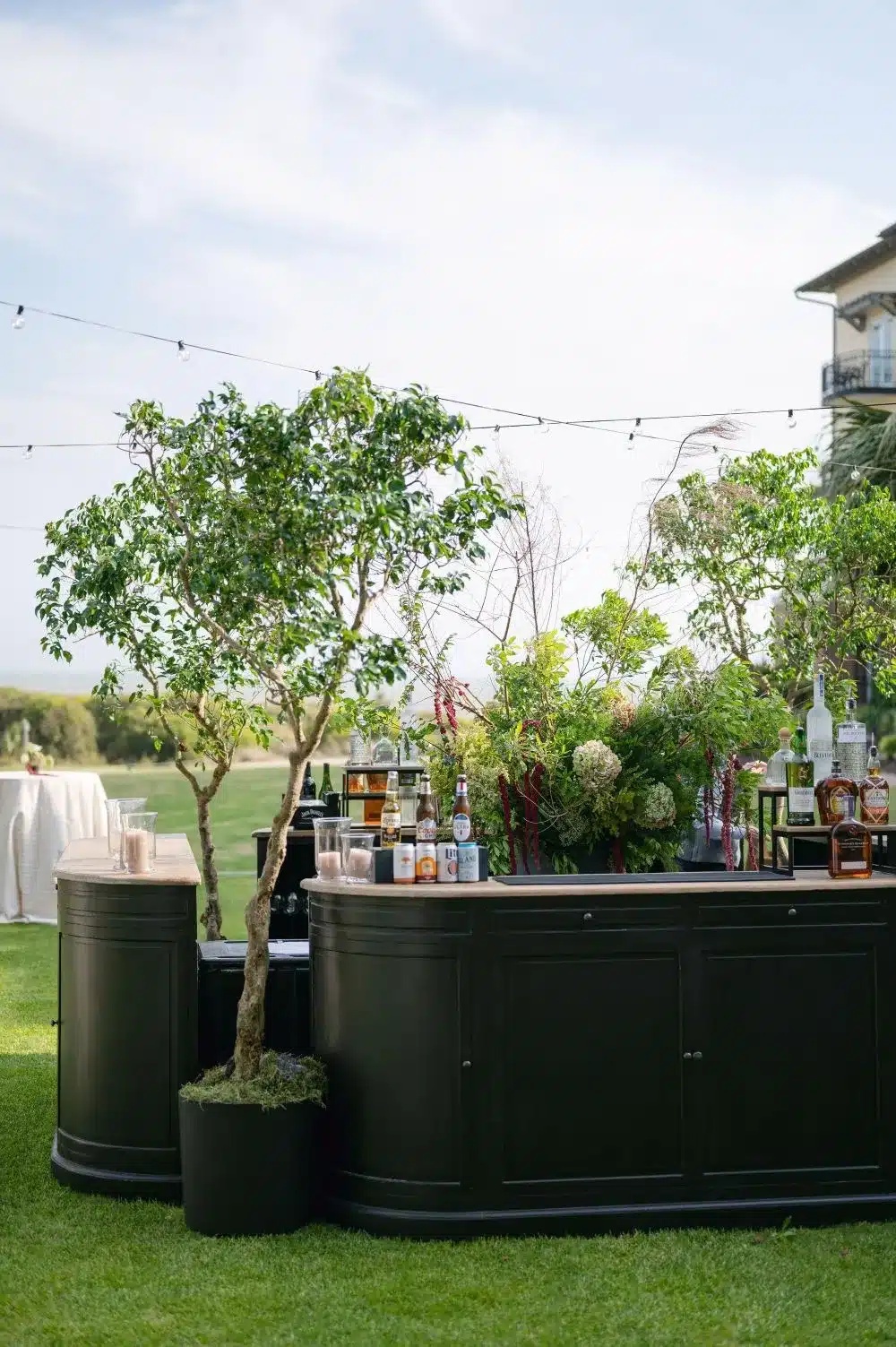
An inviting bar strikes a balance between aesthetics, circulation, and service, encouraging interaction while maintaining a professional atmosphere. Lighting, seating, and placement directly shape guest comfort and networking outcomes: warm, layered lighting and clustered standing areas invite conversation, while strategic bar placement prevents bottlenecks. Below is a practical checklist linking design choices to tangible guest‑experience benefits so planners can prioritize what matters most.
Intro list explains the components that follow and why they matter before the design-element table.
- Lighting: Layer ambient and task lighting to showcase the bar and keep guests comfortable.
- Seating and Standing Balance: Provide a mix of high‑tops and lounge seating to support different conversation styles.
- Traffic Flow: Position bars near primary areas but off main circulation paths to avoid congestion.
- Signage and Wayfinding: Clear, subtle cues reduce confusion and speed service.
These elements create a cohesive design approach; the table below links components to expected benefits.
Design Tips: Lighting, Seating, and Layout
Begin with your event objective—networking, presentation, or celebration—and position the bar to support that goal. Layer warm ambient light with cooler task lighting over work areas so servers can work precisely while guests enjoy the atmosphere. Include high‑top tables to encourage standing clusters and add a few lounge areas for longer conversations. Consider staff sightlines and drink pickup routes to minimize cross‑traffic, and verify flooring and furniture allow safe tray movement. These practical choices pair naturally with sustainable practices that reduce waste without sacrificing style.
Frequently Asked Questions
What types of events are best suited for mobile bar rentals?
Mobile bar rentals suit many corporate formats: product launches, networking receptions, award ceremonies, company retreats, and hospitality suites. Their adaptability lets you select a bar style and service level that fits the formality and scale of your event.
How can I ensure the mobile bar fits my venue’s layout?
Perform a site assessment and share dimensions, power access, and load‑in details with your vendor. Experienced providers will recommend placements that balance guest flow and service efficiency. A site walk is the best way to confirm fit before the event.
What are the typical costs associated with mobile bar rentals?
Costs depend on bar type, service level, and add‑ons like mixology, branded elements, or interactive tech. Basic packages are more budget‑friendly; premium or bespoke activations with custom menus and branding carry higher costs. Always request detailed quotes to understand the full investment.
Can I customize the drink menu for my event?
Yes—most providers offer customizable menus, signature cocktails, and thoughtful non‑alcoholic options. Discuss preferences and sourcing needs early so the team can secure ingredients and develop recipes that support your event theme.
What should I consider when choosing a bar style for my event?
Match the bar style to your theme, venue size, and audience. Modern illuminated bars suit formal evening events; rustic wooden bars add warmth for casual gatherings. Also consider function—service speed, drink types, and how the bar fits into overall event flow.
How do I handle last-minute changes in guest count?
Tell your vendor as soon as possible. Many vendors allow adjustments within specific cut‑off windows; confirm their policies and any additional costs ahead of time. If you expect fluctuations, discuss flexible options during planning.
Conclusion
Corporate bar rentals pair professional service, customizable branding, and operational flexibility to improve guest experience and reinforce corporate identity. Select the right mobile bar, plan the logistics, and brief vendors clearly to deliver smooth, memorable hospitality. Explore our bar styles and packages or contact us — we’ll help design a bar program that suits your event and your brand.