
The colors chosen for event furniture play a powerful role in shaping mood, flow, and guest experience. Whether through bold contrasts or soothing monochromatic palettes, thoughtful use of color can transform a gathering into an immersive environment. By understanding the basics of color theory, how hues, tints, tones, and temperatures interact, planners can craft designs that feel cohesive and memorable. This guide explores how contrast and monotone approaches impact event atmospheres, how color psychology influences different event types, and how to apply these principles when selecting furniture, linens, and décor for any occasion.
Unlocking the Fundamentals of Color Theory for Event Furniture
Color theory helps define how different hues interact, influence mood, and shape cohesive event designs. By understanding the color wheel, exploring variations such as tints and shades, and balancing warm versus cool tones, planners can create palettes that reinforce an event’s theme and emotional tone. Establishing this foundation makes it easier to decide whether to lean on bold contrasts or the refined calm of a monochromatic scheme.
Navigating the Color Wheel
The color wheel organizes primary, secondary, and tertiary hues in a visual spectrum. Primary colors—red, blue, and yellow—combine to form secondary colors like green and violet, while mixing those again creates tertiary options. Selecting furniture in opposite positions on the wheel produces striking contrast, while choosing neighboring colors results in harmonious, understated groupings.
Hues, Tints, Tones, and Shades
Each variation of a color creates a distinct effect:
- Hues are pure colors as seen on the wheel.
- Tints (hue + white) soften palettes, adding lightness and romance.
- Tones (hue + gray) create muted sophistication.
- Shades (hue + black) deepen colors for a dramatic, moody effect.
These variations allow linens, upholstery, and table accents to coordinate seamlessly without duplicating exact hues.
Warm vs. Cool Colors
The warmth or coolness of a palette sets the overall atmosphere.
- Warm tones (reds, oranges, yellows) convey energy, intimacy, and excitement, perfect for lounges and social spaces.
- Cool tones (blues, greens, purples) promote calm, professionalism, and serenity, often suited to conferences or elegant receptions.
Recognizing these categories gives planners a framework for choosing colors that align with the desired mood and guest experience.
The Power of Contrast in Event Furniture Color Schemes
Contrast adds energy and visual interest to event spaces by pairing colors with strong differences in hue, value, or saturation. These combinations guide the eye, highlight focal areas, and make furniture groupings, such as seating clusters, head tables, or lounge zones, stand out with intention.
Types of Contrast Schemes
These strategies influence how colors are paired across furniture, linens, and accents, whether it’s velvet lounge seating in jewel tones or tables layered with linens that pop against darker chairs.
Maximizing Impact with Complementary Colors
Complementary colors, such as blue paired with orange, offer striking vibrancy. For example, deep sapphire lounge chairs against warm amber accents instantly create a focal point, guiding guest attention toward dance floors, stages, or entryways.
Balanced Schemes with Split-Complementary and Triadic Palettes
Split-complementary schemes soften contrast while keeping it dynamic, offering harmony with a touch of vibrancy. Triadic palettes, like red, blue, and yellow, distribute color energy evenly across a room. Both approaches allow planners to introduce variety without overwhelming the design.
Creating Focal Points Through Contrast
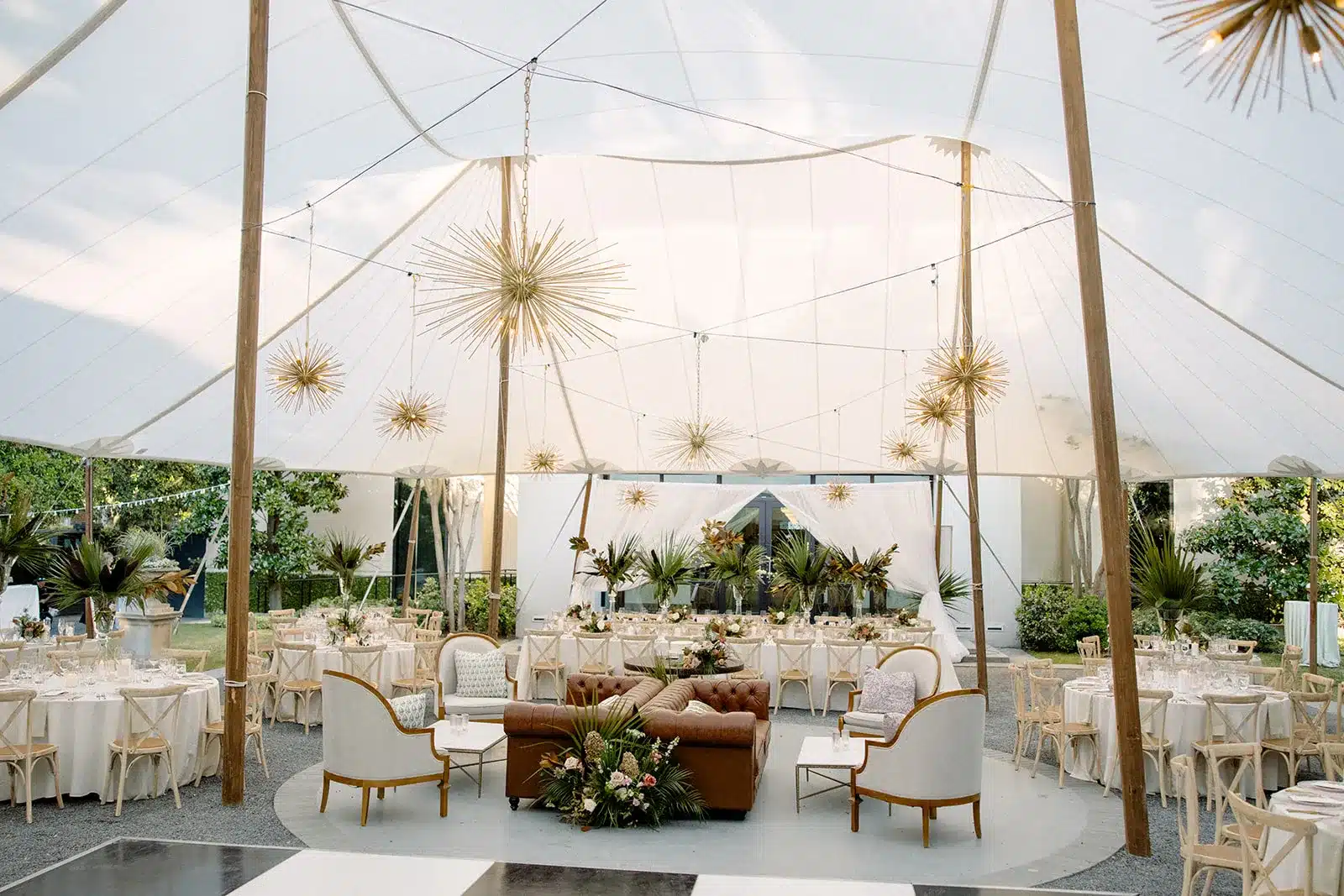
Contrasting clusters—such as emerald lounge seating framed by neutral backdrops—anchor social areas and naturally encourage guest interaction. Accent tables or chairs in complementary shades can highlight key functional spaces, like dining zones or registration desks.
Real-World Inspiration
At corporate events, deep navy seating paired with warm orange accents can reinforce branding while drawing the eye to the stage. For weddings, romantic lounges in lavender tones set against deeper green drapery create elegant, photo-worthy backdrops. These examples show how contrast not only captures attention but also unifies furniture and décor within a clear design narrative.
The Elegance of Monochromatic Furniture Design
Monochromatic design uses variations of a single color to create harmony and cohesion. By building a palette around one base hue and incorporating its lighter and darker variations, event spaces feel intentionally curated, calm, and sophisticated. This approach lets textures and materials take center stage without competing colors.
Defining a Monochromatic Scheme
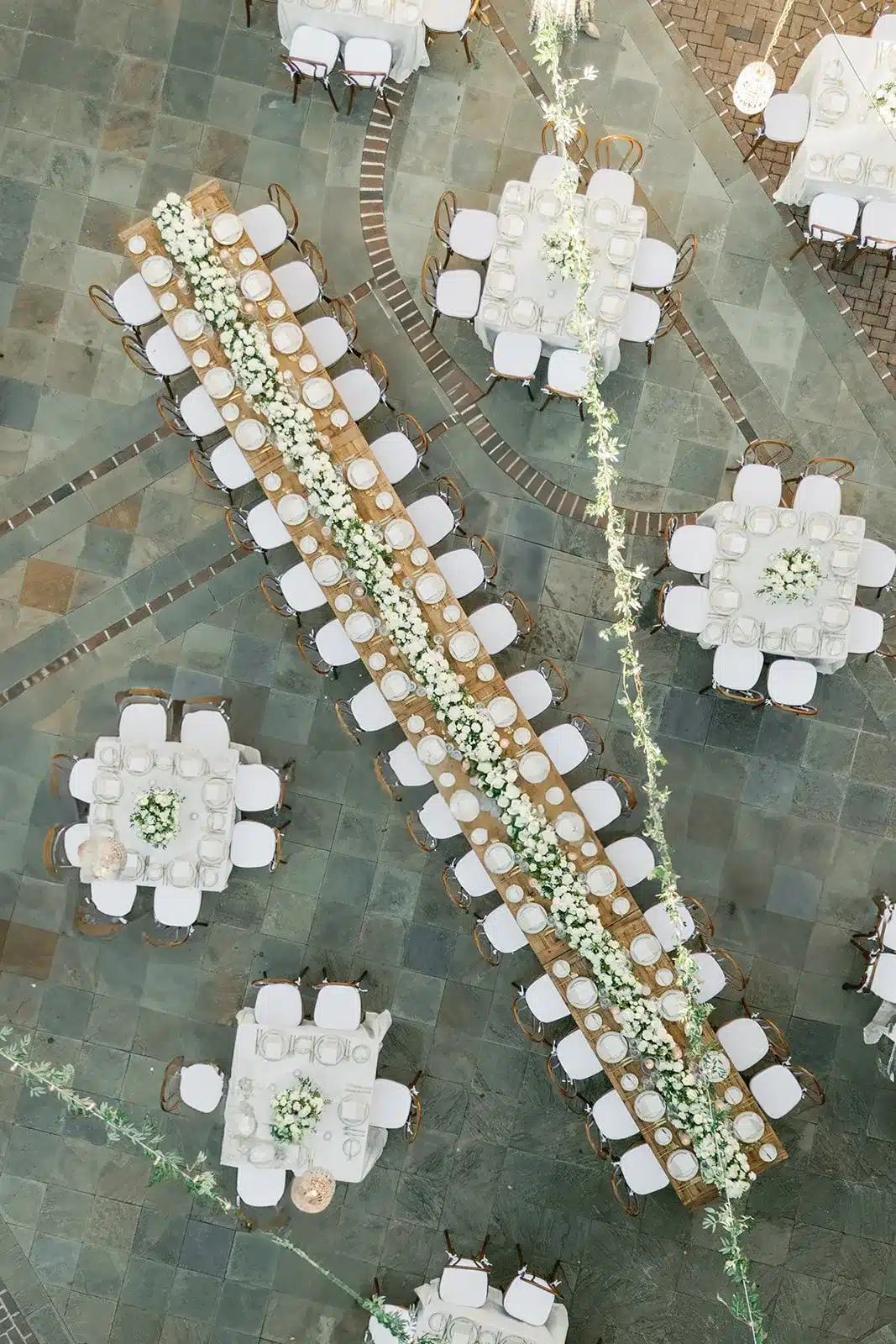
In a monochromatic palette, all furniture pieces, chairs, tables, and lounge seating, draw from the same color family. For example, pairing dove-gray armchairs with charcoal tables and slate-toned linens maintains coherence while adding visual depth.
Adding Depth with Texture and Material
Texture becomes the key design element in monotone spaces. Plush velvet, crisp linen, polished wood, and metallic accents reflect light differently, layering richness even when the color stays consistent. These subtle contrasts make the space engaging while preserving simplicity.
Creating Harmony and Serenity
Because competing hues are eliminated, monochromatic palettes promote a sense of calm and focus. This design style works especially well for intimate weddings, elegant dinners, or professional receptions where conversation and connection are at the forefront.
Monochromatic Inspiration
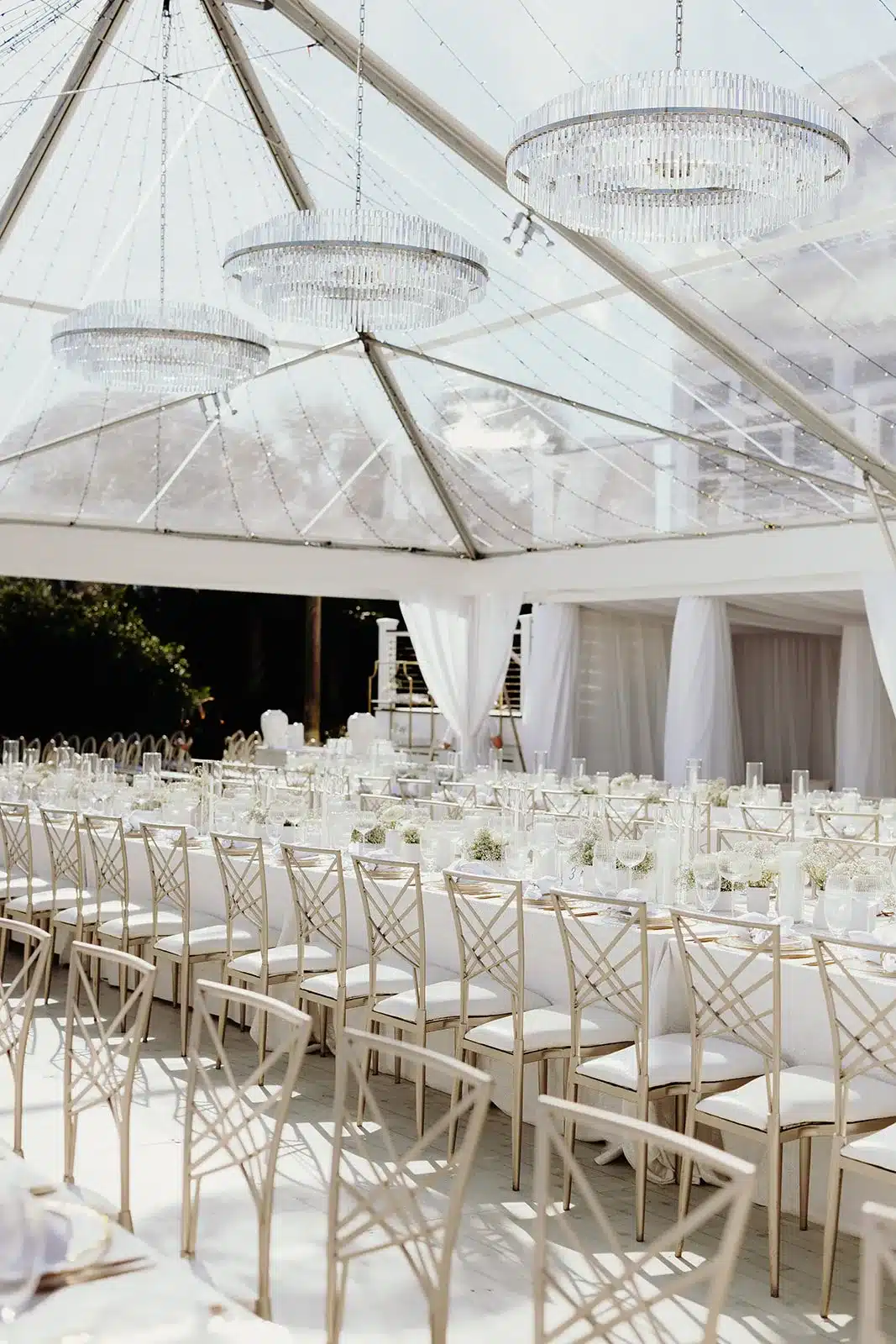
Imagine an ivory-toned reception lounge with cream sofas, pearl side tables, and soft neutral carpets for a serene, gallery-like feel. Or picture a formal fundraiser with black chairs, slate linens, and graphite accents, creating a dramatic yet unified backdrop. In both cases, the effect is sophisticated, intentional, and timeless.
Applying the 60-30-10 Rule for Balanced Event Furniture Palettes
The 60-30-10 rule is a classic design principle that divides color usage into dominant, secondary, and accent roles. Applied to event furniture, it helps create palettes that feel balanced, cohesive, and visually comfortable.
How the Rule Works
By following these proportions, planners can simplify rental selections—for example, choosing lounge upholstery in the dominant hue, supporting it with secondary-colored chairs, and finishing the look with small accents like pillows or tabletop décor.
Understanding Each Role
- Dominant colors cover the largest areas, establishing the foundation of the palette.
- Secondary colors support the dominant hue, adding variety without overwhelming.
- Accent colors are limited pops that bring energy and personality.
Balancing Visual Weight
Placement matters as much as proportion. Grouping lounge seating in the dominant hue on one side of the room can be balanced with secondary-colored dining chairs on the other. Scattering accent ottomans or pillows evenly throughout ensures the 10% color “pops” feel intentional rather than overpowering.
Top Event Furniture Color Trends for 2025
Pantone’s Mocha Mousse leads 2025’s event palette with its comforting warmth and versatile neutrality. Jewel tones, earthy hues, and sustainable-inspired finishes continue rising in popularity, reflecting both luxury and eco-conscious sensibilities.
- Pantone’s Mocha Mousse provides a soft, inviting base for upholstery, table accents, and decorative details.
- Rich jewel tones—emerald green, sapphire blue, ruby red—appear in velvet lounge seating and statement chairs.
- Earthy hues like terracotta, ochre, burnt orange, and sage reinforce natural textures and biophilic influences.
These trends guide planners toward furniture rentals that feel both on-trend and timeless.
Pantone’s Mocha Mousse: A Guiding Light for Event Furniture Colors
Mocha Mousse’s blend of warm brown and muted rose offers a neutral canvas that flatters florals and metallic accents. Rental sofas, side tables, and drapery in this tone create a sophisticated backdrop for layered textures.
The Role of Jewel Tones and Earthy Hues in Modern Event Rentals
Jewel tones add opulence and drama to lounge areas, while earthy pigments ground events in a natural, approachable palette. Combining sapphire-blue chairs with terracotta ottomans fosters a lively yet balanced aesthetic.
Sustainable and Vintage-Inspired Furniture Colors Shaping Event Design
Eco-conscious clients favor muted recycled finishes and low-impact dye processes, opting for mossy greens and faded rusts. Vintage-inspired muted hues—dusty rose, antique brass—lend nostalgia and character to curated rental collections.
Leveraging Color Psychology for Furniture Selection Across Event Types
Color psychology connects specific hues to emotional responses, enabling planners to tailor furniture palettes to an event’s purpose. Understanding these associations ensures seating arrangements and decor accents amplify the intended mood.
Mapping hues to guest experience allows furniture color choices—such as chartreuse lounge segments at casual gatherings—to support event objectives.
The Emotional Impact of Furniture Colors on Event Guests
Bright reds stimulate conversation and high energy, while deep blues promote focus and calm. Greens encourage relaxation and connection with nature, and purples signal opulence and imagination.
Tailoring Furniture Colors for Weddings, Corporate Events, and Parties
Weddings often benefit from soft pastels and monotone schemes to evoke romance. Corporate events call for muted, cool palettes, navy and slate, to convey professionalism. Parties thrive on high-contrast accent pieces, fuchsia ottomans or sunflower-yellow bar stools—that energize social interaction.
Elevating Gatherings with Contrast and Monotone Furniture Strategies
Contrast and monotone approaches each offer strategic advantages: contrast infuses energy and guides guest focus, while monochrome palettes deliver refined harmony and encourage relaxation. Understanding these benefits informs rental selection and layout decisions.
- Contrast schemes enhance brand messaging or themed focal points by using opposing colors to create visual cues.
- Monochromatic setups simplify styling, reducing decision fatigue and highlighting textures over color differences.
- Curated Events supports clients by recommending furniture combinations aligned with desired emotional impact and brand identity.
Planners can elevate gatherings by blending both strategies—using contrast in social zones and monotone areas for quiet conversation.
Benefits of Contrast vs. Monotone in Event Furniture Rentals
Contrast maximizes engagement and can emphasize key zones like stages or bars. Monotone fosters cohesion and allows other elements, florals, lighting, to shine without competing hues.
How Curated Events Guides Clients in Applying Color Theory to Rentals
Curated Events leverages design expertise and a diverse rental inventory, including velvet lounge seating in statement hues, silk-draped tables, polished tableware, and decorative accents, to build unified color schemes. Their consultation process aligns client vision with color psychology and current trends.
Discover Curated Events’ Color-Themed Furniture Setups
Clients can explore curated galleries and case studies featuring bold complementary lounge vignettes, serene monochromatic receptions, and 2025-inspired Mocha Mousse arrangements. These visual showcases demonstrate how strategic color choices transform venues into cohesive, memorable experiences.
After grasping these principles and examples, planners can confidently choose between contrast and monotone furniture palettes to elevate any event’s design narrative.
Conclusion
Curated Events combines deep color expertise with high-quality rentals and exceptional service to bring every color theory concept to life. By applying these guidelines, whether harnessing dramatic contrasts, embracing monochromatic harmony, or striking a blend of both, event planners can create memorable, cohesive environments that resonate with guests. Trust in thoughtful color application and Curated Events’ curated inventory to ensure gatherings stand out for all the right reasons.