
A memorable cocktail experience is built from more than recipes; it’s the bar, the back-bar shelving, the menu, and the rhythm of service all working together. When those pieces click, service moves faster, the visuals tell a clearer story, and guests remember moments that feel deliberate. This guide walks planners through how rental bars and shelving pair to create signature cocktail moments, from choosing portable bars and layering back-bar displays to matching glassware with menu items.
We address common pain points like long lines, cluttered back bars, and clashing aesthetics by showing how to pick the right bar type, organize shelving for speed, and specify the proper accessories and refrigeration. Below you’ll find mapped bar styles for common scenarios, shelving choices and décor tips, essential glassware and tools, menu and ambiance techniques, plus a practical logistics checklist for setup and staffing. Expect actionable design patterns, clear comparison tables to match bar and shelving types to event needs, and adaptable checklists for weddings, corporate receptions, and pop-ups.
What Are the Best Rental Bar Styles and Types for Your Event?
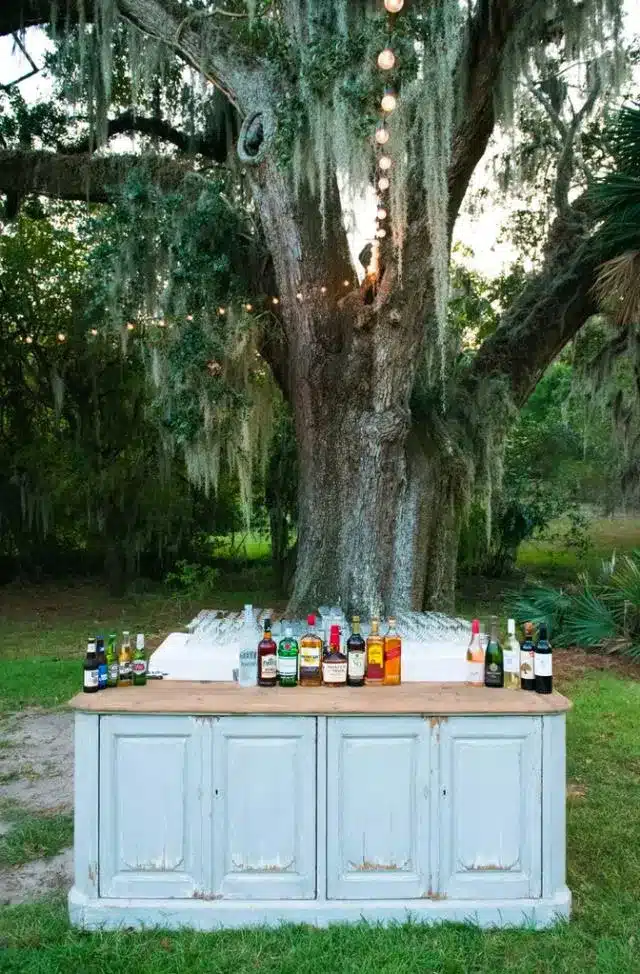
“Bar style” refers to counter shape, finish, and service footprint, the elements that support a specific service model and guest experience. The right bar aligns look, capacity, and portability so service speed and visual impact match your event goals. The idea is straightforward: counter + shell → service ergonomics → guest throughput and focal presence. Choose between portable quarter-moons, full-service back bars, illuminated modular systems, or rustic wood counters based on venue limits and the vibe you want to create.
Common bar styles and the events they work best for:
- Portable quarter-moon bars — great for multi-station weddings and cocktail hours where mobility and steady flow are key.
- Illuminated bars — ideal for evening receptions and branded launches that need a striking focal point after dark.
- Rustic wooden bars — perfect for barn weddings, farm-to-table dinners, and events leaning into organic textures.
- Modular back bar systems — suited to corporate events and galleries that need scalable capacity and tidy storage.
- Full-service enclosed bars — best for larger seated receptions where refrigeration and secure storage are required.
This quick mapping helps you pick a bar form factor that supports guest counts and service models, and it leads into a more detailed capacity comparison.
The table below compares bar types by material, size, and standout features to help match a bar SKU to your event requirements.
Use this comparison to prioritize portability, capacity, or ambiance when selecting a rental bar; next we’ll dive into portable design details.
How Do Themed Bar Styles Enhance Event Ambiance?
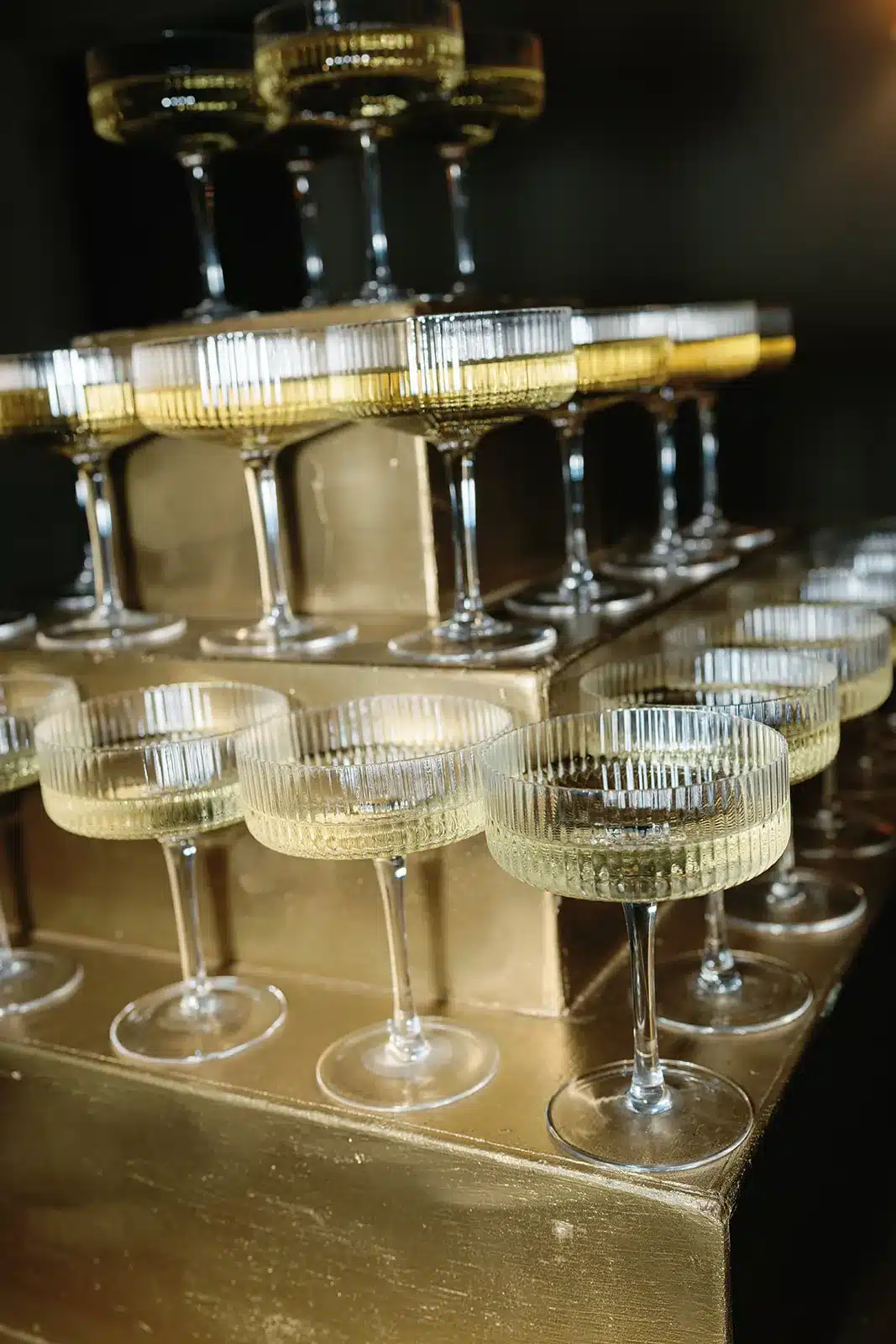
Themed bar styles translate concept into material choices, finishes, signage, and props that reinforce the event narrative and set expectations. A rustic bar leans on reclaimed wood, mason jars, and warm filament bulbs to suggest handcrafted cocktails; modern-glam favors mirrored panels, metallic accents, and coupe glasses for an elevated presentation. The mechanism is simple: thematic materials → visual context → boosted perceived drink value and social shareability. For weddings, pair lacquered counters with soft florals for a modern romance; for corporate launches, combine illuminated bars with brand-color accents and restrained signage for a polished presence. Small props — menus, artisanal garnishes, and custom bar-back signage — add engagement without crowding the footprint.
Styling should always align with operational needs like glass staging and back-bar support, which we cover next.
How Can Back Bar Shelving Elevate Your Cocktail Experience?
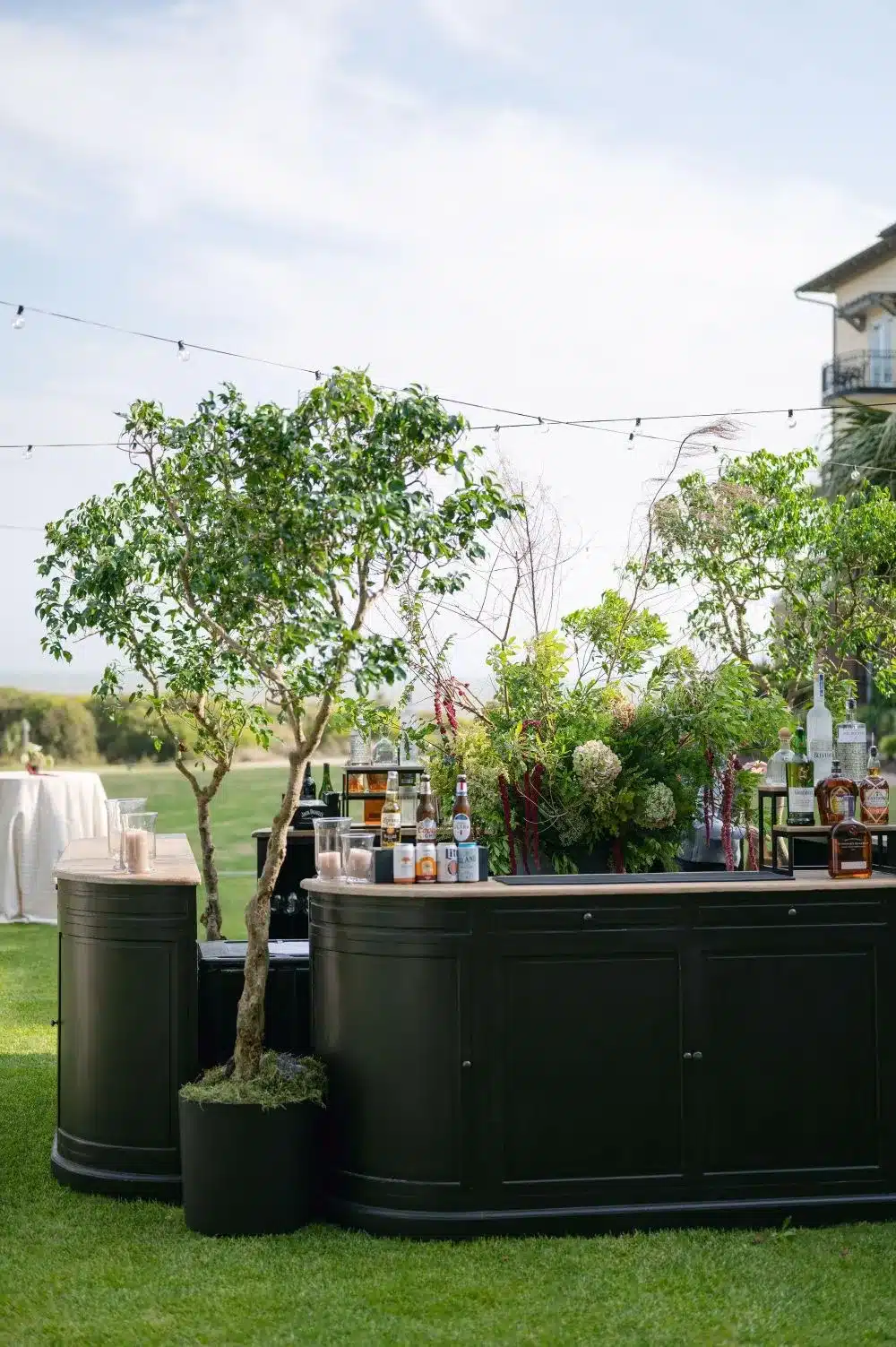
Back-bar shelving keeps bottles, glassware, and display elements organized so bartenders work faster and visuals read clearly for guests, turning storage into a storytelling surface. Functionally, shelving improves inventory visibility and speed — tiered display → easier selection → faster pours — and visually, layered shelving creates depth and a central focal point that reinforces theme and brand messaging. Choose shelving that balances durability, tier height, and modularity so it safely supports bottles, signage, and ambient lighting.
Practical benefits of good back-bar shelving:
- Organized storage speeds service by keeping bottles and glassware within reach.
- Layered displays add photographic depth and strengthen branding.
- Integrated lighting highlights signature bottles and directs guest attention.
- Modular shelving allows quick reconfiguration for different menus or volumes.
These advantages show why the right shelving matters. The table below compares shelving units by style, tiers, and primary purpose to guide your selection.
Comparing options clarifies trade-offs — open versus enclosed — and helps you choose the unit that matches both service needs and style goals.
What Are Functional and Aesthetic Back Bar Shelving Solutions?
Functional shelving prioritizes safe storage, easy access, and stable staging: think sturdy tiered racks near the pouring zone with glassware staged by size. Aesthetic shelving focuses on layering, backlighting, and styled vignettes that showcase label art and garnishes for photos. In practice, combine both: use an open industrial shelf for top-shelf display and an enclosed cabinet for extra inventory and refrigerated backups. Respect load limits and shelf depth when placing heavy bottles, and align shelf capacity with expected bottle counts. Organize by frequency of use — frequently poured liquors at waist height, glassware below at arm’s reach, and decorative items at eye level to form a clear visual hierarchy.
How to Integrate Decor and Branding with Rental Shelving?
Integrating décor and branding on rental shelving works best with non-invasive methods — clip-on signage, removable decals, battery-powered LED strips, and arranged florals — so you enhance the look without altering the unit. Start with a cohesive material pairing: warm wood with brass signage and amber bulbs for vintage appeal, or glossy shelving with acrylic signage and cool LED backlighting for a modern vibe. For branding, use framed menus, branded cocktail picks, and color-coordinated garnish trays rather than adhesives. Always confirm renter rules about weight limits and attachment methods before finalizing décor to avoid last-minute changes during setup.
These integration tactics lead directly into choosing accessories and glassware that affect cocktail execution and presentation.
What Are Essential Bar Accessories and Glassware Rentals for Cocktail Events?
Accessories and glassware are the tools that deliver consistent cocktail quality and attractive presentation — from shakers and strainers to coupes and highballs. The chain is equipment readiness → consistent technique → reliable drink quality and speed; that combination drives guest satisfaction and reduces waste. Prioritize glass types that match your menu, basic tools that support multiple techniques, and refrigeration or ice solutions sized to guest count. Quality glassware lifts perceived experience while durable barware reduces breakage in service.
Here’s a concise essentials list and why each item matters.
- Coupe, rocks, and highball glasses: choose vessels that suit each cocktail for aroma and temperature control.
- Cocktail shakers, jiggers, and strainers: ensure consistent recipes and speed during busy service.
- Ice buckets, coolers, and portable refrigeration: keep ingredients and garnishes at safe temperatures.
- Garnish trays, spoons, and bar towels: small tools that enable clean, quick finishing touches.
- POS/printed menus and signage: clarify options and reduce ordering friction.
These essentials lead into a practical accessories table to help planners estimate quantities and prioritize rentals.
This table helps translate menu plans into required equipment and points to refrigeration sizing covered next.
Which Premium Glassware and Barware Enhance Signature Cocktails?
Glass shape and finish affect aroma, temperature retention, and perceived value — coupes concentrate aromas for stirred cocktails; tall highballs preserve effervescence for fizzy drinks. Premium options include etched or colored-stem glassware for tactile luxury and thicker bases for durability during busy service. When renting, balance looks with breakage risk and budget: reserve premium stemware for signature pours and use sturdier alternatives at high-traffic stations. As a rule, plan for 1.2–1.5 pieces per guest at cocktail-heavy receptions to allow for turnover and breakage.
What Bar Tools and Refrigeration Solutions Are Must-Haves?
Core tools include shakers, strainers, bar spoons, muddlers, and speed pourers so bartenders can execute recipes quickly and consistently. Refrigeration ranges from portable ice bins and under-counter coolers to larger mobile refrigerators; choose based on menu perishables and expected hourly volume. For smaller gatherings, portable coolers with ice can suffice; for larger seated receptions, dedicated refrigerated storage near the bar keeps juices and mixers safe. Always consider power availability and cord management when siting refrigeration to protect safety and uninterrupted service.
With the right tools and cooling in place, you’re ready to design the menu and the experience.
How to Craft Signature Cocktail Experiences with Rental Bars and Shelving?
Crafting a signature cocktail experience blends focused menu design, interactive service, and layered ambiance so drinks feel memorable, not just functional. The strategy: align menu choices with bar layout and shelving — signature menu → required tools/glassware → shelving/display that showcases ingredients — which produces smoother execution and stronger guest impressions. Keep menus tight: a few high-impact signature drinks, a couple of classics, and clear no-proof options. Use shelving displays to spotlight featured spirits and house infusions.
Interactive elements that boost engagement:
- Tasting stations where guests sample small pours guided by a bartender.
- Live cocktail demos that showcase technique and the stories behind ingredients.
- Custom garnish stations that let guests personalize drinks and create memorable moments.
How to Design Themed Cocktail Menus That Impress Guests?
Build themed menus by choosing a cohesive set of signature cocktails, one or two supporting classics, and zero-proof options, and make sure each item pairs with the right glassware and garnish. Start with a narrative — a regional spirit focus, seasonal produce, or a clear flavor arc — then pick recipes that scale operationally. Label shelving or menu cards with allergens, base spirits, and suggested pairings so service stays transparent and efficient. A simple template: one stirred spirit-forward signature, one refreshing shaken citrus, and a zero-proof house mocktail — each paired with the right glass for elevated presentation.
Clear menus and labels reduce ordering friction and inform lighting and staging choices at the bar.
What Lighting and Decor Create the Perfect Bar Ambiance?
Lighting and décor shape the mood that turns a good cocktail into a memorable experience — accent lighting draws attention to focal bottles while warm ambient light creates evening intimacy. Combine shelving backlight to silhouette bottles, focused accent lights for garnish stations, and low-level ambient fixtures to keep the bar approachable. In power-limited venues, battery-powered LED strips and clip-on lamps add flexible illumination without hard wiring. Use contrasting textures — metallics, natural wood, glass — against shelving finishes to add visual depth and create a photo-ready moment for guests.
Thoughtful lighting choices complete the link between menu, setup, and guest experience and lead into efficient planning for setup and staffing.
What Are Best Practices for Event Bar Setup and Logistics Using Rentals?
A smooth bar setup turns design into dependable service through thoughtful placement, the right staffing, and a clear checklist for rentals and teardown. Key practices include mapping service points to guest flow, staging backup refrigeration, and defining a staffing model that matches guest count and service style. The operational formula is placement + staffing + inventory control → consistent throughput and shorter waits. Plan for contingencies like power loss, extra glassware, and spare tools to reduce disruptions during peak service.
Below is a practical setup checklist to use as a how-to framework before and during the event.
- Conduct a site walk to confirm bar placement relative to entrances, food stations, and power sources.
- Define the service model (full bar, limited menu, or stations) and assign roles including bartender and bar-back.
- Confirm rental inventory and on-site refrigeration needs; stage backups for peak periods.
- Create a labeled staging plan for glassware, garnishes, and waste management to keep hygiene and flow consistent.
- Schedule delivery and teardown windows with clear access points to avoid venue conflicts.
This checklist turns planning into action. The short company note below explains how rental partners typically support logistics.
Curated Events handles delivery, setup, and provides a diverse inventory of bar styles and shelving across multiple locations — Charleston, Charlotte, Chesapeake, DMV, Florida, Nashville, Raleigh, and Savannah — so planners can match chosen bar types and shelving to venue constraints and service models.
How to Optimize Bar Placement and Guest Flow for Efficiency?
Place bars near social gathering areas but away from main entrances and emergency exits to prevent bottlenecks and safety issues. Multiple smaller stations placed strategically reduce queue lengths — distributed stations → increased throughput → better guest satisfaction — while a single centralized bar can work when supervision and control are priorities. Remember ADA access, clear queuing paths, and visible signage to guide guests; position payment or POS points so they don’t block the serving area. For outdoor events, plan for weather contingencies like canopies and stable flooring under bar units to keep service safe and steady.
Thoughtful placement planning naturally leads into staffing and checklist steps that keep the bar running smoothly.
What Staffing and Rental Checklists Ensure Seamless Bar Service?
Staffing ratios depend on the service model: for cocktail-focused events, plan one bartender per 50–75 guests for a limited menu, and one per 30–50 for a full cocktail program, with dedicated bar-backs to reload glassware and handle garnishes. Before the event, confirm inventory against the rental manifest, label rented items for return, and prepare a teardown plan that includes cleaning and damage reporting. After the event, coordinate returns and inspect items for damage, documenting any charges per the rental agreement. Clear communication with your rental provider about delivery windows and setup constraints prevents delays and substitutions.
This checklist helps event teams turn design into a repeatable operation and points to the final steps for execution and return logistics.
A well-planned bar setup combined with the right rentals and staffing model makes it straightforward to deliver the cocktail experience described above. For planners seeking inventory options and logistical support, Curated Events offers a range of bar units and shelving that fit these operational templates and can be reserved to align with delivery and setup needs.
Frequently Asked Questions
What factors should I consider when choosing a rental bar for my event?
Consider the event theme, guest count, and venue constraints. Match the bar’s style to your aesthetic — rustic, modern, or illuminated — and check portability and setup time if you need quick assembly. Finally, pick a bar that supports your service model (full-service or casual) and expected guest flow.
How can I ensure my cocktail menu complements the bar setup?
Start with signature cocktails that match the event theme and the bar’s look, and pair each drink with the right glassware for aroma and presentation. Confirm the tools and accessories needed for each recipe are available at the bar, and use clear labels on menus and shelving so bartenders move quickly and guests choose confidently.
What are some creative ways to enhance guest interaction at the bar?
Add tasting stations for small pours, host live cocktail demos to share technique and ingredient stories, or set up custom garnish stations so guests can personalize drinks. These interactive touches entertain, encourage social sharing, and make the bar a memorable part of the event.
How do I manage logistics for bar setup and teardown effectively?
Plan and communicate early: start with a site walk to confirm placement and access, build a detailed checklist with inventory counts and staffing assignments, and document a teardown plan. Label rented items for easy return and note any damages. Coordinating delivery and pickup windows with your rental provider avoids conflicts and last-minute surprises.
What are the best practices for staffing a cocktail bar at an event?
Match staffing to your service model. Common guidelines: one bartender per 50–75 guests for a limited menu, and one per 30–50 for a full cocktail program, plus bar-backs to handle glassware and garnishes. Pre-event briefings on the menu and service expectations boost speed and guest satisfaction.
How can I incorporate branding into my cocktail bar setup?
Use non-invasive branding: clip-on signage, removable decals, framed menus, branded picks, and color-coordinated garnish trays. Ambient lighting in brand colors can unify the look. These techniques showcase your brand while keeping rental units intact.
Conclusion
The right mix of rental bars, back-bar shelving, and thoughtful planning elevates guest interaction and the overall look and feel of your event. By selecting bar styles that fit your guest count and vibe, integrating functional shelving, and planning for the right tools, lighting, and staffing, you can create a signature cocktail experience that’s both efficient and memorable. Explore our inventory and logistics support to bring your vision to life, we’ll help match the right pieces to your space and service model.