
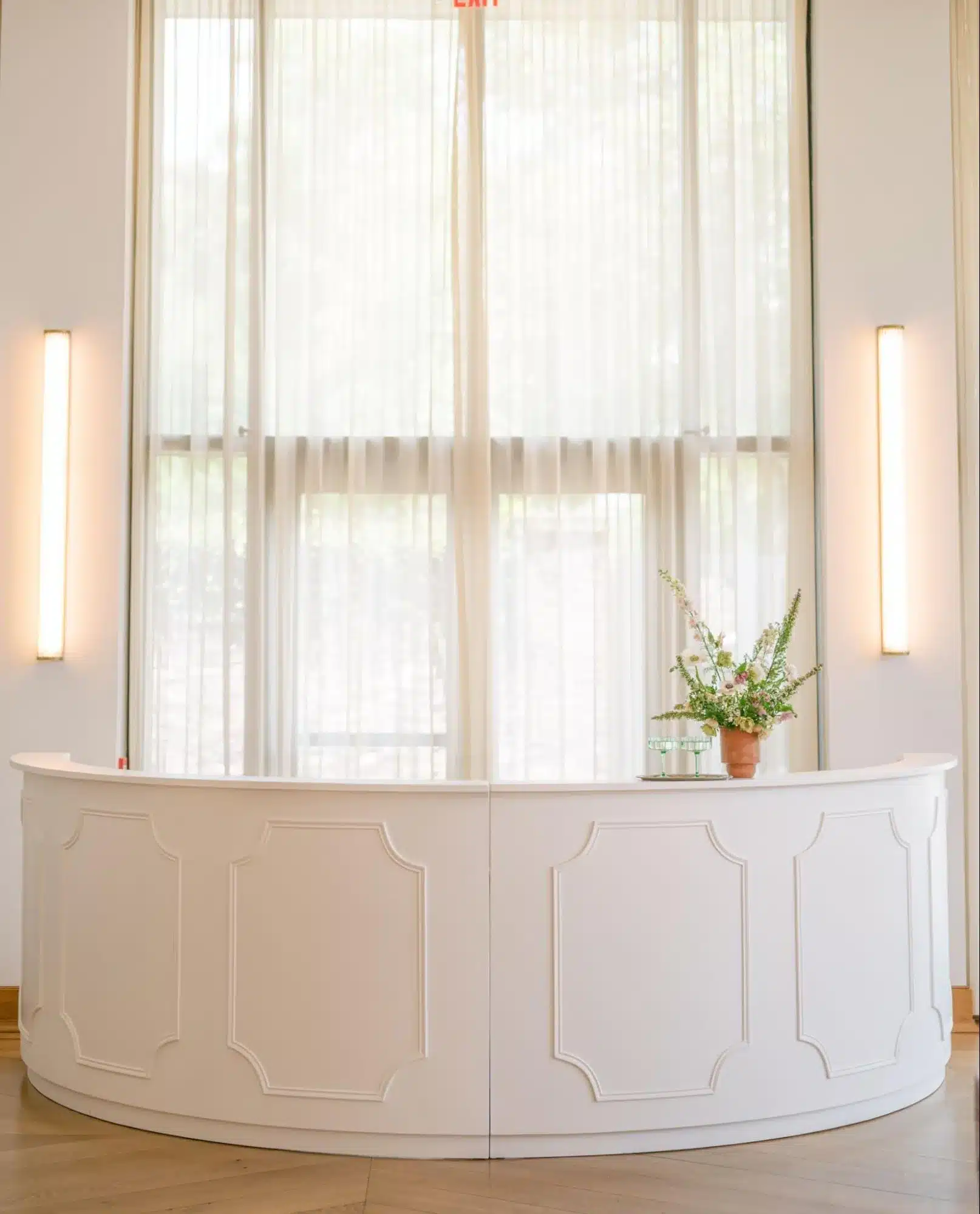
Great bar design goes beyond serving drinks—it creates a moment guests are drawn to. Thoughtful layers of textured linens, well-chosen glassware, and intentional lighting can turn the bar into a natural focal point and an essential part of the event experience.
In this guide, we break down how fabric, glass, and light work together—both visually and practically—to shape mood, support smooth service, and elevate cocktail presentation at weddings, galas, and private celebrations. At Curated Events, we specialize in high-quality furnishings and décor for refined gatherings, and the insights here reflect the real-world recommendations we share with planners every day.
Inside, you’ll find clear selection tips, side-by-side comparisons, lighting guidance, and easy day-of checklists to help you create a bar setup that feels cohesive, polished, and effortless—balancing beautiful design with reliable execution.
How to Choose the Perfect Luxury Bar Structure for Your Event
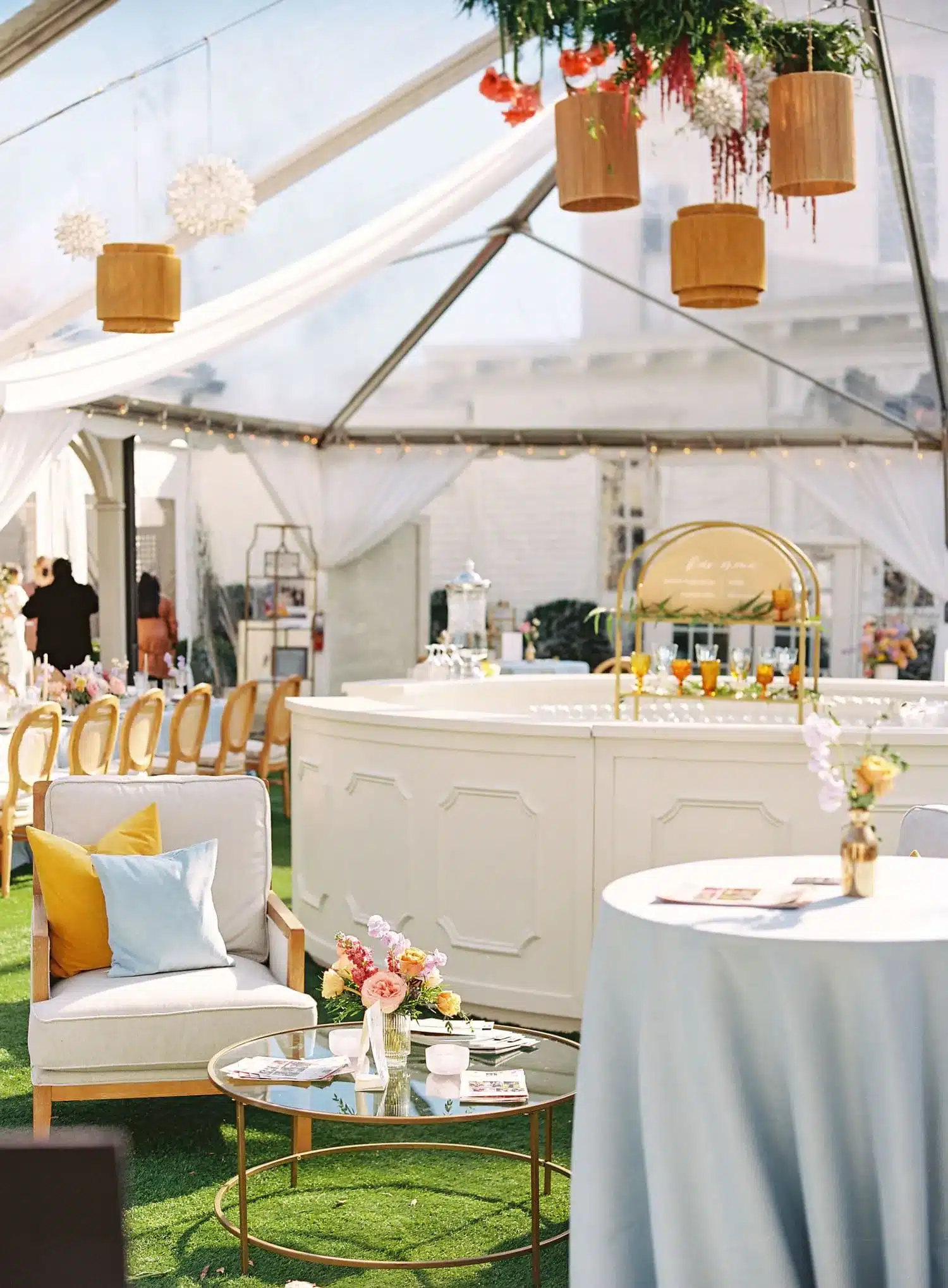
The bar is both a service hub and a visual anchor: it determines the footprint, storage, and the gathering point for guests. Materials, dimensions, and built-in features affect durability, accessibility, and how the bar reads under event lighting. Decide early whether you need integrated refrigeration, display shelving, or power for LED elements—each requirement impacts setup time and vendor coordination. Curated Events offers a range of rental options to match these needs, from classic furnishings to full lighting and sound packages.
Use the quick checklist below for fast, confident decisions.
- Match the bar’s style to the event theme and guest expectations.
- Confirm materials and finishes for both appearance and maintenance during service.
- Verify footprint, storage, and service-side organization to support bartender workflow.
- Confirm venue accessibility, power availability, and vendor logistics before booking.
This checklist secures the functional basics; next, compare common bar types to align looks with logistics.
Quick comparison of common bar structures and ideal use-cases for fast sourcing.
Use this table to shortlist pieces that satisfy both mood and operational needs before confirming rentals.
Top Bar Designs: Modern, Classic, and Themed Options
Modern, classic, and themed bars each create distinct guest experiences. Modern minimalist bars use clean lines, acrylic or metal, and restrained palettes for a contemporary feel—ideal for product launches and city galas. Classic bars favor wood, brass, and warm finishes to communicate hospitality and permanence, perfect for traditional weddings. Themed or period bars—Art Deco, Rustic-Chic, Mediterranean—use bespoke props and detailing to deepen storytelling and guest immersion.
Choose a design that complements the venue architecture, the event program, and the cocktail menu so the bar reads as an intentional part of the wider design.
Materials and Finishes That Elevate Bar Elegance
Material choices shape reflections, perceived value, and upkeep. Marble reads as premium but needs sealing; acrylic allows internal illumination yet can scratch; brass and polished metals add sparkle that pairs beautifully with crystal glassware; matte woods ground a space and pair well with textiles and florals. Match finishes to practical needs—polished surfaces pair with low-sheen linens to avoid glare, while textured fabrics soften glossy bars. Understanding these trade-offs keeps your bar both striking and serviceable during the event.
Choose materials with light behavior, maintenance, and event duration in mind to preserve both look and function.
Match fabrics to bar finishes and lighting to maximize a sense of luxury.
Best Premium Linens to Enhance Your Bar Styling
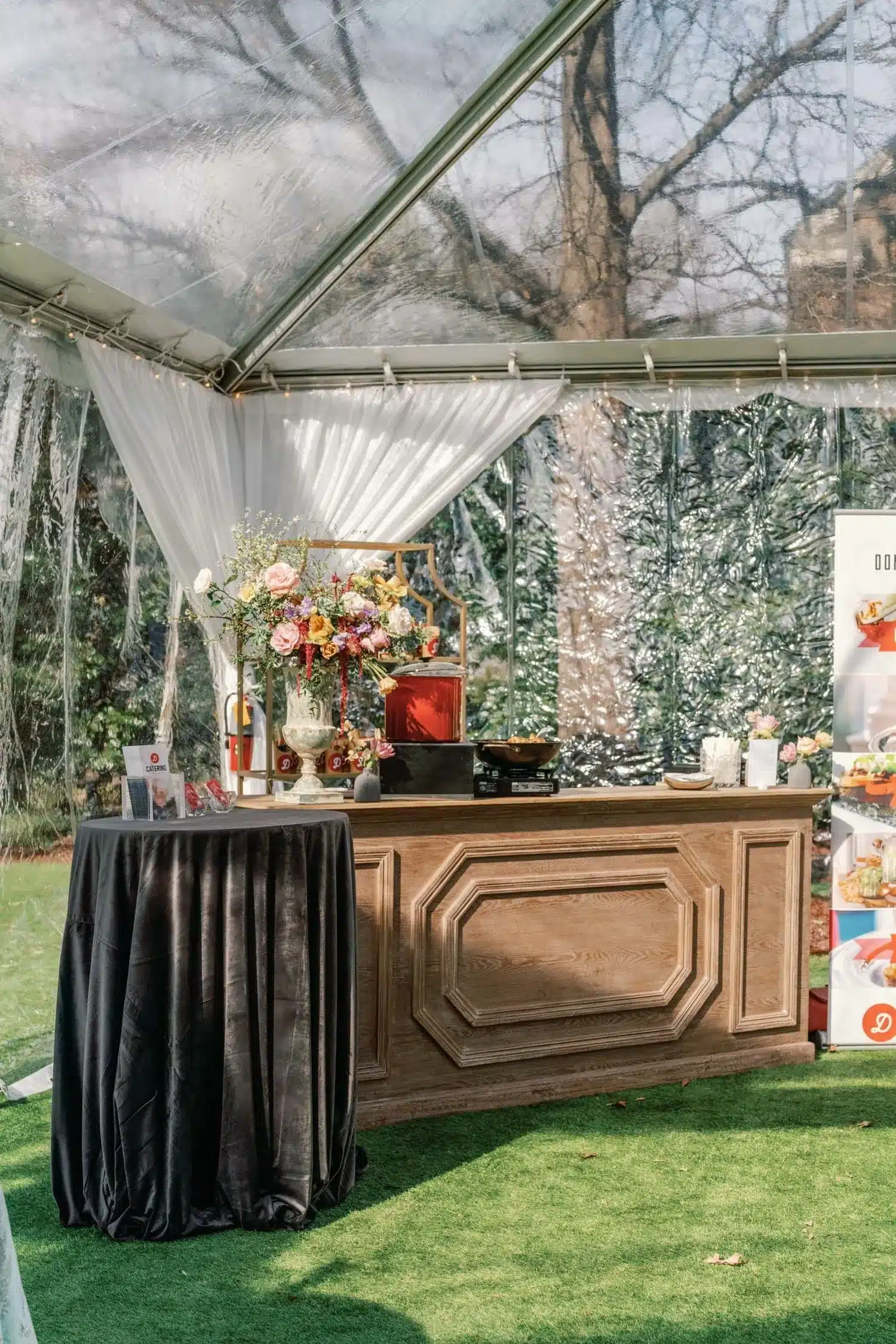
Linens frame drink presentation and influence how light and texture read across the bar. Silk and satin offer luminous highlights, velvet creates a plush, intimate feel, and linen/damask give structured texture for approachable refinement. Consider weave and treatment—these affect drape and durability and determine whether a piece works best as a runner, overlay, or full drape. Factor in maintenance, cost, and wrinkle resistance since linens see heavy handling during service.
Top fabric choices and why they work for luxury bar areas:
- Velvet — deep texture and richness, ideal for intimate evening receptions.
- Silk & satin — luminous surfaces that spotlight polished glassware and metallic accents.
- Linen & damask — tactile structure that complements botanical or rustic palettes.
These options help you match tactile atmosphere to event tone. Next, practical draping and color strategies amplify those effects.
Which Fabrics Create Texture and Sophistication: Velvet, Silk, Satin?
Each fabric carries a sensory cue: velvet signals warmth and intimacy, silk offers formal sheen and graceful drape, and satin delivers glossy reflections without weight. Velvet works beautifully for evening lounges and winter weddings; silk and satin suit formal affairs where highlights enhance crystal and metal. Pair velvet with matte bar finishes to avoid competing reflections, and pair silk with polished metals and glass for coordinated luminosity.
Thoughtful pairings let planners build layered, tactile compositions that feel deliberate and refined.
How to Pick Color Palettes and Draping Styles for Bar Linens
Color and drape set the bar’s visual hierarchy: tonal palettes keep things calm and cohesive, while high-contrast choices make the bar a destination. Use overlays and runners to define service zones—a neutral full drape with a contrasting runner highlights the preparation area. Soft cascades add vertical interest; tight skirting signals formality. Also consider light temperature: warm 2700–3000K lighting deepens jewel tones and warm neutrals, while cooler light favors silvers, pale blues, and muted greens.
Plan color and drape with your lighting scheme to ensure fabrics and fixtures read as a unified composition.
How to Select Exquisite Glassware for a Sophisticated Event Bar
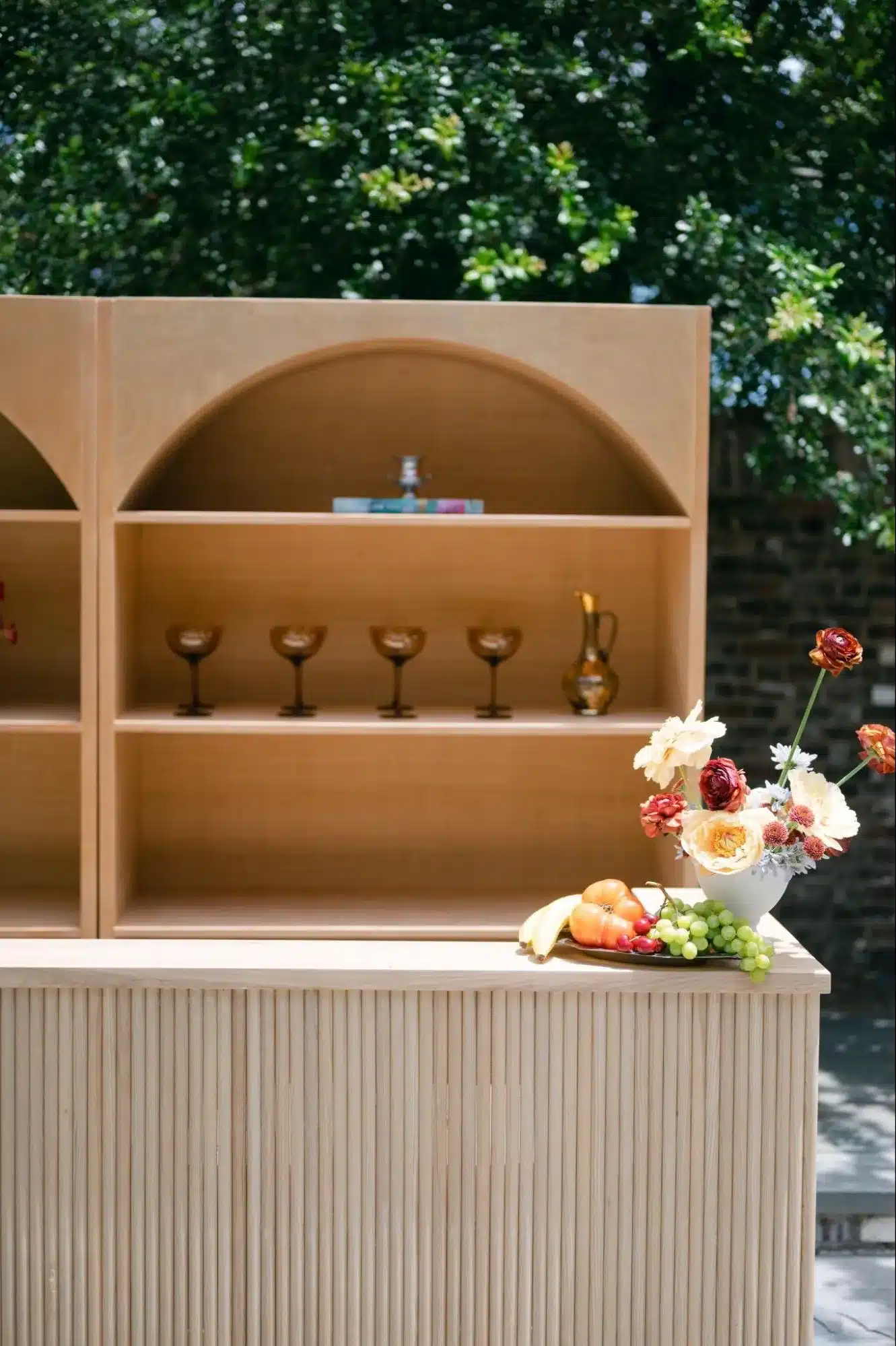
Glassware combines function and presentation: the right shape preserves aroma and temperature while elevating the look of a drink. Crystal offers enhanced sparkle and a weighty hand feel; high-quality glass provides clarity and durability at a lower price point. Select stemware, coupes, highballs, and rocks based on your menu, and budget extra inventory to cover breakage and mixed-use during peak service.
Cocktail culture’s growth makes innovative and well-chosen glassware an important part of hospitality presentation.
Pair glass forms to drinks with this quick reference.
- Champagne flutes — preserve effervescence and a vertical presentation for sparkling wines and prosecco.
- Coupes — ideal for classic cocktails and dramatic garnish displays.
- Old-fashioned / rocks glasses — suited to spirit-forward drinks that need wide bowls and large ice.
Use the table below to match glass types to presentation goals.
Pair materials and forms to your menu for consistent visual and flavor experiences.
What Types of Luxury Glassware Suit Different Beverages?
Luxury glassware spans stemmed wine glasses, coupes, flutes, highballs, and specialty pieces—each designed to showcase aroma, temperature, or effervescence. Stemmed glasses keep heat away from the bowl, stemless options suit casual settings and reduce breakage, and coupes are perfect for theatrical service. Specialty, branded, or etched glassware adds a bespoke touch and can double as a VIP keepsake.
Choosing the right assortment improves bartender efficiency and raises guest perception.
Crystal vs. High-Quality Glass: Which Offers the Best Sparkle?
Crystal refracts light more dramatically than ordinary glass, delivering heightened sparkle and a heavier, premium hand feel. It is, however, more delicate and requires careful handling. High-quality glass offers much of the clarity at greater durability and lower cost—making it ideal for high-volume stations. Use crystal where visual drama matters most (head tables, plated tastings) and premium glass where resilience is critical. Note care differences: crystal often needs gentle handwashing; tempered glass may tolerate commercial dishwashers.
Balance visual impact with practical service demands when specifying glassware.
How Sophisticated Lighting Transforms Your Luxury Bar Setup
Lighting unites the bar’s elements into one visual story: ambient light sets mood, accent light sculpts focal points, and dynamic lighting keeps the bar visually active. Color temperature and intensity change how materials read—warm 2700–3000K light deepens wood tones; cooler light sharpens crystal and metal. Programmable LED bars let you introduce brand colors or shift scenes across the program. Always coordinate power load, rigging, and control (DMX) needs with the venue to avoid on-site compromises.
A thoughtful lighting plan ties aesthetic goals to technical reality for predictable results.
Lighting Options That Set the Mood: Uplighting, Chandeliers, String Lights
Different fixtures create distinct atmospheres: uplighting washes walls and creates immersive color fields; chandeliers add vertical drama and a sense of ceremony; string lights bring intimacy and warmth. Layer fixtures—uplighting for background color, chandeliers for center emphasis, and string lights for perimeter warmth—to build depth through the evening. Practical notes: uplighting needs wall clearance and power, chandeliers require rigging and height, and string lights demand secure anchoring for outdoor events.
Layered lighting keeps the space dynamic from arrival through late night.
How Dynamic LED Bars Enhance Ambiance and Branding
Dynamic LED bars provide on-demand color control and animated scenes to reinforce brand identity and program cues. RGB or DMX-controlled bars can shift from subtle washes to bold animations for speaker transitions or musical moments. Neutral palettes suit weddings; branded palettes tie product launches and corporate messaging into the room’s visual language. Plan for power draw, access to controls, and technician support to ensure lighting enhances the event rather than distracting from it.
LED solutions offer creative flexibility but require coordination for consistent, reliable performance.
Essential Luxury Bar Accessories and Decor to Complete Your Setup
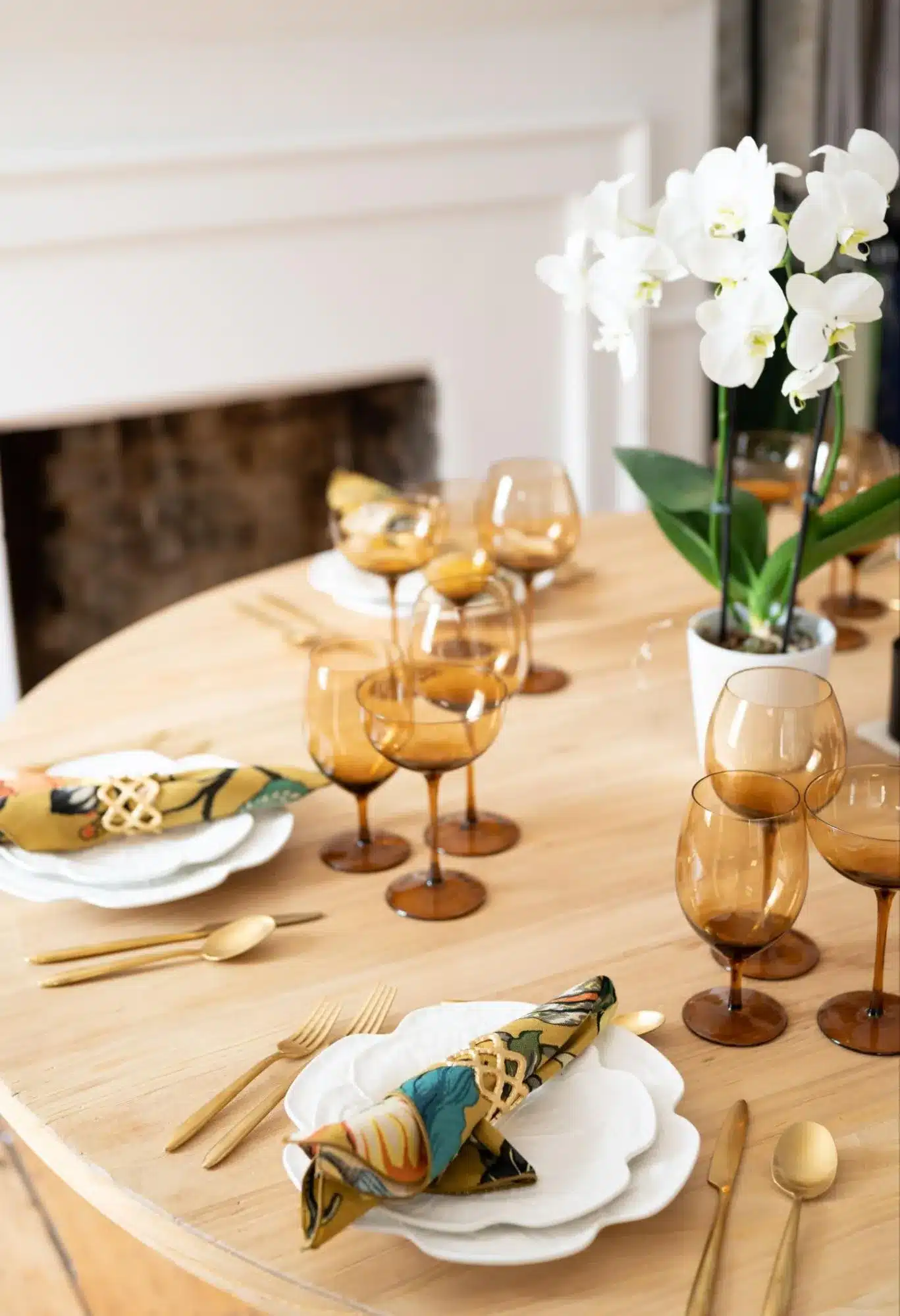
Accessories turn a functioning bar into a curated experience. Quality serveware—jiggers, strainers, shakers, polished trays—supports speed and consistency, while floral accents and personalized signage integrate the bar into the event’s visual system. Plan inventory with backups, manage ice logistics, and include hygiene supplies to reduce operational risk. Treat finishing pieces as both tools and props to keep service efficient and presentation refined.
Recommended items for a luxury bar kit and how they contribute:
- High-quality shakers and strainers — ensure consistent texture and dilution.
- Branded or elegant trays — elevate tray-passed service and help prevent spills.
- Polished ice scoops, decanters, and glass polishers — preserve clarity and presentation.
These selections support speed and refined presentation; the next section covers quantities and placement for efficient service.
Which Premium Bar Tools and Serveware Elevate Service Quality?
Premium tools improve accuracy and speed: calibrated jiggers give consistent pours, sturdy shakers and strainers control dilution, and insulated pitchers keep batches at temperature. Serveware—mirrored trays, tasteful napkins, and dedicated garnishing tools—affect perceived value. As a rule of thumb, plan one jigger per bartender and start with a 1:12 ratio of glassware to guests for mixed-service events, increasing reserves for longer or busier receptions. Stage frequently used tools within reach and keep backups nearby to minimize downtime.
Right tools and layout reduce friction and keep the bar orderly during peak moments.
How Floral Arrangements and Personalized Signage Add Finishing Touches
Floral and signage choices are punctuation that guide guests and reinforce theme. For crowded bars, choose low, dense arrangements to preserve sightlines; for open lounges, taller displays add vertical interest. Signage options—chalkboards for changing menus, acrylic for modern clarity, neon for bold moments—should be concise and legible from approach lanes. Coordinate floral palettes with linens and lighting so textures and sheen harmonize rather than compete.
These finishing touches make the bar feel intentional and complete.
How to Plan and Execute a Seamless Luxury Bar Experience at Your Event
A smooth bar experience requires integrated planning across layout, staffing, inventory, and vendor coordination. Place the bar where it’s visible but not obstructing entrances, plan clear queuing and secondary pickup points, and staff to expected cocktail volume with defined roles for bartenders, runners, and leads. Coordinate power, rigging, and load-in windows with venue and AV teams to keep setup on schedule.
Use this concise operational checklist when planning and on the day-of.
- Confirm bar footprint, power access, and back-of-house staging with the venue.
- Assign staffing roles and build a service timeline for opening, peak, and close.
- Create inventory lists with buffers for glassware and ice to handle peak demand.
Addressing these items early prevents day-of surprises. Below are layout tips that support guest flow and accessibility.
Best Practices for Bar Layout and Guest Flow Design
Design the bar to prioritize circulation and staff ergonomics: separate guest approach lanes from staff work paths, add secondary stations or mobile carts to disperse lines during busy periods, and keep staging zones for replenishment and used glassware out of sight. For smaller events a single focal bar preserves intimacy; for larger counts, multiple service points reduce waits. Ensure counters and approach routes comply with accessibility requirements so every guest can participate comfortably.
Smart layout planning reduces bottlenecks and keeps the event feeling effortless.
How Professional Setup and Service Enhance Guest Satisfaction
Professional setup and trained teams deliver consistent pours, efficient flow, and polished presentation—reducing wait times and service errors. When vendors manage rigging, setup, and inventory, hosts avoid last-minute issues and the design intent is realized as planned. We recommend requesting a detailed consultation and quote so technical needs—power, rigging, storage—are resolved in advance and on-site support is scheduled.
A vendor-managed approach reduces stress, improves safety, and ensures a consistently elevated guest experience—making professional coordination a high-value investment.
This operational guidance ties equipment selection, staffing, and vendor coordination into a single plan that supports both beauty and service.
Curated Events is ready to support elevated setups and full-service bar builds. Our mission is simple:
Frequently Asked Questions
What should I consider when selecting glassware for a luxury bar?
Start with the drinks you’ll serve—different shapes support aroma and temperature. Champagne flutes preserve bubbles, coupes showcase garnishes, and rocks glasses suit spirit-forward pours. Decide where visual impact matters most and where durability is essential: use crystal for high-drama stations and premium glass where resilience and turnover are priorities. Always plan extra inventory for breakage and peak service.
How can lighting improve the guest experience at a luxury bar?
Lighting shapes mood and highlights. Ambient light sets the overall tone, accent lights define focal points, and dynamic LEDs can reinforce branding or cue program changes. Choose color temperature to flatter your materials—warm light for wood and jewel tones, cool light to sharpen crystal—and coordinate power and control needs with the venue to ensure reliable performance.
Which accessories are essential for a luxury bar setup?
Quality tools and thoughtful props matter. Essentials include calibrated jiggers, polished shakers, strainers, trays, and reliable ice-handling equipment. Decorative elements—signage, florals, and curated serveware—help integrate the bar into the event design. Maintain backups and a clear inventory plan to keep service uninterrupted.
How do floral arrangements contribute to the luxury bar experience?
Florals add scale, color, and scent. On crowded bars choose low, dense arrangements to preserve sightlines; in open lounges opt for taller, sculptural pieces. Coordinate florals with linens and lighting to ensure textures and tones complement rather than compete with each other.
What are best practices for staffing a luxury bar?
Staff to expected cocktail volume and define roles clearly—bartenders, runners, and a lead to manage flow. Train teams on the planned menu and service rhythm, and keep communication channels open during peak service. A well-rehearsed team reduces wait times and elevates the guest experience.
How do planners ensure a seamless bar setup and service?
Begin with logistics: confirm footprint, power, staging, and load-in windows with the venue. Create a service timeline, assign roles, and prepare inventory buffers for glassware and ice. Coordinate technical needs with rental partners and book onsite support if complex lighting or AV controls are involved.
Conclusion
A thoughtfully styled bar—built from premium linens, considered glassware, and purposeful lighting—turns beverage service into a memorable part of the event. Each element should support both presentation and operations. Partnering with a professional rental and production team like Curated Events helps translate design ideas into practical, reliable setups. Explore our offerings to bring your next event’s bar to life.