
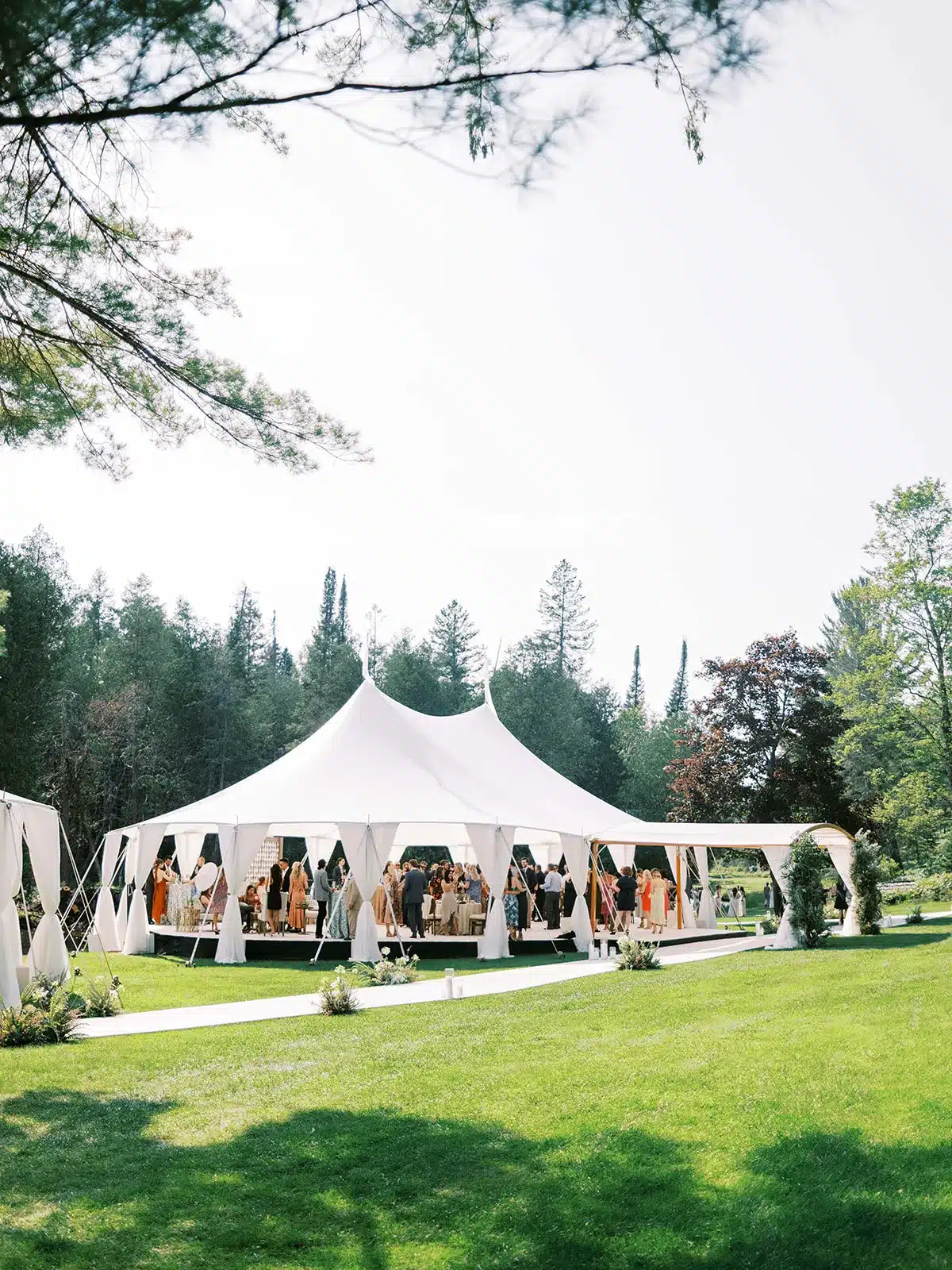
Planning an outdoor celebration in Northern Virginia or Maryland offers both opportunity and complexity. Beyond choosing the perfect setting, hosts must consider county-specific permit requirements, site preparation, climate control, and seamless vendor coordination. If overlooked, these details can disrupt an otherwise extraordinary occasion. With the right guidance, however, navigating permits and logistics becomes a streamlined process that ensures elegance, safety, and flawless execution.
This guide to outdoor tent rentals in Northern Virginia and Maryland highlights key considerations for securing permits, preparing event sites, and selecting tent styles that balance beauty with practicality. Whether you are hosting a wedding, gala, or corporate function, working with an experienced partner ensures every detail, structural integrity, design integration, and guest comfort is handled with precision, allowing you to focus entirely on the celebration itself.
Key Takeaways
- Most Northern Virginia and Maryland counties require permits for large event tents.
- Permit applications typically include engineered drawings, safety certifications, and site plans.
- Tent styles such as frame, pole, and clear span offer distinct aesthetic and functional benefits.
- Professional site assessments ensure that anchoring, access, and safety are handled precisely.
- Luxury tent rentals emphasize tailored design, comfort, and seamless guest experiences.
- Partnering with Curated Events provides confidence that every detail is managed flawlessly.
What Tent Permit Requirements Apply to Northern Virginia Events?
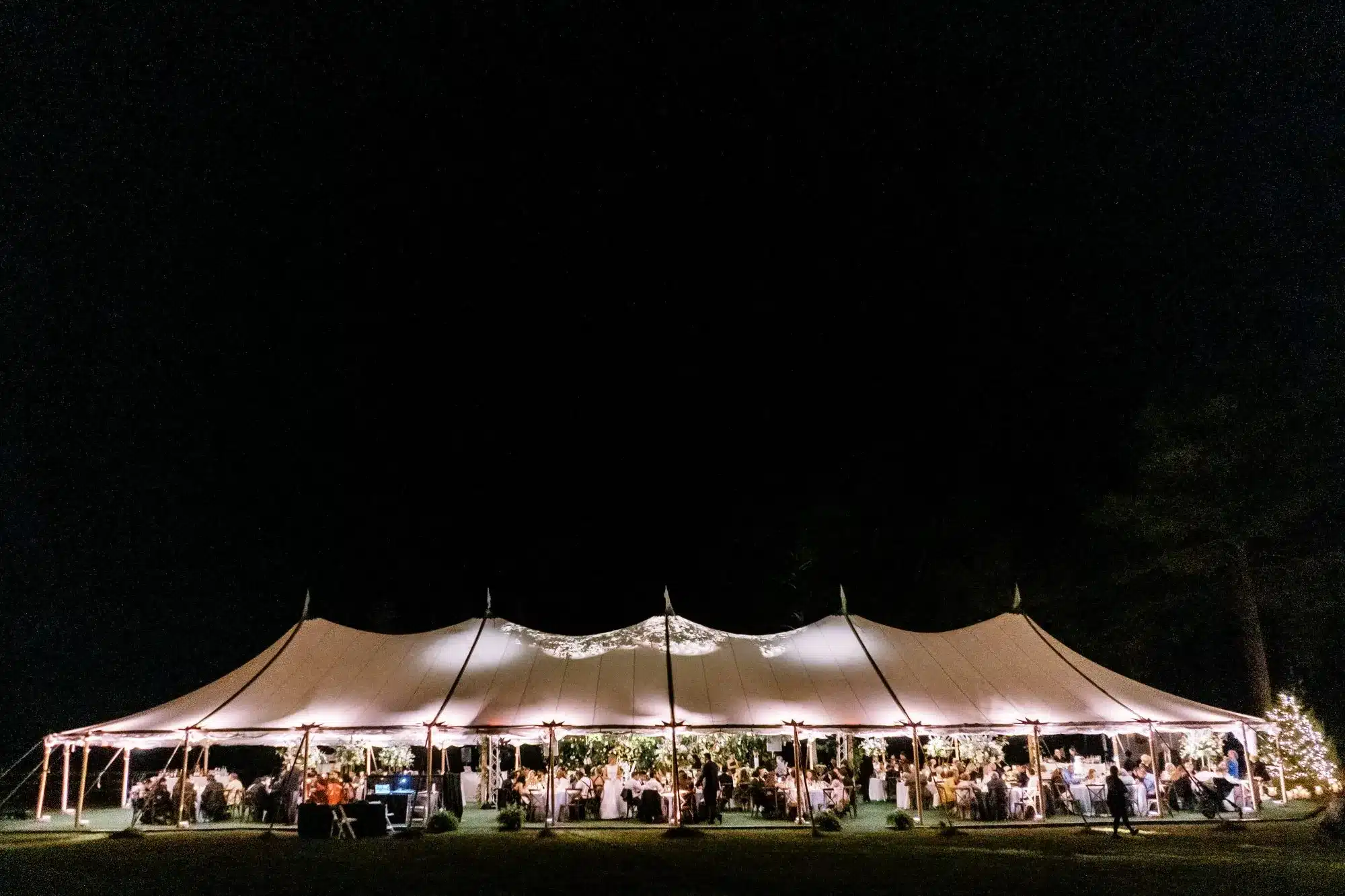
A tent permit is essentially your official green light, ensuring temporary structures meet safety codes, zoning rules, and fire prevention standards. It’s all about protecting your guests and property by confirming the tent’s structural integrity and ensuring clear emergency access. For instance, Fairfax County requires detailed engineered drawings for tents larger than a certain size, safeguarding against wind-related issues. Understanding these local regulations upfront can prevent application delays and ensure a secure setup.
Which Northern Virginia Counties Have Tent Permit Rules?
Northern Virginia’s various counties have specific permit rules that kick in when tent dimensions or the event’s scale reach certain points. Counties like Fairfax, Loudoun, Prince William, Arlington, and the City of Alexandria each have their own size triggers, application fees, and submission deadlines. Missing these deadlines could mean fines or having to take down your tent.
Before you apply, take a moment to check each county’s size threshold, application window, and inspection needs. Having this information ready will speed up the review process and help you avoid last-minute scrambles.
Permit triggers vary based on county size limits and inspection processes. This quick comparison highlights where early planning leads to smoother approvals.
What Are the Tent Permit Rules in Fairfax County?
Fairfax County requires a special event permit for any tent exceeding 900 square feet, or for multiple tents combined that surpass this area. Your application needs to include professionally stamped engineered drawings, a site plan showing all necessary setbacks, and proof of commercial general liability insurance. Permit fees depend on the tent size and event type, and applications should be submitted at least 14 days before setup begins. Inspections will cover anchor systems, fire-retardant labeling, and emergency exit routes. Knowing these rules helps you avoid last-minute changes and stay compliant.
How Do Loudoun and Prince William Counties Handle Tent Permits?
Loudoun County requires permits for tents over 900 square feet, with the fire marshal focusing on flame-resistant certifications and clear exit paths. Prince William County’s regulations apply to tents larger than 700 square feet; applications must include a zoning clearance letter and proof of ground stability assessment. Both counties charge application fees based on the tent’s footprint and require inspections by building and fire officials before setup. Submitting your application early often leads to quicker reviews and timely authorizations.
What Common Hurdles Arise with Northern Virginia Tent Permit Applications?
Organizers often face delays due to incomplete engineered drawings, late submissions of fire safety certificates, or not securing utility clearances in time. Unclear setback measurements and confusion about tent anchoring can also complicate approvals. Working with experienced providers who handle engineered plans, coordinate with county offices, and schedule inspections can significantly reduce errors and speed up the permit process. Open communication with local authorities and pre-inspection site visits ensure your applications meet all structural and safety requirements.
How Do Maryland Tent Permit Regulations Impact Outdoor Event Rentals?
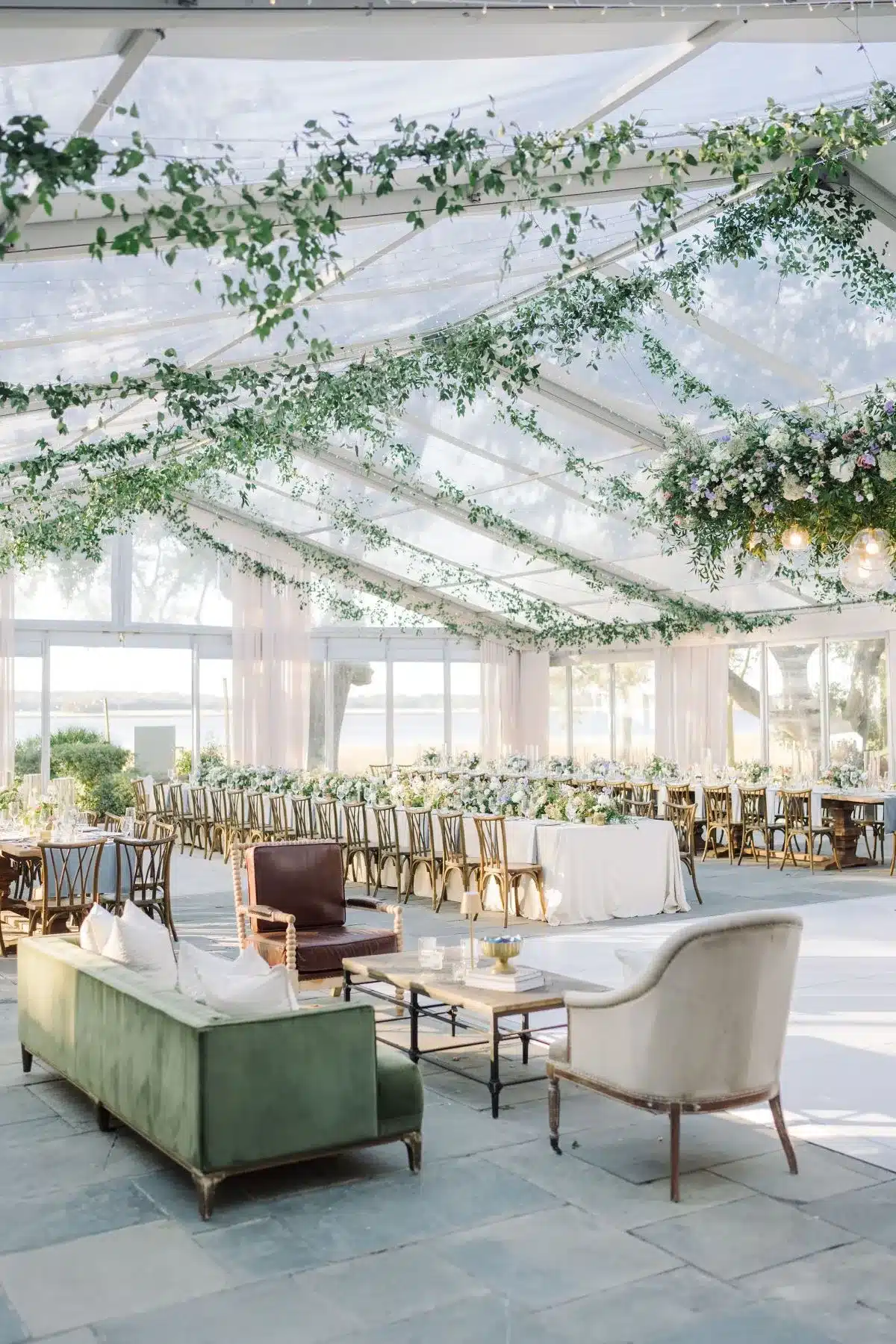
In Maryland, tent permits ensure that temporary structures meet county-specific fire codes, zoning ordinances, and safety standards. Each jurisdiction, from Montgomery to Anne Arundel, applies its own thresholds and documentation requirements. For example, Montgomery County mandates permits for larger canopies, while Anne Arundel County applies approvals at slightly higher square footage. Understanding these variations is essential, and with expert guidance, compliance becomes a smooth process that safeguards both guest comfort and event integrity.
What Are the Tent Permit Requirements in Montgomery County?
Montgomery County requires permits for outdoor canopies exceeding 600 square feet or for combined tent structures that surpass this limit. Applications typically include a detailed site plan noting entrances, exits, seating layouts, and proximity to utilities. Fire officials review flame-resistant certifications and exit signage to ensure safety. With professional coordination, these elements are prepared in advance, securing approvals efficiently and without disruption to event timelines.
How Does Prince George’s County Regulate Event Tent Permits?
In Prince George’s County, permits apply to tents larger than 700 square feet and must be supported by engineered documentation that accounts for wind and snow loads. Zoning approvals confirm placement relative to utilities and environmental factors. Inspections cover anchoring methods and material safety. By relying on specialists familiar with these processes, hosts can be confident that every detail, from engineering to compliance, is seamlessly managed.
What Are Anne Arundel County’s Tent Permit Guidelines?
Anne Arundel County requires permits for tents over 750 square feet, with fire officials reviewing flame-retardant treatments, emergency signage, and layout plans. Submissions must outline setbacks from property lines and infrastructure, ensuring both safety and access. Expert preparation of drawings and certifications accelerates reviews, minimizing adjustments and supporting a stress-free installation process.
How Can You Avoid Permit Delays for Maryland Event Tents?
Permit delays often stem from incomplete documentation, missed timelines, or unclear site details. The most effective solution is proactive coordination: engineered drawings, fire-safety certifications, and site plans are prepared well in advance, with direct communication maintained between event professionals and county offices. Partnering with a provider experienced in permit navigation ensures every step, from utility checks to anchoring reviews, is handled with precision, allowing planners and hosts to focus on the celebration itself.
What Key Logistics Considerations Are There for Event Tent Rentals in Northern Virginia and Maryland?
Successful tent installations rely on thoughtful logistics that prioritize safety, comfort, and design flow. Site assessments, power distribution, climate control, and carefully timed scheduling all work together to create a flawless guest experience. With expert planning, every element, from anchoring to lighting, is managed discreetly and efficiently, ensuring the tent complements the celebration without disruption.
How Do You Conduct a Site Assessment for Tent Installation?
Professional site assessments evaluate every detail to guarantee a secure and seamless installation. Key considerations include:
- Identifying soil composition and slope to determine proper anchoring methods.
- Locating underground utilities and overhead obstructions to ensure safe placement.
- Measuring setbacks to comply with local codes and venue requirements.
- Mapping clear access routes for delivery and emergency services.
Handled by experienced teams, this process provides the foundation for structural stability, efficient setup, and smooth county approvals.
What Are the Best Practices for Power, Lighting, and Climate Control?
Power, lighting, and climate systems are integral to both safety and ambiance. Best practices include:
- Positioning generators discreetly with sound-dampening to preserve the event atmosphere.
- Utilizing LED lighting with adjustable brightness for mood and backup circuits for reliability.
- Offering climate solutions such as quiet HVAC systems or refined heating elements to keep guests comfortable in any season.
With precise placement and professional coordination, these systems enhance the guest experience while meeting safety standards seamlessly.
What Should You Expect During Tent Delivery, Setup, and Breakdown?
Delivery and installation are conducted with precision and minimal disruption to the venue. Crews coordinate closely with planners to stage equipment discreetly, construct the tent efficiently, and complete all finishing details, from sidewalls to lighting connections, with care. After the celebration, breakdown is scheduled around the event timeline to ensure a smooth departure, leaving the site in pristine condition.
How Do You Choose the Right Tent Type and Size for Your Event?
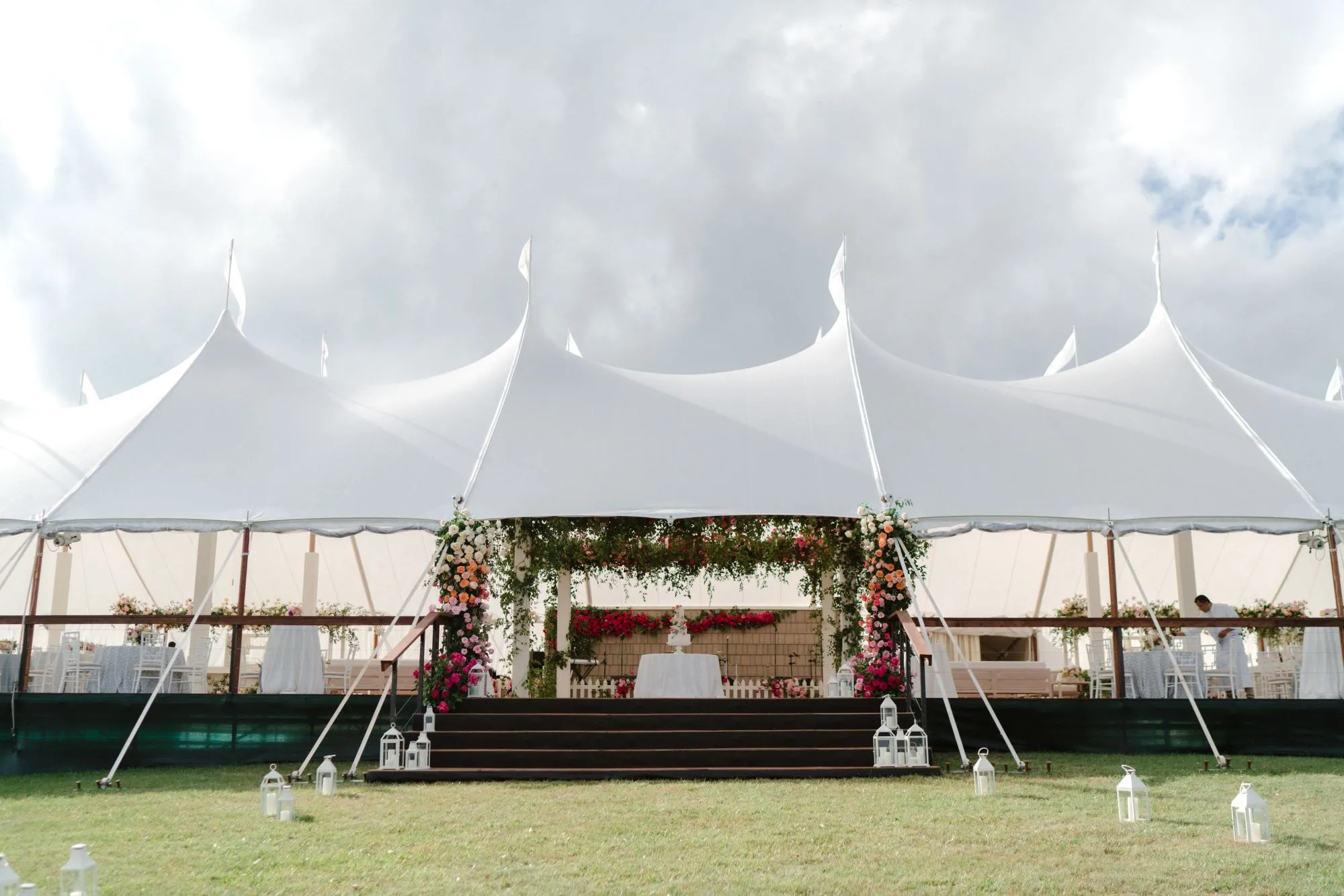
Selecting the right tent is about more than coverage, it’s about creating an environment that reflects your vision while ensuring comfort and functionality. Different structures offer distinct aesthetic and practical benefits. Frame tents provide clean, open interiors, pole tents capture timeless elegance with sweeping peaks, and clear span tents deliver expansive, unobstructed space ideal for grand occasions. Matching the tent style to your guest count and event atmosphere ensures both beauty and ease of movement.
What Are the Differences Between Frame, Pole, and Clear Span Tents?
Each tent type offers its own expression of style and structural advantage:
- Frame Tent: Built on a sturdy aluminum framework without center poles, these tents offer completely open interiors, perfect for weddings, formal dinners, and custom layouts.
- Pole Tent: Defined by central and side poles, pole tents create high, graceful peaks for a classic and romantic ambiance, ideal for traditional ceremonies or intimate gatherings.
- Clear Span Tent: Supported by robust steel beams, clear span tents provide vast open interiors without obstructions, making them ideal for large-scale galas, exhibitions, or corporate events where scale and flexibility are key.
By understanding these distinctions, hosts can select a structure that aligns seamlessly with both the design vision and functional needs of their celebration.
How Do You Calculate Tent Size for Different Guest Counts?
Tent size should be guided by guest comfort and planned activities. As a general standard:
- Cocktail receptions: approximately 10 sq. ft. per guest.
- Seated dinners: 12–15 sq. ft. per guest.
- Celebrations with dance floors or buffets: 15–20 sq. ft. per guest.
These guidelines ensure ample space for dining, mingling, and entertainment. Determining size early also informs permitting requirements and helps align accessories such as flooring and lighting with the layout.
Which Accessories Enhance Your Outdoor Tent Rental Experience?
Accessories transform tents from functional structures into curated event spaces. Luxury enhancements may include:
- Premium flooring to level outdoor surfaces and create polished aesthetics.
- Draped ceiling liners to soften interiors and add an element of grandeur.
- Integrated mounts for lighting, audio, or visual displays to ensure seamless production.
When thoughtfully selected, these elements harmonize with the tent’s design, elevate guest experience, and contribute to a cohesive overall atmosphere.
What Are the Best Wedding Tent Rental Options in Northern Virginia and Maryland?
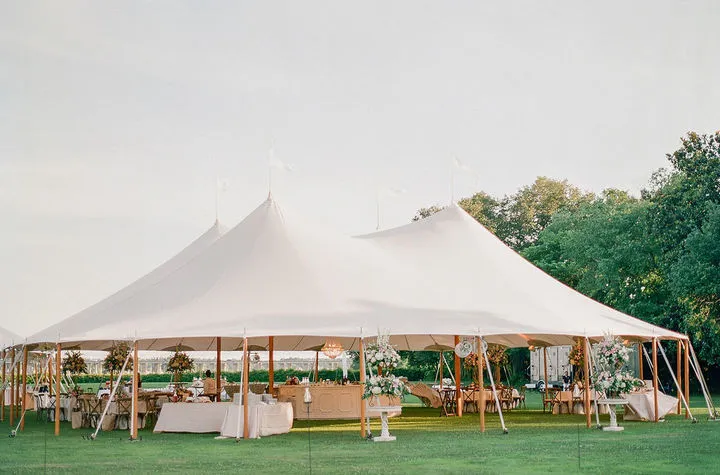
A wedding tent should embody both beauty and strength, offering guests comfort while creating a setting worthy of life’s most memorable moments. In Northern Virginia and Maryland, couples often select frame tents dressed with elegant draping for timeless sophistication, or clear span structures that provide spacious, unobstructed layouts ideal for large receptions. Each option can be tailored to reflect the couple’s vision, with expert support ensuring permits, site planning, and design elements align seamlessly with the chosen venue.
How Do Wedding Tent Permits Differ from Other Event Permits?
Wedding permits often require additional attention beyond the standard structural and fire safety reviews. Factors such as decorative lighting, amplified music, or alcohol service can invite extra oversight from local authorities. Coordinating these details with care not only ensures compliance but also preserves the flow of the celebration. With expert guidance, these requirements are managed proactively, preventing delays and ensuring every detail is in place before the first guest arrives.
What Tent Styles Are Popular for Weddings in Northern VA and MD?
- Frame Tents: Often enhanced with cathedral-style ceiling liners, these create a romantic ambiance perfect for formal dinners and elegant ceremonies.
- Clear Span Tents: With vast, unobstructed interiors, these tents allow for dramatic dance floors, custom staging, and large guest counts while maintaining a refined atmosphere.
- Pole Tents: Loved for their graceful peaks and sweeping fabric, pole tents bring timeless charm to intimate ceremonies and garden celebrations.
Choosing the right style comes down to blending guest experience, décor themes, and site features to craft a celebration that feels both personal and extraordinary.
How Can Curated Events Support Your Wedding Tent Logistics?
Curated Events provides a concierge-level approach to wedding tent rentals, managing every aspect from permit acquisition and engineered drawings to climate control, lighting, and décor integration. Our team collaborates closely with couples and planners to ensure each element, structural, logistical, and aesthetic, is aligned with the event vision. With seamless setup and discreet breakdown, Curated Events delivers weddings that are not only beautiful but flawlessly executed, allowing couples to focus on celebrating their day with confidence and joy.
What Corporate Event Tent Solutions Are Available in Northern Virginia and Maryland?
Corporate gatherings often require expansive and highly functional tent structures that reflect both brand identity and professional standards. Clear span tents are a preferred choice, offering wide, unobstructed interiors that can accommodate trade shows, product launches, executive retreats, and large-scale galas. These installations go beyond shelter, they integrate power, lighting, and climate control in ways that ensure both operational efficiency and a polished, brand-consistent atmosphere.
How Do Corporate Tent Rentals Differ in Size and Setup?
Corporate events frequently demand larger structures, often exceeding 2,000 square feet, with flexible layouts to accommodate registration areas, breakout spaces, and exhibitor booths. Flooring may be reinforced to support displays and equipment, while wireless connectivity and advanced climate systems ensure both comfort and functionality. Early planning and professional oversight ensure these features meet safety requirements while supporting the event’s flow and guest experience.
What Logistics Are Critical for Corporate Outdoor Events?
Logistics for corporate tent installations must balance efficiency, safety, and professionalism. Key considerations include:
- Coordinating delivery and breakdown around venue schedules.
- Designing discreet yet reliable layouts for power and technology infrastructure.
- Ensuring accessibility and clear emergency exit planning.
- Managing perimeter security and traffic flow for a seamless guest experience.
When handled by experts, these logistics not only ensure compliance but also reinforce the level of sophistication expected from high-profile corporate functions.
How Does Curated Events Ensure Seamless Corporate Tent Rentals?
Curated Events delivers turnkey solutions that integrate branding, compliance, and guest comfort into one cohesive plan. Experienced project managers oversee every stage, from engineered drawings and permit submissions to delivery, installation, and on-site coordination. By aligning technical requirements with organizational goals, our team ensures each corporate event runs smoothly, allowing companies to showcase their brand with confidence and professionalism.
Conclusion
Hosting an outdoor event in Northern Virginia or Maryland requires more than selecting the perfect tent; it demands thoughtful planning, compliance with local regulations, and seamless execution. With varying permit requirements across counties and the need for expert logistics, success comes from working with a trusted partner who understands both the technical details and the design vision.
At Curated Events, every tent rental is managed with precision and care, from permit acquisition and engineered drawings to site preparation, climate control, and flawless installation. Whether for a wedding, gala, or corporate gathering, the result is an environment that is as structurally sound as it is visually extraordinary, allowing hosts to focus on creating unforgettable memories.