Seasonal fabrics define the tone and comfort of an event, shaping how guests experience each space through texture, movement, and visual warmth. Choosing the right textile means balancing elegance with practicality, selecting materials that suit the climate, enhance photography, and complement the overall design palette. This guide explores how fabrics like velvet and linen translate seasonal style into atmosphere, offering insights on current trends, styling techniques, and thoughtful fabric selection for weddings, galas, and celebrations. You’ll also discover how curated rentals, custom options, and expert installation ensure every drape, table linen, and backdrop feels seamless and intentional from concept to event day.
What Are the Top Seasonal Event Fabric Trends for Weddings and Celebrations?
Seasonal fabric trends reflect how designers and planners translate climate and comfort into visual storytelling. The leading directions this year focus on tactile contrast, material authenticity, and understated luxury, where texture, weight, and finish work in harmony with lighting and venue style. Selecting the right fabric means balancing warmth and movement, ensuring each textile supports the mood of the season while maintaining comfort and cohesion.
Key trends defining current seasonal event fabrics include:
- Plush velvets and velours for winter gatherings that bring warmth, depth, and soft acoustics to elegant indoor settings.
- Natural linens and slub weaves for summer celebrations that enhance breathability and relaxed sophistication.
- Mixed-texture layering, such as pairing satin overlays with matte foundations, to create subtle visual depth across transitional seasons.
- Refined metallic lusters, brushed gold or champagne finishes, used sparingly for evening glamour without visual heaviness.
These trends highlight how texture and tone can transform the feel of an event, guiding planners toward materials that align both with seasonal comfort and timeless design.
Which Fabrics Define Luxury Event Design Across Seasons?
Luxury event textiles are distinguished by their tactile richness, visual depth, and superior craftsmanship. Silk, velvet, and satin remain the cornerstones of high-end event design, each offering unique qualities suited to different moments. Silk brings a luminous, fluid sheen ideal for refined spring and autumn receptions, while satin adds structure and formal reflectivity that captures light beautifully in evening settings. Velvet introduces weight and texture for winter gatherings, grounding spaces with opulence and warmth.
Each of these fabrics performs best where both texture and lighting can be appreciated, draped installations, table linens, or statement backdrops designed for memorable photography and lasting impression.
How Do Velvet Drapes and Summer Linens Reflect Seasonal Style?
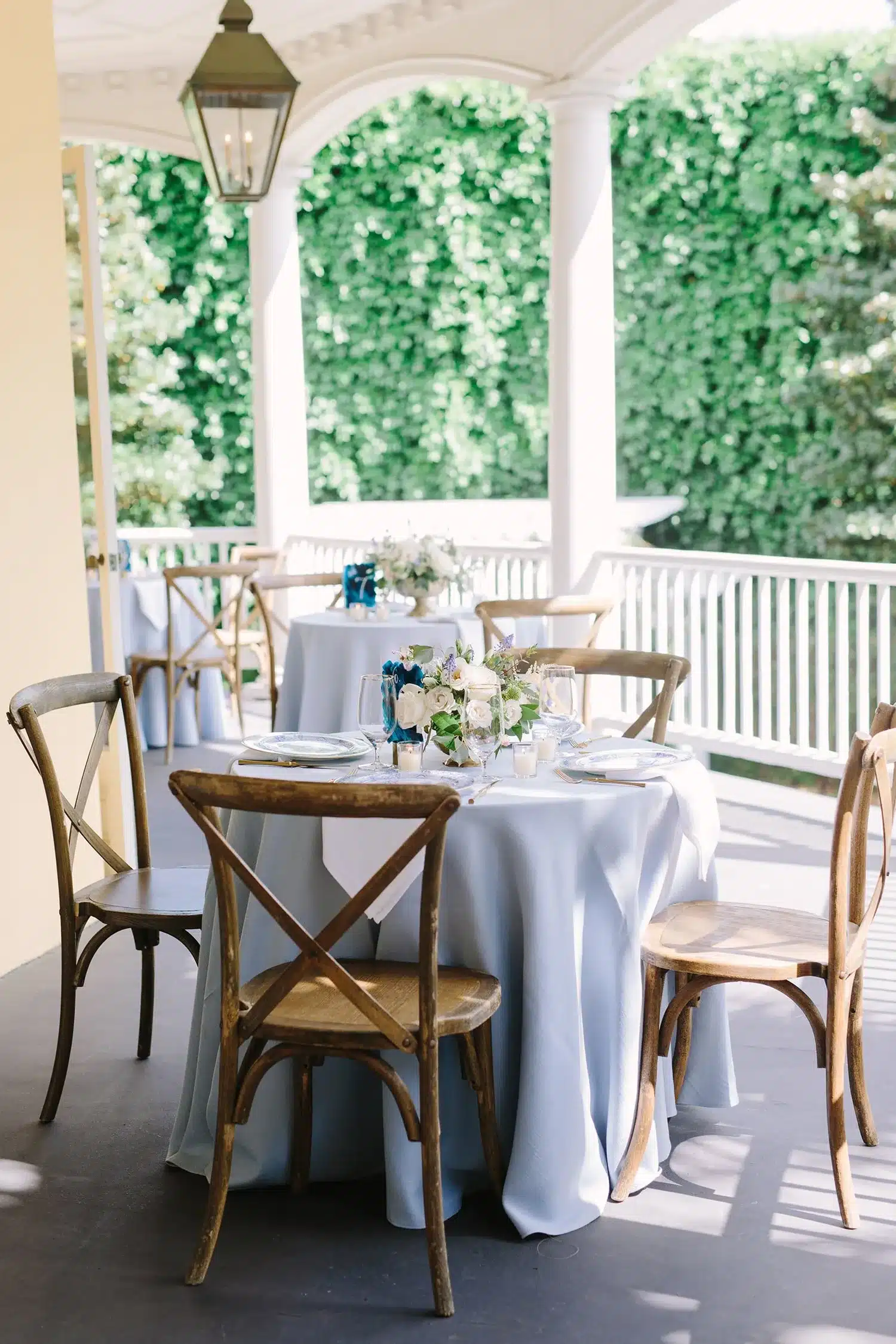
Velvet and linen represent two complementary expressions of seasonal design. Velvet conveys intimacy and grandeur through its dense pile and rich color saturation, ideal for winter or indoor events where warmth and drama are desired. Linen, by contrast, celebrates movement and breathability, its natural weave softening light and inviting ease into summer receptions or open-air gatherings.
Seasonal color stories reinforce this contrast: deep jewel tones and warm neutrals pair effortlessly with velvet, while sun-washed whites, sage, and soft pastels flatter linen’s organic texture. When chosen thoughtfully, these fabrics influence lighting choices, floral palettes, and overall tone, allowing each event to feel both seasonal and timeless.
What Sustainable Fabric Choices Are Inspiring Modern Event Design?
Sustainability in event textiles now means selecting materials that look as good as they perform, responsibly sourced, durable, and timeless in aesthetic. Popular options include organic linen, premium recycled performance blends, and low-impact dyed cottons. Organic linen is especially valued for its natural texture and breathability, while recycled blends replicate the sheen and resilience of synthetics with reduced environmental impact.
When prioritizing sustainable fabrics, early coordination is key, allowing time for swatching, color confirmation, and finish approvals under event lighting. The result is a refined, eco-conscious selection that supports both design integrity and responsible sourcing.
Why Choose Velvet Drapes for Winter and Elegant Events?

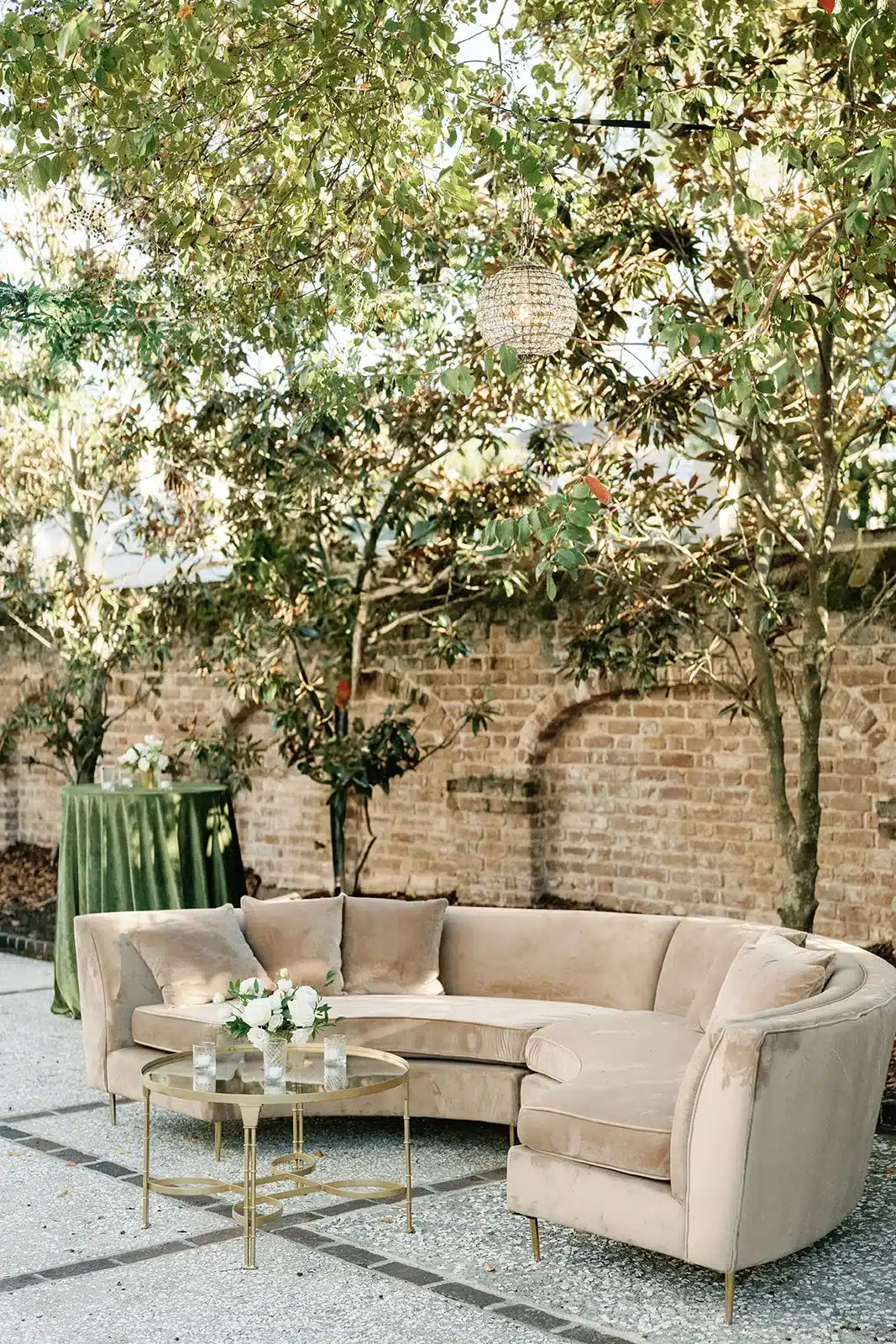
Velvet drapes bring cinematic warmth and timeless elegance to winter and formal gatherings. The fabric’s dense pile and soft sheen create a rich visual depth that instantly elevates any setting, transforming open venues into intimate, layered environments. Beyond aesthetics, velvet contributes to comfort, its texture softens acoustics and lends a sense of enclosure that feels both luxurious and welcoming. When illuminated with warm uplighting, velvet captures light in a way that enhances color and texture, producing a refined glow ideal for evening events and indoor celebrations.
Velvet delivers distinct benefits for winter and formal occasions:
- Inviting Warmth: Velvet creates a sense of comfort and enclosure, perfect for cozy winter settings or candlelit receptions.
- Softened Acoustics: The fabric naturally absorbs sound, making conversations and music feel more balanced and immersive.
- Luxurious Visual Texture: Its rich saturation and subtle sheen add cinematic depth that photographs beautifully under warm lighting.
These qualities make velvet a preferred choice for statement moments, guiding how planners position and pair it within sophisticated event spaces.
What Makes Velvet Drapes Ideal for Winter Weddings and Corporate Events?
Velvet’s weight, texture, and opacity make it a cornerstone of refined winter event design. For weddings, it frames ceremony spaces and head tables with warmth and intimacy, creating backdrops that feel both elegant and enduring. In corporate or gala settings, velvet communicates formality and prestige, reinforcing a sense of occasion without overwhelming the decor. The fabric’s density also helps define zones, separating lounges, dining areas, and entrances with visual cohesion.
Using velvet in focal areas allows lighting designers to lean into warm, directional light that accentuates its depth and tactile quality, ensuring every photograph and guest experience feels elevated.
How Do Velvet Drapes Enhance Event Ambiance and Warmth?
Velvet enhances ambiance through its ability to absorb light and invite touch, creating a layered visual experience. Its soft texture produces subtle shadows that add three-dimensionality to stages, entrances, and lounge areas. When paired with warm, low-angle lighting, velvet’s colors appear deeper and more saturated, evoking intimacy and sophistication.
Because of its tactile nature, velvet also encourages guest engagement, it feels indulgent and refined, instantly signaling quality and care in design. Strategic placement, such as framing doorways, defining head tables, or lining lounge zones, transforms practical spaces into beautifully curated environments that balance comfort and elegance.
What Customization Options Are Available for Velvet Drape Rentals?
Velvet drapes can be tailored to match specific event palettes and architectural needs. Customization options include finish selection (crushed or matte), color range, pleating style, and optional linings for added structure or opacity. Planners can specify custom widths and heights to achieve precise proportions, while color-matching and swatch reviews ensure harmony under venue lighting.
Curated Events offers fully coordinated velvet drape rentals, combining customization with attentive service to deliver seamless installation and design alignment. Their tailored approach allows planners to specify texture, size, and finish details that enhance both visual impact and overall guest experience.
What Are the Key Event Fabric Types by Season and Their Uses?
Each season calls for fabrics that balance texture, weight, and breathability to enhance both comfort and design. Heavy materials such as velvet and velour create warmth and intimacy in cool months, while lighter options like linen and chiffon bring movement and airiness to summer gatherings. Understanding these characteristics helps planners align fabric choices with the season’s natural rhythm and the event’s visual goals.
These distinctions clarify how weight and texture determine seasonal suitability, guiding planners toward materials that perform beautifully in both form and function.
How Do Cotton, Silk, Satin, and Organza Perform Across Seasons?
Each fabric offers its own character and practical strengths. Cotton is reliable year-round, with natural softness and versatility that suit casual and semi-formal events. Silk introduces luminous depth and is best showcased indoors or during evening celebrations, where lighting highlights its refined sheen. Satin delivers smooth sophistication and structure for formal settings but works best in climate-controlled environments. Organza remains the go-to for airy overlays and ethereal ceremony designs, its translucence softens light and adds a sense of grace to open spaces.
When Should You Select Heavier Fabrics Like Velour or Metallics?
Heavier fabrics excel when the goal is drama, intimacy, or architectural presence. They work beautifully in winter venues, gala spaces, and formal evening celebrations, where layered lighting enhances their reflective quality. Velour and metallic textiles also serve as striking statement backdrops or entryway features, adding dimension without overwhelming the space. When using these fabrics, balance is key, pair them with soft lighting and matte surfaces to preserve warmth and elegance.
How Do Fabric Textures Influence Event Themes and Moods?
Texture is one of the most powerful design tools in event styling. Plush velvets communicate romance and luxury, slubby linens evoke organic charm, and smooth satins express refined sophistication. Combining textures, like pairing a matte linen tablecloth with subtle metallic accents—creates depth and visual contrast while maintaining cohesion. Dense fabrics bring coziness and intimacy, while sheer materials open sightlines and convey lightness. Thoughtful texture pairing allows every event to feel intentional, tactile, and seasonally aligned.
How Can Event Planners Select Seasonal Fabrics for Their Events?
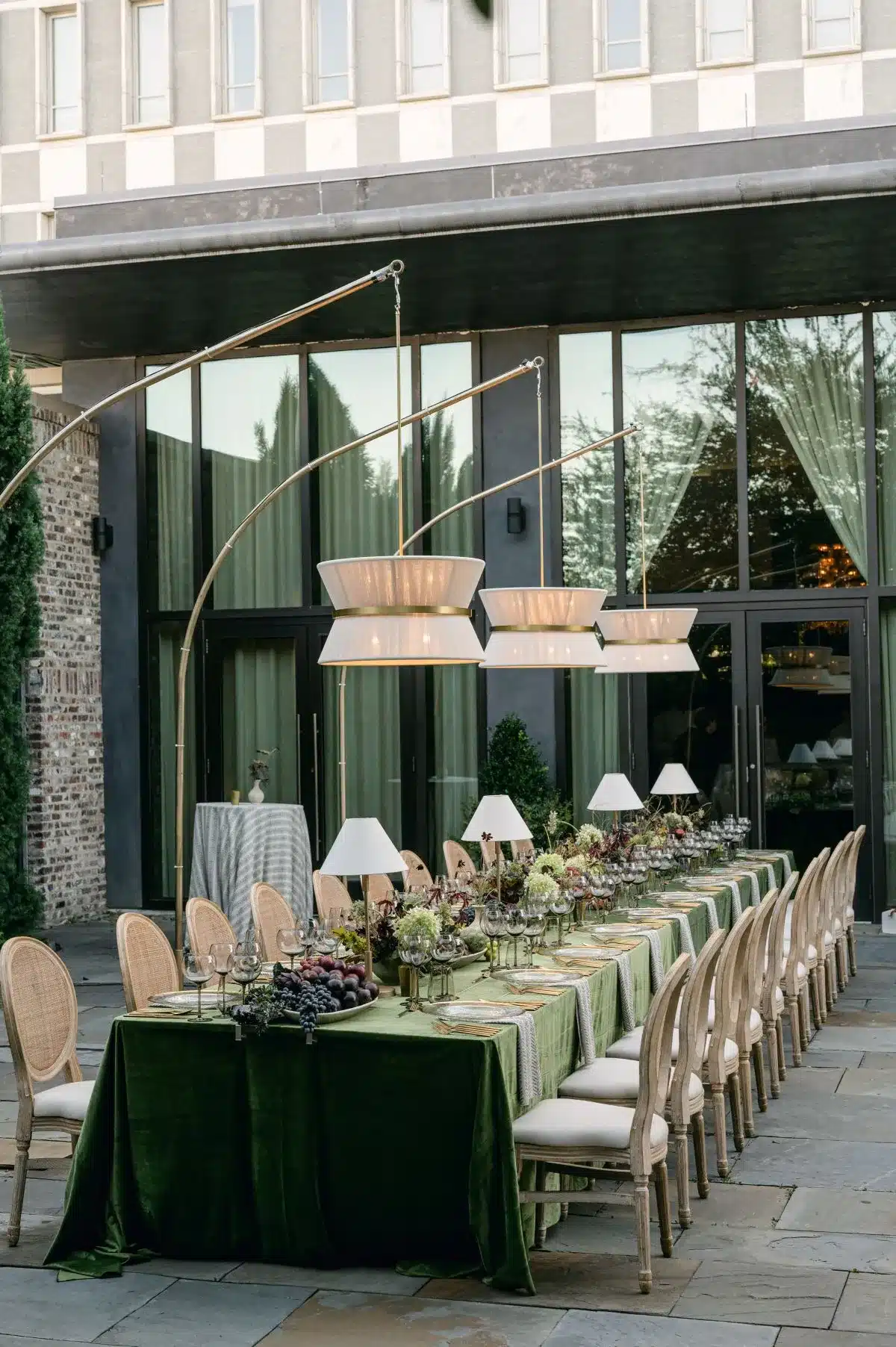
Selecting seasonal fabrics begins with a structured, design-led approach that balances aesthetics, practicality, and guest comfort. Each decision, from texture to color, should reinforce the overall event concept while adapting to climate and venue conditions. Start by defining what drives your design: visual storytelling, acoustics, or guest experience. Then, match fabric properties such as weight, drape, and sheen to those needs before finalizing colors and textures.
A practical decision checklist for planners:
- Define design priorities: Identify whether photography, comfort, or acoustics should guide material selection.
- Assess venue logistics: Review ceiling height, lighting type, and airflow patterns to ensure fabrics perform well in the space.
- Set budget parameters: Decide between renting or purchasing based on frequency of use and customization needs.
- Request and test samples: Always evaluate swatches under event lighting to confirm texture, color accuracy, and finish.
Following this sequence keeps selections intentional and aligns design decisions with logistical and budget realities.
What Factors Should Event Planners Consider When Choosing Seasonal Fabrics?
Event planners must balance aesthetic intent with operational feasibility. Key considerations include customization lead times, care requirements, rental policies, and compatibility with venue restrictions. Early coordination on lighting and color palettes prevents mismatched sheens or dye variations, while testing sample behavior, such as wrinkle recovery or static resistance, ensures consistent presentation throughout the event.
Planners who organize their decision flow around priority, venue, budget, and samples reduce surprises during setup and maintain both efficiency and design integrity.
How Can Event Planners Incorporate Seasonal Fabrics Into Cohesive Decor?
Seasonal fabrics can define both the mood and flow of an event when applied strategically. Use velvet for winter backdrops and statement lounges, linen for summer tabletops and napkins, and organza or chiffon for canopies or accent draping in warm-weather settings. Align fabric palettes with seasonal tones, deep jewel shades for winter and soft neutrals for spring and summer—to enhance photography and floral cohesion. Layering textures, such as matte linen with satin or silk overlays, creates visual depth while preserving a polished, professional finish.
This methodical approach helps planners translate seasonal inspiration into refined, high-performing decor that maintains elegance from setup to final guest departure.
Where Can You Rent High-Quality Seasonal Fabrics Like Velvet Drapes and Summer Linens?
When sourcing seasonal fabrics, event planners should look for a rental partner that combines exceptional product quality with design and logistical expertise. The best providers offer curated inventories, flexible customization, and responsive service to ensure every fabric performs as beautifully as it photographs. Reliable partners also manage installation and post-event care, allowing planners to focus on design continuity and guest experience rather than technical details.
Key questions to consider when evaluating rental partners:
- What is the sample and swatch process for confirming color and texture accuracy?
- How far in advance should custom-dyed or specialty-sized pieces be ordered?
- Does the provider handle delivery and professional installation directly?
- What policies apply to care, cleaning, and replacement of linens and drapes?
Asking these questions early ensures operational readiness and helps prevent last-minute challenges during setup or breakdown.
What Makes Curated Events a Top Choice for Seasonal Fabric Rentals?
Curated Events is a trusted event rental partner across the Eastern United States, known for its commitment to design excellence, quality craftsmanship, and dependable service. The company offers an extensive collection of linens, drapery, tents, tables, lighting, and décor, with customization options that allow planners to tailor each element to the event’s aesthetic.
Guided by its mission “to inspire, enhance, and elevate the human need to gather,” Curated Events emphasizes collaboration and precision. Their approach includes sample approvals, fabric customization, and coordinated installation support, ensuring each design vision is executed seamlessly from concept to completion. This full-service model helps planners achieve visual cohesion while minimizing logistical complexity.
How Does Rental Customization Enhance Seasonal Fabric Use?
Customization transforms standard fabric rentals into tailored design elements that align perfectly with event concepts. Options such as custom widths, linings, pleating, and color matching allow planners to achieve the desired silhouette, drape, and tonal harmony within the venue.
A typical planning sequence includes reviewing fabric swatches, confirming measurements, approving mockups, and coordinating installation timelines. This process ensures that every detail, from color consistency to light behavior, meets design expectations. Effective communication and early scheduling allow rental partners to deliver precise, dependable results, keeping installations on time and visually aligned with the planner’s creative direction.
How Do Seasonal Fabrics Impact Event Atmosphere and Guest Experience?
Seasonal fabrics play a defining role in shaping an event’s ambiance, comfort, and visual character. The right textile choices influence sound absorption, light reflection, and the tactile feel that guests experience throughout the space. Heavier fabrics like velvet enhance intimacy by softening acoustics and adding visual depth, while lighter materials such as linen or chiffon invite airiness and movement, ideal for outdoor or summer gatherings.
Lighting also interacts uniquely with each fabric type, matte surfaces diffuse light gently, while lustrous finishes reflect and amplify it, creating opportunities for planners to design spaces that feel cohesive and atmospheric. When selected thoughtfully, seasonal fabrics elevate not only how a space looks but how it feels to every guest.
In What Ways Do Velvet Drapes Create Cozy, Luxurious Winter Settings?
Velvet drapes bring warmth and sophistication to winter and formal events by visually enclosing the space and absorbing both light and sound. Their dense texture and rich color saturation convey comfort and intimacy, making guests feel at ease while enhancing the elegance of the setting.
Strategic placement is key: use velvet behind stages, along head tables, or within lounge zones to frame focal areas and improve acoustics. Pair with warm uplighting or amber gels to deepen color and create a cinematic glow. These techniques transform large or cool venues into inviting, refined environments that feel intentionally designed for the season.
What Lighting and Décor Pair Best with Seasonal Fabrics?
Lighting and décor choices should enhance a fabric’s natural qualities rather than compete with them. Velvet pairs beautifully with warm, low-angle uplighting that highlights texture and shadow, while linen thrives in diffused natural light that emphasizes its organic weave.
Start with the event’s design vision, whether elegant, rustic, or modern, and select fabrics that naturally complement it. For example, pairing of linen. Metallic accents, whether brushed gold or soft silver, can mirror the sheen of your chosen textiles, tying together table settings, glassware, and lighting reflections.
Whenever possible, test fabric swatches under the actual venue lighting before finalizing selections. This ensures that color, shadow, and finish read exactly as intended across photography and guest experience.
Frequently Asked Questions
What Are the Key Considerations for Selecting Fabrics for Outdoor Events?
For outdoor events, prioritize lightweight, breathable fabrics like linen or cotton blends. These materials manage heat effectively and allow airflow, keeping guests comfortable throughout the day. Choose colors that reflect sunlight and test samples in natural light to confirm tone accuracy and glare resistance. Durability and ease of maintenance are also critical, especially in wind-prone or high-traffic settings.
How Can Event Planners Ensure Fabric Choices Align with the Event Theme?
Start with the event’s design vision—whether elegant, rustic, or modern—and select fabrics that naturally complement it. For example, pairing plush velvet with textured linen creates a balanced mix of luxury and approachability. Reinforce the theme with supporting elements such as coordinated florals, lighting, and accessories to ensure consistency across the event’s design.
What Maintenance Tips Should Be Considered for Seasonal Fabrics?
Proper care preserves fabric quality and presentation. Linens typically require gentle washing and low-heat drying to maintain texture and shape, while velvet should be professionally cleaned to protect its pile and sheen. Address stains promptly and use appropriate storage methods to prevent wrinkles or compression before setup.
How Do Seasonal Fabrics Impact the Overall Guest Experience?
Textiles affect both comfort and perception. Linen keeps guests cool and relaxed during warm-weather events, while velvet creates a cozy, elevated feel in winter. The tactile richness of well-chosen fabrics enhances sensory engagement, improving acoustics and atmosphere to create a memorable experience.
What Are Some Common Mistakes to Avoid When Selecting Event Fabrics?
Avoid choosing fabrics that clash with the venue’s lighting or climate. Always test samples on-site to see how they behave under actual conditions. Steer clear of overly heavy fabrics in outdoor heat or delicate materials in high-traffic zones. Above all, never overlook guest comfort or maintenance practicality when making design decisions.
How Can Planners Effectively Communicate Their Fabric Needs to Rental Companies?
Clear communication is essential. Share specific details such as fabric type, color palette, and desired texture, supported by inspiration boards or sample references. Discuss timeline requirements, customization options, and delivery logistics early in the process to ensure alignment between the design plan and vendor capabilities. Transparency about budget and expectations fosters a smoother collaboration and ensures reliable execution.
Conclusion
Seasonal fabrics are more than décor—they define the atmosphere and comfort of an event. From the warmth of velvet in winter to the breezy elegance of linen in summer, the right materials enhance every visual and tactile element of your design. Thoughtful fabric selection creates cohesion across lighting, florals, and furnishings, transforming venues into environments that feel intentional and refined.
Discover how Curated Events can help you bring your vision to life with premium seasonal fabrics, expert coordination, and a commitment to exceptional event design.