
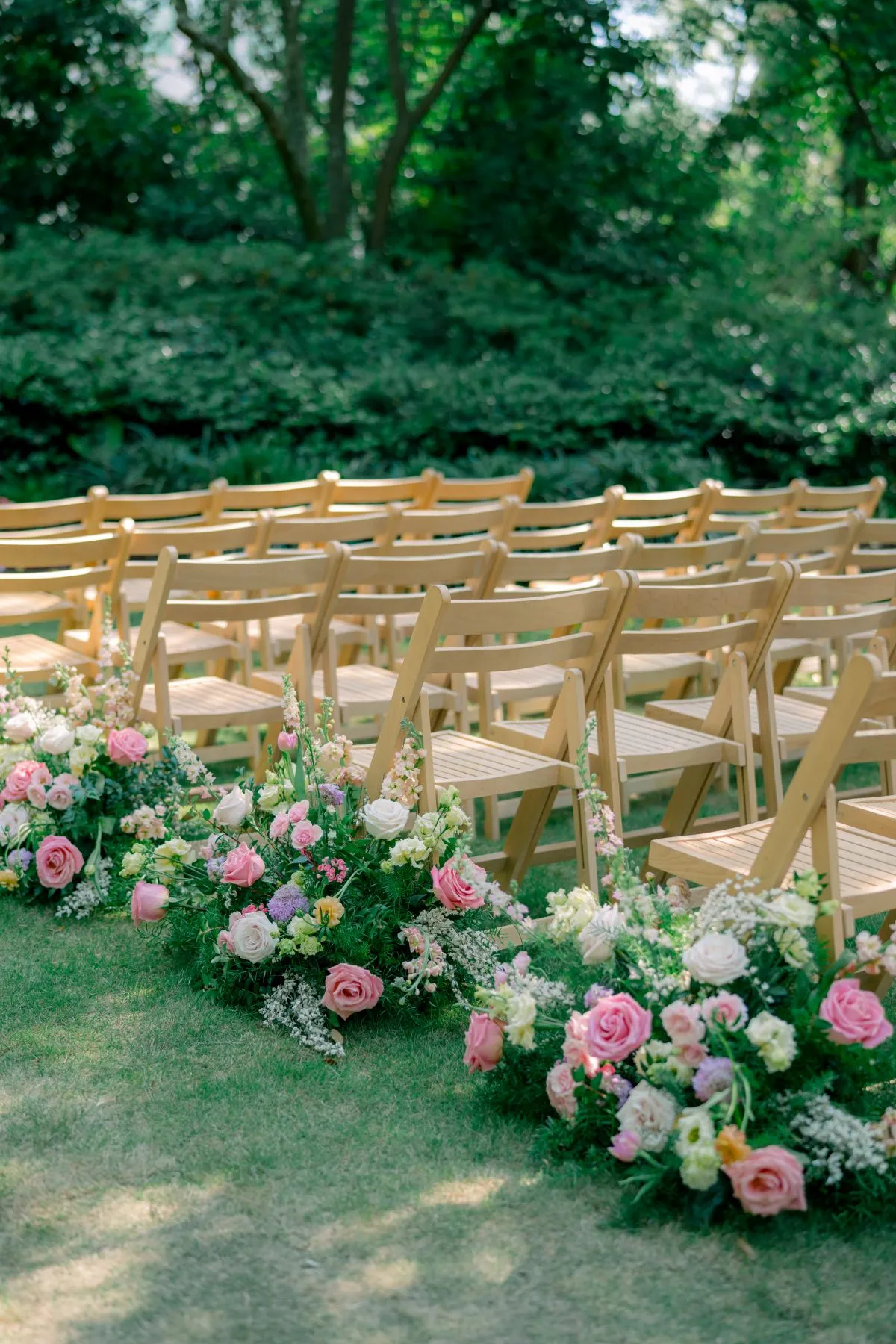
Outdoor wedding chairs do more than provide a place for guests to sit. They shape the first impression of the ceremony, influence the reception layout, support the tablescape, and help define the overall design direction of the wedding. When chosen thoughtfully, chairs can make an outdoor Chesapeake wedding feel more polished, comfortable, and intentionally styled.
For couples and planners, the right chair selection should work across the full event experience. Ceremony seating needs to complement the aisle and backdrop. Reception chairs need to coordinate with tables, linens, tabletop rentals, and floral design. Accent seating, barstools, lounge furniture, and children’s seating may also play a role, depending on the event.
Curated Events Chesapeake offers wedding rental options that help bring these details together, including chairs, linens, tabletop pieces, lounge furniture, dance floors, tenting, bars, and event décor. With the right seating plan, each wedding area can feel connected without looking repetitive or overdesigned.
Start With the Role Each Chair Will Play in the Wedding
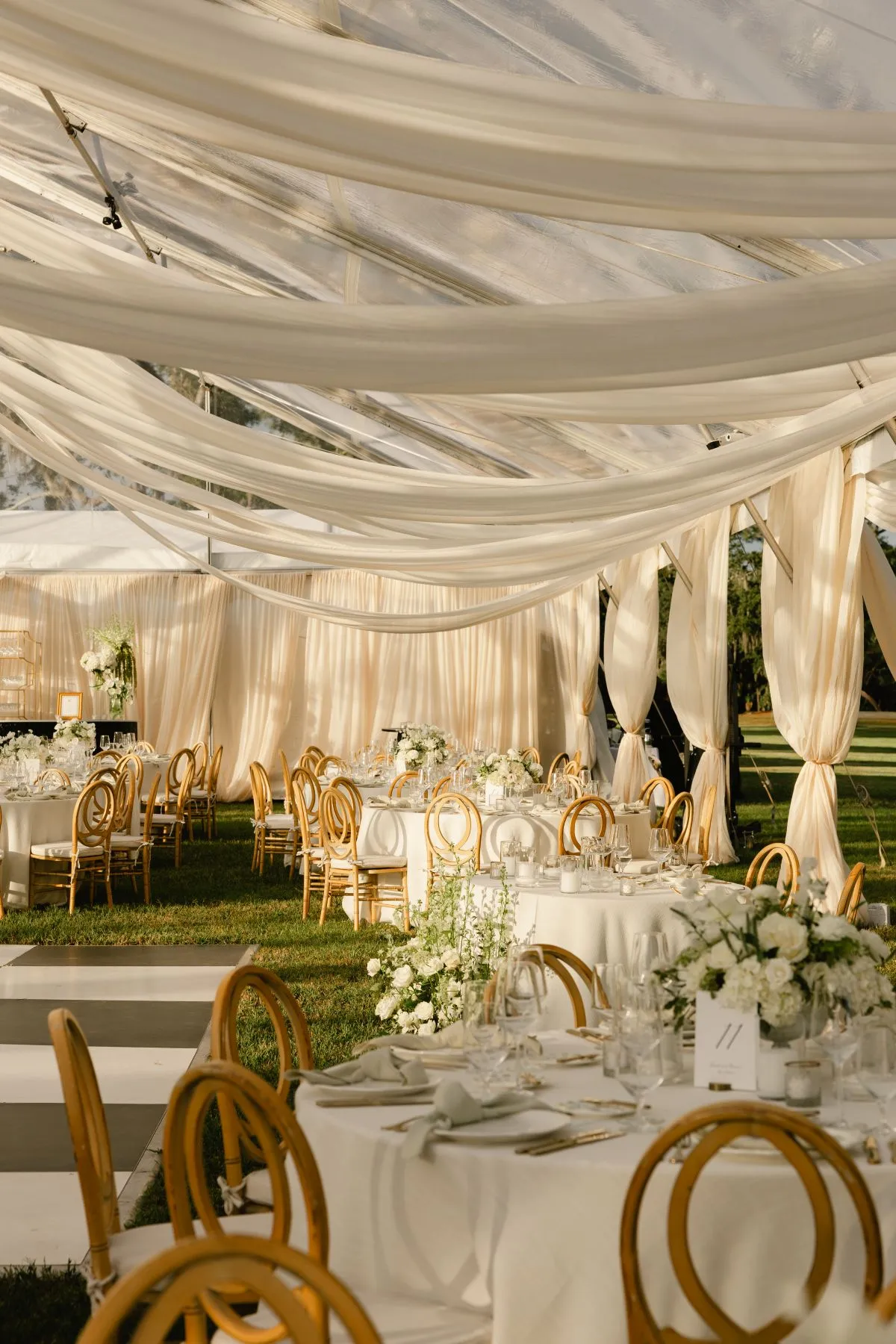
Not every chair at a wedding needs to serve the same purpose. A ceremony chair may be chosen for its aisle presentation, while a reception chair needs to work with the table design and dinner flow. A sweetheart table chair may act as a focal point, while barstools or lounge seating can support cocktail hour and guest movement.
Before selecting one chair style, it helps to separate the wedding into its main seating moments. This allows couples and planners to choose chairs based on how each area will be used and how it should feel.
Ceremony Chairs Set the First Visual Impression
Ceremony seating is one of the first design details guests notice when they arrive. The chairs frame the aisle, guide the eye toward the altar or ceremony backdrop, and appear prominently in photos of the processional, vows, and guest reactions.
For a formal outdoor ceremony, a classic chair style can create a clean and elegant look. For a garden-inspired wedding, wood tones or woven textures may feel more natural in the setting. For a modern celebration, clear, black, or sculptural seating can add a more editorial effect.
Comfort should also be considered, especially if the ceremony includes readings, music, cultural traditions, or a longer program. The chair should support the look of the ceremony while still making guests feel cared for during the moment.
Reception Chairs Need to Work With the Tablescape
Reception chairs have a different role because they sit directly within the dining design. They interact with the table shape, linen texture, charger plates, china, glassware, flatware, napkins, centerpieces, candles, and place cards.
A chair that looks beautiful on its own may not be the right choice once it is placed beside a heavily styled table. Similarly, a simpler chair can feel elevated when paired with textured linens, layered tabletop details, and thoughtful lighting.
The best reception chair is one that supports the full tablescape. It should feel proportionate to the table, cohesive with the color palette, and appropriate for the formality of the meal.
Specialty Seating Helps Define Key Wedding Moments
Some wedding moments call for seating beyond the main ceremony and reception chairs. The sweetheart table, head table, family tables, cocktail hour, bar areas, lounge settings, and children’s areas may all benefit from separate seating choices.
A statement chair at the sweetheart table can help create a focal point for the couple. Barstools can support cocktail tables or bar areas. Lounge seating can give guests a comfortable place to gather between major wedding moments. Children’s chairs or high chairs can make the event feel more thoughtfully planned for families.
These details should be selected intentionally so they enhance the wedding experience without making the design feel scattered.
Choose a Chair Style That Matches the Wedding’s Design Language
Wedding chairs should not be selected as isolated rental items. They should reflect the design language of the wedding. A classic ballroom-inspired celebration, a coastal garden wedding, a modern editorial reception, and a relaxed outdoor dinner will each call for a different seating style.
Thinking in terms of design direction helps narrow the choices. Instead of asking which chair is “best,” couples and planners should ask which chair best supports the mood, venue, tablescape, and overall visual story.
Classic and Formal Wedding Seating
Classic wedding seating works well for ceremonies and receptions that lean refined, traditional, or timeless. Chair styles such as Chiavari chairs, Louis XIV-inspired seating, ballroom-style chairs, and padded banquet chairs can help create a more polished setting.
Gold, silver, white, clear, and natural finishes can all work within a classic design, depending on the palette. Gold may feel warmer and more formal, while white can look crisp and bridal. Clear chairs can create a lighter look while still feeling elevated.
For formal weddings, the chair should feel graceful without overwhelming the rest of the design. It should support the florals, linens, tabletop details, and lighting rather than compete with them.
Garden, Coastal, and Natural Wedding Seating
Outdoor Chesapeake weddings often pair beautifully with chairs that feel organic, textured, or softly refined. Wood tones, woven details, cane accents, and cross back styles can work well for garden, estate, coastal, or relaxed-elegant celebrations.
Cross back chairs can create a warm and inviting reception style, especially when paired with wood tables, neutral linens, greenery, and candlelight. Cane or woven chairs can add texture without making the design feel too heavy. Natural wood chairs can help the seating feel connected to an outdoor setting.
This style direction works especially well when the couple wants the wedding to feel elevated but not overly formal.
Modern and Editorial Wedding Seating
Modern weddings often benefit from chairs with a stronger silhouette. Acrylic, black, white, velvet, rattan, or geometric seating can create a more distinctive visual statement.
Clear acrylic chairs can make a layout feel open and contemporary. Black chairs can add contrast and structure. White sculptural chairs can support a minimalist or fashion-forward design. Velvet seating can add softness and depth, especially for a reception with richer textures.
For editorial weddings, chairs can become part of the design concept rather than a background detail. The key is to balance statement seating with the rest of the rentals so the overall look still feels refined.
Practical Polished Seating for Large Guest Counts
For weddings with larger guest counts, the chair selection often needs to balance style, comfort, and layout flexibility. Folding, stacking, and padded options can be useful when the seating plan needs to be efficient without feeling overly casual.
A practical chair can still look polished when paired with the right linen, table setting, ceremony layout, and floral accents. For large outdoor ceremonies, a clean and consistent chair style can create visual order across the space. For receptions, a comfortable padded option may work well when guests will be seated for dinner, speeches, and formal moments.
The goal is to choose seating that looks appropriate at scale and supports the guest experience.
Coordinate Ceremony and Reception Seating Without Making the Design Feel Repetitive

A wedding does not need to use the same chair everywhere, but the seating choices should feel connected. Ceremony chairs, reception chairs, sweetheart table seating, lounge pieces, and barstools can vary as long as there is a clear design reason behind each choice.
The best seating plans create continuity without making every area look identical. This gives the wedding more visual interest while still keeping the overall design cohesive.
Use One Chair Style for a Clean, Cohesive Look
Using one chair style for both the ceremony and reception can create a seamless wedding design. This approach works especially well for classic, minimalist, formal, or highly coordinated celebrations.
A single chair style can also make transitions feel smoother, particularly when the event moves from ceremony to dinner in the same general area. The repetition creates a sense of order and allows other design elements, such as florals, linens, or lighting, to take focus.
This approach is strongest when the chosen chair is versatile enough to look beautiful in both ceremony rows and reception place settings.
Use Different Chair Styles to Create a More Layered Event
Different chair styles can help distinguish key wedding moments. A couple may choose one chair for guest seating and a more distinctive style for the sweetheart table. The ceremony may feature a simple chair, while the reception uses a more textured or formal option.
This layered approach can add depth to the overall design. It allows special areas to stand out without requiring every chair to make the same statement.
The important thing is to keep the mix intentional. Chair styles should vary because they serve different roles, not because the design lacks direction.
Keep the Color Palette Consistent Across Seating Moments
When using more than one seating style, color and finish help create continuity. White, natural wood, black, gold, clear, rattan, velvet, and woven textures can each guide the overall mood of the event.
For example, natural wood ceremony chairs may pair well with cross back reception chairs or woven lounge seating. Clear ceremony chairs may work with acrylic barstools or a modern sweetheart table chair. Black reception chairs may feel connected to black-framed bars, dark flatware, or dramatic tabletop accents.
A consistent palette helps varied seating choices feel curated rather than mismatched.
Make the Aisle, Altar, and Guest Seating Work Together
The ceremony is one of the most photographed parts of the wedding, so chair selection should be considered alongside the aisle, altar, floral design, and natural setting. Outdoor ceremony seating should enhance the view, support the guest experience, and create a clean visual path toward the couple.
Instead of treating chairs as a separate decision, couples and planners should think about how the full ceremony composition will look from multiple angles.
Let the Chair Style Support the Ceremony Backdrop
The ceremony backdrop may be a floral arch, waterfront view, garden area, estate lawn, tented structure, or architectural feature. The chair style should support that backdrop without overpowering it.
A simple white chair can look crisp against greenery. A natural wood chair can feel at home in a garden or lawn setting. A clear chair can keep attention on the floral installation or view. A more decorative chair can work well when the ceremony design is intentionally formal.
The chair should help frame the ceremony, not distract from the couple or the setting.
Plan Chair Placement Around Photography Angles
Chair placement affects wedding photography more than many couples realize. The width of the aisle, spacing between rows, reserved seating, and distance from the altar can all influence the final images.
A well-planned seating layout allows the photographer to capture the processional, guest reactions, wide ceremony views, and the couple at the altar without visual clutter. It also helps keep the aisle feeling balanced and intentional.
For outdoor ceremonies, spacing can make the setting feel more open and elegant, especially when the backdrop is an important part of the design.
Choose Decorative Accents With Restraint
Chair accents can be beautiful when used thoughtfully. Florals, ribbons, fabric ties, reserved-seat markers, and aisle details can add softness and personality to the ceremony.
However, chair décor should not overwhelm the seating. If the chair already has a strong silhouette, minimal accents may be enough. If the ceremony florals are dramatic, simpler chair details can keep the design balanced.
A restrained approach often feels more elevated than decorating every chair heavily. Focus accents where they matter most, such as aisle seats, family rows, or the couple’s ceremony chairs.
Pair Wedding Chairs With Linens, Tabletop, and Dining Details
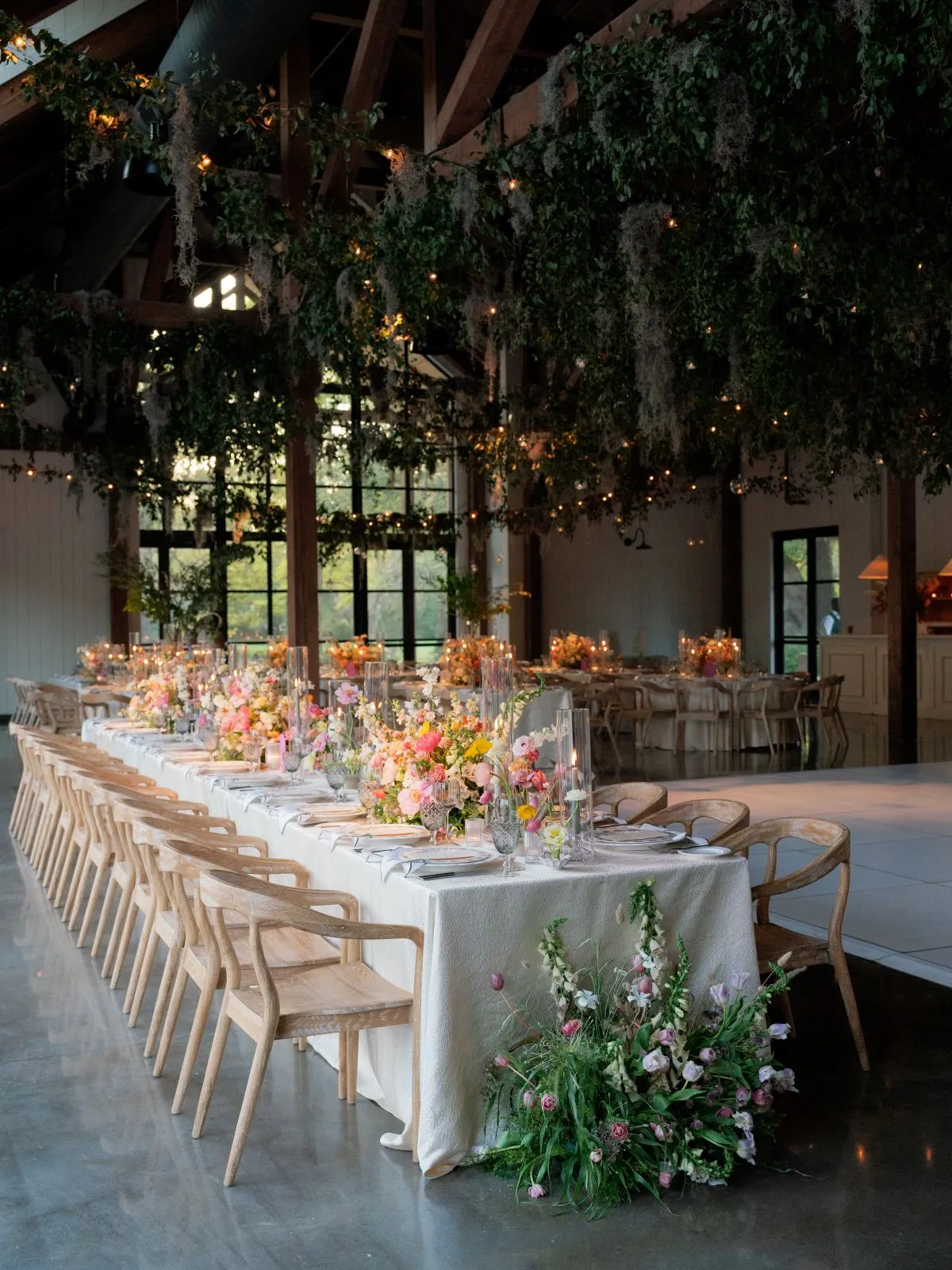
Reception seating should be planned with the full table design in mind. Chairs, linens, china, glassware, flatware, napkins, menus, and centerpieces all work together to shape the dining experience.
This is where a wedding rental plan becomes more cohesive. When the chair finish and tabletop design are chosen together, the reception feels intentional from every angle.
Match Chair Finish to Linen Texture
Chair finish can change the way linens feel. A natural wood chair may pair beautifully with soft neutral linens, gauze textures, or garden-inspired table designs. A gold chair may work well with formal linens, candlelight, and refined place settings. A black chair can create contrast against white or ivory linens. A clear chair can keep the table design feeling light and modern.
The relationship between chair and linen should feel balanced. If the linen has a strong texture, pattern, or color, the chair may need to feel quieter. If the chair is simple, the linen may be a place to add depth or personality.
Balance Chair Shape With Table Shape
Table shape affects how a chair looks in the reception layout. Round tables often create a softer, more traditional dining experience. Long tables can feel dramatic, communal, and editorial. Sweetheart tables and head tables often need chairs that feel slightly more intentional because they become focal points.
A chair with a rounded back may soften a formal table layout. A cross back chair can add structure to long wooden tables. A clear or slim-profile chair can help a dense table layout feel less heavy.
The chair should feel proportionate to the table and comfortable within the overall spacing.
Use Tabletop Rentals to Reinforce the Chair Style
Tabletop rentals can help make the chair selection feel more purposeful. Chargers, china, glassware, flatware, napkins, and menus can echo the chair’s finish, texture, or style direction.
For example, gold chairs may pair well with warm metallic flatware or rimmed glassware. Natural chairs may work with organic ceramic plates, textured napkins, or understated chargers. Clear chairs may pair well with modern glassware, sleek flatware, and a cleaner table design.
These details help create a layered reception look without relying on the chair alone.
Avoid Overdesigning the Dining Area
A strong dining design needs balance. If the chairs are bold, the table may need simpler linens or more restrained tabletop pieces. If the chairs are understated, the table design can carry more texture, color, or pattern.
Overdesigning can make the reception feel busy, especially when there are many tables in one space. Chairs, linens, florals, lighting, and tabletop pieces should each have a role. When every element competes for attention, the overall design can feel less refined.
A curated reception design gives each detail room to stand out.
Use Accent Seating to Add Personality Beyond the Dining Chair
Wedding seating does not end with ceremony rows and reception dining chairs. Accent seating can help define special areas, add personality, and make the event feel more complete.
These smaller seating moments are often where couples can introduce more distinctive styles without overwhelming the main design.
Statement Chairs for the Sweetheart Table
The sweetheart table is a natural place for statement seating. Since this area often becomes a focal point during dinner, toasts, and photography, the chairs can be more distinctive than the guest seating.
A pair of upholstered chairs, acrylic chairs, velvet chairs, or sculptural chairs can help the couple’s table feel special. The style should still coordinate with the rest of the reception, but it can have more presence.
Statement seating works best when it is supported by the table design, floral arrangement, backdrop, and lighting.
Barstools for Cocktail Hour and Bar Areas
Barstools can support cocktail hour, bar areas, welcome drinks, or casual gathering points. They are especially useful when high-top tables or bar-height counters are part of the layout.
The style of barstool should connect with the rest of the seating plan. A rattan or wood barstool can feel natural and relaxed, while a black, white, or acrylic barstool may support a more modern look.
Bar seating should feel intentional, not like an afterthought. It helps create a more complete guest experience between ceremony, dinner, and dancing.
Lounge Seating for Guest Comfort Between Wedding Moments
Lounge seating gives guests a place to gather outside of the dining table. It can be especially useful during cocktail hour, after dinner, or near the dance floor.
A lounge area may include sofas, lounge chairs, coffee tables, side tables, rugs, and accent décor. These pieces do not need to match the dining chairs exactly, but they should feel connected through color, texture, or style.
Lounge seating can also soften the event layout and make the wedding feel more hospitable.
Children’s Chairs for Family-Friendly Weddings
For weddings with young guests, children’s seating can be an important detail. Child-sized chairs, high chairs, or designated family seating areas can make the event more comfortable for families.
This seating should be included in the plan early so it does not feel like a last-minute addition. When selected thoughtfully, children’s seating can blend into the overall design while still serving a practical purpose.
Family-friendly details help the wedding feel more welcoming for every guest.
Know Which Chair Details to Confirm Before Finalizing Rentals
Before finalizing wedding chair rentals, couples and planners should confirm how many chairs are needed, where they will be used, and how each seating choice fits into the larger event plan. This helps prevent gaps, mismatches, or unnecessary changes later in the process.
A clear seating plan also helps the rental team coordinate chairs with tables, linens, tabletop selections, lounge pieces, ceremony details, and other wedding rentals.
Final Guest Count and Seating Locations
Start by confirming the guest count and every area that requires seating. This may include ceremony seating, reception dining chairs, sweetheart table chairs, head table chairs, family tables, cocktail seating, bar seating, lounge-adjacent seating, vendor seating, and children’s seating.
Each location may require a different quantity or style. Listing these areas separately helps ensure the full seating plan is covered.
Chair Style, Finish, and Quantity by Event Area
Once the seating locations are clear, confirm the chair style, finish, and quantity for each area. For example, ceremony chairs may differ from reception chairs, while the sweetheart table may have a statement pair. Cocktail hour may need barstools, and the lounge area may require softer seating.
Breaking the order down by event area makes the plan easier to review. It also helps the design feel more intentional because each seating choice has a defined purpose.
Venue Rules and Setup Requirements
Outdoor wedding venues may have rules or setup requirements that affect chair selection and placement. Couples and planners should confirm surface type, delivery access, ceremony location, reception location, flip timing, and any venue-specific restrictions.
If chairs need to be moved from ceremony to reception, that transition should be planned in advance. If the ceremony and reception are in separate spaces, both areas should be mapped clearly.
These details help support a smoother setup and a cleaner guest experience.
Coordination With the Planner, Florist, and Rental Team
Chair choices affect more than seating. They influence floral design, aisle décor, reception tablescapes, floor plans, photography, and the way the event feels in person.
The planner, florist, and rental team should all understand the seating plan. This coordination helps ensure aisle arrangements, floral accents, table layouts, and specialty seating work together.
When the creative and logistical teams are aligned, the seating feels integrated into the full wedding design.
Chair Selection Mistakes That Can Weaken the Wedding Design
Chairs may seem like a simple rental decision, but the wrong choice can affect the entire wedding design. A chair that does not match the setting, palette, table style, or guest experience can make the event feel less cohesive.
Avoiding common seating mistakes helps the wedding feel more polished from ceremony to reception.
Choosing Chairs Before the Overall Design Direction Is Clear
Chair selection should come after the wedding’s overall visual direction is established. Choosing chairs too early can lead to a mismatch with the venue, florals, linens, or tabletop design.
Before selecting a chair, clarify whether the wedding will feel classic, coastal, garden-inspired, modern, romantic, formal, relaxed, or editorial. Once the design language is clear, the right chair options become much easier to identify.
Ignoring How Chairs Look in Large Quantities
A chair can look very different as a single rental image than it does in large quantities across a ceremony lawn or reception space. The color, shape, and finish become more noticeable when repeated dozens or hundreds of times.
This is why scale matters. A highly decorative chair may feel striking in a small area but too busy when used everywhere. A simple chair may look understated alone but elegant when repeated throughout a clean layout.
Couples and planners should consider the full visual impact before making the final selection.
Mixing Too Many Chair Styles Without a Clear Reason
Mixing chair styles can create a beautiful, layered event, but only when the choices feel intentional. Too many unrelated styles can make the design feel disconnected.
If multiple chair styles are used, they should be tied together by finish, color, texture, or purpose. For example, a natural ceremony chair, wood reception chair, and woven lounge seating may feel connected. A mix of unrelated colors and silhouettes may not.
Variety works best when it supports the wedding story.
Forgetting the Guest Experience During Longer Wedding Moments
A chair should look beautiful, but it should also support the guest experience. Ceremony length, dinner service, speeches, and reception timing all affect how long guests will be seated.
For longer wedding moments, comfort becomes more important. Padded options, chair proportions, spacing, and table layout can all make a difference. A visually striking chair still needs to function well for the people using it.
The best seating choice balances style with hospitality.
Conclusion
Choosing the right chairs for an outdoor Chesapeake wedding is about more than selecting a rental style from a catalog. Chairs help shape the ceremony, support the reception design, influence the tablescape, and affect how guests experience the celebration.
A strong seating plan considers every wedding moment, from ceremony rows and dining chairs to sweetheart table seating, barstools, lounge pieces, and children’s seating. It also connects chair style with linens, tabletop rentals, floral design, lighting, and the overall event vision.
With a wide selection of wedding chair rentals and supporting event rentals, Curated Events Chesapeake can help couples and planners create seating that feels cohesive, comfortable, and intentionally curated from the first guest arrival to the final reception detail.