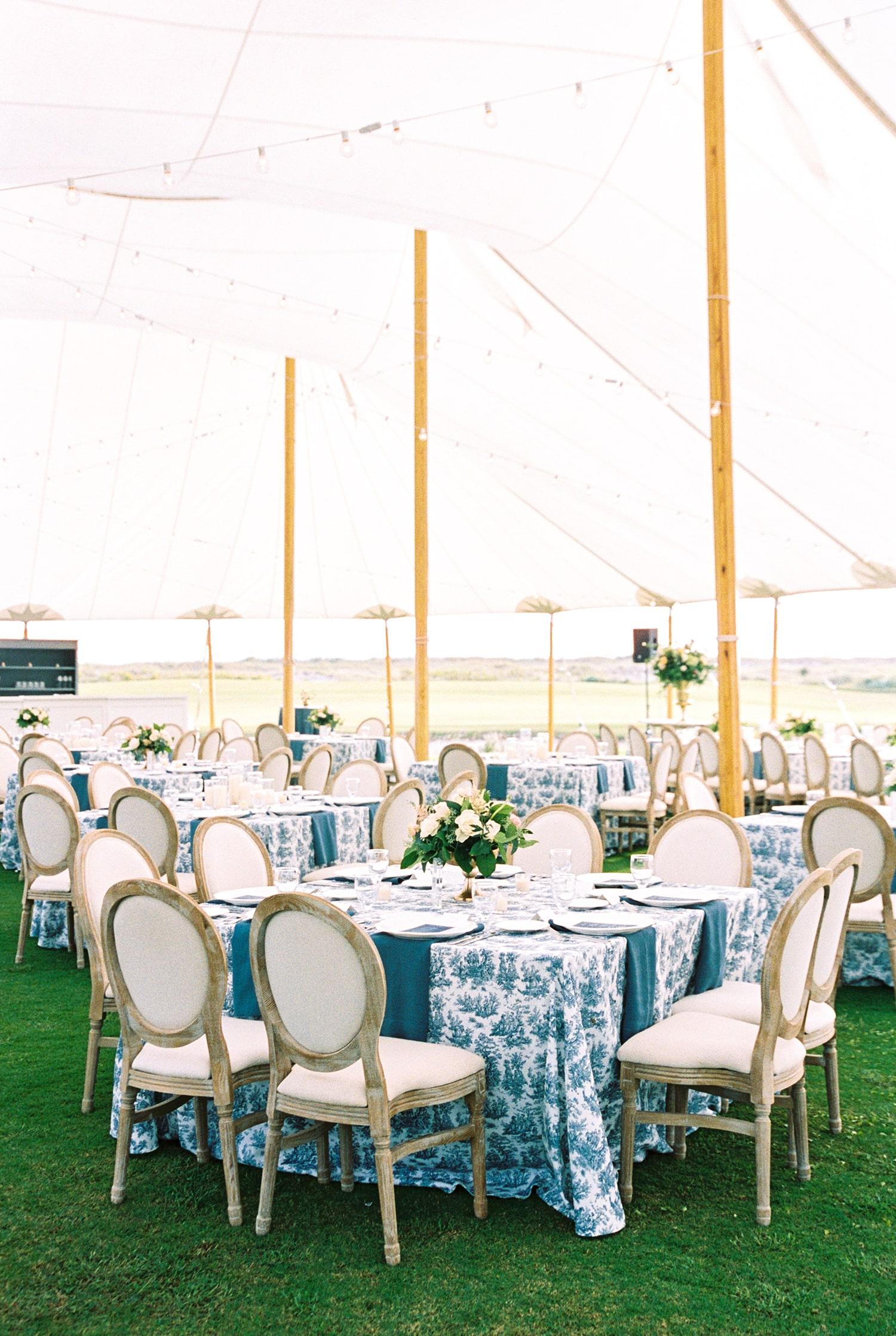
Choosing between round and rectangular tables affects more than how many guests can fit into a space. Table shape influences conversation, service flow, guest comfort, centerpiece style, linen presentation, and the overall visual rhythm of an event. For Chesapeake weddings, private dinners, corporate gatherings, fundraisers, and outdoor celebrations, the right table choice should support both the practical layout and the atmosphere you want to create.
Round tables often feel softer and more conversational, while rectangular tables create structure, direction, and a more communal dining experience. Neither option is automatically better. The strongest choice depends on the event format, guest list, venue footprint, meal style, and design direction.
Curated Events Chesapeake offers table rentals for a wide range of event styles, including round tables, banquet tables, farm tables, cocktail tables, community tables, and specialty dining tables. This guide focuses on the decision between round and rectangular tables so hosts and planners can choose a layout that feels intentional, comfortable, and polished.
Start With the Type of Dining Experience You Want to Create
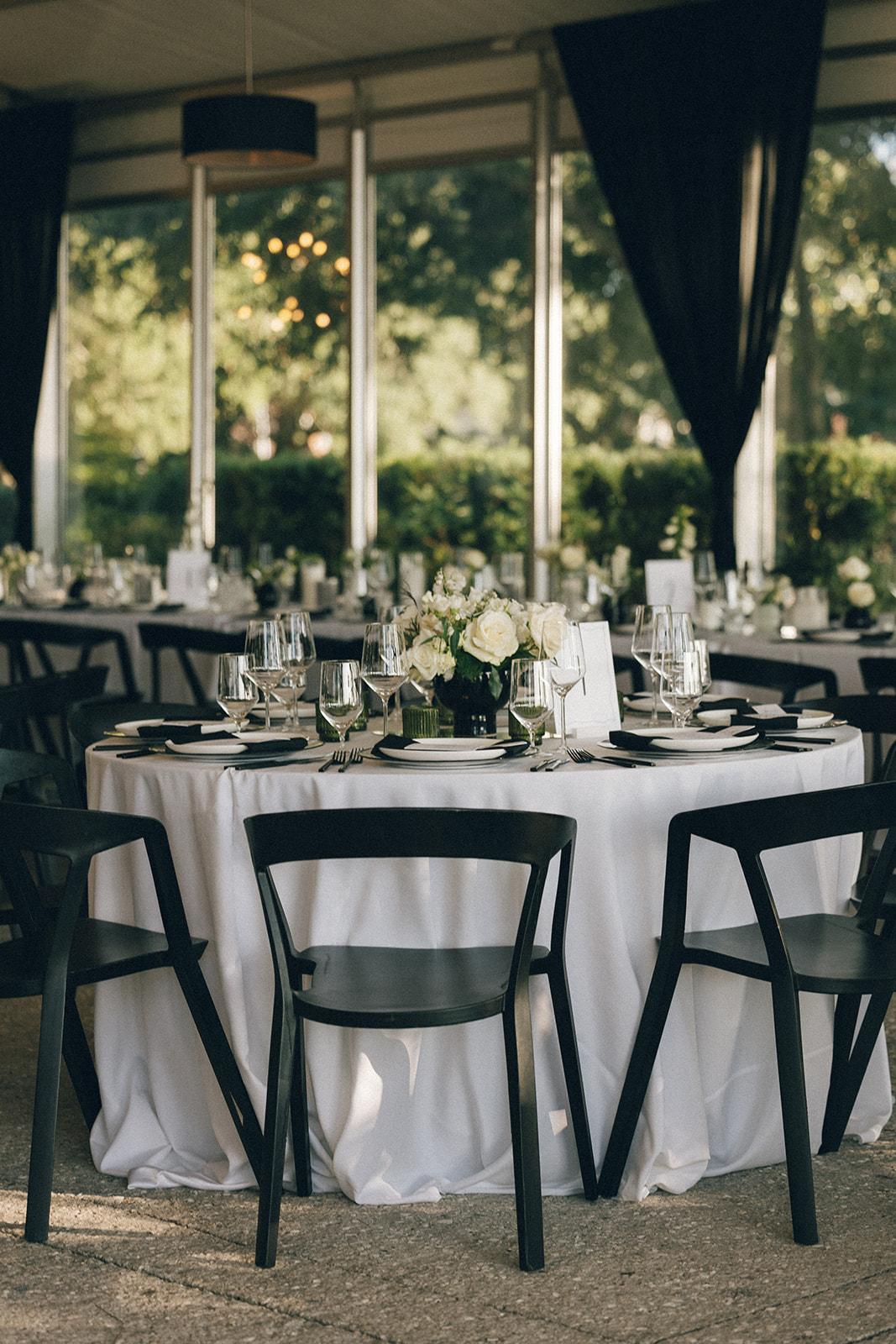
Before choosing a table shape, think about how the dining experience should feel. The table layout has a direct impact on how guests interact, how the room is perceived, and how the event transitions from one moment to the next.
A formal plated dinner may need a different table setup than a relaxed family-style meal. A wedding reception may need space for social conversation, speeches, and dancing nearby, while a corporate dinner may prioritize visibility, organized seating, and a more structured guest experience. The table shape should serve the event’s purpose before anything else.
For Conversation-Focused Dining
Round tables are often the stronger choice when conversation is a priority. Because guests face one another more naturally, it is easier for everyone at the table to participate in the same discussion. This makes round tables especially useful for wedding receptions, private dinners, networking events, and social celebrations where guest interaction matters.
The circular format can also make a larger event feel more personal. Instead of one long line of guests, round tables create smaller dining groups throughout the space. This can help guests feel more connected, even in a larger venue or outdoor setting.
For Long, Communal Dining
Rectangular tables create a different type of dining experience. They are ideal when the goal is a longer, shared-table format that feels structured, elegant, and communal. This style can work beautifully for estate-style dinners, formal receptions, private celebrations, and family-style meals.
Long tables can also create a strong visual impact. They guide the eye through the space and allow for layered tablescapes with runners, candles, florals, and repeated place settings. If the event design calls for drama, symmetry, or a more editorial dining setup, rectangular tables may be the better fit.
For Events With Multiple Guest Zones
Some events need more than one table shape. A wedding may use round tables for guest seating and a rectangular table for the head table. A corporate event may use round tables for seated dining and rectangular tables for registration, display areas, or buffet service. A private party may include dining tables, cocktail tables, and feature tables in different areas.
This mixed approach works best when every table shape has a clear purpose. The goal is not to add variety for its own sake, but to use each table type where it supports the layout and guest experience.
What Round Tables Do Best
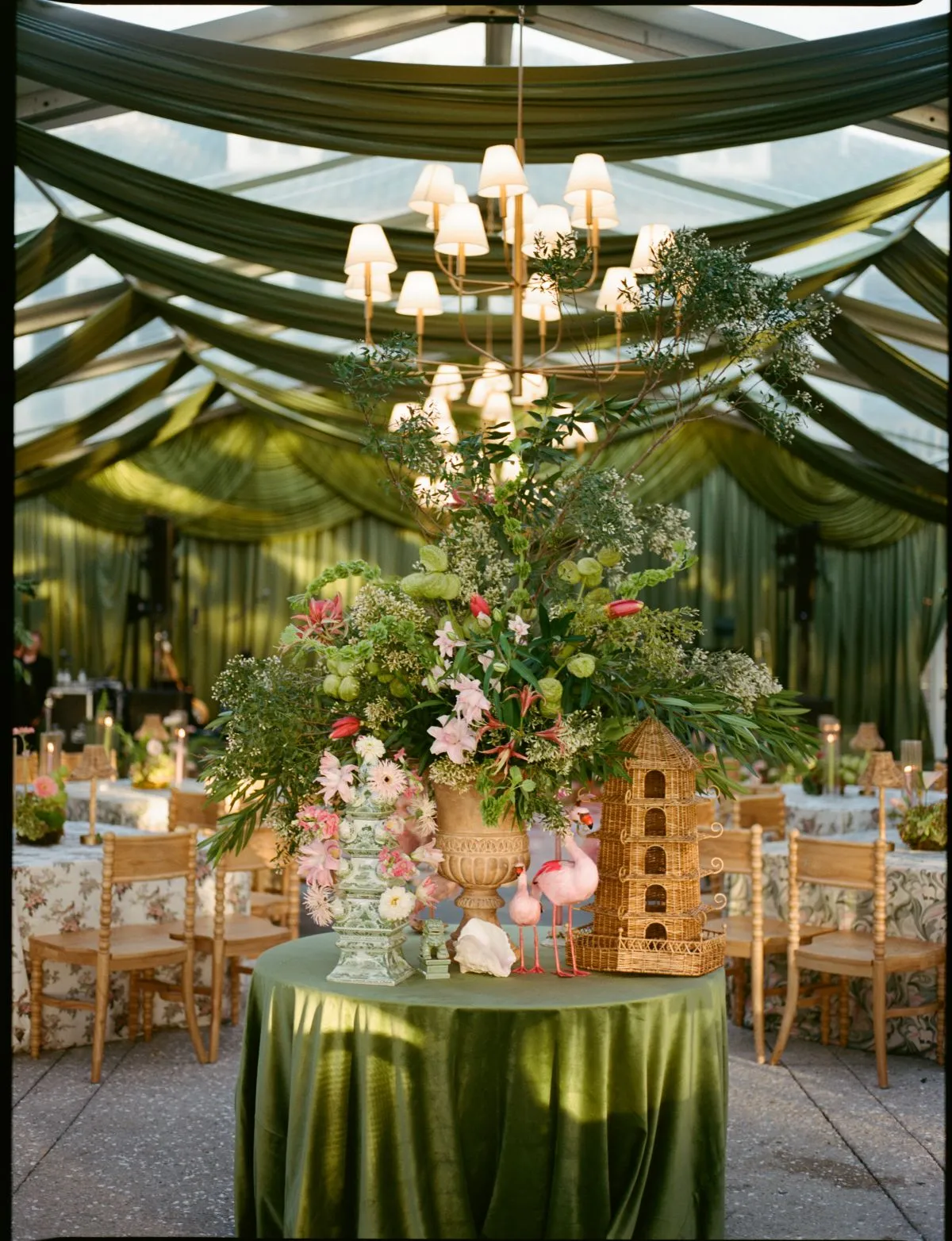
Round tables are a popular choice because they feel balanced, approachable, and easy to style. They naturally support conversation and can soften the look of a venue, tent, lawn, or reception space.
They are especially effective when hosts want the event to feel social and welcoming. For weddings, private dinners, and hosted celebrations, round tables can help create a warm guest experience while still allowing the overall layout to feel polished.
They Encourage Balanced Conversation
One of the biggest advantages of round tables is that they allow guests to see one another more easily. This makes conversation feel more inclusive because no one is seated at the far end of a long table or separated by a strong linear arrangement.
For wedding receptions, this can help guests feel more comfortable with their table group. For corporate dinners or social events, it can encourage discussion without requiring a highly formal seating structure. Round tables work particularly well when the event depends on connection, conversation, and a relaxed dining atmosphere.
They Create a Softer Visual Layout
Round tables can soften the overall appearance of a space. In a tented event, ballroom, lawn, or outdoor venue, the circular shape creates a more fluid layout. This can help the room feel less rigid, especially when paired with soft linens, floral centerpieces, and balanced place settings.
They also work well in spaces that are not perfectly rectangular. If the venue has curves, open lawn areas, garden features, or irregular edges, round tables can help fill the space more naturally than rows of rectangular tables.
They Work Well With Centered Table Styling
Round tables are well-suited to centered design elements. Floral arrangements, candles, table numbers, and decorative accents can be placed in the middle of the table, allowing each guest to experience the styling from a similar angle.
Linen presentation is also important. Full-length linens can create a clean, elegant look on round tables, while textured linens can add depth without making the setup feel busy. When paired with the right chairs and tabletop details, round tables can look refined while still feeling welcoming.
Capacity should be treated as a planning baseline rather than a fixed rule. A 60-inch round table may commonly seat 8 to 10 guests, but the most comfortable count depends on chair style, charger size, glassware, centerpieces, and the overall service style. For more detail, see our article Compare Budget vs Premium Chair Rentals: Which Is Best.
What Rectangular Tables Do Best
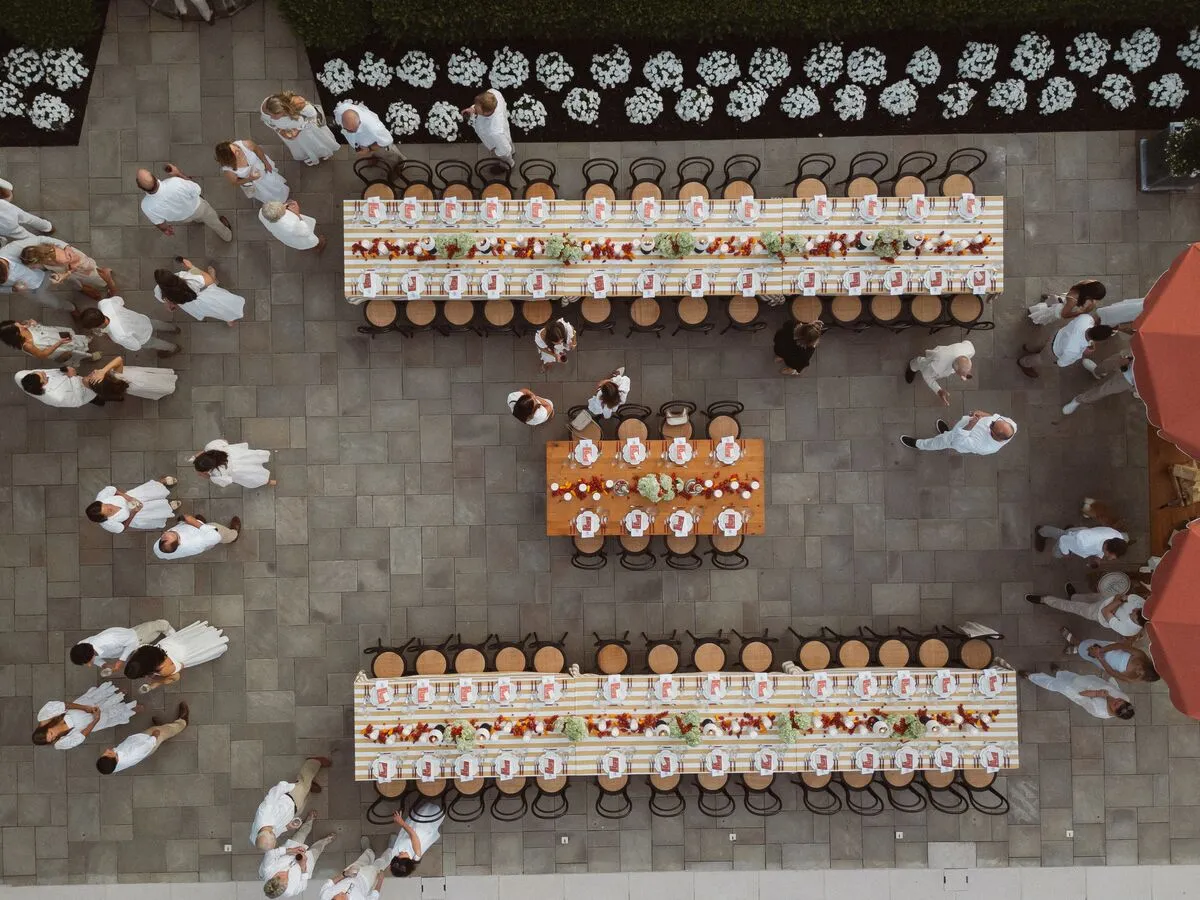
Rectangular tables bring structure and direction to an event layout. They create clean lines, define the flow of a room, and work well for designs that call for a more formal or communal dining experience.
They can also make a strong visual statement. A long table with repeated candles, florals, place settings, and linen details can become one of the most memorable parts of the event design. For hosts who want a more dramatic or organized look, rectangular tables offer several advantages.
They Build a More Structured Floor Plan
Rectangular tables help organize a space. Their linear shape can define rows, aisles, and focal points more clearly than round tables. This can be useful in long venues, narrow outdoor spaces, tented receptions, patios, and areas where the layout needs a strong sense of direction.
They can also help create a more formal seating structure. For corporate dinners, hosted events, and formal receptions, rectangular tables can give the room a more composed and intentional feel.
They Support Dramatic Tablescapes
Rectangular tables offer strong styling opportunities. Their length allows for runners, layered linens, garlands, candles, floral arrangements, and repeated tabletop details. This creates a visual rhythm that can feel elegant and immersive.
Because the table shape is directional, the design can move along the full length of the table. This works well for weddings, private dinners, and events where the tabletop design is a central part of the guest experience. A rectangular table can make the dining area feel more curated and visually connected.
They Work Well for Head Tables and Feature Tables
Rectangular tables are especially useful for head tables, family tables, sweetheart tables, speaker tables, display tables, and other feature moments. Their shape naturally creates a focal point.
At a wedding, a long head table can anchor the reception space and visually distinguish the wedding party or family seating. At a corporate event, a rectangular table may support panel seating, speaker placement, or formal hosted dining. For private celebrations, one long table can create an intimate dinner-party effect.
Compare Round and Rectangular Tables by Event Style
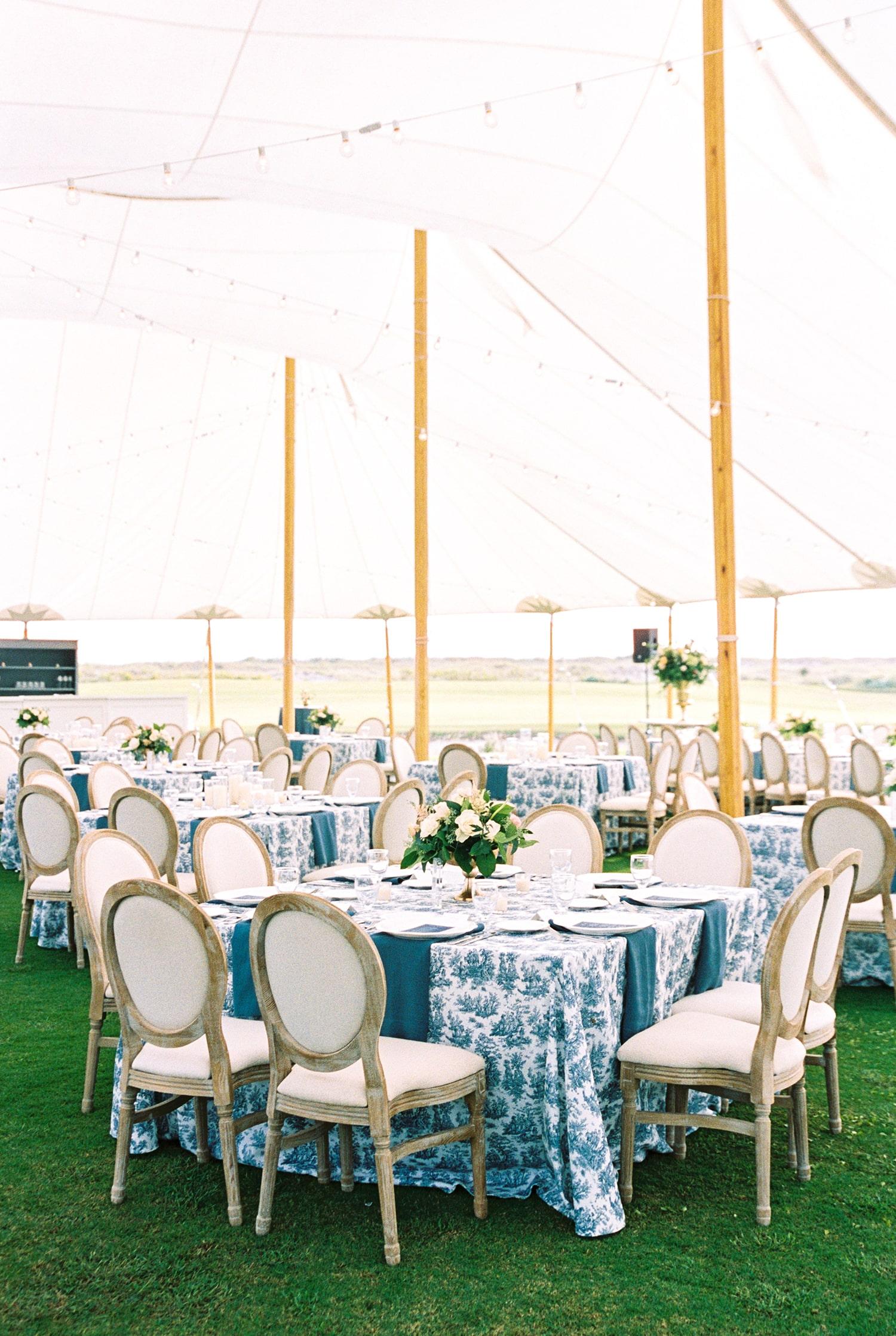
Different events use tables in different ways. A wedding reception, corporate dinner, private celebration, and fundraiser may all need seated dining, but the best table shape can vary based on how guests will gather, move, and interact.
Instead of choosing based only on capacity, consider what each event type needs from the table layout.
Wedding Receptions
For wedding receptions, round tables are often a strong choice when the goal is guest conversation and a balanced room layout. They allow family members and friends to interact easily and can help larger receptions feel more personal.
Rectangular tables work well when the couple wants a statement head table, estate-style dining, or a more formal reception design. They can also support long floral arrangements, candlelit tablescapes, and a more dramatic dining presentation.
Many weddings benefit from using both shapes: round tables for guest seating and rectangular tables for the couple, wedding party, family seating, or display areas. We cover this further in The Wedding Lounge And Furniture Rental Guide.
Corporate Dinners and Networking Events
Round tables are useful for corporate events where conversation is the priority. They support discussion, networking, and group interaction, especially during seated meals or hosted dinners. You may also find Chair Rental Trends for 2025 Weddings and Corporate Events helpful.
Rectangular tables may work better when the event has a structured program, presentation, or organized seating plan. They can create stronger alignment in the room and may be useful when guests need to face a speaker, screen, or stage.
The right choice depends on whether the event is more social, instructional, formal, or presentation-driven.
Private Parties and Family Celebrations
For birthdays, anniversaries, graduation gatherings, and family celebrations, round tables can create a relaxed and social atmosphere. Guests can talk easily, and the overall layout feels open and inviting.
Rectangular tables can create a more intimate shared-dining experience. One long table can make a private dinner feel special, while several rectangular tables can support a family-style meal or a more structured celebration.
If the event includes both dining and mingling, a mix of round dining tables and rectangular feature tables may work well.
Fundraisers and Hosted Social Events
Fundraisers and hosted social events often need a balance between guest comfort, program visibility, and efficient layout. Round tables can work well for seated dining, especially when guests are grouped by sponsors, families, donors, or organizations.
Rectangular tables may be useful for registration, auction displays, sponsor tables, dessert stations, or featured seating. They help create clear zones within the event and can support a more organized flow.
For these events, the best layout is often the one that makes the program easy to follow while still allowing guests to dine and socialize comfortably.
Use the Venue Footprint to Guide the Table Shape
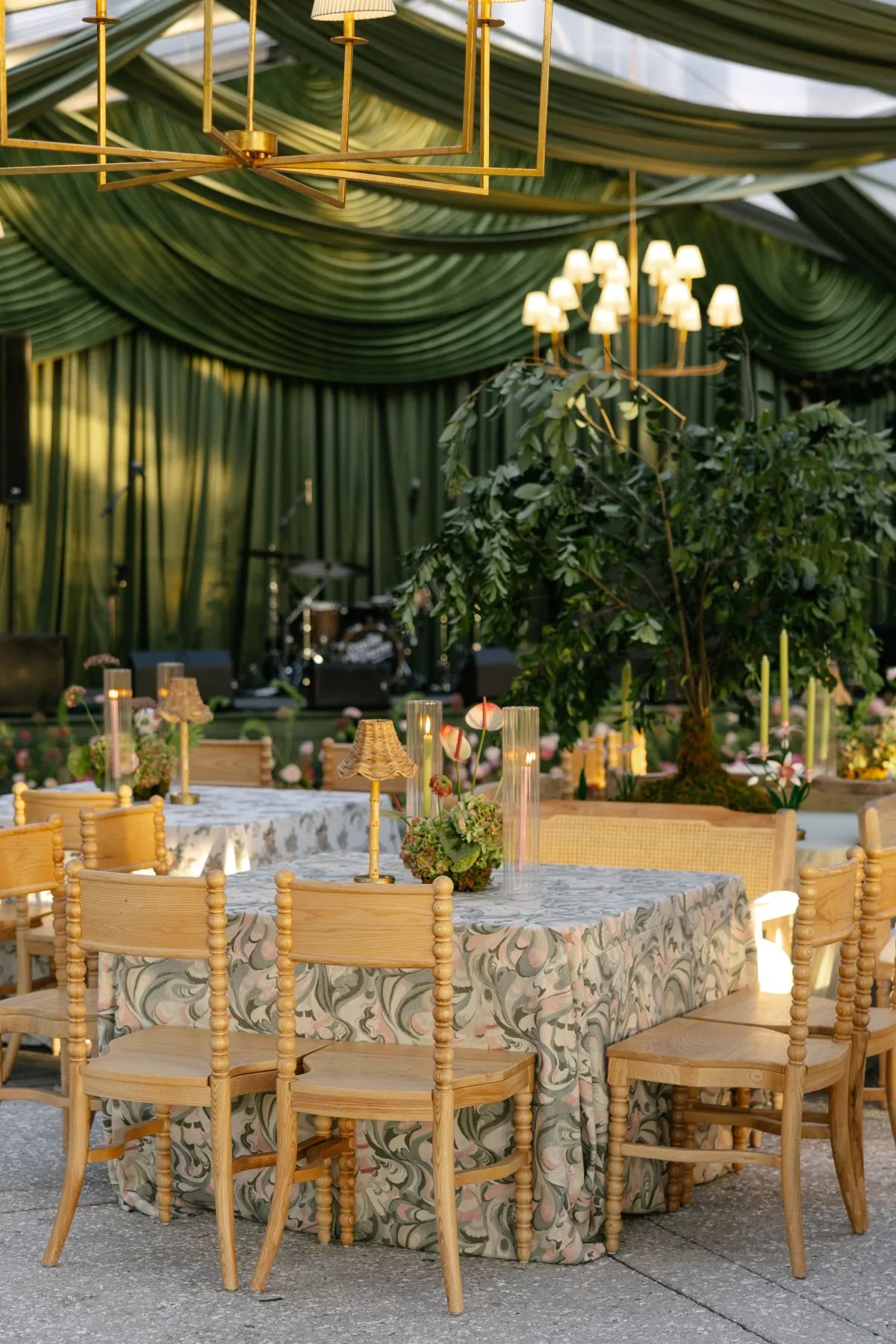
The event space itself should influence the table decision. When coordinating summer event rentals in Chesapeake, hosts should consider whether a wide lawn, narrow patio, garden, tented reception, or indoor-outdoor venue is better suited to round tables, rectangular tables, or a balanced combination of both. The final arrangement should preserve enough room for seating, service, and guest movement.
Table shape should work with the natural footprint of the venue rather than fighting against it. When the layout feels aligned with the space, the event looks more intentional and functions more smoothly.
Round Tables for Open or Irregular Spaces
Round tables can be useful in open spaces because they create balanced clusters throughout the venue. They are also helpful in irregular areas where a strict linear layout may feel awkward.
For outdoor Chesapeake events, round tables can help soften lawns, gardens, and tented spaces. They create a sense of movement and can make the layout feel less formal while still looking carefully planned.
Rectangular Tables for Long or Narrow Spaces
Rectangular tables often work better in long or narrow areas. They can be placed in rows, aligned with patios, arranged under covered spaces, or used to follow the shape of a venue.
Their structure can help make a challenging footprint feel more organized. When the space already has a strong directional quality, rectangular tables can reinforce that flow rather than interrupt it.
Mixed Layouts for Larger or Multi-Zone Events
For larger events, a mixed layout can make the space more dynamic. Round tables may be used for most guest dining, while rectangular tables define head tables, family tables, food displays, welcome stations, or bar-adjacent areas.
This approach works best when the design remains cohesive. Linens, chairs, florals, tabletop pieces, and color palette should connect the different table shapes so the overall layout feels intentional.
When Mixing Round and Rectangular Tables Makes Sense
Choosing between round and rectangular tables does not always have to be an either-or decision. Many polished events use both shapes to create visual interest and support different functions within the same layout.
The key is to mix table shapes with intention. Each shape should have a clear role, and the styling should connect them visually.
Use Rectangular Tables to Create Focal Points
Rectangular tables work well for focal areas because their shape creates visual direction. A long head table, sweetheart table, family table, or feature dining table can anchor the room and give the layout a clear point of attention.
They can also work well for welcome displays, dessert tables, gift tables, buffet areas, or other stations that need structure. Using rectangular tables in these areas can help organize the event without making the entire layout feel linear.
Use Round Tables to Balance the Guest Seating Area
Round tables can balance a room by creating softer guest seating areas around stronger rectangular focal points. This approach works well for weddings and social events where the head table or feature table should stand out, while guest seating remains conversational and comfortable.
The contrast between round and rectangular shapes can make the overall layout feel more layered and less repetitive.
Keep the Design Cohesive Across Both Shapes
When mixing table shapes, consistency matters. Linens, chair styles, napkins, florals, tabletop pieces, and color palette should create a visual connection across the room.
The shapes can vary, but the design should still feel unified. For example, a rectangular head table and round guest tables may share the same linen color, glassware, floral palette, or chair style. These details help the mixed layout feel curated rather than mismatched.
Frequently Asked Questions
Are round or rectangular tables better for a wedding reception?
Round tables are often better for conversation and balanced guest groupings, while rectangular tables are useful for statement head tables, estate-style dining, and more structured reception layouts. Many wedding receptions use a combination of both.
How many guests fit at a 60-inch round table?
A 60-inch round table commonly seats 8 to 10 guests. For the most comfortable layout, consider chair style, charger size, glassware, centerpiece scale, and the type of meal service before deciding on the final number.
Are rectangular tables better for family-style dining?
Rectangular tables often work well for family-style dining because the long surface can support shared dishes, runners, candles, and communal place settings. They also create a more connected dining experience when guests are seated along one extended table.
Can round and rectangular tables be used together?
Yes. Round and rectangular tables can be used together when each shape has a clear purpose. For example, round tables may be used for guest seating, while rectangular tables may be used for a head table, sweetheart table, family table, buffet, dessert display, or welcome station. Browse lounge furniture rentals in Norfolk from our Norfolk showroom.
Which table shape works best for a smaller event?
It depends on the venue and the dining style. Round tables can make a smaller event feel social and balanced, while one long rectangular table can create an intimate dinner-party atmosphere. The best choice depends on whether the event should feel conversational, communal, formal, or relaxed.
What should I consider before choosing table shape?
Consider guest count, meal style, venue layout, linen choice, centerpiece scale, chair style, service needs, and the desired guest experience. The table shape should support both the look of the event and the way guests will actually use the space.
Conclusion
Round and rectangular tables each create a different event experience. Round tables support conversation, softness, and balanced guest groupings, while rectangular tables create structure, visual length, and a more communal dining feel.
For many Chesapeake events, the strongest layout may use one shape consistently or combine both with intention. The right choice depends on the event style, venue footprint, guest count, meal service, and tabletop design.
Curated Events Chesapeake can help hosts and planners select table rentals that support the layout, style, and guest experience of the event, whether the final design calls for round tables, rectangular tables, or a thoughtful mix of both. To check availability for your date, contact our Norfolk team.