
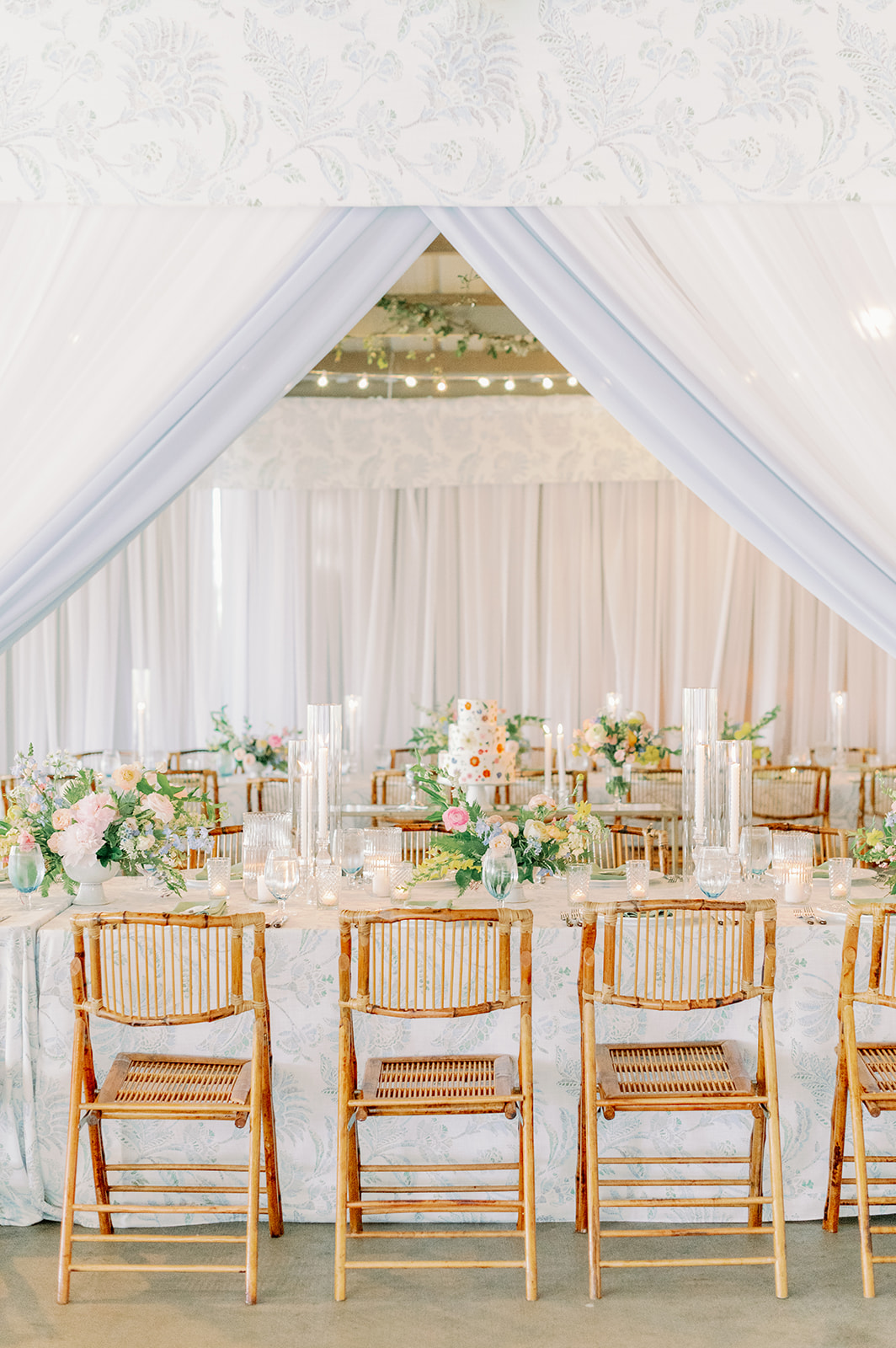
Outdoor events in Chesapeake work best when the rental plan is built around the site, the timeline, and the way guests will move through the space. It is not enough to choose individual rental items and place them wherever they fit. A strong outdoor event plan connects the venue layout, guest needs, vendor access, service areas, and rental logistics into one clear setup.
Whether the event is a private celebration, corporate gathering, fundraiser, wedding-related event, or formal outdoor dinner, rentals should support the full experience from arrival to departure. Guests need clear pathways, comfortable gathering areas, accessible service points, and a layout that feels intentional. Vendors need room to deliver, set up, work, and break down without disrupting the event.
Curated Events Chesapeake helps clients think through outdoor event rentals as part of a coordinated plan. Instead of treating tents, tables, chairs, catering equipment, lighting, and décor as separate decisions, the better approach is to understand what each piece needs to accomplish within the event site. Hosts seeking more design inspiration can also explore how Chesapeake party rentals can shape a stylish summer celebration.
Start With the Event Site Before Choosing Rentals
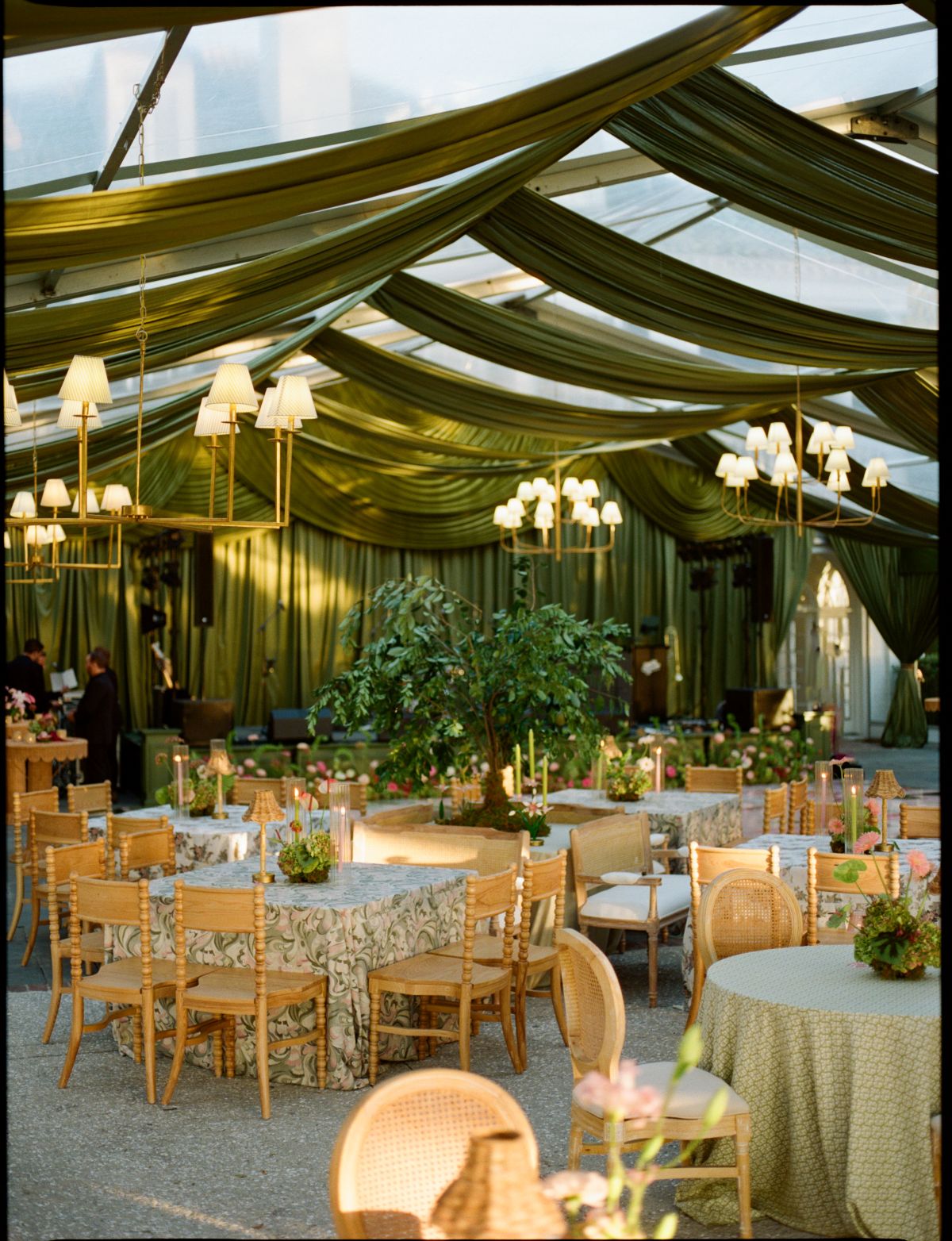
The event site should guide the rental plan from the beginning. Outdoor spaces can vary widely, even when they appear simple at first. A private residence may benefit from a focused approach to backyard party rentals, while hosts working with a larger lawn, patio, or open venue can use these Chesapeake outdoor party planning tips to organize the setting around guest comfort and event flow.
Before finalizing rental items, it is important to understand how the site functions. The size of the space, surface conditions, access points, shade, parking, service areas, and guest pathways all affect what rentals are needed and where they should go.
Walk the Space With the Event Layout in Mind
A site walk-through is most useful when it is done with the event flow in mind. Instead of only looking at where rentals could fit, think about how guests will experience the event. Where will they arrive? Where will they check in? Where will they gather first? Where will food and beverages be served? Where will guests sit, stand, or move during the main portion of the event?
This type of walkthrough helps identify the natural structure of the site. Some areas may work well for guest seating, while others may be better for service access, vendor support, or display tables. A scenic area may be best preserved as a focal point rather than filled with rentals.
The goal is to let the site support the event instead of forcing the event into a layout that does not fit.
Identify Built-In Site Features
Outdoor event sites often include features that can help shape the rental plan. Existing patios, lawns, pathways, buildings, shade, restrooms, parking areas, water views, and service access points can all influence where rentals should be placed.
For example, a patio may work well for cocktail tables or a welcome area. A lawn may support a larger guest seating layout. A nearby building may provide access to restrooms or vendor support areas. Natural shade may help determine where guests gather before the main event begins.
These built-in features should be considered before adding rental items. When the rental plan works with the existing site, the event feels more natural and easier to navigate.
Note Site Limitations Early
Site limitations should be identified before the rental order is finalized. Uneven ground, narrow gates, limited unloading areas, long distances from parking, stairs, soft ground, low branches, tight walkways, or areas with poor drainage can all affect the plan. Surface conditions also influence seating, so hosts placing chairs on lawns or sandy areas should review event chairs suited to grass and sand before confirming the layout.
These details are not always obvious from a photo or venue description. They can affect delivery timing, setup placement, guest comfort, and vendor workflow. Noting limitations early gives the rental team and event team more time to adjust the layout.
A strong rental plan does not ignore site challenges. It accounts for them before they become event-day problems.
Build the Rental Plan Around Guest Movement
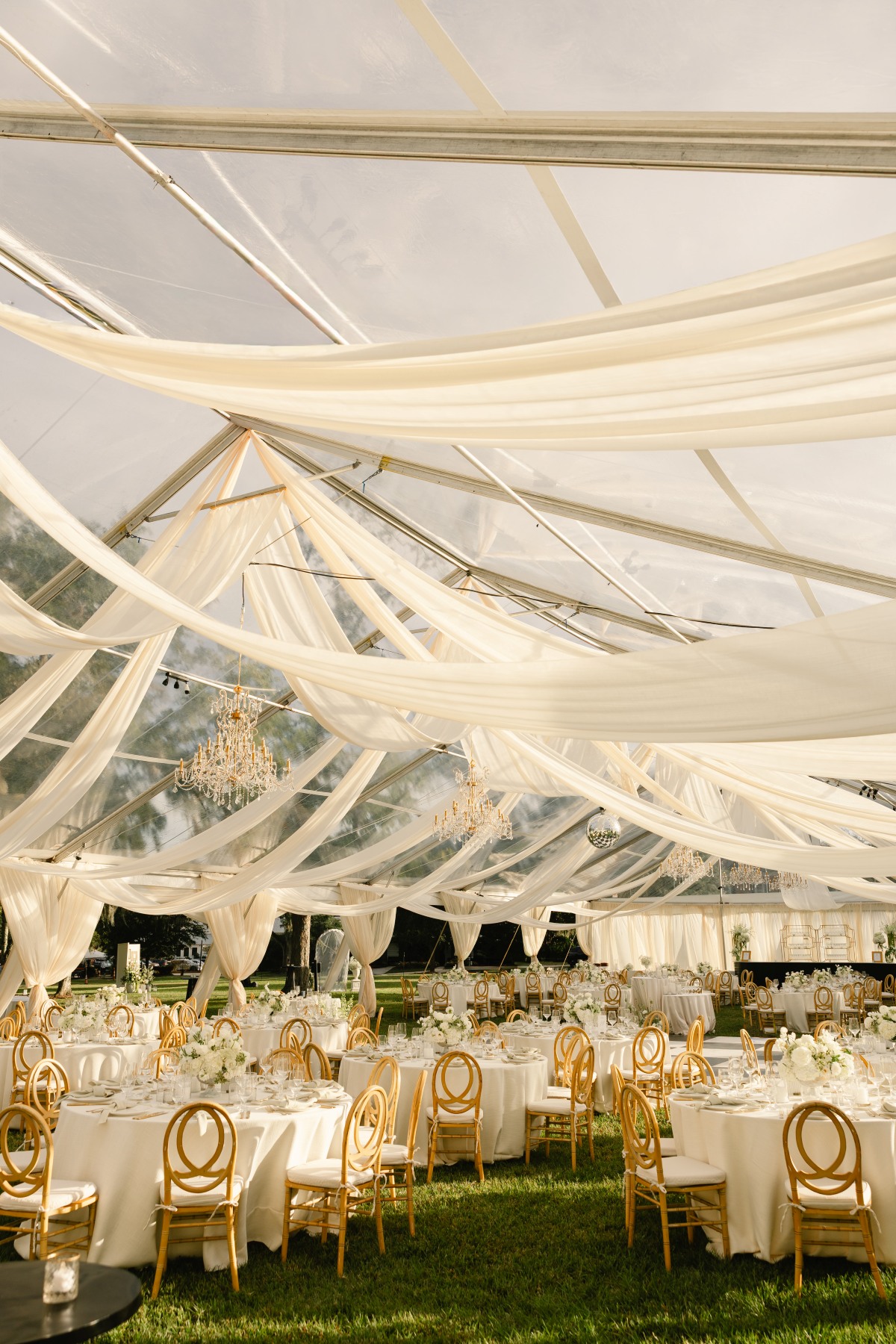
Guest movement is one of the most important parts of outdoor event planning. Unlike indoor venues, outdoor spaces often do not have built-in hallways, rooms, entrances, or clear boundaries. Rentals help create that structure.
The event should be easy for guests to understand from the moment they arrive. They should know where to enter, where to gather, where to find food and beverages, and how to move between different parts of the event.
Plan the Arrival Experience
The arrival experience sets the tone for the event. Guests should have a clear place to enter, check in, and orient themselves before moving into the main gathering area.
Rental needs near the entrance may include welcome tables, check-in tables, signage displays, program tables, or small waiting areas. These pieces help organize the first few minutes of the guest experience and reduce confusion.
The entrance should be visible and easy to navigate. It should not be crowded with too many rentals, but it should provide enough structure to guide guests into the event. If the event has a more formal guest arrival, a well-placed welcome area can make the setup feel polished from the start.
Create Clear Transitions Between Event Zones
Many outdoor events use multiple zones. There may be an arrival area, gathering space, dining area, bar or beverage station, food service area, lounge, presentation space, entertainment area, and departure path. Weddings create an additional sequence of spaces, making it helpful to plan the celebration from ceremony to reception before individual rentals are finalized.
These zones should connect naturally. Guests should not have to cross behind vendor areas, walk through service paths, or move through crowded seating to reach important parts of the event. Each transition should feel clear and comfortable.
This is where rental placement matters. Cocktail tables can help define a gathering area. A welcome table can mark the entrance. Food service rentals can guide guests toward dining. Lounge pieces can soften a transition space. Tents, tables, and chairs can create larger event zones when planned with the full layout in mind.
Tables and seating have an especially strong effect on how these zones connect. A dedicated guide to table and chair rentals for Chesapeake summer events can help hosts compare furniture options while accounting for guest count, event format, spacing, and movement between service areas.
Prevent Crowding in High-Traffic Areas
High-traffic areas need careful planning. Entrances, bars, food service areas, restrooms, buffet stations, check-in tables, and main walkways can all become congested if rentals are placed too close together. Reviewing different outdoor bar setups and cold beverage station rentals can help hosts create welcoming service areas while preserving enough room for guests to approach, order, and move away comfortably.
Crowding often happens when the layout focuses on appearance without accounting for movement. A bar may look good in a certain corner, but if guests line up in the entrance path, the placement creates a problem. A food station may seem convenient near dining tables, but if guests gather around it, nearby seating can become difficult to use.
Outdoor rental plans should provide high-traffic areas with sufficient surrounding space. Guests should be able to approach, wait, move away, and rejoin the event without blocking others.
Coordinate Rental Categories Without Overbuilding the Event
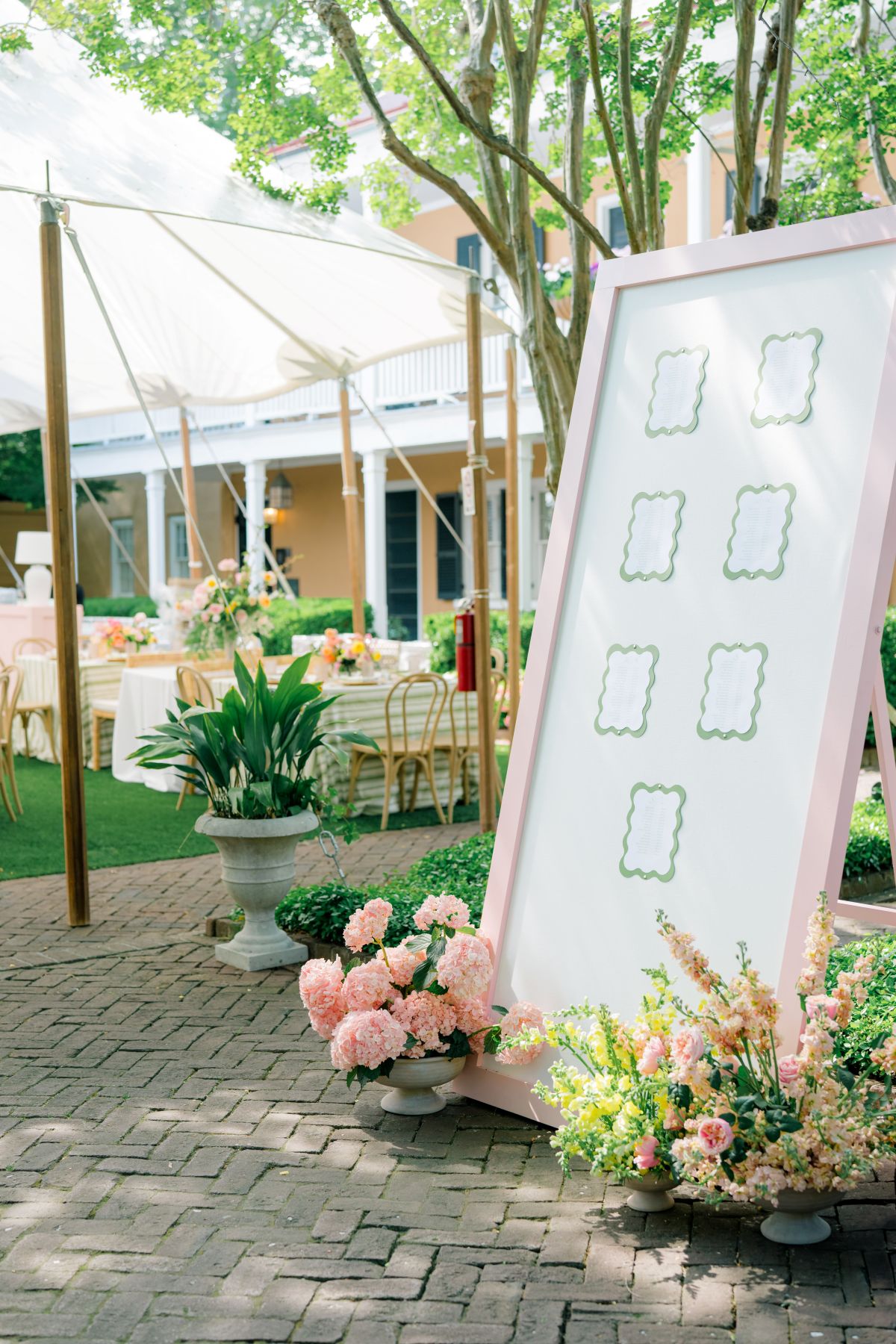
A successful outdoor event does not require every possible rental category. It requires the right rental categories, placed with purpose. Too many items can make an outdoor space feel crowded, while too few can make it feel unfinished or difficult to use.
The best approach is to separate essential rentals from finishing details, then confirm that each piece supports the layout.
Separate Foundational Rentals From Finishing Rentals
Foundational rentals are the items that make the event function. These may include guest seating, dining tables, service tables, catering equipment, bars, tents, or support surfaces. They define where people gather, how they are served, and how the event operates.
Finishing rentals support style and presentation. These may include décor accents, specialty pieces, tabletop details, lighting elements, or lounge furnishings. Luxury linen rentals in Chesapeake can establish color and texture, while coordinated china and glassware rentals help create a polished dining experience. These selections should follow the foundational decisions so they enhance the layout without overwhelming it.
For more detailed tablescape planning, these summer table-setting ideas using linen rentals explain how tablecloths, runners, and napkins can work with the event palette. Coordinated flatware rentals can then complete the place setting with a finish that suits the formality and design of the occasion.
This structure helps clients prioritize. Once the event has the right foundation, finishing rentals can be selected to enhance the experience without overwhelming the space.
Match Each Rental to a Specific Purpose
Every rental should have a job. It may provide seating, support food service, guide guests, create visibility, define an area, support vendors, improve comfort, or complete the presentation. When dancing is part of the event, reviewing outdoor dance floor rental planning can help determine how placement, surface conditions, surrounding furniture, and guest movement should influence the setup.
When a rental lacks a clear purpose, it may not belong in the plan. This is especially important for outdoor spaces, where too many pieces can obstruct pathways or make the layout feel cluttered.
For example, a support table near a service area may be necessary. A display table near the entrance may help organize guest materials. A lounge grouping may create a comfortable gathering point. Each piece should solve a layout or experience need.
Avoid Adding Rentals That Do Not Support the Layout
Outdoor events can become crowded when rentals are added because they look appealing, rather than because they support the event. Extra tables, too many lounge pieces, unnecessary display areas, or oversized service points can all reduce comfort and movement.
A coordinated rental plan should leave room for guests to circulate. Empty space is not wasted space when it allows people to move, gather, and use the event comfortably. The goal is a layout that feels complete, not overfilled.
Plan Vendor Access and Service Routes
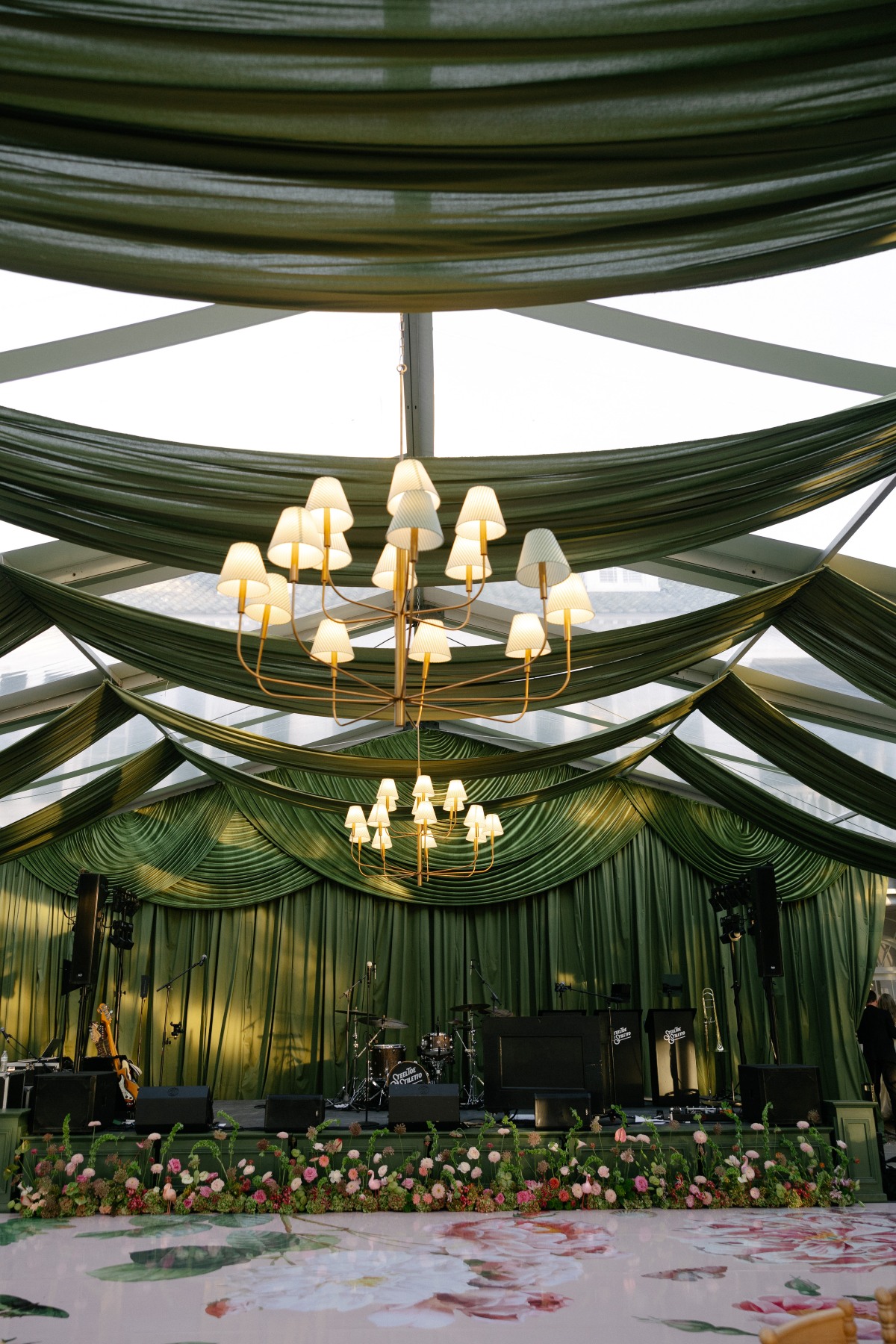
Vendor access is one of the most practical parts of outdoor rental coordination. Guests may never notice a well-planned vendor path, but they will feel the effects if one is missing.
Rental teams, catering teams, entertainment vendors, venue staff, and event teams all need space to work. Their routes should be considered before rentals are placed.
Map Delivery and Setup Access
Delivery access affects how rentals arrive and where they can be placed. Gates, driveways, loading areas, walkways, stairs, elevators, parking areas, and distance from the unloading area can all influence the setup plan.
A rental item that fits the event space may still be difficult to deliver if the access path is narrow or far from the setup location. Large quantities of tables, chairs, service items, or structural rentals may require more time and planning.
Providing access details early helps the rental team prepare for delivery, setup, and pickup. It also helps avoid unrealistic placement expectations. We cover this further in How to Avoid Common Mistakes When Booking Event Rentals.
Keep Vendor Routes Separate From Guest Paths When Possible
Vendor routes should be planned so they do not interfere with the guest experience. Catering teams may need to move between prep areas and service stations. Rental teams may need access for setup and breakdown. Entertainment vendors may need routes for equipment.
When vendor paths cross directly through guest seating, entrances, or high-traffic areas, the event can feel disrupted. In some spaces, complete separation may not be possible, but the layout should still reduce overlap as much as practical.
Clear vendor routes help the event feel more organized and allow service teams to work efficiently.
Plan for Setup and Breakdown Timing
Outdoor event rentals often require coordinated setup and pickup windows. The timing may depend on venue access, delivery routes, rental categories, vendor schedules, and event start time.
Setup should be planned in the correct sequence. Some rentals need to be placed before others. For example, larger foundational rentals may need to be installed before tables, service areas, or finishing pieces are added. Pickup timing should also be confirmed so rentals can be removed efficiently after the event.
A clear schedule helps the rental process support the event instead of creating last-minute pressure.
Create a Practical Rental Timeline
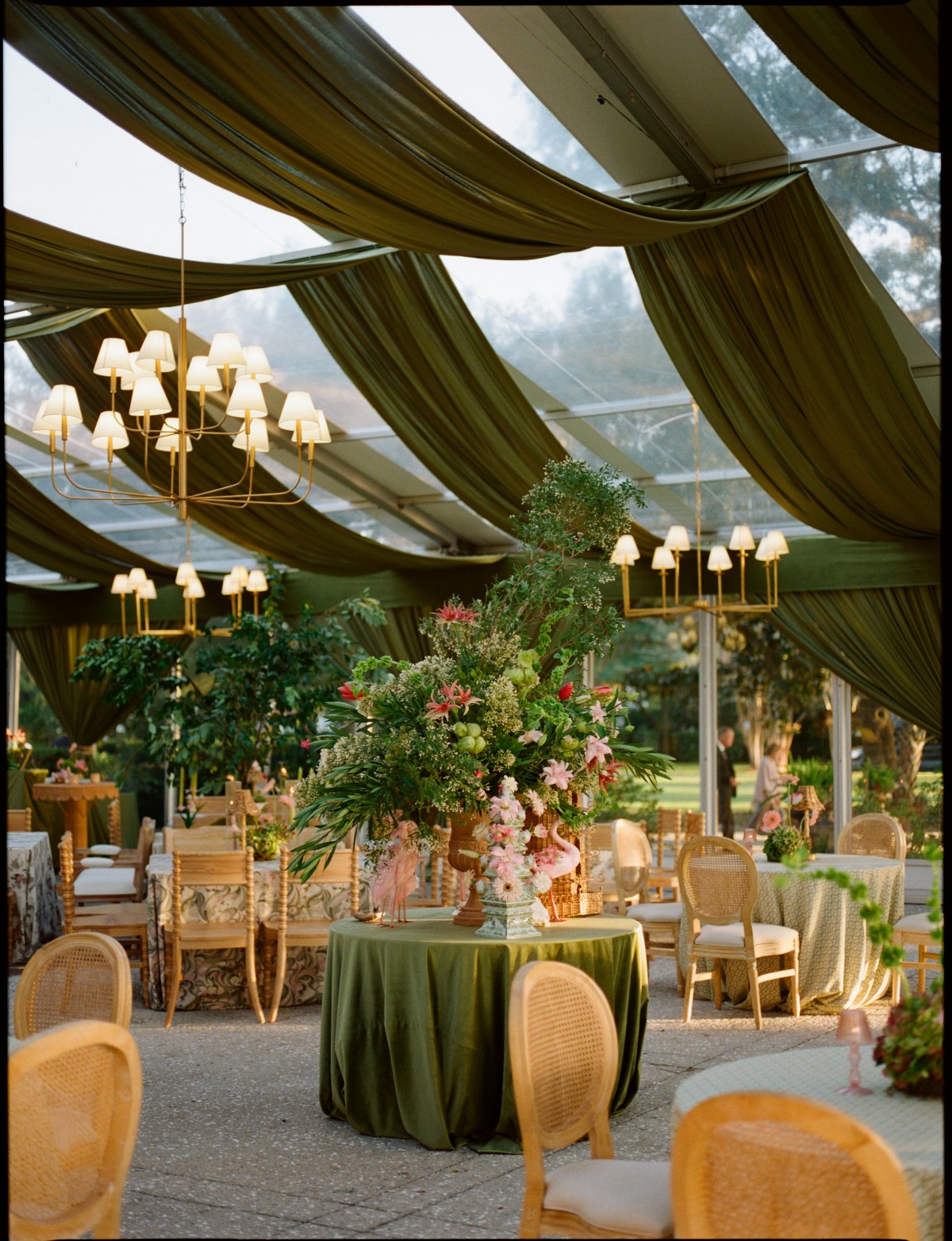
A rental timeline helps keep planning organized from the first inquiry through final pickup. It gives clients, planners, venues, vendors, and rental teams a shared understanding of what needs to happen and when.
This timeline should be flexible enough to adjust as event details evolve, yet structured enough to prevent key decisions from being missed.
Confirm the Main Event Details First
Before building the rental plan, confirm the main event details. These include the event date, location, guest count, event type, venue setting, event format, and general timeline.
These details affect nearly every rental decision. A corporate networking event will need a different setup than a formal dinner. A private celebration on a lawn will need different planning than an event on a patio. A guest count change may affect seating, service areas, and flow.
The clearer the event details are, the more accurate the rental plan can be.
Build the Rental Wishlist in Phases
A rental wishlist does not need to be built all at once. A phased approach can make planning easier.
Start with foundational needs: guest seating, service areas, core surfaces, and any structure required for the event format. Table selection can be narrowed by comparing round and rectangular tables for Chesapeake events, while couples planning an outdoor ceremony or reception can consider chairs suited to an outdoor Chesapeake wedding. Then add support rentals such as vendor tables, check-in areas, display surfaces, catering support, or beverage stations. This approach helps prevent over-ordering and makes it easier to understand what each rental contributes to the event.
Review the Final Rental Plan Before Delivery
Before delivery, review the final rental plan carefully. Confirm quantities, placement notes, venue access instructions, delivery windows, setup needs, pickup expectations, and the main point of contact.
If the rental plan includes multiple zones, each area should be reviewed separately. Guest-facing areas, service areas, vendor support zones, and transition spaces may all need different pieces.
A final review helps reduce confusion and gives the rental team the information needed to execute the setup as planned.
Account for Outdoor Conditions Without Overpromising
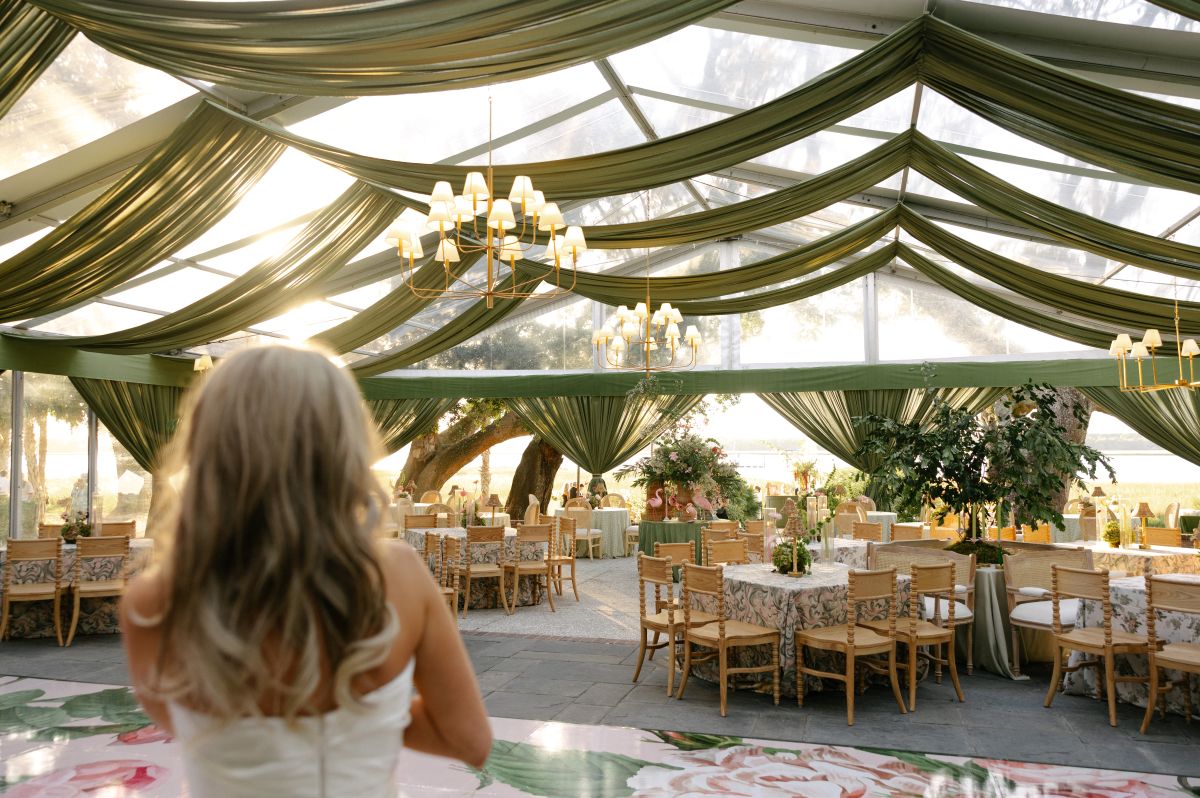
Outdoor events require flexibility. Weather, ground conditions, sun exposure, wind, and site changes can all affect the rental plan. While no setup can control outdoor conditions, thoughtful planning can make the event feel more prepared.
This section should be approached practically. The goal is to consider comfort and layout without making guarantees.
Review Shade, Sun Exposure, and Guest Comfort
Shade and sun exposure can influence where guests should sit, gather, and wait. Guest seating, food service areas, check-in tables, and lounge spaces should be placed with comfort in mind. We cover this further in How to Create Shade Using Event Rentals in Nashville Summer.
Some areas may feel comfortable at one point in the day and less comfortable later. If possible, consider how sunlight moves across the site during the event timeframe. This can help determine where to place guest areas and which spaces should be used for service, displays, or transitions. You may also find How to Design a Luxury Summer Event Using Rentals in Nashville helpful.
For events where overhead coverage is part of the plan, a guide to tent rentals for Chesapeake outdoor events can help hosts understand how tent style, placement, and supporting rentals work together. Once the layout and event format are clearer, this Chesapeake tent-sizing guide can help account for seating, bars, catering stations, dance floors, and circulation space.
Consider Ground Conditions and Surface Changes
Outdoor surfaces can affect rental placement. Grass, pavement, gravel, patios, slopes, and transitions between surfaces may each require different planning considerations. Read more in How Do You Manage Heat at Summer Events in Nashville.
Tables should feel stable. Chairs should be easy to use. Walkways should be clear. Service areas should be practical for staff and guests. If the event uses multiple surface types, the layout should account for how guests will move between them. Read more in How Far in Advance Should I Book Event Rentals in Nashville for Summer.
Ground conditions should be reviewed before the rental plan is finalized, especially for private properties or nontraditional event sites.
Build Flexibility Into the Layout
A flexible layout can help an outdoor event adapt to changes in guest count, service needs, or site conditions. This does not mean adding unnecessary rentals. It means avoiding a setup that is so tight or rigid that small changes create major problems.
Flexible planning may include leaving extra circulation space, choosing service areas that can support more than one use, or placing certain rentals where they can be adjusted if needed.
The best layouts feel organized while still allowing room for practical adjustments.
Use Rentals to Support Different Event Goals
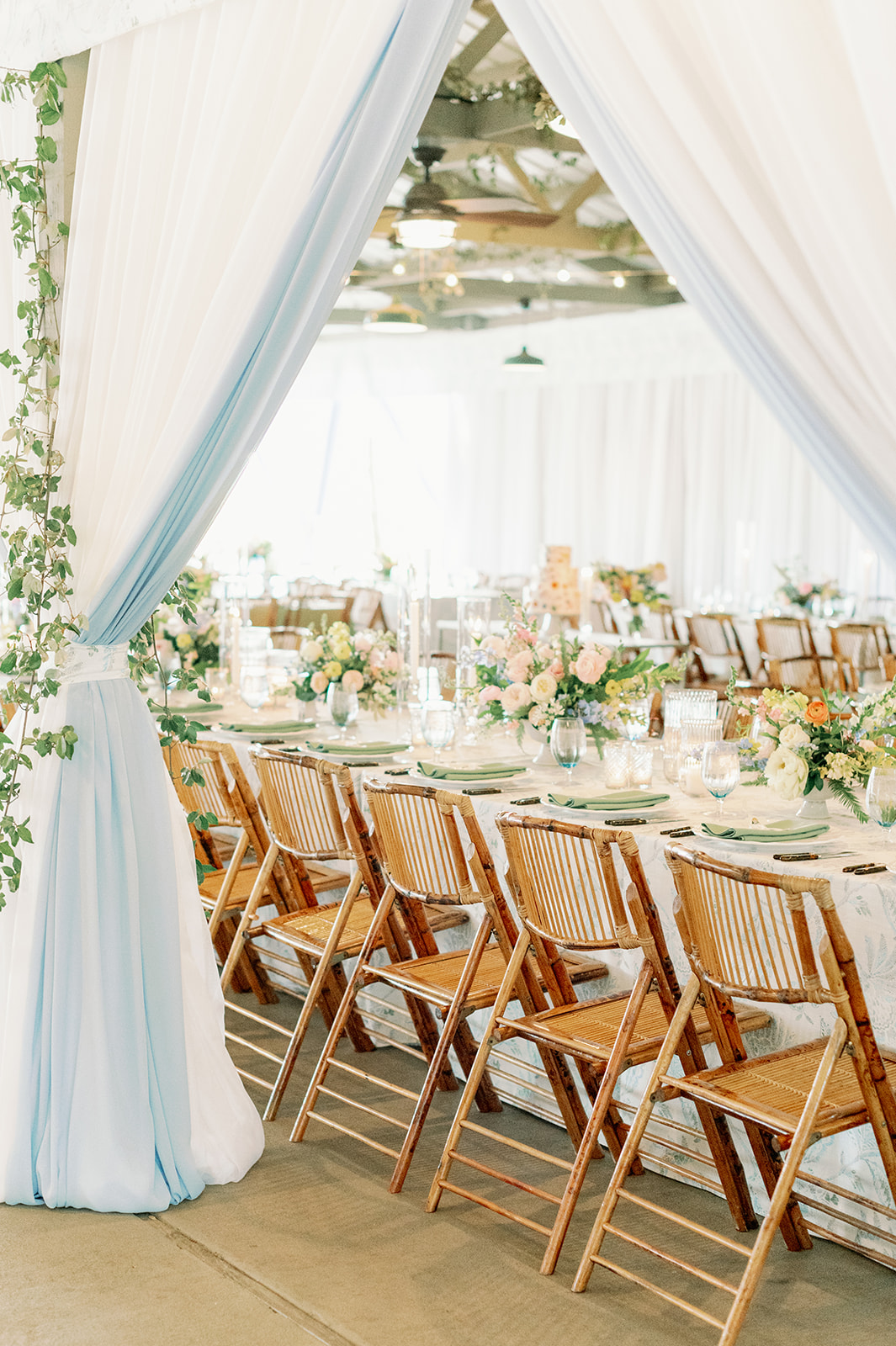
Different events have different priorities. A social celebration, corporate event, and formal outdoor gathering may all need rentals, but the goals behind those rentals are not the same.
The rental plan should reflect the purpose of the event.
Social Events and Private Celebrations
Social events and private celebrations often prioritize comfort, conversation, food and beverage access, and easy movement. Rentals should help guests gather naturally and enjoy the space without confusion.
These events may use a more relaxed layout, but they still need structure. A graduation gathering can benefit from these essential Chesapeake graduation-party rentals, while hosts planning a milestone celebration can explore rental ideas for stylish birthday parties. In either case, seating, service areas, display tables, and activity zones should be placed with intention. The goal is to make the event feel hosted and complete without making it overly formal.
Corporate and Branded Events
Corporate and branded events often need a more structured rental plan. Guests may need check-in areas, presentation zones, hospitality spaces, networking areas, branded displays, or sponsor-facing setups.
Rentals should support professionalism and clarity. Guests should understand where to go, how the event is organized, and where key activities will happen. Vendor access, service flow, and guest-facing presentation all matter.
For a seasonal employee gathering or team-building experience, this guide to corporate rentals for Chesapeake summer retreats offers ideas for creating professional yet inviting spaces. Events with presentations, registration, formal dining, or branded hospitality areas may also benefit from a more detailed approach to outdoor corporate event rental planning.
Formal Outdoor Gatherings
Formal outdoor gatherings usually require a more defined setup. Seating, service areas, guest movement, and presentation details should all feel coordinated. Couples and planners can use this guide to outdoor wedding rentals for different setups to connect ceremony seating, cocktail-hour furnishings, reception tables, lighting, bars, and service areas.
These events may involve multiple rental categories, but the emphasis should remain on layout, flow, and a cohesive design. Couples refining their reception tables can compare outdoor wedding linen options with current summer wedding color and linen trends. These details should support the setting while allowing guests and service teams to move comfortably.
If dancing is a central part of the reception, dance floor rentals for outdoor summer weddings should be planned alongside the tent, entertainment, lighting, bars, and surrounding seating. Coordinating these elements early helps the dance area feel integrated into the full reception layout. A formal event does not need to feel crowded or overdesigned. It needs a rental plan that supports the tone of the occasion.
Communication Details That Improve Rental Coordination
Clear communication is essential when planning outdoor event rentals. The more information the rental team has about the site, timeline, access, and event goals, the better the rental plan can be coordinated.
Communication also helps reduce duplicate work, missed items, and last-minute confusion between vendors.
Share Site Photos and Layout Notes
Photos, venue maps, access instructions, and layout sketches can help the rental team understand the space before delivery. Even simple images can show ground surfaces, entry points, nearby structures, access paths, and potential setup locations.
Layout notes are also helpful. These may include where guests will arrive, where food and beverages will be served, where vendors will work, and where focal areas should be located.
Providing visual information early can make the planning process more efficient.
Confirm Vendor Responsibilities
Outdoor events often involve multiple vendors. It is important to confirm who is responsible for each rental-related need. Catering teams, entertainment vendors, planners, venues, and hosts may each provide or require different items.
Confirm responsibilities for food service rentals, vendor tables, entertainment needs, power-related coordination, venue-provided items, setup surfaces, and breakdown expectations. The caterer should identify the service requirements, while this guide to catering equipment rentals can help hosts understand the tables, holding equipment, beverage support, and back-of-house pieces that may need to be included in the rental order.
Once the bar team has finalized the beverage menu and service plan, the rental selection can be refined around presentation and quantities. A guide to choosing signature cocktail glassware can help connect each glass style with the drinks being served, the surrounding bar design, and the broader event tablescape.
Keep One Point of Contact for Rental Questions
Having one point of contact for rental questions helps reduce confusion. This may be the planner, host, venue contact, or event lead. The key is that one person should understand the overall rental plan and be available for questions about access, placement, delivery, and pickup.
When too many people give instructions, details can conflict. A single point of contact helps keep communication clear and allows the rental process to move more smoothly.
This is especially important for outdoor events with multiple zones, vendors, or setup phases.
Common Outdoor Event Rental Planning Mistakes to Avoid
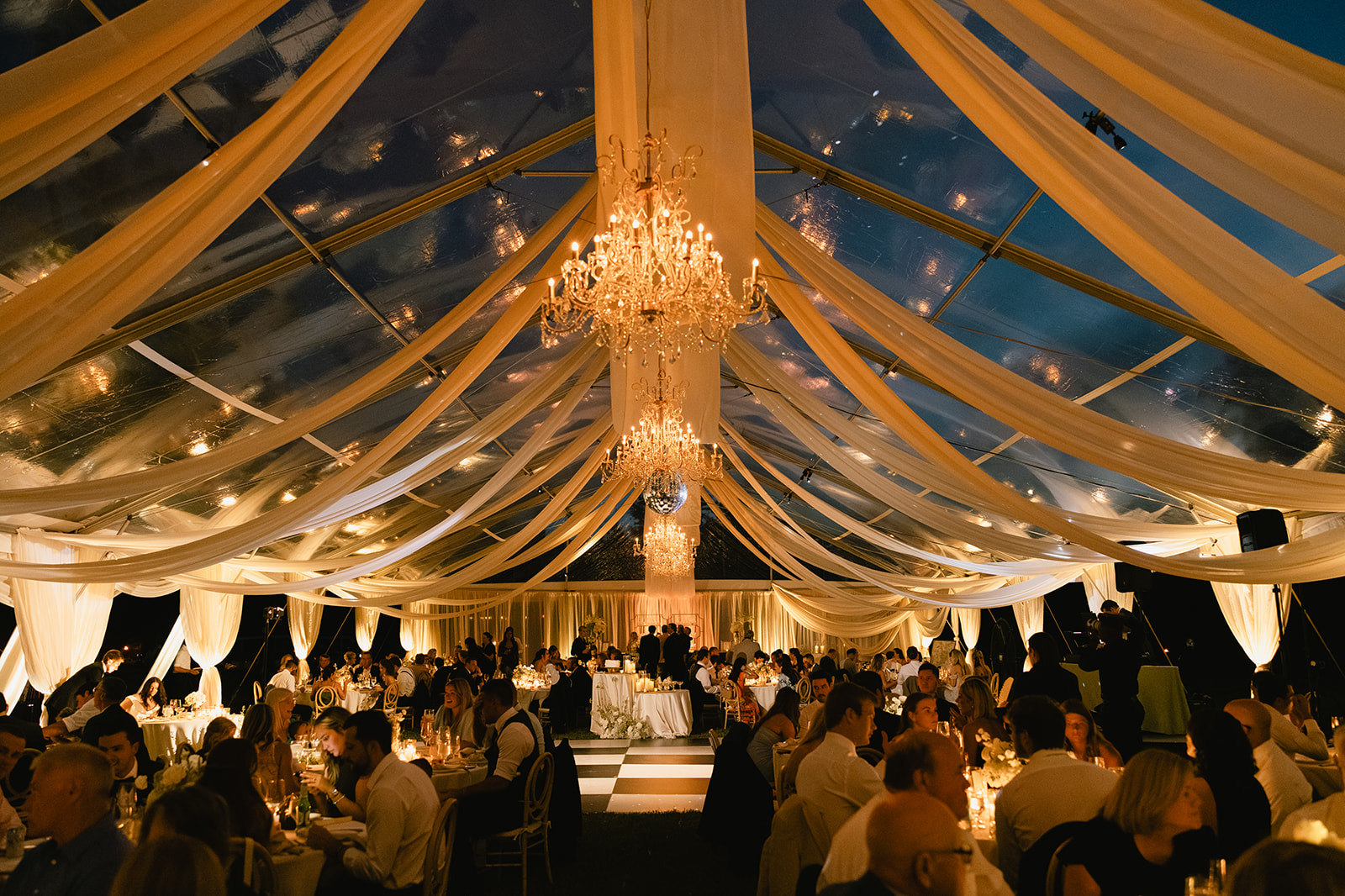
Many rental issues come from planning too late, choosing items before understanding the site, or treating rental categories as separate decisions. These mistakes can create layout problems, missed support areas, or inefficient setup.
Avoiding these issues starts with a coordinated planning process.
Planning Rentals Before Understanding the Site
Ordering rentals before reviewing the event site can lead to problems. A rental item may not fit the surface, access path, available space, or guest flow. The event may also need support pieces that are not obvious until the site is evaluated.
Site details should guide the rental plan. The layout should be based on how the space actually works, not only on a preferred rental list.
Forgetting Support Areas
Support areas are often overlooked because they are not the most visible parts of the event. These may include vendor tables, check-in areas, storage zones, clearing areas, prep surfaces, return tables, and behind-the-scenes service spaces.
Without support areas, guest-facing spaces can become cluttered. Vendors may not have enough room to work, and event staff may need to improvise during setup or service.
These areas should be included in the rental plan from the beginning.
Underestimating Setup Access
Setup access can affect delivery timing, rental placement, and the overall event schedule. Narrow gates, long walkways, limited parking, stairs, soft ground, or difficult unloading areas can all create challenges.
These details should be discussed before delivery. Access information helps the rental team prepare and helps the event team build a realistic setup schedule.
Treating Rental Categories as Separate Decisions
Outdoor event rentals work best when they are planned together. Tents, furniture, tabletop items, catering equipment, lighting, and décor may each serve different purposes, but they all affect the same space.
This does not mean every category needs a detailed discussion in one article. It means the final plan should connect each rental choice to the event layout, guest movement, and vendor needs.
Building an Outdoor Event Rental Coordination Checklist
A rental coordination checklist helps clients gather the right information before requesting guidance or finalizing an order. The checklist should include site details, event details, and rental details.
This makes the planning conversation more focused and helps reduce missing information.
Site Details
Start with the site information. Gather the venue address, surface type, access points, unloading area, parking details, restrooms, guest entrance, service areas, and any known limitations.
Photos, maps, and notes are especially helpful for outdoor locations. If the event is at a private property, include information about gates, driveways, lawn areas, patios, and nearby structures.
Event Details
Next, gather the event details. These should include guest count, event type, timeline, seating needs, food and beverage plan, entertainment needs, guest movement, and any major focal areas.
These details help determine how rentals will be used. They also help identify which areas need guest-facing pieces and which areas need vendor support.
Rental Details
Finally, organize the rental details. Include foundational rentals, support rentals, guest-facing rentals, vendor support pieces, setup notes, delivery timing, and pickup expectations.
The rental list should connect directly to the layout. Each item should have a purpose, a location, and a role within the event.
How Curated Events Chesapeake Supports Outdoor Event Rental Coordination
Curated Events Chesapeake helps clients coordinate outdoor event rentals based on event goals, guest count, site layout, and rental needs. The team can support the rental planning process with guidance on how different pieces work together within an outdoor setting.
This support is focused on event rentals and rental logistics, not full venue management, catering, or production planning.
Rental Guidance Based on Event Goals
Rental needs vary depending on the type of event. A private celebration, corporate gathering, formal outdoor dinner, and wedding-related event may each require a different rental approach.
Curated Events Chesapeake can help clients think through rental needs based on what the event needs to accomplish. This may include guest seating, food and beverage support, service areas, display needs, event structure, or guest comfort.
A goal-based approach keeps the rental plan practical and focused.
Coordinated Rental Categories
Outdoor events often require multiple rental categories. Coordinating these categories helps the event feel more cohesive and organized. Foundational rentals, support pieces, guest-facing items, and finishing details should work together within the layout.
Curated Events Chesapeake can help clients consider how the rental categories relate to one another without turning the planning process into separate disconnected lists.
This helps create an event setup that feels more intentional.
Delivery, Setup, and Pickup Support
Delivery, setup, and pickup are key parts of outdoor event rental coordination. Outdoor sites may require special attention to access, placement, timing, and vendor coordination.
Curated Events Chesapeake provides rental logistics support so items can be delivered, set up, and picked up as part of a coordinated plan. Clear communication about site details, access instructions, and setup expectations helps the rental process run more smoothly.
Frequently Asked Questions
What should I know before requesting outdoor event rentals?
Before requesting outdoor event rentals, gather the event date, venue, guest count, event type, layout goals, site access details, surface type, guest entrance, food and beverage needs, and major service areas. This information helps the rental team understand what the event requires.
How do I avoid ordering unnecessary rentals?
To avoid unnecessary rentals, connect every item to a specific function, event zone, or guest need. A rental should support seating, service, movement, comfort, vendor workflow, presentation, or guest guidance. If it does not serve a clear purpose, it may not belong in the plan.
What outdoor event rental details are often forgotten?
Commonly forgotten details include vendor support areas, check-in tables, clearing areas, delivery access, surface conditions, guest pathways, storage zones, and return areas for used service items. These pieces may not be the most visible, but they can affect the event’s overall flow.
Should I finalize the layout before choosing rentals?
The layout and rental list should be developed together. The layout helps determine what rentals are needed, while the rental choices affect how the layout works. Finalizing one without considering the other can lead to gaps or crowding.
How does Curated Events Chesapeake help with rental coordination?
Curated Events Chesapeake can provide rental guidance, coordinated rental categories, and delivery, setup, and pickup support. The team helps clients think through rental needs based on the event type, site layout, guest count, and overall event goals. To check availability for your date, contact our Norfolk team.
Conclusion
Outdoor event rentals work best when they are planned around the site, timeline, guest movement, and vendor needs. The goal is not simply to rent more items. The goal is to build a coordinated rental plan that supports comfort, flow, service, and presentation.
A strong plan starts with the event site. From there, clients can build a rental wishlist around guest movement, vendor access, outdoor conditions, service areas, and event goals. When each rental has a clear purpose, the setup feels more organized and easier for guests to navigate.
Curated Events Chesapeake can help clients gather the right site details, review rental needs, and coordinate outdoor event rentals with delivery, setup, and pickup support. With thoughtful planning, an outdoor event can feel polished, practical, and ready to deliver a full guest experience.