
Planning a wedding involves more than choosing beautiful rental pieces. The strongest rental plans are built around the full guest experience, from the moment guests arrive to the final send-off. Every chair, table, lounge piece, service station, and decorative detail should have a clear purpose within the day’s flow.
For Chesapeake weddings, rentals often need to support multiple event areas. A couple may need ceremony seating, cocktail hour surfaces, reception tables, bar support, lounge areas, food service rentals, and behind-the-scenes pieces for vendors or displays. When each rental is chosen separately, the event can start to feel disconnected. When rentals are planned together, the celebration feels more organized, comfortable, and visually cohesive.
Curated Events Chesapeake helps couples approach wedding rentals as part of a complete event layout. A coordinated plan for summer event rentals in Chesapeake can connect ceremony seating, cocktail-hour furnishings, reception tables, entertainment areas, food and beverage service, vendor access, and guest comfort throughout the celebration.
Start With the Wedding Experience, Not the Rental List

A wedding rental plan should begin with the experience, not the inventory. Before selecting chairs, tables, bars, linens, lounge pieces, or décor accents, couples should consider how they want the day to feel and function.
A wedding may be formal and structured, relaxed and conversational, design-forward and dramatic, or intimate and understated. Each approach requires a different rental strategy. The right selections should help guests move easily through the day while supporting the couple’s vision.
Map the Guest Journey
The guest journey begins before the ceremony starts. Guests need to know where to arrive, where to sit, where to gather after the ceremony, how to enter the reception, and how to move between dinner, drinks, dancing, and departure.
Mapping that journey helps identify the rentals needed for each transition. Ceremony seating supports the first formal moment. Cocktail tables and lounge pieces help guests settle between the ceremony and reception. Reception tables and chairs shape the dining experience. Bars and service stations influence movement. Welcome tables, signage displays, and gift tables help organize important details.
When the guest journey is clear, the rental plan becomes easier to build.
Identify the Main Event Zones
Most weddings include several zones, even when the event takes place at one venue. These zones may include the ceremony area, cocktail hour space, reception dining area, bar area, lounge seating, entertainment area, vendor support space, and guest welcome area.
Each zone should have a clear function. The ceremony area needs seating and focal-point planning. Cocktail hour needs surfaces for drinks and small gatherings. The reception area needs a dining layout, guest seating, service access, and space for key moments. Vendor support areas may need tables or staging surfaces that guests do not always notice but the event still depends on.
Identifying these zones early helps prevent the rental plan from becoming incomplete or overcrowded.
Match Rentals to Each Part of the Celebration
Every rental should support a specific part of the wedding. Ceremony chairs should reflect the style of the setting and provide a comfortable guest experience. Cocktail tables should encourage movement and conversation. Reception tables should fit the dining format and guest count. Lounge pieces should create a relaxed place to gather. Service-area rentals should support catering, beverages, gifts, programs, or displays.
This approach keeps the rental list purposeful. Instead of asking what items are commonly rented for weddings, couples can ask what each part of their celebration needs in order to function well.
Ceremony Rentals That Create a Polished First Impression

The ceremony is the first major experience guests have at the wedding. Even if it is short, it sets the tone for the rest of the celebration. Ceremony rentals should create a clean, welcoming, and organized space while supporting guest comfort and the visual direction of the day.
This part of the wedding should feel intentional without becoming overcomplicated. The goal is to frame the moment, guide guests into the space, and make the ceremony feel connected to the celebration that follows.
Seating for the Ceremony Setting
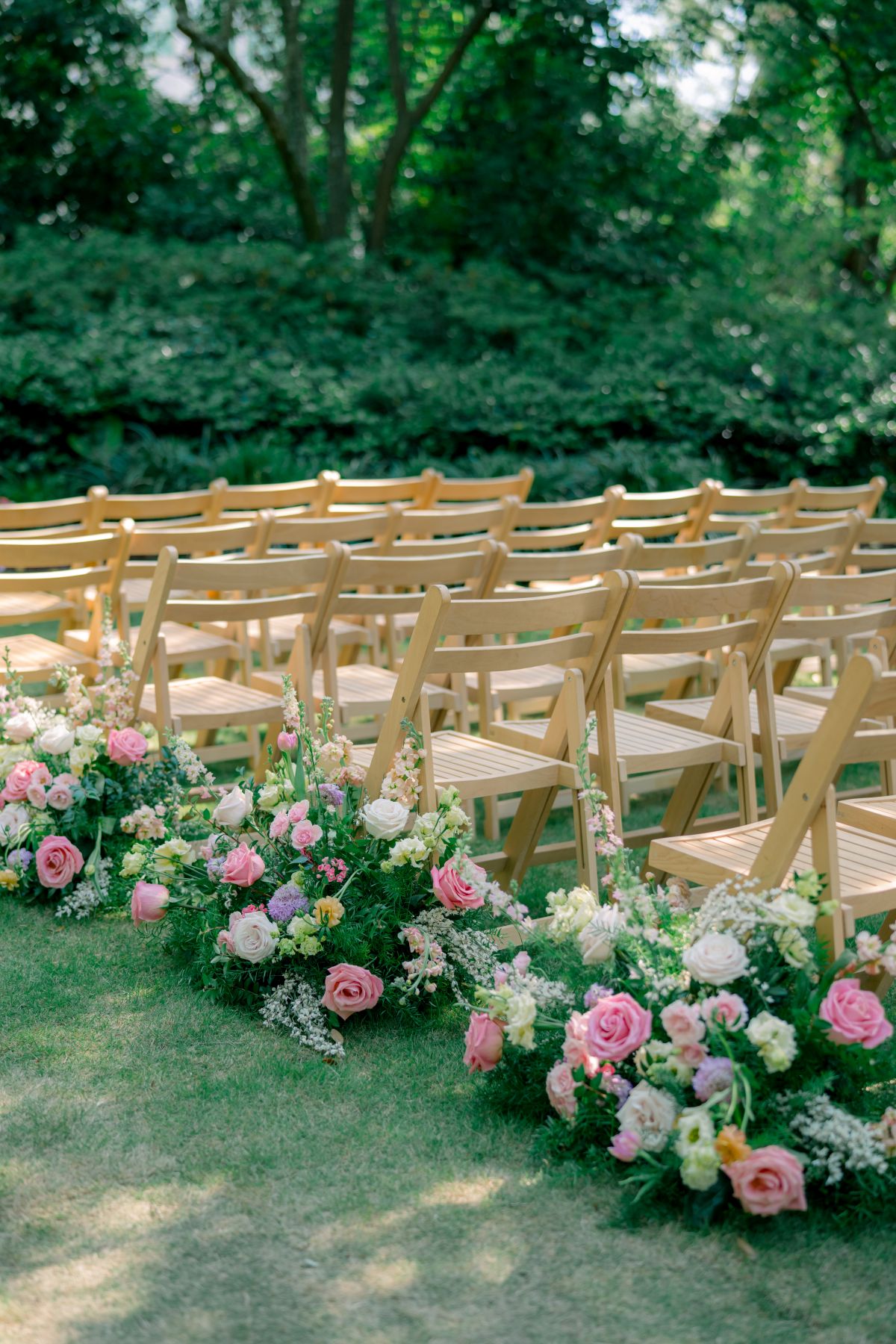
Ceremony seating is one of the most important rental decisions for this part of the day. Chair style, row spacing, aisle width, guest count, and family seating all affect how the ceremony looks and functions.
The seating arrangement should allow guests to enter easily, find their seats, and see the focal point. Aisles should be wide enough for the wedding party and any processional details. Rows should be spaced so guests can sit comfortably without feeling crowded.
Chair selection also affects the overall design. A formal venue may call for a more refined seating style, while an outdoor ceremony may benefit from chairs that feel appropriate to the setting. The ceremony seating does not need to match the reception exactly, but it should feel connected to the overall event direction.
Entry, Aisle, and Focal Point Details
The ceremony area often needs a few supporting rental pieces beyond seating. These may include entry pieces, aisle markers, pedestals, accent tables, display surfaces, or simple focal-point elements that frame the ceremony.
These details should be used carefully. The ceremony should feel polished, but it should not compete with the couple, the setting, or the floral design. A few well-placed rental elements can help define the space and create a stronger first impression.
Accent tables may be useful for programs, memorial items, unity ceremony pieces, or welcome details. Pedestals or simple display pieces may help frame the ceremony focal point. The right choices depend on the venue, the ceremony format, and the couple’s design style.
Comfort and Accessibility for Guests
Guest comfort should be considered during ceremony planning. Clear walkways, accessible seating areas, shaded waiting spaces when appropriate, and thoughtful placement all make the ceremony easier for guests to experience.
Older guests, family members, and guests with mobility considerations may need seating that is easy to reach. The entrance and aisle layout should be simple to navigate. If the ceremony is outdoors or spread across a large venue, signage and welcome tables can help guests understand where to go.
A polished ceremony is not only about how the space looks. It also depends on how easily guests can arrive, sit, participate, and transition to the next part of the wedding.
Cocktail Hour Rentals That Support Movement and Conversation
Cocktail hour is a transition point. Guests are moving from the ceremony into a more social part of the celebration, and the rentals should support that shift. This area should feel open, comfortable, and easy to navigate.
The best cocktail hour layouts give guests places to set down drinks, gather in small groups, and move naturally toward the reception when the time comes.
Cocktail Tables and Small Gathering Areas
Cocktail tables are useful because they give guests a place to pause, place drinks, and gather in small groups. They help create structure without requiring every guest to sit down.
The number and placement of cocktail tables should reflect the guest count and layout. Too few tables can make guests feel like they have nowhere to settle. Too many can make the area feel crowded. A balanced arrangement encourages movement while still giving guests comfortable points to gather.
Cocktail tables can also help guide the event flow. Placing them near the bar, lounge area, or transition path to the reception can help guests move naturally through the space.
Bar Placement and Guest Flow
Bar placement has a major impact on cocktail hour. A bar that is too close to the entrance may create congestion as guests arrive. A bar that is too far from the gathering area may pull people away from the main flow of the event.
The bar should be accessible without becoming a bottleneck. Guests should be able to approach, receive drinks, and move away easily. If the guest count is larger or the space is divided, multiple service points may help distribute movement more evenly.
Lounge Pieces for a More Relaxed Transition
Lounge furniture can make cocktail hour feel more relaxed and welcoming. A small seating area gives guests a place to converse, rest, and enjoy the transition between ceremony and reception. We cover this further in How to Plan a Smooth Ceremony-to-Reception Flip with Rentals.
Lounge pieces should be placed where they support the flow rather than blocking it. They work well near cocktail areas, scenic spaces, or reception entrances, but they should not interrupt guest movement or vendor access.
The style of the lounge area should connect to the wedding design without requiring every piece to match perfectly. A few comfortable, well-placed pieces can add warmth and make the cocktail hour feel more complete.
Reception Rentals That Bring the Celebration Together
The reception is where many rental decisions come together. Seating, dining, service, entertainment, focal tables, and guest movement all need to work within one layout. This part of the wedding usually requires the most coordination because it includes both formal and social moments. You may also find The Complete Wedding Planning Checklist by Curated Events helpful.
A strong reception rental plan should help guests dine comfortably, move easily, see important moments, and enjoy the celebration without feeling crowded or disconnected.
Dining Layout and Guest Seating
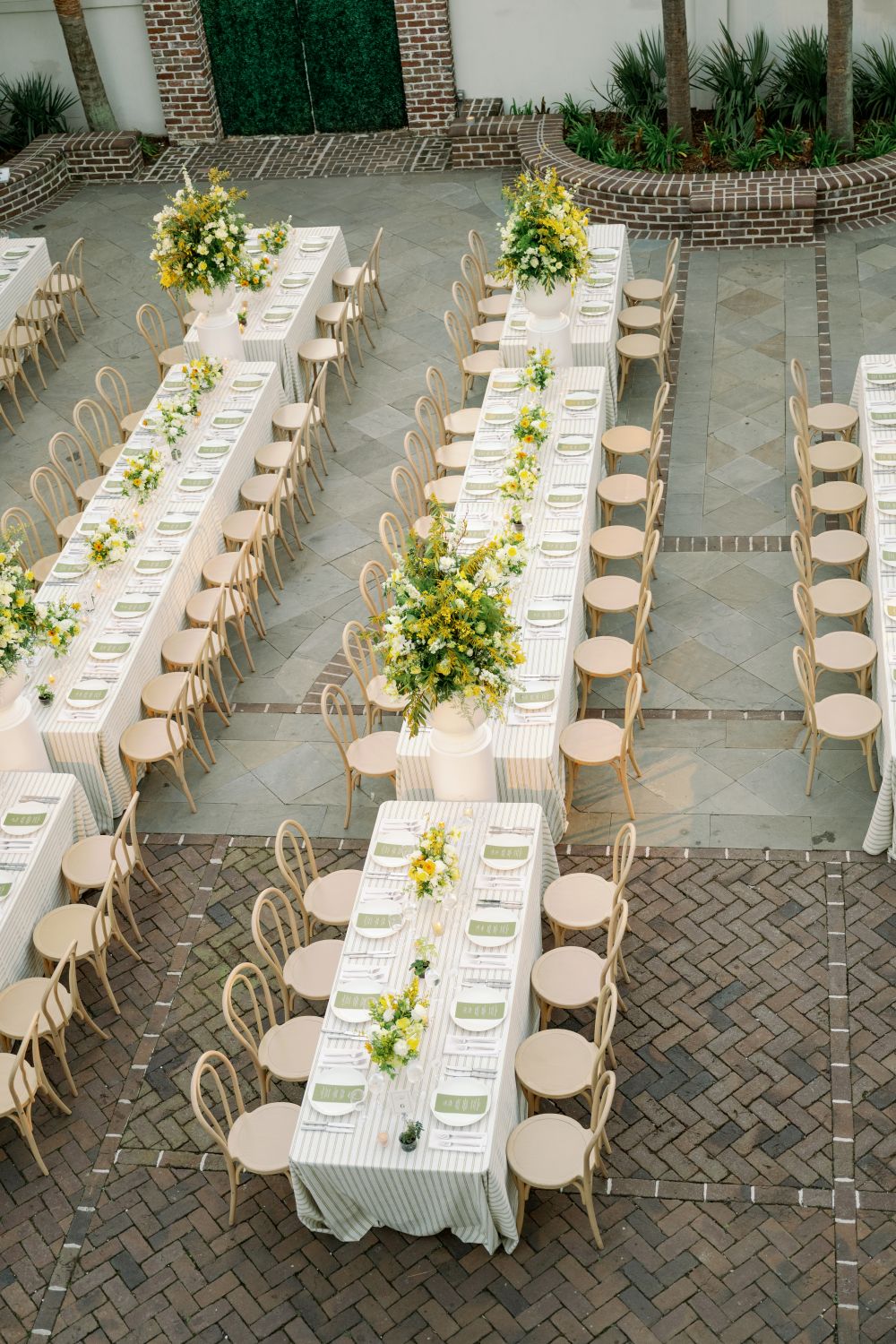
The dining layout shapes the reception experience. Table shape, table count, chair style, spacing, and seating arrangements all influence conversation, service flow, and the overall feel of the room or outdoor setting.
Round tables can create smaller conversation groups. Long tables can feel more communal and visually structured. A mix of table styles can work when the layout is planned carefully and the design remains cohesive.
Spacing is especially important. Guests need room to sit, move between tables, and access bars or service areas. Vendors also need clear paths for food service and event support. A dining layout should feel full and lively, but not tight.
Head Table, Sweetheart Table, and Family Tables
Focal tables deserve careful placement. The head table, sweetheart table, or family tables often become visual anchors within the reception. These tables may be positioned to face the room, frame the couple, or create a central point for speeches and key moments.
Their placement should support visibility and flow. Guests should be able to see the couple during important moments without the table blocking walkways or service access. If the table is styled differently from the guest tables, it should still feel connected through color, material, shape, or overall design direction.
Planning these focal tables early helps the rest of the reception layout fall into place.
Entertainment and Celebration Areas
Entertainment areas should be planned in relation to the dining layout and guest movement. Music areas, staging, open space, or dance areas should be visible and accessible, but not placed where they interrupt dinner service or crowd major pathways.
The entertainment area often becomes more active later in the event, so it should be easy for guests to reach once the reception shifts from dinner to celebration. Bars, lounge areas, and seating should be positioned in a way that keeps the energy connected rather than pulling guests into separate corners of the venue.
A strong reception layout allows the event to change naturally as the evening progresses.
Rentals That Support Food and Beverage Service
Food and beverage service depends on more than the caterer’s menu. Rentals help determine where food is displayed, how beverages are served, how guests move through service areas, and how staff access the necessary support pieces.
Curated Events provides rentals that can support food and beverage service, but the rental plan should always be coordinated with the caterer’s needs and the overall venue layout.
Buffet, Bar, and Service Table Planning
Buffet tables, bars, and service tables should be placed where they are easy to access but not disruptive. These areas often attract groups of guests, so they need enough surrounding space to prevent crowding.
A buffet should not block the entrance to the reception area or create lines through major walkways. A bar should be convenient, but not so close to dining tables that it interrupts the guest experience. Service tables should be useful to vendors while remaining visually appropriate for the event.
Planning these rentals early helps avoid last-minute adjustments that can affect the entire layout.
Catering Rental Equipment Considerations
Catering rental equipment should be selected based on the caterer’s service plan, the venue setup, and the event timeline. Some weddings may require buffet support, serving pieces, prep surfaces, or other rental items that help food service run smoothly.
Couples do not need to manage every technical detail themselves, but they should make sure the rental plan accounts for the caterer’s needs. This includes space for setup, service access, and any guest-facing food or beverage stations.
The goal is to make service feel smooth and integrated into the event, not separate from it.
Guest Access Without Bottlenecks
Bottlenecks often happen around bars, buffets, entrances, and transitions between event areas. Rental placement can help reduce that issue.
Service areas should be positioned so guests can approach, move through, and return to the main event space without crossing through seated dining areas or blocking other guests. Cocktail tables, lounge furniture, and display pieces should not be placed too close to high-traffic service points.
A well-planned layout keeps guests moving comfortably and helps the event feel organized from start to finish.
Design Cohesion Across Ceremony, Cocktail Hour, and Reception

A cohesive wedding does not require every rental to match exactly. It requires a consistent design direction across each part of the celebration. Ceremony seating, cocktail hour pieces, reception tables, lounge areas, bars, and display tables should all feel like they belong to the same event. You may also find Essential Wedding Rental Checklist for Your DC Ceremony helpful.
This is especially important when a wedding uses multiple spaces. Guests should feel a natural transition as they move from the ceremony to the cocktail hour to the reception. For more detail, see our article Essential Wedding Rentals for a Memorable Ceremony.
Keep the Style Consistent Across Event Areas
Style consistency can come from color, material, shape, texture, or overall tone. For example, ceremony chairs may connect to reception chairs through finish or formality. Cocktail hour tables may coordinate with reception tables through linen color or tabletop accents. Lounge pieces may reflect the same palette used in the dining area.
The goal is not perfect repetition. A wedding can feel layered and interesting while still remaining cohesive. Each space should have its own function, but the visual language should remain consistent.
Use Statement Pieces Selectively
Statement rentals can create impact when used strategically. A distinctive bar, lounge grouping, focal table, ceremony piece, or display element can help define the event style.
The key is restraint. If every area has a statement piece, the design can feel crowded or unfocused. A few elevated rentals placed in high-impact areas can make the event feel intentional without overwhelming the overall look.
Statement pieces work best when they support the guest experience as well as the design. They should serve a purpose within the layout, whether by creating a focal point, improving flow, or making a key area feel more finished. See how these ideas come together in our work.
Coordinate Rentals With the Venue Setting
The venue should influence rental choices. Architecture, landscaping, flooring, lighting, ceiling height, outdoor views, and existing décor all affect how rentals appear in the space.
A waterfront setting may call for different rental choices than a historic venue, a ballroom, an estate lawn, or a modern indoor space. The rentals should enhance the venue rather than fight against it.
Couples should consider what the venue already provides visually and functionally. The rental plan can then fill in what is missing, soften what feels unfinished, and highlight the best parts of the setting.
How to Build a Wedding Rental Wishlist
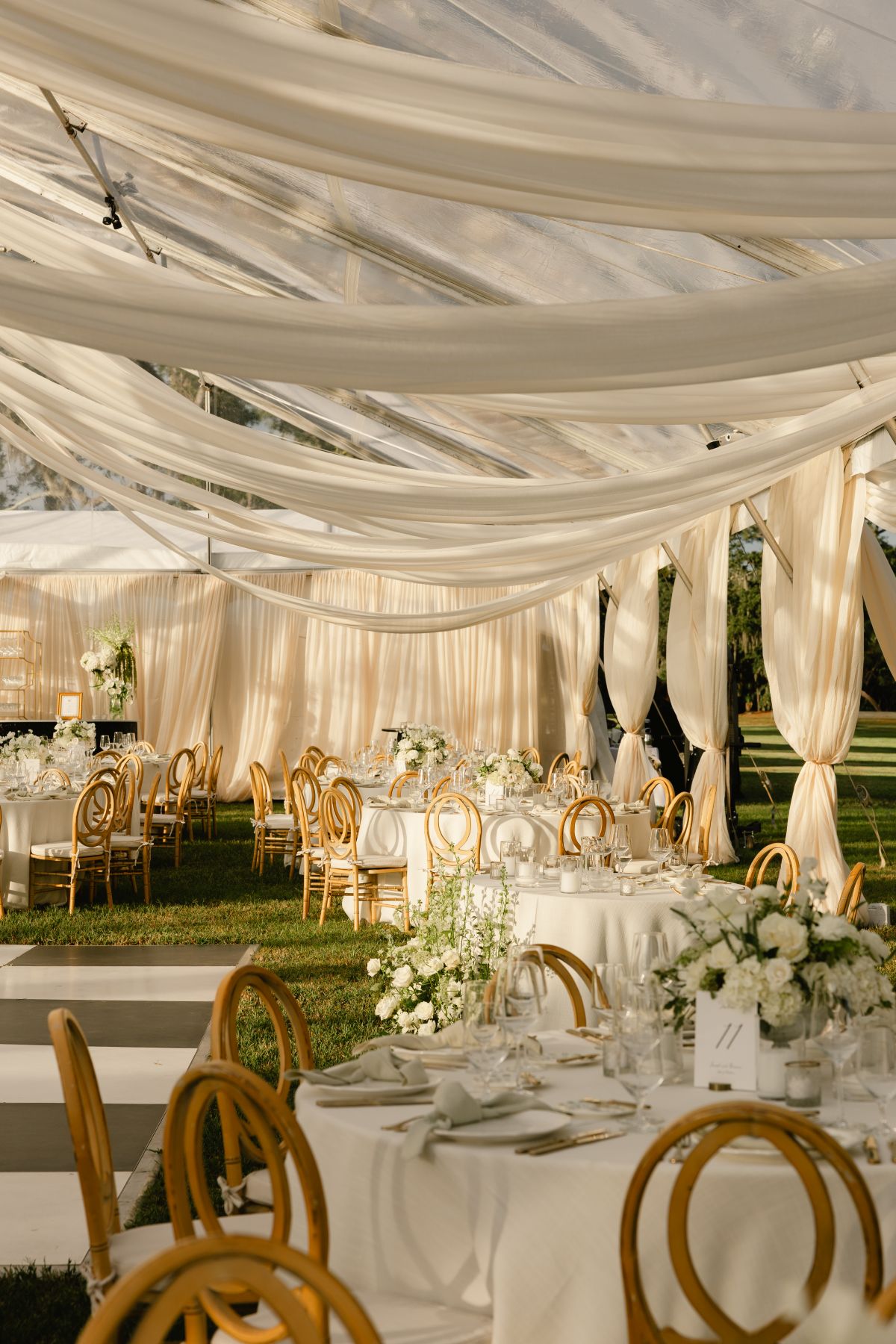
A wedding rental wishlist helps organize the planning process. Instead of creating one long list of items, couples should group rentals by event area and function.
This makes it easier to see what each part of the wedding needs and helps reduce both missed items and unnecessary additions.
Gather the Core Wedding Details
Before building the wishlist, couples should gather the core event details. These include the wedding date, venue, guest count, ceremony location, reception format, overall timeline, and whether the event will take place indoors, outdoors, or across multiple spaces.
It is also helpful to know the dining style, bar setup, entertainment plan, vendor needs, and any major design priorities. These details help determine which rentals are foundational and which are optional.
The more complete the information, the more useful the wishlist becomes.
Organize the Wishlist by Event Area
The easiest way to build a rental wishlist is to organize it by event area. Start with ceremony needs, then cocktail hour, reception, food and beverage service, lounge areas, welcome displays, and vendor support.
This structure helps couples think through the day in order. It also makes it easier to identify gaps. For example, a couple may remember reception tables and chairs but overlook cocktail hour tables or a welcome table. Organizing by zone helps prevent that.
A clear wishlist also helps the rental team understand how the event is intended to function.
Review What Each Rental Needs to Accomplish
Each rental should have a purpose. Some rentals provide seating. Others support food service, guest flow, comfort, visibility, display, or presentation. Reviewing each item by function helps couples avoid over-ordering and keeps the event plan focused.
For example, a lounge grouping may be useful if there is a clear place for guests to gather. Additional cocktail tables may be needed if the cocktail hour space is open and active. A display table may be necessary for escort cards or gifts. A rental should be included because it solves a need, not just because it appears on a standard wedding checklist.
Frequently Asked Questions
What wedding rentals should couples plan first?
Couples should start with foundational rentals that support the main structure of the wedding. These often include ceremony seating, reception tables, guest chairs, cocktail hour surfaces, service-area rentals, and any rentals needed for the main event layout.
Decorative details can be added once the functional needs are clear.
What rentals are often forgotten at weddings?
Commonly overlooked rentals include welcome tables, gift tables, vendor support tables, bar support pieces, cocktail hour tables, signage displays, escort card tables, program tables, and service-area rentals.
These pieces may not be the most decorative, but they often help the event run more smoothly.
Should ceremony and reception rentals match?
Ceremony and reception rentals do not have to match exactly, but they should feel connected. Consistency can come from color, material, formality, style, or overall design direction.
The ceremony can feel distinct from the reception while still belonging to the same wedding experience.
When should I start planning wedding rentals?
Wedding rental planning should begin early enough to review the layout, confirm guest count, coordinate vendors, and adjust the wishlist as the event plan develops. Starting early also gives couples more time to think through the full guest journey rather than making isolated rental decisions later.
Conclusion
Wedding rentals should support the full celebration, not just individual tables, chairs, or décor pieces. A strong rental plan guides guests from arrival to ceremony, from cocktail hour to reception, and from dinner to the final send-off.
When rentals are planned by event flow, the wedding feels more organized, comfortable, and cohesive. Ceremony seating, cocktail tables, reception layouts, service areas, lounge pieces, welcome displays, and vendor support rentals all contribute to the full guest experience.
Curated Events Chesapeake can help couples build a wedding rental plan that supports each part of the celebration with thoughtful, coordinated rental selections. With the right approach, every rental has a purpose, and every event area feels connected. Curated Events has eight showrooms; find your nearest location.