

The best wedding days flow from one moment to the next without friction. One of the trickiest changes is the ceremony-to-reception flip, turning a vow-focused layout into a lively celebration. With a clear plan and the right rentals, that shift can feel effortless and polished. This guide walks you through the practical decisions, rental choices, and logistics that keep guests comfortable and your timeline intact. You’ll get floor‑plan tips, ideas for using lounge furniture and lighting to bridge the two moments, and an overview of how partnering with Curated Events simplifies the process. Throughout, we focus on choices that save time, reduce stress, and preserve the overall design so the day feels cohesive from start to finish.
What Should You Consider When Planning A Ceremony-To-Reception Flip?

Smart flips start long before the wedding day. The key factors are venue layout, guest count, the flip window you can protect, and your budget. Each choice changes how fast the space can transform, and which rentals will save time without compromising the look. Thinking through these variables early prevents last‑minute scrambling and helps your vendor team choose the most efficient equipment and crew size.
Beyond those basics, review venue policies (load‑in windows, noise curfews, elevator or stair access), vendor restrictions (who can move gear and when), and any site‑specific rules like historic‑floor protections or fire codes. Planning around these limits lets you pick rental solutions that work with the site instead of against it.
How Do Venue And Guest Count Shape Flip Planning?
Where you say “I do” and how many people attend define your flip strategy. Large venues often let you have separate ceremony and reception zones, which simplifies turnover, but they still need clear circulation so guests know where to go. Outdoor sites add weather and walking distances to the checklist. Knowing capacity and flow helps you choose chairs, tables, and layouts that feel efficient and comfortable while preserving sightlines and service access.
Map entry and exit points, restroom access, and service paths so staff can move items without crossing guest routes. For example, placing the breakdown team near a service entrance reduces traffic through guest areas and speeds turnover. In tight or single‑room venues, plan staged movement: break down the ceremony from back to front while the reception setup works from the edges inward. Consider color‑coded stickers or labeled crates to speed identification of items during fast swaps.
Guest count affects quantities and spatial rhythm. For larger groups, select narrower or stackable seating to keep aisles clear and circulation smooth. For small, intimate celebrations, consider luxury lounge pieces or fewer larger tables, these choices shape both the look and the speed of conversion. When in doubt, consult your rental partner with a scaled guest list so they can recommend the most time‑efficient layouts for your numbers.
What Timeline And Budget Realities Impact A Smooth Flip?
Block a realistic flip window in your schedule and include it in your budget. A clear, timed plan, who breaks down what and when, keeps vendors aligned. Investing in versatile, well‑made rentals (stackable or folding chairs, modular tables) reduces last‑minute swaps and speeds turnover while preserving your design. Allocate budget not only for inventory but for the labor and staging required to execute the flip reliably.
Budget for delivery windows, setup and breakdown labor, and any potential overtime charges. Prioritize items that deliver time savings, chairs that stack quickly, full‑coverage linens that hide legs and hardware, and tables that collapse or nest for efficient storage. Small investments in quality equipment often pay for themselves by shortening the flip window and reducing the need for additional staff.
Create a simple timeline with built‑in cushions. Add checkpoints for vendor arrivals and short buffers for unexpected delays. Share the timeline with every vendor and post a copy on site for your day‑of lead; clarity prevents costly miscommunications and keeps everyone moving toward the same deadlines. Consider including contingency tasks in the timeline, who will handle a last‑minute centerpiece swap, who will replug lighting, and who has the keys to storage doors, to speed decisions when time is tight.
Which Rentals Make A Ceremony-To-Reception Transformation Work Best?
The right inventory is the backbone of a smooth flip. Focus on flexible seating, adaptable tables, practical linens, and shelter solutions like tents for outdoor events, each item affects how fast and polished the changeover feels. Choose pieces that serve more than one role so fewer items need to be swapped during the flip.
Think of rentals as tools: some speed labor, some preserve design, and the best do both. When choosing inventory, ask your rental partner for real examples of flips and request items that can be staged or moved easily by a small crew. Visual examples help you understand how pieces will function across both ceremony and reception.
How Do Versatile Chairs And Seating Choices Speed Transitions?
Choose seating that looks good and moves easily. Stackable or folding chairs and lightweight lounge modules let crews reconfigure the room quickly without losing style. Picking seats that suit both ceremony and reception means fewer swaps, saving time and keeping visual continuity. If ceremony chairs can be used for dinner, you eliminate an entire step in the flip.
Look at ergonomics: chairs that stack squarely, include integrated handles, or nest in racks cut handling time. If you plan to repurpose ceremony seating for dinner, pick styles that work in both contexts, matching finishes or cushions can unify the look without extra pieces. Discuss protective covers or dolly options with your rental partner to protect upholstery during rapid moves.
- Stackable chairs: perfect for high‑volume flips and compact storage.
- Folding chairs with padded seats: blend comfort and speed.
- Lightweight lounge modules: enable quick movement and flexible groupings for cocktail hour.
When planning counts, allow for service aisles and clear egress, never sacrifice safety for density. Your rental team can advise on quantities and spacing based on venue dimensions and local codes. If the venue has unusual layouts, request a site visit so recommendations reflect the real conditions.
What Part Do Tables, Linens, And Tents Play In The Transformation?
Tables define the room, linens refine the look, and tents protect the plan. Different table shapes make reconfiguring faster; coordinated linens hide seams and hardware while reinforcing your palette; and tents keep the day on schedule outdoors, plus they often become a striking design element. Selecting tables and linens that pair visually reduces the need for decorative additions during the flip.
Choose table shapes that support both ceremony needs (gift or signing tables) and reception functions (banquet, round, family‑style). Rectangles combine quickly into long communal settings; rounds create immediacy for dining but take more precision to place. Work with your rental partner to decide which table shapes minimize handling while still delivering the desired aesthetic.
- Modular tables: speed reconfiguration when you need multiple layouts.
- Coordinated linens: full‑coverage linens eliminate last‑minute centering and skirt fuss.
- Tent accessories: sidewalls, flooring, and lighting attachments streamline outdoor transitions.
When renting tents, check anchoring options, wind ratings, and permit requirements. Tents affect both layout and acoustics, coordinate lighting and sound vendors to account for those changes. Also ask about tent stacking or overlap options if you anticipate moving sections from ceremony to reception or adjusting footprint as weather dictates.
How Can Lounge Furniture And Lighting Rentals Elevate Guest Comfort During The Flip?
Thoughtful lounge areas and lighting do more than decorate, they keep guests relaxed and engaged while crews work. These details turn a necessary pause into a deliberate part of the day, preserving the mood and giving guests comfortable spaces to socialize without crowding staging zones.
Designate clear holding zones so the pause feels intentional rather than a hiccup. Prioritize comfort and accessibility: plentiful seating, clear routes to restrooms, and staff circulating with refreshments help guests feel cared for during the break. Plan these zones so they’re visible from the ceremony exit and feel like a natural next step for attendees.
Which Lounge Furniture Pieces Work Well For Cocktail-Hour Flips?
Sofas, ottomans, and small cocktail tables create inviting pockets for conversation. Group seating to encourage mingling and place zones near the bar or passed bites so guests have something to do while the room is transformed. Comfortable, stylish pieces extend your décor and make the pause feel purposeful.
Think in zones rather than isolated pieces. A single lounge cluster might include a two‑seat sofa, a couple of armchairs, an ottoman, and a low table, small vignettes that invite groups without blocking circulation. Varying seat types and heights helps different guest groups feel comfortable and keeps traffic flowing around, rather than through, staging areas.
- Mix heights: pair low coffee tables with taller cocktail tables to serve different needs.
- Add rugs and pillows: soft elements read as intentional and unify mixed furniture.
- Plan for service: position lounge areas near bars or food stations to reduce traffic through work zones.
If guests will linger for the full flip, include extra seating and a few subtle amenities, charging stations or a communal guest book, to keep energy positive without needing constant supervision. Simple signage or a brief announcement can orient guests to these offerings so they settle in comfortably.
How Can Statement Lighting Change Ceremony And Reception Atmospheres?
Lighting sets the mood instantly. Chandeliers, uplighting, and string lights create warmth and continuity between moments. Use focused fixtures to highlight the dance floor or sweetheart table and softer washes where guests lounge. A clear lighting plot keeps energy steady through the flip and guides attention where you want it.
Plan cues for key elements, an altar, cake table, or dance floor, so lighting shifts feel intentional. For example, soft, even light during vows can transition to richer, more dynamic lighting at reception. Choosing fixtures and color temperatures deliberately ensures the room reads differently without a full redesign and reduces the amount of physical change required during the flip.
- Layered lighting: combine ambient, task, and accent sources for depth.
- Timed cues: sync lighting transitions with music and announcements to signal the change.
- Practical illumination: keep walkways and steps safe with discreet low‑level fixtures.
Ask your rental partner for a simple lighting plot and to test key cues before guests arrive. When changes are automated or run by a single operator, transitions feel polished rather than abrupt. Also, include a backup power plan or spares for key fixtures to avoid delays if equipment needs a quick swap.
How Do You Build And Run An Efficient Flip Timeline And Logistics Plan?
Efficiency comes from clear roles, a realistic schedule, and steady vendor communication. Define who does each task, when they’ll do it, and how guests will be occupied and informed while the space is reset. The clearer the individual responsibilities, the fewer on‑the‑spot decisions that slow the flip.
Start with a master timeline that includes buffer windows and vendor contact info. Share a printed copy with the venue and every vendor; keep a second copy with your coordinator. Note staging doors, trash and recycling locations, and which vendor moves ceremony items versus bringing in reception pieces. Annotate the plan with contingency steps so the team knows who will pivot if an item is missing or a timing issue arises.
What Are Best Practices For Coordinating Staff And Vendors During The Flip?
Give each vendor a concise task list and timeline. Appoint one point person, often the venue manager or your coordinator, to oversee the flip and answer questions. Stagger arrivals and set short checkpoints so each crew knows when to start and finish. Regular, focused check‑ins keep work moving and prevent overlap.
Run a brief pre‑event walkthrough with lead vendors to confirm expectations. Verify who has keys or access to locked areas and agree on staging zones. On the wedding day, use two‑way radios or a group messaging channel for instant coordination, these reduce physical run‑ins and speed decisions. Clarify how damage or lost items will be handled so small issues don’t balloon into time‑consuming disputes.
- Checklist distribution: give each vendor a checklist with tasks, timing, and the day‑of lead’s name.
- Staging zones: clearly mark and communicate where items will be stored temporarily.
- Finish‑line expectations: set a firm “green light” time when flip tasks must be complete so front‑of‑house can ready the room for guests.
Consider contingency staffing, a small float crew can handle last‑minute tabletop tweaks or a malfunctioning fixture without derailing primary teams. This approach frees specialist crews to focus on major tasks while the float handles quick fixes that would otherwise cause delays.
How Can You Manage Guest Flow And Entertainment During The Transition?
Keep guests engaged with music, passed hors d’oeuvres, or a small activity so the pause feels intentional. Clear signage and friendly greeters reduce confusion and gently direct people to designated areas. The best transitions are the ones guests barely notice because they’re enjoying the moment.
Music is an easy tone‑setter: a curated playlist can sustain atmosphere while crews work, and a brief announcement from the DJ or emcee can guide guests to cocktail zones, point out restrooms, or share timeline cues. If space allows, a short live instrument set or a roaming performer can add energy without blocking service paths.
- Signage: simple, elegant signs direct guests to lounges or restrooms and set expectations for the timeline.
- Hosts and greeters: a few staff at key points can guide traffic and answer quick questions.
- Entertainment: consider a short live set, a cocktail demo, or an interactive station that ties back to your theme.
Use lighting and spatial cues to define guest zones visually, warmer, inviting light in lounge areas and neutral task lighting where staff are working helps guests intuitively avoid staging zones. These subtle signals reduce the need for constant redirection and contribute to a calm, curated experience.
Why Partner With Curated Events For Your Ceremony-To-Reception Flip Rentals And Planning?
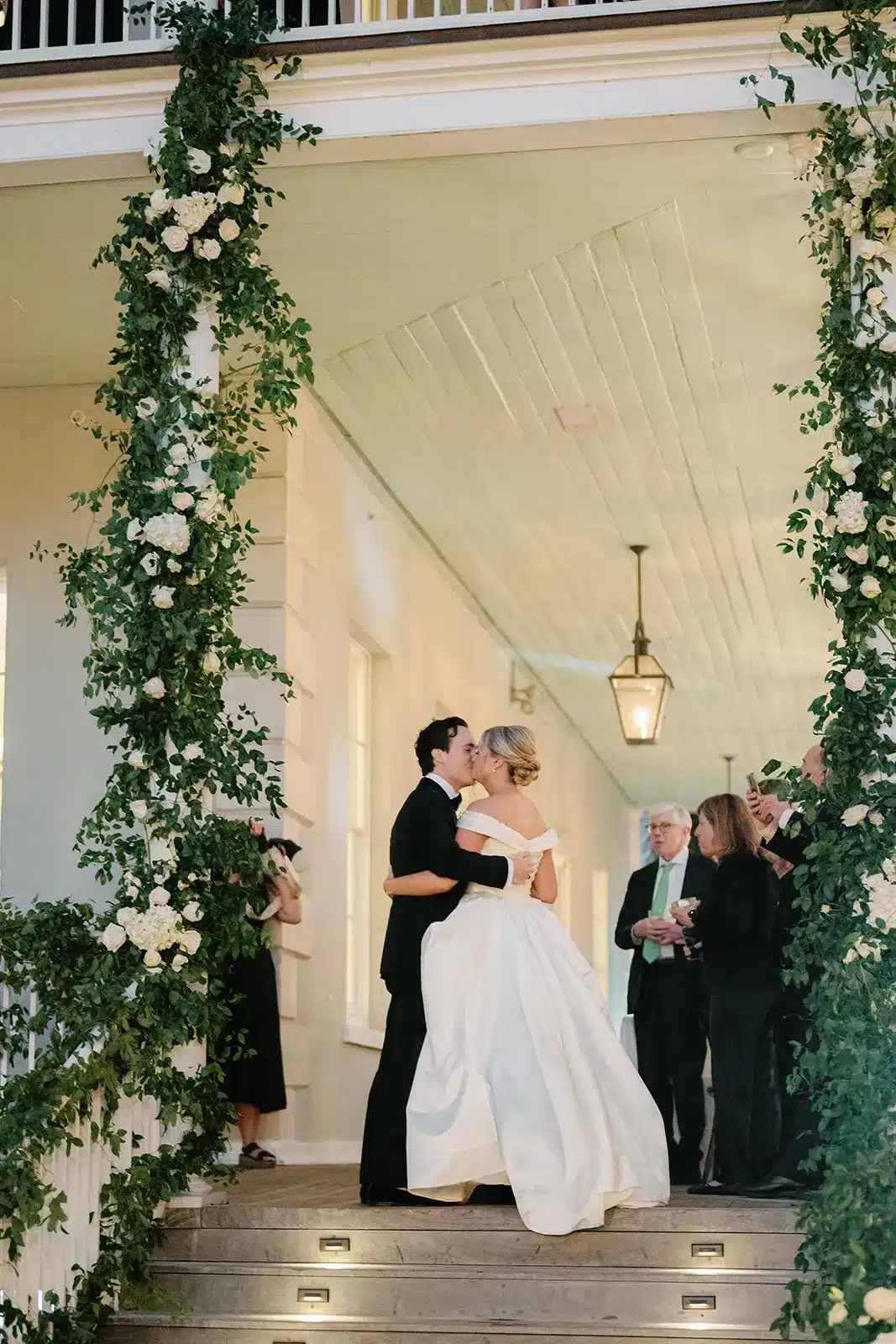
Partnering with a rental team experienced in flips removes guesswork. Curated Events combines well‑maintained inventory with practical, on‑the‑ground know‑how so your timeline runs smoothly and your vision comes to life. Experienced teams can anticipate common bottlenecks and recommend pre‑staging or setup techniques that save time.
We’ve learned which items stage well, which combinations speed labor, and how to sequence setup and breakdown across many venue types. Our familiarity with local vendors and venue rules reduces friction and accelerates decisions on the day. We also build flip plans that respect budget priorities while maximizing visual impact.
How Does Curated Events’ Inventory Support Adaptable Flip Solutions?
Our selection includes multipurpose tables, stackable and event‑ready seating, durable linens, tents, and lighting, pieces chosen for both visual impact and operational ease. That breadth lets you design beautifully while keeping reconfiguration simple. We favor pieces that travel well between ceremony and reception so fewer hands and less time are required during the flip.
We track wear and maintenance closely so pieces arrive event‑ready and need less on‑site adjustment. Our team can recommend options based on your floor plan, timeline, and aesthetic goals, and we often provide mock layouts or rendered suggestions to help you visualize the flip ahead of time. These previews reduce surprises and help vendors coordinate staging more precisely.
What Flip-Focused Services Does Curated Events Offer?
Beyond rentals, we provide delivery, setup, and breakdown services tailored to flip schedules. Our team coordinates with your vendors and venue to minimize downtime so you can enjoy the day instead of watching the clock. When desired, we provide an on‑site supervisor during the flip to manage handoffs and verify that the room is guest‑ready at the agreed time.
Services can include pre‑staging, onsite supervisors during the flip window, and post‑event breakdown that returns items to inventory quickly and responsibly. We also offer consultations to help you prioritize pieces that give maximum impact for minimal labor. Early planning sessions focus on how to get the biggest visual return for the smallest operational footprint.
- Delivery windows aligned with venue rules.
- Staged setup options so reception elements are pre‑positioned for quick placement.
- Coordination with florists, caterers, and A/V teams for smooth handoffs.
Frequently Asked Questions
How Can I Keep Guests Entertained During The Flip?
Offer engaging options like live music, a cocktail demonstration, or interactive stations that match your theme. Have staff circulate with drinks and hors d’oeuvres and use clear signage to direct guests to cocktail zones or lounges. Small touches keep the atmosphere festive while the space is reset.
What Are Some Common Mistakes To Avoid During A Ceremony-To-Reception Flip?
Common pitfalls include underestimating flip time, poor vendor communication, and lacking a backup plan. Build in buffer time, make sure all vendors know their roles, and run a pre‑event walkthrough to set expectations. Don’t forget guest comfort, plan for lounge areas and refreshments so the pause feels intentional.
How Can I Ensure My Rental Items Arrive In Good Condition?
Choose a reputable rental partner that maintains their inventory. Discuss condition expectations during planning and, if possible, schedule a pre‑event inspection of key pieces. Clear communication about quality and preferences helps your rental team deliver items that meet your standards.
What Are The Advantages Of Using A Professional Rental Service For My Wedding Flip?
Professional rental services provide a wide selection of high‑quality inventory and logistical expertise. They can advise on items that work best for quick transitions and coordinate with other vendors to make setup and breakdown seamless. That support frees you to enjoy the day instead of managing details.
How Long Does A Typical Ceremony-To-Reception Flip Take?
Most flips run about 30 minutes to an hour, depending on complexity, crew size, and how many items move. Build that window into your schedule and give vendors clear arrival and completion times to avoid surprises. If you plan to repurpose ceremony seating for dinner, flips can be faster because fewer items need relocation.
Always have a backup plan, tents or an indoor alternative,and monitor forecasts as the date approaches. Coordinate with your rental partner on any weather‑related adjustments and include setup time for those options in your timeline. Let guests know the plan in advance so expectations are clear on the day. that the venue’s timeline accommodates your target flip duration.
What Is A Room Flip And How Do You Execute One Smoothly?
A room flip changes a space’s purpose, ceremony to reception, for example. Smooth flips rely on a detailed plan, defined roles, pre‑staged equipment when possible, and steady vendor communication. Walk through the sequence with your team so everyone knows the order of operations and who is responsible for each element.
A practical execution checklist includes: labeling items, pre‑staging where allowed, coordinating who moves which pieces, and confirming a final inspection before guests re‑enter. When roles are clear and the sequence is practiced or documented, the flip proceeds efficiently with fewer on‑the‑spot decisions. Leaving a short window for a final styling pass ensures tabletops and lounge clusters feel intentional when guests return.
What Are The Benefits Of Using Lounge Furniture During The Flip?
Lounge furniture provides a comfortable, stylish place for guests to relax while the room is transformed. Sofas and ottomans encourage conversation and make the pause feel intentional, preserving momentum and turning downtime into part of the guest experience. Thoughtful placement and a few small amenities make lounges feel curated rather than secondary spaces.
How Can I Ensure My Ceremony And Reception Have A Cohesive Look?
Pick a consistent color palette and repeat design elements that move between both moments. Use similar materials, linens, florals, finishes, and repurpose ceremony pieces for the reception. Those choices save time and reinforce a unified visual story. Keeping a concise mood board or sample box helps vendors align on materials and finishes ahead of the event.
What Role Does Lighting Play In The Ceremony-To-Reception Flip?
Lighting shapes mood and guides attention. Combine ambient, task, and accent fixtures for a smooth shift: warm uplighting for ceremony intimacy, and focused illumination for the dance floor at reception. A considered lighting plan keeps the atmosphere cohesive through the flip and reduces the need for physical décor changes.
What Should I Consider When Choosing A Rental Partner For My Flip?
Look for experience with ceremony‑to‑reception flips, a versatile inventory, and a reputation for reliable logistics. A partner who coordinates smoothly with vendors and understands timing will make your flip far easier and more predictable. Request references or examples of prior flips to confirm they can deliver under similar constraints.
Conclusion
A seamless ceremony‑to‑reception flip elevates the entire wedding experience, keeping guests engaged and comfortable throughout the transition. By focusing on logistics, selecting adaptable rentals, and establishing a clear timeline, you can create a polished and efficient changeover. Working with an experienced rental partner like Curated Events eases the burden so you can focus on the moment. Discover our rental collection and let us help bring your vision to life.