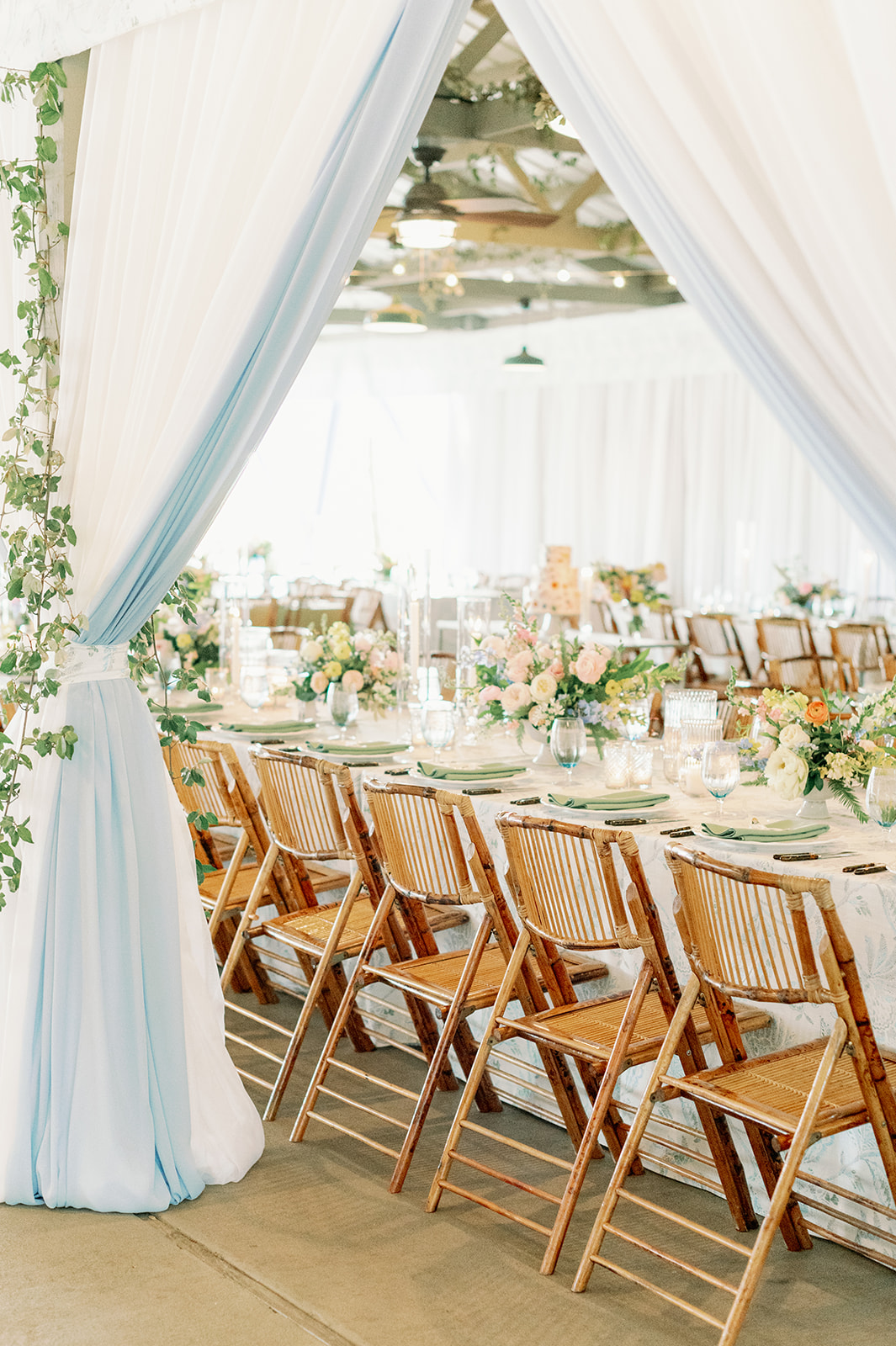
Food and beverage service is one of the most important parts of an event experience. Guests may remember the menu, but they also remember how easily they could access food, whether beverage stations were convenient, how smoothly service moved, and whether the event felt organized from start to finish. Catering equipment rentals help support that experience by giving caterers, hosts, and event teams the tools needed for preparation, presentation, service, and cleanup.
For Chesapeake events, catering equipment should be planned around the service format, guest count, venue setup, timeline, and caterer’s needs. A buffet, plated dinner, food station layout, dessert display, or beverage service plan will each require different rental support. The right equipment helps service areas feel intentional, accessible, and aligned with the rest of the event.
Curated Events Chesapeake provides catering equipment rentals and event rental support for gatherings of many styles and sizes. While food preparation and menu service should be coordinated with the caterer, rental planning helps ensure that the food and beverage experience fits the event layout and guest flow.
Start With the Catering Service Format
Before selecting catering equipment, define the service format. The way food is served determines the type of equipment, number of surfaces, guest access points, and support rentals needed.
A buffet, station-style event, and plated dinner may all serve the same number of guests, but their rental needs can be very different.
Buffet-Style Service
Buffet-style service requires a clear layout and the right supporting equipment. Serving tables, chafing dishes, platters, bowls, serving utensils, and service pieces may all be needed depending on the menu and caterer’s plan.
The buffet should be positioned so guests can move through the line comfortably. There should be enough room for guests to approach, serve themselves or be served, and move away without blocking nearby tables or walkways.
Buffet rentals should also support presentation. Even when the service style is practical, the setup should feel polished and connected to the rest of the event.
Food Stations and Interactive Service Areas
Food stations create a different type of flow. Instead of one central buffet, guests may move between multiple serving points. This can make the event feel more interactive, but it also requires careful equipment planning.
Each station may need its own table, serving pieces, utensils, signage surface, and access for restocking. Stations should be spaced so guests can move between them without creating long lines or crowded corners.
For station-style events, equipment placement is especially important. Each station should feel easy to find, easy to use, and connected to the event layout.
Plated Dinner Support
A plated dinner may seem less equipment-heavy from the guest’s perspective, but it still requires strong rental support. Caterers may need prep surfaces, staging tables, trays, service pieces, and back-of-house organization to keep service moving.
The rental plan should account for where plates will be staged, how servers will move between prep areas and guest tables, and where used serviceware will go after each course. These details help support a smooth dining experience.
Even when guests never see the back-of-house setup, it plays a key role in how the meal is delivered.
Planning Guest-Facing Food Service Areas
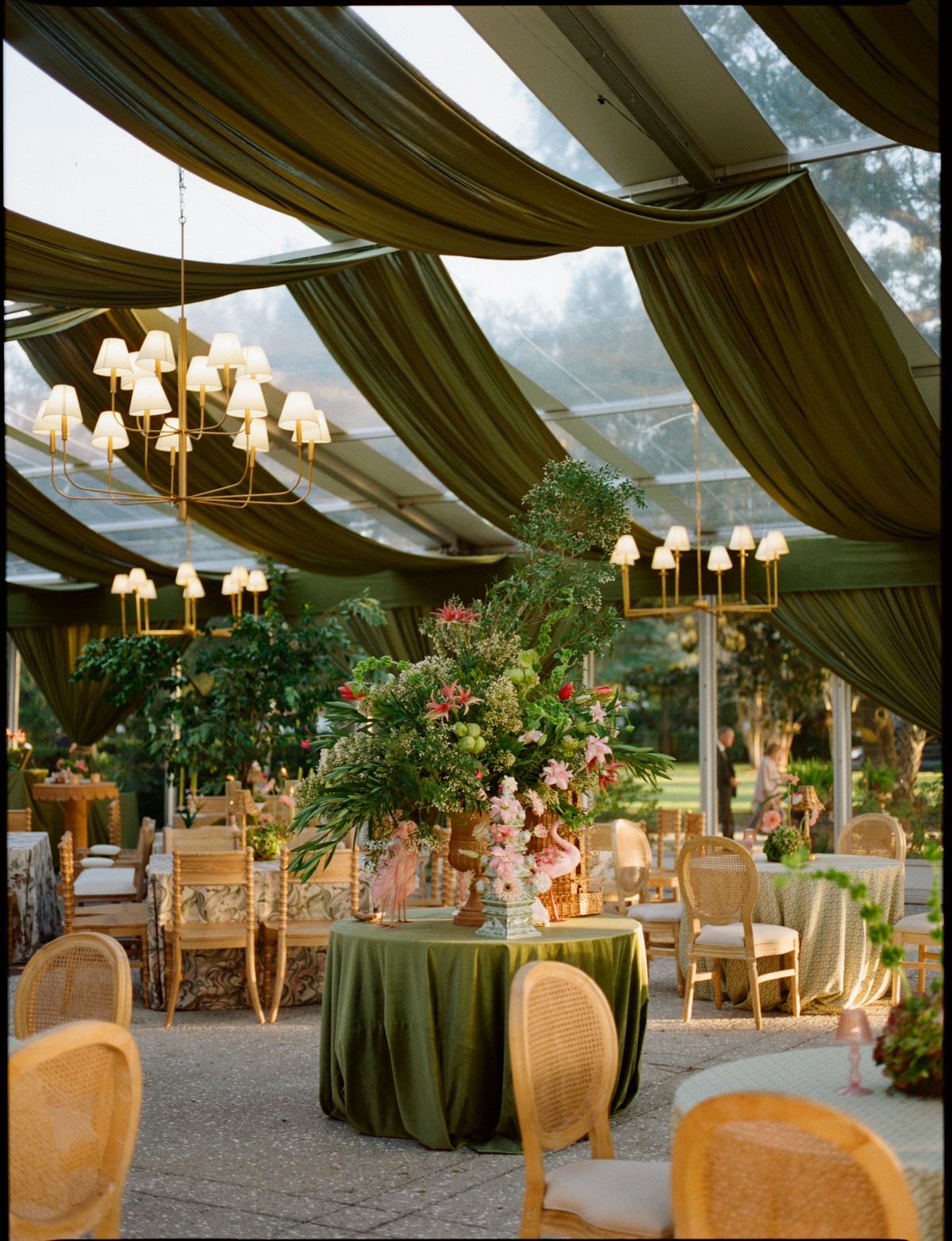
Guest-facing food service areas should be both functional and presentable. These are the spaces where guests interact directly with the food and beverage setup, so they should feel organized, easy to access, and visually appropriate for the event.
The goal is not to over-design these areas, but to make sure they look intentional and support the service plan.
Buffet and Serving Tables
Buffet and serving tables need enough space for food presentation, service pieces, utensils, and guest movement. They should be placed where guests can approach easily without blocking dining tables, entrances, or major walkways.
The layout should also account for how the food will be replenished. Caterers need access to the buffet area without having to move through crowded guest spaces whenever possible.
A well-planned buffet area helps guests move through service efficiently while keeping the presentation clean and organized.
Dessert and Coffee Stations
Dessert and coffee stations are often used later in the event, but they still need early planning. These areas may require tables, serving pieces, cups, saucers, small plates, utensils, beverage dispensers, or display surfaces.
Placement matters. A dessert station should be easy to find, but it should not interrupt dinner service or crowd the bar. A coffee station may work well near dessert, near an exit point, or in a quieter area where guests can help themselves comfortably.
These stations can also support the event timeline by giving guests a natural place to gather after the main meal.
Beverage and Hydration Stations
Beverage stations can support both guest comfort and service flow. Water stations, tea service, coffee setups, lemonade dispensers, and other non-bar beverage areas may need tables, dispensers, glassware or cups, and restocking access.
A beverage station should be easy to reach without creating congestion. If the event is spread across multiple areas, more than one beverage point may be useful.
These rentals help guests serve themselves conveniently and reduce pressure on the main bar or service team.
Catering Equipment for Food Presentation and Service
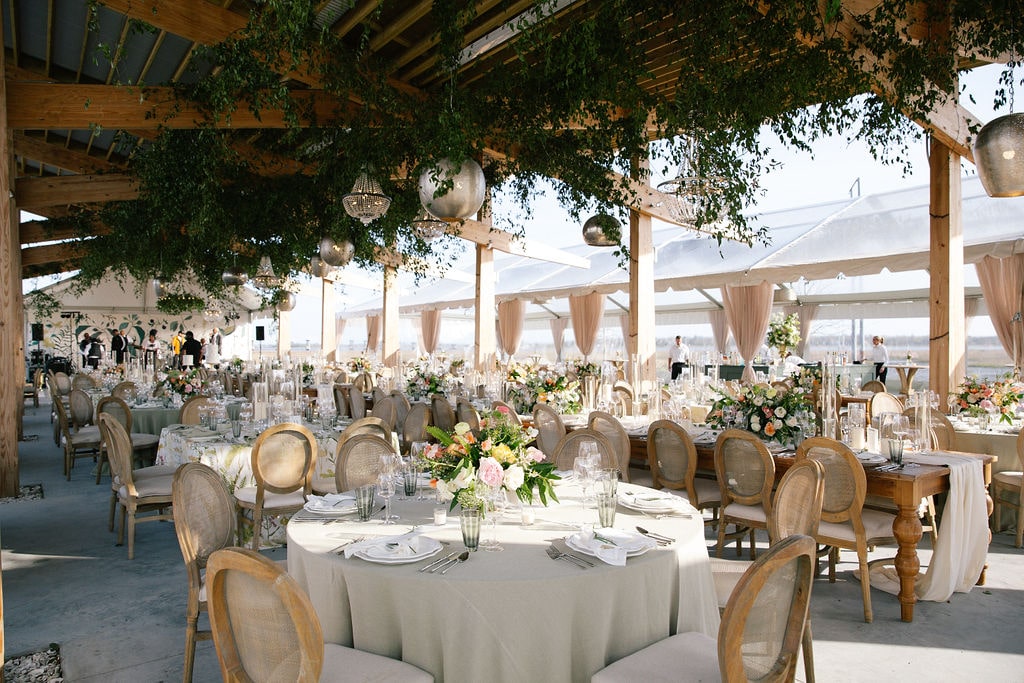
Food presentation depends on the right service pieces. Trays, platters, bowls, utensils, chafing dishes, and serviceware help caterers display and serve food in a way that feels organized and appropriate for the event.
The rental selections should support the menu, service format, and guest experience.
Serving Pieces and Trays
Serving pieces help shape how food appears to guests. Trays, platters, bowls, and serving utensils can make a buffet, station, or passed service feel more polished and easier to manage.
The size and quantity of serving pieces should be based on the menu and service plan. A passed appetizer service may require trays that staff can carry comfortably. A buffet may need larger platters and bowls. A dessert display may need smaller pieces that support presentation and portioning.
Serving equipment should be practical for the caterer and appropriate for the tone of the event.
Chafing Dishes and Holding Equipment
Chafing dishes and holding equipment may be needed when the menu requires food to remain ready for service over a period of time. These pieces should be selected in coordination with the caterer, since the caterer will understand the menu, timing, and service requirements.
The goal is to support service timing and food presentation. Rental items should be chosen based on what the menu requires and how the food will be served to guests.
Because food handling needs vary by caterer and venue, these details should be confirmed before the final rental order is placed.
Tabletop and Serviceware Coordination
Plates, glassware, flatware, and serviceware should work with the catering plan. A seated dinner may need a different tabletop setup than a buffet, cocktail reception, or dessert-only service. For more detail, see our article Tips for Renting Elegant Tableware and Flatware for Weddings.
For buffet service, guests may need easy access to plates, utensils, and napkins near the beginning or end of the line. For plated service, tabletop pieces are usually set or managed according to the meal plan. For dessert or coffee service, smaller plates, cups, and utensils may be needed in a separate area.
Coordinating serviceware with the catering format helps the event feel more organized and prevents gaps during service.
Back-of-House Catering Rentals to Plan Early
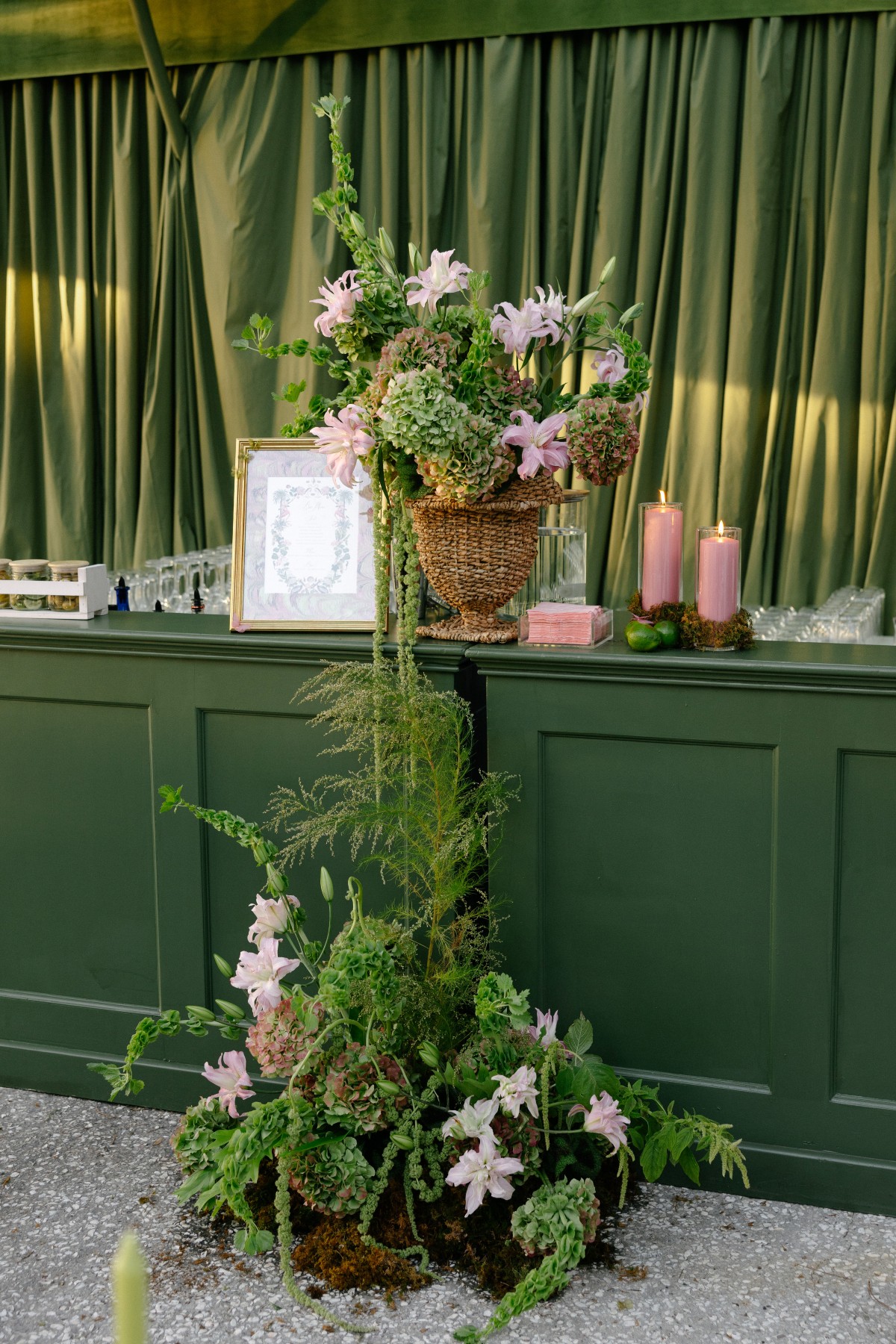
Back-of-house rentals support the parts of food service that guests may not see. These pieces help the caterer prepare, stage, serve, and clear items throughout the event.
Planning these rentals early is important because they affect the service team’s workflow and the event timeline.
Prep Tables and Work Surfaces
Caterers may need prep tables or work surfaces away from guest-facing areas. These surfaces can be used for staging plates, organizing trays, preparing service items, or keeping equipment accessible.
The location of prep tables should be practical. They should be close enough to service areas to support efficiency, but not placed where guests can easily crowd them or interrupt service.
For venues with limited kitchen or prep space, these rentals can become especially important.
Clearing, Bussing, and Return Areas
After food and beverages are served, used dishes, glassware, utensils, trays, and service pieces need a designated place to go. Without a clearing or return plan, used items can accumulate in guest-facing areas or create unnecessary confusion for the service team.
Clearing tables or return areas should be placed where staff can access them easily. They should also be positioned away from the main guest experience when possible.
A clear plan for used serviceware helps the event stay tidy and supports a more efficient cleanup process.
Vendor Access and Service Paths
Catering rentals should be planned with vendor access in mind. Caterers and service teams need clear paths between prep areas, serving stations, kitchens, bars, and guest areas. Read more in Catering Equipment You Need For Your Outdoor Event.
If service paths cross directly through crowded guest spaces, movement can become difficult. If prep areas are too far from the main service zone, timing may be affected. These details should be reviewed during layout planning.
Good service paths help the catering team work more efficiently while keeping guest areas comfortable and organized.
Beverage Service Rental Considerations
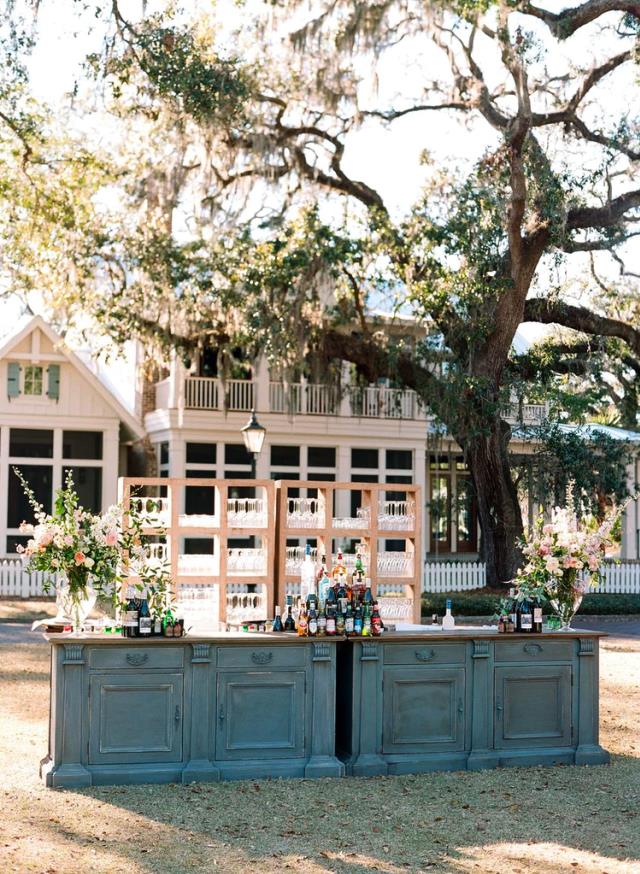
Beverage service should be planned as carefully as food service. Bars, water stations, coffee service, and non-alcoholic beverage areas all require equipment, surfaces, and access for restocking.
A strong beverage plan helps guests stay comfortable and reduces crowding around high-traffic service points.
Bar Support Equipment
Bar service may require glassware, service surfaces, shelving, back-bar support, ice-related planning, and space for staff to work. These needs should be coordinated with the bar provider, caterer, or venue team.
The bar area should feel accessible to guests but not disruptive to the rest of the event. Equipment placement should allow staff to serve efficiently while keeping the guest line organized.
Bar support rentals are not only about presentation. They also help the beverage team work in a clean and functional setup.
Non-Alcoholic Beverage Stations
Non-alcoholic beverage stations can include water, tea, coffee, lemonade, or other drink service. These areas may need dispensers, tables, cups, stirrers, napkins, and restocking access.
These stations are useful for events of many sizes and styles. They can support guest comfort during arrival, meal service, breaks, or later parts of the event.
The setup should be easy for guests to use and easy for staff to maintain.
Placement That Reduces Crowding
Beverage areas often attract steady traffic. Their placement should reduce crowding rather than create it. A beverage station near an entrance, buffet, or tight walkway may slow down guest movement.
Whenever possible, beverage areas should have enough surrounding space for guests to approach, serve themselves or be served, and move away comfortably. If the event has multiple gathering areas, beverage placement should support the way guests naturally use the space.
Thoughtful placement helps keep the event flow smooth.
Coordinating Catering Rentals With the Venue and Caterer
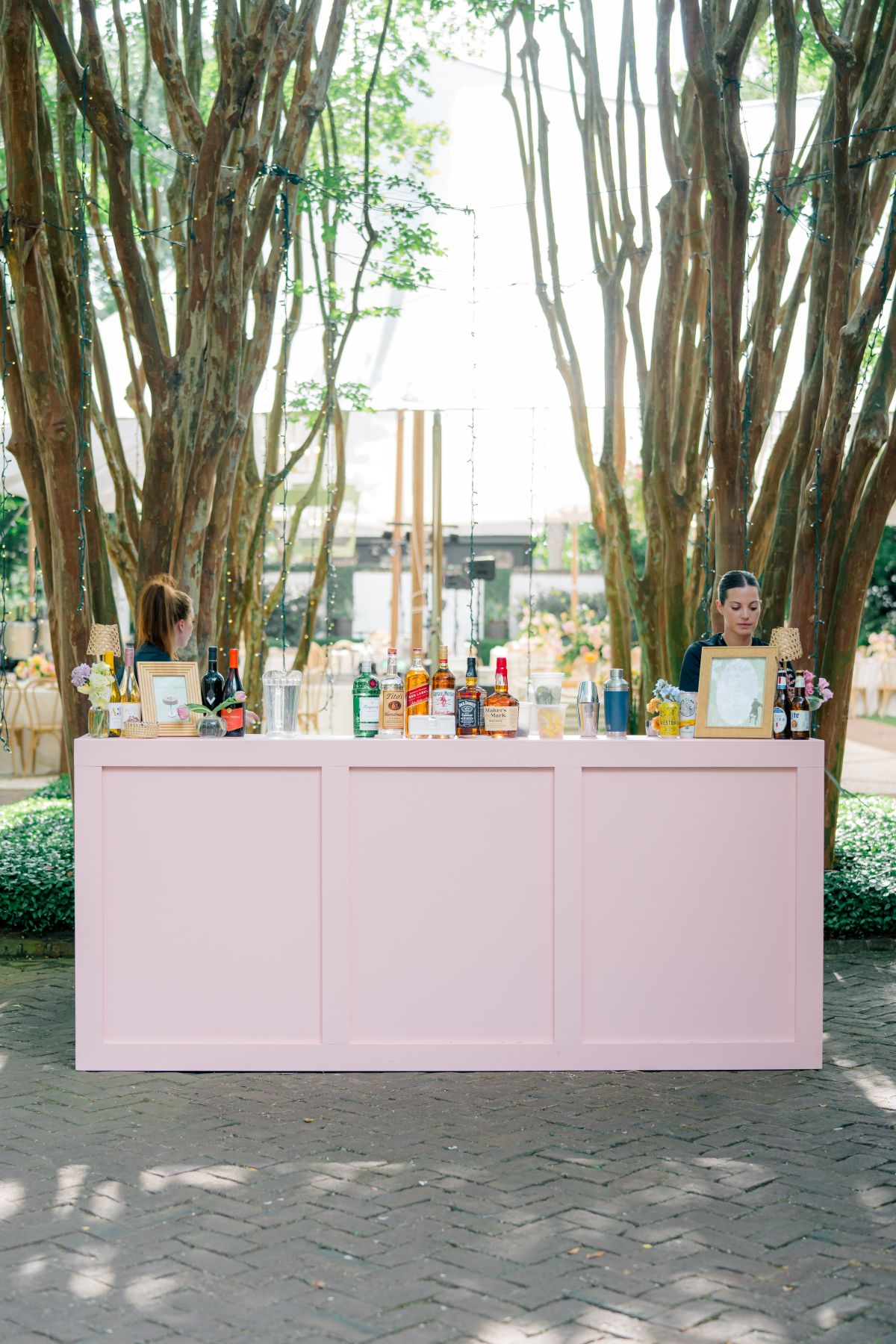
Catering rental planning should happen in coordination with both the caterer and the venue. The caterer understands the menu and service requirements, while the venue determines available space, access, and site limitations. A broader plan for summer event rentals in Chesapeake connects these requirements with guest flow, service zones, beverage stations, dining areas, and behind-the-scenes support.
This coordination helps prevent duplicate rentals, missing equipment, and layout problems.
Confirm What the Caterer Provides
Before finalizing catering equipment rentals, confirm what the caterer provides and what needs to be rented separately. Some caterers may bring certain service pieces, while others may expect the client or planner to arrange rentals. You may also find Catering Equipment Checklist for Nashville Summer Events helpful.
Questions to confirm include whether the caterer provides serving utensils, trays, chafing dishes, prep tables, beverage equipment, coffee service, or clearing support. These details should be discussed early so the rental order reflects the actual service plan.
Clear responsibilities help avoid last-minute confusion.
Review Venue Rules and Available Prep Space
Every venue has different capabilities. Some may have full prep areas or kitchens, while others may have limited back-of-house space. Outdoor venues, private properties, and nontraditional event sites may require more rental support.
Important details may include prep space, loading access, water access, power availability, distance from the service area, and where catering teams can work. These factors affect what rentals may be needed and where they should be placed.
Understanding the venue setup helps the catering rental plan become more practical.
Align the Rental Plan With the Event Timeline
The event timeline affects catering equipment needs. Arrival refreshments, cocktail hour, dinner, dessert, coffee service, late-event snacks, and cleanup may each require different rentals at different times. You may also find Discover Your Catering Equipment Rental Options Around DMV helpful.
For example, a table used for one service may be repurposed later if the timeline allows. A dessert station may need to be set before guests enter the reception space. Coffee service may require a separate setup after dinner.
Reviewing the timeline helps ensure that the rental plan supports every phase of service.
Common Catering Rental Gaps to Avoid
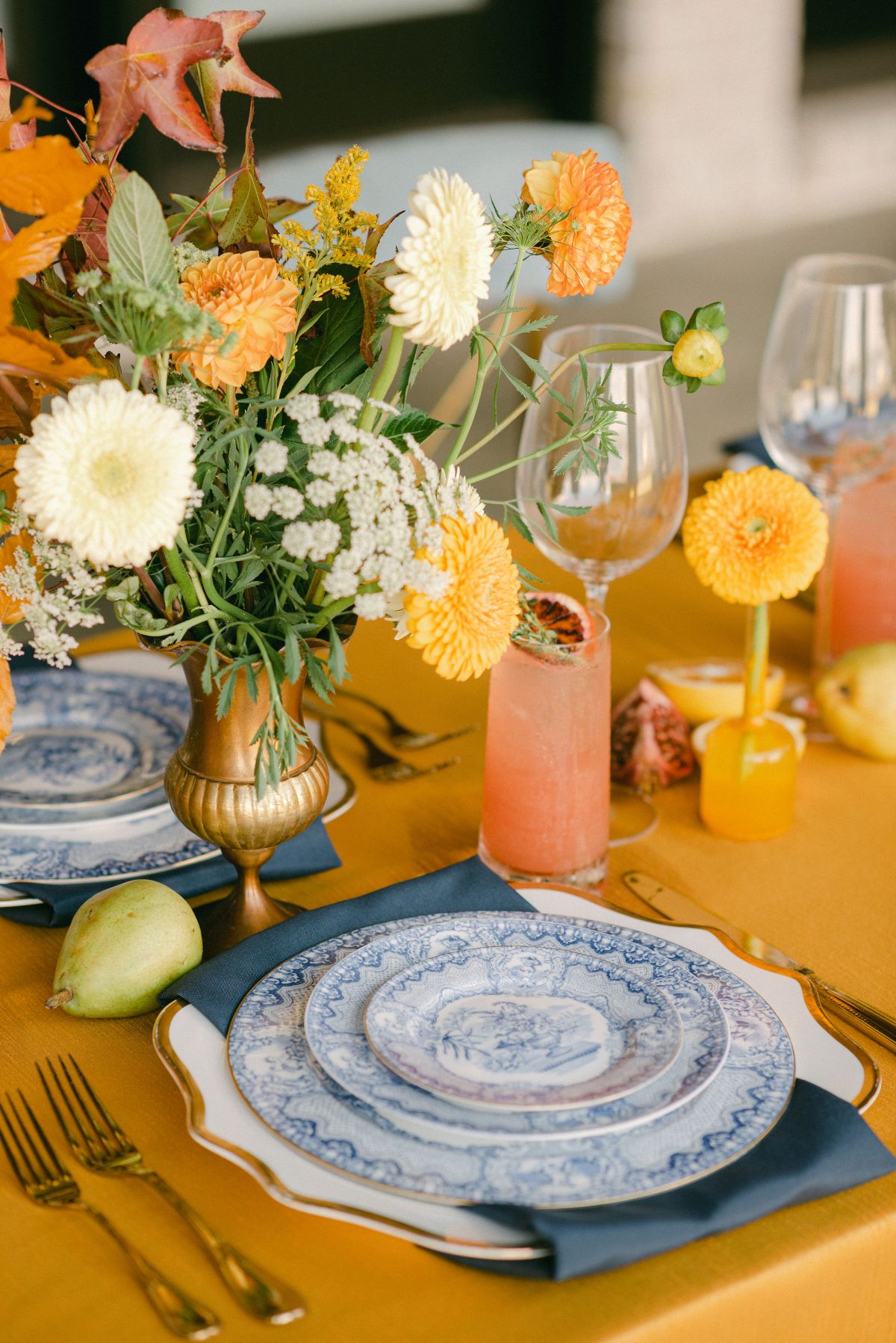
Catering equipment gaps are often discovered late because they involve practical support pieces rather than highly visible design elements. Planning ahead helps prevent these issues.
A strong rental plan should account for guest-facing service, back-of-house support, beverage needs, and clearing.
Forgetting Support Tables
Support tables are among the easiest rentals to overlook. Prep tables, service tables, display tables, clearing tables, and station tables all play a role in catering flow.
These tables may not be the visual focus of the event, but they help organize the service process. Without them, caterers may not have enough space to prepare, stage, or clear items efficiently.
Support surfaces should be identified based on the caterer’s workflow and the event layout.
Underplanning Beverage Service
Beverage service often requires more planning than expected. A drink station may need a table, dispensers, cups, napkins, ice planning, restocking access, and a nearby clearing plan. Coffee service may need cups, stirrers, sugar, cream, small plates, or a separate surface.
If these details are not planned early, beverage areas can feel incomplete or crowded. A clear beverage rental plan helps guests serve themselves or receive service more easily.
Missing a Clearing and Return Plan
Clearing and return areas are often forgotten because they come into play after guests have already been served. However, they are essential for keeping the event organized.
Used plates, glassware, utensils, trays, and serving pieces should have a designated destination. This helps staff clear efficiently and keeps guest-facing areas tidy.
A clearing plan is especially important for events with buffet service, stations, passed items, or multiple beverage areas.
Frequently Asked Questions
What catering equipment rentals do I need for an event?
Catering equipment needs depend on the service format, guest count, menu, venue setup, and timeline. Common rentals may include serving pieces, trays, chafing dishes, prep tables, beverage dispensers, service tables, glassware, plates, flatware, and clearing support.
The best approach is to review the service plan with the caterer before finalizing rentals.
Does Curated Events provide catering services?
Curated Events provides event rentals and catering equipment rentals. Food preparation, menu planning, and meal service should be coordinated with the caterer.
Curated Events Chesapeake can support the rental side of the food and beverage plan by helping provide equipment and related event rentals. Ready to plan? Request a quote from Curated Events Norfolk.
How do I know what the caterer will need?
Ask the caterer to confirm the menu format, service style, prep needs, beverage plan, timeline, and venue requirements. It is also useful to ask what equipment the caterer provides and what should be rented separately.
This helps prevent duplicate rentals and missing items.
What catering rentals are often forgotten?
Commonly overlooked catering rentals include prep tables, clearing tables, beverage station support, serving utensils, trays, display surfaces, coffee service pieces, and back-of-house support items.
These pieces may not be the most visible, but they help food and beverage service run more smoothly.
When should I start planning catering equipment rentals?
Start planning catering equipment rentals once the caterer, menu direction, guest count, venue, and general timeline are known. Early planning gives more time to coordinate the service format, confirm rental needs, and adjust the equipment list as event details develop.
Conclusion
Catering equipment rentals help shape the food and beverage experience at Chesapeake events. The right rentals support serving areas, beverage stations, prep needs, clearing plans, and guest flow. They also help caterers and service teams work more efficiently behind the scenes.
A strong rental plan should begin with the service format. Buffet service, food stations, plated dinners, dessert displays, coffee service, and beverage stations all require different equipment and support pieces. Coordinating those needs early with the caterer and venue can help prevent gaps in the event plan.
Curated Events Chesapeake can help clients build a catering equipment rental wishlist that supports the event’s food and beverage service from preparation to cleanup. With thoughtful planning, catering rentals become an essential part of a smooth, organized, and guest-ready event. See the full collection of Norfolk tabletop rentals at Curated Events.