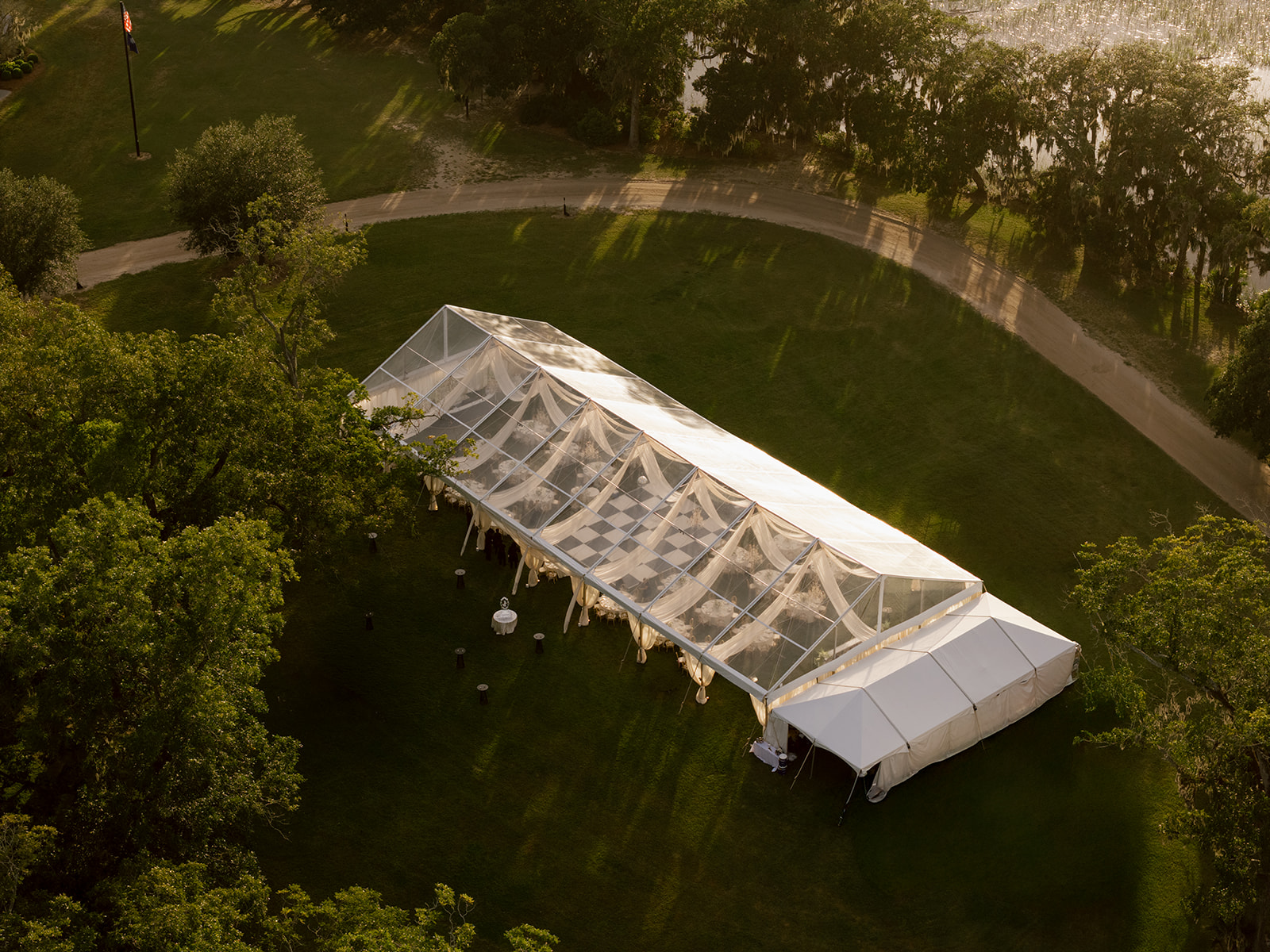
A tent rental does more than provide overhead coverage. It creates structure in an open setting, gives the event a clear footprint, and helps support a more polished guest experience. When planned correctly, the tent works with the venue, guest count, seating arrangement, service areas, and overall event style.
Curated Events Chesapeake helps clients think through tent rentals as part of a complete outdoor event plan. From the tent structure itself to the surrounding layout and supporting rentals, each decision should help the space feel comfortable, organized, and ready for the occasion.
Choosing the Right Tent Style for the Event Setting
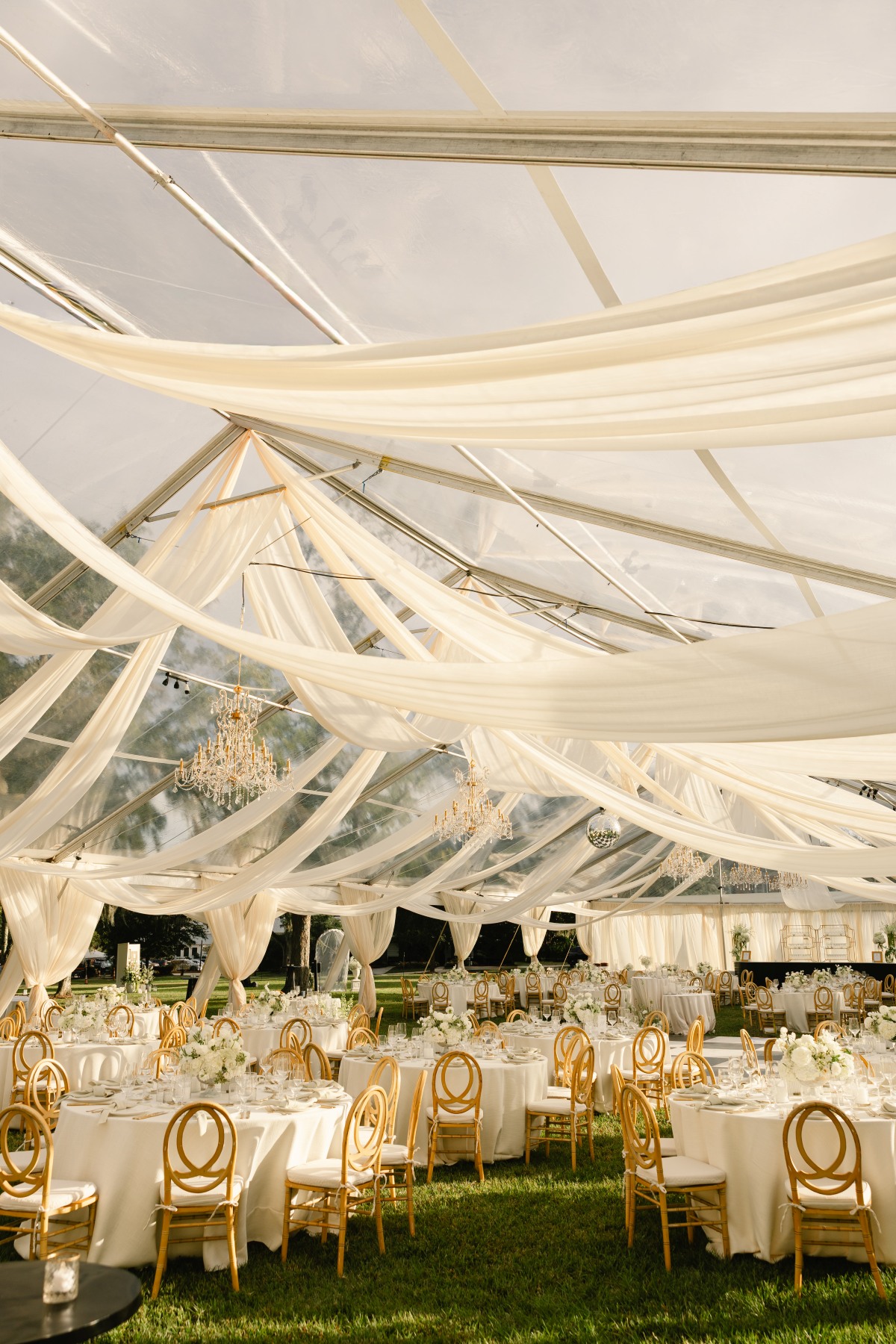
The right tent depends on the event setting, guest count, layout needs, and overall style. A corporate event may require a clean and functional layout, while a wedding may need a more design-focused structure. A private celebration may call for a tent that feels relaxed but still organized.
Instead of selecting a tent based only on appearance, clients should consider how the tent will interact with the venue and event flow.
Match the Tent to the Venue Layout
The venue layout should guide tent planning from the start. Lawns, patios, driveways, gardens, waterfront areas, and estate grounds may each require different placement considerations.
A tent on a wide lawn may allow for a more flexible layout. A tent near a building may need to account for entrances, walkways, restrooms, catering access, and nearby landscaping. A tent on a hard surface may involve different setup considerations than a tent on grass.
The goal is to place the tent where it supports the event naturally. Guests should be able to find it easily, enter comfortably, and move between key areas without confusion.
Consider the Event’s Formality and Design Style
The tone of the event should also influence tent planning. A formal wedding, corporate dinner, awards event, or fundraiser may require a more polished layout with clear dining areas, lighting plans, and refined rental selections. A casual outdoor celebration may need a simpler structure that still supports comfort and guest flow.
The tent should match the experience the host wants to create. For a formal event, the tent may function like an outdoor room, with a carefully planned floorplan and coordinated rental pieces. For a more relaxed gathering, it may provide a comfortable central area for dining, conversation, and hospitality.
In both cases, the tent should feel connected to the event purpose.
Think About Openness, Coverage, and Guest Flow
A tent’s layout affects how open or enclosed the event feels. Some events benefit from an open-air design that allows guests to enjoy the surrounding setting. Others may need more coverage or defined edges based on the venue, weather plan, or event format.
Entry points are also important. Guests should be able to move in and out of the tent easily. Service staff should have access to food and beverage areas without crossing through crowded guest spaces. If the event includes a program, presentation, or formal meal, the layout should support clear sightlines and smooth movement.
A well-planned tent should feel easy to navigate.
How to Plan Tent Size and Layout
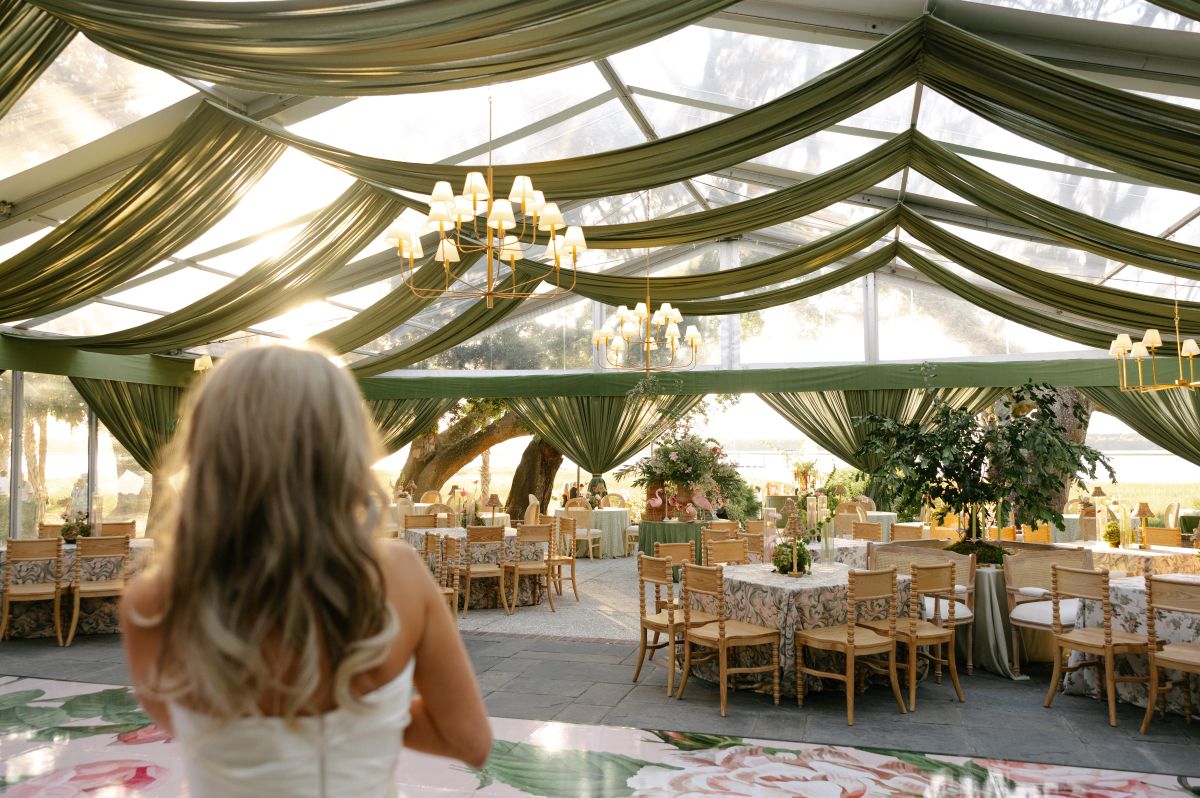
Tent size and layout should be planned together. A tent may technically fit the guest count, but if it does not leave room for tables, chairs, service areas, walkways, and event features, the space can feel crowded.
The best approach is to start with the event format, then build the tent layout around how the space will be used.
Start With Guest Count and Event Format
Guest count is one of the first details to confirm. A seated dinner, cocktail-style reception, ceremony, corporate program, or private gathering will each need a different amount of space.
A seated event requires room for tables, chairs, service access, and guest movement. A reception-style event may need more open space for standing, mingling, and moving between stations. A corporate event may need space for registration, presentations, dining, or breakout areas.
The tent should be sized around the full event experience, not just the number of people attending.
Account for Tables, Chairs, Bars, and Service Areas
When planning a tent, every major rental category should be considered. Dining tables, chairs, bars, buffet tables, registration tables, display areas, catering access, and staging or presentation areas all affect the layout.
A common mistake is focusing only on guest seating and forgetting the supporting spaces. Food service, beverage stations, guest check-in, and vendor access all need room. If these areas are squeezed into the tent after the seating plan is complete, the layout may feel cramped.
A stronger plan identifies these elements early and gives each one an appropriate place.
Leave Room for Movement and Comfort
Movement is essential inside a tent. Guests should be able to pull out chairs, walk to service areas, visit the bar, move between tables, and exit the tent without crowding.
Clear walkways help the event feel more comfortable and organized. They also support staff movement during food service, setup, and breakdown. The layout should avoid placing too many items along main paths or creating narrow areas where guests are likely to gather.
Comfort is not only about seating. It is also about how easily guests can move through the event.
Planning for Guest Comfort Under the Tent
A comfortable tented event depends on more than the tent itself. Placement, airflow, seating, spacing, and weather-conscious planning all affect the guest experience.
The goal is to create an environment where guests can settle in and enjoy the event without feeling crowded or disconnected from the setting.
Shade and Airflow Considerations
Tent placement can influence shade and airflow. In some settings, nearby trees, buildings, or natural features may affect how the tent feels throughout the event. Open sides may help maintain a more comfortable atmosphere, depending on the site and event plan.
The surrounding layout should also support airflow. Overcrowding the tent with too many tables, chairs, or décor pieces can make the space feel tight. Leaving appropriate room between tables and keeping entries clear can help the tent feel more open.
These details should be reviewed before the rental plan is finalized.
Seating and Table Spacing
Seating and table spacing are central to guest comfort. Tables should be arranged so guests have enough room to sit, move, and converse comfortably. Chairs should not block walkways or crowd service areas.
For formal events, table spacing also affects the quality of the dining experience. Guests should be able to move in and out of their seats without disrupting nearby tables. For social or corporate events, spacing should support conversation and circulation.
A tent layout should feel full, but not overloaded.
Weather-Conscious Event Planning
Outdoor events should always consider weather conditions. While no rental plan can control the weather, thoughtful planning can help the event feel more prepared.
Weather-conscious planning may include reviewing ground conditions, considering tent placement, discussing side coverage when appropriate, and planning how guests will move between parking, entrances, restrooms, and service areas.
The tent should be part of the broader event plan, not a standalone item. When weather considerations are addressed early, the event setup can be more practical and organized.
Pairing Tent Rentals With Essential Event Rentals
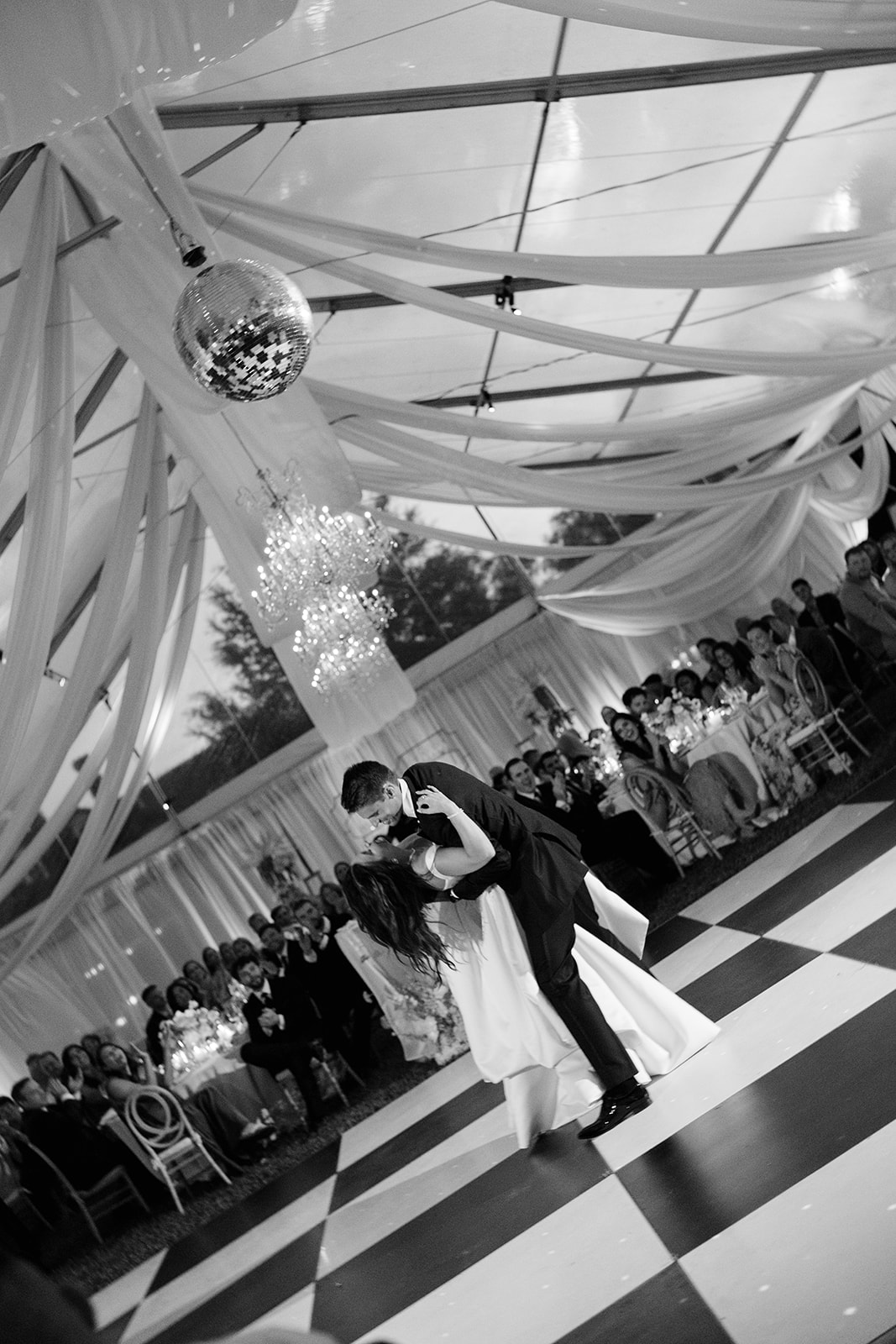
A tent creates the structure, but the supporting rentals make the space usable. Tables, chairs, lighting, linens, tabletop rentals, and décor elements all help transform the tent into a functional event environment.
This section should be planned carefully so the tent remains the focus. Supporting rentals should be selected based on how they improve the tent layout and guest experience.
Tables and Chairs for the Tent Layout
Tables and chairs determine how guests occupy the tent. Table shape, seating style, and chair selection all affect the amount of space needed and the overall appearance of the event.
Round tables can create a classic seated layout. Long tables can create a more dramatic or communal arrangement. Cocktail tables can support standing receptions, networking events, or casual gatherings.
Chair selection also matters. The chair style should fit the tone of the event while allowing the layout to remain comfortable and practical.
Linens and Tabletop Rentals for a Finished Design
Linens and tabletop rentals help complete the visual presentation inside the tent. Tablecloths, napkins, plates, glassware, and flatware can make a tented event feel more refined and intentional.
These details should support the overall look without overwhelming the tent design. For a formal event, a coordinated table design can elevate the entire setting. For a more relaxed event, simple and clean selections may be enough to make the space feel finished.
The key is coordination. The tent, tables, seating, and tabletop pieces should work together rather than feeling like separate decisions.
Lighting, Lounge Furniture, and Décor Accents
Lighting is important for tented events, especially when the event continues into the evening. It can help define the mood, improve visibility, and highlight important areas within the tent.
Lounge furniture may be used near or inside the tent to create comfortable gathering spaces. Décor accents can help soften the structure and connect the tent to the event theme or venue setting.
These elements should be used with purpose. The goal is not to fill the tent with unnecessary pieces, but to create a space that feels complete and easy for guests to enjoy.
Creating a Strong Layout for Different Event Types
Different events use tented spaces in different ways. A wedding reception, corporate program, and private celebration may all need tents, but the layout priorities will not be the same.
Planning around the event type helps ensure that the tent supports the purpose of the gathering.
Tent Layouts for Weddings
For weddings, tent layouts often need to support dining, guest flow, a couple’s focal table, entertainment, bars, and space for key reception moments. The tent may also need to connect with nearby ceremony, cocktail hour, or lounge areas.
A strong wedding tent layout should feel elegant without becoming difficult to navigate. Guest tables, service areas, and focal points should be placed in a way that supports the natural rhythm of the reception.
The tent should also fit the couple’s design direction. The structure, lighting, tables, seating, and décor should feel connected.
Tent Layouts for Corporate Events
Corporate events often need layouts that support clarity and professionalism. A tent may include registration tables, presentation areas, dining tables, networking spaces, hospitality stations, or branded display areas.
The layout should make it easy for guests to understand where to check in, where to gather, and where the main program will happen. For guest-facing business events, the tent should look organized and polished from the entrance onward.
A clean layout can improve both the guest experience and the overall impression of the event.
Tent Layouts for Social and Private Events
Private gatherings and social celebrations may have more flexible layouts, but they still need structure. A tent can create a central gathering space for outdoor dinners, milestone celebrations, family events, and private parties.
These layouts may prioritize comfort, conversation, and easy access to food and beverage areas. Seating can be more relaxed, but there should still be enough structure for guests to know where to gather and move.
A tent helps make the event feel hosted rather than improvised.
Site Details to Review Before Finalizing a Tent Rental
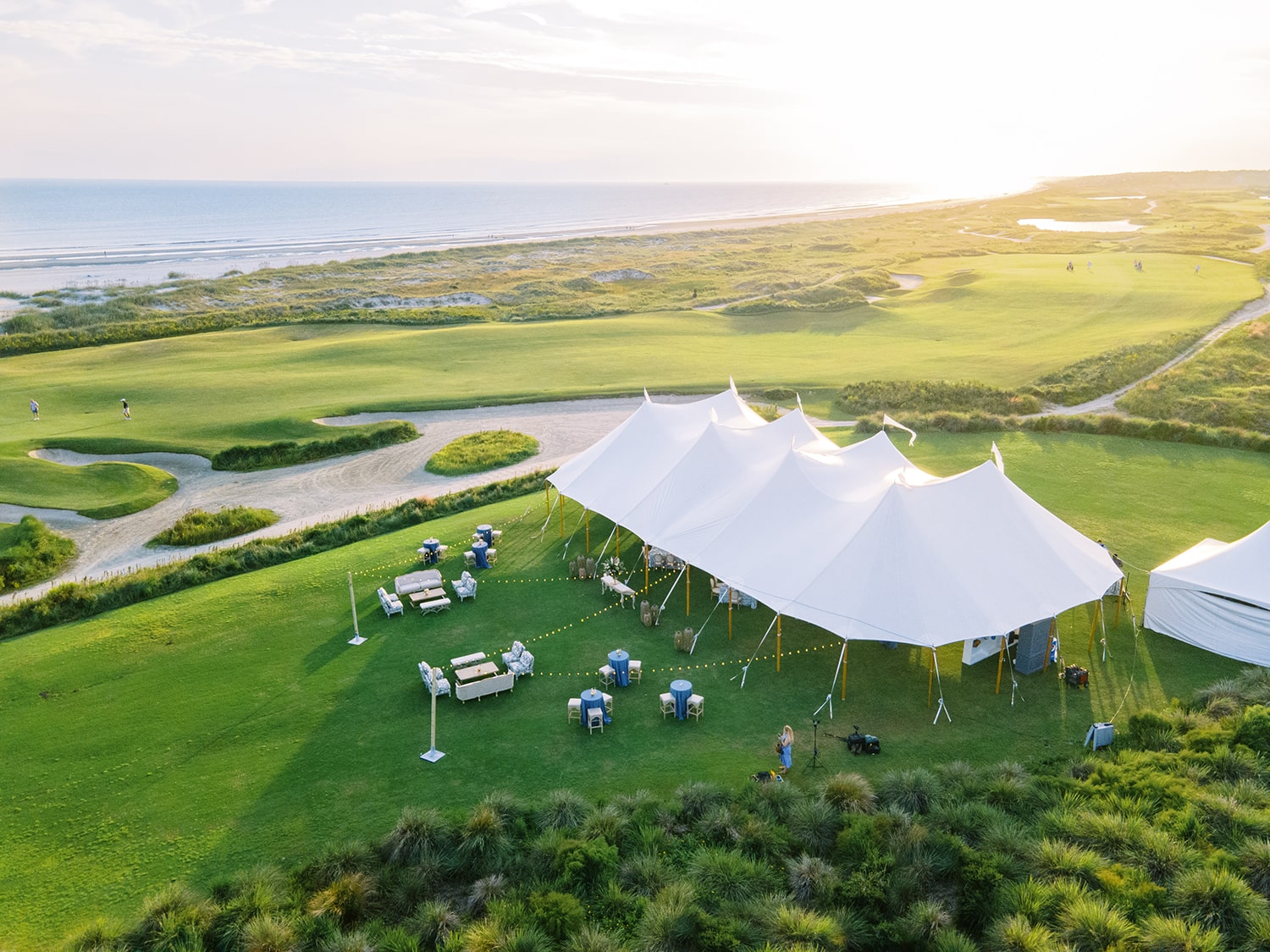
Before finalizing a tent rental, the event site should be reviewed carefully. The location affects placement, access, setup, layout, and guest movement.
These details are practical, but they can have a major effect on how smoothly the event comes together.
Surface Type and Ground Conditions
The surface where the tent will be placed matters. Grass, pavement, patios, gravel, and uneven ground may each require different planning considerations.
The area should be reviewed for levelness, firmness, drainage, and space. If the ground is uneven or access is limited, the rental plan may need adjustment. Surface conditions can also affect how tables, chairs, and other rentals are arranged inside the tent.
Understanding the site early helps reduce layout issues later.
Access for Delivery and Setup
Tent rentals require delivery and setup access. Gates, driveways, parking areas, stairs, walkways, and distance from the unloading area can all affect logistics.
If the tent will be installed at a private residence or outdoor venue, access should be discussed early. The rental team needs to know how equipment will reach the setup location and whether there are any obstacles that may affect installation or pickup.
Clear access planning supports a more efficient setup process.
Nearby Features and Event Flow
Nearby features can influence tent placement. Trees, buildings, landscaping, walkways, water views, restrooms, catering areas, and power access may all affect the final layout.
For example, a tent may need to be positioned to preserve a scenic view, create a shorter path to restrooms, or keep service areas accessible. The best tent placement balances appearance, guest convenience, and vendor logistics.
The tent should feel naturally connected to the rest of the site.
Building a Tent Rental Wishlist Before Requesting a Quote
A tent rental wishlist helps organize the event details before contacting Curated Events Chesapeake. It gives the rental team a clearer understanding of the event size, location, style, and rental needs.
The wishlist does not need to be final. It should provide enough information to begin a productive conversation.
Event Details to Gather First
Before requesting a quote, gather the event date, location, guest count, event type, and general timeline. It is also helpful to know whether the event will include dining, a program, entertainment, food service, or guest check-in.
The venue setting should also be described. A tent on a lawn, patio, driveway, waterfront space, or private estate may require different planning considerations.
The more complete the event details are, the easier it is to recommend a tent and supporting rentals.
Rental Categories to Include With the Tent
In addition to the tent, the rental wishlist may include tables, chairs, linens, tabletop rentals, lighting, lounge furniture, bars, dance floors, catering rental equipment, and décor accessories. These supporting pieces should be included only when they serve the event layout.
Thinking through these categories early helps prevent missing important rental needs. It also allows the tent layout to be planned around the full event setup rather than adjusted later.
A complete wishlist helps create a more cohesive rental plan.
Why Early Planning Supports Better Coordination
Early tent planning gives clients more time to review the layout, confirm guest count, coordinate supporting rentals, and adjust the plan as event details become clearer.
It also allows the tent to be considered as part of the full event environment. Instead of choosing a tent first and fitting everything else around it, clients can build a layout that reflects the entire guest experience.
This approach supports better coordination from the initial rental conversation through event setup.
How Curated Events Chesapeake Supports Tent Rental Planning
Curated Events Chesapeake helps clients plan tent rentals with attention to layout, style, guest comfort, and supporting event needs. The team can assist with rental guidance while keeping the tent connected to the broader event plan.
This support is especially helpful for outdoor events where the tent shapes much of the guest experience.
Rental Guidance for Tent Size, Layout, and Style
Choosing a tent involves more than selecting a size. The event type, guest count, venue setting, seating arrangement, and supporting rentals all influence the decision.
Curated Events Chesapeake can help clients think through these factors and identify tent rental options that fit the event’s practical needs and overall style. This guidance helps make the tent feel integrated into the event rather than simply placed over it.
Coordination With Supporting Event Rentals
A tent works best when it is planned alongside the rentals that will go inside and around it. Tables, chairs, linens, lighting, tabletop pieces, lounge furniture, dance floors, bars, and décor can all affect the tent layout.
Curated Events Chesapeake can help clients consider how these elements work together. This makes the final setup feel more coordinated and functional.
The goal is to create a tented environment that supports the event from both a guest experience and design perspective.
Delivery, Setup, and Pickup Support
Delivery, setup, and pickup are important parts of the tent rental process. Outdoor events require careful coordination around access, placement, timing, and site conditions.
Curated Events Chesapeake provides rental logistics support so the tent and related rental items can be prepared as part of the event plan. This support helps clients and planners focus on the event itself while the rental details are handled through a coordinated process.
Frequently Asked Questions
What size tent do I need for an outdoor event?
The right tent size depends on guest count, event format, seating style, dining needs, entertainment plans, bars, service areas, and the amount of open space needed for movement. A seated dinner usually requires a different layout than a reception-style gathering or corporate program.
Can tents be used for both weddings and corporate events?
Yes. Tent rentals can support weddings, corporate events, fundraisers, social gatherings, private dinners, and outdoor celebrations. The layout, rental selections, and design details should be adjusted based on the purpose and formality of the event.
What rentals should I pair with a tent?
Common supporting rentals include tables, chairs, linens, tabletop rentals, lighting, lounge furniture, bars, dance floors, catering rental equipment, and décor accents. The exact list depends on the event format and how the tent will be used.
What site details matter before renting a tent?
Important site details include surface type, ground conditions, access for delivery and setup, nearby buildings, landscaping, walkways, restrooms, catering areas, and guest flow. These details can affect tent placement and layout planning.
How early should I start planning a tent rental?
It is best to begin tent rental planning early so there is time to review the event layout, confirm supporting rentals, evaluate site details, and adjust the plan as the guest count and event timeline develop.
Conclusion
Tent rentals help shape the comfort, structure, and design of Chesapeake outdoor events. The right tent can define the event space, support guest flow, and create a polished environment for weddings, corporate events, social gatherings, and private celebrations.
A strong tent rental plan should consider more than overhead coverage. Guest count, event format, venue layout, surface conditions, delivery access, seating, service areas, and supporting rentals all influence how the tent will function.
Curated Events Chesapeake can help clients build a tent rental plan that supports the full outdoor event experience. With thoughtful planning, the tent becomes more than a practical rental item. It becomes the foundation for a comfortable, organized, and well-designed event.