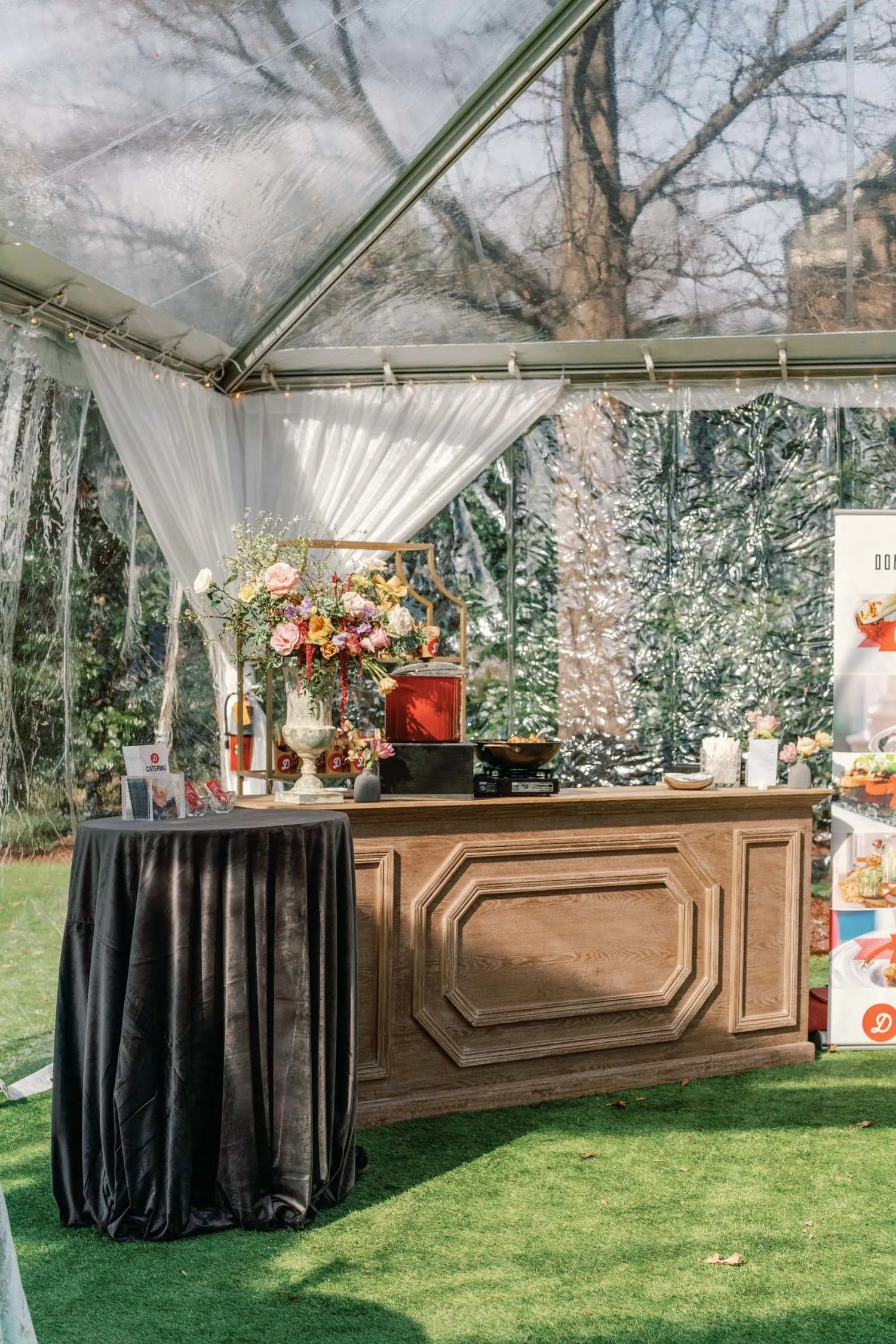
The most effective event rental shade solutions for Nashville summer events combine tents, umbrellas, and cooling elements to create a comfortable and well-balanced outdoor environment. Each option serves a specific purpose, from providing large-scale coverage to adding flexible shade in smaller areas. In Nashville’s summer heat, relying on a single solution is often not enough. A layered approach helps maintain comfort and ensures guests can fully enjoy the event.
Whether you are planning a wedding, corporate gathering, or private celebration, shade should be considered early in the planning process. It influences where guests gather, how long they stay, and how the overall space functions. Thoughtful placement of shade structures can improve both the visual layout and the guest experience.
This guide outlines the most effective shade solutions for Nashville summer events and explains how to combine them to create a cohesive, comfortable setup that works throughout the day.
Why Shade Solutions Are Essential for Nashville Summer Events
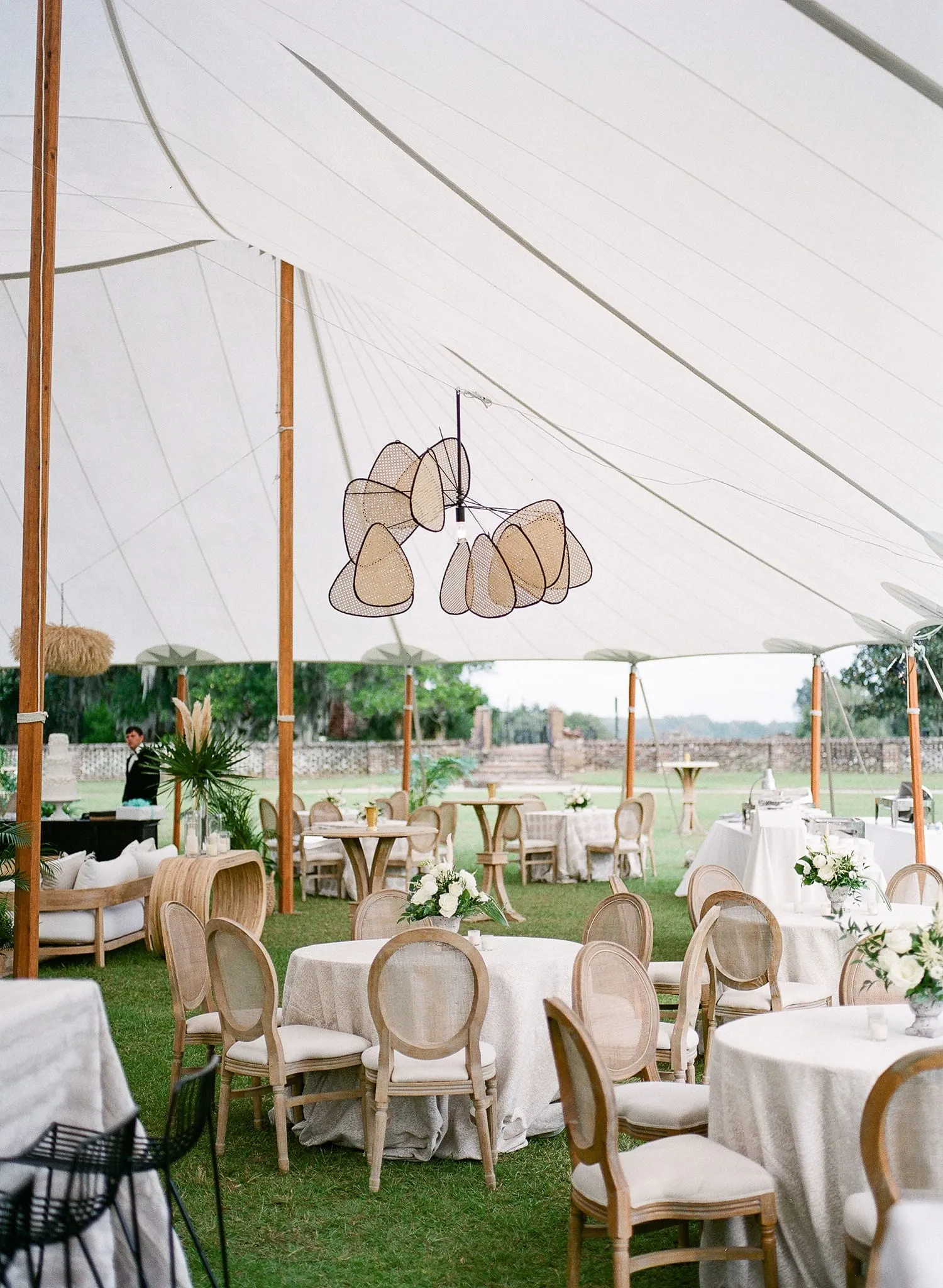
Shade is a fundamental component of outdoor event planning in Nashville, especially during the summer months when heat and sun exposure can affect both comfort and participation. Without adequate shade, guests may avoid certain areas, shorten their stay, or feel less engaged with the event. Planning for shade ensures that the space remains usable and inviting from start to finish.
Impact of Heat on Guest Comfort and Event Experience
High temperatures can quickly reduce guest comfort, particularly during daytime events. When guests are exposed to direct sunlight for extended periods, it can affect their ability to relax, socialize, and participate. Providing shaded areas helps regulate temperature and creates a more enjoyable environment.
Shade as a Core Planning Element, Not an Add-On
Shade should be integrated into the initial event layout rather than added later. Early planning allows for better placement of tents, umbrellas, and seating areas, ensuring that all key zones are covered. This approach also helps coordinate with other elements such as catering, staging, and guest flow.
How Shade Influences Event Flow and Usability
The placement of shade structures directly affects how guests move through the event space. Shaded areas naturally attract guests, making them ideal for seating, dining, and social interaction. By positioning shade strategically, you can guide movement, reduce congestion, and create a more balanced and functional layout.
Types of Event Rental Shade Solutions Available
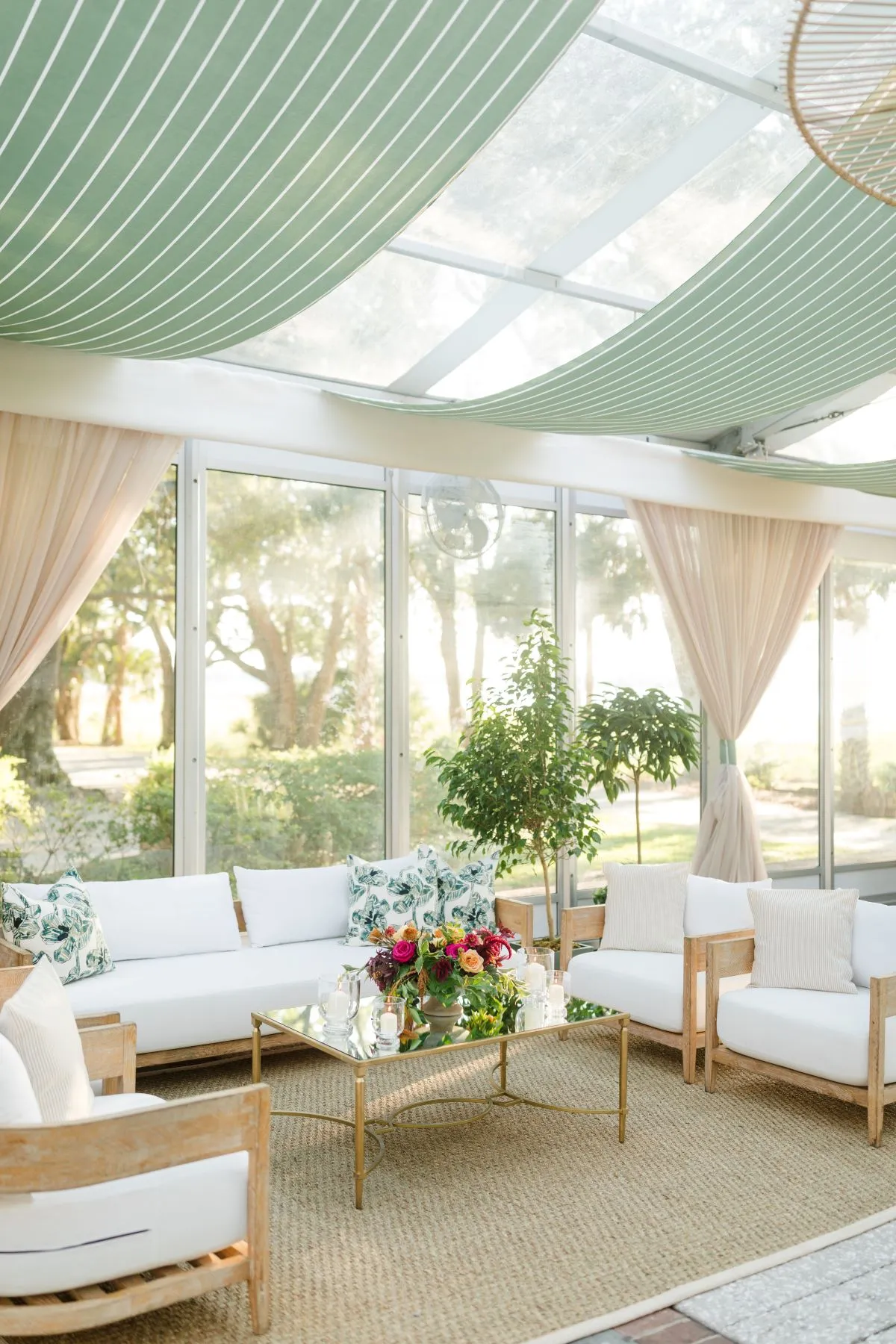
Creating effective shade for a summer event requires understanding the different types of rental options and how they function together. Each category serves a distinct role, and combining them allows you to build a more flexible and complete solution. In Nashville’s outdoor settings, using a mix of structures helps ensure consistent comfort throughout the event.
Tent-Based Shade Structures
Tents provide the primary source of shade for most events. They offer large, continuous coverage and help define key areas such as dining, seating, or presentation spaces. Because they create a structured environment, tents are often the foundation of a shade plan and can be adapted with sidewalls or ventilation features depending on conditions.
Umbrella-Based Flexible Shade
Umbrellas offer a more adaptable form of shade that can be placed throughout the event space. They are especially useful for smaller zones such as cocktail tables, lounge seating, or vendor areas. Their flexibility allows for adjustments as the sun moves, making them a practical complement to larger structures.
Integrated Cooling Enhancements
Cooling elements such as fans or misting systems are often used alongside shade structures to improve comfort. While shade reduces direct sun exposure, these additions help regulate temperature within covered areas. Integrating cooling solutions ensures that shaded spaces remain comfortable even during peak heat.
Tent Options for Effective Shade Coverage
Tents are one of the most reliable ways to provide shade at outdoor events. They not only protect guests from direct sunlight but also help organize the event space. Selecting the right type and size of tent ensures that coverage is both functional and visually aligned with the event.
Frame Tents for Versatile Coverage
Frame tents are a flexible option that can be installed on a variety of surfaces, including grass, pavement, and concrete. Their open interior allows for adaptable layouts, making them suitable for different event formats. This versatility makes them a strong choice for events that require both coverage and layout flexibility.
High Peak Tents for Elevated Design
High peak tents combine functionality with visual appeal. Their elevated structure creates a more refined look while also allowing for improved airflow. These tents are often used for events where both aesthetics and comfort are priorities.
Clear-Top Tents With Shade Considerations
Clear-top tents allow natural light to enter the space while still providing a level of coverage. They are well suited for daytime events that benefit from an open, bright atmosphere. However, because they can increase heat exposure, they are most effective when paired with additional shade or cooling elements.
Choosing Tent Size Based on Event Needs
Selecting the appropriate tent size depends on guest count, layout, and how the space will be used. Larger events may require multiple tents to create separate zones, while smaller gatherings can be accommodated with a single structure. Planning for circulation, seating, and service areas helps ensure that the tent provides adequate coverage without feeling crowded.
Using Umbrellas to Create Flexible Shade Zones
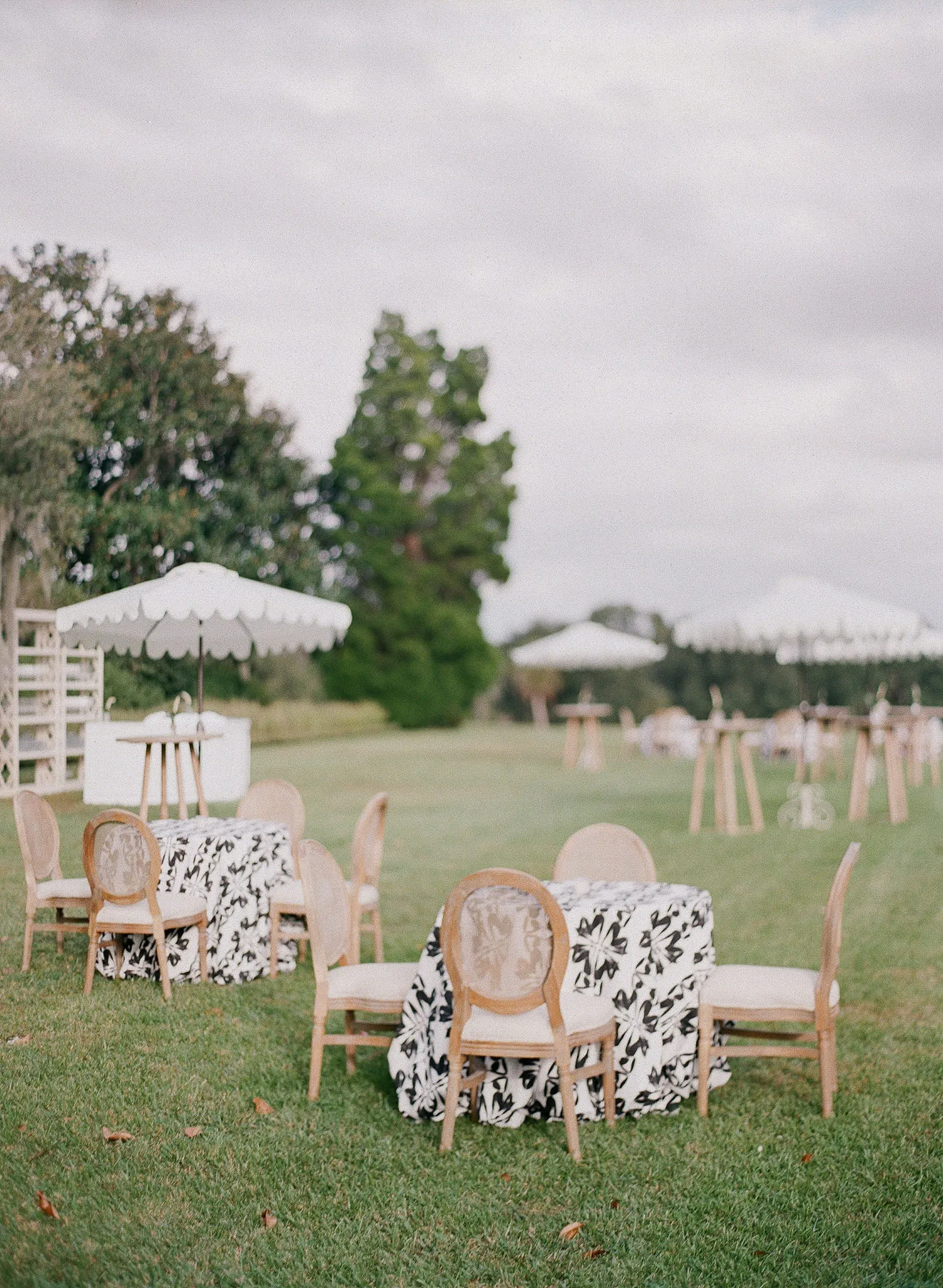
Umbrellas are an effective way to extend shade beyond primary tented areas. They provide targeted coverage in smaller zones and allow for greater flexibility in how shade is distributed across the event space. In Nashville summer events, umbrellas help fill gaps where full structures may not be practical.
Types of Umbrellas for Event Use
Different umbrella styles offer varying levels of coverage and functionality. Market umbrellas provide broad overhead shade for dining areas, while cantilever umbrellas allow for unobstructed space beneath. Freestanding options can be placed throughout the venue to support different layouts.
Where Umbrellas Work Best
Umbrellas are particularly useful in areas where guests gather informally. Cocktail tables, lounge seating, and food stations all benefit from localized shade. These placements help ensure that guests remain comfortable even when moving between larger covered areas.
Advantages of Modular Shade Placement
One of the main benefits of umbrellas is their adaptability. They can be repositioned as needed to respond to changing sunlight conditions throughout the day. This flexibility makes them an important component of a layered shade strategy.
Combining Shade and Cooling for Maximum Comfort
While shade reduces direct sun exposure, it does not always fully address heat. Combining shade structures with cooling solutions creates a more effective environment, especially during peak summer temperatures in Nashville. This integrated approach helps maintain comfort across the entire event space.
Role of Fans in Air Circulation
Fans improve airflow within shaded areas, preventing heat from becoming trapped under tents or structures. By promoting air movement, they help create a more comfortable environment for guests, particularly in enclosed or high-traffic areas.
Misting Systems for High-Heat Conditions
Misting systems provide additional cooling by releasing a fine spray that lowers the surrounding temperature. They are most effective in open or semi-covered spaces where airflow can distribute the cooling effect evenly.
Portable Cooling Solutions for Larger Events
For larger events or areas with higher heat exposure, portable cooling units can provide more controlled temperature management. These systems are often used in combination with tents to create designated comfort zones.
Layering Shade and Cooling Together
The most effective setups combine multiple elements. Tents provide broad coverage, umbrellas offer flexibility, and cooling systems regulate temperature within those spaces. By layering these solutions, event planners can create an environment that remains comfortable throughout the day.
How to Plan a Shade Layout for Your Event
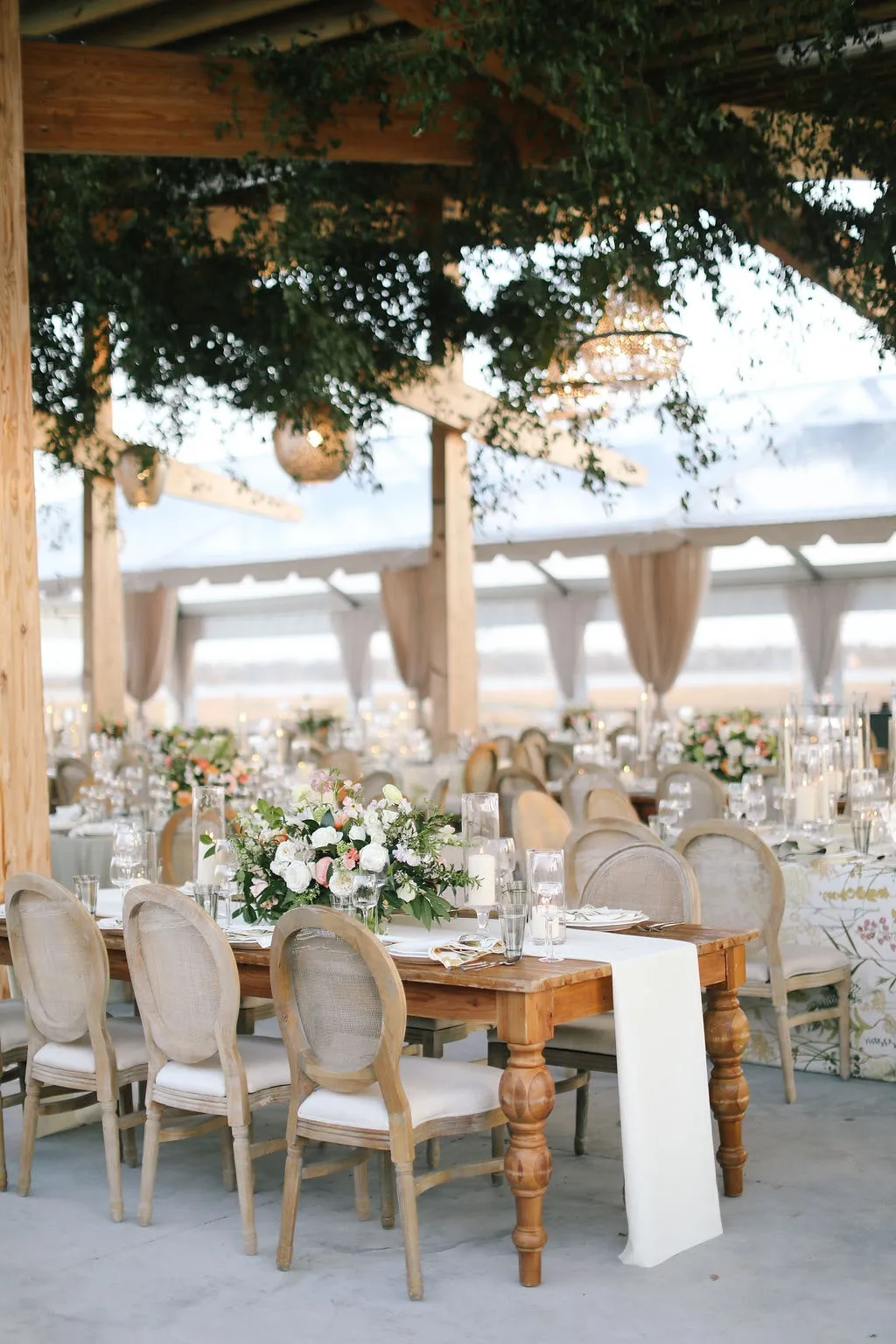
Planning a shade layout requires a structured approach that considers both environmental conditions and how the event will function. In Nashville’s summer climate, shade placement should be intentional, ensuring that key areas remain comfortable while maintaining a cohesive and open event design.
Mapping Sun Exposure Throughout the Day
Understanding how sunlight moves across the venue is essential. Areas that are shaded in the morning may be fully exposed in the afternoon. Mapping sun exposure in advance helps determine where tents and umbrellas should be placed to maintain consistent coverage throughout the event.
Creating Shaded Zones for Key Activities
Different areas of the event require different levels of shade. Dining spaces, seating areas, and waiting zones should be prioritized for coverage, as guests spend more time in these locations. Providing shade in these zones improves comfort and encourages guests to stay engaged.
Maintaining Flow and Accessibility
Shade structures should enhance the layout without obstructing movement. Pathways between areas should remain clear, and entrances to tents or seating zones should be easily accessible. Proper spacing ensures that guests can move comfortably throughout the event.
Balancing Coverage With Open Space
While shade is important, it should not overwhelm the event space. Leaving some areas open helps maintain a sense of balance and prevents the layout from feeling enclosed. A mix of shaded and open zones creates a more dynamic and visually appealing environment.
Shade Solutions by Event Type
Different types of events require different shade strategies. Tailoring your approach based on the event format helps ensure that both comfort and functionality are addressed effectively.
Best Shade Setups for Weddings
Weddings often benefit from a combination of tents and umbrellas. Tents can define key areas such as dining or ceremonies, while umbrellas add flexibility in lounge or cocktail spaces. This layered approach supports both aesthetics and guest comfort.
Best Shade Solutions for Corporate Events
Corporate events typically require more structured layouts. Larger tents can be used for presentations and networking areas, while additional shade elements support breakout zones and informal gathering spaces. Clear organization helps maintain a professional atmosphere.
Best Shade Approaches for Private Parties
Private parties allow for more relaxed and flexible shade setups. A mix of smaller tents and umbrellas can create comfortable pockets throughout the space, encouraging guests to move and interact freely.
Best Shade Strategies for Large Outdoor Events
Large-scale events often require multiple shade structures working together. Using several tents combined with strategically placed umbrellas ensures that coverage is distributed evenly across the venue. This approach helps manage larger crowds while maintaining comfort in all areas.
Design Considerations for Shade Structures
Shade solutions should not only provide comfort but also contribute to the overall visual identity of the event. When integrated thoughtfully, tents and umbrellas become part of the design rather than purely functional elements. In Nashville summer events, where outdoor aesthetics play a key role, aligning shade with the event’s style enhances the overall experience.
Coordinating Shade With Event Design
Selecting fabrics, colors, and finishes that complement the event’s theme helps create a cohesive look. Neutral tones can create a refined atmosphere, while bolder choices can add visual interest. Matching shade elements with linens, furniture, and décor ensures consistency across the space.
Creating Inviting Shaded Spaces
Shaded areas should feel comfortable and intentional rather than purely functional. Adding seating, lighting, and soft design elements within these zones encourages guests to gather and spend time there. Well-designed shaded spaces become natural focal points for interaction.
Using Shade to Define Event Areas
Shade structures can help visually separate different parts of the event. Tents can anchor main areas such as dining or presentations, while umbrellas can define smaller zones like lounges or cocktail spaces. This layered approach helps organize the layout while maintaining an open and cohesive feel.
Pricing and Rental Considerations for Shade Solutions
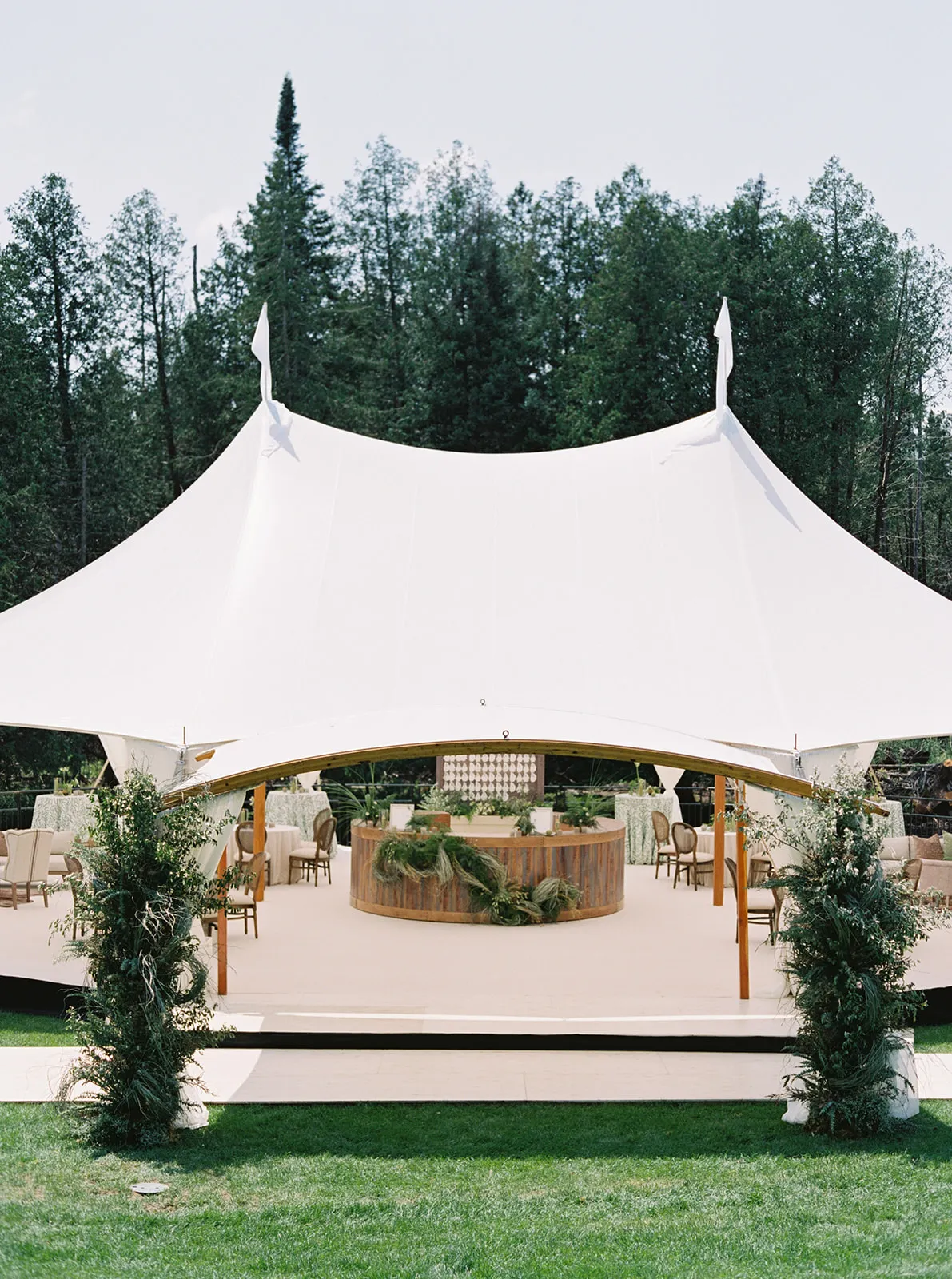
Understanding the cost and logistics of shade rentals helps ensure that your plan is both effective and practical. Pricing can vary depending on the scale of coverage, the types of structures used, and the complexity of installation.
What Affects Shade Rental Costs
Costs are typically influenced by the size and number of tents, the quantity of umbrellas, and any additional cooling equipment. Larger events or those requiring multiple structures will generally have higher rental and setup costs.
Setup and Installation Factors
Installation requirements can affect both cost and planning. Factors such as surface type, access to the site, and the complexity of the layout all play a role. Planning for these elements early helps avoid delays and ensures a smoother setup process.
When to Book Shade Rentals in Nashville
Securing shade rentals early is essential for summer events in Nashville, where demand for tents and related equipment increases significantly. Early booking not only ensures availability but also allows time to refine layout plans and coordinate with other vendors.
Recommended Booking Timeline
For most summer events, shade rentals should be booked at least six to ten weeks in advance. Larger events or those requiring multiple structures may benefit from even earlier planning to secure preferred options.
Peak Summer Demand Considerations
Nashville’s event season is highly active during the summer months, with weddings, corporate events, and festivals competing for the same inventory. Booking early reduces the risk of limited availability and last-minute compromises.
Coordinating With Other Event Rentals
Shade planning should align with other elements such as seating, catering, and layout design. Coordinating timelines ensures that tents, umbrellas, and cooling equipment integrate seamlessly into the overall setup.
Why Work With a Nashville Event Rental Company
Partnering with a professional rental company simplifies the process of planning and executing shade solutions. In Nashville’s summer conditions, working with an experienced provider helps ensure that all elements are properly selected, placed, and installed.
Benefits of Professional Shade Planning
A rental provider can assess your venue and recommend the most effective combination of shade solutions. This guidance helps optimize coverage while maintaining a balanced and functional layout.
Local Expertise for Summer Conditions
Local companies understand Nashville’s climate, venue types, and seasonal challenges. Their experience allows them to anticipate issues and suggest practical solutions that improve comfort and efficiency.
How Curated Events Supports Shade Solutions
Curated Events offers a range of shade and comfort solutions designed to work together seamlessly. Their team provides planning support, helping to align tents, umbrellas, and cooling elements with your event layout and design. This integrated approach ensures a cohesive and comfortable environment for guests.
Frequently Asked Questions
What is the best way to create shade for outdoor events?
A combination of tents, umbrellas, and cooling elements provides the most effective shade. This layered approach ensures both coverage and comfort.
How much tent coverage do I need for my event?
Coverage depends on guest count, layout, and event type. Key areas such as seating and dining should be prioritized when determining tent size.
Are umbrellas effective for large events?
Umbrellas are most effective when used alongside tents. They provide additional shade in smaller areas and help fill gaps in coverage.
Do I need cooling equipment along with shade?
In most Nashville summer events, cooling equipment such as fans or misting systems is recommended to maintain comfort within shaded areas.
How do I plan shade for different times of day?
Mapping the sun’s movement helps determine where shade is needed throughout the event. Flexible solutions like umbrellas can adjust as conditions change.
How far in advance should I book shade rentals?
It is best to book at least six to ten weeks in advance, especially during peak summer months.
Can shade structures be customized to match event design?
Yes, many shade options can be selected to align with the event’s color scheme and overall aesthetic.
What happens if weather conditions change?
Having a contingency plan, such as additional coverage or flexible layouts, helps ensure the event can adapt to changing weather conditions.
Conclusion
Effective shade solutions are essential for creating a comfortable and functional outdoor event in Nashville’s summer climate. By combining tents, umbrellas, and cooling elements, you can build a layered approach that supports both guest comfort and overall event design.
Planning ahead and working with the right rental partner ensures that shade is integrated seamlessly into your layout. With thoughtful placement and the right combination of solutions, you can create an environment where guests remain engaged and comfortable throughout the event.