
A summer table setting is shaped by more than the table itself. Linens create the foundation for the entire tablescape, influencing color, texture, formality, and the way each place setting feels. Whether the event is a wedding, private dinner, corporate luncheon, outdoor celebration, or social gathering, the right linen choices can make the table feel polished without overcomplicating the design.
For Chesapeake events, linens should support the full mood of the occasion. A soft neutral tablecloth can create an elegant base. A textured runner can add movement. A colored napkin can bring personality to each place setting. Specialty linen details, such as skirting, cuffs, sashes, or tailored linens, can help finish secondary tables and focal areas without overwhelming the design.
Curated Events Chesapeake offers linen rentals for a range of event styles, including table linens, napkins, runners, skirting, cuffs, drapes, sashes, and tailored linen options. This guide focuses on how to use those linen elements intentionally to create summer table settings that feel cohesive, refined, and event-ready.
Start With the Mood of the Tablescape
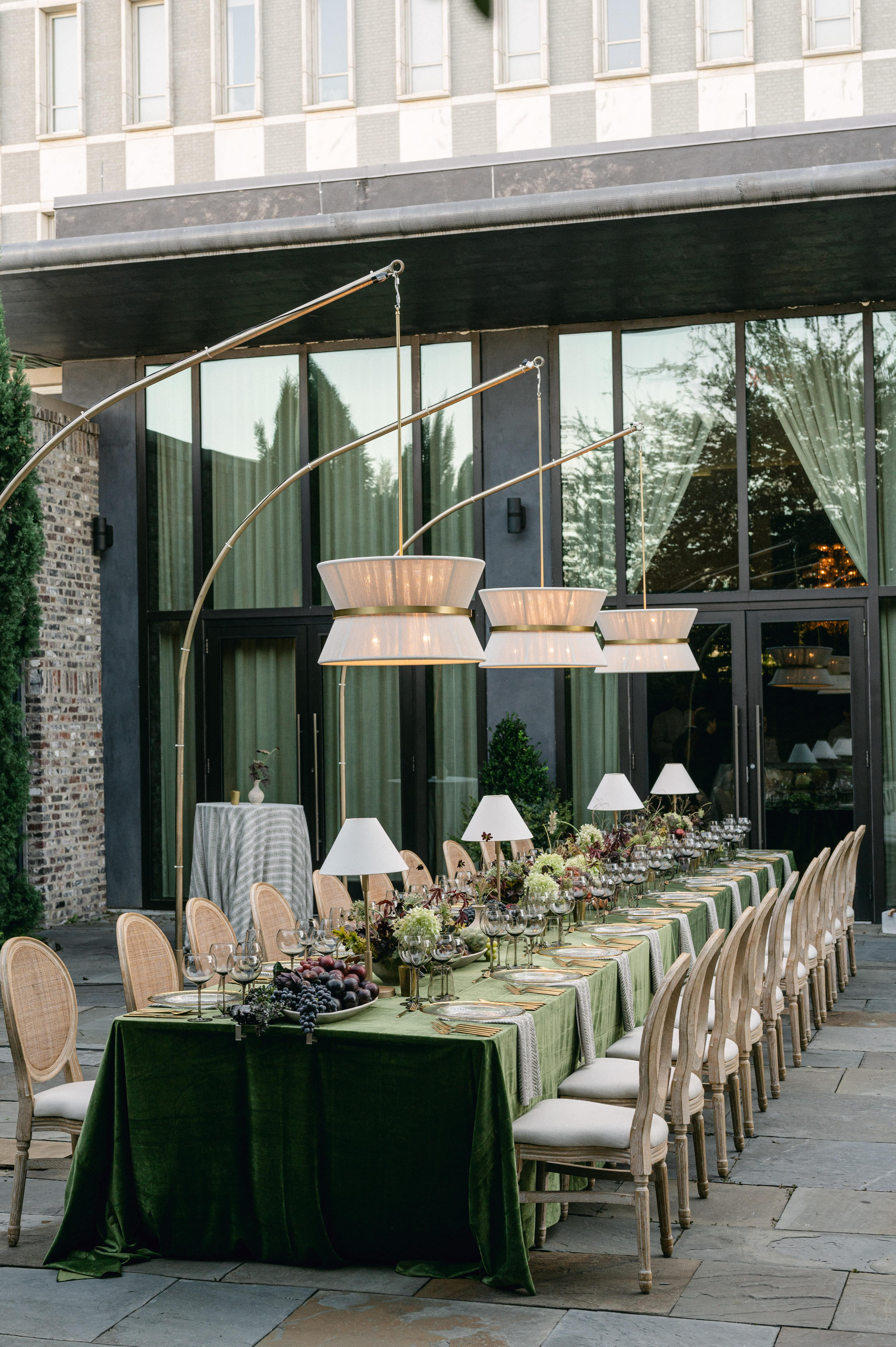
Before choosing colors, fabrics, or linen layers, define how the table should feel. Linens should support the event’s tone from the beginning. A romantic wedding tablescape needs a different linen approach than a modern corporate luncheon, coastal-inspired dinner, or formal evening reception.
The mood of the table should guide every textile decision. Color, texture, drape, pattern, and napkin styling all contribute to the final impression. When the mood is clear, it becomes easier to choose linens that work together instead of competing for attention.
Soft and Romantic Table Settings
Soft and romantic table settings often begin with gentle colors, fluid textures, and understated layering. Ivory, blush, champagne, pale blue, soft gray, and muted neutrals can all create a delicate foundation for summer events.
For weddings, bridal showers, rehearsal dinners, or intimate outdoor meals, a romantic table may include a full-length linen, a sheer or textured runner, and napkins in a complementary tone. The goal is to create softness without making the table feel overly decorative.
Linen movement matters here. A fabric with a graceful drape can make the table feel more relaxed and elegant, especially when paired with simple place settings and low floral arrangements.
Clean and Modern Table Settings
Clean and modern table settings rely on restraint. Instead of using many colors or heavy layering, this style works best with crisp linens, tailored shapes, and a focused palette.
White, ivory, black, taupe, stone, or soft gray linens can create a strong modern base. Napkins may be folded simply or placed cleanly across the plate. A runner can be used, but it should feel intentional rather than decorative for its own sake.
This approach works well for corporate events, modern weddings, editorial-style receptions, and private dinners where the table should feel sharp, organized, and uncluttered.
Natural and Coastal Table Settings
A natural or coastal-inspired table setting works well for Chesapeake events that lean relaxed, outdoor, or waterfront-inspired. The linen palette may include sand, ivory, soft blue, sage, pale green, washed gray, or warm neutral tones.
Texture is especially important in this style. A linen with subtle weave, a relaxed napkin fold, or a runner with gentle movement can add depth without making the table feel overly themed. The goal is not to make the setting look literal or nautical, but to create a calm, natural palette that suits the event setting.
This look pairs well with understated tabletop pieces, simple florals, and organic materials.
Formal and Polished Table Settings
Formal table settings often call for more structure. Full-length linens, richer textures, precise napkin folds, and coordinated tabletop details can help create a more elevated look.
For formal weddings, galas, corporate dinners, and evening events, linens should feel finished from every angle. A full tablecloth can conceal the table base and create a clean visual line. A structured napkin fold can add refinement to each place setting. A subtle runner or overlay can introduce texture without distracting from the overall design.
The key is control. Formal linen styling should feel layered but never crowded.
Choose the Linen Foundation First
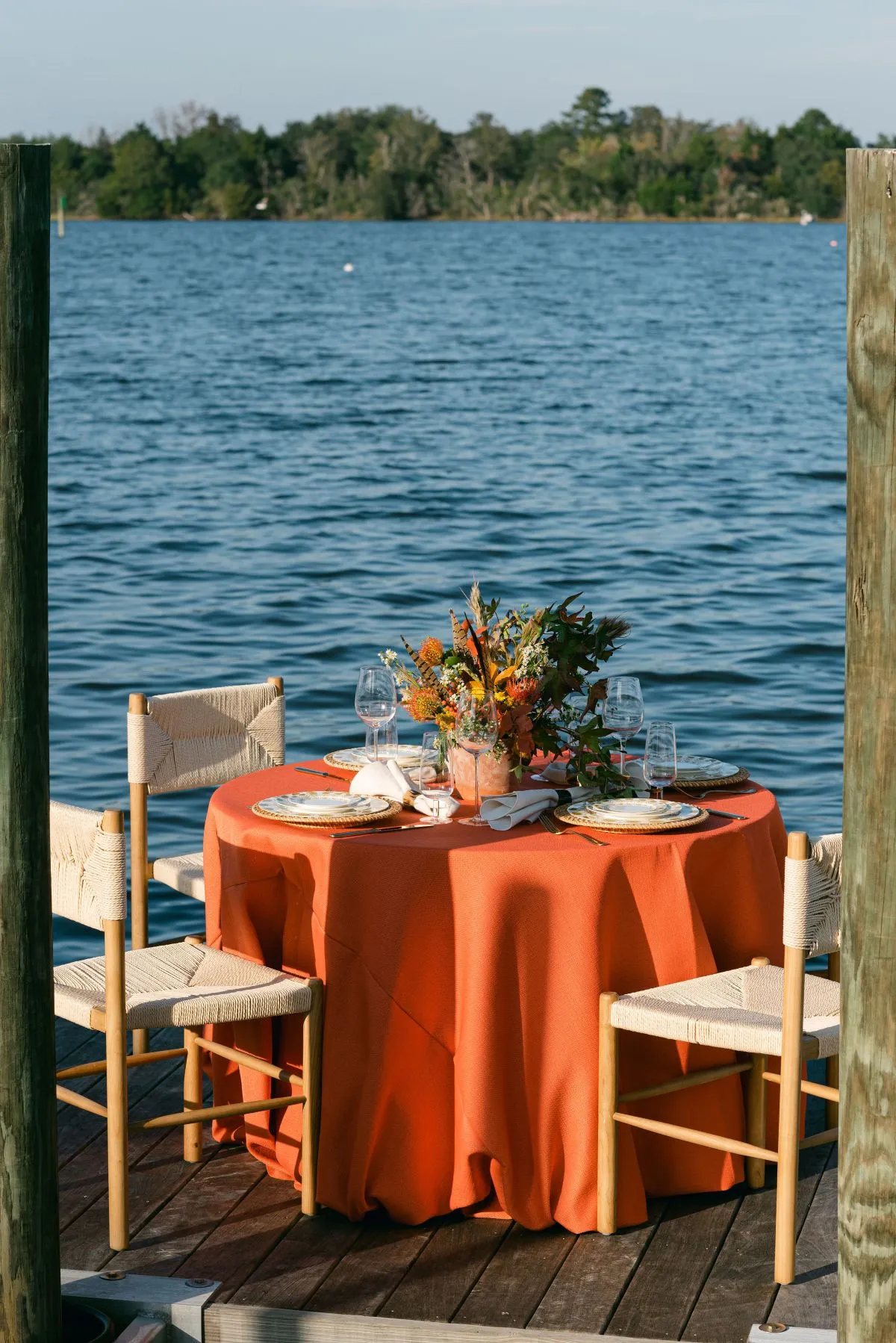
The base linen is the first major decision in a table setting. It determines the visual weight of the table, sets the color foundation, and influences how the rest of the tabletop details appear.
Before selecting napkins, runners, or specialty accents, decide what the main linen layer needs to accomplish. It may need to soften the room, create formality, show off the table surface, add texture, or define a specific table as a focal point.
Full-Length Linens for a Finished Look
Full-length linens create a complete and polished table presentation. They are especially useful for weddings, formal dinners, corporate events, and any setting where the table should feel refined from top to bottom.
A full-length linen can help unify a room when many tables are used. It also creates a cleaner visual effect by covering table legs and allowing the tablescape to feel more intentional. For summer events, lighter tones and softer textures can keep the look fresh while still feeling elevated.
This option works well when the table itself is not meant to be a visible design feature.
Tailored Linens for Clean, Structured Tables
Tailored linens create a more precise table presentation. They are useful when the event calls for a clean, structured look rather than a flowing or romantic one.
A tailored linen can work well for modern receptions, corporate luncheons, registration tables, display tables, or dining setups with a crisp visual direction. The cleaner fit can make the table feel polished without adding extra softness or movement.
This style is also helpful when the overall event design is minimal, architectural, or highly organized.
Runners for Texture and Direction
Runners add texture and direction without covering the entire table. They work especially well on rectangular tables, farm tables, display tables, cake tables, and featured dining areas.
A runner can emphasize the length of a table, create a path for centerpieces, or introduce a subtle accent color. Chiffon, hemstitch, striped, dotted, floral-inspired, or colored runners can each create a different effect depending on the event style.
For summer table settings, runners are useful when the design needs softness, movement, or contrast without the weight of a full linen layer.
Napkins as the Detail That Completes the Place Setting
Napkins are one of the most visible linen details at the table. They sit directly within the place setting, so their color, fold, texture, and placement can influence the entire table design.
A napkin can match the tablecloth for a clean and cohesive look, or it can contrast with the base linen to add depth. A soft blue napkin can bring a coastal tone to a neutral table. A textured ivory napkin can add subtle interest to a formal setting. A darker napkin can create contrast for a modern event.
Because napkins appear at every seat, even a small color or texture decision can have a major visual impact.
Build a Color Palette That Feels Intentional

Summer table settings do not need to rely on bright or obvious seasonal colors. A stronger approach is to build a palette that feels connected to the event setting, florals, tabletop pieces, and overall mood.
Color should be used with purpose. The base linen may stay neutral while napkins or runners introduce accent tones. A feature table may use a richer linen while guest tables remain softer. The goal is a palette that feels fresh, refined, and cohesive.
Use Neutrals as the Anchor
Neutrals are one of the strongest foundations for summer linen styling. White, ivory, cream, taupe, beige, soft gray, and sand-inspired tones can work across weddings, corporate events, outdoor dinners, and private celebrations.
A neutral linen base allows other details to stand out, including florals, glassware, flatware, chargers, and napkins. It also creates flexibility if the event uses multiple table shapes or several tabletop styles.
Neutral does not have to mean plain. Texture, drape, and layering can make a neutral linen feel rich and intentional.
Add Color Through Napkins or Runners
Napkins and runners are effective places to introduce color because they add interest without overwhelming the table. This is especially helpful when the event needs a controlled palette.
A colored napkin can make each place setting feel more styled. A runner can add movement to a feature table or long dining table. These smaller linen elements are also easier to coordinate with florals, menus, and tabletop details.
For summer events, color can be subtle rather than loud. Muted blue, sage, blush, buttercream, soft terracotta, or pale green can add warmth and personality while still feeling refined.
Choose Soft Coastal Tones With Restraint
For Chesapeake events, coastal tones can work beautifully when used with restraint. Muted blues, sea glass, pale green, driftwood gray, ivory, and sandy neutrals can create a setting that feels connected to the region without becoming overly themed.
The key is subtlety. Instead of using every coastal color at once, choose one or two tones and let them appear through napkins, runners, or accent linens. Pair those tones with neutral base linens and simple tabletop details for a more elevated finish.
A restrained coastal palette feels timeless and appropriate for outdoor or waterfront-inspired events.
Use Bolder Colors for Statement Tables Only
Bolder linen colors can be effective when they are used strategically. Instead of using a strong color across every guest table, consider reserving it for a sweetheart table, head table, dessert table, welcome table, or other focal area.
This approach adds visual interest without overwhelming the full event design. A deeper blue runner, a patterned linen, or a richer napkin color can make a feature table stand out while keeping the rest of the tablescape balanced.
When used intentionally, bold linens can create memorable moments without making the design feel busy.
Layer Linens Without Making the Table Feel Busy
Linen layering can add depth, but too many competing fabrics can make a table feel crowded. The strongest tablescapes usually have one clear textile focus, supported by quieter details.
A layered table might include a base linen, runner, and napkin, but each element should have a defined role. If the tablecloth is textured, the runner may need to be simple. If the napkin is the accent color, the base linen may need to stay neutral. If the runner has pattern, the place setting may need a cleaner presentation.
Pair Texture With Simpler Tabletop Pieces
Textured linens can add richness to the table, but they should be balanced with simpler tabletop pieces. A heavily textured tablecloth may look best with clean plates, restrained glassware, and minimal flatware finishes.
The more visual interest the linen brings, the more carefully the surrounding details should be edited. This keeps the table from feeling overloaded.
For summer events, texture can be especially useful because it adds dimension without requiring heavy colors or elaborate décor.
Use Pattern as an Accent, Not the Whole Story
Patterned linens can add personality, but they are most effective when used as an accent. A patterned runner, napkin, or feature table linen can create interest without dominating the entire event.
If the pattern is strong, keep the rest of the table more restrained. Solid napkins, simple chargers, and clean glassware can help the pattern feel intentional. If multiple patterns are used, they should share a color story or design language.
Pattern should guide the eye, not distract from the table as a whole.
Balance Soft Fabrics With Structured Details
Soft fabrics can create movement and romance, but they often need structured details to keep the table looking polished. A flowing runner may pair well with a crisp napkin fold. A soft tablecloth may be balanced by clean chargers, simple menus, or structured floral containers.
This balance is especially important for outdoor summer events, where softer textures can feel beautiful but may need definition. Structured details help the design feel finished rather than loose.
The best table settings combine ease and precision.
Let One Linen Element Lead
Every linen element should not compete for attention. Choose one main textile statement and let the other pieces support it.
If the tablecloth has a strong texture or color, keep the napkins and runner quieter. If the runner is the statement piece, use a simpler base linen. If the napkin is the accent, allow the tablecloth to stay neutral.
This approach creates a more refined table because the eye knows where to focus.
Match Linen Choices to the Table’s Purpose

Different tables at the same event may need different linen treatments. Guest dining tables, sweetheart tables, cocktail tables, dessert displays, and welcome tables each serve a different role, so the linen choices should reflect that purpose.
This does not mean every table needs a different look. It means the linen plan should give each table type the right level of attention.
Guest Dining Tables
Guest dining tables usually need the most cohesive linen treatment because they appear repeatedly throughout the event space. The linen choice should feel polished, comfortable, and consistent.
A neutral tablecloth with a colored napkin can work well for a large dining area. A subtle runner can add texture to long tables. For round tables, full linens can create a unified visual effect across the room.
The goal is to make the guest dining area feel complete without overdesigning every table.
Sweetheart and Head Tables
Sweetheart and head tables are natural focal points, so they can often support a more elevated linen choice. This might include a textured tablecloth, a layered runner, a richer napkin color, or a more dramatic fabric.
The linen should distinguish the table while still connecting to the rest of the event. For example, the sweetheart table may use the same color family as the guest tables but in a more textured or layered format.
This creates hierarchy without making the table feel disconnected.
Cocktail and High-Top Tables
Cocktail and high-top tables need linens that feel tidy and intentional. Because these tables are smaller and often used for standing conversations, the linen should not interfere with guest use.
Fitted, tailored, or cleanly draped linens often work well. A small accent linen or tied detail can add personality, but the table should remain easy to use for drinks, small plates, or conversation.
These tables should feel connected to the dining tables without needing the same level of detail.
Display, Dessert, and Welcome Tables
Display tables, dessert tables, welcome tables, and gift tables often benefit from more intentional linen styling. These areas are functional, but they are also highly visible.
A full-length linen can create a finished base. A runner can define the display area. Skirting can help conceal functional items beneath the table while keeping the presentation clean.
These secondary tables should support the event’s overall palette so they do not feel like afterthoughts.
Coordinate Linens With Tabletop Details
Linens do not stand alone. They work closely with china, chargers, flatware, glassware, menus, florals, and place cards. A strong table setting considers how each element sits against the linen foundation.
The goal is visual harmony. Every place setting should feel connected to the fabric beneath it.
Pair Linen Texture With China and Chargers
The texture of the linen affects how china and chargers appear. A smooth linen can make patterned china or decorative chargers stand out. A textured linen may look better with simpler plates and cleaner charger shapes.
If the linen has a visible weave, embroidery, pattern, or sheen, the tabletop pieces should be selected to complement that detail. Too many competing textures can make the table feel crowded.
The table should feel layered, but still easy to read visually.
Use Napkins to Connect the Place Setting
Napkins can tie the entire place setting together. Their color can connect the linen base to the florals. Their texture can soften a formal charger. Their fold can make the table feel more structured or relaxed.
Placement also matters. A napkin can sit under the charger, across the plate, beside the flatware, or folded into a menu presentation. Each choice creates a different effect.
A well-chosen napkin can make the whole table feel more complete.
Keep Centerpieces in Proportion to Linen Detail
The more detailed the linen, the more restrained the centerpiece may need to be. A patterned or textured tablecloth can pair well with simpler florals, while a plain linen can support a more expressive centerpiece.
This balance keeps the table from feeling overfilled. Guests should be able to appreciate the linen, tabletop, and centerpiece without any one element overwhelming the others.
Proportion is what makes the table feel intentional.
Consider How Glassware and Flatware Reflect the Linen Palette
Glassware and flatware can subtly reinforce the linen palette. Clear glassware keeps the table feeling light. Colored or textured glassware can add depth. Gold, silver, black, or matte flatware can shift the table’s mood depending on the linen color beneath it.
These details do not need to match exactly. They should feel visually connected. A warm linen may pair well with gold or wood tones, while a crisp white linen may work with clear glass, silver flatware, or modern black accents.
The best combinations feel deliberate without being overly matched.
Use Linen Details to Create Subtle Event Moments
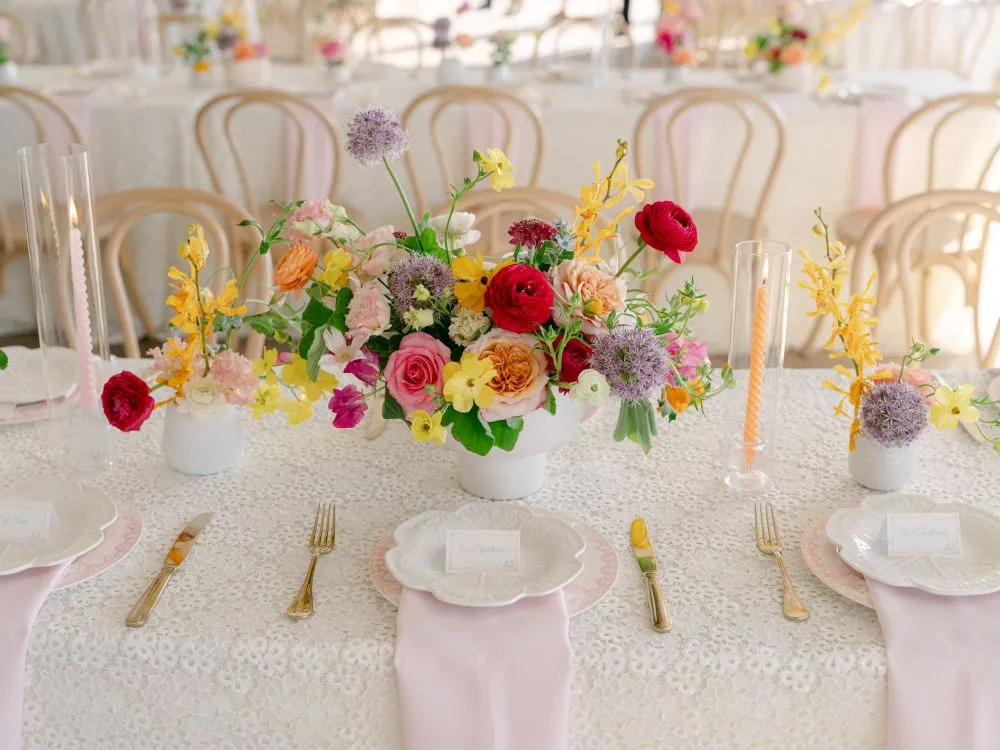
Linen details can help create small design moments throughout the event. These moments do not need to be dramatic. A different napkin at the head table, a runner on a dessert table, or tailored skirting for a display can make the event feel more considered.
This is where linens can add quiet sophistication. They help define spaces without requiring large décor installations.
A Different Napkin for the Head Table
Using a different napkin at the head table or sweetheart table can create a subtle focal point. The color may be slightly deeper, the texture may be richer, or the fold may be more structured.
This approach works well when the overall event design is cohesive but the focal table needs a small distinction. It allows the table to stand out without changing the entire linen plan.
A Runner for the Cake or Dessert Table
A runner can help define a cake table, dessert display, or smaller feature table. It adds texture and direction without covering the entire surface or making the table feel heavy.
The runner can coordinate with the guest tables or introduce a slightly different texture for emphasis. This works especially well when the display table is meant to be photographed or used as a focal point.
A small linen detail can make a simple table feel styled.
Skirting for Service or Display Areas
Skirting can help finish tables that serve a more functional purpose, such as service tables, display areas, registration setups, or buffet-style stations. It creates a cleaner appearance and keeps the table visually aligned with the rest of the event.
Skirting is useful when the table needs to look polished from the guest side while still supporting practical use behind or underneath.
A clean skirting choice can make a functional table feel more integrated into the design.
Sashes or Cuffs as Controlled Accent Details
Sashes and cuffs can add small accent details when used with restraint. They may help connect a linen plan to a chair style, cocktail table, napkin treatment, or focal area.
The key is to avoid overusing them. A controlled accent is usually more elegant than repeating decorative ties or cuffs across every element. These details should support the table design rather than become the main feature.
Frequently Asked Questions
What linens do I need for a summer table setting?
Most summer table settings use a base tablecloth or tailored linen, napkins, and sometimes a runner. Depending on the event, you may also need skirting, cuffs, sashes, drapes, or specialty linens for display tables, dessert tables, cocktail tables, or service areas.
Should my napkins match my tablecloth?
Napkins can match the tablecloth for a clean and cohesive look, but they do not have to. A contrasting napkin can add depth, color, or texture to the place setting. The best choice depends on whether you want the table to feel understated, layered, formal, or more expressive.
Are runners better than full tablecloths?
Runners and full tablecloths serve different purposes. A full tablecloth creates a complete, polished base and works well for more formal settings. A runner adds texture and direction, especially when the table surface is part of the design. Some tables use both, while others look best with only one linen layer.
How do I choose linen colors for an outdoor Chesapeake event?
Start with the event palette, venue setting, florals, tabletop pieces, and time of day. Neutrals such as ivory, white, taupe, and sand tones are flexible foundations, while soft blues, sage, pale green, blush, or muted accent colors can add seasonal character. Colors should also be considered in natural light.
Can I mix linen textures on the same table?
Yes, but one texture should lead. For example, if the tablecloth is textured, choose a simpler runner or napkin. If the runner is the main texture, keep the base linen more understated. Mixing textures works best when each textile has a clear role in the design.
Conclusion
A strong summer table setting begins with the right linen foundation. Tablecloths, runners, napkins, tailored linens, skirting, cuffs, sashes, and other textile details help shape the color, texture, formality, and overall mood of the event.
For Chesapeake weddings, private dinners, corporate events, and outdoor celebrations, thoughtful linen choices can make each table feel cohesive, polished, and intentionally styled. The best linen plan supports the event palette, table shape, tabletop details, and guest experience without making the design feel crowded.
Curated Events Chesapeake can help hosts and planners select linen rentals that support the event’s color story, table design, and overall atmosphere.