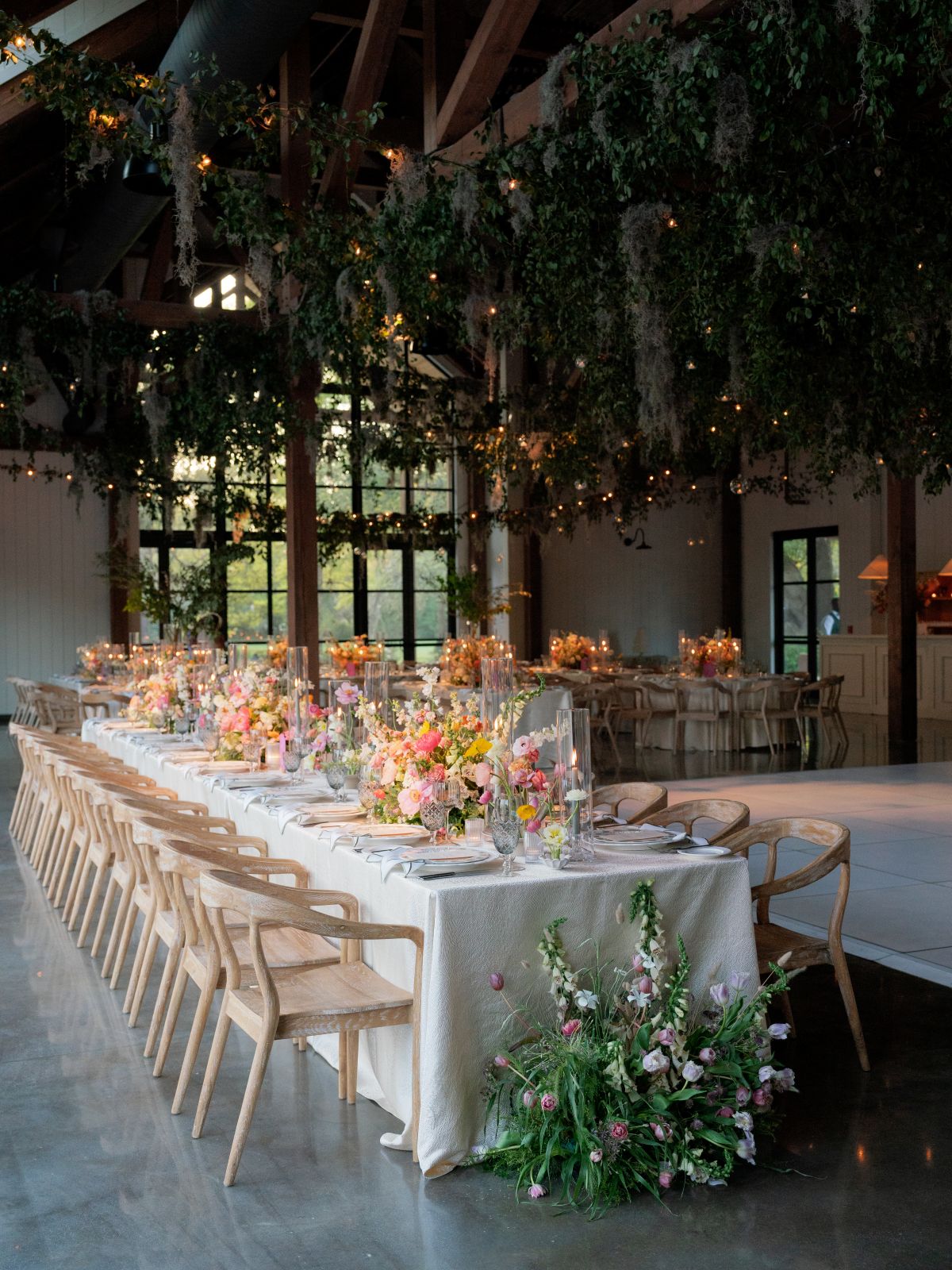
Tables and chairs are some of the most practical rentals at any event, but they also have a major effect on the guest experience. They determine where guests sit, how they dine, how they move through the space, and how the event feels from the moment they arrive. For outdoor events in Chesapeake, table and chair rentals should be planned with both comfort and layout in mind.
The right table and chair selections can make an event feel polished, organized, and easy to navigate. A formal dinner may need carefully spaced dining tables and refined chairs. A corporate gathering may need flexible seating, cocktail tables, and check-in surfaces. A private celebration may benefit from a mix of seated and standing areas that let guests move naturally between food, conversation, and activities.
Curated Events Chesapeake helps clients approach table and chair rentals as part of a complete event layout. Instead of selecting furniture only by style, it is important to consider guest count, venue setting, event format, surface conditions, service areas, and how guests will use the space throughout the event.
Choosing the Right Table Shape for the Event Format
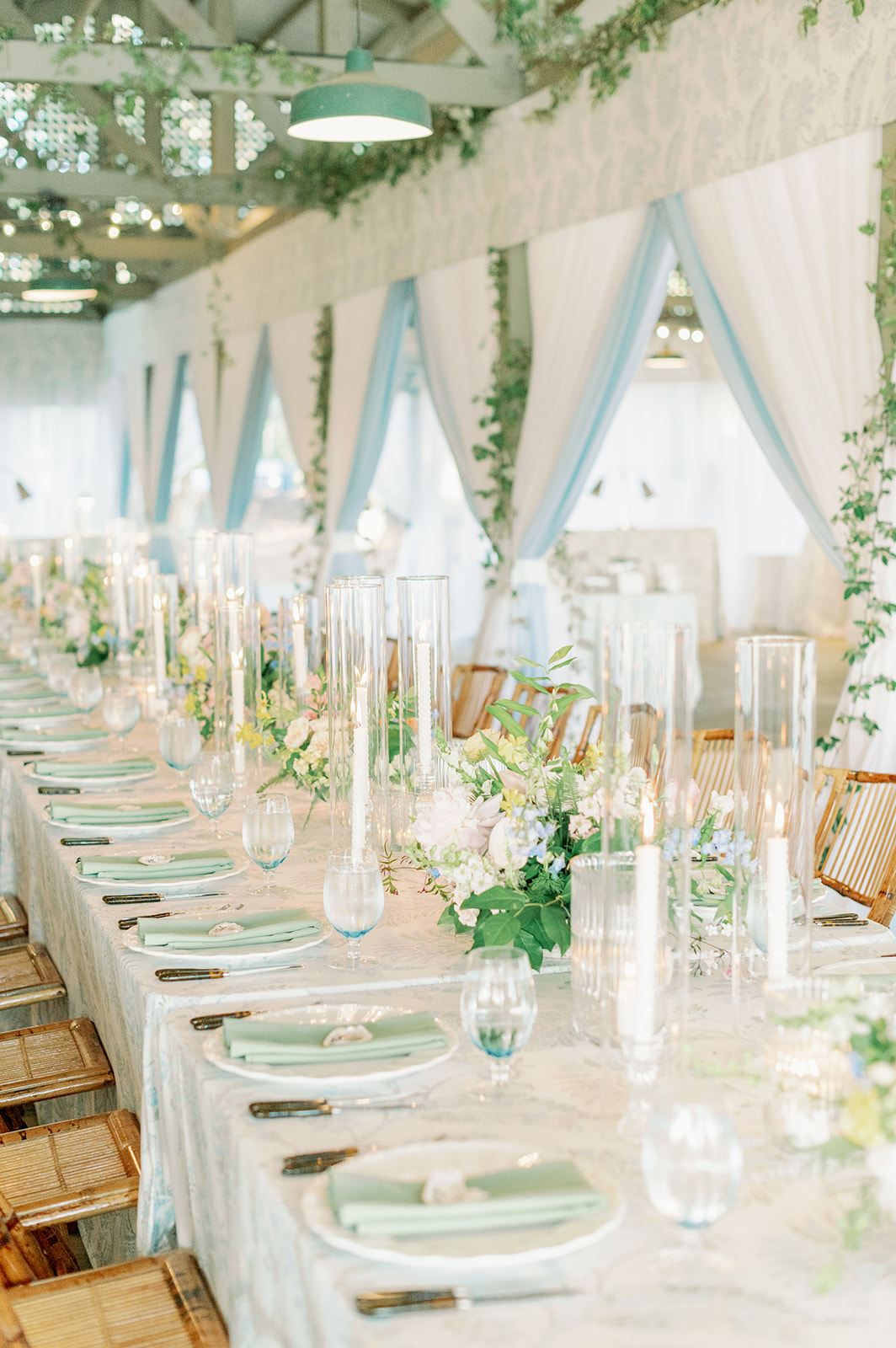
Table shape has a direct effect on layout, service, and guest interaction. Round, rectangular, and cocktail tables each support different event formats. The best choice depends on whether guests will be seated for a full meal, moving between stations, networking, or gathering casually.
Rather than choosing tables based only on appearance, start with how the event will function.
Round Tables for Conversation-Focused Seating
Round tables are often used for seated meals because they support balanced conversation. Guests can see one another easily, and each table feels like its own small gathering area. This makes round tables useful for dinners, receptions, fundraisers, private events, and social celebrations.
Round tables also create a classic event layout. They can be arranged evenly across a tent, patio, lawn, ballroom, or event space. When spaced properly, they allow guests and service staff to move between tables without disrupting the dining experience.
For events where conversation is a priority, round tables can help create a comfortable and familiar seating arrangement.
Rectangular Tables for Structured Layouts
Rectangular tables can create a more structured look. They work well for family-style dining, banquet layouts, head tables, display areas, buffet setups, registration tables, and corporate event formats. They can be placed individually, arranged in rows, or combined to create longer dining tables.
Because rectangular tables can define lines within the space, they are useful when the event needs visual order. They can help guide the layout and create a strong sense of direction.
Rectangular tables also work well when the event includes food displays, branded materials, presentations, or service areas. Their shape makes them practical for both guest-facing and behind-the-scenes needs.
Cocktail Tables for Mingling and Standing Receptions
Cocktail tables are useful for events where guests will be standing, mingling, or moving between stations. They give guests a place to set drinks, gather briefly, and continue circulating through the space.
These tables are especially helpful for networking events, cocktail-style receptions, company gatherings, and social celebrations with a less formal structure. They can also support transition areas near bars, lounges, entrances, or food stations.
The placement of cocktail tables matters. If they are too clustered, the space can feel crowded. If they are too spread out, guests may not use them naturally. A balanced layout creates small gathering points without blocking movement.
Selecting Chair Styles That Fit the Setting
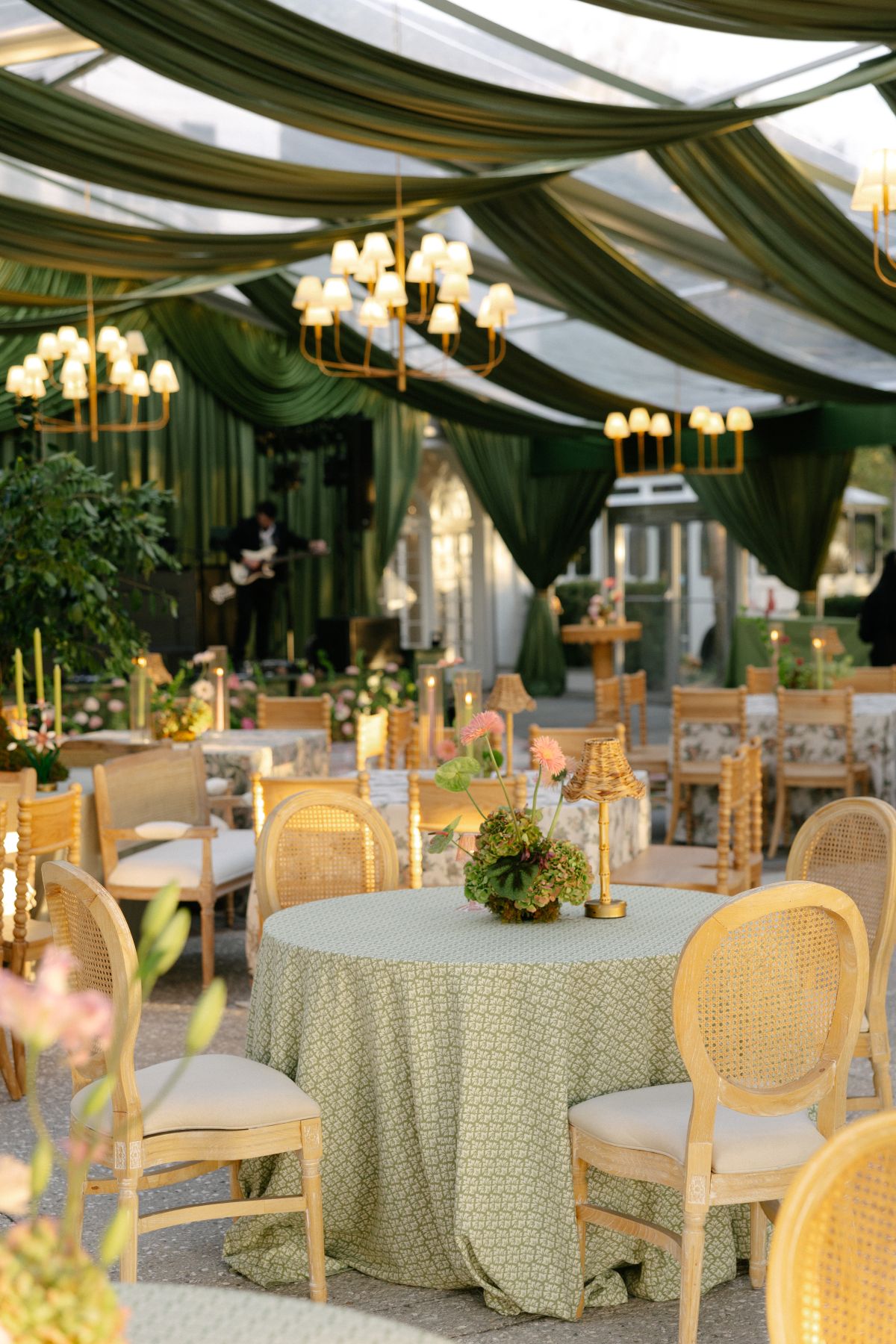
Chair selection affects both comfort and presentation. The right chairs should fit the event style, coordinate with the tables, and work with the venue setting. For outdoor events, chairs should also be planned with the surface and layout in mind.
A chair may look beautiful on its own, but it still needs to make sense within the full event environment.
Formal Chair Styles for Polished Events
Formal events often benefit from more refined chair styles. A polished chair can elevate the appearance of a seated dinner, ceremony, gala, fundraiser, or milestone celebration. Chair style can also help define the level of formality before guests see the rest of the event details.
For events with a more elevated design, chairs should coordinate with the table shape, tabletop rentals, linens, and overall layout. A formal chair can help make even a simple table arrangement feel more finished.
The goal is to choose seating that supports the tone of the event while still allowing guests to sit comfortably for the duration of the meal or program.
Simple Seating for Casual Outdoor Events
Not every event needs formal seating. Casual outdoor gatherings, community events, company picnics, private parties, and relaxed celebrations may benefit from simpler chair styles that are practical, clean, and easy to arrange.
Simple seating can still look intentional when it is arranged well. Consistent spacing, clear walkways, and coordinated table placement can make a casual setup feel organized instead of temporary.
The chair style should match the event’s purpose. If the gathering is focused on conversation, food, activities, or informal hospitality, the seating should support that relaxed experience.
Coordinating Chairs With the Venue and Table Layout
Chairs should be selected with the venue and table layout in mind. Outdoor surfaces, flooring, tent placement, patio shape, lawn size, and entry points can all affect how chairs should be arranged.
Chair style should also work with the table shape. A formal dining table may call for a more polished chair. A cocktail table setup may require fewer traditional chairs and more standing room. A corporate layout may require seating that supports presentations, networking, or breakout sessions.
The strongest layouts consider the table-and-chair combination as a whole. This creates a more cohesive and functional event plan.
Spacing and Layout Details That Keep Events Comfortable
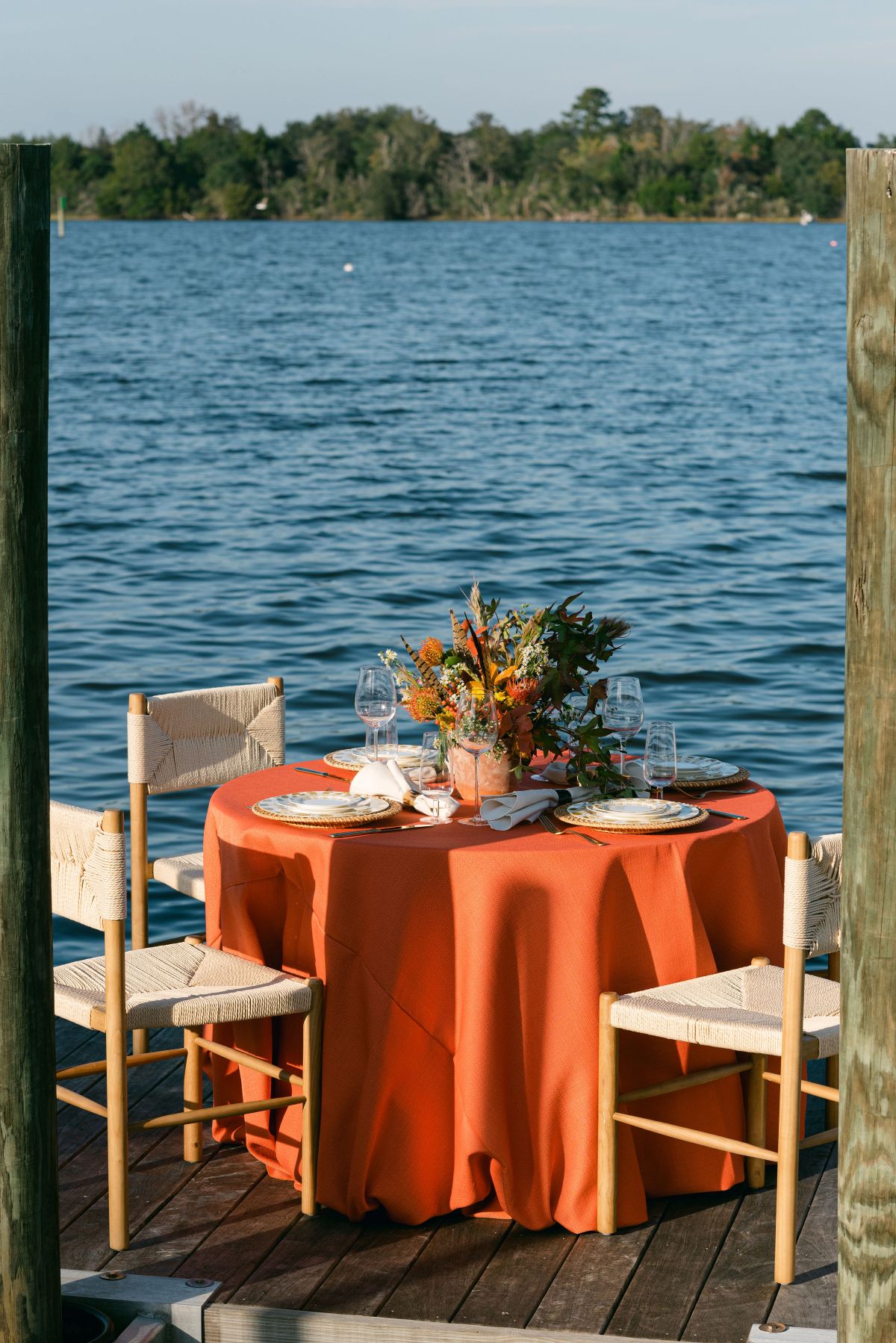
Spacing is one of the most important parts of table and chair rental planning. Even attractive furniture can create a poor experience if it is placed too close together or blocks the natural movement of the event. A strong layout gives guests, vendors, and service staff enough room to move comfortably.
Leave Clear Walkways Between Tables
Walkways should be planned before the layout is finalized. Guests need space to reach their seats, move to service areas, visit the bar, and exit the event comfortably. Vendors and service staff also need clear paths for food service, clearing, setup, and breakdown.
Crowded walkways can make an event feel disorganized. Chairs may get pushed into paths, guests may have to squeeze between tables, and service may become more difficult.
Clear pathways make the event feel more comfortable and easier to manage.
Avoid Crowding Around Bars and Food Stations
Bars and food stations naturally attract guests. If tables and chairs are placed too close to these areas, the space can become congested. Lines may interfere with seated guests, and movement can become difficult.
When planning table placement, allow enough surrounding room for guests to approach, wait, and move away from service points. Cocktail tables can be useful near these areas, but they should not block access.
The goal is to keep food and beverage areas convenient without letting them interrupt the rest of the layout.
Plan Seating Around Entry Points and Focal Areas
Entrances, presentation areas, scenic views, entertainment spaces, and focal points should influence table and chair placement. Guests should be able to enter the space without walking directly into crowded seating. They should also be able to see important areas when needed.
For events with speeches, performances, or presentations, seating should support visibility. For events with scenic outdoor views, the layout may be arranged to preserve the setting. For celebrations with entertainment, tables should be placed so guests can participate without leaving the event flow.
Furniture placement should support both function and atmosphere.
Matching Tables and Chairs With Outdoor Site Conditions
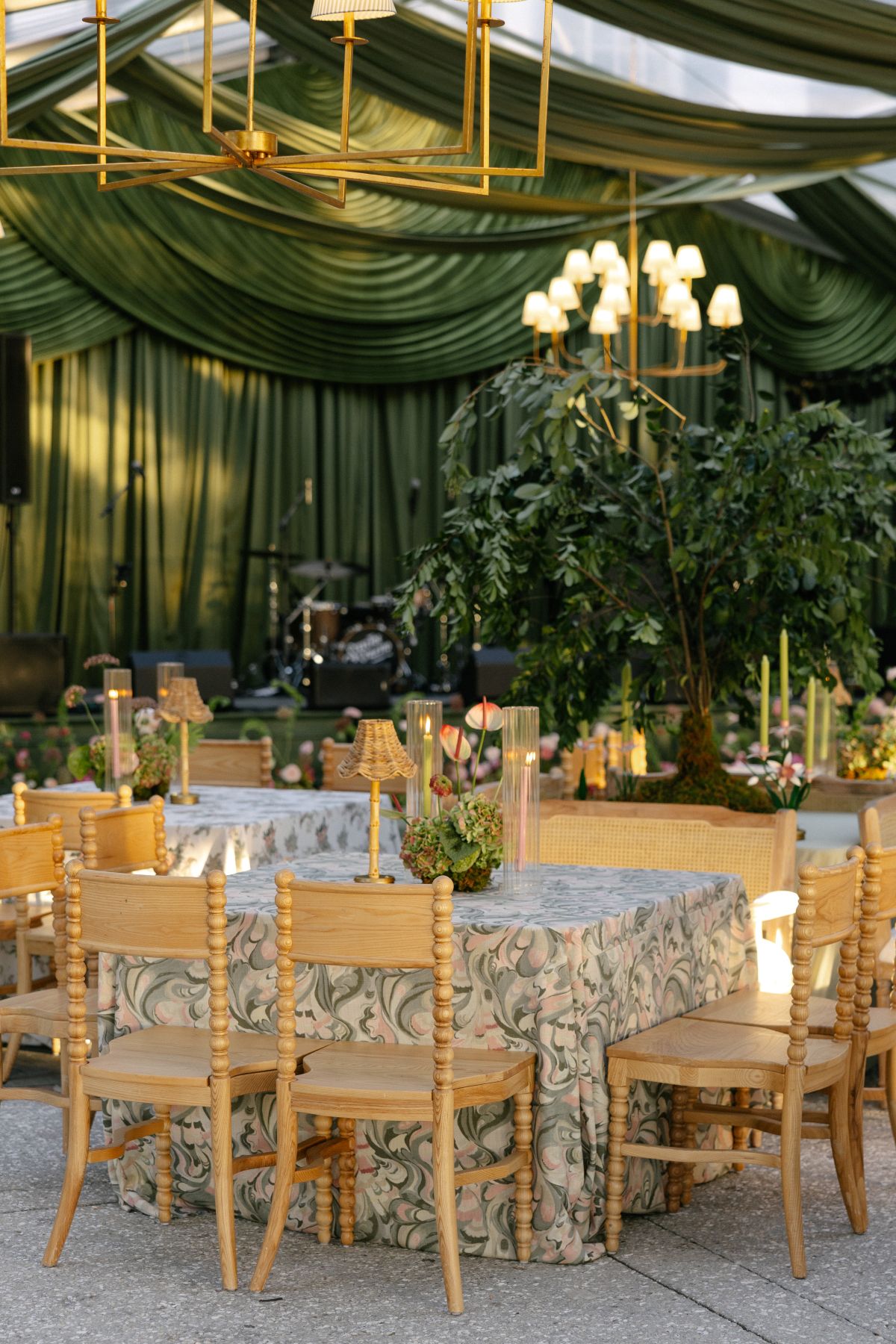
Outdoor event furniture needs to work with the surface beneath it. Grass, patios, hardscape, gravel, and uneven ground can all affect table stability, chair placement, and guest comfort.
Site conditions should be reviewed early so the layout can be planned realistically.
Consider Grass, Patio, and Hardscape Surfaces
Different surfaces create different rental considerations. Grass can provide a natural setting, but it may require careful table and chair placement so furniture remains stable. Patios and hardscape areas may offer a more even surface, but their shape and size may limit the layout.
The surface can also affect the guest experience. Chairs should sit securely. Tables should feel level. Walkways should be easy to navigate. These details matter, especially when guests are dining, carrying drinks, or moving between event areas.
The best furniture plan works with the site rather than forcing a layout that does not fit.
Account for Slopes and Uneven Ground
Outdoor spaces may include slopes, soft ground, tree roots, transitions between surfaces, or uneven areas. These conditions can affect where tables and chairs should be placed.
A dining table on uneven ground may feel uncomfortable. Chairs on a slope may be difficult to use. Cocktail tables may be less stable if the surface is not level. Reviewing these conditions early can help determine the best placement for seating and surfaces.
When the layout accounts for levelness and stability, guests are more likely to feel comfortable throughout the event.
Review Access for Delivery and Setup
Delivery and setup access can affect the rental plan. Gates, walkways, parking areas, stairs, loading zones, and distance from the delivery point may influence how tables and chairs are brought into the space.
If an outdoor event is held at a private residence, estate, garden, or waterfront venue, access details should be considered early. Narrow paths or limited parking can affect timing and setup logistics.
Clear access planning helps the rental process run more smoothly and supports a more organized event setup.
Table and Chair Rentals for Guest-Facing Event Areas
Tables and chairs are not only used for dining. Many events need furniture for welcome areas, displays, service points, vendor needs, and guest support. These details may be small, but they help the event feel more complete.
Planning these areas early can prevent last-minute gaps.
Registration and Welcome Tables
Registration and welcome tables are common at corporate events, fundraisers, private celebrations, and formal gatherings. These tables may hold name tags, programs, guest materials, seating information, favors, or event signage.
The welcome area should be easy to find and positioned where it does not block the entrance. The table should be large enough for its function without taking over the space.
A clean, organized welcome table helps guests understand where to go and creates a polished first impression.
Display and Gift Tables
Display and gift tables support many types of events. They may be used for gifts, favors, branded materials, desserts, awards, informational displays, or featured event elements.
These tables should be placed where guests can access them easily without creating congestion. They should also be coordinated with the rest of the event layout so they do not feel forgotten or disconnected.
Even simple display tables can improve the event experience when they are planned with purpose.
Vendor and Service Support Tables
Some tables are mostly behind the scenes, but they are still important. Vendors, catering teams, planners, entertainment providers, and service staff may need surfaces for setup, materials, equipment, or event support.
These tables should be included in the rental plan from the beginning. If they are added later, they may end up in inconvenient or visually awkward places.
Support tables help the event function smoothly while allowing guest-facing areas to remain polished.
How Curated Events Chesapeake Supports Table and Chair Rental Planning
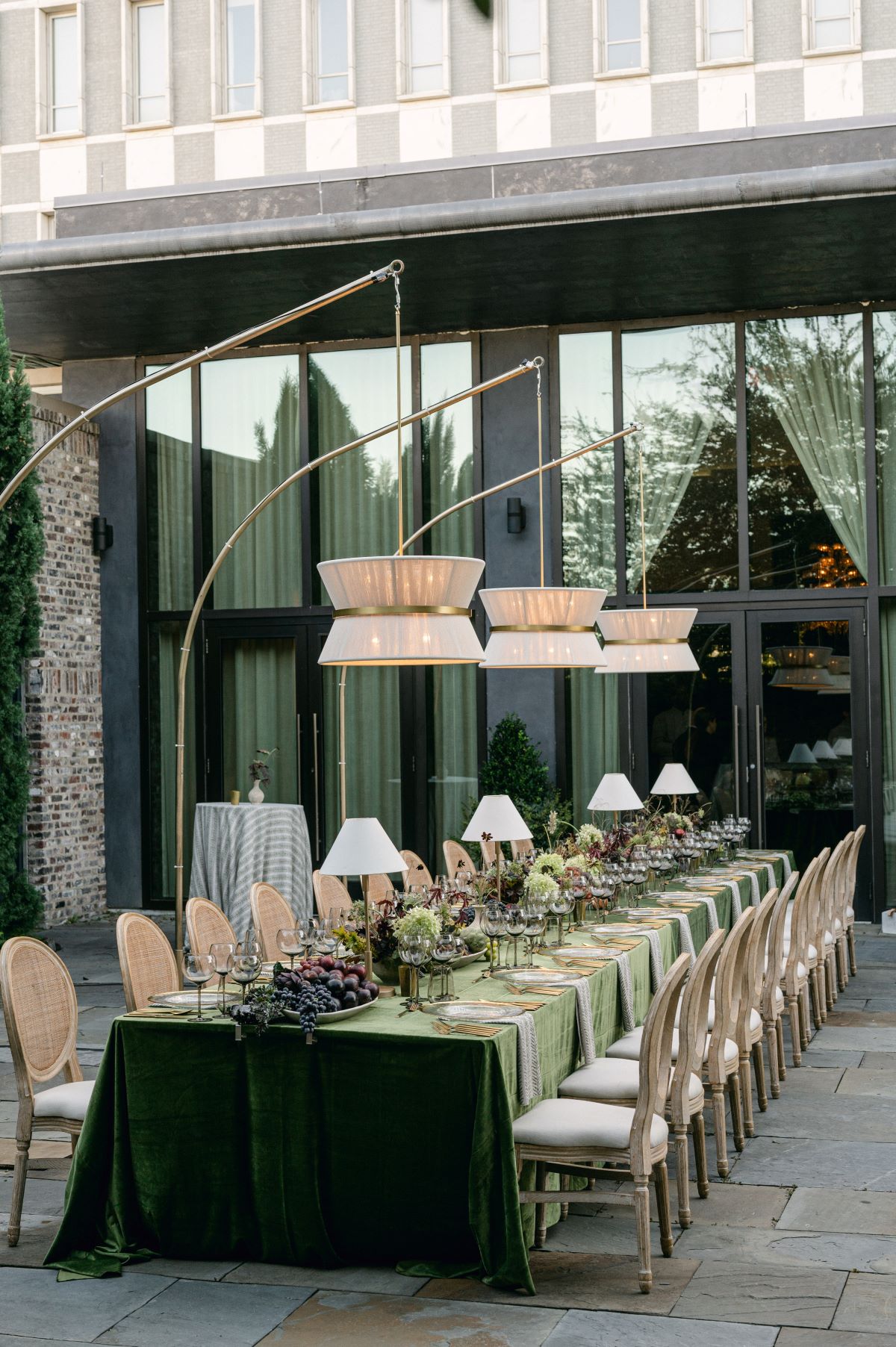
Curated Events Chesapeake helps clients plan table and chair rentals based on event format, guest count, venue setting, and layout needs. The goal is to create a rental plan that supports comfort, movement, and presentation.
Tables and chairs may seem simple, but they influence nearly every part of the event. Rental guidance can help clients choose the right shapes, styles, quantities, and placement for the gathering.
Guidance on Table Shapes, Chair Styles, and Quantities
Choosing tables and chairs involves several decisions. Clients need to think about table shape, chair style, guest count, service flow, and the amount of space available. Curated Events Chesapeake can help clients consider these factors as part of the full rental plan.
This guidance is especially helpful for events with multiple areas, such as dining spaces, cocktail areas, check-in tables, service stations, and displays. Each area may need a different table or chair solution.
A thoughtful rental plan helps the event feel comfortable and organized.
Coordination With Supporting Event Rentals
Tables and chairs often need to coordinate with other rental categories. Linens, tabletop items, lighting, bars, lounge furniture, and décor accents can all affect how the furniture appears and functions.
While tables and chairs remain the foundation, supporting rentals help complete the event environment. Planning these pieces together creates a more cohesive setup.
Curated Events Chesapeake can help clients think through how these rentals work together without making the process more complicated than necessary.
Delivery, Setup, and Pickup Support
Delivery, setup, and pickup are important parts of the rental process. Tables and chairs may need to be placed across multiple areas, including dining spaces, welcome areas, service stations, vendor support spaces, and outdoor gathering zones.
Curated Events Chesapeake provides rental logistics support so the table and chair plan can be implemented according to the event layout. This helps clients and planners focus on the event itself while the rental setup is handled in a coordinated way.
Frequently Asked Questions
How do I know how many tables and chairs I need?
The number of tables and chairs depends on guest count, event format, table shape, seating style, service needs, and the final layout. A seated dinner will need a different furniture plan than a cocktail-style reception or networking event.
It is best to confirm quantities after reviewing the full layout, including dining areas, cocktail areas, service tables, display tables, and vendor support needs.
What table shape is best for an outdoor event?
The best table shape depends on how the event will function. Round tables support conversation-focused seated meals. Rectangular tables work well for structured dining, banquet layouts, buffet setups, and display areas. Cocktail tables are useful for mingling, standing receptions, and casual gathering points.
Can I mix different table and chair styles?
Yes, mixed styles can work when they are coordinated carefully. The key is to connect the pieces through color, material, formality, or layout purpose.
For example, dining tables may use one chair style while cocktail areas use a simpler setup. A display table may be different from guest tables as long as it still feels connected to the overall event design.
What table and chair rentals are often overlooked?
Commonly overlooked rentals include check-in tables, display tables, gift tables, vendor support tables, cocktail tables, service tables, and extra seating for transition areas. These pieces may not be the main focus, but they help the event function smoothly.
Including them in the rental plan early can prevent last-minute gaps.
Conclusion
Table and chair rentals are central to the comfort, flow, and structure of Chesapeake outdoor events. The right selections help guests dine, gather, move, and interact comfortably while supporting the event’s overall layout.
A strong furniture plan considers more than the number of guests. Table shape, chair style, spacing, outdoor surfaces, service areas, welcome tables, display needs, and vendor support all affect how the event functions.
Curated Events Chesapeake can help clients build a table and chair rental plan that fits the event format, venue setting, and guest experience. With thoughtful planning, tables and chairs become more than basic rentals. They become the structure that helps the entire event feel organized, comfortable, and complete.