
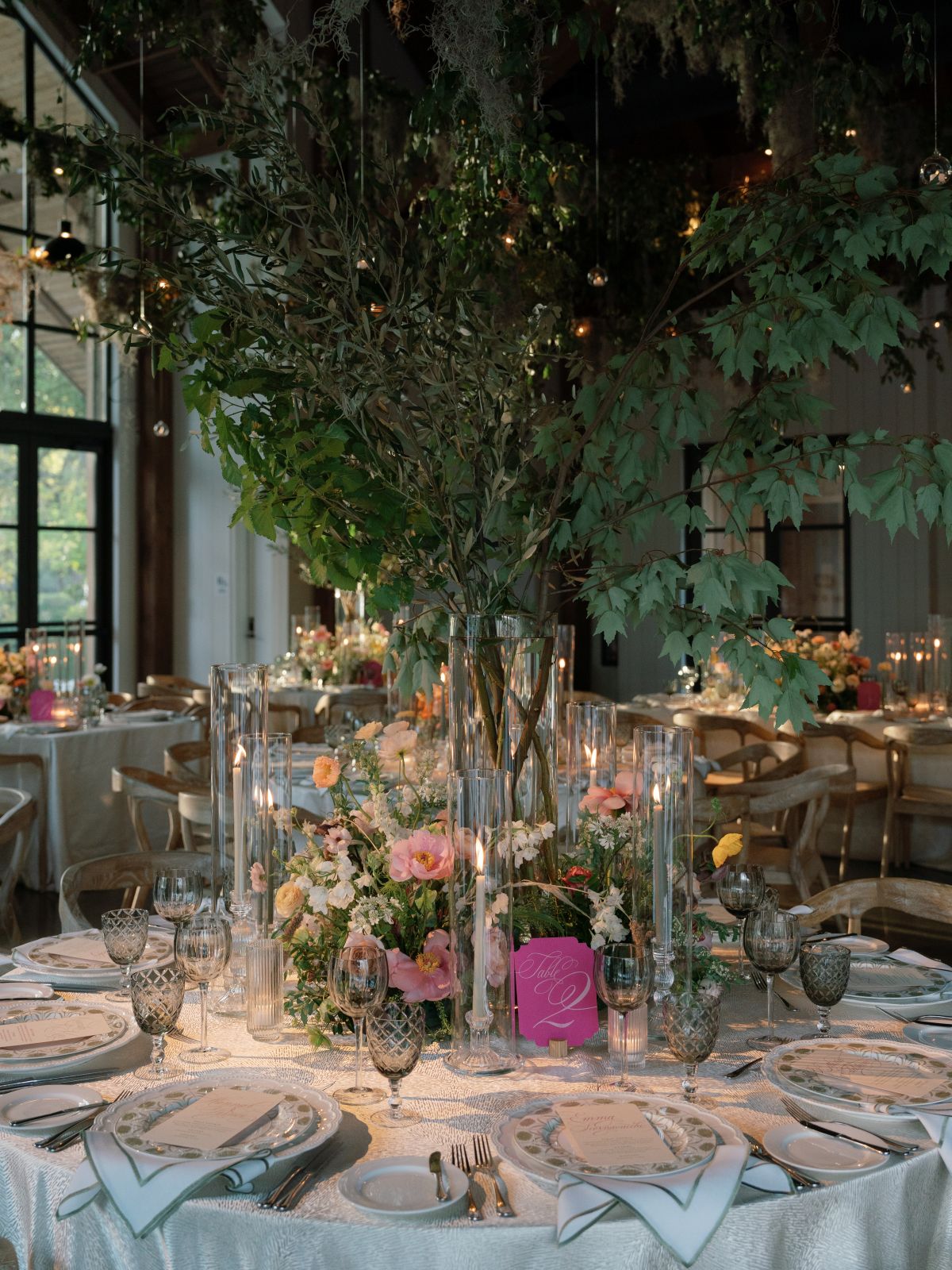
A tabletop rental checklist for a Raleigh summer event should include every item guests will see, touch, use, or move around during the event. At minimum, this includes tables, chairs, linens, napkins, chargers, china, flatware, glassware, serving pieces, centerpieces, table numbers, signage, tents, lighting, delivery details, setup timing, and weather backup items.
For summer events in Raleigh, tabletop planning should also account for heat, humidity, rain, wind, shade, guest comfort, and outdoor service flow. A complete checklist helps hosts and planners avoid missing essential items, overordering unnecessary pieces, or choosing rentals that do not suit the venue or weather conditions. This guide explains what to include, when to book, how to coordinate delivery, and how to manage tabletop rentals from planning through pickup.
Why a Tabletop Rental Checklist Matters for Raleigh Summer Events

A tabletop rental checklist gives structure to the planning process and helps ensure every guest-facing detail is accounted for before event day. Raleigh summer events often involve outdoor venues, tents, changing weather, and multiple vendors, so missing even a small rental category can affect the guest experience. A checklist also makes it easier to compare quotes, confirm quantities, communicate with vendors, and keep the event aligned with the design plan.
It Helps Prevent Missing Items
Tabletop rentals involve more than plates and forks. Hosts often remember guest tables but forget service tables, dessert displays, water stations, backup napkins, extra glassware, or buffet utensils.
A checklist helps confirm each category before the order is finalized. It also helps identify small but important pieces such as bread plates, coffee cups, cocktail napkins, steak knives, serving spoons, salt and pepper vessels, table numbers, and menu holders.
It Keeps the Event Design Cohesive
A checklist helps ensure the tabletop design works as a full system. Linens should coordinate with napkins, plates should work with chargers, glassware should match the beverage menu, and table décor should support the event style without crowding the surface.
When all tabletop items are reviewed together, the final event looks more intentional and polished.
It Improves Vendor Communication
A clear checklist makes conversations with rental companies, caterers, planners, florists, venues, and production teams more efficient. Everyone can see what is included, what still needs confirmation, and which items affect other parts of the event.
This is especially important for summer events with tents, lighting, catering stations, bars, or outdoor layouts.
It Supports Better Budget Control
A checklist helps separate essential rentals from optional upgrades. This makes it easier to prioritize spending on items guests will notice most, such as linens, glassware, chairs, place settings, and service displays.
It also helps avoid last-minute additions, rush fees, or emergency substitutions.
Complete Tabletop Rental Checklist for Summer Events
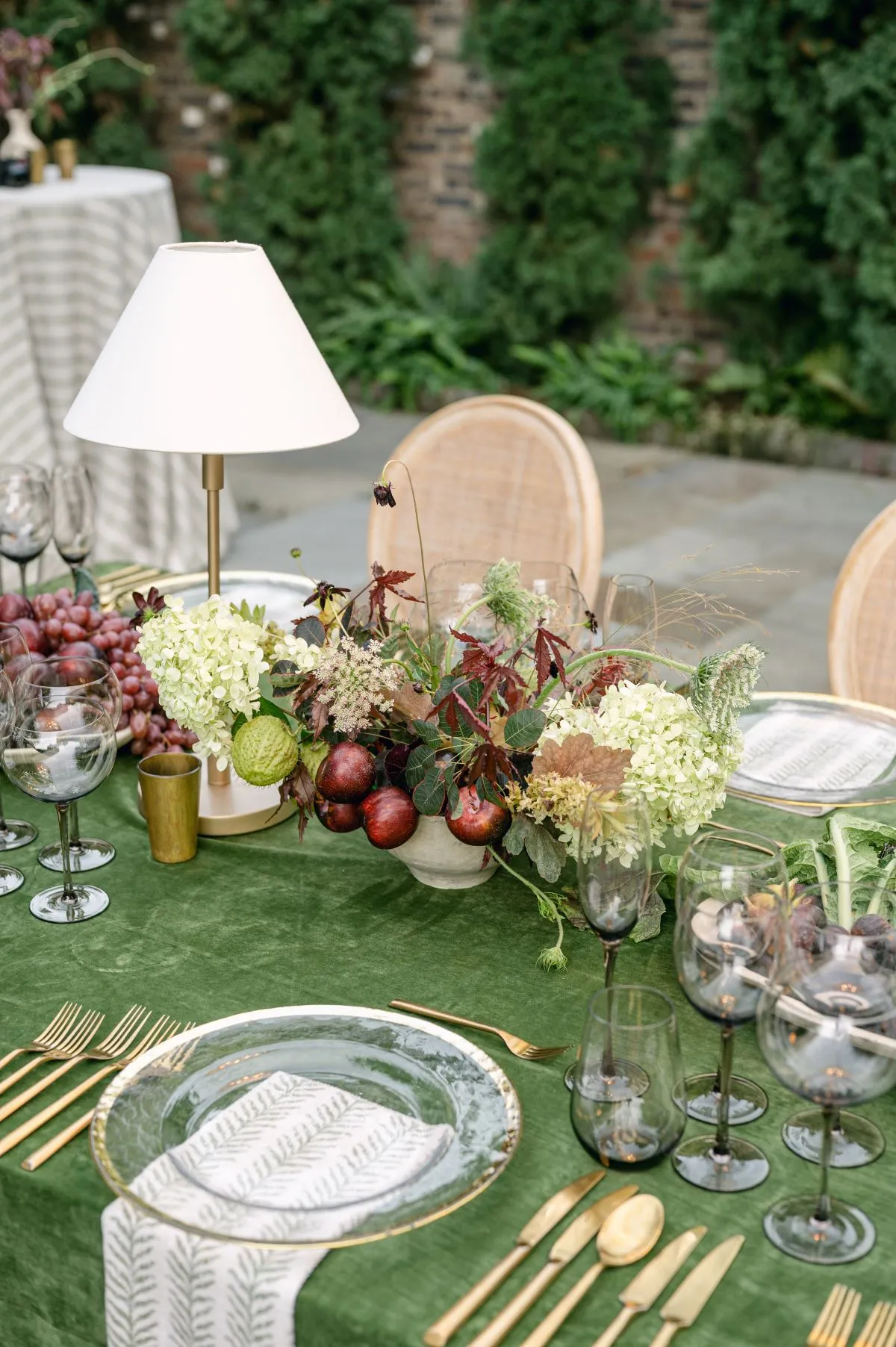
A complete tabletop rental checklist should cover guest seating, dining service, beverage service, food display, décor, support tables, weather protection, and event logistics. The exact items depend on the event type, guest count, menu, venue, and service style, but every summer event should begin with a structured rental review.
Guest Tables
Guest tables are the foundation of the tabletop plan. Choose the table type based on the event format, guest count, venue footprint, and desired atmosphere.
Common options include:
- Round tables
- Rectangular tables
- Banquet tables
- Farm tables
- Cocktail tables
- Community tables
- High-top tables
- Sweetheart or head tables
- Children’s tables
- Lounge or side tables
Round tables work well for seated meals and conversation. Rectangular tables are useful for banquet layouts, communal dining, and formal table designs. Cocktail tables are effective for receptions, networking events, and bar areas.
Service and Display Tables
Service tables are easy to overlook, but they are essential for event flow. These tables support food, beverages, gifts, guest check-in, displays, and vendor needs.
Include tables for:
- Buffet service
- Dessert display
- Cake display
- Beverage station
- Coffee station
- Bar support
- Guest book
- Gifts
- Escort cards
- Registration
- Favors
- Sponsor displays
- Product displays
- Vendor staging
Each service table should have the correct linen, signage, serving pieces, and access space.
Chairs and Seating
Chairs should match the event style and the expected seating time. A short cocktail reception may only need limited seating, while a seated dinner, ceremony, meeting, or family celebration requires comfortable chairs for every guest.
Consider:
- Dining chairs
- Folding chairs
- Cross-back chairs
- Chiavari chairs
- Acrylic chairs
- Padded chairs
- Bar stools
- Lounge seating
- Armchairs for VIPs or older guests
For outdoor events, confirm that the chair style is suitable for grass, pavement, patio, or tented flooring.
Linens
Linens affect the appearance of the entire event. They can make standard tables look formal, add color to a neutral venue, or connect different event zones visually.
Include:
- Tablecloths
- Runners
- Overlays
- Napkins
- Buffet linens
- Cocktail table linens
- Bar linens
- Registration table linens
- Dessert table linens
- Specialty linens
- Backup linens
For summer events, choose fabrics and colors that suit heat, sunlight, humidity, and the event’s level of formality.
Place Settings
Place settings should be based on the menu and service style. A plated dinner requires different rentals than a buffet, cocktail reception, brunch, luncheon, or dessert-focused event.
Checklist items may include:
- Chargers
- Dinner plates
- Salad plates
- Bread plates
- Dessert plates
- Appetizer plates
- Bowls
- Coffee cups
- Saucers
- Water glasses
- Wine glasses
- Champagne flutes
- Cocktail glasses
- Flatware
- Steak knives
- Dessert forks
- Soup spoons
- Butter knives
Confirm the final place setting with the caterer before the rental order is locked.
Beverage Service Items
Beverage service often requires more glassware than expected. Guests may use multiple glasses during a long event, and outdoor events may need extra quantities due to breakage, misplaced glasses, or station-based service.
Include:
- Water goblets
- Iced tea glasses
- Wine glasses
- Champagne flutes
- Coupes
- Rocks glasses
- Highball glasses
- Stemless glasses
- Coffee mugs
- Beverage dispensers
- Pitchers
- Ice buckets
- Bar trays
- Cocktail napkins
- Drink stirrers
- Beverage signage
If the event includes a signature cocktail, confirm the correct glass style and quantity.
Serving Pieces
Serving pieces are essential for buffets, family-style meals, dessert stations, cocktail service, and coffee service.
Include:
- Platters
- Serving bowls
- Trays
- Tiered stands
- Cake stands
- Bread baskets
- Tongs
- Serving spoons
- Ladles
- Pitchers
- Carafes
- Chafing dishes
- Risers
- Display boards
- Coffee urns
- Water dispensers
Serving pieces should coordinate with the overall tabletop style when they are visible to guests.
Centerpieces and Decorative Tabletop Items
Decorative tabletop items should enhance the design without interfering with dining, conversation, or service.
Include:
- Floral vessels
- Bud vases
- Candle holders
- LED candles
- Lanterns
- Table numbers
- Menu holders
- Place card holders
- Napkin rings
- Decorative trays
- Small signage
- Favors
- Branded tabletop pieces
For outdoor summer events, use stable décor that can handle wind, heat, and humidity.
When and How to Schedule Tabletop Rentals for Summer Events in Raleigh
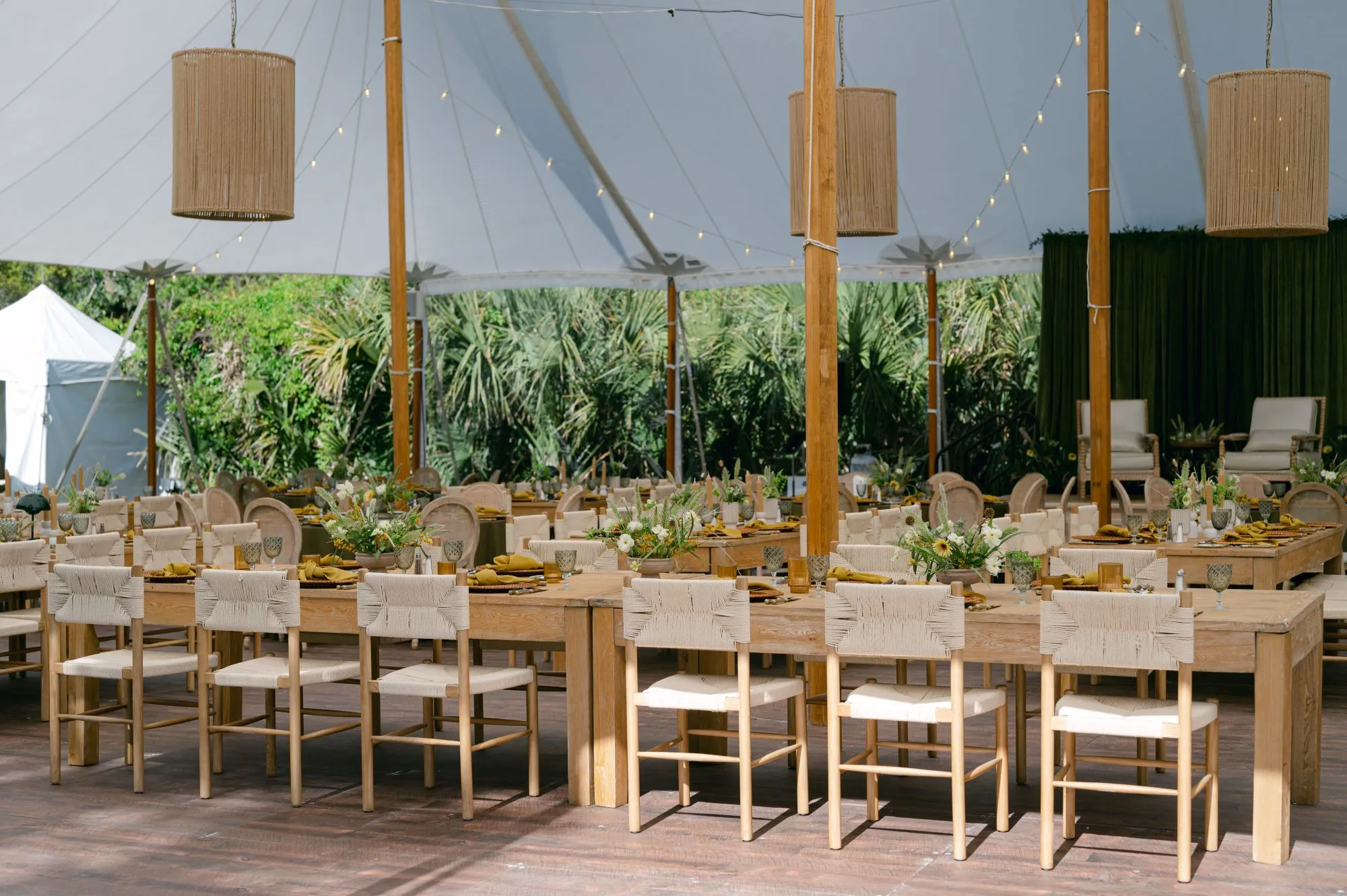 Tabletop rentals should be scheduled early enough to secure preferred inventory, coordinate delivery, and allow time for changes. Raleigh summer events can create strong demand for tables, linens, glassware, tents, lighting, and specialty pieces, so waiting too long can limit options.
Start With the Event Date and Venue
Before requesting a quote, confirm the event date, venue, guest count, and whether the event will be indoors, outdoors, or tented. These details determine availability, delivery requirements, and the type of rentals needed.
If the event is outdoors, provide information about the site surface, access points, tenting needs, and weather concerns.
Finalize Core Rentals Three to Four Weeks Before the Event
For many summer events, aim to finalize the tabletop rental order at least three to four weeks before the event when possible. This allows time for adjustments, inventory confirmation, and coordination with other vendors.
For larger events, peak-season weekends, specialty inventory, or tented installations, start much earlier. The more complex the event, the more lead time is needed.
Confirm Final Counts
Guest count affects nearly every tabletop item. Once the final count is available, update quantities for tables, chairs, linens, plates, glasses, flatware, napkins, and service pieces.
Always ask the rental provider and caterer whether an overage is recommended. Extra glassware, napkins, and plates are often useful for long events, outdoor events, and beverage-heavy gatherings.
Request Delivery and Pickup Details in Writing
A written delivery and pickup schedule helps avoid confusion. Confirm:
- Delivery date
- Delivery window
- Setup responsibilities
- Pickup date
- Pickup window
- On-site contact
- Access instructions
- Parking or loading rules
- After-hours fees
- Weather-related procedures
This information should be shared with the venue, planner, caterer, and on-site coordinator.
Allow Enough Setup Time
Tabletop setup takes time, especially when the event includes linens, chargers, place settings, glassware, menus, centerpieces, candles, table numbers, and multiple service areas.
Build several hours into the schedule before guests arrive. For large events, setup may need to begin the day before, depending on the venue and rental agreement.
How to Coordinate Rental Delivery and Setup for Seamless Event Execution
Delivery and setup should be planned with the same attention as the design. Even the best tabletop rental order can create problems if delivery access, setup sequence, floor plans, or on-site communication are unclear. A smooth delivery plan helps the event stay on schedule and prevents vendors from blocking one another.
Provide a Detailed Layout Plan
A layout plan should show where every major rental item belongs. This includes guest tables, service tables, bars, buffets, dessert displays, registration tables, lounge areas, staging, tents, lighting, and vendor zones.
A strong layout plan should include:
- Table locations
- Chair counts
- Linen assignments
- Place-setting details
- Service station locations
- Tent boundaries
- Load-in routes
- Power locations
- Entrances and exits
- Restroom access
- Trash and bussing stations
If possible, use a scaled floor plan with measurements.
Communicate Access Routes
Rental crews need clear information about how to reach the setup area. This is especially important for homes, historic venues, outdoor spaces, rooftop spaces, tented lawns, and locations with stairs or narrow doors.
Confirm:
- Loading dock access
- Driveway restrictions
- Gate codes
- Elevator access
- Stair locations
- Distance from truck to setup area
- Parking rules
- Surface protection requirements
- Venue time restrictions
Clear access instructions reduce delivery delays.
Assign an On-Site Contact
One person should be responsible for communicating with the rental team during delivery and pickup. This may be the planner, venue manager, host, or event coordinator.
The on-site contact should understand the layout, know where items should go, and have authority to answer questions or make quick decisions.
Sequence Setup Correctly
Some rentals must be installed before others. Tents usually come before lighting, flooring, tables, linens, tabletop settings, and florals. Tables should be placed before linens. Linens should be installed before chargers, plates, flatware, glassware, and décor.
A proper setup sequence prevents rework and reduces the risk of damage.
Confirm Pickup Responsibilities
Before the event, confirm what needs to happen before pickup. Some rental companies require items to be rinsed, scraped, stacked, placed in crates, or gathered in a designated location.
Clarify responsibilities for:
- Glassware
- Flatware
- Plates
- Linens
- Serving pieces
- Damaged items
- Missing items
- Trash removal
- Late-night pickup
- Next-day pickup
This prevents confusion after the event ends.
How to Integrate Tabletop Rentals Into a Complete Summer Event Setup in Raleigh
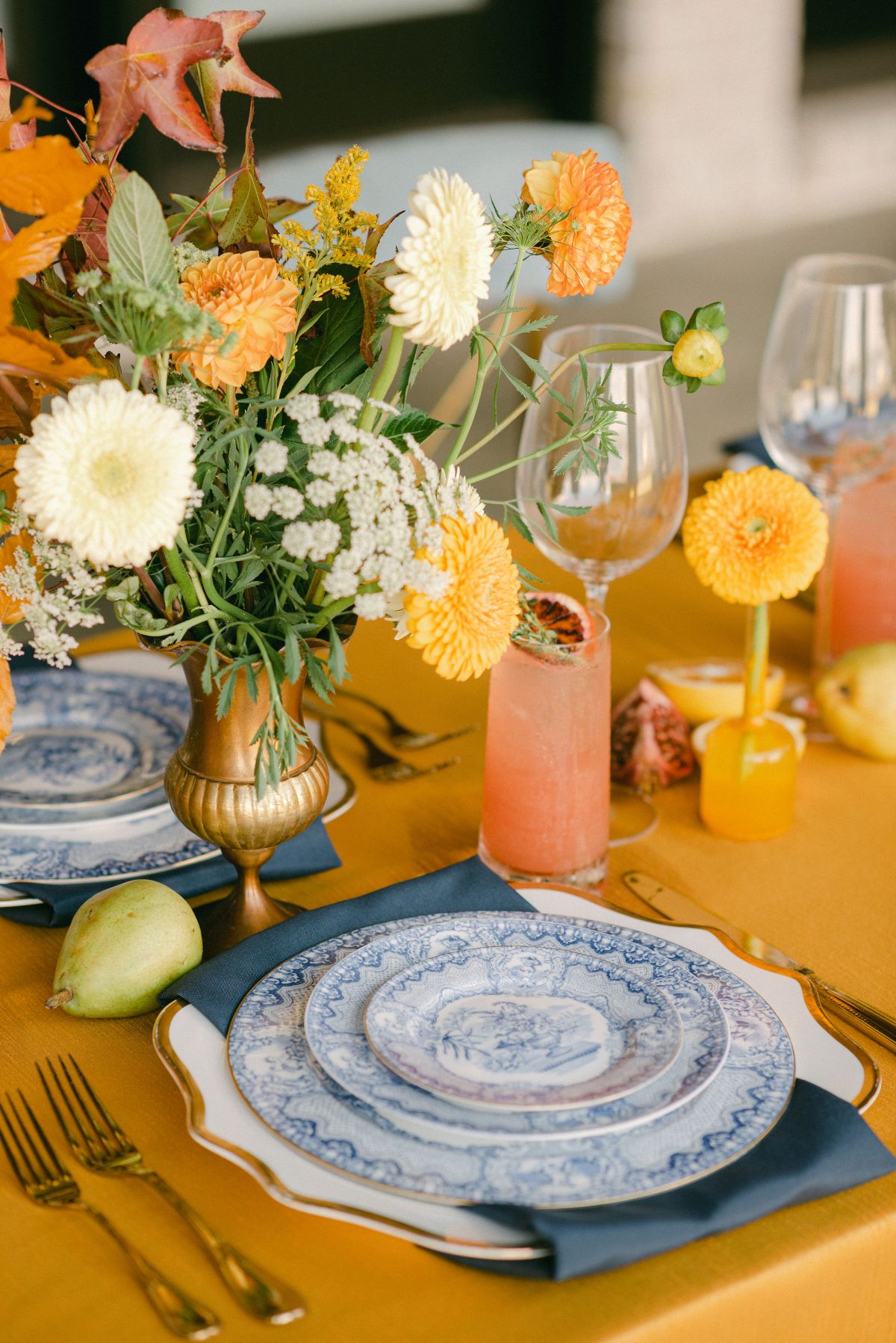
Tabletop rentals should be planned as part of the full event environment, not as a separate order. Tables, chairs, linens, dinnerware, glassware, centerpieces, tents, lighting, catering stations, bars, and lounge areas should work together visually and functionally.
Match the Event Theme
Every tabletop choice should support the event theme. A corporate reception may call for clean lines, neutral linens, branded accents, and polished glassware. A summer wedding may use soft linens, floral china, gold flatware, and romantic centerpieces. A family celebration may feel best with colorful napkins, casual glassware, and relaxed table layouts.
The goal is consistency, not over-decoration.
Coordinate the Color Palette
Choose a base color, supporting colors, and accent tones before selecting rentals. This helps prevent the tabletop from feeling mismatched.
A simple summer palette might include ivory linens, sage napkins, white plates, clear glassware, and soft florals. A bolder event might use bright runners, colored glassware, patterned linens, and strong floral accents.
Connect Guest Tables With Service Areas
Buffet tables, bars, dessert displays, coffee stations, and registration tables should coordinate with the guest tables. These areas are highly visible and often photographed, so they should not look like afterthoughts.
Use matching or complementary linens, signage, serving pieces, florals, and lighting to connect them to the overall design.
Plan Around Catering Workflow
Tabletop rentals should support food and beverage service. The caterer should review the layout and confirm the correct number of plates, glasses, serving utensils, trays, stations, and bussing areas.
Consider where servers will stand, where food will be staged, where guests will line up, and where used items will go after service.
Maintain Clear Guest Flow
Guests should be able to move easily between dining tables, bars, buffets, restrooms, lounge areas, and exits. Do not let tabletop displays, décor, or service stations block natural movement.
For outdoor summer events, also consider shade, terrain, lighting, and weather-protected routes.
Frequently Asked Questions
What are the benefits of using tents at summer events in Raleigh?
Tents provide shade, help protect guests from summer heat, and offer coverage during light rain. They also create a defined event space for dining, tabletop displays, bars, lounges, and service areas. When paired with lighting and ventilation, tents can improve both comfort and atmosphere.
How can I make my tabletop rentals align with my event theme?
Start with a clear color palette and event style, then choose linens, tableware, glassware, centerpieces, and signage that support that direction. Repeat key colors and textures across guest tables, service tables, bars, and display areas so the full event feels cohesive.
What should I look for when selecting a tabletop rental company?
Look for reliable delivery, clean and well-maintained inventory, transparent pricing, clear policies, strong communication, and experience with your type of event. It is also helpful to choose a rental company that can assist with quantities, layout, styling, and outdoor event considerations.
How do weather forecasts impact my rental choices?
Weather forecasts can affect tenting, linen selection, glassware, centerpieces, lighting, cooling equipment, and layout. If heat is expected, plan for shade and hydration. If rain is likely, protect dining and service areas. If wind is possible, use stable décor and secured tabletop items.
What strategies can help manage last-minute changes or emergencies?
Create a contingency plan before event day. Assign an on-site coordinator, keep vendor contact information accessible, confirm backup items, identify weather-protected areas, and document who has authority to make quick decisions. For large events, also confirm whether additional rentals can be added if needed.
Are there rental items specifically designed for outdoor summer events?
Yes. Outdoor-friendly rental options may include sturdy tables, weather-appropriate chairs, tents, umbrellas, flooring, durable linens, fans, outdoor lighting, stable serving pieces, and protected food or beverage stations. Ask your rental provider which items are best suited for your venue and surface type.
What are the advantages of early booking for tabletop rentals?
Early booking improves access to preferred inventory, gives vendors time to coordinate delivery and setup, and allows for design revisions before the event. It also reduces the risk of limited availability during Raleigh’s busy summer event season.
How many extra plates, glasses, and napkins should I rent?
The right overage depends on the event type, guest count, service style, and beverage menu. Outdoor events, long receptions, buffet service, and cocktail-heavy events usually benefit from extra glassware, napkins, and plates. Confirm the appropriate overage with your caterer and rental specialist.
Conclusion
Using a comprehensive tabletop rental checklist enhances both organization and guest satisfaction for summer events in Raleigh. This valuable tool ensures that every essential element is considered, creating a cohesive and comfortable experience for attendees. By engaging with planning resources and following best practices, you can streamline your event management process. Let us assist you in achieving a flawless event by exploring our top-quality rental options today!