
Managing heat at summer events in Nashville requires a deliberate approach that accounts for high temperatures, humidity, and outdoor conditions. Without proper planning, heat can affect guest comfort, reduce engagement, and create operational challenges across the event space.
Effective heat management involves selecting the right combination of cooling solutions, including fans, evaporative coolers, and, in some cases, portable air conditioning. Each option serves a specific purpose depending on event size, layout, and environmental conditions.
This guide explains how to manage heat at summer events in Nashville by outlining practical cooling strategies, equipment options, and planning considerations that support a comfortable and well-executed event.
Why Is Heat Management Critical for Summer Events in Nashville?
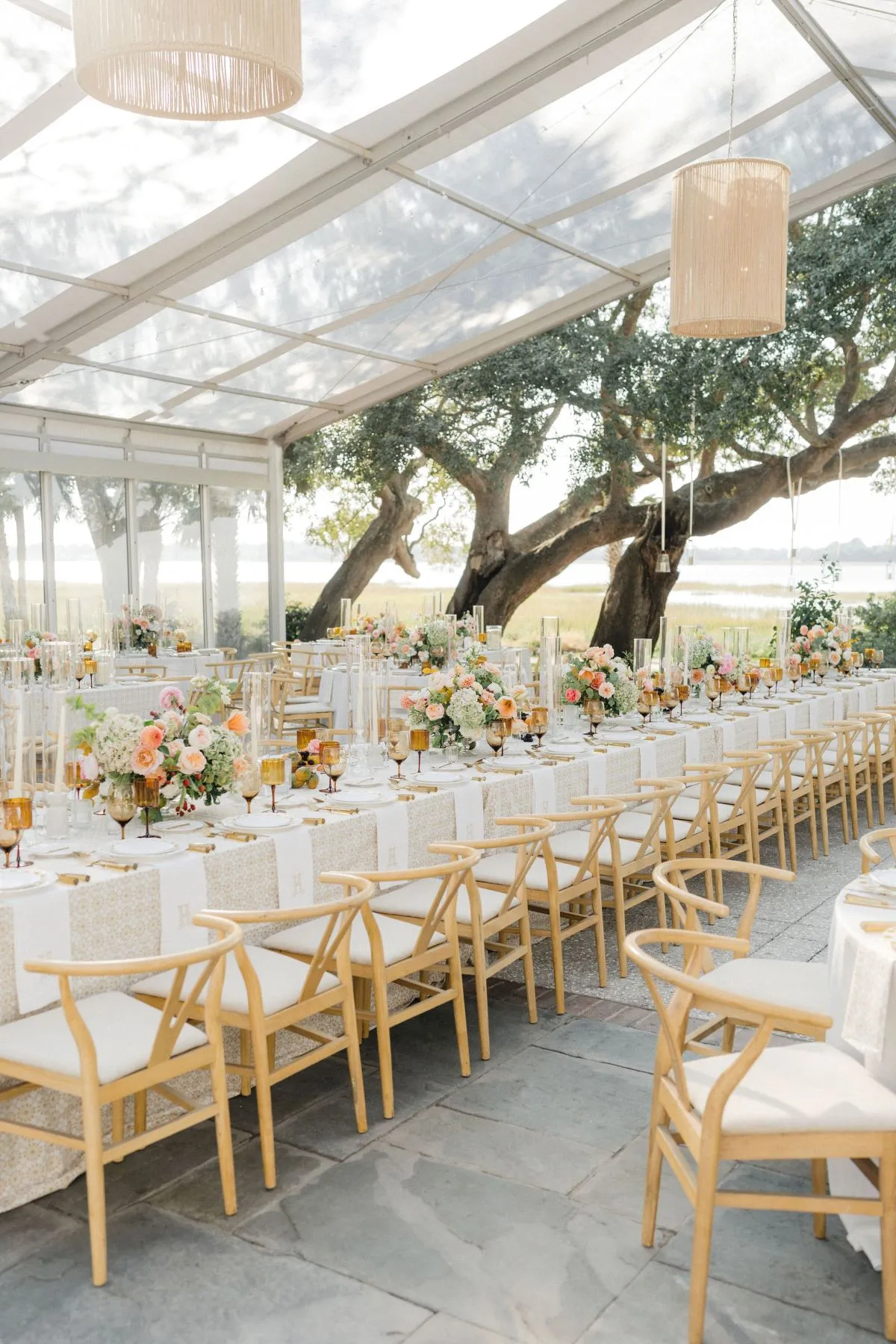
Heat management is a core requirement for outdoor summer events in Nashville, where high temperatures and humidity can affect both guest experience and event operations. Without adequate cooling measures, even well-planned events can become uncomfortable, leading to reduced engagement and shorter guest dwell time. Addressing heat early in the planning process ensures that the environment remains functional and consistent throughout the event.
How Do Heat and Humidity Affect Guest Comfort?
High temperatures combined with humidity reduce the body’s ability to cool itself, which can make outdoor environments feel significantly warmer than the actual temperature. Guests may experience discomfort more quickly in crowded or unshaded areas, especially during peak afternoon hours.
Providing airflow and cooling zones helps regulate perceived temperature and allows guests to remain comfortable across different areas of the event.
What Problems Can High Temperatures Create at Events?
Excessive heat can lead to fatigue, reduced participation, and operational strain. Guests may avoid certain areas, such as open seating or activity zones, if those spaces are not adequately cooled.
Heat can also affect event elements such as food service, equipment performance, and staff efficiency, which impacts the overall execution of the event.
How Does Heat Impact Event Experience and Attendance?
Guest comfort directly influences how long attendees stay and how they engage with the event. When cooling is insufficient, guests are more likely to leave early or avoid returning to certain areas.
Maintaining a comfortable environment supports longer attendance, better interaction, and a more positive overall perception of the event.
What Are the Most Effective Ways to Manage Heat at Outdoor Events?
Managing heat effectively requires combining multiple strategies that address airflow, temperature reduction, and environmental conditions. The right approach depends on the scale of the event and the characteristics of the venue. Using a mix of cooling methods ensures that different areas of the event remain comfortable.
How Do Fans Help Improve Airflow and Comfort?
Fans increase air movement, which improves comfort by accelerating the body’s natural cooling process. They are effective in both open and partially covered spaces and can be positioned to target specific zones such as seating areas, walkways, and service stations.
Directed airflow creates noticeable cooling without requiring significant power or complex setup.
How Do Evaporative Coolers Reduce Heat in Outdoor Spaces?
Evaporative coolers lower air temperature by using water evaporation, producing a more direct cooling effect than fans alone. These units are suitable for larger areas where airflow alone is not sufficient.
They are often used in high-traffic zones or areas where guests remain stationary for longer periods.
When Should You Use Portable Air Conditioning?
Portable air conditioning units are best suited for enclosed or semi-enclosed spaces where controlled cooling is required. They provide consistent temperature regulation but typically require additional setup, including power and airflow management.
These units are commonly used in tents, VIP areas, or spaces where precise cooling is necessary.
How Do You Choose Between Fans and Cooling Rentals?
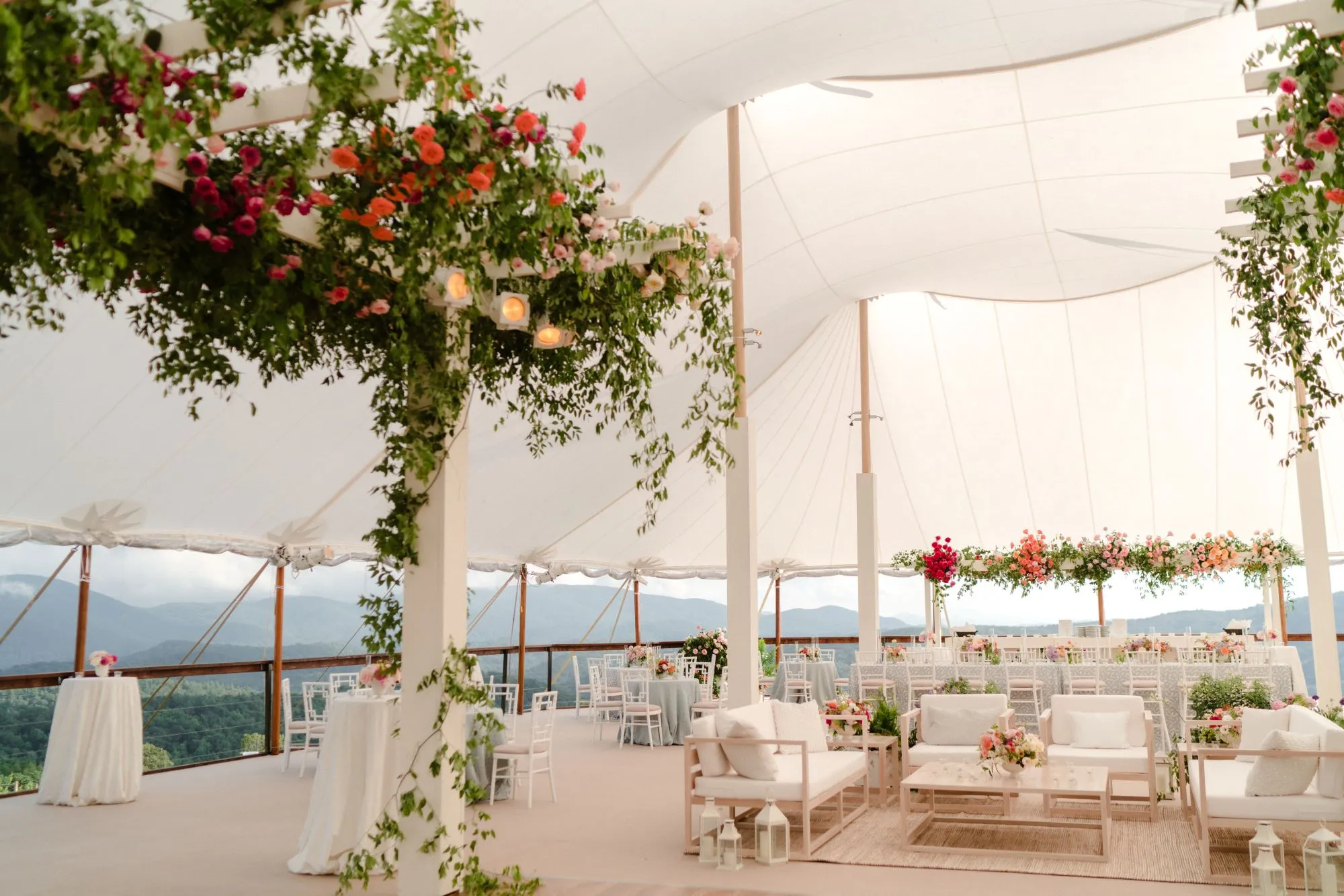
Selecting the right cooling solution depends on how much temperature control is required and how the event space is structured. Fans, evaporative coolers, and portable air conditioning each serve different functions, so choosing the right option requires aligning equipment with event conditions, guest expectations, and layout requirements.
When Are Fans Enough for Cooling an Event?
Fans are suitable for events where the primary need is improved airflow rather than direct temperature reduction. They work well in shaded areas, open-air venues, or smaller gatherings where guests are not exposed to prolonged heat.
They are also effective for supporting comfort in transitional spaces such as entrances, walkways, and service areas.
When Do You Need Evaporative Coolers or AC Units?
Evaporative coolers or portable air conditioning units are needed when airflow alone is not sufficient to maintain comfort. Larger events, high guest density, or direct sun exposure often require stronger cooling methods.
Evaporative coolers are useful for open spaces that need broader coverage, while portable air conditioning is better suited for enclosed or controlled environments.
Should You Combine Multiple Cooling Solutions?
Combining cooling solutions often produces the most effective results. Fans can be used to circulate air across the space, while evaporative coolers or air conditioning units provide targeted cooling in key areas.
This layered approach allows different zones of the event to maintain consistent comfort levels.
How Do Event Size and Layout Affect Heat Management?
Event size and layout directly influence how cooling should be planned and distributed. Larger events require a more structured approach to ensure that all areas receive adequate airflow and temperature control. A well-planned layout supports both comfort and efficient movement throughout the space.
How Does Guest Count Influence Cooling Needs?
Higher guest counts generate additional heat and require increased cooling capacity. As attendance grows, more equipment is needed to maintain consistent conditions across the event.
Planning cooling capacity based on peak occupancy ensures that the environment remains comfortable even during the busiest periods.
How Do Venue Type and Layout Impact Cooling Strategy?
The type of venue affects how cooling equipment performs. Open spaces rely more on airflow and distributed cooling, while enclosed or tented areas may require more controlled solutions such as evaporative coolers or air conditioning.
Layout design should account for how air moves through the space to avoid uneven cooling.
How Should Cooling Be Distributed Across Event Zones?
Cooling should be allocated based on how each area of the event is used. High-traffic zones, seating areas, and service stations typically require more focused cooling.
Distributing equipment strategically ensures that no single area becomes uncomfortable and helps maintain a balanced environment throughout the event.
What Cooling Setup Works Best for Different Event Sizes?
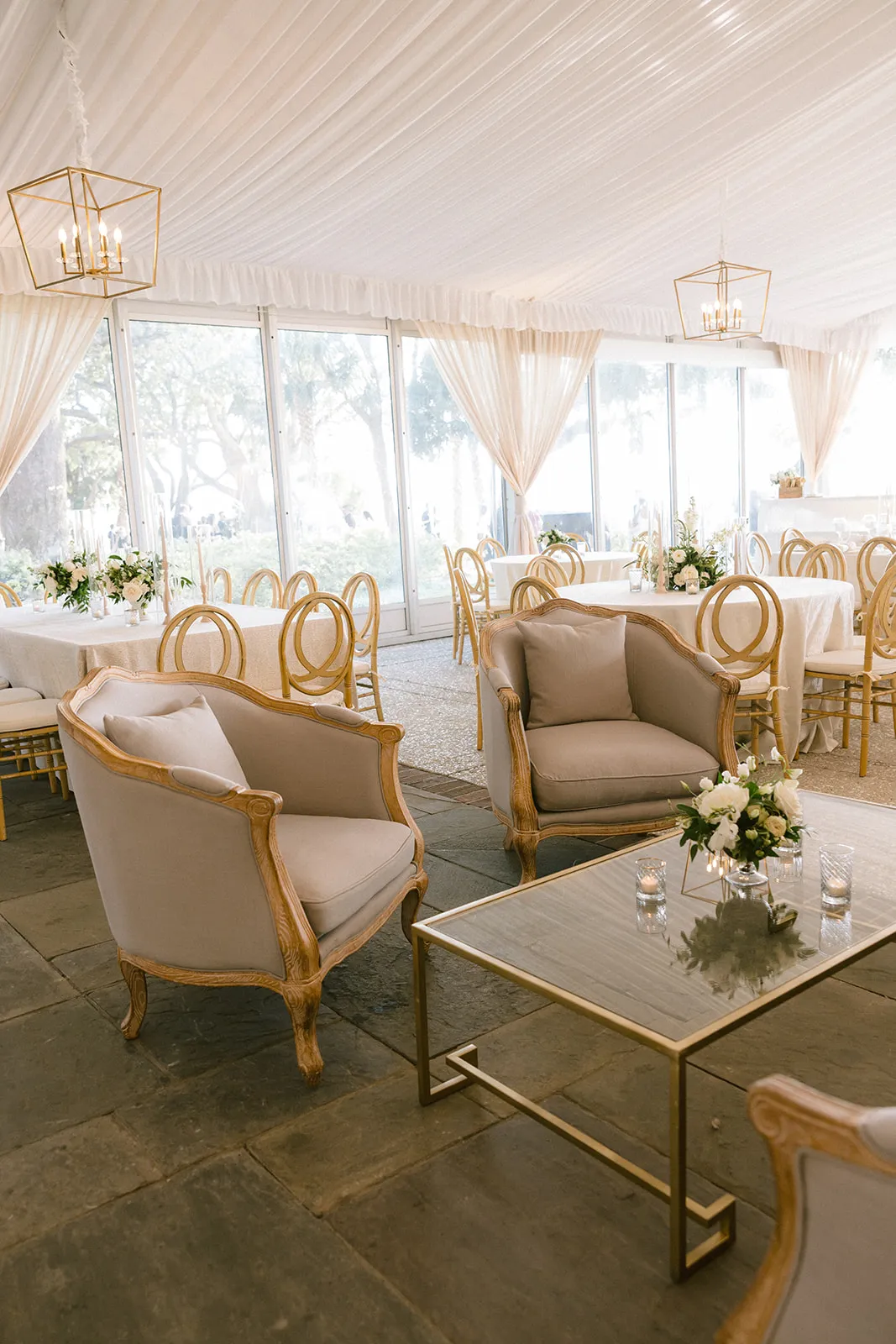
Cooling requirements vary based on event scale, as larger gatherings demand broader coverage and more structured planning. Matching cooling solutions to event size ensures that all areas remain comfortable without over- or under-utilizing equipment.
What Cooling Strategy Works for Small Events?
Smaller events typically benefit from targeted airflow rather than large-scale cooling systems. A few well-placed fans can provide sufficient comfort, especially in shaded or partially covered areas.
Positioning fans near seating areas, food stations, and entry points helps maintain consistent airflow where guests gather most.
What Cooling Strategy Works for Medium Events?
Medium-sized events often require a combination of fans and evaporative coolers. Fans maintain airflow across the space, while evaporative coolers provide stronger cooling in high-traffic or stationary areas.
This combination ensures that both open and concentrated zones remain comfortable without requiring full-scale climate control.
What Cooling Strategy Works for Large Events?
Large events require a layered cooling approach that combines multiple equipment types. Fans can be used to circulate air across wide areas, while evaporative coolers and portable air conditioning units provide targeted cooling in key zones such as seating areas, stages, or enclosed spaces.
Planning coverage across the entire event footprint ensures that cooling remains consistent even with high attendance and varying activity levels.
How Does Nashville’s Climate Affect Cooling Performance?
Nashville’s summer climate introduces specific challenges that influence how cooling equipment performs. High humidity, direct sunlight, and temperature fluctuations all affect the effectiveness of different cooling methods. Adapting to these conditions ensures that cooling strategies remain reliable throughout the event.
How Does Humidity Impact Cooling Methods?
Humidity reduces the efficiency of evaporative cooling by limiting how much moisture can evaporate into the air. As humidity increases, the cooling effect becomes less pronounced, which can impact performance in certain conditions.
Understanding humidity levels helps determine when evaporative coolers should be used or supplemented with other solutions.
Why Are Fans Important in Humid Conditions?
Fans remain effective in humid environments because they improve airflow rather than relying on temperature reduction. Increased air movement helps the body cool naturally, making fans a reliable option when humidity limits other cooling methods.
They are particularly useful for maintaining comfort in open-air spaces during peak humidity.
How Should You Adjust Cooling Plans Based on Weather?
Cooling strategies should remain flexible to account for changing weather conditions. On hotter days, additional cooling units may be required, while shifts in humidity may call for adjustments in equipment use.
Planning for adaptability ensures that the event remains comfortable regardless of how conditions change.
How Much Do Cooling Rentals Cost in Nashville?
Understanding the cost of cooling rentals helps ensure that your event stays within budget while still meeting comfort requirements. Pricing varies depending on equipment type, capacity, and setup complexity, so evaluating cost alongside performance is essential for effective planning.
What Are Typical Costs for Fans and Cooling Equipment?
Rental costs for cooling equipment vary by type and size. Fans are generally the most cost-effective option, while evaporative coolers and portable air conditioning units are priced higher due to their increased cooling capacity.
Larger or more advanced units designed for high-capacity events typically come at a higher price point, especially when multiple units are required.
What Factors Influence Cooling Rental Pricing?
Several factors affect overall rental costs, including the number of units, duration of the rental, and the complexity of installation. Events that require additional infrastructure, such as generators or water supply for evaporative coolers, may incur higher costs.
Delivery, setup, and breakdown services can also impact pricing depending on how they are structured within the rental package.
What Is Included in Rental Packages?
Most rental packages include the equipment along with delivery and setup services. Some providers may also offer on-site support to monitor performance during the event.
Clarifying what is included in the package helps ensure that all necessary services are covered and reduces the likelihood of unexpected costs.
What Are Best Practices for Setting Up Cooling Equipment?
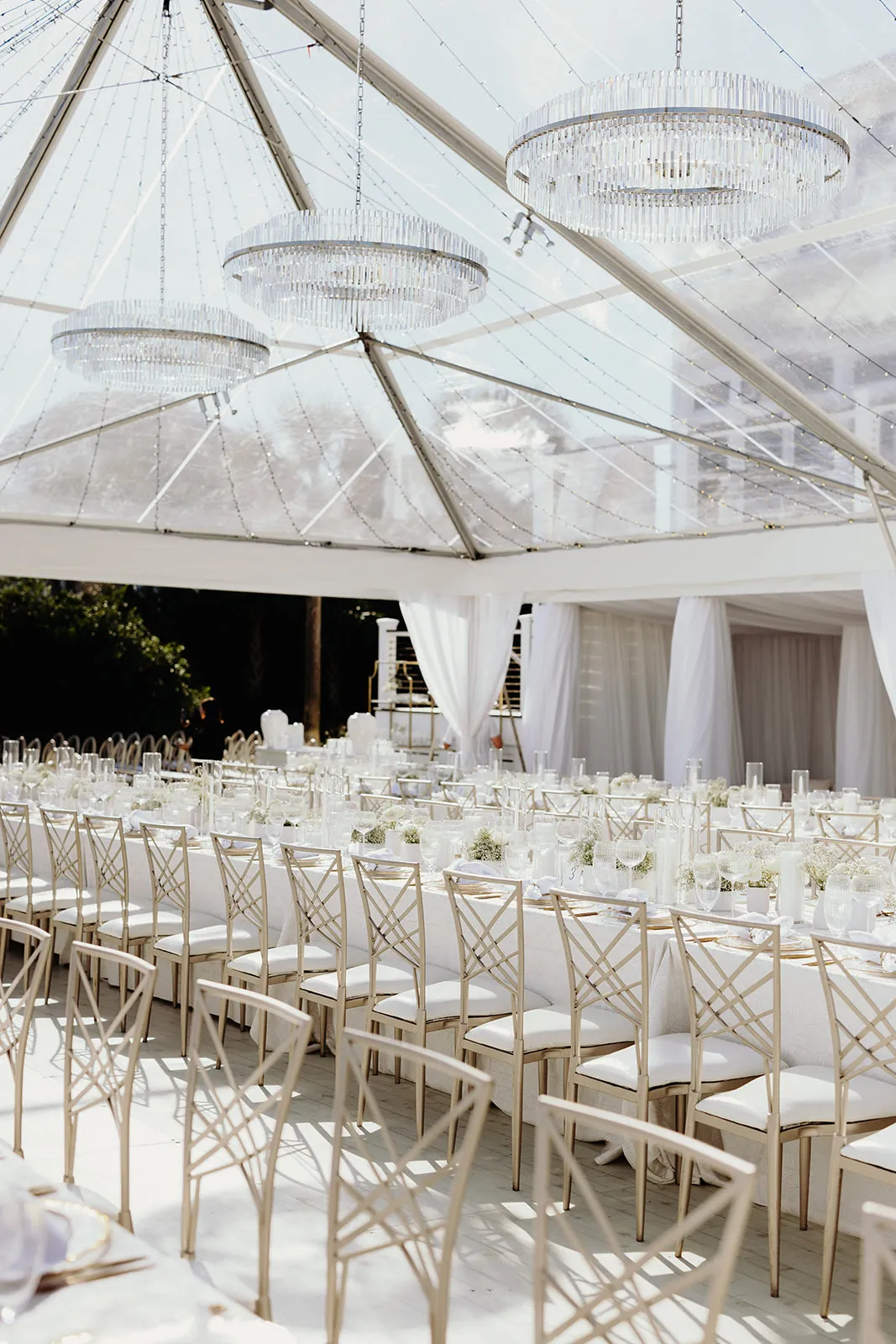
Proper setup is essential to ensure that cooling equipment performs effectively throughout the event. Strategic placement, access to resources, and ongoing monitoring all contribute to consistent cooling and a reliable guest experience.
Where Should Cooling Equipment Be Placed?
Cooling equipment should be positioned in areas where guests spend the most time, such as seating zones, dining areas, and high-traffic spaces. Placement should also account for airflow direction to ensure that cooling is distributed effectively.
Avoid placing equipment in obstructed areas where airflow may be limited or uneven.
How Do You Plan for Power and Water Requirements?
Cooling equipment often requires access to power, and in the case of evaporative coolers, a water source. Planning these requirements in advance ensures that all units can operate without interruption.
Coordinating power distribution and water access with the event layout helps prevent logistical issues during setup.
How Do You Monitor Cooling Performance During the Event?
Monitoring equipment during the event helps ensure that cooling remains consistent. Assigning staff to check airflow, water levels, and overall performance allows for quick adjustments if needed.
Regular checks help maintain efficiency and prevent minor issues from affecting guest comfort.
Why Choose Curated Events for Cooling Rentals in Nashville?
Selecting the right rental partner is essential for managing heat effectively at large summer events. Curated Events provides cooling solutions that are designed to perform in Nashville’s summer conditions while supporting a structured and reliable setup process.
What Cooling Solutions Does Curated Events Provide?
Curated Events offers a range of cooling equipment, including fans, evaporative coolers, and other solutions suited for outdoor and tented environments. Their inventory supports different event sizes and layouts, allowing for flexible planning.
This range ensures that each event can be equipped with the appropriate level of cooling.
How Does Curated Events Customize Heat Management Plans?
Each event requires a tailored approach based on size, layout, and environmental conditions. Curated Events works with planners to determine the right combination of equipment and placement strategy to achieve consistent cooling across the space.
This planning process ensures that all zones are addressed and that equipment is used efficiently.
How Does Local Expertise Improve Event Outcomes?
Experience with Nashville venues and climate conditions allows Curated Events to recommend solutions that perform reliably in local environments. Their understanding of seasonal challenges supports better equipment selection and placement.
This local knowledge helps ensure that cooling strategies are practical and aligned with real event conditions.
Frequently Asked Questions
Are Evaporative Coolers Effective in Nashville Humidity?
Evaporative coolers can provide effective cooling in certain conditions, but their performance decreases as humidity increases. They are most effective when used alongside airflow solutions such as fans.
Combining methods helps maintain consistent comfort even when humidity levels rise.
Can Fans Replace Air Conditioning at Outdoor Events?
Fans improve airflow and comfort but do not reduce ambient temperature in the same way as air conditioning. For moderate conditions, fans may be sufficient, but larger events or higher temperatures often require additional cooling solutions.
Using fans alongside other equipment provides more reliable results.
How Many Cooling Units Do I Need for My Event?
The number of cooling units depends on event size, layout, and expected conditions. Larger events with high guest counts require more equipment to maintain consistent coverage.
Consulting with a rental provider helps determine the appropriate quantity and placement of units.
Conclusion
Managing heat effectively is essential for delivering a comfortable and successful summer event in Nashville. Selecting the right combination of cooling solutions ensures that guests remain engaged while operations run smoothly.
Working with an experienced provider such as Curated Events allows planners to access a range of cooling equipment and structured setup support. Their approach ensures that cooling strategies are aligned with event size, layout, and local conditions.
Explore cooling rental options that match your event requirements to create a balanced, comfortable environment for your next summer event in Nashville.