
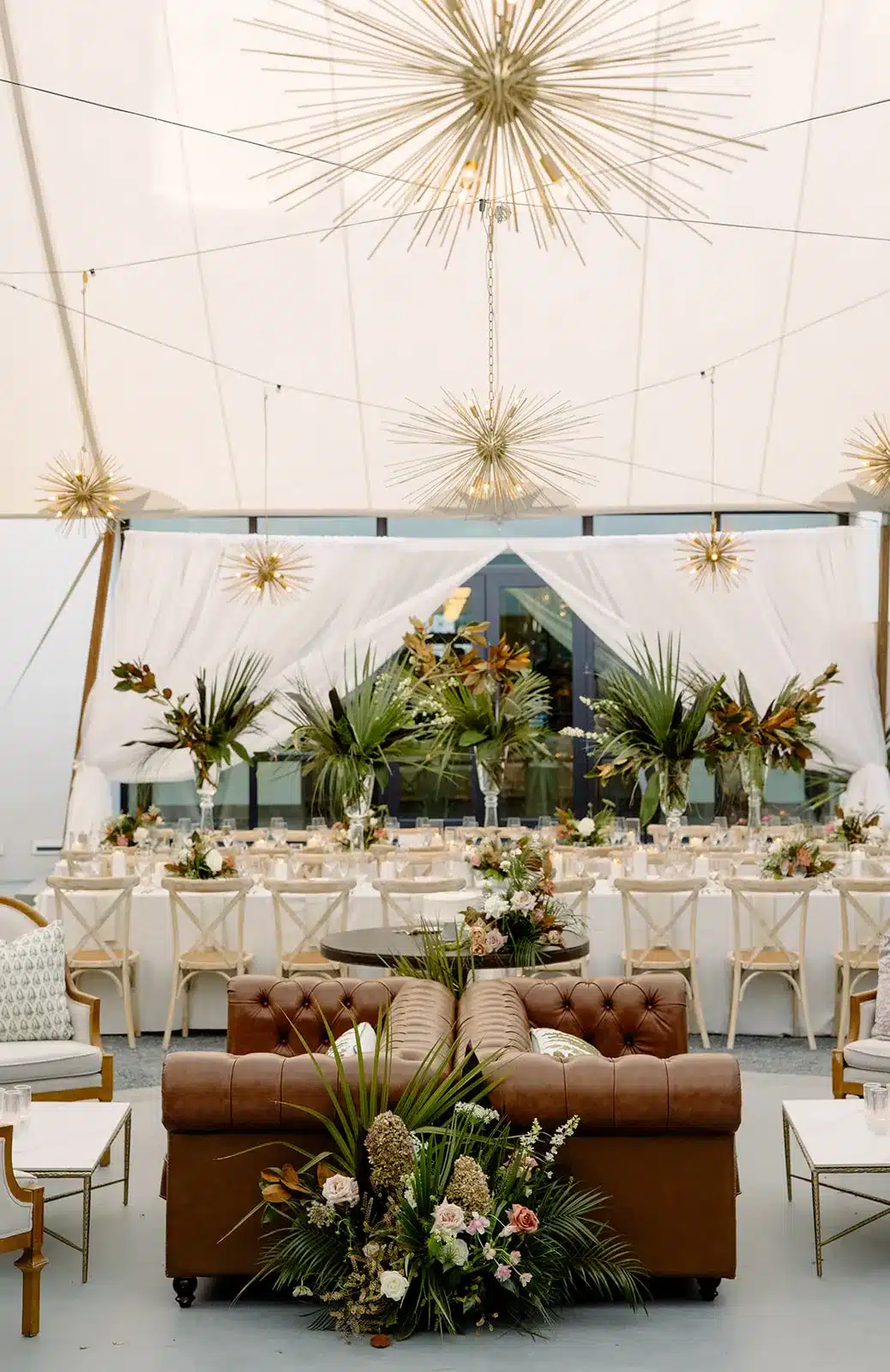
Luxury tent interiors combine tactile flooring, statement lighting, and seasonal fabrics to transform a temporary structure into an immersive holiday environment. This guide explains how carpeting, chandeliers, and draping work together to improve guest comfort, thermal performance, and festive atmosphere for premium holiday parties. Readers will learn how to choose carpet types for insulation and durability, match chandelier styles to tent scale and power constraints, and select draping fabrics and techniques that add visual depth and seasonal warmth. Practical decision checklists, EAV comparison tables, and installation tips help planners strike a balance between aesthetics, logistics, and safety during the winter and holiday seasons. Throughout the guide, we use industry terms and related entities, tent structures, flooring systems, lighting systems, and textiles, to create an actionable plan you can apply when designing or renting a luxury holiday tent interior.
How Do You Choose the Perfect Carpeting for Luxury Holiday Party Tents?
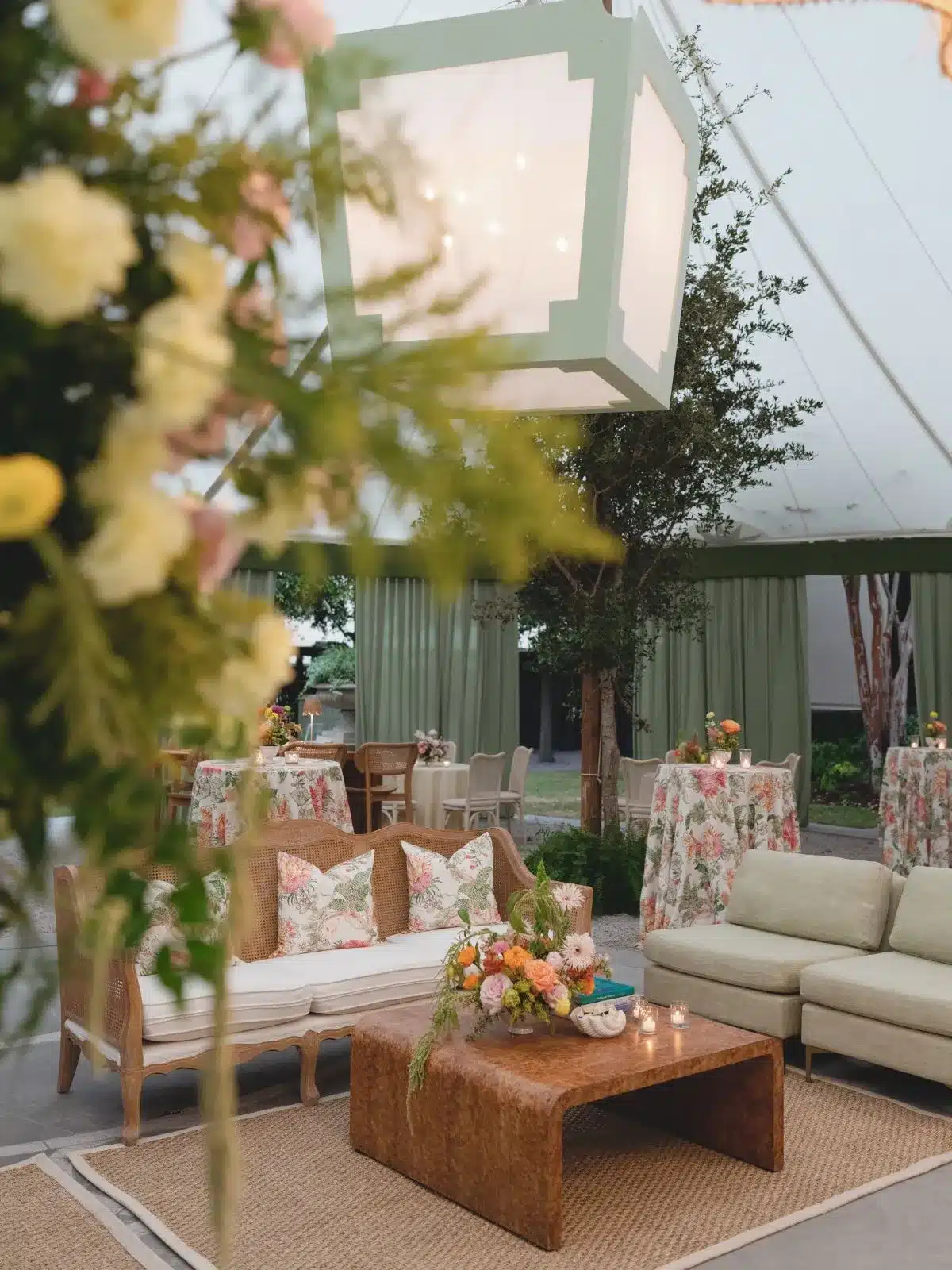
Choosing the right carpeting for a luxury holiday tent means balancing insulation, durability, and visual impact so the flooring both warms guests and complements decor. Carpeting increases perceived warmth by adding thermal resistance and reduces noise by dampening reverberation inside high-ceiling tents. It also provides a cohesive base that ties draping and furniture together. Practical considerations include subfloor systems for moisture control, slip-resistance in walkways, and installation time for seams and transitions; these factors determine whether plush carpet tiles or durable synthetic broadloom are the best fit. Below is a concise checklist to capture the core selection criteria planners use when matching carpet to event objectives and climate. Understanding these variables leads naturally to selecting specific carpet materials and how they perform in real-world holiday events.
Planners should assess insulation value, traffic rating, color/pattern coordination, installation logistics, and budget impact before specifying a carpet.
- Insulation & Warmth: Choose carpets with higher pile or add underlay to improve thermal comfort.
- Durability & Traffic Rating: Specify synthetic blends for high-traffic cocktail zones and wool blends for seated dinners.
- Moisture & Subflooring: Confirm subfloor or vapor barrier use in damp outdoor sites.
- Color & Palette: Match carpet tone to draping and furniture to avoid visual clashes.
- Installation Timeline: Verify install and removal windows to fit vendor schedules.
These checklist items focus the selection process and prepare planners for the technical comparisons that follow.
Different carpet constructions deliver distinct comfort and aesthetic outcomes; the table below outlines practical choices to guide materials selection.
What Types of Luxury Carpeting Are Best for Holiday Tent Interiors?
Plush carpet varieties, such as velvet-like synthetics and high-grade wool blends, are ideal for formal holiday dinners because they provide tactile warmth and reflect low, intimate lighting. These hyponyms of luxury carpeting deliver a soft underfoot experience and improve acoustic comfort, making conversations feel more private during gala evenings. For cocktail receptions or high-traffic service aisles, durable synthetic carpets or carpet tiles offer better wear resistance and faster install times while still supporting custom color matching. When planning, specify pile height, backing type, and whether an insulated underlay or subfloor will be used to maximize thermal performance and guest comfort.
Selecting the right carpet material sets expectations for maintenance, installation time, and how well the floor contributes to the tent’s overall insulation strategy, which connects directly to lighting and draping choices addressed next.
How Does Carpeting Enhance Comfort and Style in Holiday Event Tents?
Carpeting enhances comfort by trapping air above the ground, increasing thermal resistance and making interior temperatures feel several degrees warmer without altering heater load significantly. It also dampens sound by absorbing mid- and high-frequency reflections, reducing echo in tall tent volumes and improving speech intelligibility for speeches and music. Visually, carpet anchors the palette and can define zones, runners for entrances, full covers for dining, and patterned tiles for lounge areas, so texture and color choices harmonize with draping and chandeliers. These performance and aesthetic roles make carpeting a strategic decision that should be coordinated early with lighting and fabric choices to ensure a cohesive holiday presentation.
Coordinating flooring with overhead elements leads directly into selecting appropriate chandelier styles and scale for a tented holiday interior.
What Are the Top Chandeliers Styles for Elegant Holiday Party Tents?
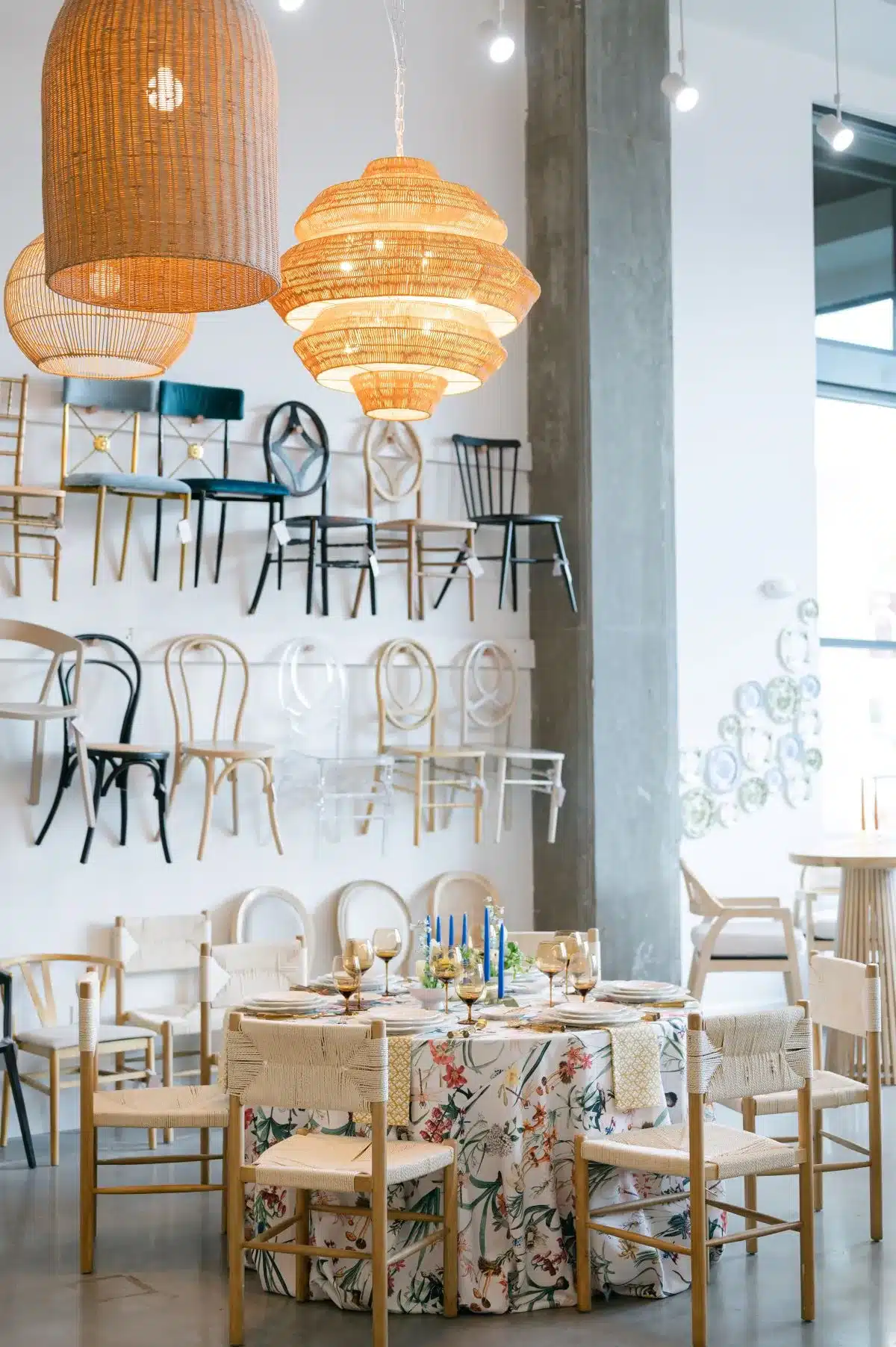
Chandeliers set the vertical focal point in a tent interior and influence both ambiance and rigging requirements; selecting the right style requires matching fixture scale to tent ceiling height and guest sightlines. Crystal chandeliers produce a reflective sparkle and festive glamour, while modern geometric fixtures add a contemporary edge with precise illumination. Rustic wrought-iron or wood-accented chandeliers create warm, textured silhouettes that complement cozy holiday themes.
Power and rigging are critical: determine weight limits, distributed suspension points, and power circuits before committing to a style, so that installation complexity aligns with event schedules. Consider the following chandelier placement rules of thumb: center over dance floors, evenly spaced above tables, and proportioned to the tent bays, to ensure visual balance and safe mounting. The next section compares popular chandelier styles and provides a sizing and power guide to simplify choices for different tent dimensions.
- Crystal Chandeliers: Maximize sparkle and festive glamour; best for high-ceilinged tents and formal dinners.
- Modern Geometric Fixtures: Offer clean lines and integrated LED efficiency; suit minimalist palettes and contemporary events.
- Rustic/Wrought Iron: Provide warmth and texture; pair well with heavy fabrics like velvet or leather furniture.
- Mixed Systems: Combine a statement chandelier with uplights and dimming controls to sculpt mood throughout the evening.
An effective chandelier plan blends ambiance, fixture weight, and electrical logistics while coordinating with secondary lighting sources like uplights and string lighting.
How Do Crystal Chandeliers Create a Festive Ambiance in Tent Interiors?
Crystal chandeliers refract and scatter light, turning point sources into a field of sparkling highlights that enhance festive decoration and reflective surfaces like polished dance floors. The mechanism, faceted crystal surfaces interacting with warm-tone bulbs, creates visual depth, increasing perceived luxury and drawing guests’ attention upward to the tent ceiling treatments. For optimal impact, center crystal fixtures over the main dining area or dance floor and choose warm color temperatures (2700–3000K equivalent) to complement metallic accents and velvet draping. Rigging and maintenance considerations include verifying load ratings, using safety cables, and coordinating bulb type (LED vs incandescent) to manage heat and energy use safely. Pairing crystal fixtures with mirrored or reflective flooring amplifies the sparkle effect and closes the visual loop between floor and ceiling.
Maximizing chandelier sparkle ties directly into draping choices and reflective flooring, so designers should plan fixtures alongside textiles and carpet selections.
What Modern and Rustic Chandelier Options Suit Holiday Tent Decor?
Modern chandeliers emphasize linear forms, matte finishes, and energy-efficient LED sources to provide precise illumination without visual clutter, and they pair well with minimalist palettes and clear-top tents. Rustic options, wrought-iron frames, wood accents, and Edison-style bulbs, lend tactile warmth and are well-suited to heavy fabric draping and jewel-toned winter palettes. Choosing between these hyponyms depends on the event’s emotional aim: modern fixtures convey refined simplicity while rustic fixtures feel intimate and grounded. When combining styles, maintain consistent color temperature and use layered lighting, accent uplights and table lamps, to bridge the aesthetic gap and ensure visual cohesion across flooring, fabrics, and fixtures.
Making a coherent lighting scheme leads naturally to fabric strategies; the next section explores how seasonal draping transforms tent interiors.
How Can Seasonal Draping Transform Your Holiday Tent Interior Design?
Seasonal draping changes a tent’s perceived volume, acoustics, and color narrative through fabric selection and installation technique, making it one of the most powerful tools for holiday atmosphere. Fabrics range from heavy velvet liners that compress sound and add thermal weight in winter, to sheer voiles that layer light and create luminous ceilings for fall or early-winter events. Draping techniques, ceiling swags, full liners, partial backdrops, and staged focal points, alter perceived ceiling height and create photo-ready moments, while flame-retardant treatment and secure attachment methods address safety and weather concerns. Below are recommended seasonal palettes and fabric matches to help planners choose materials that support both the visual story and technical requirements of holiday tent interiors. Understanding fabric properties informs installation choices and coordinates directly with carpet and lighting strategies.
Selecting the right fabric and technique prepares the venue for coordinated carpeting and chandelier effects described in other sections.
Which Fabrics and Colors Are Ideal for Festive Tent Draping?
For winter holiday parties, velvet and heavy satin in deep jewel tones, emerald, burgundy, and navy, create a luxurious backdrop and help retain warmth when used as full liners. Metallic accents, such as gold or brass trims, work well as highlights in pleated swags or entrance treatments to catch chandelier sparkle, while sheer layers in ivory or soft champagne diffuse uplighting for elegant ceiling treatments. Consider weight and opacity: heavier fabrics increase thermal retention and sound damping, while lighter fabrics enable layered translucency and flexible photo backdrops. Maintenance and flame-retardancy protocols should be specified in the vendor contract to ensure safety without compromising the aesthetic plan.
What Are Effective Draping Techniques for Holiday Party Tents?
Effective draping techniques include full-liner installation for a seamless ceiling and wall effect, ceiling swags to create soft overhead movement, and staged focal drapes for photo backdrops or stage areas; each technique alters perceived scale and focal emphasis. Full liners are best for formal galas where a continuous envelope elevates the experience, while ceiling swags add motion and soften acoustics without full enclosure.
Entrances benefit from layered swags and textured panels to create reveal moments for arriving guests, and partial draping can highlight bar areas or lounge zones without overwhelming service flow. Secure attachment, wind contingency planning, and coordination with rigging for chandeliers are crucial to maintaining safety and preserving fabric lines during adverse weather conditions.
These draping methods integrate with carpeting and lighting choices to create a cohesive holiday environment from floor to ceiling.
What Complementary Luxury Elements Enhance Holiday Tent Interiors?
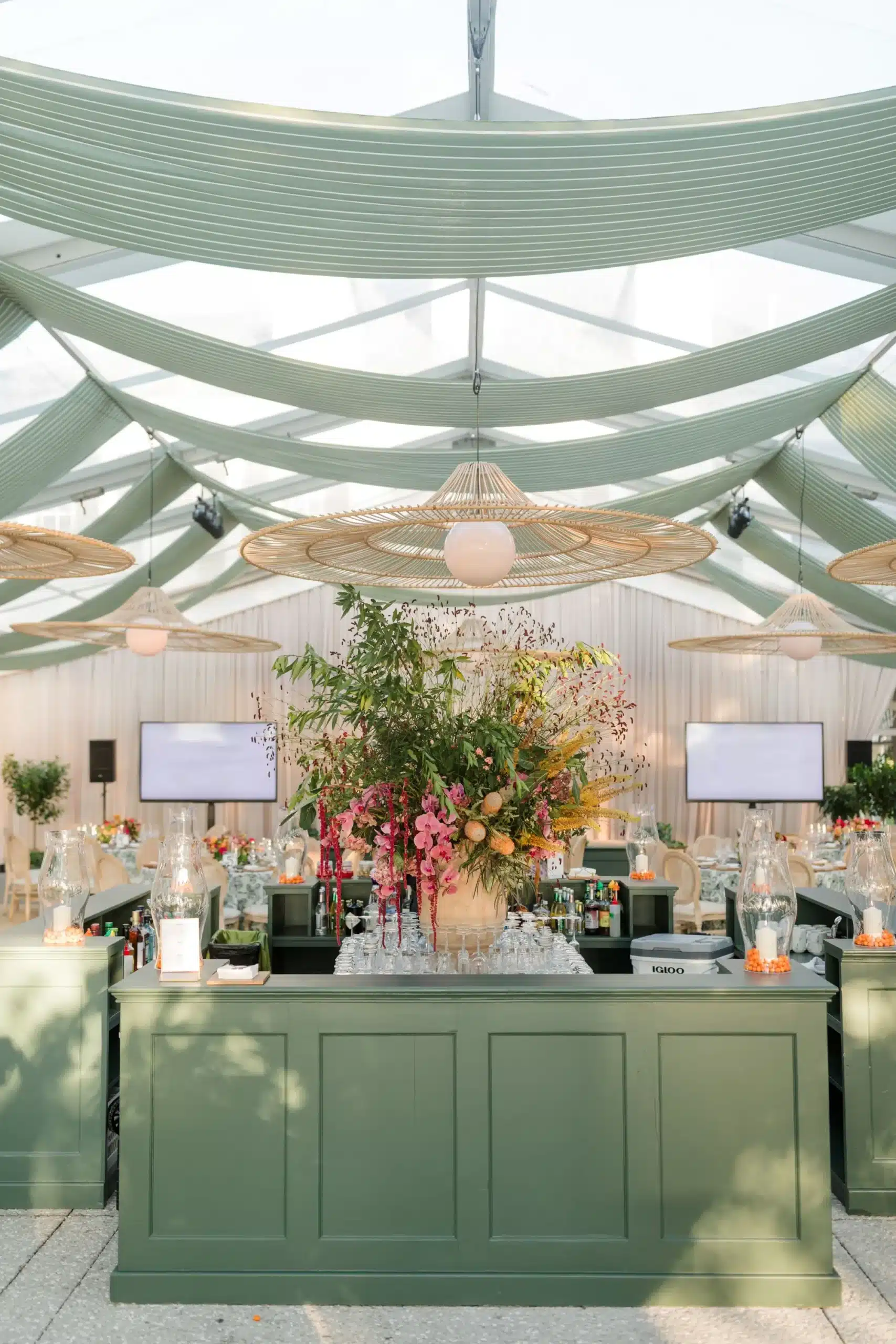
Beyond flooring, lighting, and draping, complementary elements, heating systems, lounge furniture, and layered lighting controls, complete the guest experience by addressing comfort and flow. Heating solutions must be specified by type and placement relative to fabrics and furnishings to maintain even warmth while meeting safety and ventilation requirements. Lounge furniture creates intimate pockets within large tent volumes, using area rugs and coffee tables to anchor seating and encourage relaxed socializing.
Layered lighting, comprising table lamps, uplights, and dimming control systems, works in conjunction with chandeliers to sculpt scenes, from arrival to dancing, enhancing both function and mood. Recent trends have shown integrated packages from rental providers that bundle these components to simplify coordination and logistics. For example, Curated Events is a provider known for combining inventory and installation services to create cohesive setups.
- Heating Integration: Coordinate heater type and floor insulation to retain warmth efficiently.
- Lounge Configuration: Use plush seating groupings and area rugs to define social zones.
- Layered Lighting: Combine chandeliers with uplights and table lamps on dimmers for dynamic control.
- Operational Flow: Plan furniture and service aisles to maintain circulation and vendor access.
How Do Heated Tent Options Improve Comfort for Winter Holiday Events?
Heated tents extend the season by compensating for cold ambient air, and choosing between propane and electric heaters depends on site power availability, ventilation needs, and proximity to fabrics. Propane heaters offer high heat output and mobility but require careful placement, ventilation, and safe clearances from drapes and furniture to comply with safety practices.
Electric heaters provide cleaner operation and easier integration with in-tent electrical systems, but they require sufficient circuits and may need integration with subfloor insulation to avoid cold transfer through the ground. Coordinating heater placement with carpeting increases thermal retention, carpet and underlay reduce heat loss to the ground, while safety measures such as flame-retardant fabrics and proper clearances preserve guest safety. Understanding these trade-offs lets planners maintain comfort without compromising decorative goals or safety standards.
Integrating heating decisions with flooring and draping choices keeps the interior both beautiful and safe under winter conditions.
What Lounge Furniture and Lighting Add Style to Luxury Holiday Tents?
Upscale lounge furniture, featuring plush sofas, low-slung chairs, ottomans, and cocktail tables, creates comfortable gathering spaces that encourage lingering and conversation during holiday events. Anchor lounge zones with area rugs and side tables to delineate space, and select upholstery materials that harmonize with draping textures and carpet tones to maintain visual cohesion. Accent lighting, such as table lamps, floor lamps, and targeted uplights, adds intimacy and allows ambient chandelier levels to be lowered for soft, conversation-friendly scenes. Consider traffic flow and service access when positioning seating to keep circulation paths clear and to maintain emergency egress; furniture that’s modular and easy to reposition also helps adapt lounge areas for different event phases. Coordinating furniture scale and lighting control systems with tent proportions ensures each lounge feels deliberately designed rather than ad hoc.
Thoughtful furniture and accent lighting complete the luxury package, aligning directly with the overall planning timeline described next.
How Do You Plan and Design a Luxury Holiday Party Tent Interior?
Planning a luxury holiday tent interior requires a timeline, vendor coordination, and clear role definitions to ensure decor, lighting, and infrastructure converge on install day without surprises. Key milestones include an early site visit to confirm ground conditions and clearances, a finalized floor plan that allocates zones for dining, dancing, and lounges, and coordinated load-in/load-out schedules for tenting, flooring, chandeliers, and draping teams.
Budget allocation guidance helps prioritize items, such as lighting and scaffolding for chandeliers, carpeting and subfloors for thermal comfort, and flame-retardant fabrics for safety, so designers can make informed trade-offs that preserve the guest experience. Below is a short timeline checklist and practical coordination tips for permitting, power requirements, and contingency planning to keep holiday bookings on track.
- Site Visit & Survey: Confirm site slopes, access points, and underground utilities well before booking.
- Floorplan & Zones: Finalize dining, lounge, bar, and service aisles to guide carpet and furniture placement.
- Permits & Power: File permits early and confirm power distribution and generator needs.
- Install Schedule: Sequence tent erection, flooring, chandeliers, and draping to avoid rework on install day.
- Contingency Plans: Prepare for weather, power loss, or damaged materials with backup options.
These steps create a project roadmap that keeps design and operations aligned through the holiday season.
How Can You Coordinate Carpeting, Chandeliers, and Draping for Cohesive Decor?
Achieving cohesion across carpet, chandeliers, and draping requires five practical design rules: scale alignment, color temperature coordination, texture layering, reflective surface balancing, and focal layering to guide sightlines. Scale alignment ensures that chandeliers are proportionate to tent peak heights and carpet patterns. Large fixtures with small patterned carpets can feel top-heavy, so it’s essential to match the scale across elements.
Color temperature coordination involves selecting bulbs and fabric tones that complement each other; warm lamps (2700–3000K) pair well with jewel tones and warm metals. Texture layering mixes plush carpets, tactile draping, and upholstery to create visual depth without competing patterns. Reflective surfaces, such as polished dance floors or metallic trims, should be used strategically to amplify chandelier effects without creating glare. Focal layering sequences visual emphasis from the entrance to the main dining to the dance floor, guiding guests through the space.
- Match Scale: Measure tent peak height and select chandelier diameter to maintain proper proportions.
- Unify Color Temp: Standardize lighting color temperature across fixtures before finalizing fabrics.
- Layer Textures: Combine soft carpets, heavy liner drapes, and varied upholstery for depth.
- Balance Reflection: Use mirrored floors or metallic accents sparingly to highlight sparkle without glare.
- Sequence Focal Points: Design a visual path from entrance to main activity area to create narrative flow.
These coordination steps make it straightforward to translate aesthetic goals into a workable scope of work and technical specifications.
Where Can You Rent High-Quality Luxury Tent Interiors for Holiday Parties?
When sourcing luxury tent interiors, evaluate vendors based on their inventory breadth, installation services, safety and insurance practices, and references to ensure they can deliver both a reliable product and an exceptional experience. Request product specifications for carpet types, chandelier weight and power requirements, and fabric fire ratings. Confirm that vendors include load-in/load-out plans and a clear schedule for the installation day to reduce on-site surprises.
Booking timelines for holiday events often require lead times, especially for specialty chandeliers and custom-colored carpeting, so begin vendor selection well in advance and secure permits and power plans early. For premium experiences expect vendors to coordinate multiple trades and provide consolidated logistics to minimize client management overhead; the short booking steps below outline the typical procurement path with what to expect from a comprehensive rental provider.
- Evaluate Inventory & Services: Confirm vendors stock desired carpets, chandeliers, drapes, and furniture and provide installation crews.
- Request Product Specs: Ask for carpet construction details, chandelier load ratings, and fabric FR documentation.
- Schedule Site Visit & Timeline: Arrange an on-site walk-through and lock in install windows and power permits.
- Confirm Insurance & Safety: Verify vendor insurance, rigging standards, and safety protocols for heaters and lighting.
- Secure Contract & Deposit: Understand cancellation, change order, and contingency terms for holiday-season bookings.
Why Choose Curated Events for Luxury Holiday Tent Rentals and Decor?
Curated Events, formerly known as CE Rentals, is a premier event rental company offering high-quality event rentals and exceptional service. With a comprehensive inventory across multiple locations, Curated Events provides tents, furniture, linens, and decor that can be combined into integrated rental packages. Their teams coordinate installation, logistics, and design intent for clients seeking a single-source solution for flooring, chandeliers, draping, and complementary elements like heating and lounge furnishings. Requesting detailed product specifications and an installation timeline from Curated Events helps planners confirm fit and finishes while streamlining vendor management for complex holiday installs.
What Should Event Planners Know About Booking Luxury Tent Interiors for Holiday Events?
To elevate gatherings by providing high-quality event rentals and exceptional service, planners should allow ample lead time, commonly several months for holiday weekends, confirm site access and electrical capacity early, and request written specifications for carpet type, chandelier weights, and fabric ratings to avoid last-minute substitutions. Essential contract items include confirmed install and strike windows, responsibility for ground protection and subflooring, and clearly defined contingency plans for weather and power issues. A practical booking checklist follows to guide contract negotiations and on-site coordination, helping planners reduce risk and ensure the design is delivered as specified.
- Lead Time: Book early for holiday dates to secure specialty items and install crews.
- Site Prep & Power: Confirm access, load-in paths, and power distribution before finalizing order.
- Install/Strike Windows: Lock in times and staging areas to prevent schedule conflicts with other vendors.
- Contract Details: Verify liability, damage policies, cleaning responsibilities, and change-order terms.
- Contingency Planning: Include backup heating, alternative flooring tiles, or replacement chandeliers for emergencies.
Frequently Asked Questions
What are the benefits of using luxury tent interiors for holiday parties?
Luxury tent interiors provide a unique and elegant setting for holiday parties, allowing for customization that reflects the event’s theme. They enhance guest comfort through improved insulation and acoustics, creating a warm and inviting atmosphere. Additionally, luxury tents can be designed to accommodate various layouts, making them versatile for different types of gatherings, from formal dinners to casual cocktail receptions. The ability to incorporate high-end decor elements like chandeliers and plush carpeting further elevates the overall experience, making it memorable for attendees.
How do I ensure safety when using chandeliers in a tent?
Ensuring safety when using chandeliers in a tent involves several key considerations. First, verify the weight limits of the tent structure and ensure that chandeliers are properly rigged to distribute weight evenly. Use safety cables as an additional precaution. It’s also essential to check electrical requirements, ensuring that the power supply can handle the chandelier’s wattage without risk of overload. Finally, consider the placement of chandeliers to avoid obstructing sightlines and ensure they are securely mounted to prevent accidents during the event.
What types of heating systems are best for winter holiday tents?
For winter holiday tents, both propane and electric heating systems can be effective, but each has its advantages. Propane heaters provide high heat output and are portable, making them suitable for larger spaces. However, they require careful placement and ventilation to ensure safety. Electric heaters, on the other hand, offer cleaner operation and can be integrated with existing electrical systems, but they may require sufficient power circuits. It’s crucial to coordinate heating placement with flooring and draping to maximize warmth and comfort for guests.
How can I create a cohesive design with carpeting, chandeliers, and draping?
Creating a cohesive design with carpeting, chandeliers, and draping involves aligning the scale, color, and texture of each element. Start by ensuring that the chandelier size is proportionate to the tent’s height and the carpet’s pattern complements the overall decor. Use a consistent color temperature for lighting to unify the ambiance. Layering textures, such as plush carpets with rich draping fabrics, adds depth and visual interest. Finally, consider the flow of the space, guiding guests through focal points that enhance the overall aesthetic and experience.
What are some popular fabric choices for seasonal draping in holiday tents?
Popular fabric choices for seasonal draping in holiday tents include heavy materials like velvet and satin, which provide warmth and a luxurious feel, ideal for winter events. Sheer fabrics like voile or chiffon can create ethereal effects and allow light to filter through, perfect for more casual or spring gatherings. Textured woven fabrics, such as bouclé, add tactile interest and can anchor rustic themes. When selecting fabrics, consider their weight, opacity, and care requirements to ensure they meet both aesthetic and practical needs for the event.
How do I choose the right lounge furniture for a luxury tent event?
Choosing the right lounge furniture for a luxury tent event involves considering comfort, style, and functionality. Opt for plush seating options like sofas and low chairs that encourage relaxation and conversation. Use area rugs to define lounge spaces and create a cozy atmosphere. Ensure that the furniture complements the overall decor theme, including colors and textures. Additionally, consider the layout to maintain clear circulation paths for guests and service staff, ensuring that the space feels inviting and well-organized throughout the event.
Conclusion
Transforming a holiday tent into a luxurious experience is achievable through thoughtful selections of carpeting, chandeliers, and draping that enhance comfort and style. By understanding the interplay of these elements, planners can create an inviting atmosphere that captivates guests and elevates the event. To explore a wide range of premium options for your next holiday gathering, consider partnering with a trusted rental provider. Start planning your unforgettable holiday tent experience today.