
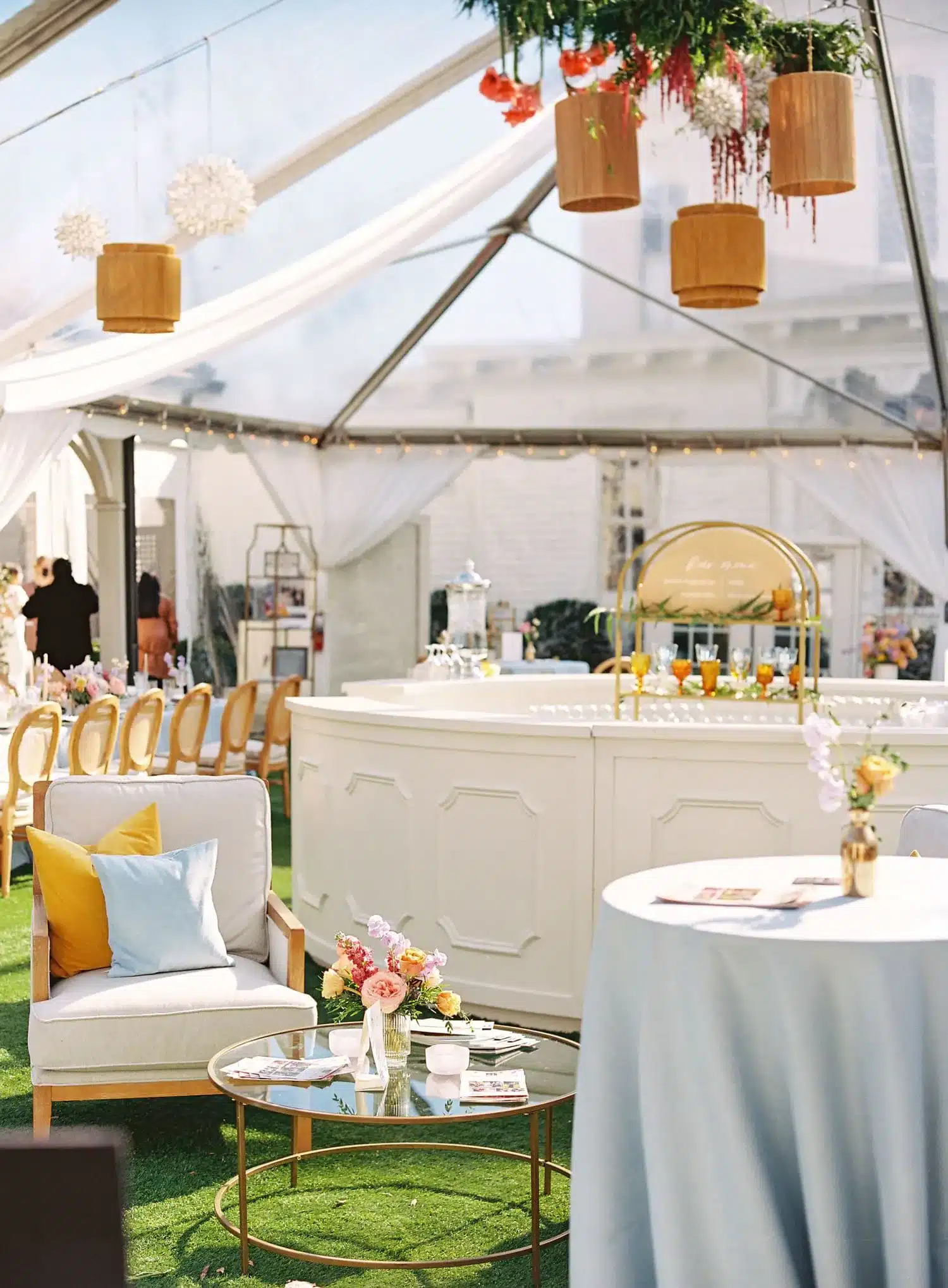
Portable, customizable bar rentals turn a full-service beverage station into a flexible asset that works equally well inside or out. With mobility, modular construction, and intentional styling, these bars improve guest flow, simplify logistics, and reinforce an event’s visual story. This guide walks planners through how portable and mobile bar solutions address common venue challenges—from power and footing to branding and guest traffic—so you can confidently choose the right fit for weddings, corporate events, and festivals. You’ll find recommended bar types, weather-ready features, practical facade options, essential accessories and services, and a clear budgeting framework for mixed indoor/outdoor events. We blend technical specifications, real-world examples, and concise checklists so you can evaluate options quickly and with confidence.
What Are the Best Portable Bar Rentals for Indoor and Outdoor Events?
Portable bar rentals are movable beverage stations built for quick setup and flexible placement. They combine compact frames, integrated storage, and modular facades so staff can serve efficiently across venue types. These bars shorten load-in time, let you place service where guests naturally gather, and create visible service zones that fit an event’s tone—from rustic garden ceremonies to branded corporate launches. Match a bar’s portability, power needs, and surface materials to the venue and your service goals. The list below outlines common portable bar types and the situations where each shines.
Portable bar types and when to use them:
- Modern LED Bar Rental: Ideal for evening corporate receptions and near the dance floor—built-in lighting draws attention and helps conceal cabling.
- Rustic Portable Bar (Wood): Perfect for garden weddings and patios where warm, natural textures enhance the setting.
- Compact Foldable Bar: Suited to small indoor receptions or pop-ups where storage and doorway clearance are limited.
- Trailer/Mobile Bar: Best for festivals and large outdoor events that need full back-of-house capacity and true mobility.
Use this comparison to narrow your options before reviewing the detailed specs in the tables below, which clarify dimensions, portability, weather resistance, and power needs.
Intro to model comparison table: the table maps common portable bar models to the attributes planners most often weigh—dimensions, portability, weather resistance, power needs, and typical use cases.
Which Features Make Portable Bars Ideal for Versatile Event Settings?
Portable bars combine mechanical design and service-focused details that speed setup and keep service running smoothly. Look for folding frames, hinged modular sections, lockable caster wheels, and quick-connect panels so crews can assemble or reconfigure bars in minutes. Service features to prioritize include integrated ice bins, speed rails, built-in shelving (bar backs), and removable countertops for easy cleaning. Always verify access paths, doorway widths, and freight elevator clearances before you confirm an order to avoid last-minute substitutions. Knowing these physical and operational details helps you plan placement and staffing effectively.
How Do Mobile Bars Enhance Party and Corporate Event Experiences?
Mobile bars define social zones, support themed design, and enable staffing flexibility as the event evolves. A trailer bar can be a marquee attraction at an outdoor festival, while a Modern LED Bar can anchor a corporate dance floor. Operationally, mobile bars shorten setup by consolidating refrigeration and storage, and they can be repositioned during service to follow guest traffic. Those experiential and logistical advantages should guide your placement, accessory choices, and staffing plan.
How to Choose Customizable Bar Rentals for Weddings and Corporate Events?
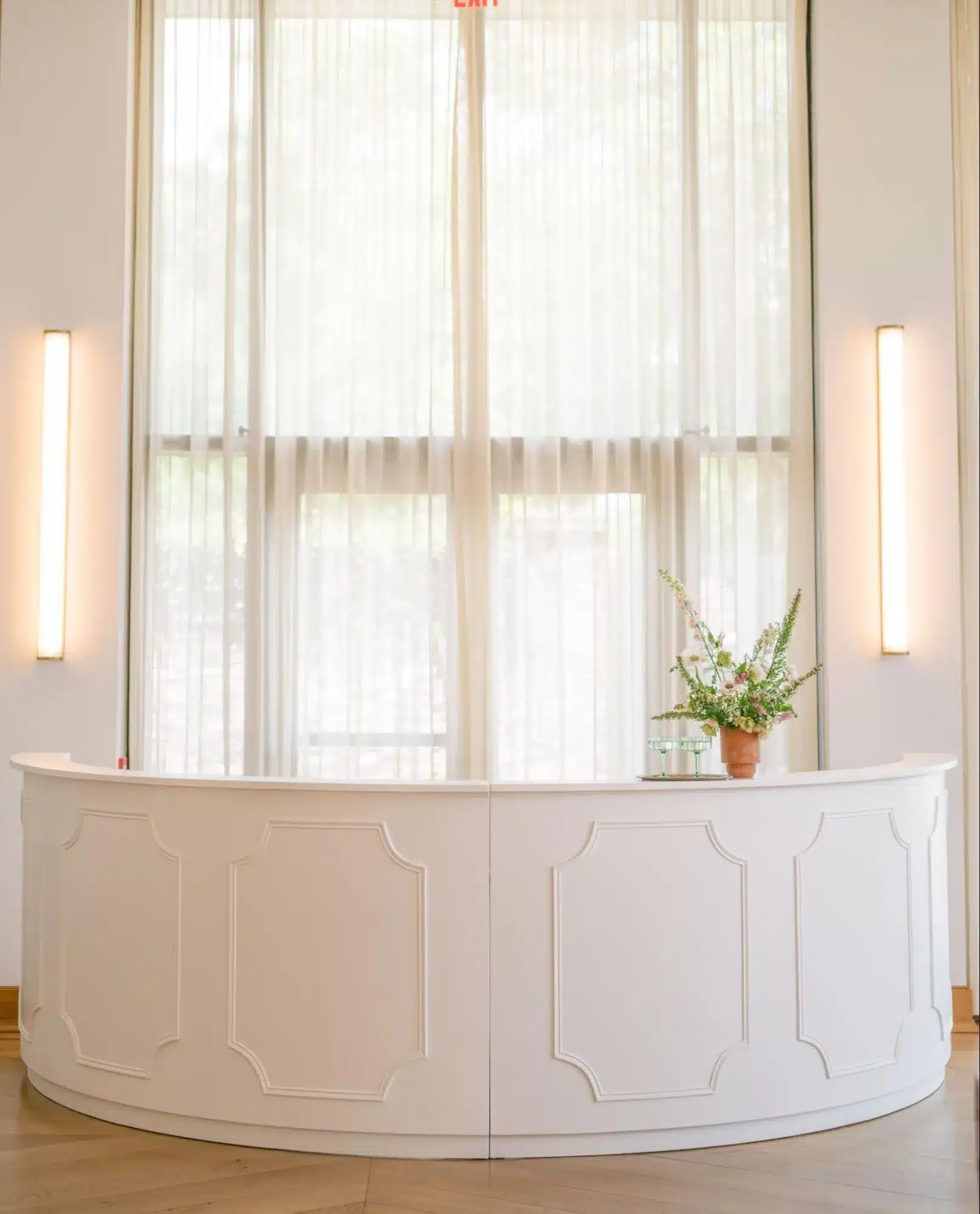
Choosing customizable bar rentals starts with matching bar style and customization to event tone, brand visibility, and production timelines. The right choice balances aesthetics, engineering constraints, and approval workflows. At Curated Events we deliver “Elevated Offerings for Sophisticated Soirées.” Our mission—”To inspire, enhance and elevate the human need to gather”—shapes how we advise on footprint, power, and vendor capabilities for printed wraps, lighting changes, and on-site tweaks. Use the checklist below to focus vendor conversations and ensure your bar meets both visual and operational needs.
- Match Style to Tone: Select rustic, modern LED, or trailer options that complement the venue and event branding.
- Confirm Customization Options: Verify printed wraps, modular panels, integrated lighting, and removable signage availability.
- Verify Logistics and Footprint: Confirm load-in access, power availability, and the required setup window.
- Set Production Deadlines: Agree on artwork proofs, installation timing, and contingency plans for last-minute changes.
This checklist prepares you for the next step: choosing facades and understanding the branding decisions that affect cost and lead time.
What Customization Options Are Available for Event Bar Facades?
Bar facades are commonly customized with printed vinyl wraps, modular panel overlays, integrated LED lighting, and removable signage for sponsor logos or event themes. Printed wraps are quick to apply and remove—making them a cost-effective choice for short campaigns—while modular panels with interchangeable inserts are ideal for repeat use. Integrated lighting and LED strips let you match color without altering structural components. For branded campaigns, request proofs early and confirm file formats and bleed specifications to avoid production delays. Understanding these workflows helps you balance turnaround time against visual fidelity.
Research highlights how thoughtful facade design amplifies brand presence and shapes guest perception within an event space.
How Does Branding Impact Bar Rentals for Corporate Celebrations?
Branding changes which bar you select by adding production steps, extending lead times, and increasing material costs depending on how prominent the treatment is. High-impact options—like full printed facades or custom-built panels—require earlier artwork approval and larger minimums, while smaller treatments—sponsor plaques or countertop decals—are quicker and less costly. For product launches or heavily branded activations, a trailer with full-wrap capability often makes sense; for subtler sponsorships, branded glassware or backbar signage may suffice. Plan brand placement and proofing timelines early to avoid last-minute compromises and ensure the bar reinforces your messaging.
What Are the Top Outdoor Event Bar Hire Solutions for Weather-Resistant Service?
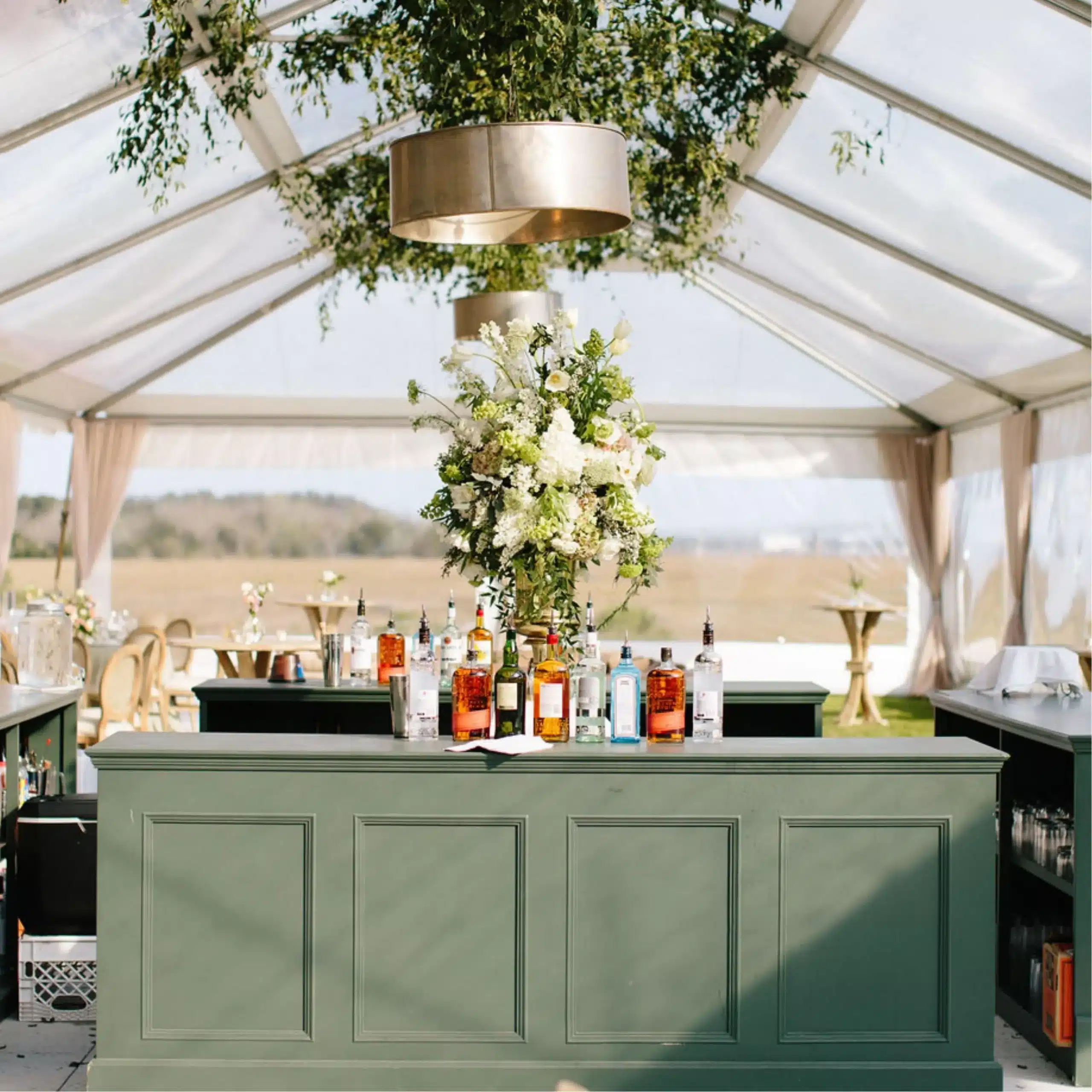
Weather-resistant bar solutions combine thoughtful material choices, structural design, and operational planning to protect equipment and keep guests safe. Core features include treated or composite surfaces, sealed ice storage, covered service areas, and ballast or anchoring systems. Balance permanence with portability: composite panels and powder-coated metal resist rain and UV better than untreated wood, while trailers offer enclosed service and built-in refrigeration. Use the criteria below to evaluate outdoor suitability before choosing styles and anchoring options.
- Material Durability: Choose composites, sealed woods, or powder-coated metals for improved rain resistance.
- Anchoring and Wind Stability: Confirm ballast, stake, or weighted-base options.
- Covered Service: Plan for awnings, canopies, or tents to shield electronics and staff.
- Power and Lighting: Specify protected wiring runs and waterproof connectors for outdoor lighting.
These criteria lead into recommended bar styles and a table comparing weather-resistance attributes for common materials.
Intro to weather-resistance table: the table shows how material and construction choices affect rain resistance, wind stability, and the venue types where each performs best.
Which Bar Styles Are Best Suited for Garden and Patio Events?
Garden and patio settings need bars that blend with the landscape and adapt to uneven ground. Rustic Portable and Compact Foldable bars are common choices: treated wood complements greenery and photographs well, while compact foldable units work where access is tight. On sloped lawns, choose bars with adjustable legs or plan for a level platform. Terrain and freight access usually determine whether a trailer is feasible or whether modular, lift-in sections are the better option.
How Do Weather-Resistant Features Ensure Seamless Outdoor Bar Service?
Weather-resistant features keep service running by protecting perishables, electronics, and staff: covered ice bins with drainage, waterproof lighting connectors, and wind anchoring systems are practical priorities. Operational best practices include pre-routing GFCI-protected power, staging spare tarps and containment bins, and assigning a team member to monitor weather and deploy covers quickly. These precautions minimize interruptions and keep guests comfortable across a mix of covered and open-air service zones.
What Accessories and Services Complement Event Bar Solutions?
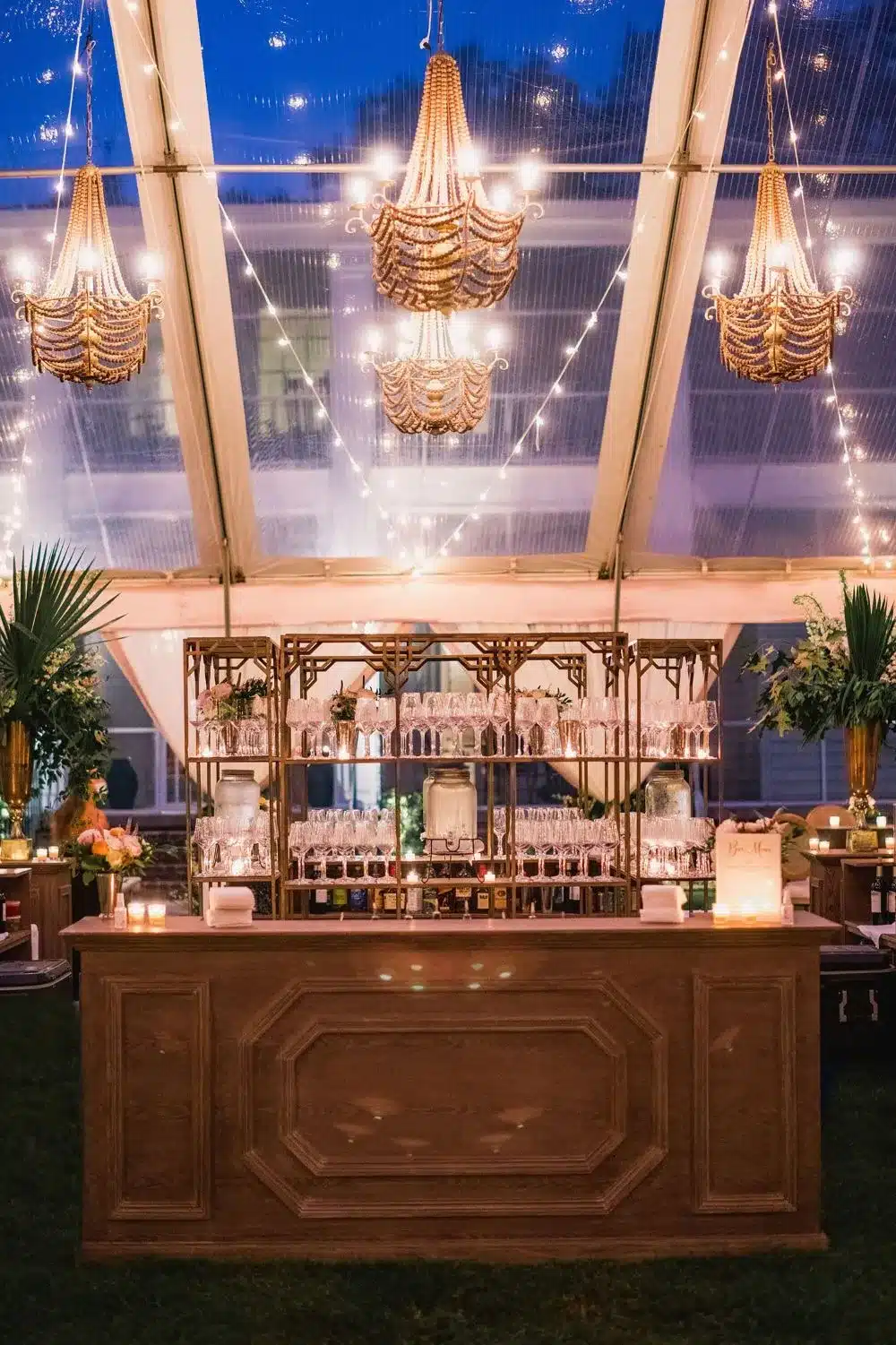
Accessories and services turn a basic bar into a complete service station by solving storage, glassware, cooling, branding, and labor needs. Essential add-ons include bar backs for merchandising, commercial ice bins, glassware kits, speed rails, and dependable delivery/setup/breakdown. Confirm compatibility—ensure bar backs mount to the chosen model and ice capacity matches your drink program. The list below explains common add-ons and the operational benefits they provide.
- Bar Backs (shelving and display): Keep supplies organized and highlight sponsors.
- Ice Bins / Coolers: Keep inventory chilled and reduce restock trips.
- Glassware Sets: Elevate presentation and match the beverage program.
- Speed Rails & Backbar Inserts: Speed service during high-volume periods.
Intro to accessories table: the table compares accessory specs and suggests the event scale each item suits so you can confirm compatibility.
Which Bar Backs, Storage, and Glassware Enhance Bar Functionality?
Thoughtful bar backs and storage reduce trips and keep bartenders focused on service. Choose adjustable shelving to fit different glassware and modular inserts that accept branded signage to preserve a polished look. Plan glassware at one to two pieces per guest for cocktail receptions and three to four for full-course events with wine. Storage capacity directly affects staffing levels and ice usage—plan both together.
How Do Delivery, Setup, and Breakdown Services Support Event Success?
Reliable delivery, setup, and breakdown remove uncertainty by providing clear windows, credentialed crews, and equipment checks. Vendors should confirm load-in lanes, service doors, and setup times in the contract. A typical medium-reception timeline might include a 2–3 hour load-in, 1–2 hours for bar setup and testing, and 1–2 hours for breakdown. Clarify who supplies consumables, secures leftover alcohol, and handles trash removal to avoid last-minute scope gaps. Strong coordination ensures bars are ready when guests arrive and that teardown proceeds smoothly.
How to Plan and Budget for Bar Rentals That Elevate Indoor and Outdoor Celebrations?
Budgeting for bar rentals means accounting for style, customization, delivery/setup/breakdown, staffing, and contingency items like weather mitigation. Costs are driven more by finish level and customization than by raw size. At Curated Events we deliver “Elevated Offerings for Sophisticated Soirées.” Our mission—”To inspire, enhance and elevate the human need to gather”—informs how we help clients build realistic budgets. Use the simple formula below to estimate base rental, customization, delivery, and staffing so you can set workable ranges and reserve contingency funds.
- Base bar rental (style-dependent): estimate a baseline fee for LED, rustic, foldable, or trailer units.
- Customization and facades: add printed wraps, lighting, or custom panels.
- Delivery, setup, breakdown: include transport, labor hours, and any venue access fees.
- Staffing and consumables: bartenders, barbacks, ice, and glassware replacement.
Sample cost guidance (indicative ranges): base bar rentals vary by model and region—always request an itemized quote that separates the base rental from customization and service fees so you can compare vendors objectively.
This budgeting framework leads into cost drivers and placement heuristics that help maximize ROI and guest satisfaction.
What Factors Influence Bar Rental Costs for Different Event Types?
Pricing depends on several factors: bar style (trailers and LED-equipped units cost more), customization level (full wraps and built cabinetry add production cost), delivery distance and access complexity, labor hours for setup and service, and seasonal demand. Weddings with heavy branding or floral integration typically have higher customization and coordination fees, while festivals require more logistics and possible generator support. Ask for line-item quotes that separate rental, delivery/setup/breakdown, customization, and staffing so you can reallocate budget between aesthetics and operations.
How to Strategically Place Bars for Optimal Guest Experience Indoors and Outdoors?
Smart placement prevents lines and balances guest flow by scattering service points into social zones rather than creating bottlenecks. For groups over 150 guests, use multiple smaller stations instead of one central bar. Rules of thumb: keep a bar 15–25 feet from main entertainment to avoid crowd collisions, place service near natural gathering spots like patio entrances, and use clear signage to direct guests to the shortest queue. In hybrid indoor/outdoor venues, keep at least one full-service bar indoors and one outdoors and overlap staffing to cover both zones—this builds redundancy and keeps waits reasonable.
Frequently Asked Questions
What are the key considerations for selecting a portable bar for outdoor events?
Focus on weather resistance, durable materials, and anchoring. Choose treated wood, powder-coated metal, or composite panels that stand up to rain and UV. Confirm covered service options and secure power connections, and verify wind stability and transportability before you book.
How can I ensure my portable bar aligns with my event’s branding?
Prioritize visible customization—printed wraps, modular panels, and integrated lighting are the fastest ways to communicate your brand. Share artwork early, confirm file specs, and choose placement that makes the bar a focal point without overpowering the event’s aesthetic.
What types of events benefit most from mobile bar rentals?
Mobile bars suit weddings, corporate events, and outdoor festivals. Festivals often use trailers for full-service needs, while corporate gatherings benefit from LED bars as attention-grabbing focal points. Mobility and quick setup are useful wherever flexible service locations are required.
What are the advantages of using a compact foldable bar for small events?
Compact foldable bars save space, transport easily, and set up quickly—ideal for intimate indoor receptions or pop-ups. They need minimal power and are simple to reposition as the event evolves.
How do I budget for bar rentals effectively?
Build a budget that separates base rental, customization, delivery/setup/breakdown, and staffing. Estimate the bar type first, then add branding and logistics costs. Request itemized quotes so you can compare options and allocate contingency funds.
What are the best practices for ensuring smooth bar service during an event?
Confirm delivery windows and access points, train staff on layout and flow, and stage multiple smaller bars for large crowds. Monitor inventory during service and have weather contingency plans for outdoor events to keep service steady and guests comfortable.
Conclusion
Portable bar rentals give planners practical, stylish options for both indoor and outdoor celebrations. By understanding bar types, customization paths, and the logistics that support reliable service, you can design beverage stations that elevate guest experience and align with your event goals. Ready to elevate your next gathering? Contact Curated Events to explore our portable bar inventory and begin planning a seamless, memorable beverage program.