
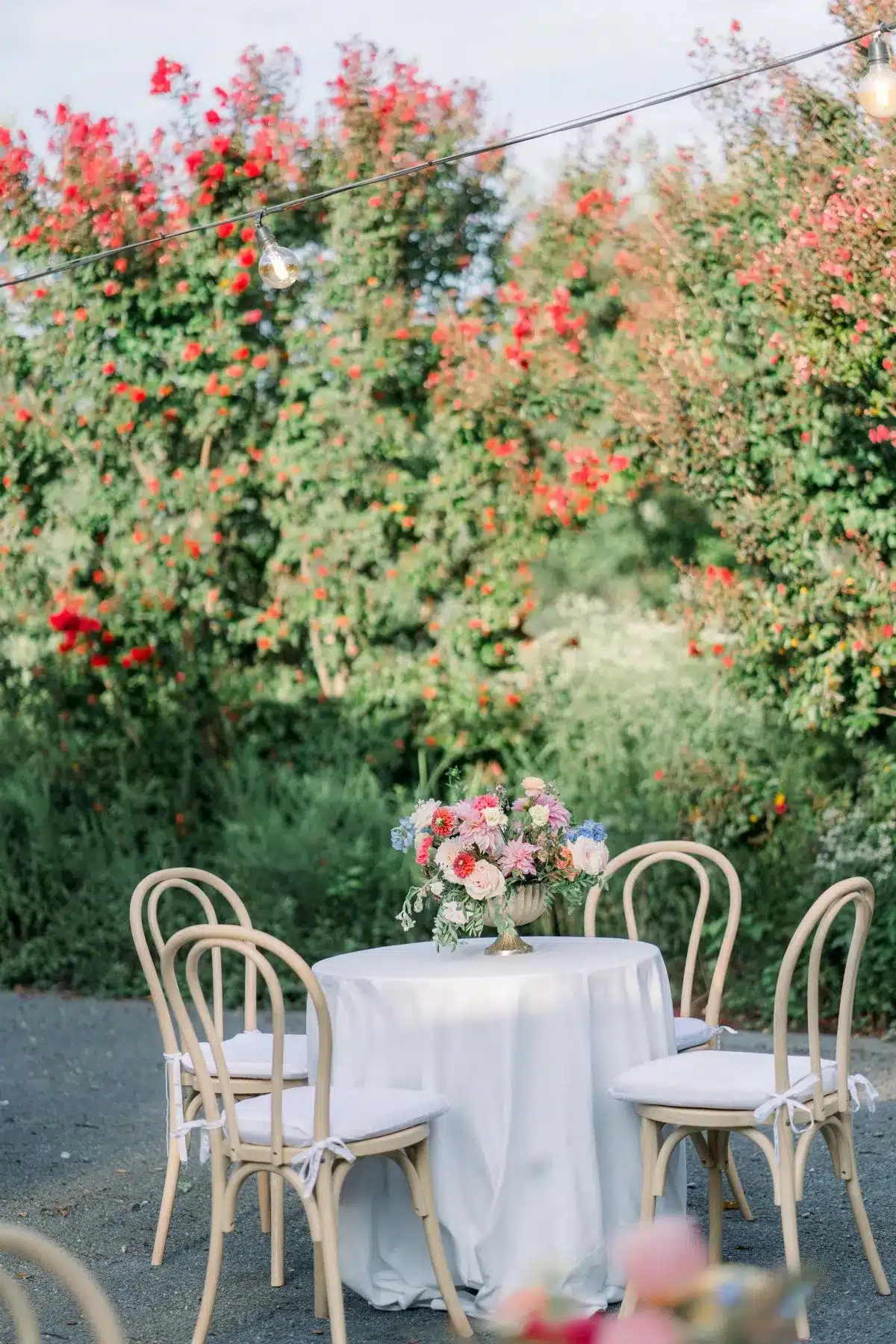
Raleigh spring weddings have a natural advantage. Mild temperatures, fresh color, and longer days create an ideal setting for outdoor celebrations. But as anyone who’s planned an alfresco event knows, beautiful weather alone doesn’t guarantee a smooth day. The difference comes down to the rentals you choose and how well they support the space.
From tents and flooring to lighting, seating, and tabletop details, the right pieces do more than decorate a venue. They shape guest comfort, guide movement, and help the event unfold effortlessly from ceremony through the last dance. When those elements are planned thoughtfully, an outdoor wedding feels intentional rather than improvised.
In this guide, we break down seven rental essentials for Raleigh spring weddings. Each one plays a specific role in creating a celebration that looks polished and runs smoothly, even when conditions shift. Along the way, we’ll share practical insight on what to prioritize, how to plan ahead, and how Curated Events helps couples simplify decisions with dependable inventory and attentive service.
1. Shelter That Works With Your Site and Your Timeline
A tent does more than protect guests from the elements. It defines the footprint of your event and sets the tone for everything that follows. In Raleigh’s spring weather, shelter needs to feel intentional, not reactive, something that supports the flow of the day whether the forecast is perfect or unpredictable.
The right tent choice depends on the site as much as the aesthetic. Open lawns, tree-lined properties, and uneven ground each come with different constraints, and those details influence which tent styles will work best. A well-matched tent feels like a natural extension of the venue, not an add-on.
Choosing a Tent Style That Fits Your Space
Tent styles aren’t interchangeable. Pole tents create a classic, romantic look but need space for staking. Frame tents offer more flexibility on sites with tight boundaries or hard surfaces. Clear-top tents allow daylight and views to remain part of the experience, especially for ceremonies or early evening celebrations.
What matters most is how the tent supports movement throughout the day. The layout should comfortably accommodate seating, service paths, and transitions between ceremony, cocktail hour, and dancing without feeling crowded or cavernous.
Planning for Weather Without Overplanning
Spring weather in Raleigh is part of the charm, and part of the challenge. Sidewalls, panels, and enclosure options make it possible to respond to wind or rain without changing the entire plan. When these elements are considered early, they integrate seamlessly rather than feeling like last-minute fixes.
The goal isn’t to plan for every possible scenario, but to build in flexibility. A tent that can be partially enclosed, adjusted for airflow, or softened with lighting and draping allows the event to adapt while still feeling cohesive and calm for guests.
2. Flooring That Keeps Guests Comfortable and Confident
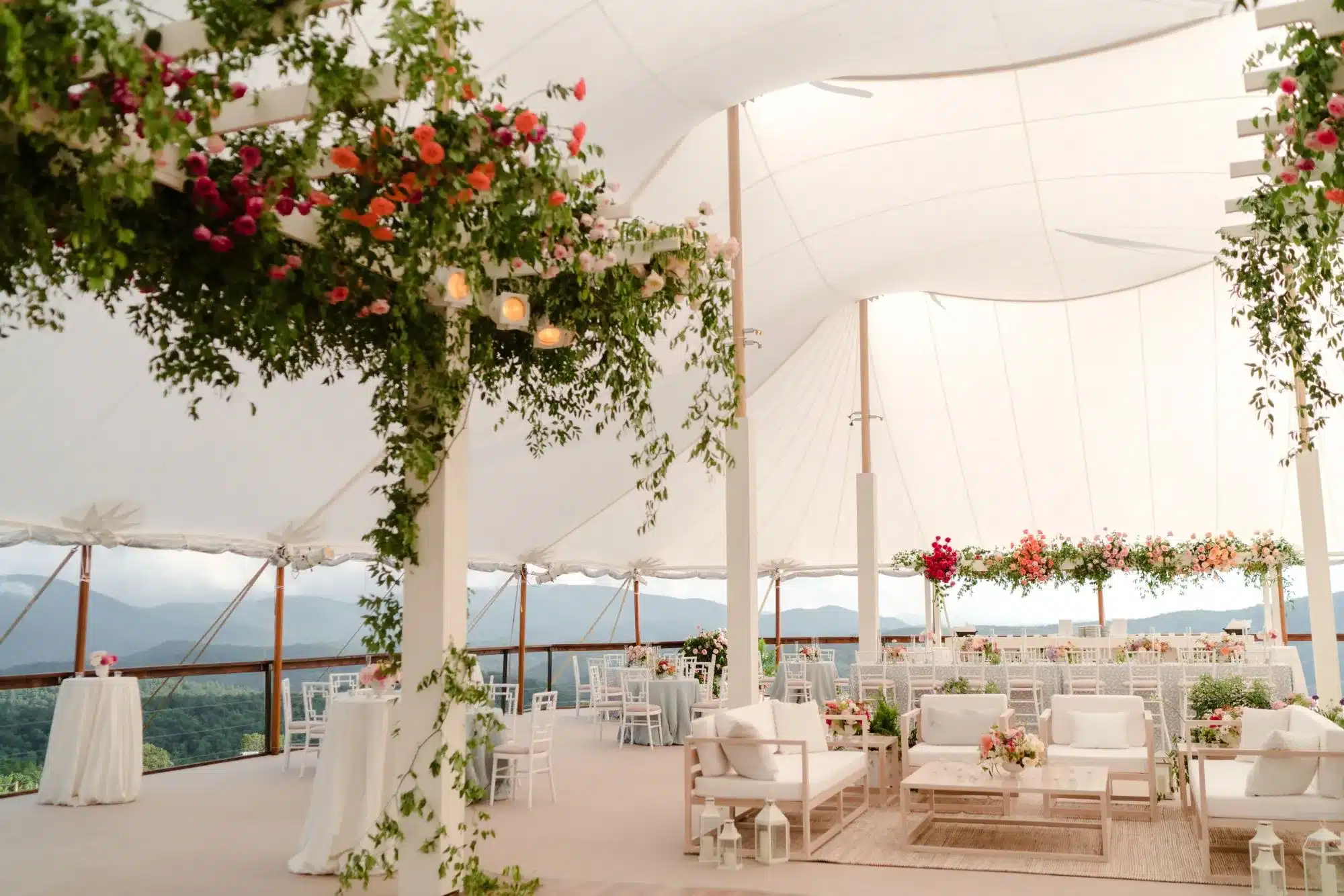
Flooring is one of those elements guests rarely comment on, but they feel it immediately. On grass or uneven ground, the right flooring makes the difference between an event that feels effortless and one that requires constant attention to where you’re stepping.
In Raleigh’s spring season, flooring also adds peace of mind. Morning dew, soft turf, or a brief rain shower can quickly change conditions underfoot. Planning for stable surfaces early helps protect shoes, hems, and furniture, while keeping the overall look polished.
When Flooring Is Essential and When It’s Optional
Not every outdoor wedding needs full flooring coverage, but certain areas almost always benefit from it. Dining spaces, dance floors, and high-traffic zones tend to see the most wear throughout the day. These are the places where stability matters most, both for comfort and for safety.
In other areas, lighter solutions can work just as well. A defined dance floor or a carefully placed aisle runner may provide enough structure without covering the entire site. The decision usually comes down to terrain, guest count, and how the space will be used over time.
How Flooring Affects Flow, Photos, and Setup Timing
Flooring choices have a ripple effect. Once installed, they determine where tables can be placed, how service paths are routed, and how easily guests move between spaces. They also influence the visual rhythm of the event, creating clean lines and defined zones that photograph beautifully.
From a logistics standpoint, flooring is typically installed early in the setup process. Coordinating this timing allows other rentals, tents, furniture, and décor, to be placed efficiently and securely. When flooring is treated as a foundational element rather than an afterthought, the entire event benefits.
3. Seating and Tables That Support Comfort and Conversation
Seating and tables shape how guests experience the celebration from the moment they arrive. They influence where people gather, how long they linger, and how easily the event flows from one moment to the next. When these pieces are chosen thoughtfully, the space feels welcoming and intuitive rather than staged.
Comfort matters just as much as style. Guests who are settled and at ease are more likely to stay engaged, enjoy the meal, and move naturally into dancing and socializing as the evening unfolds.
Matching Table Shapes to Guest Experience
Table shape has a quiet but powerful effect on the atmosphere. Round tables encourage conversation in smaller groups and work well for more traditional receptions. Long tables create a communal feel, drawing guests together and offering a more cinematic look, especially in open outdoor settings.
The right choice depends on the site and the tone you want to set. Some layouts even benefit from a mix of both, allowing different areas of the reception to serve different purposes while still feeling cohesive.
Planning Seating With Movement in Mind
Good seating plans leave room to move. Clear aisles, accessible paths, and thoughtfully spaced tables help guests circulate without interruption. These considerations also support service flow, making it easier for staff to move through the space without disrupting conversations.
It’s also worth thinking about guest needs. A few seating options near walkways or with extra support can make a big difference for older guests or anyone who appreciates a bit more comfort. When seating is planned with care, the room feels easy to navigate, and guests feel taken care of.
4. Lighting and Power That Carry the Event Into the Evening
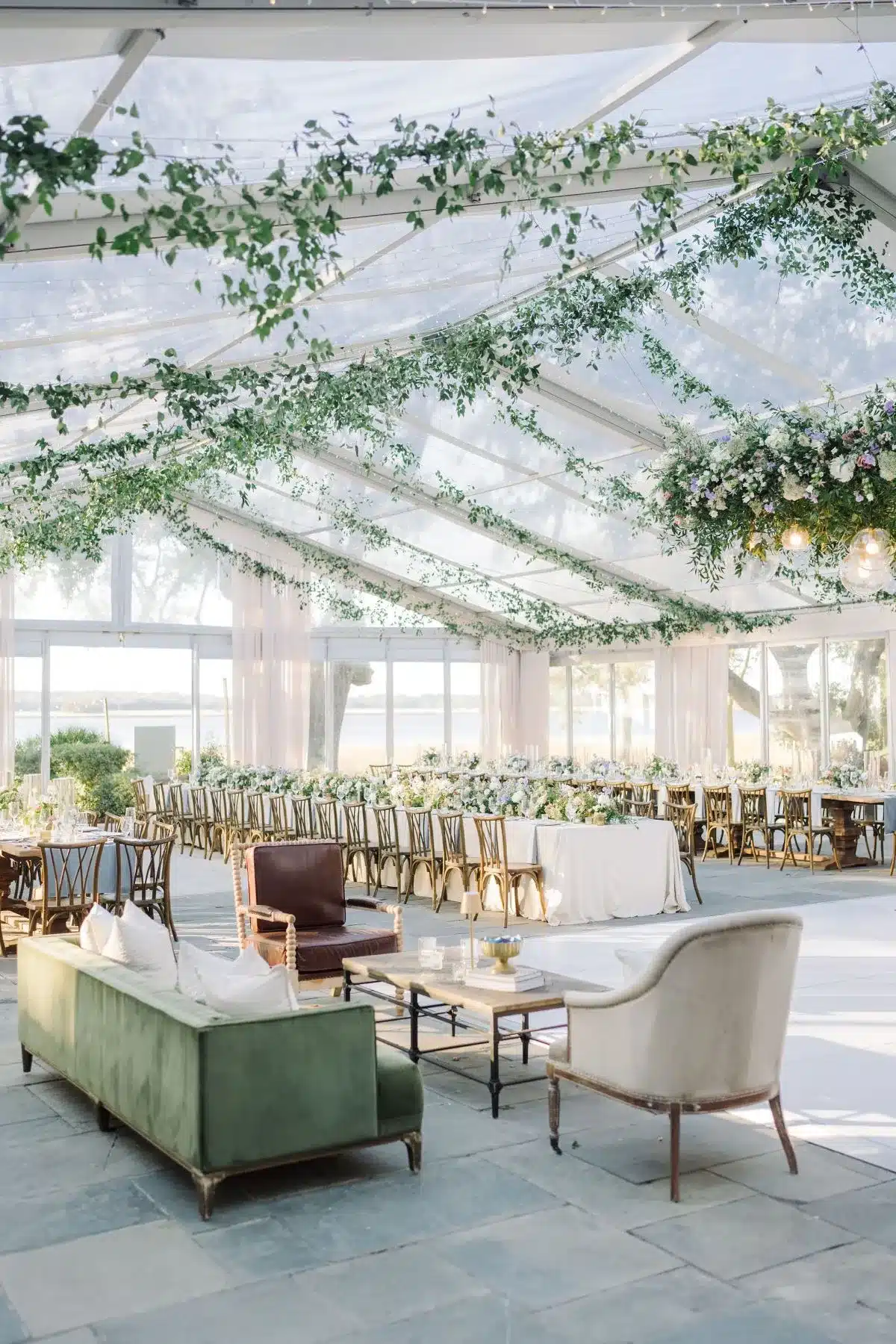
As daylight fades, lighting takes over. It shifts the mood, highlights the space, and guides guests from one moment to the next. In an outdoor setting, lighting isn’t just decorative, it’s essential to how the event feels and functions after sunset.
Thoughtfully layered lighting creates warmth and depth without drawing attention to itself. When paired with a solid power plan, it allows the celebration to unfold smoothly, from dinner through dancing, without guests ever thinking about what’s happening behind the scenes.
Layering Light for Mood, Function, and Photos
The most successful lighting plans use layers. Ambient lighting sets the overall tone, whether that’s string lights overhead or a soft wash across the tent. Task lighting ensures bars, food stations, and pathways are easy to navigate. Accent lighting adds visual interest by highlighting trees, structures, or architectural features nearby.
Together, these layers create balance. The space feels intimate but visible, atmospheric but practical. Lighting also plays a major role in photography, helping faces read naturally and ensuring the space looks just as beautiful on camera as it does in person.
Power Planning That Guests Never Notice
Behind every glowing installation is a power plan that keeps things running quietly and reliably. Generators, cable paths, and distribution points need to be mapped early so lighting, sound, and vendor needs are supported without cluttering the space.
Good power planning is invisible. Cables are routed away from guest paths, generators are placed with noise in mind, and backups are in place just in case. When power is handled thoughtfully, the focus stays where it belongs,on the celebration itself.
5. Climate Control for Raleigh’s Changeable Spring Weather
Spring in Raleigh is beautiful, but it can shift quickly. Warm afternoons often give way to cooler evenings, and a light breeze can turn chilly once the sun sets. Planning for comfort ahead of time allows guests to stay present and enjoy the celebration without distraction.
Climate control works best when it feels natural rather than reactive. The goal isn’t to overpower the outdoor setting, but to support it, keeping guests comfortable while preserving the open-air atmosphere that makes a spring wedding so appealing.
Preparing for Cool Evenings and Warm Afternoons
Temperature changes tend to follow a predictable pattern. Heaters are often most useful later in the evening, once dinner begins and guests are seated. Fans or increased airflow may be more helpful earlier in the day, especially during ceremonies held in direct sunlight.
Placing climate equipment where people naturally gather is more effective than concentrating it in one spot. Small adjustments made at the right time help the space feel consistently comfortable without drawing attention to the equipment itself.
Using Sidewalls and Panels Without Losing the Outdoor Feel
Sidewalls and panels offer flexibility when wind or light rain becomes a factor. Clear or partially enclosed options allow protection without cutting off views or natural light, helping the space maintain its connection to the outdoors.
When these elements are planned in advance, they integrate seamlessly into the design. Panels can be added or adjusted as conditions change, giving the event team the ability to respond calmly while guests continue to enjoy the setting.
6. Lounge Areas and Decor That Invite Guests to Settle In
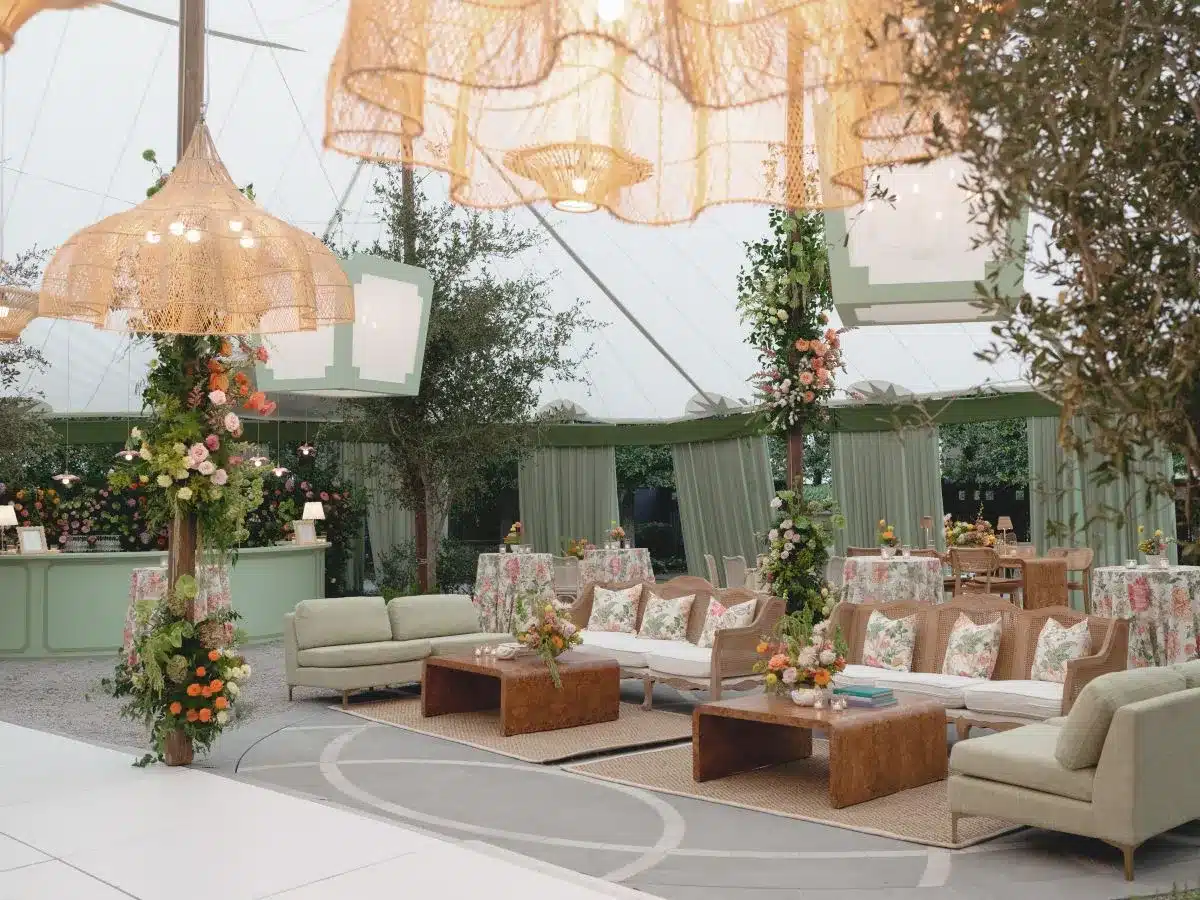
Lounge areas give an outdoor wedding its rhythm. They create places to pause, talk, and take in the setting without feeling tied to a table or the dance floor. When designed well, these spaces feel like a natural extension of the celebration rather than an extra feature.
In open-air venues especially, lounges help break large spaces into more human-scale moments. They offer comfort for guests who want a quieter place to sit and add visual interest that softens the overall layout.
Creating Lounge Moments That Feel Intentional
The most successful lounge setups are placed with purpose. Positioning them near cocktail areas, along pathways, or just outside the main reception space encourages guests to use them naturally. A mix of seating options, sofas, chairs, and low tables, supports different group sizes and keeps the space flexible throughout the event.
Scale matters here. Lounge groupings should feel inviting without blocking circulation or service paths. When they’re thoughtfully arranged, they guide movement and subtly shape how guests interact with the space.
Choosing Materials That Hold Up Outdoors
Outdoor lounges need to balance comfort with durability. Fabrics should be suited for open-air conditions, and cushions or throws should be easy to adjust or cover if the weather shifts. Rugs can help define seating areas, but they work best when chosen with moisture and uneven ground in mind.
These details may seem small, but they add up. When lounge furnishings are comfortable, practical, and visually cohesive, guests linger longer, and the event feels more relaxed and complete.
7. Tabletop and Linens That Finish the Look
Tabletop details are where everything comes into focus. Linens, place settings, and centerpieces sit at eye level for much of the event, shaping how the reception feels and how it photographs. Outdoors, these choices need to balance beauty with practicality so they hold up from the first toast to the last course.
When tabletop elements are chosen with intention, they reinforce the overall design without competing for attention. They’re the finishing layer that brings cohesion to the space.
Choosing Linens That Photograph Well Outdoors
Natural light plays a big role in how linens read. Color, texture, and weight all affect the final look, especially as light shifts throughout the day. Heavier fabrics tend to drape better outdoors, while subtle textures add depth without overwhelming the table.
Testing colors in similar lighting conditions can help avoid surprises. What looks soft indoors may appear brighter outside, and neutral tones often provide a flexible base that works from ceremony through evening reception.
Securing Tabletop Details for Wind and Movement
Outdoor settings introduce variables that don’t exist indoors. Breezes can lift napkins, and lightweight centerpieces may shift throughout the evening. Choosing lower-profile arrangements, weighted chargers, or discreet securing methods keeps tables looking polished without drawing attention to the mechanics.
These practical considerations allow the design to stay intact while guests move freely around the space. When tabletop details are stable and well-planned, the focus stays on conversation, connection, and the celebration itself.
Frequently Asked Questions
When Should We Start Planning Rentals for a Raleigh Spring Wedding?
It’s best to begin the rental conversation as soon as your venue and date are confirmed. Spring is a popular season in Raleigh, and key items like tents, flooring, and specialty seating are often reserved early. Starting several months out gives you more flexibility and time to refine details without pressure.
How Do We Know What Rentals Are Necessary for Our Specific Venue?
Every site is different. A walk-through or site visit helps identify what the space already provides and where rentals will add comfort, structure, or polish. Sharing photos, measurements, and any venue guidelines with your rental partner allows them to make recommendations that fit your location rather than offering a one-size-fits-all solution.
What Happens If the Weather Changes Close to the Wedding Day?
Planning for flexibility is part of the process. Many rental setups can be adjusted with options like sidewalls, heaters, or layout changes if the forecast shifts. Having these contingencies discussed in advance makes it easier to respond calmly rather than making rushed decisions at the last minute.
Can Rentals Be Both Practical and Stylish for an Outdoor Wedding?
Absolutely. The most successful outdoor weddings balance function and design. Items like flooring, climate control, and lighting can be selected to support comfort while still aligning with your aesthetic. When these choices are made thoughtfully, guests experience the event as seamless rather than logistical.
How Do Rentals Support Guest Comfort Throughout the Day?
Rentals shape how guests move, gather, and relax. Comfortable seating, clear pathways, shaded or covered areas, and appropriate lighting all contribute to an experience that feels welcoming from arrival through the end of the evening. These details often go unnoticed individually, but together they make a lasting impression.
How Involved Is the Rental Team on the Wedding Day?
Rental teams typically handle delivery, setup, adjustments, and teardown. Their familiarity with the venue, timeline, and equipment helps the day run smoothly behind the scenes. This support allows couples and planners to focus on the celebration rather than troubleshooting logistics.
Conclusion
Spring weddings in Raleigh offer a beautiful setting, but it’s the rentals that turn that setting into a cohesive, comfortable experience. From shelter and flooring to lighting, seating, and tabletop details, each choice plays a role in how the day unfolds and how guests remember it.
When these seven essentials are planned with intention, an outdoor wedding feels effortless rather than uncertain. With the right rental partner, you can focus on the moments that matter, knowing the space has been designed to support both beauty and ease. Thoughtful preparation doesn’t just protect the day, it elevates it.