
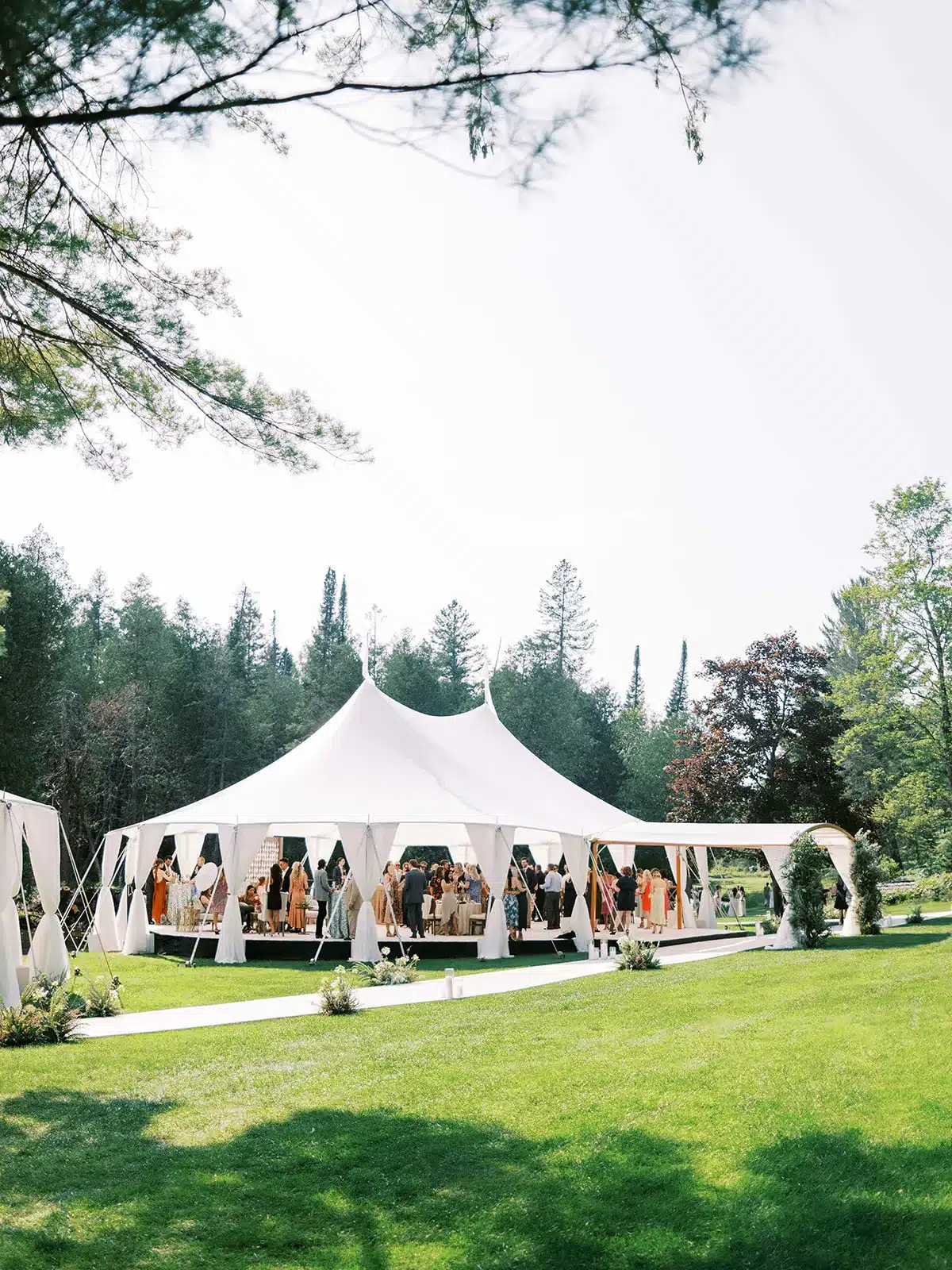
Pre-wedding events set the visual and emotional tone for the wedding celebration to follow. Whether hosting a welcome party, engagement soirée, rehearsal dinner, or bridal luncheon, these gatherings signal the level of refinement guests can expect. Seemingly minor décor decisions can quickly diminish that impression.
This guide outlines nine common décor missteps that often result in a less polished appearance and provides strategic solutions grounded in thoughtful rental selection, lighting design, floral balance, table styling, and spatial planning. With intentional curation and disciplined execution, pre-wedding events can achieve a cohesive, elevated presentation that reflects the couple’s style while honoring the venue’s architecture.
What Are The Most Common Pre-Wedding Décor Mistakes That Undermine Event Elegance?

Pre-wedding events often lose refinement through a series of small, avoidable decisions. Recognizing these patterns early allows hosts and planners to correct course before presentation quality suffers.
- Inconsistent or Low-Quality Rentals: Tables with visible wear, lightweight chairs, or ill-fitting linens immediately diminish visual impact. Foundational pieces such as seating, linens, and tabletop set the tone for the entire event. When these elements lack quality or cohesion, the overall design feels less intentional.
- Insufficient Design Planning: Décor decisions made in isolation often result in mismatched tones, competing textures, and uneven focal points. Without a defined palette and layout strategy, the environment can appear fragmented rather than curated.
- Lack of Meaningful Personalization: An absence of thoughtful detail can make even a well-executed event feel generic. Personalization should be integrated with subtlety through tailored tabletop details, curated lounge styling, or a signature design element that reflects the couple’s story.
A disciplined starting point prevents these issues. Assess the venue’s fixed architectural features, define three priority design elements such as seating style, lighting approach, and centerpiece scale, and review rental samples in person when possible. Early clarity protects cohesion and elevates execution.
How Can Strategic Event Rental Décor Solutions Elevate Presentation?
Strategic rental selection strengthens both visual integrity and guest experience. Rather than dispersing the budget across numerous minor accessories, invest in the structural elements that define the environment.
- Prioritize Foundational Rentals: Refined seating, tailored linens, layered tabletop, and architectural lighting create the framework for sophistication. When these elements align in color, scale, and material, the setting feels composed and intentional.
- Establish a Cohesive Palette: A disciplined color direction unifies furnishings, florals, and lighting. Limiting tones and textures prevents visual competition and strengthens overall harmony.
- Design for Flow and Proportion: Thoughtful furniture arrangements enhance circulation and create defined zones for dining, mingling, and conversation. Proportion matters. Scale lounge pieces to ceiling height and room dimensions to maintain balance.
When partnering with a rental provider, request detailed imagery, confirm fabric selections, and clarify condition standards. Professional installation and structured delivery windows ensure furnishings are placed precisely and presented at their highest standard.
Which Rental Furniture And Accessories Enhance Luxury Pre-Wedding Décor?
Well-chosen rental furnishings anchor the visual narrative of a pre-wedding event. Each piece should contribute to a unified design rather than compete for attention.
- Curated Lounge Furniture: Upholstered seating and coordinated accent tables introduce softness and dimension. Lounge groupings create natural gathering areas while reinforcing the chosen aesthetic.
- Statement Tables: Distinctive dining or cocktail tables establish focal points and bring character to the layout. When balanced with complementary seating and linens, they add architectural interest without overwhelming the space.
- Custom Drapery and Fabric Treatments: Drapery softens structural elements and adds depth to the venue. Strategic fabric placement can frame entrances, highlight head tables, or elevate ceiling lines.
When selecting furniture, align scale with the room’s dimensions and ceiling height. Mix textures thoughtfully to introduce visual interest, and allow statement pieces to stand alongside more restrained supporting elements. If budget prioritization is necessary, invest in one or two impactful focal features while maintaining refined, neutral foundational pieces throughout the space.
What Role Does Lighting Play In Avoiding Common Wedding Décor Errors?
Lighting is a decisive element of event décor. Appropriate lighting alters the atmosphere and helps prevent common design mistakes.
- Setting the Mood: The right lighting can create a warm and inviting atmosphere, making guests feel comfortable and engaged.
- Creating Focal Points: Strategic lighting can highlight key areas of the event, such as the cake table or floral arrangements, drawing guests’ attention to these features.
- Managing Visibility: Adequate lighting ensures that guests can navigate the space safely while also showcasing the décor effectively.
By applying considered lighting strategies, hosts can elevate the elegance of their pre-wedding events and avoid a cheap appearance.
For practical lighting design, combine ambient lighting (soft, overall illumination), task lighting (where guests eat or sign a guest book), and accent lighting (uplights, pin spots on centerpieces). Use dimmers to shift the mood between ceremony, cocktail hour and dinner. Confirm power availability and conduit routes with the venue early, last-minute generator rentals and extension runs add cost and risk.
How Does Floral Balance Impact The Perceived Quality Of Pre-Wedding Décor?
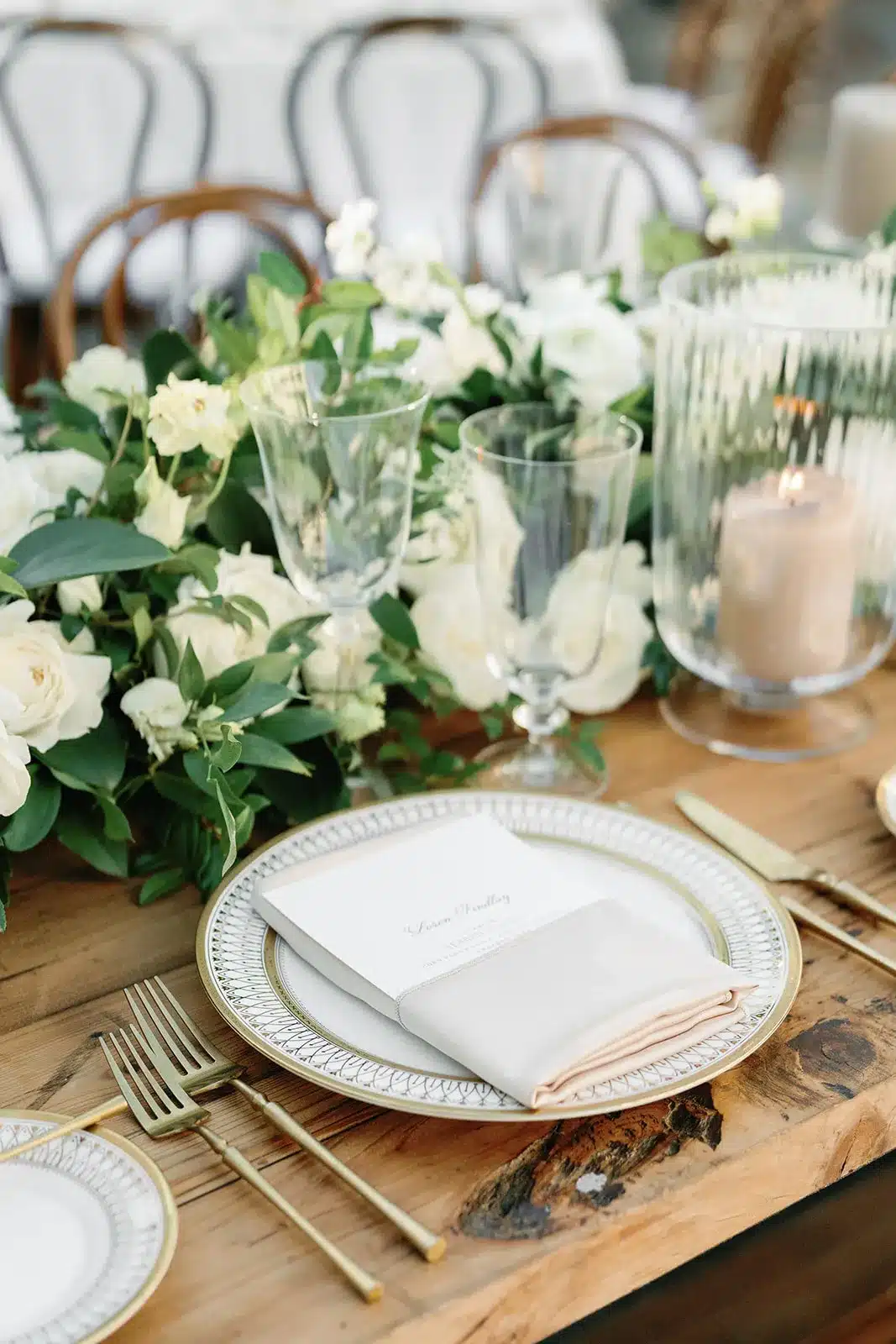
Floral design plays a defining role in how refined a pre-wedding event feels. Balance, proportion, and placement determine whether arrangements enhance the environment or overwhelm it. You may also find Which Wedding Rentals Capture Savannah’s Spanish Moss Style helpful.
- Harmony With the Overall Design: Floral compositions should reinforce the established palette and complement rental elements such as linens, tabletop, and lounge upholstery. Consistency in tone and texture strengthens cohesion and prevents visual distraction.
- Proportion and Scale: Arrangement size must correspond to table dimensions and ceiling height. Low, expansive centerpieces support conversation at dining tables, while taller installations frame ceremony backdrops or entrances with architectural presence. Proper proportion preserves sightlines and maintains spatial clarity.
- Strategic Focal Placement: Allocate floral investment where it carries the most visual impact, entry moments, head tables, and photographic backdrops. Supporting areas can feature restrained greenery or smaller accents that extend volume without excess.
Greenery and textured foliage add dimension and movement while maintaining budget discipline. When floral scale and placement are intentional, the overall presentation feels composed and elevated.
Why Are Table Settings Critical To Avoiding A Cheap Event Look?
Table settings anchor the guest experience. As one of the most photographed and interacted-with elements of a pre-wedding event, they communicate the level of care behind the celebration. You may also find The Wedding Decoration Rental Guide helpful.
- Layered Presentation: Chargers, tailored linens, coordinated dinnerware, and polished flatware create depth and structure. Layering napkins, menus, and place cards introduces refinement without clutter.
- Material Consistency: Uniform glassware with balanced weight and clarity reinforces sophistication. Pressed linens and aligned place settings demonstrate attention to detail.
- Guest Comfort and Spatial Balance: Adequate spacing ensures comfort during dining and conversation. Chair style, cushion selection, and table proportions should align with both the room and the event’s tone.
Precision distinguishes polished design. Straight place cards, evenly spaced flatware, and properly draped linens collectively shape a refined atmosphere.
How Can Layout And Space Management Prevent Cluttered And Overdecorated Events?
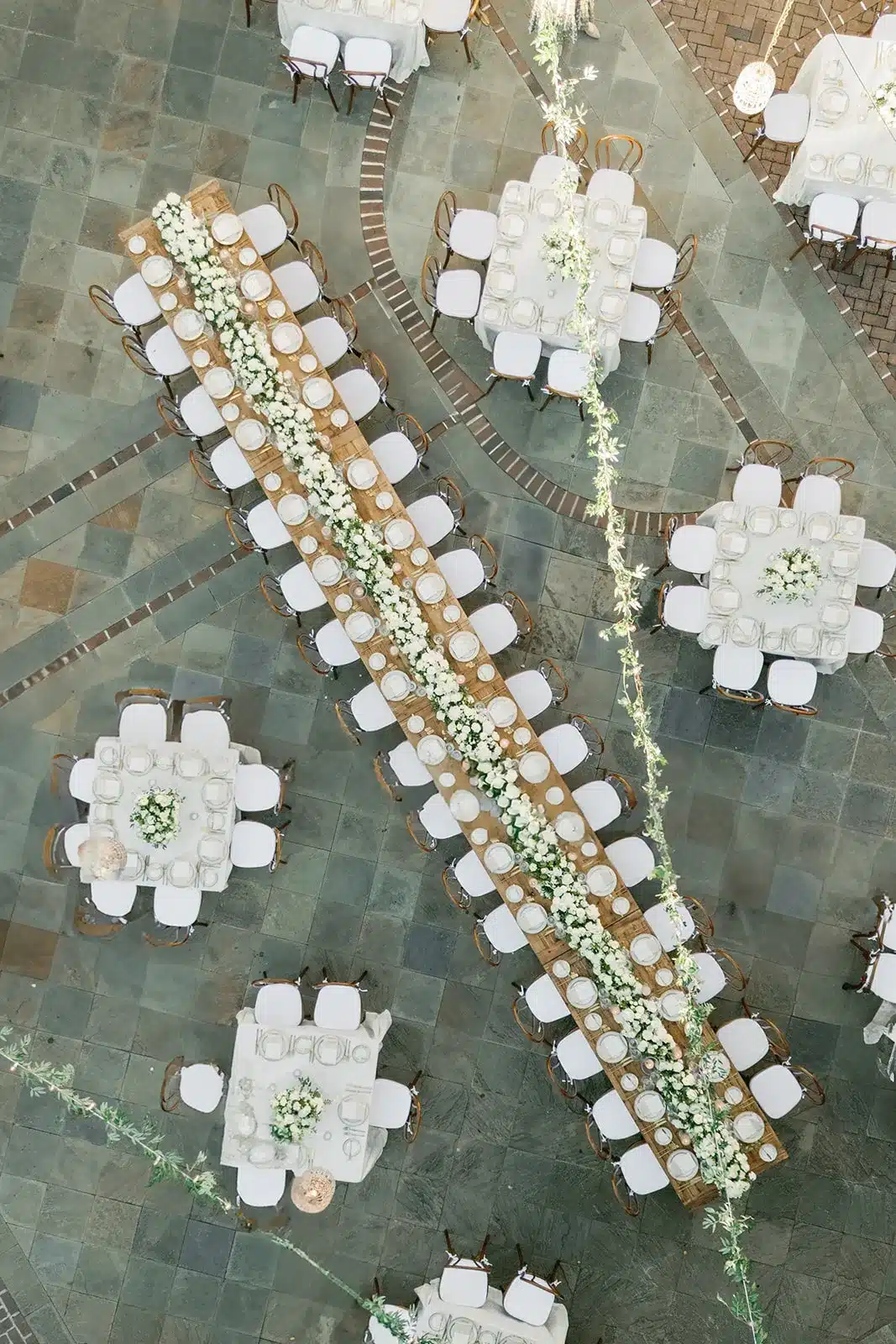
A disciplined layout prevents visual overload and supports effortless guest movement. Clear spatial planning allows high-quality design elements to stand out without competition.
- Defined Zones: Establish intentional areas for arrival, dining, lounge seating, and service. Each zone should have purpose and proportion.
- Flow and Circulation: Furniture placement must allow unobstructed pathways for guests and catering teams. Balanced spacing enhances both comfort and visual calm.
- Selective Impact: Fewer, well-scaled statement pieces create stronger impressions than numerous competing accents. Prioritize quality and restraint over quantity.
Develop scaled floor plans during planning to visualize traffic patterns and service access. Anticipate the sequence of guest activity, arrival, photography, dining, and mingling, and position focal elements to enhance that progression. Thoughtful space management preserves elegance and ensures the environment feels intentional rather than crowded.
How Does Ignoring Venue Architecture Lead To Cheap-Looking Pre-Wedding Events?
Architecture establishes the framework within which every décor decision lives. When rental selections and design elements disregard ceiling height, sightlines, materials, and structural features, the result can feel disconnected and visually inconsistent.
- Design in Conversation With the Venue: Align furnishings, linens, and lighting with the venue’s architectural character. A historic property may call for tailored drapery and classic silhouettes, while a contemporary gallery benefits from restrained palettes and sculptural installations. Cohesion between space and décor creates harmony and sophistication.
- Leverage Architectural Features: Architectural elements should function as assets. Exposed beams can be softened with refined draping. A natural focal wall can anchor a head table or statement backdrop. Mirrored or light-toned surfaces can amplify layered lighting in dim spaces.
- Address Challenges With Intention: Low ceilings, visible infrastructure, or uneven walls require strategic solutions. Fabric treatments, custom panels, and layered lighting can transform awkward features into integrated design moments. Proactive planning prevents these elements from detracting from the overall aesthetic.
When décor selections respect the venue’s structure and scale, the event feels integrated and purposeful rather than imposed. Read more in D.C. Event Rentals: Elevate Your Wedding with Stunning Décor.
What Are Sustainable And Personalized Rental Trends That Enhance Luxury Pre-Wedding Décor?
Modern luxury increasingly reflects thoughtful sourcing and meaningful personalization. Sustainability and customization, when executed with restraint, reinforce refinement rather than trend-driven excess.
- Elevated Sustainable Choices: Reusable signage, rental-based décor elements, and modular installations reduce waste while maintaining high presentation standards. Selecting locally sourced florals and responsibly maintained rental linens supports environmental awareness without compromising elegance.
- Subtle Personalization: Personalized details should enhance the narrative without overwhelming the design. Monogrammed napkins, a custom bar façade, or curated lounge styling aligned with the couple’s story add distinction through restraint.
- Bespoke Yet Cohesive Design: Customization succeeds when integrated within a unified palette and rental collection. Personal touches layered thoughtfully across tabletop, lighting, and furnishings feel intentional and refined.
Sustainability and personalization elevate perceived luxury when guided by discipline and design clarity.
How To Implement A Cohesive Décor Strategy To Avoid These 9 Mistakes?
A cohesive strategy prevents fragmented decision-making and preserves elegance across every detail. Structure and sequencing are essential.
- Define Budget Priorities: Allocate resources to foundational elements such as seating, linens, tabletop, and lighting. Investment in high-impact rentals shapes the overall environment.
- Establish a Clear Palette and Direction: A disciplined color scheme and defined aesthetic guide selections across florals, furnishings, and printed materials. Consistency strengthens cohesion.
- Secure Quality Rentals Early: Reserve primary rentals, tables, chairs, tenting, and lighting, well in advance. Early commitment protects availability and ensures time for refinement.
Suggested Planning Cadence
- 8 To 12 Weeks Out: Finalize venue, budget framework, and primary design palette.
- 6 To 8 Weeks Out: Confirm major rentals and floral direction.
- 2 To 4 Weeks Out: Finalize linens, tabletop, and smaller accessory rentals.
- 1 Week Out: Conduct a comprehensive logistics review covering delivery windows, setup timing, and teardown plans.
Assign clear vendor responsibilities and, where possible, consolidate delivery schedules. Provide a scaled venue layout to installation teams, identifying focal points and permitted attachment methods. When every participant understands placement, timing, and structural considerations, execution proceeds with clarity and precision.
A structured approach transforms décor planning from reactive decision-making into intentional design, ensuring the final presentation reflects refinement and cohesion.
Frequently Asked Questions
How Can I Ensure My Pre-Wedding Event Reflects My Personal Style?
Clarity precedes cohesion. Define a focused aesthetic direction supported by a disciplined color palette and a few meaningful design references. Rather than incorporating numerous decorative ideas, identify three signature elements that express your story, such as a tailored linen selection, a distinctive lounge vignette, or a custom bar detail.
Translate that vision consistently across rentals, floral design, and lighting. An inspiration board with colors, textures, and reference imagery helps vendors interpret your preferences accurately. Collaboration with an experienced rental and design team ensures those preferences are expressed cohesively rather than piecemeal.
What Are The Latest Trends In Pre-Wedding Décor That Elevate Sophistication?
Contemporary pre-wedding design favors restraint, sustainability, and personalization executed with refinement. Reusable rental décor, locally sourced florals, and modular installations reflect thoughtful sourcing without compromising quality. We cover this further in Integrating Event Rentals into Your Wedding Theme: A Guide to Selecting Coordinative Décor and Accessories.
Personalization has also evolved toward subtle integration. Custom napkins, monogrammed accents, curated lounge styling, and layered tabletop details provide distinction while preserving elegance. Refined lighting and a disciplined palette remain central to creating depth and atmosphere.
How Important Is The Venue In Determining Décor Direction?
The venue establishes architectural context and proportion. Ceiling height, wall texture, natural light, and structural features should guide rental selection and layout decisions.
Align furnishings, drapery, and lighting with the venue’s character to create visual harmony. Visiting the venue at the time of day the event will occur provides valuable insight into natural light patterns and informs color and lighting decisions. Respecting the space strengthens cohesion and elevates overall presentation.
What Role Does Guest Comfort Play In Pre-Wedding Event Décor?
Guest comfort and visual refinement are closely linked. Supportive seating, adequate spacing, and clear circulation paths create an environment that feels welcoming and composed. Lounge areas encourage natural interaction, while thoughtfully spaced dining tables enhance ease during meals.
Consider practical comfort elements such as climate control, shaded or heated areas when appropriate, and accessible beverage stations. Guests who feel at ease perceive the event as well planned and elegantly executed.
How Can I Effectively Manage The Flow Of My Pre-Wedding Event Space?
Flow begins with a scaled layout that anticipates guest movement. Distinct zones for arrival, dining, lounge, and entertainment maintain clarity and prevent congestion. Furniture placement should guide circulation rather than obstruct it.
Clear signage and subtle directional cues enhance navigation. Designating a point person at high-traffic transitions helps ensure smooth movement and maintains a calm atmosphere throughout the event.
Conclusion
Refined pre-wedding décor results from disciplined choices and cohesive execution. High-quality rentals, layered lighting, balanced florals, and intentional layouts work together to create a polished and memorable environment. For more detail, see our article Exquisite High-End Wedding Décor Rentals in Charleston.
Select a restrained palette, prioritize foundational elements such as seating, linens, tabletop, and lighting, and align décor with the venue’s architecture. Confirm samples, review layouts, and coordinate vendor responsibilities well in advance. Find the showroom nearest you on our store locations page.
When each element is curated with purpose and installed with precision, pre-wedding celebrations reflect sophistication, clarity, and lasting style rather than compromise. For real event inspiration, browse our past events.