
Accent lighting is focused illumination used to highlight architectural features, décor elements, and focal points at events; by manipulating color, intensity, and placement it functions as both utility and decorative design to elevate ambiance. This article explains how accent lighting rentals, from uplighting to gobo projections and illuminated furniture, work as décor, the mechanisms behind mood shaping, and practical selection criteria for weddings, corporate events, and private parties. Planners and couples will learn how layering, color psychology, and focal illumination create memorable guest experiences, plus the technical advantages of LED and wireless systems for sustainable, flexible installs.
Key Takeaways
- Accent lighting highlights focal points and guides attention.
- Layering light, color, and intensity shapes mood and ambiance.
- Common options include uplighting, gobos, pin spots, string lights, and illuminated furniture.
- LED and wireless systems improve flexibility, speed, and sustainability.
- Matching light styles and colors to the event theme strengthens the design.
- A clear selection checklist helps align fixtures with venue limits and visual goals.
What Is Accent Lighting and How Does It Enhance Event Décor?
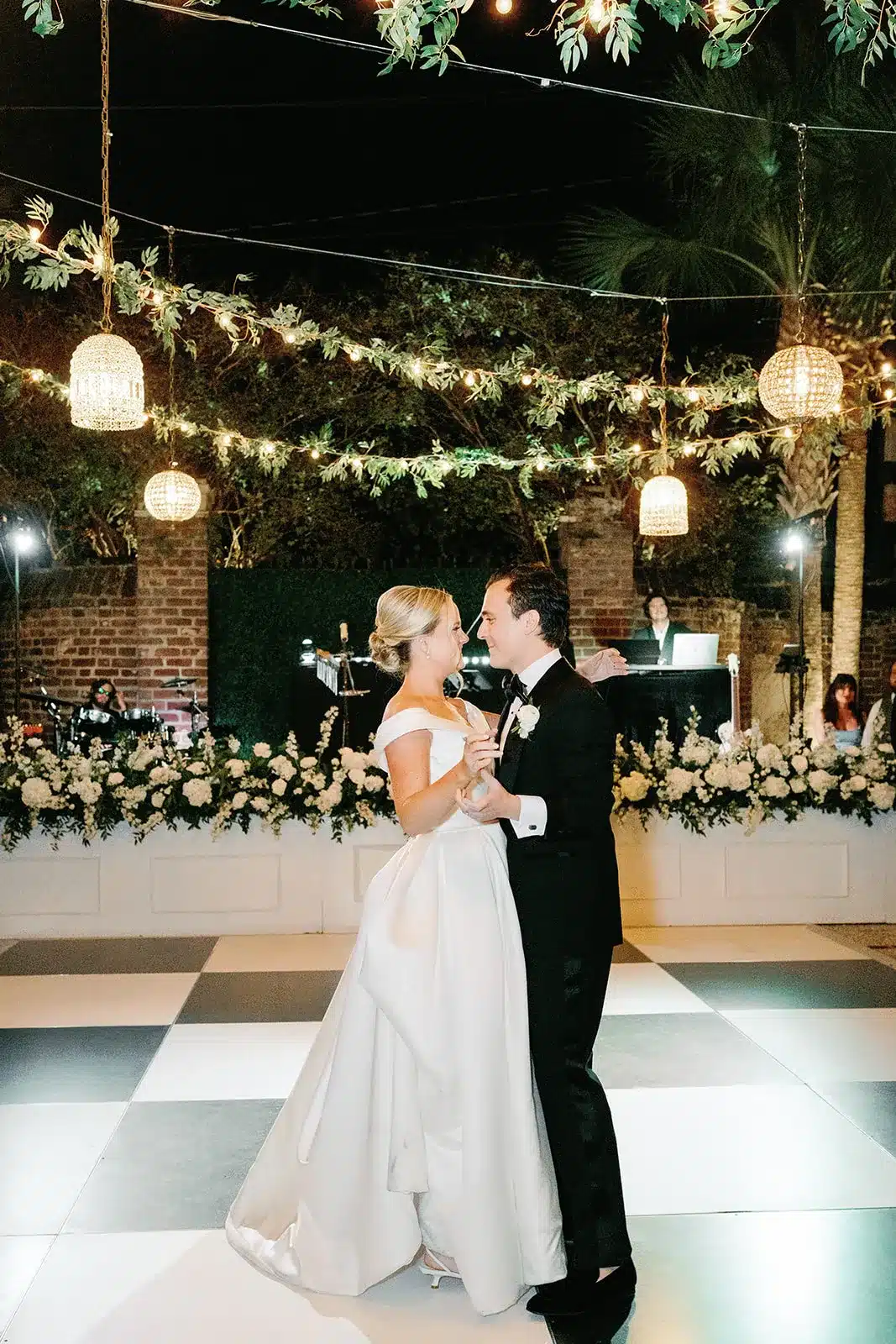
Accent lighting is targeted illumination that emphasizes objects, textures, and spaces to shape perception and guide attention; it works by increasing contrast between a focal element and its surroundings, thereby creating visual hierarchy. The mechanism combines directional fixtures, color selection, and intensity control to draw guest focus to centerpieces, stages, or architectural details, delivering an immediate emotional response such as warmth or drama. The specific benefit is enhanced atmosphere: accent lighting sets tone, improves photography outcomes, and helps guests intuitively navigate an event layout while reinforcing a theme. Understanding these functions clarifies why accent lighting is a core element of decorative event lighting rather than merely supplemental illumination.
Common advantages of accent lighting for events include:
- Mood Control: Strategic color and intensity changes shape guest emotions and energy during an event.
- Focal Emphasis: Focused beams highlight signage, centerpieces, and stages for better visibility and photo composition.
- Spatial Definition: Light can make rooms feel larger or more intimate by altering perceived depth and texture.
These benefits create a foundation for selecting lighting types and integrating them with broader décor choices; the next subsection outlines the typical lighting types used in events.
What Types of Accent Lighting Are Commonly Used in Events?
Accent lighting commonly used in events includes uplighting, gobo projections, pin spotting, bistro/string lights, and illuminated furniture, each a hyponym within the broader category of event lighting. Uplighting uses fixtures placed at floor level to wash walls and drapery with color, creating depth and transforming room scale; this technique is especially useful for ballrooms and banquet halls. Gobo lighting projects logos, monograms, or patterns onto walls and floors to personalize the environment for weddings or brand-centric corporate events, functioning as both signage and atmosphere. Pin spotting provides tight, directional beams that draw attention to centerpieces or desserts with minimal ambient wash, improving photography and guest focus. Bistro and string lights create warm, textured canopies for outdoor patios and tents, while illuminated furniture combines function and glow to serve as seating or service stations that also act as light sources.
How Does Accent Lighting Create Memorable Event Atmospheres?
Accent lighting shapes atmosphere through three core mechanisms: color psychology, layering of light, and focal definition; these work together to produce memorable sensory experiences. Color choices influence mood, warm ambers produce intimacy, cool blues evoke calm, and saturated hues create energy, so matching color to theme and time of event is a principal design decision. Layering combines ambient, task, and accent lighting so that highlights stand out against a controlled background; this preserves visibility while directing sightlines and emotional response. Focal definition uses beam shaping and contrast to create “moments” on the dance floor, stage, or ceremony arc that guests remember; these moments translate into better photography and stronger brand or narrative impact. For planners, the practical value is measurable: better guest engagement, stronger imagery, and a cohesive visual story that supports the event’s objectives.
Why Is Accent Lighting Essential for Weddings, Corporate Events, and Parties?
Accent lighting is essential because it meets distinctive objectives across event types: romance and photography for weddings, brand amplification and stage focus for corporate events, and energy modulation for parties. For weddings, soft uplighting and pin spotting create intimate ceremony backdrops and highlight décor while producing photographs with depth and warmth. Corporate events benefit from crisp gobo projections and strategically placed uplighting that reinforce branding, guide attention to speakers, and preserve professional staging. Social parties and dance events rely on color-changing fixtures and dynamic uplighting to shift energy levels throughout the night and animate the dance floor. The result across all types is a design tool that supports narrative, enhances guest experience, and maximizes visual return on décor investments.
Which Accent Lighting Rentals Does Curated Events Offer to Double as Décor?
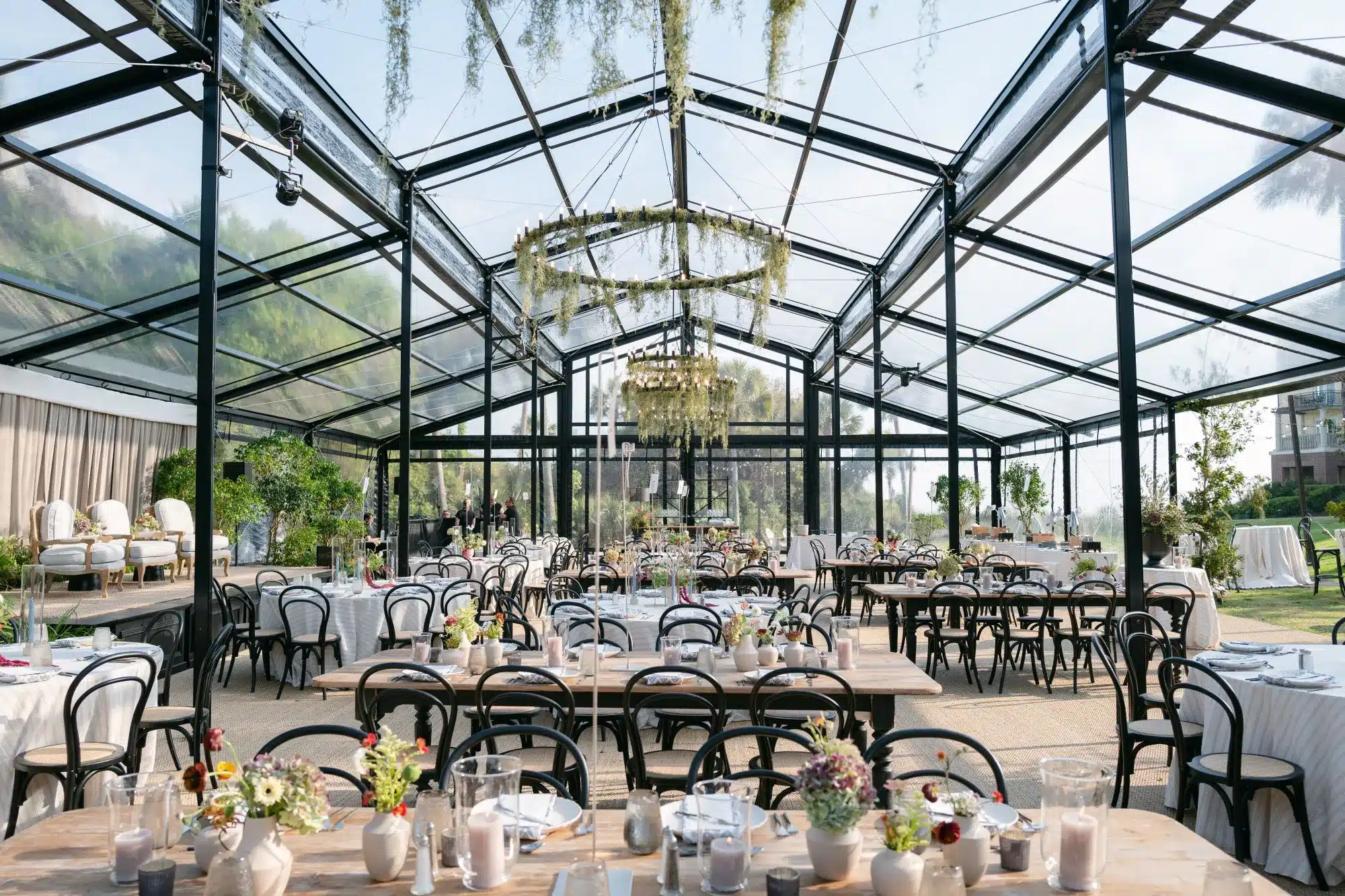
This section describes the key accent lighting rentals typically available to planners and how each option functions as décor; it also highlights Curated Events’ event lighting services and design consultation as real-world examples of professional offerings. Rental categories emphasize visual effect, indoor/outdoor suitability, power source, and typical use-cases so planners can match options to venue constraints and aesthetic goals.
Below is a practical comparison to clarify differences and guide selection.
This table clarifies how each rental doubles as décor by adding color, shape, or functional glow to an event environment. Curated Events’ Event Lighting Rentals and Lighting Design Consultation services can be requested to align these options with a venue and design brief; providing event goals and images accelerates the process. The next subsections dive into each lighting type and actionable placement guidance.
How Do Uplighting Rentals Transform Your Venue with Color and Depth?
Uplighting transforms venue walls, columns, and drapery into colored planes that change perceived scale and mood by bathing vertical surfaces in controlled color; the mechanism uses LED fixtures aimed upward to create saturated or subtle washes. Proper placement, approximately every 8–12 feet depending on fixture output and ceiling height, ensures even coverage without hotspots, and choices for color gradients or slow transitions enable dynamic scene changes during an event. The distinct benefit is volumetric enhancement: uplighting can make a narrow room feel wider and a low-ceilinged space feel taller when used thoughtfully with texture and shadow.
What Makes Illuminated Furniture Rentals Functional and Decorative?
Illuminated furniture combines seating, tables, and bars with integrated LED lighting to serve both practical needs and decorative impact; the mechanism is built-in illumination that provides ambient glow while remaining usable as furniture. This dual-purpose approach reduces the need for separate fixtures in lounge areas, produces strong photo opportunities, and helps delineate social zones without additional floor fixtures. The benefits include improved sightlines, reduced clutter, and added visual interest that aligns with modern, contemporary, or lounge-themed events. When choosing illuminated pieces, consider material finish, battery versus wired power options, and coordination with other light sources to prevent competing glows.
These furniture elements complement projection techniques, which personalize spaces through imagery and branding.
How Can Gobo Lighting Rentals Personalize Your Event with Custom Projections?
Gobo lighting projects crisp images or patterns onto floors, walls, or ceilings using metal or glass templates, enabling personalized monograms, logos, or thematic shapes that anchor event identity; the mechanism is optical projection that uses gobos and focused fixtures to create high-contrast imagery. Custom gobo options allow brands and couples to display names, motifs, or decorative patterns with precise placement, offering a customized decorative accent without permanent signage. Turnaround for custom gobos varies by complexity and production lead time, so early coordination during lighting design consultation ensures the projection integrates with ceremony timing and stage layout. The precise benefit is tailored atmosphere, gobos turn empty surfaces into storytelling canvases that reinforce theme and brand memorability.
Personalized projections work in tandem with softer canopy-style lighting, the focus of the next subsection.
Why Choose Bistro and String Light Rentals for Charming Event Ambiance?
Bistro and string lights create warm, textured overhead canopies that promote intimacy and visual rhythm in outdoor or tented settings; the mechanism uses evenly spaced strands with warm bulbs or LED filaments to define overhead space. These fixtures are ideal for patios, courtyards, and tent interiors where a canopy anchors guest areas and provides predictable, eye-level warmth that photographs well after sunset. Practical considerations include anchor points, wind and weather strategy, and whether to use plug-in or battery/wireless LED strands to reduce cables. The decorative benefit is immediate charm, string lights provide both functional illumination and a visually pleasing ceiling that ties seating and dance areas together.
How Does Pin Spotting Highlight Key Event Details Like Centerpieces?
Pin spotting uses narrow-beam fixtures to illuminate a single object, centerpieces, cakes, or displays. creating dramatic contrast that draws guest attention and enhances photographic detail; the technique relies on precise beam angles and controlled lumen output. Typical setup considers beam spread (e.g., 5°–15°), mounting height, and intensity so that the subject is crisp without spill light washing surrounding areas; lower lumen counts preserve mood while ensuring visibility. Benefits include enhanced texture visibility in florals, improved dessert table appeal, and focused storytelling through light that guides guest gaze. When paired with uplighting and ambient layers, pin spotting provides punctuated moments that anchor the overall design.
What Are the Benefits of Using LED and Wireless Accent Lighting Rentals?
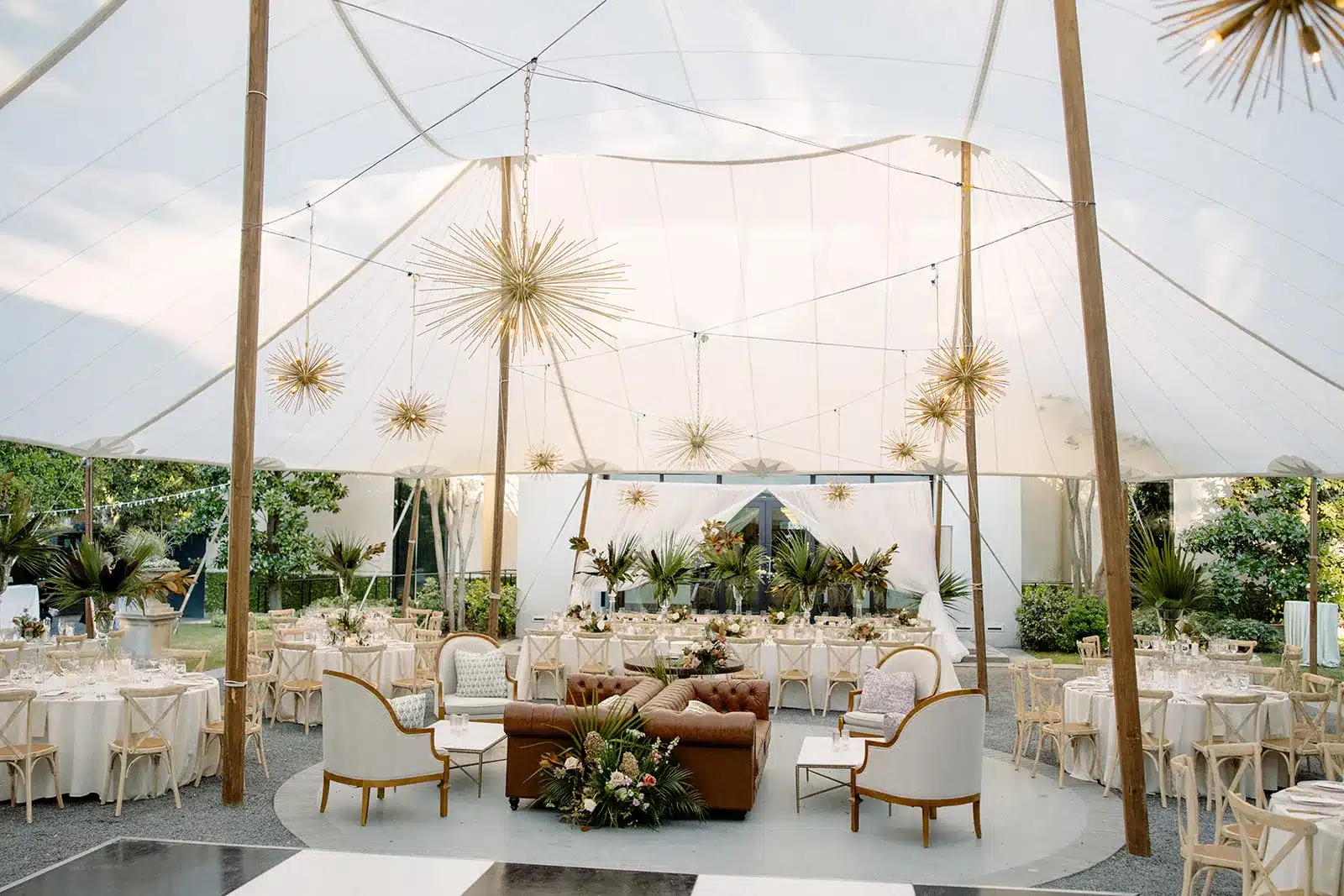
LED and wireless accent lighting reduce energy use, enable flexible fixture placement, and expand design possibilities through color-changing capabilities and programmable scenes; the mechanism combines efficient semiconductor light sources with battery or wireless DMX control to remove physical cabling constraints. The main benefits are sustainability, speed of install, and dynamic programmability: LED fixtures consume less power and last longer than legacy incandescent units, wireless systems minimize tripping hazards and simplify tented or outdoor setups, and color programming allows scene transitions that support event styling and flow.
Below are a concise table and follow-up explanations that compare LED and wireless attributes to highlight practical trade-offs.
LED and wireless lighting attributes compared:
This comparison shows why LED and wireless fixtures are both practical and decorative choices: they save energy, speed installation, and support dynamic décor changes. The subsequent H3s expand on sustainability and flexibility.
How Does LED Lighting Support Eco-Friendly and Energy-Efficient Events?
LED lighting supports eco-friendly events by delivering high luminous efficacy, more lumens per watt, compared with traditional sources, which reduces overall energy consumption for the same visual output. This efficiency lowers venue load requirements and often removes the need for additional power distribution, which is particularly beneficial for venues with limited service. Longer rated lifespans also reduce fixture turnover and maintenance, decreasing logistical and waste burdens across multiple events. For clients, the value is both green branding and practical savings in power coordination, aligning decorative goals with sustainability commitments.
These sustainability advantages naturally connect to the operational flexibility offered by wireless fixtures addressed next.
What Advantages Do Wireless and Color-Changing Lights Offer for Event Flexibility?
Wireless and color-changing lights allow rapid reconfiguration, programmatic scene shifts, and installation in locations where cabling would be impractical, using battery packs and RF or wireless DMX control to send cues. This mobility solves common venue constraints, such as historic sites or outdoor gardens, by removing the need for extensive cable runs and permitting fixtures to be placed where they best serve the design. Color-changing fixtures enable dynamic storytelling: subtle shifts for a ceremony can evolve into saturated palettes for an evening reception without on-floor adjustments. Together, these technologies give designers the ability to match lighting to narrative moments while reducing labor and setup time.
How Can You Choose the Right Accent Lighting Rentals for Your Event Décor?
Choosing the right accent lighting rentals requires assessing venue constraints, event goals, and budget, then matching fixture types and service levels to those priorities; the mechanism is a decision workflow that eliminates mismatches and focuses on desired visual outcomes. Key factors include power availability, mounting points, timeline, photography needs, and whether a wireless solution is required for outdoor or historic venues. The specific benefit of following a selection process is assurance: a clear checklist leads to itemized quotes and prevents last-minute substitutions that compromise décor objectives. Below is a step-by-step checklist followed by a comparison table to guide package selection.
Use this quick checklist when starting a lighting inquiry:
- Identify Venue Constraints: Note ceiling height, wall finishes, and power availability to inform fixture choices.
- Clarify Event Goals: Define mood, focal points, and photography priorities to guide color and intensity selection.
- Decide on Technology Needs: Confirm whether wireless battery options or color-programmable LEDs are required.
- Request Itemized Quotes: Ask providers for fixture counts, labor hours, and any additional fees for travel or permits.
Following these steps simplifies vendor comparisons and prepares you to ask for the right deliverables in a proposal.
To further clarify how rental packages differ, consider this EAV-style comparison of package attributes.
This table helps planners compare proposals and ensure quotes match design intentions. The next H3s elaborate on the selection factors and theme matching.
What Factors Should You Consider When Selecting Decorative Event Lighting?
When selecting decorative lighting, prioritize venue power and mounting constraints, the event schedule, and how lighting will interact with photography and floral elements; the mechanism is a compatibility assessment that prevents last-minute scope changes. Consider whether a venue limits load or requires protective rigging, whether the timeline allows for overnight installation, and how lighting interacts with fabrics and reflective surfaces. Including these items in the initial inquiry helps vendors provide accurate fixture lists and labor estimates. The outcome is a smoother run-of-show and lighting that integrates with other décor elements rather than competing for attention.
These considerations naturally inform theme-specific fixture choices detailed next.
How Do You Match Accent Lighting Styles to Different Event Themes?
Matching lighting to themes uses rules of thumb: warm ambers and low-intensity grids for rustic, crisp white and cool tones for modern, soft pastels for coastal, and saturated jewel tones for black-tie affairs; the mechanism is palette and fixture selection tied to thematic cues. Fixture finishes and textures, matte metal for modern, wood-accented fixtures for rustic, reinforce the visual narrative while beam quality and diffusion affect perceived texture. Designers often create 2–3 sample color scenes for client approval to ensure alignment. This approach ensures that lighting supports the overall aesthetic rather than appearing as an afterthought.
How Can You Contact Curated Events for Custom Accent Lighting Rental Quotes?
To request a custom accent lighting quote, prepare key event details, date, venue, guest count, schedule, desired lighting effects, and any venue restrictions, and submit these to Curated Events for a tailored proposal that includes design consultation and rental options. Providing photos or floor plans and describing the vision (e.g., romantic uplighting, branded gobo, or lounge with illuminated furniture) helps the design team produce accurate fixture lists and timelines.
Below is a checklist of information to include that speeds accurate quoting.
- Event Basics: Date, venue name, and expected guest count to confirm availability and scale.
- Visual Goals: Description of desired effects (color palettes, branded projections, lounge lighting).
- Logistics: Load-in times, power availability, and any venue restrictions that may affect installation.
- Budget Guidance: A target range or preference for packages to help prioritize fixtures and labor.
Supplying these items supports a fast, accurate estimate and enables the Curated Events team to recommend appropriate fixtures and services, including Installation & Rental Service and Lighting Design Consultation, tailored to the event’s needs and local constraints.
What Information Should You Provide for a Personalized Lighting Quote?
When requesting a personalized quote, include the event date, venue details, schedule of key moments, desired lighting effects, and any reference images or inspiration to inform fixture selection and programming; this combination allows designers to align visual intent with technical feasibility. Also note guest count and whether outdoor/wireless solutions are required, since these details affect power strategy and equipment lists. Requesting an itemized proposal that separates fixtures, labor, and programming clarifies decision points. Providing this information upfront accelerates turnaround and reduces the need for follow-up clarifications.
Which Locations Does Curated Events Serve for Accent Lighting Rentals?
Curated Events serves the Eastern United States, offering event rental services and lighting design consultation within that regional footprint as reported in available business information. Clients should confirm availability for specific cities or venues during their initial inquiry, since regional coverage may vary by date and staffing. The service area note helps planners prioritize local vendor scheduling and logistical planning. When requesting a quote, asking for a location confirmation ensures that proposals reflect travel and lead-time considerations.
Frequently Asked Questions
What are the key considerations when planning accent lighting for an outdoor event?
When planning accent lighting for an outdoor event, consider factors such as power availability, weather conditions, and fixture stability. Ensure that you have access to power sources, or opt for battery-operated lights if necessary. Additionally, account for potential weather challenges by selecting weather-resistant fixtures and having backup plans in place. The layout should also facilitate easy installation and visibility, ensuring that lighting enhances the ambiance without obstructing pathways or seating arrangements.
How can accent lighting improve event photography?
Accent lighting significantly enhances event photography by creating depth, contrast, and visual interest in images. Properly placed lighting can highlight key elements like centerpieces and stages, ensuring they stand out in photos. Using warm tones can create a cozy atmosphere, while cooler hues can evoke a more modern feel. Additionally, strategic lighting can help eliminate harsh shadows and improve overall image quality, making it easier for photographers to capture the desired mood and details of the event.
What is the difference between LED and traditional lighting for events?
LED lighting offers several advantages over traditional incandescent lighting for events. LEDs consume less energy, have a longer lifespan, and produce less heat, making them more efficient and safer for prolonged use. They also provide a wider range of color options and can be programmed for dynamic effects, enhancing the overall ambiance. In contrast, traditional lighting may require more frequent replacements and can lead to higher energy costs, making LEDs a more sustainable choice for event planners.
How do you ensure that accent lighting aligns with the event theme?
To ensure accent lighting aligns with the event theme, start by defining the overall aesthetic and mood you want to create. Choose colors and lighting styles that complement the theme, warm tones for rustic events, cool hues for modern settings, and vibrant colors for festive occasions. Collaborate with your lighting designer to create mockups or sample scenes that reflect your vision. This approach allows for adjustments before the event, ensuring that the lighting enhances rather than detracts from the overall design.
What are some common mistakes to avoid when selecting accent lighting?
Common mistakes when selecting accent lighting include underestimating power needs, neglecting to consider fixture placement, and failing to test lighting before the event. Ensure that you have adequate power sources and that fixtures are positioned to avoid hotspots or shadows. Additionally, not accounting for the venue’s layout can lead to ineffective lighting. Always conduct a pre-event walkthrough to test and adjust lighting setups, ensuring they meet your design goals and enhance the event atmosphere.
How can accent lighting rentals be customized for different types of events?
Accent lighting rentals can be customized by selecting specific fixtures, colors, and effects that align with the event’s purpose and theme. For weddings, soft uplighting and personalized gobos can create a romantic atmosphere, while corporate events may benefit from crisp, professional lighting that highlights branding. Social gatherings can utilize dynamic color-changing lights to energize the space. Discussing your vision with a lighting designer can help tailor the rental options to meet your unique event requirements.
Conclusion
Accent lighting rentals not only enhance the visual appeal of your event but also create memorable atmospheres that resonate with guests. By understanding the various types of lighting and their applications, planners can effectively elevate their décor while ensuring a cohesive design narrative. Explore our curated selection of accent lighting options to find the perfect fit for your next event. Contact us today to discuss how we can help bring your vision to life.