
Planning a corporate event in Charlotte, NC requires more than choosing a venue and ordering rentals. The venue, floor plan, guest flow, and rental strategy all need to work together to create an event that feels organized, comfortable, and aligned with the company’s goals. When these elements are planned separately, the result can feel disjointed. When they are planned together, every part of the event supports the guest experience.
Venue selection affects nearly every planning decision that follows. The size of the room, available entrances, parking access, ceiling height, outdoor space, service areas, and existing infrastructure all influence what rentals are needed and how the event should be arranged. A strong layout helps guests move naturally through the space, supports presentations and networking, and allows vendors to operate efficiently behind the scenes.
This guide focuses on how to plan the venue, layout, and rentals for a successful corporate event in Charlotte. Whether you are organizing a client reception, company meeting, conference, employee celebration, networking event, or outdoor gathering, the right planning framework helps create a polished environment that functions as well as it looks.
How Venue Choice Shapes Corporate Event Planning
The venue is one of the most important decisions in the corporate event planning process because it defines the physical possibilities and limitations of the event. Before selecting rentals or finalizing design details, planners should understand how the venue will support the event’s purpose, schedule, and guest count.
A corporate event designed for presentations will need a very different layout than a networking reception. A formal dinner requires dining flow, service space, and tabletop planning, while a product launch may need focal points, branded areas, lounge seating, and room for movement. The venue should support the type of experience you want to create rather than forcing the event into a space that does not match its goals.
Venue Choices In Charlotte
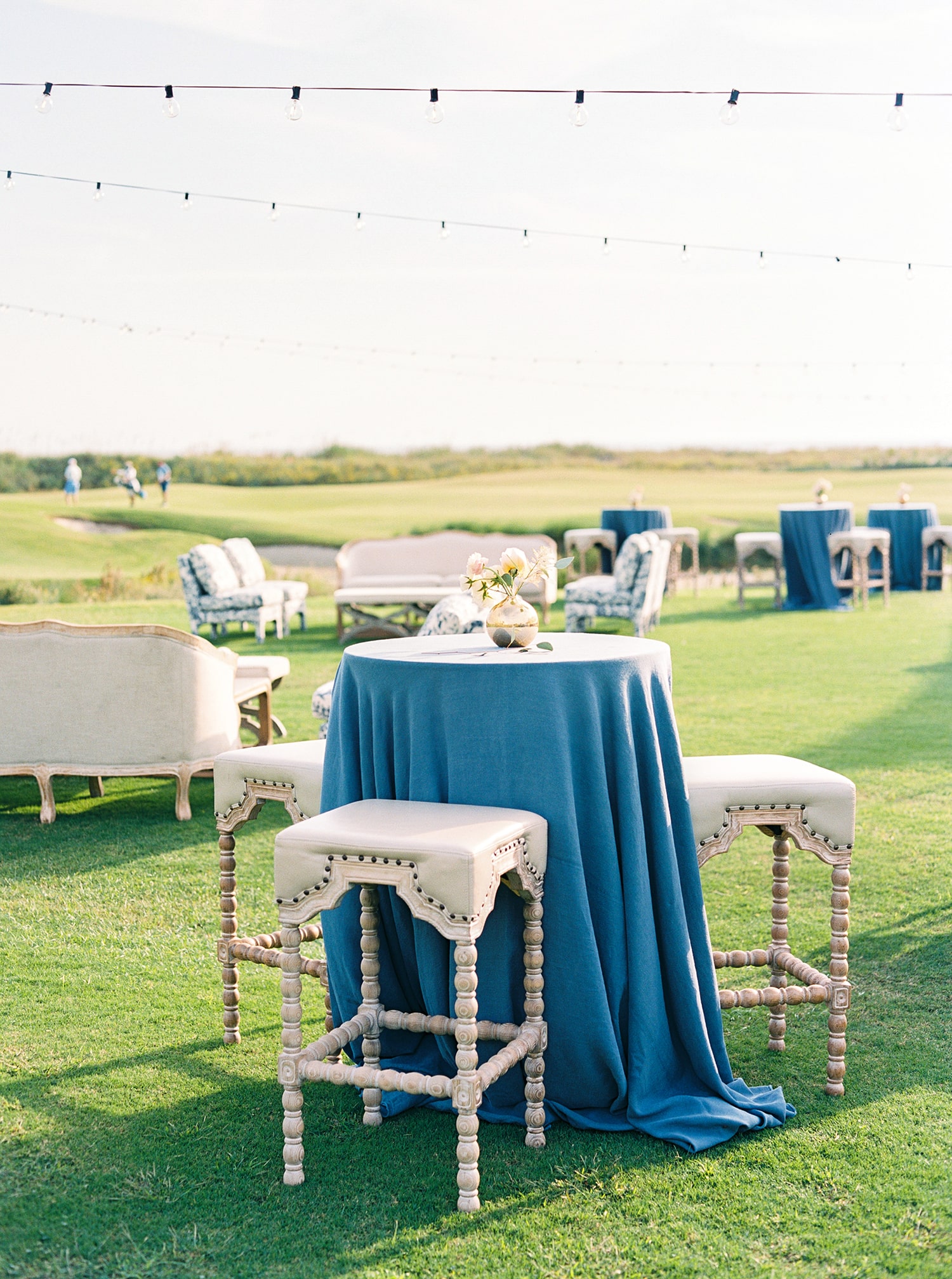
In Charlotte, corporate events may take place in hotels, conference centers, private venues, outdoor spaces, rooftops, historic properties, or tented environments. Each venue type offers different advantages. Hotels and conference centers often provide built-in infrastructure, while private venues may allow more flexibility in design and branding. Outdoor spaces can create a memorable setting but usually require more planning around tenting, flooring, lighting, weather protection, and guest comfort.
The best venue is not always the largest or most visually impressive option. It is the space that supports the event format, guest flow, vendor access, and rental plan with the fewest operational obstacles.
Choosing the Right Corporate Event Venue in Charlotte

Selecting the right corporate event venue starts with a clear understanding of the event’s objectives. Before comparing spaces, define the event’s purpose, desired tone, estimated guest count, schedule, and on-site activities.
A leadership meeting may prioritize privacy, acoustics, and efficient seating. A client-facing reception may require a more elevated visual environment with space for networking, branded moments, and food-and-beverage service. A company celebration may need flexible seating, entertainment space, lounge areas, and a layout that encourages movement.
Once the event goals are clear, evaluate each venue through the lens of functionality.
Venue Type and Event Format
Different event formats require different venue features. For example, a corporate training session benefits from a room that can support classroom seating, AV equipment, and clear sightlines. A networking event requires open circulation, cocktail tables, bar placement, and lounge groupings. A formal dinner needs enough space for seated dining, service aisles, catering support, and a clear arrival experience.
For outdoor corporate events, the venue should be evaluated for tent placement, ground conditions, power access, restroom access, delivery routes, and weather contingency options. Outdoor venues can offer a distinctive atmosphere, but they require additional planning to ensure the environment feels controlled and professional.
Capacity and Comfortable Spacing
Capacity is more than the maximum number of people a venue can legally hold. A successful corporate event depends on comfortable spacing. Guests should be able to move easily between check-in, seating, bars, buffets, presentations, restrooms, and exits without congestion.
A room that technically fits 150 guests may feel crowded once tables, chairs, staging, service stations, AV equipment, and décor are added. Before finalizing a venue, consider the full footprint of the event, including behind-the-scenes areas that guests may not see but vendors still need.
Capacity planning should account for:
- Guest seating
- Registration or check-in
- Presentation or stage area
- Dining tables or cocktail tables
- Bars and beverage stations
- Buffet or catering service areas
- Lounge furniture
- AV and production equipment
- Vendor pathways
- Restroom access
- Entry and exit flow
A venue should give the event room to breathe. Comfortable spacing makes the experience feel more polished and reduces operational friction during the event.
Accessibility, Parking, and Arrival Experience
The guest experience begins before attendees enter the event space. Parking, drop-off areas, building entrances, elevator access, signage, and check-in placement all influence how guests feel upon arrival.
For corporate events, accessibility and convenience are especially important because attendees may be arriving from different offices, hotels, airports, or business districts. A central Charlotte location can improve attendance and simplify logistics, but the venue must still be easy to navigate.
Consider whether the venue offers adequate parking, valet options, nearby accommodations, accessible entrances, and clear pathways for all guests. If the event is hosted in a large venue or multi-room property, directional signage and staff placement should be planned in advance.
An efficient arrival process sets the tone for the rest of the event. Guests should know where to go, how to check in, and how to move into the main event space without confusion.
Building a Corporate Event Layout

A strong layout organizes the event into functional areas that support the agenda. Instead of placing rentals wherever space is available, the floor plan should be designed around how guests will arrive, move, gather, dine, listen, interact, and exit.
Corporate event layouts usually need to balance multiple functions. There may be a presentation area, networking space, dining area, bar, registration desk, sponsor display, lounge area, and catering service zone. Each area should have a clear purpose and enough space to operate without interfering with the others.
The goal is to create a layout that feels intuitive. Guests should be able to understand the space naturally, without needing constant direction.
Match the Layout to the Event Format
The event format should determine the layout. A seated seminar requires rows or classroom-style seating with strong sightlines. A networking reception benefits from open space, cocktail tables, and lounge areas that encourage conversation. A corporate dinner needs dining tables arranged with enough room for service staff and guest movement.
Here are common corporate event formats and their layout priorities:
| Event Type | Layout Priority | Rental Planning Focus |
|---|---|---|
| Board meeting | Privacy, visibility, comfort | Conference tables, executive seating, presentation support |
| Training session | Sightlines and note-taking | Classroom seating, rectangular tables, AV support |
| Networking reception | Movement and conversation | Cocktail tables, lounge furniture, bars, small seating zones |
| Client dinner | Dining comfort and presentation | Dining tables, chairs, linens, tabletop, service stations |
| Product launch | Focal points and guest flow | Stage, branded entry, display tables, lounge groupings |
| Employee celebration | Flexibility and atmosphere | Mixed seating, bars, food stations, lounge areas |
| Outdoor corporate event | Weather protection and defined zones | Tent, flooring, lighting, seating, catering support |
When the layout supports the purpose of the event, the space feels intentional rather than improvised.
Create Functional Zones
Functional zones help organize the event and prevent overlap between competing activities. For example, a corporate reception may include a check-in zone, a networking zone, a bar area, a dining or food station area, a branded photo or display area, and a lounge area.
Each zone should be placed according to how guests will use the space. Registration should be easy to find near the entrance, but it should not block the doorway. Bars should be visible and accessible, but they should not create lines that interfere with seating or presentation areas. Lounge furniture should encourage conversation without obstructing main pathways.
For events with presentations, the stage or speaker area should be positioned so guests can see and hear clearly. Avoid placing high-traffic areas directly in front of the stage. If food or beverage service will continue during presentations, place those stations where they will not distract from the program.
Plan Guest Movement and Traffic Flow
Guest movement is one of the most important parts of corporate event layout planning. Even a beautiful event can feel poorly executed if guests encounter bottlenecks, unclear pathways, or crowded service areas.
Start by mapping the guest journey from arrival to departure. Identify where guests will enter, check in, place coats or bags if needed, get drinks, find seating, visit food stations, network, access restrooms, and exit.
Main pathways should remain open and intuitive. Avoid placing large furniture pieces, bars, or buffet stations in areas where guests naturally need to pass through. If a space has narrow entrances or hallways, allow additional room around those areas to reduce congestion.
High-traffic zones usually include:
- Entry points
- Registration tables
- Bars
- Buffets or food stations
- Restrooms
- Stage entrances
- Elevators or stairwells
- Photo or branded display areas
These areas should be planned carefully so guest movement remains smooth throughout the event.
Matching Rentals to the Venue and Floor Plan

Rental planning should happen after the venue and event layout are defined. Tables, chairs, linens, lounge furniture, tents, bars, staging, and service equipment all support specific functions within the floor plan. The most effective rental plans are not simply based on what looks good; they are based on how the space needs to work. For a broader look at available rental categories, services, and planning considerations, see our complete guide to Corporate Event Rentals in Charlotte.
For corporate events, rentals should support comfort, flow, brand presentation, and operational efficiency. A rental piece may serve a visual purpose, a functional purpose, or both. For example, lounge furniture can create a polished networking area while also encouraging conversation. Cocktail tables can break up open space and give guests places to gather. Linens can help define a color palette while making tables feel finished and cohesive.
Tables, Chairs, and Linens as Layout Tools
Tables and chairs form the foundation of most corporate event layouts. The shape, size, and placement of tables influence how guests interact with the space.
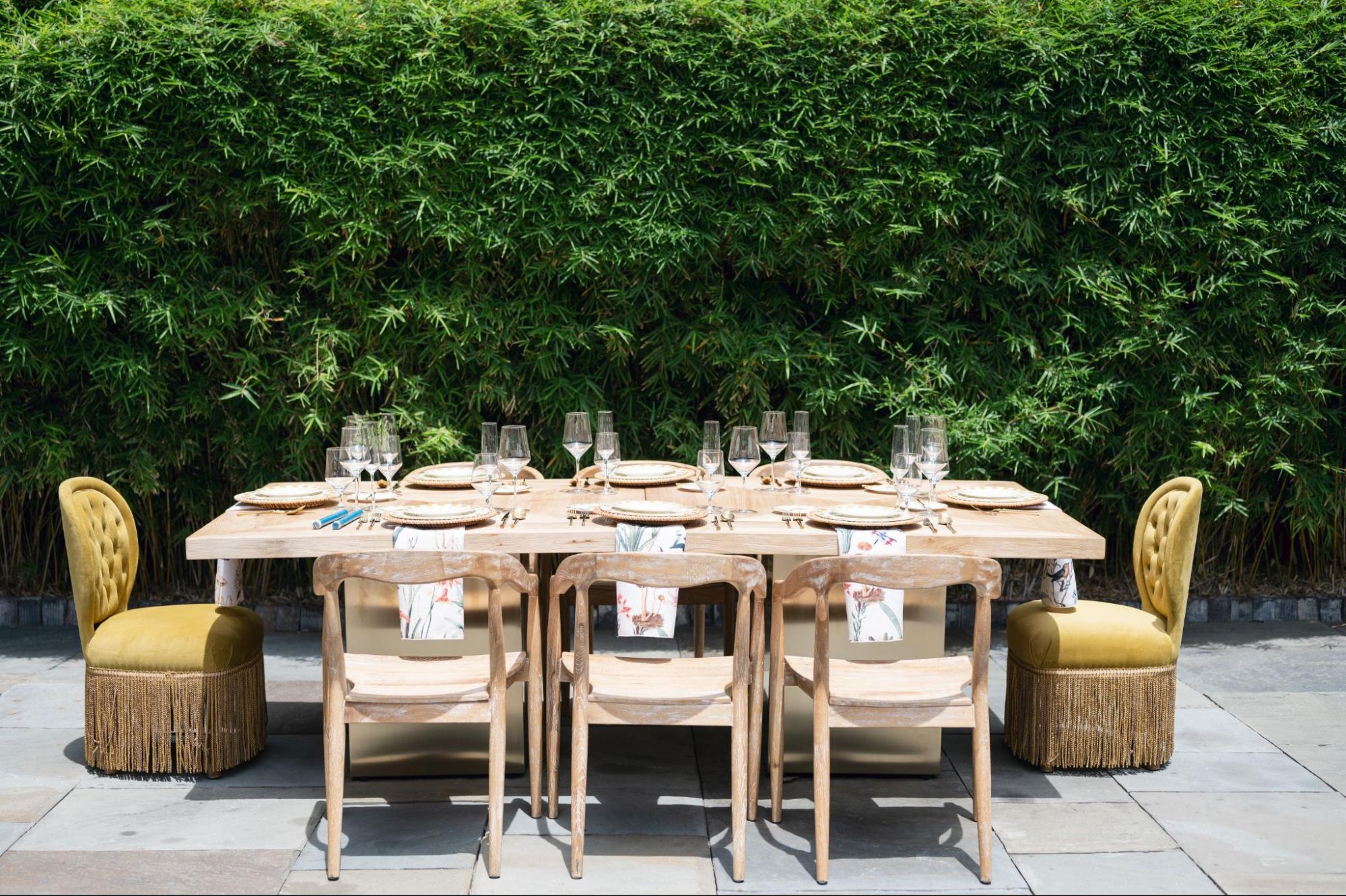
Round tables work well for seated meals and group conversation. Rectangular tables can create a more modern or structured look and are useful for meetings, classroom seating, or long dining arrangements. Cocktail tables are ideal for receptions because they encourage short conversations and allow guests to move freely.
Chair selection also affects both comfort and presentation. For longer seated programs, comfortable seating is especially important. For receptions, a mix of lounge seating, cocktail tables, and occasional chairs can create variety and help guests use the space in different ways.
Linens add color, texture, and consistency across the event. They can reinforce brand colors, soften a room, or create a more refined dining environment. When selecting linens, consider the venue’s existing finishes, lighting conditions, and overall design direction.
Tent Rentals for Outdoor or Overflow Spaces
For outdoor corporate events in Charlotte, tent planning is often essential. Tents provide weather protection, define the event footprint, and create a more controlled environment for dining, networking, presentations, or hospitality areas.
Tent planning should begin with the venue conditions. Ground surface, available space, anchoring requirements, access points, and power needs all affect the tent plan. If the tent will include dining tables, lounge furniture, bars, staging, flooring, or lighting, those elements should be included in the layout from the beginning.
A tent should not be treated as a last-minute weather backup unless the event has been designed to support that approach. For a polished outdoor corporate event, the tent should be integrated into the full event plan.
Lounge Furniture for Networking Areas
Lounge furniture can help transform a corporate event from a purely functional gathering into a more engaging experience. Sofas, chairs, coffee tables, ottomans, and accent pieces create comfortable spaces where guests can have more natural conversations.
For networking events, lounge areas work best when placed slightly away from the main traffic flow but still close enough to feel connected to the event. They can be used near bars, around the perimeter of a reception space, near sponsor areas, or as VIP seating zones.
Lounge groupings should be arranged to encourage conversation. Avoid layouts that feel too spread out or too closed off. The goal is to create comfortable, accessible areas that support connection without disrupting movement.
Catering and Service Rentals Based on Flow
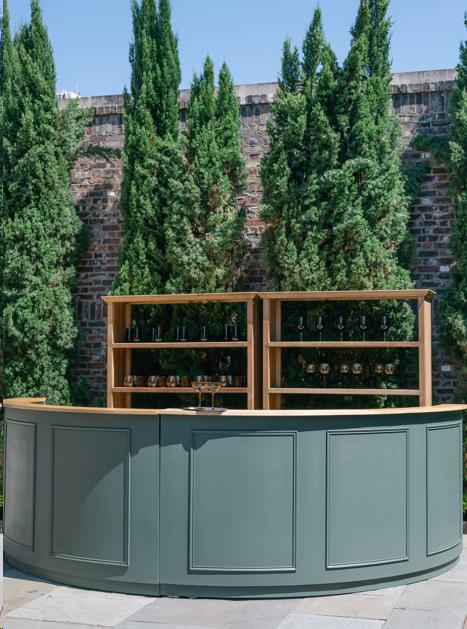
Catering rentals should be planned around service flow. Food and beverage stations need to be placed where guests can access them easily without creating congestion. Buffets, bars, beverage stations, and clearing areas should all be coordinated with the caterer and rental provider.
For seated meals, consider the distance between tables, kitchen or prep areas, service stations, and guest pathways. For receptions, distribute food and beverage points throughout the space when possible to reduce lines and encourage movement.
The placement of catering rentals affects both guest experience and vendor efficiency. When service areas are planned well, guests spend less time waiting and vendors can work more smoothly.
Corporate Event Floor Plan Checklist
Before finalizing rentals, review the floor plan carefully. A detailed layout can help prevent many common event-day issues.
Use this checklist as a planning tool:
- Where will guests enter the event?
- Is the registration or check-in area visible and easy to access?
- Will the entry area become crowded during arrival?
- Are dining, networking, and presentation areas clearly defined?
- Are bars and buffets positioned away from major bottlenecks?
- Can guests move easily between key areas?
- Is there enough space around tables and chairs?
- Are restrooms easy to find?
- Are exits and accessibility routes unobstructed?
- Can catering staff move without crossing through crowded guest areas?
- Does the stage or presentation area have clear sightlines?
- Is there enough space for AV equipment and production needs?
- Are power sources available where they are needed?
- Does the layout support branded signage or sponsor displays?
- Is there a weather plan for outdoor areas?
- Has the rental provider reviewed the layout before delivery?
This type of checklist helps ensure that the layout works from both a guest perspective and an operational perspective.
Vendor Coordination and Site Walkthroughs
Corporate events require coordination across multiple teams. The venue, rental provider, caterer, AV team, florist, planner, entertainment team, and internal stakeholders may all need access to the same space within a limited setup window. Clear coordination helps prevent delays, duplicated efforts, and conflicts during installation.
A site walkthrough is one of the most useful planning steps because it allows the team to review the venue in person before finalizing the event plan. During the walkthrough, confirm room dimensions, delivery access, loading zones, elevator availability, staging locations, power sources, ceiling height, restroom access, and any restrictions that may affect setup.
Delivery and Installation Access
Rental delivery requires more than a confirmed event address. The rental team needs to know where trucks can park, which entrance to use, whether elevators are available, how far items must be carried, and whether there are time restrictions for load-in and load-out.
Venues with limited access may require additional labor or installation time. Outdoor venues may require special handling depending on the ground surface and distance from parking or staging areas. These details should be confirmed before the final quote and delivery schedule are completed.
Setup Timing
A detailed setup schedule helps vendors work efficiently. Rental installation often needs to happen before florals, tabletop design, catering setup, and final styling. AV teams may need access before or during rental setup, especially if staging, lighting, or screens are involved.
The timeline should include:
- Venue access time
- Rental delivery window
- Tent or large-item installation
- AV setup
- Catering setup
- Tabletop and décor placement
- Final walkthrough
- Guest arrival
- Breakdown timing
- Rental pickup
When vendors understand the full schedule, they can plan labor and delivery more accurately.
Power, AV, and Presentation Needs
Corporate events often include presentations, microphones, screens, lighting, branded displays, or hybrid meeting technology. These elements should be coordinated with the layout and rental plan.
For example, staging placement affects seating orientation. Screen placement affects sightlines. Lighting placement may affect table arrangement or tent setup. Power access may influence where bars, registration tables, AV booths, or catering equipment can be placed.
The rental provider, venue, and AV team should review these requirements together so the final layout supports both design and production needs.
Weather and Contingency Planning
Outdoor corporate events in Charlotte need a clear weather plan. Even if the forecast looks favorable, rain, heat, humidity, wind, and ground conditions can affect guest comfort and event execution.
Weather planning may include tents, sidewalls, flooring, fans, heaters, umbrellas, covered walkways, or an indoor backup space. The contingency plan should be finalized early enough for rental availability and vendor coordination.
A strong weather plan protects the event experience and reduces last-minute decision-making.
When to Finalize Venue, Layout, and Rentals

The ideal planning timeline depends on the size and complexity of the event. Larger corporate events, outdoor events, and events requiring tents or custom layouts should begin the rental planning process several months in advance. Smaller meetings or receptions may have more flexibility, but early planning still provides better inventory options and smoother coordination.
A practical planning sequence looks like this:
- Define the event goals, guest count, and format.
- Select and confirm the venue.
- Conduct a site walkthrough or review venue floor plans.
- Develop the event layout.
- Identify rental needs based on the layout.
- Coordinate catering, AV, and production requirements.
- Finalize the rental order.
- Confirm delivery, setup, and breakdown details.
- Complete a final walkthrough before the event.
This sequence helps avoid a common planning mistake: choosing rentals before understanding the space. Rentals should be selected to support the final layout, not the other way around.
Common Venue and Layout Mistakes to Avoid
Even experienced teams can run into issues when venue, layout, and rental decisions are not fully aligned. The most common problems usually come from underestimating space requirements or waiting too long to coordinate vendors.
Avoid these mistakes:
- Choosing a venue based only on appearance
- Using the venue’s maximum capacity without considering rentals and service areas
- Placing bars or buffets where they block guest movement
- Forgetting space for registration or check-in
- Overlooking delivery access and load-in timing
- Planning outdoor events without a tent or weather strategy
- Selecting furniture before the layout is confirmed
- Ignoring AV sightlines when placing tables or lounge areas
- Leaving vendor coordination until the final week
- Failing to schedule a site walkthrough
Careful planning helps prevent these issues and creates a smoother experience for guests and vendors.
How Curated Events Supports Venue, Layout, and Rental Planning
Curated Events helps corporate clients connect venue decisions with practical rental planning. Once the venue, guest count, and event format are defined, the team can recommend rental pieces that support the layout, improve guest movement, and create a polished environment.
This may include seating plans, lounge groupings, tented areas, service stations, tabletop selections, linens, bars, and other rental elements that fit the space and event objectives. Instead of selecting rentals in isolation, Curated Events helps ensure that each piece contributes to the overall function and appearance of the event.
For Charlotte corporate events, local venue familiarity can also support smoother planning. Access points, delivery timing, setup requirements, outdoor conditions, and layout limitations can all affect the final rental plan. Working with an experienced rental partner early in the process helps reduce logistical issues and supports a more efficient installation.
Whether the event is hosted in a hotel ballroom, private venue, outdoor space, or tented setting, thoughtful rental planning helps the final environment feel cohesive, comfortable, and professionally executed.
Frequently Asked Questions
How do I choose the right venue for a corporate event in Charlotte?
Choose a venue based on the event format, guest count, accessibility, location, available infrastructure, and layout flexibility. The venue should support the event’s purpose, whether that involves presentations, dining, networking, entertainment, or outdoor hospitality.
How much space do I need for a corporate event layout?
The amount of space needed depends on the event format and rental requirements. A seated dinner, classroom-style meeting, networking reception, and outdoor tented event all require different layouts. Always account for guest seating, service areas, vendor access, bars, buffets, AV equipment, and guest movement.
What should be included in a corporate event floor plan?
A corporate event floor plan should include entrances, registration, seating, tables, bars, buffets, lounge areas, staging, AV locations, restrooms, exits, service pathways, and any branded or sponsor areas. Outdoor layouts should also include tents, flooring, power access, and weather-related features.
When should I start planning rentals after booking a venue?
Rental planning should begin soon after the venue is confirmed. Early planning gives the rental provider time to review the layout, recommend appropriate pieces, confirm availability, and coordinate delivery details with the venue and other vendors.
How do rentals affect guest flow?
Rentals shape how guests move through the event space. Tables, chairs, lounge furniture, bars, buffets, and staging all influence circulation. Proper placement helps prevent bottlenecks, supports conversation, and makes the event feel more comfortable and organized.
Do outdoor corporate events in Charlotte need tent planning?
Many outdoor corporate events benefit from tent planning because tents provide weather protection, define the event space, and create a more controlled environment. Tent planning should account for guest count, layout, ground conditions, power access, lighting, flooring, and vendor needs.
Why is a site walkthrough important before finalizing rentals?
A site walkthrough allows the planning team to confirm access points, room dimensions, delivery paths, power availability, setup requirements, and potential layout challenges. It helps ensure that the final rental plan is realistic for the venue and event schedule.
Conclusion
A successful corporate event in Charlotte starts with a clear understanding of the venue, layout, and rental requirements. When these elements are planned together, the event space can support guest movement, presentation needs, dining service, networking, and brand experience more effectively.
By evaluating venue capacity, accessibility, functional zones, service flow, and rental needs early in the process, corporate planners can avoid common layout issues and create a more polished guest experience. Curated Events supports this process with rental guidance, floor plan coordination, and local expertise for Charlotte corporate events.
The right venue provides the foundation. The right layout creates structure. The right rentals bring the event together.