

Blending furniture styles is one of the most effective ways to elevate your event’s atmosphere. Whether you’re planning a romantic wedding, a lively party, or a formal gala, combining contrasting elements—like minimalist seating with rustic tables or velvet lounges with industrial accents—can create a layered, visually compelling space.
Mixing styles isn’t about clashing looks; it’s about balance, intentionality, and storytelling through design. By thoughtfully pairing textures, shapes, and materials, you can craft a setting that feels unique, inviting, and tailored to the mood of your event.
This guide explores how to mix event furniture styles with confidence—from identifying style anchors to balancing materials and creating cohesive layouts that enhance both form and function.
Key Takeaways
- Start with one dominant furniture style and add one or two secondary styles for visual interest.
- Use consistent materials or textures—like wood, velvet, or metal—to create cohesion across different styles.
- Match your furniture mix to the type of event and the character of your venue.
- Divide your space into functional zones (dining, lounging, display) to support flow and comfort.
- Layer in lighting, rugs, pillows, and accessories to unify the design and highlight focal areas.
- Keep guest count and room size in mind when scaling furniture and selecting layout combinations.
Popular Furniture Styles and How to Blend Them
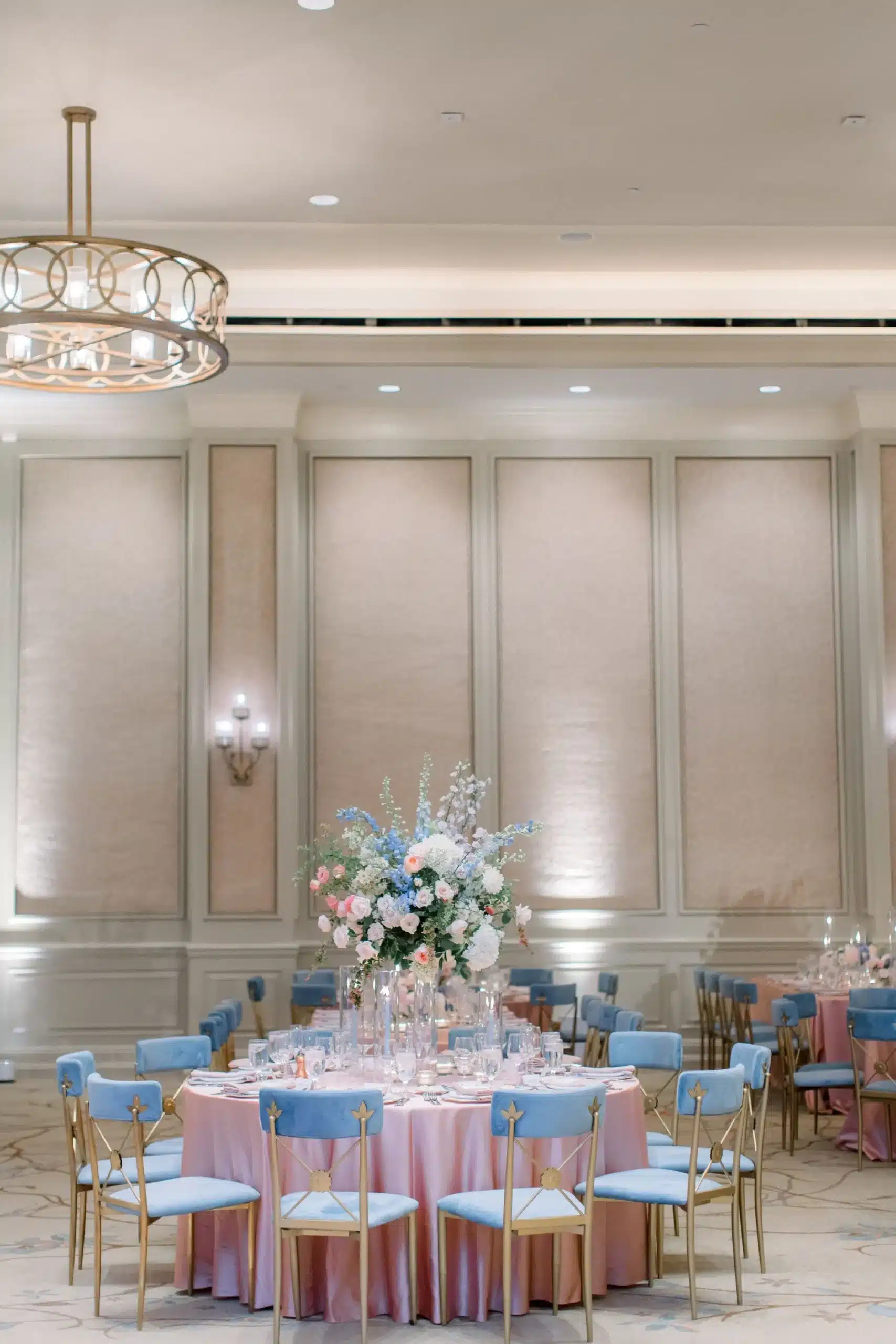
Every furniture style brings a unique visual language to an event space—whether it’s clean and modern, rustic and organic, or bold and eclectic. When thoughtfully combined, these styles create layered, dynamic environments that feel both intentional and inviting.
Core Characteristics of Popular Styles
- Modern: Defined by simplicity and structure. Expect clean lines, neutral palettes, and materials like metal, glass, and smooth leather or fabric. Modern pieces provide a sleek foundation that pairs easily with more textured styles.
- Rustic: Grounded in natural beauty. Think reclaimed wood, raw textures, and earthy textiles such as linen or canvas. Rustic furnishings add warmth and an organic touch to any layout.
- Bohemian: Eclectic and expressive. Look for layered textiles, vibrant colors, patterned rugs, and plush seating like velvet ottomans or poufs. Boho accents soften formal setups and add a playful sense of freedom.
- Vintage: Rich in character. Vintage elements include carved wood, aged finishes, or ornate mirrors that lend timeless charm and elegance to your design.
- Industrial: Functional with edge. Featuring exposed metal frames, distressed wood, and visible hardware, this style works well in open loft spaces or modern venues needing bold contrast.
Signature Pieces That Anchor Each Style
These pieces help define each style’s presence and can be echoed through complementary accents like textiles, side tables, or lighting.
How Styles Work Together
A successful mix relies on contrast and cohesion. A modern sofa gains warmth when paired with a rustic wood coffee table. Industrial stools take on softness when placed alongside patterned rugs and colorful pillows. Bohemian lounges feel elevated with vintage accessories and structured furniture nearby. The key is to repeat certain materials or colors across the design—like using the same wood tone across different styles or tying multiple styles together with a unifying fabric or finish. This creates balance without sacrificing visual interest.
How to Mix Furniture Styles for Different Events and Venues

Blending furniture styles is a creative way to reflect the tone of your event. But to make it work, you need to consider the type of event you’re hosting and the space you’re working with. The right mix can elevate the guest experience, improve layout flow, and reinforce the overall design.
Matching Styles to Event Types
Every event has its own energy, and your furniture choices should reflect that. By selecting styles that support the event’s mood—whether formal, casual, or corporate—you can create a seamless and immersive experience for guests. The key is to find a balance between style and function.
- Weddings Pair modern tables with rustic wood chairs and soft bohemian accents like layered rugs or low lounge seating. This creates a romantic, relaxed atmosphere that feels intentional and inviting.
- Corporate Events Keep the design sleek and functional. Use structured tables and seating with clean lines, and introduce industrial accents like metal side tables or open-frame shelving for a more modern edge. Neutral colors and consistent materials help maintain a professional tone.
- Galas and Formal Dinners Opt for luxurious textures and elegant silhouettes. Velvet seating, marble-top cocktail tables, and polished wood pieces work beautifully together. Layering vintage details with modern shapes can create a sophisticated but fresh look.
- Casual Parties and Social Events Comfort and personality are key. Combine rustic farm tables with acrylic or modern chairs, and add poufs, patterned cushions, or floor pillows for a laid-back, boho-inspired setup.
- Conferences and Networking Events Function comes first, but style still matters. Choose comfortable seating in neutral tones and mix in modern or industrial tables to create zones for conversation, breakout sessions, or workspaces.
Choosing Styles That Suit the Venue
Your venue plays a big role in shaping the look and feel of your event. The architecture, setting, and layout should all be taken into account when selecting furniture styles. A cohesive design feels natural in its environment, not forced.
- Indoor Ballrooms These spaces support heavier, plush furniture. Try mixing vintage pieces with formal lounge seating to match the elegant setting.
- Outdoor Tents Go with lightweight, durable materials. Rustic and bohemian styles work well—especially if you’re using treated wood, rattan, or weather-resistant fabric.
- Historic Buildings Lean into the venue’s charm. Vintage mirrors, wooden tables, and soft textiles complement the architectural details and natural character of older spaces.
- Modern Lofts or Industrial Venues These environments pair best with bold contrasts. Clean-lined modern furniture mixed with raw materials—like concrete, metal, or distressed wood—enhances the space’s edgy, open vibe.
Practical Tips for Mixing and Matching Event Furniture
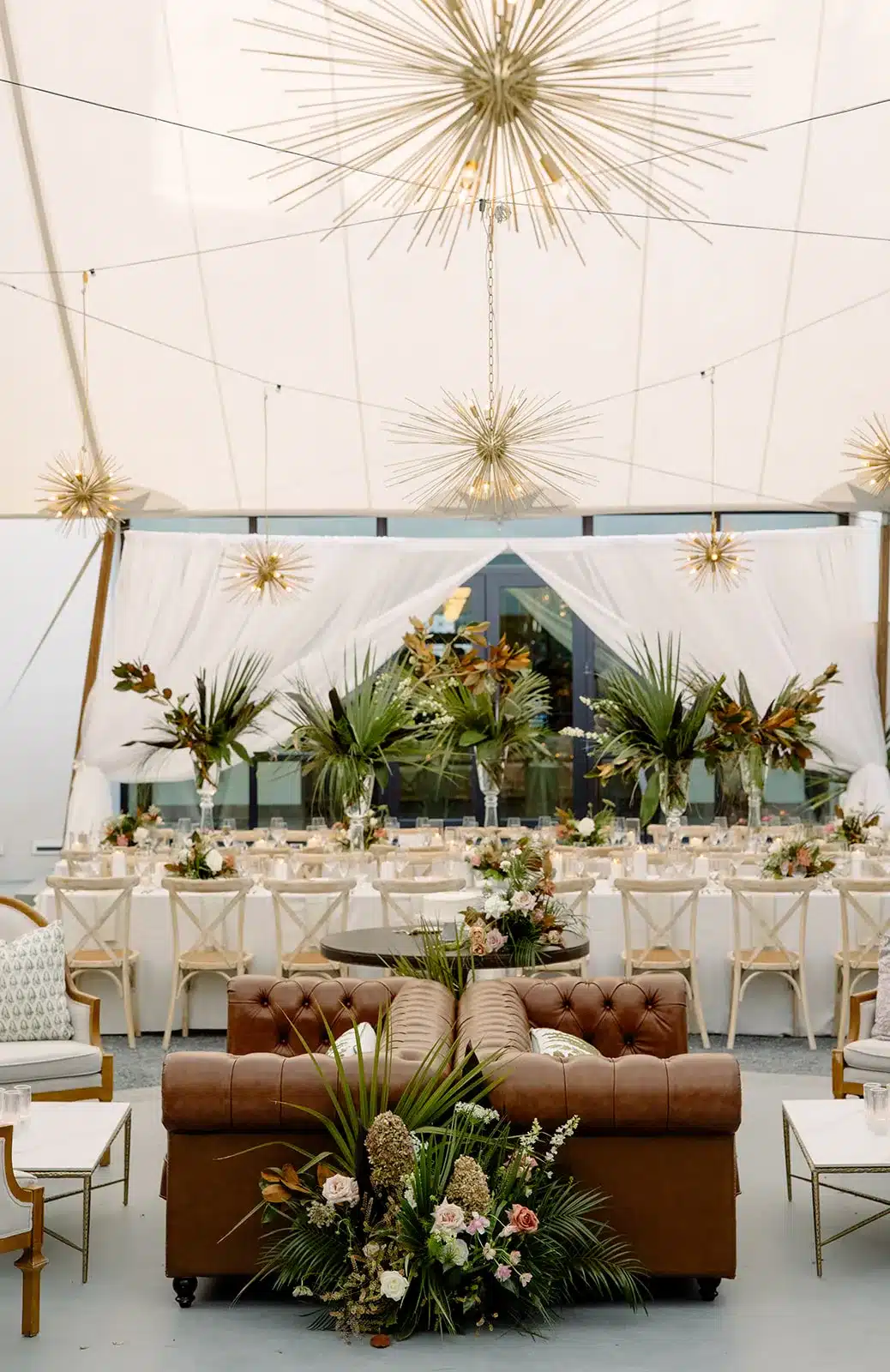
Creating a well-blended event design starts with thoughtful planning. Mixing furniture styles isn’t just about combining different pieces—it’s about establishing visual harmony through color, material, and purposeful placement. When done right, a multi-style setup feels intentional and polished, not chaotic.
Start with a Style Framework
Begin by choosing one dominant furniture style to anchor your design. This primary style should define the core elements of your layout, such as dining tables, main seating areas, or stage setups. Then, introduce one or two secondary styles to add variety and character. Use these in smaller zones like lounge vignettes, entry displays, or bar areas.
To maintain cohesion, select a material that appears across styles—such as wood, marble, glass, or metal—and repeat it throughout the space. Consistency in furniture scale and seat height also plays a key role in ensuring comfort and flow.
Use Color and Materials to Tie Everything Together
A balanced color palette brings your design to life. Whether you choose complementary tones (like blush and olive) or stay within a soft, analogous range (such as cream, taupe, and warm gray), the goal is to create smooth transitions between different furniture elements.
Mixing materials adds depth—but they should relate. For example, glass and metal naturally suit modern and industrial styles, while natural wood can bridge rustic and bohemian elements. Soft fabrics like velvet and linen help soften more structured or angular pieces, providing a balanced contrast.
Don’t Overlook Accessories and Lighting
Accessories are the finishing touch that bring cohesion to a mixed-style space. Accent pillows, throws, area rugs, and decorative pieces can echo key patterns or colors found in your core furniture selections. Layering these details thoughtfully helps unify the look.
Lighting also plays a powerful role. Ambient sources—like string lights, lanterns, or chandeliers—add warmth and help define separate zones. Choose fixtures that complement your style blend to maintain consistency across the space.
Planning Your Space for Mixed Furniture Layouts

No matter how beautiful your furniture selections are, the layout must support both comfort and movement. Proper space planning ensures that your mixed-style design feels intentional—not overcrowded or disconnected. From initial measurements to final placement, every step matters.
Measure with Purpose
Start by gathering accurate measurements of the venue. Use a laser measurer or a scaled floor plan to record the room’s length, width, ceiling height, and any fixed elements like columns or entryways. Mark designated areas for dining, lounging, bars, or presentations so you can visualize how different furniture styles will fit.
Overlaying furniture footprints onto your layout will help ensure there’s enough space between pieces for smooth circulation. While creative freedom is key in style mixing, structure is essential to maintain a usable, guest-friendly flow.
Create Functional Zones
Dividing the space into clear zones helps unify different styles while keeping things organized. Group furniture by function—dining tables in one section, lounge seating in another, and any work or display areas set apart.
To avoid visual or physical clutter, vary seat and table heights only slightly. This keeps the layout feeling balanced. Use rugs, screens, or lighting to define each zone and anchor your mixed-style look.
Scale According to Guest Count and Room Size
Furniture should match the scale of both your venue and your guest list. For more intimate events, avoid oversized sectionals and opt for armchairs, benches, or smaller groupings. In larger spaces, duplicate lounge clusters to preserve intimacy across a bigger footprint.
Adjust table sizes and quantities to ensure every guest has enough space without overcrowding the layout. The goal is to create a welcoming environment where furniture styles blend seamlessly—and guests feel comfortable navigating the room.
How Can Event Planners Maximize Style Impact Using Event Furniture Rentals?
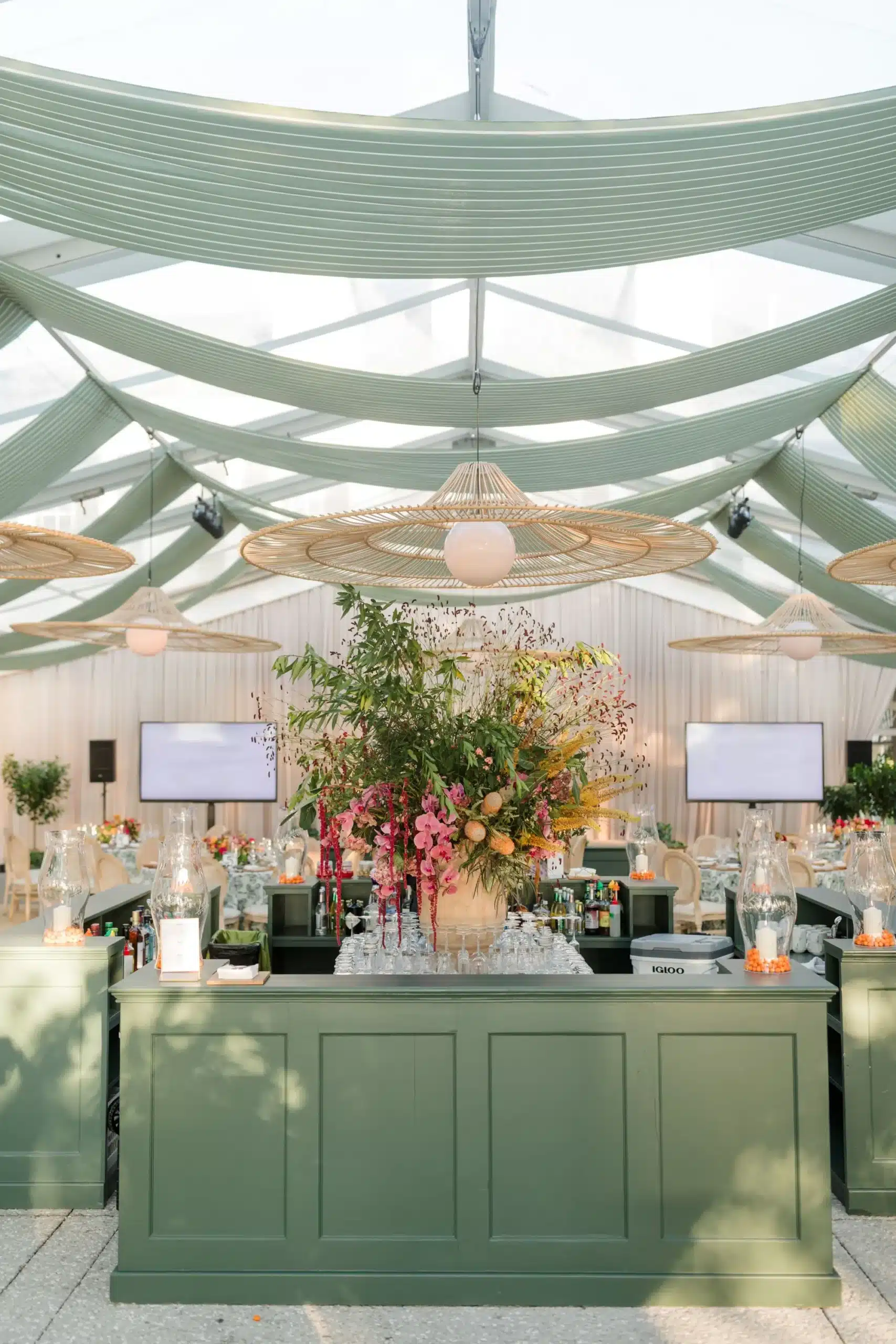
Expert planning and clear communication with rental companies are essential to executing a flawless design.
What Are Expert Recommendations for Mixing Styles Seamlessly?
Use a 60-30-10 approach: allocate 60% of your design to the primary style, 30% to a secondary style, and 10% to accent pieces. Repeating key colors or materials—whether through pillows, table centerpieces, or lighting—reinforces visual cohesion. A quick mock-layout or digital rendering can help preview interactions between different pieces.
How to Communicate Style Preferences to Rental Companies?
Clearly share your vision through high-resolution images, detailed mood boards, and comprehensive floor plans. Label each item with its designated style (for example, “modern seating” or “rustic table”) and specify finishes or upholstery colors. Request 3D layouts or physical samples when possible to ensure textures and scales meet expectations.
What Are Common Mistakes to Avoid When Mixing Furniture Styles?
Avoid incorporating too many styles; sticking to a maximum of three keeps the design coherent. Be mindful of scale mismatches—pairing a low modern coffee table with tall rustic stools can disrupt balance. Also, don’t neglect a unifying element like color or material, as this can lead to a disjointed atmosphere. Careful planning ahead of time prevents these issues and ensures a harmonious result.
Conclusion
Mixing event furniture styles is both an art and a strategy. It allows planners and hosts to express creativity while ensuring the space reflects the mood and purpose of the event. When thoughtfully executed, this approach enhances guest experience, elevates the visual atmosphere, and leaves a lasting impression.
From choosing a dominant style to balancing materials, colors, and textures, each design decision contributes to the final result. With the right planning and attention to detail, blending styles can turn any venue into a cohesive, personalized environment that feels dynamic and intentional.
Frequently Asked Questions
How many furniture styles should I mix in one event?
It’s best to stick with no more than three styles. One should be dominant, and the others should support the overall look without creating visual clutter.
What if my venue already has a strong aesthetic?
Work with the venue’s existing character. For example, a historic venue might pair well with vintage or rustic pieces, while a modern space might benefit from clean-lined, industrial furniture with softer accents.
How do I avoid clashing materials or colors?
Choose a unifying element—such as a consistent wood tone, metal finish, or fabric texture—and repeat it across different furniture styles. A cohesive color palette also helps blend contrasting looks.
Can I mix bold and neutral elements together?
Yes, and doing so often creates visual balance. For example, pair a bold velvet lounge piece with neutral-toned tables or soft-colored rugs to ground the design and avoid overwhelming the space.
What’s the best way to test my layout before the event?
Create a digital or scaled floor plan that includes measurements and furniture placement. Visual mockups or mood boards also help you see how styles and materials interact before committing to a final setup.