
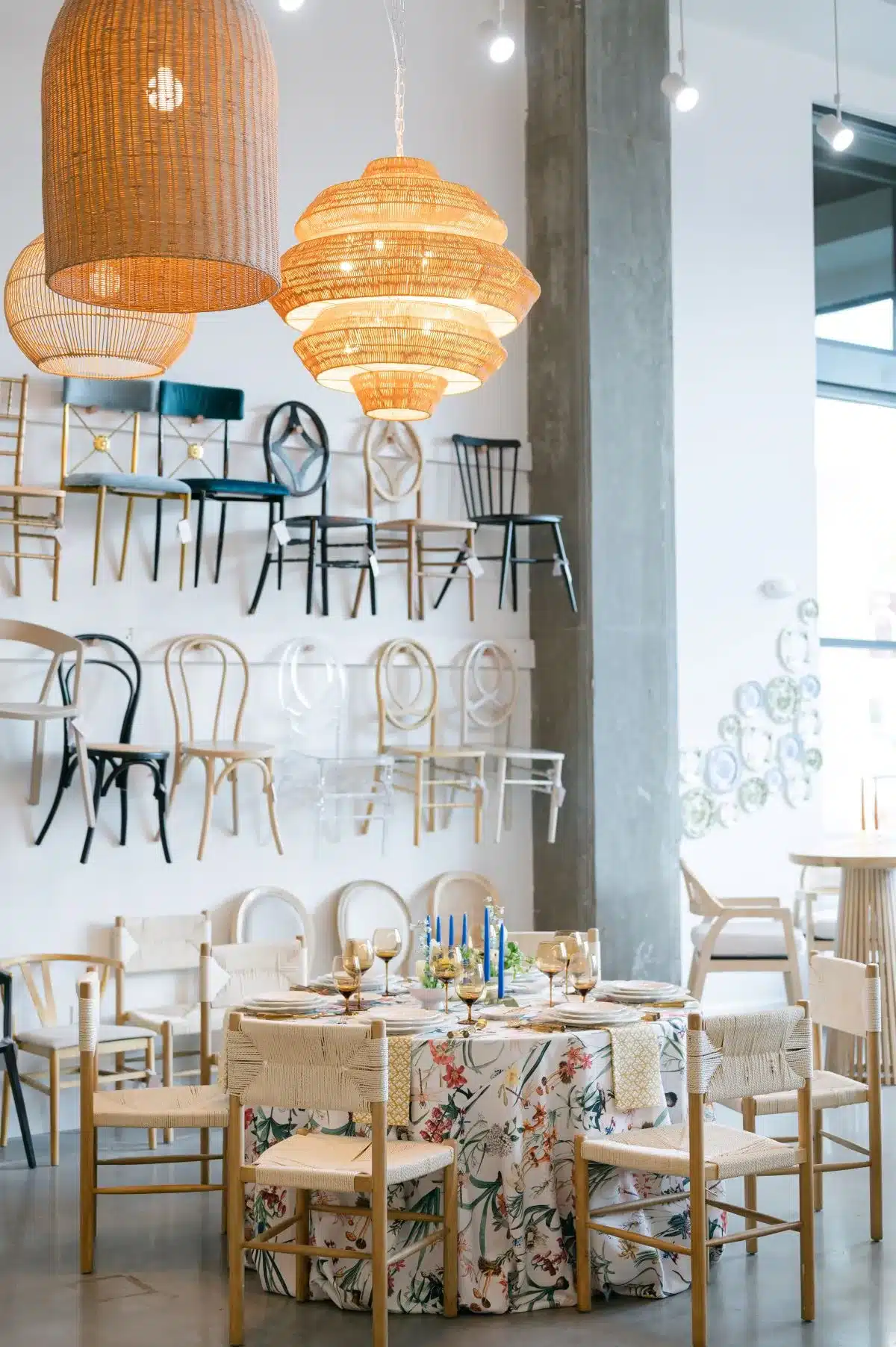
Event furniture rentals play a central role in shaping atmosphere, flow, and guest comfort. From elegant lounges to modular seating and statement tables, the right pieces transform empty venues into immersive experiences. In 2025, planners are approaching rentals with a sharper eye—considering not only aesthetics and function but also vendor reliability, timing, and setup strategy. This guide walks through the full rental journey, offering practical insights into style selection, vendor coordination, and onsite logistics that support a seamless, standout event.
Key Takeaways
- Start with a clear vision and space layout before contacting rental vendors.
- Choose furniture that balances visual style, comfort, and guest flow.
- Work with vendors who communicate clearly and understand event logistics.
- Confirm delivery windows, setup needs, and venue access early in the process.
- Read reviews to assess vendor reliability and service quality.
- Design with intention—use rentals to define zones and guide guest interaction.
Evolving the Event Furniture Rental Experience in 2025

Planning event rentals today calls for more than a product list. It’s a creative collaboration between planner and vendor, focused on style, availability, and timing. From initial inquiries to final placement, the process is smoother when communication is clear and expectations are mapped out early. Furniture isn’t just filling space—it’s defining how people move, interact, and remember the event.
Furniture Delivery and Setup That Works With Your Timeline
Delivery is no longer a behind-the-scenes scramble. Many vendors now offer coordinated scheduling, on-site walkthroughs, and setup teams that understand spatial flow. Rentals arrive pre-checked, wrapped, and ready for placement. Timelines are built around your access hours and floor plan—not the other way around.
Furniture Styles That Define 2025 Events
This year’s top looks combine functionality with character. Planners are layering textures, mixing metals with soft fabrics, and creating zones for gathering, lounging, and photo ops. Whether you’re designing around clean minimalism or expressive themes, furniture is selected for its ability to carry mood and complement the energy of the event—not just match the color palette.
What Are the Key Steps to Booking Event Furniture Rentals in 2025?

Furniture rentals work best when treated like a design process, not a transaction. Before contacting vendors, planners clarify their space, guest count, and overall atmosphere. From there, the focus moves to style curation, inventory checks, and logistics planning. The goal is to match pieces with purpose—not just aesthetics—so every element supports how the event feels and functions.
How to Choose the Right Pieces for Your Event
Style selection starts with your floor plan and vision. Lounge groupings, dining sets, and accent pieces should reflect the mood of the event and how guests will move through the space. Comparing measurements, materials, and use-case photos helps avoid guesswork. Moodboards and sample layouts give planners and vendors a shared reference point for each selection.
Information to Prepare Before Reaching Out to Vendors
A strong inquiry includes the event date, venue access times, estimated guest count, and types of furnishings needed. Many vendors also ask for a theme or color direction, so they can suggest matching inventory. The more complete your brief, the smoother the quote process—and the fewer surprises down the line.
How to Manage Changes and Confirm Final Details
Finalizing your rental order involves more than signing a contract. It’s about confirming delivery windows, layout diagrams, and setup instructions with enough time to make adjustments if needed. Communicating updates—like layout shifts or timing changes—as early as possible gives both sides the flexibility to adapt without stress.
Designing Functional Spaces With Rental Furniture

Furniture layout is more than an afterthought—it’s a tool that drives guest interaction, comfort, and event flow. Strategic placement defines purpose, directs movement, and sets the tone from the moment attendees arrive.
Create Zones That Serve the Event’s Purpose
Break the space into functional zones that align with your program: lounges for mingling, high-tops for casual conversations, soft seating for quiet corners, and defined dining areas for meal service. These boundaries don’t require walls—just the right mix of furnishings. Visual cues like rugs, lighting, or consistent color palettes can further separate one area from another while maintaining cohesion.
Use Seating Arrangements to Encourage Movement and Connection
Furniture placement can influence how guests interact. Curved sofas or circular arrangements feel open and inviting. Placing cocktail tables between seating clusters encourages guests to move naturally from one conversation to the next. Avoid blocking walkways or exits with bulky pieces—keep flow paths clear so guests can navigate easily without breaking the event’s rhythm. We cover this further in Unpacking the Value of Modular Furniture Rentals for Events.
Support Key Moments With Strategic Layouts
For weddings, place lounges near the dance floor to give guests a breather without isolating them. For corporate events or galas, position accent chairs or bar-height tables near stages or screens to keep the focus where it matters. Think about where attention will go—presentations, toasts, performances—and frame those areas with purposeful furniture placement that enhances the experience. You may also find Transform Weddings with Stylish Designer Furniture Rentals helpful.
Balance Aesthetics With Practical Needs
It’s easy to get caught up in visual styling, but comfort and function must come first. Choose pieces that suit the venue’s flooring, spacing, and traffic patterns. Pairing form with function means opting for sturdy cocktail tables that won’t wobble or cushioned chairs that can handle long sittings without fatigue. Every selection should feel intentional—both in look and in use.
What to Look for in an Event Furniture Rental Partner

Choosing the right rental company can define how smoothly your event comes together. The best partners combine strong inventory with reliable service, clear communication, and a deep understanding of what event-day precision really means. It’s not just about what they offer—it’s how they deliver and support it every step of the way.
Furniture Quality and Style Range That Meet the Moment
Well-made furniture sets the tone and holds up under real use. Whether you’re designing for elegance, edge, or efficiency, quality construction matters as much as visual appeal. A diverse inventory lets you shape the guest experience through thoughtful pieces that reflect the event’s personality—without compromising on comfort or safety. For more detail, see our article The Wedding Lounge And Furniture Rental Guide.
Customer Service That Keeps Things on Track
Even with the best planning, changes happen. A responsive rental team makes all the difference when timelines shift or details need adjusting. Look for companies that respond quickly, communicate clearly, and treat your event with care. Good service shows up in the small things—like confirming access times, offering smart alternatives, or solving issues before they escalate. We cover this further in Easy Guide to Beachside Event Furniture Rentals You Need.
Delivery and Setup You Can Count On
Reliable logistics are the backbone of any successful rental experience. Timely drop-offs, well-prepped crews, and seamless setups reduce pressure on the day of the event. When your vendor understands the venue layout and stays in sync with your timeline, setup becomes a smooth extension of your planning—not a disruption.
How to Build a Smooth Working Relationship With Your Rental Vendor

Strong vendor relationships begin with clear expectations. From your first inquiry to final setup, consistent communication helps ensure nothing gets missed. Treat your vendor as a planning partner—share timelines, floor plans, and style references early. This allows them to prep inventory, plan logistics, and anticipate your needs before they become last-minute fixes.
Common Planning Pitfalls to Watch For
Misjudging furniture quantities, assuming delivery includes setup, or failing to account for venue access hours can disrupt even the most beautiful event designs. Start with a checklist: item counts, layout sketches, load-in times, and contact details. Confirm everything in writing—and revisit those details again a few days out from the event. You may also find Transform Parties with Nashville Rooftop Furniture Rentals helpful.
Why Early Planning Makes a Big Difference
Securing your rentals early opens up more options—especially for high-demand items like lounges, bars, or signature pieces. You also gain breathing room to adjust for guest list changes, weather concerns, or venue shifts. Early coordination means more time to refine layouts and solve problems before they start.
How to Evaluate a Rental Vendor’s Reputation
A great catalog doesn’t mean great service. Look at reviews that mention punctuality, professionalism, and communication—not just pretty photos. Ask your venue or other vendors who they’ve worked with and trust. If a rental partner consistently delivers clean, well-maintained furniture and shows up on time, it’s a strong sign they’re worth booking.
What to Look for in Customer Feedback
Customer reviews offer a snapshot of how a rental company handles pressure. Pay attention to patterns: do multiple reviews mention missed delivery windows or poor follow-through? Are happy clients praising quick fixes and proactive support? Those insights tell you what kind of partner you’re working with.
What Cleanliness Really Means in 2025 Rentals
Furniture readiness now focuses on visual condition and comfort—not disinfectant labels. Look for vendors who inspect, clean, and repair items between uses. Scratches, stains, and wobbly legs are the real concerns, especially in high-traffic pieces like cocktail tables or barstools. Reputable companies maintain their inventory like professionals—not just warehouse stock.
Frequently Asked Questions
How far in advance should I book event furniture rentals?
Book as early as possible—ideally 2–4 months out, especially for peak seasons or large events. This ensures better inventory availability and smoother coordination with your venue and vendors.
Do rental companies help with layout or design ideas?
Many do! Experienced vendors often offer layout suggestions, visual mockups, or style boards to help you build cohesive spaces. Bring your floor plan, guest count, and inspiration to get the most out of their expertise.
What happens if I need to change my order after confirming it?
Most companies allow updates within a set window, usually up to 1–2 weeks before the event. Changes to quantity, layout, or delivery timing should be communicated as early as possible to avoid fees or delays.
Are setup and breakdown included in rental services?
This varies. Some vendors include full setup and teardown, while others charge separately or require specific instructions. Always confirm what’s included in your quote and who is responsible for on-site handling.
What should I do if the furniture arrives damaged or incomplete?
Reputable vendors inspect inventory before delivery, but if issues arise, document everything immediately and contact your rep. Most companies have backup inventory or support protocols in place for quick solutions. Find the showroom nearest you on our store locations page.
Conclusion
Event furniture rentals in 2025 are less about checking items off a list and more about creating thoughtful, functional, and beautifully styled environments. From selecting the right pieces to collaborating with reliable vendors, the planning process involves both creativity and logistics. When every detail—from floor plan to final delivery—is approached with clarity and care, rentals become a seamless extension of your event vision. By focusing on layout, timing, quality, and service, planners can elevate the guest experience and execute events that feel polished, purposeful, and unforgettable. Fresh additions to the collection are in New Arrivals.