

Hosting a winter event outdoors requires a careful balance between comfort and design—ensuring guests stay warm while maintaining the elegance and flow that define a memorable celebration. Thoughtfully chosen tent enhancements such as discreet heating systems, insulated liners, stylish sidewalls, and advanced climate control create inviting spaces that feel refined and effortless, even in colder months.
This guide explores how each element contributes to warmth and ambiance, from selecting the right heating approach and insulation layers to designing lighting and furnishings that visually convey coziness. You’ll also find expert insight on planning timelines, power coordination, and safety considerations, all essential for seamless execution. At Curated Events, we combine design expertise with reliable service to transform winter tents into beautifully comfortable venues that elevate the guest experience from start to finish.
How Can You Effectively Heat Your Tent for Winter Events?

Creating a warm and welcoming atmosphere in a winter tent begins with choosing the right heating approach for your space. The most effective solutions balance warmth, safety, and aesthetics—distributing heat evenly while blending seamlessly with the event’s design. Key considerations include the tent’s size, ceiling height, insulation, and guest capacity, as well as how heaters integrate with lighting and layout. When thoughtfully planned, the right heating system ensures guests stay comfortable throughout the event without compromising visual appeal or airflow.
At Curated Events, our team works closely with planners to determine the best heating configuration for each setup, taking into account the event scale, venue access, and design goals. Whether hosting an intimate dinner or a grand winter gala, we coordinate placement, circulation, and climate control systems to ensure consistent comfort across the tent.
What Are the Benefits of Propane, Electric, and Indirect-Fired Heaters?
Different heating types serve distinct event needs, and understanding their strengths helps planners choose confidently. Propane heaters are ideal for outdoor or remote locations where flexibility and quick, powerful warmth are essential. Electric heaters provide quiet, clean heat and are best suited for indoor-adjacent or small-to-mid-size tents with access to stable power. Indirect-fired systems deliver large-scale warmth for expansive structures, keeping combustion exhaust safely outside while ensuring even airflow.
Each option can be discreetly integrated into a tent layout—positioned to maintain aesthetics while preventing drafts or cold pockets. Curated Events ensures all heating systems meet safety standards, operate efficiently, and align with the overall event design. The result is a comfortable, elegant environment where guests can focus on the celebration rather than the temperature.
What Are the Best Insulation and Weatherproofing Options for Outdoor Winter Tents?
A well-insulated tent creates a comfortable, protected environment that feels as inviting as an indoor venue. The key lies in minimizing heat loss through thoughtful design—using insulated liners, solid sidewalls, and raised flooring to retain warmth while blocking drafts. These elements work together to stabilize temperature, reduce heating demands, and ensure guests remain cozy throughout the event.
At Curated Events, our team customizes insulation strategies to match each venue and layout. Whether you’re hosting an intimate winter dinner or a large corporate celebration, layering liners, flooring, and sidewalls allows us to craft a tent interior that balances beauty with exceptional comfort.
How Do Insulated Tent Liners and Sidewalls Improve Warmth and Comfort?
Insulated liners add both visual elegance and functional warmth, creating a soft interior layer that traps heat while enhancing acoustics and ambiance. Paired with solid or windowed sidewalls, they form a secure envelope that blocks wind and maintains consistent temperature without sacrificing style. These details not only improve comfort but also complement lighting and décor, creating a seamless, polished interior that feels luxurious and intimate.
By incorporating liners and sidewalls early in your planning process, Curated Events ensures every detail—from ducting and lighting to climate control—is integrated for both performance and aesthetic harmony.
Which Flooring Solutions Offer the Best Cold Protection and Design Appeal?
Flooring plays a critical role in maintaining warmth and elevating your event design. Raised subfloors and insulated underlays provide an essential buffer against cold ground, while layered textiles such as carpets or rugs add softness and visual warmth. This combination keeps guests comfortable and creates a cohesive, finished look that enhances the overall atmosphere.
Curated Events offers a range of flooring options that balance elegance with functionality—from durable event-grade flooring systems to custom finishes that complement your décor. Each solution is selected to maintain stability, comfort, and a refined aesthetic, ensuring your winter event feels inviting from the ground up.
How Can You Elevate Style and Ambiance in Winter Event Tents?
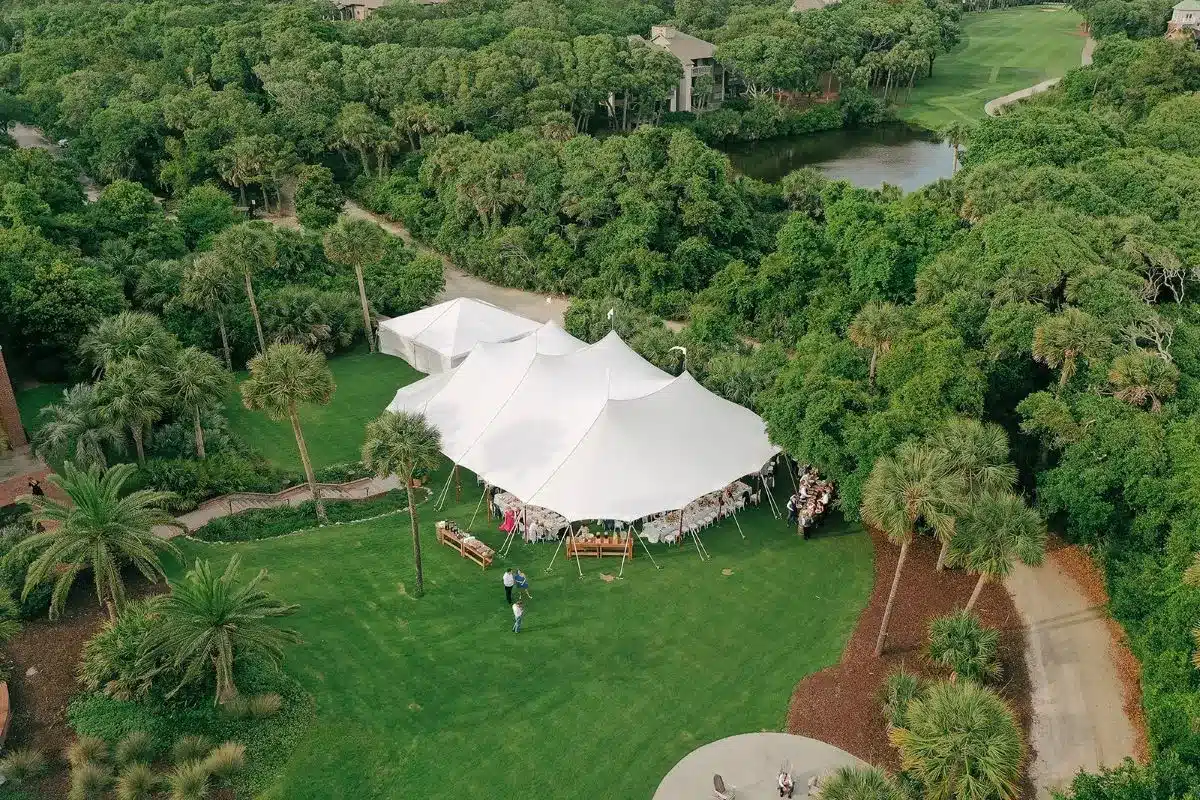
Designing a beautiful winter tent is about blending functional warmth with visual coziness. The right mix of lighting, textiles, and furniture placement can make a tent feel welcoming while supporting efficient heat distribution. Warm color tones, layered fabrics, and thoughtfully arranged lounge zones naturally draw guests toward comfortable, heated areas while maintaining a sense of openness and flow. At Curated Events, we view these design details as essential to creating an inviting and seamless experience for every winter gathering.
Lighting plays a key role in setting this ambiance, and selecting the right fixtures ensures both beauty and practicality.
What Lighting Options Create Warmth and Enhance Winter Tent Aesthetics?
Lighting transforms a winter tent by shaping both the mood and the perceived warmth of the space. Using warm color temperatures—between 2,700K and 3,200K—creates an inviting glow that mimics the comfort of candlelight. Layered lighting works best: string lights for soft, ambient illumination, chandeliers or pendants for focal impact, and subtle uplighting to highlight drapery and sidewalls.
Curated Events’ design specialists often pair these lighting choices with carefully managed power plans to balance efficiency and atmosphere. Mounting considerations are equally important; fixtures are placed to maintain sightlines and airflow without compromising heating performance. The result is an elegant, well-lit environment that feels both luxurious and naturally warm.
How Do Cozy Furnishings and Décor Transform Winter Tent Interiors?
Furnishings and décor complete the sensory experience of a winter event, providing tactile warmth and visual softness. Plush seating, layered rugs, and textured throws invite guests to relax and connect, while sturdy, weather-resilient fabrics such as wool and velvet add sophistication and comfort.
Seating arrangements should form intimate clusters that retain warmth yet maintain clear pathways for movement. Decorative accents—seasonal greenery, soft LED candles, and textured drapery—enhance the cozy aesthetic while keeping the environment safe and functional. Every element, from upholstery to ambient lighting, works together to create a space that feels polished, comfortable, and distinctly Curated.
What Are Essential Safety and Power Logistics for Winter Tent Events?
Power and safety logistics underpin all heating and climate-control decisions; reliable power, proper ventilation, CO monitoring, and compliance with local permitting ensure events proceed without hazard.
Generator sizing, placement, fuel plans, and distribution must be aligned to the combined loads of heaters, lighting, AV, and catering equipment; failure to coordinate these elements risks brownouts and safety incidents.
Ventilation strategies depend on heater type: combustion-based heaters require verified exhaust and fresh air exchange, while electric systems need planned airflow to eliminate stratification.
The following table helps compare generator options typically used for tent events.
Choosing the proper generator involves summing peak loads, adding contingency, and locating units away from public access with exhaust routed safely; this reduces risk and keeps operations uninterrupted.
Establishing redundancy—an additional backup unit or split loads—protects critical systems in case of primary failure and is a best practice for winter events where comfort is mission-critical.
How Do Generator Rentals Ensure Reliable Power for Winter Tent Heating?
Generators convert stored fuel into electricity to power heaters, lighting, and AV; selection depends on total kW load, peak starting currents, and runtime needed for continuous service.
A simple sizing rule of thumb is to aggregate all major equipment wattages, add 25–30% headroom for startup currents and unexpected loads, and then select a generator with at least that capacity; this prevents nuisance trips and preserves equipment life.
Noise mitigation strategies include sound-attenuating enclosures and careful placement downwind and away from guest spaces; fuel logistics—onsite diesel storage or scheduled refueling—must be coordinated with vendors and local regulations.
Redundancy planning often entails an N+1 approach where a secondary unit stands ready or circuits are distributed across multiple generators for resilience.
Properly specified generators keep heaters operating continuously, preserving both comfort and safety in winter conditions.
What Safety Guidelines Should You Follow for Tent Heating and Ventilation?
Safety requires a documented checklist that covers ventilation rates, carbon monoxide monitoring, heater clearances, fire extinguishers, and operator training, ensuring compliance with life-safety codes and best practices.
Ventilation must achieve enough fresh-air exchange for combustion appliances, and CO detectors should be placed at the occupant level with continuous monitoring during events; these devices should be tested before guest arrival.
Maintain manufacturer clearances around heaters, keep combustibles at safe distances, and provide clear access for inspection and emergency egress; a pre-event safety walk-through with operators verifies these controls.
Operators and planners should maintain documentation of inspections, fuel manifests, and equipment tags for both external and internal accountability purposes.
Adhering to these procedures minimizes risk and creates a reliable operating environment for winter tent events.
How Do You Plan and Execute Successful Winter Events with Tent Add-Ons?
Planning a winter tent event requires a sequenced checklist: site assessment → permitting → equipment ordering → staged installation → final safety inspection → day-of operation and monitoring.
An early site assessment identifies wind exposures, access for generators and fuel, and anchor requirements; these factors determine the type of tent and the specific add-ons needed.
Ordering timelines should account for lead times on insulated liners, heaters, flooring, and any specialty lighting or furnisher items to avoid last-minute substitutions that compromise design or safety.
Below is a practical permits and regulations checklist that planners can use to coordinate with authorities and vendors.
Use this checklist to guide permitting and inspection conversations:
- Apply for tent and temporary structure permits early, including equipment lists and anchoring plans.
- Provide HVAC/heating details and proof of CO and fire detection strategies to inspectors.
- Coordinate site access and plan for generator placement, fuel handling, and emergency egress.
Following these steps ensures the installation sequence aligns with inspector expectations and vendor delivery windows, reducing schedule risk.
What Are Key Considerations for Permitting and Regulations in Winter Tent Setups?
Permitting often requires the submittal of tent schematics, occupancy calculations, egress plans, anchoring strategies, and specifications for heating/electrical equipment; these items enable authorities to assess life-safety risks.
Inspectors commonly verify egress path widths, emergency lighting, anchor installations under frozen or wet ground conditions, and safe heater clearances. Therefore, submit accurate manufacturer specifications and installation plans to streamline approvals.
Timing matters: start permit applications early and engage local authorities to identify any jurisdiction-specific requirements, especially for fuel storage or generator emissions.
Proper documentation and proactive communication reduce the likelihood of on-site changes that can impact design or schedules.
Frequently Asked Questions
What are the best practices for ensuring safety during winter tent events?
Ensuring safety during winter tent events involves several best practices. First, conduct a thorough risk assessment, focusing on ventilation, carbon monoxide monitoring, and heater clearances. It’s essential to have fire extinguishers accessible and ensure that all operators are trained in safety protocols. Regular inspections of heating equipment and compliance with local regulations are crucial. Additionally, maintaining clear egress paths and ensuring that all equipment is properly secured can significantly reduce risks and enhance guest safety during the event.
How can you optimize power logistics for winter tent events?
Optimizing power logistics for winter tent events requires careful planning and coordination. Start by calculating the total power needs of all equipment, including heaters, lighting, and AV systems, and select generators that can handle peak loads with a safety margin. Ensure that fuel logistics are in place, including storage and refueling plans. Additionally, consider noise reduction strategies for generators, such as sound-attenuating enclosures, and ensure that all electrical connections are secure and compliant with safety standards to prevent outages and hazards.
What are the advantages of using insulated liners in winter tents?
Insulated liners provide several advantages for winter tents, primarily by enhancing thermal retention. They trap warm air and reflect radiant heat back into the tent, creating a more comfortable environment for guests. Insulated liners also reduce overall heating demands, allowing for smaller heaters to maintain the desired temperature. Additionally, they can improve acoustics within the tent, making the atmosphere cozier. By minimizing heat loss, insulated liners contribute to energy efficiency and can lead to cost savings on heating during winter events.
How do you choose the right flooring for winter tent events?
Choosing the right flooring for winter tent events involves considering insulation, comfort, and safety. Raised subfloors with insulated underlays are ideal as they create an air gap that reduces cold transfer from the ground. Interlocking flooring systems offer quick installation and a stable surface, while adding carpets or rugs can enhance comfort and warmth. It’s essential to select materials that are slip-resistant and suitable for outdoor conditions. Additionally, ensure that the flooring can support the weight of furniture and equipment to maintain safety and functionality.
What role does lighting play in enhancing winter tent ambiance?
Lighting plays a crucial role in enhancing the ambiance of winter tents by creating a warm and inviting atmosphere. Using warm color temperatures in lighting fixtures can make spaces feel cozier, even in cold conditions. Layering different types of lighting—such as ambient string lights, focal chandeliers, and task lighting—adds depth and visual interest while guiding guests to heated areas. Thoughtful placement of lights can also minimize reliance on high-intensity sources, which can create uneven heating, thus supporting both comfort and aesthetic appeal during winter events.
What are the key considerations for zoning heating in large winter tents?
Zoning heating in large winter tents involves strategically dividing the space into areas that can be heated independently based on occupancy and activity levels. This approach allows for more efficient energy use, as heating resources can be focused where guests congregate. Key considerations include the placement of thermostats and sensors at occupant level to accurately gauge comfort, as well as the design of ducting and air distribution systems to prevent heat stratification. Proper planning ensures that each zone maintains a comfortable temperature while minimizing overall heating costs.
Conclusion
Utilizing innovative tent add-ons transforms winter events into comfortable and stylish gatherings, ensuring guests enjoy a warm atmosphere without sacrificing aesthetics. By integrating effective heating solutions, insulation, and thoughtful design elements, planners can create inviting spaces that enhance guest experience. Elevate your next outdoor event with our comprehensive range of premium tent solutions. Contact us today to discover how we can help you achieve the perfect winter gathering.