
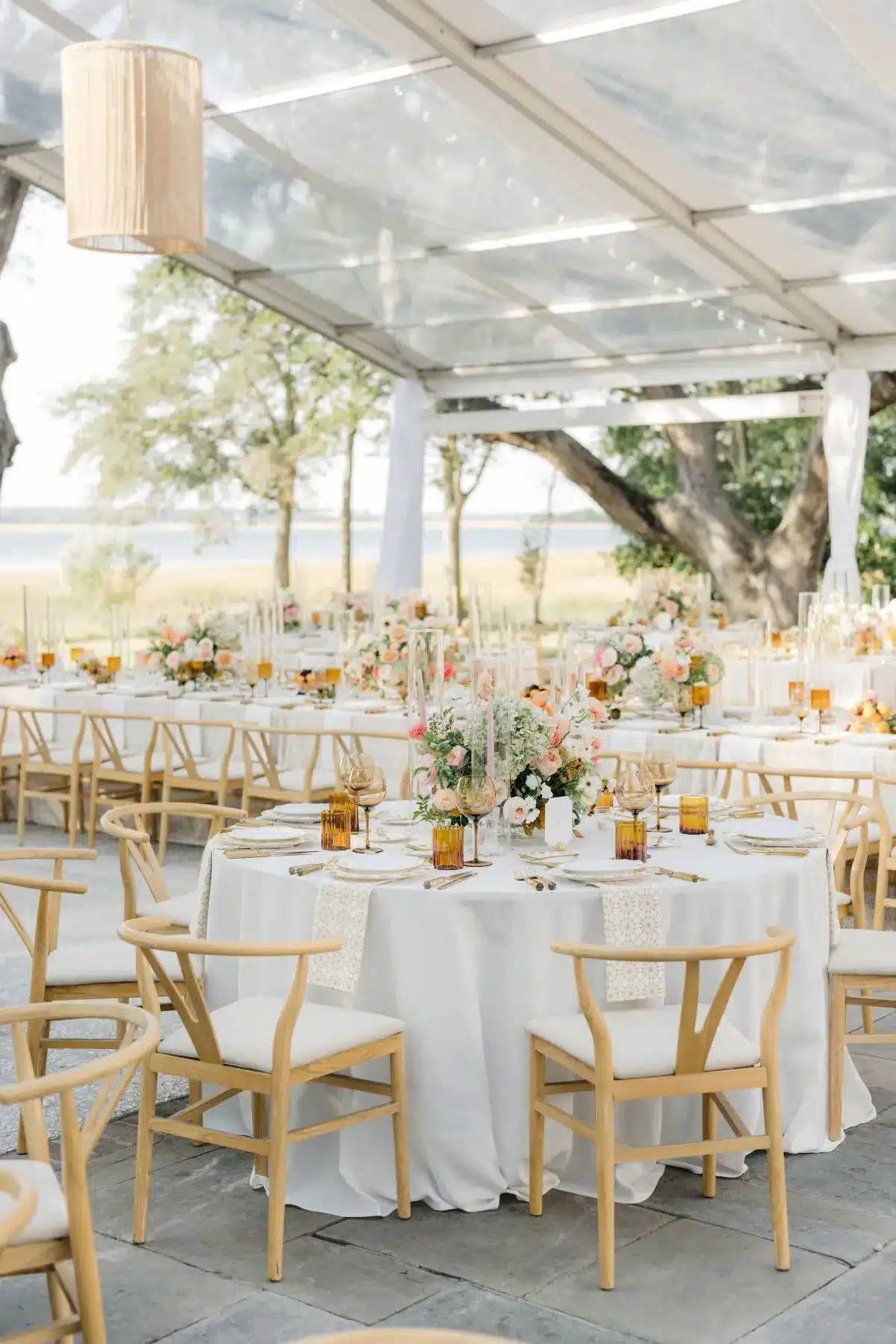
Tents have evolved far beyond simple outdoor coverings. Today, they serve as intentional design elements that shape the flow, mood, and overall experience of holiday and corporate events. At Curated Events, we pair high-quality rentals with attentive, personalized service to help planners transform outdoor spaces into warm, inviting, and visually striking environments.
This guide explores how thoughtful tent selections, from structure type and ceiling style to lighting and winter comfort strategies, can turn any site into a memorable festive setting. You’ll find insights into the architectural benefits of modern tent designs, recommended styles for Christmas and corporate gatherings, and practical considerations that keep seasonal installations comfortable and reliable. Whether you’re hosting an intimate celebration or a large-scale gala, these principles show how the right tent can elevate your event from functional shelter to refined holiday experience.
How Do You Create a Cozy Atmosphere in Large Christmas Party Tents?
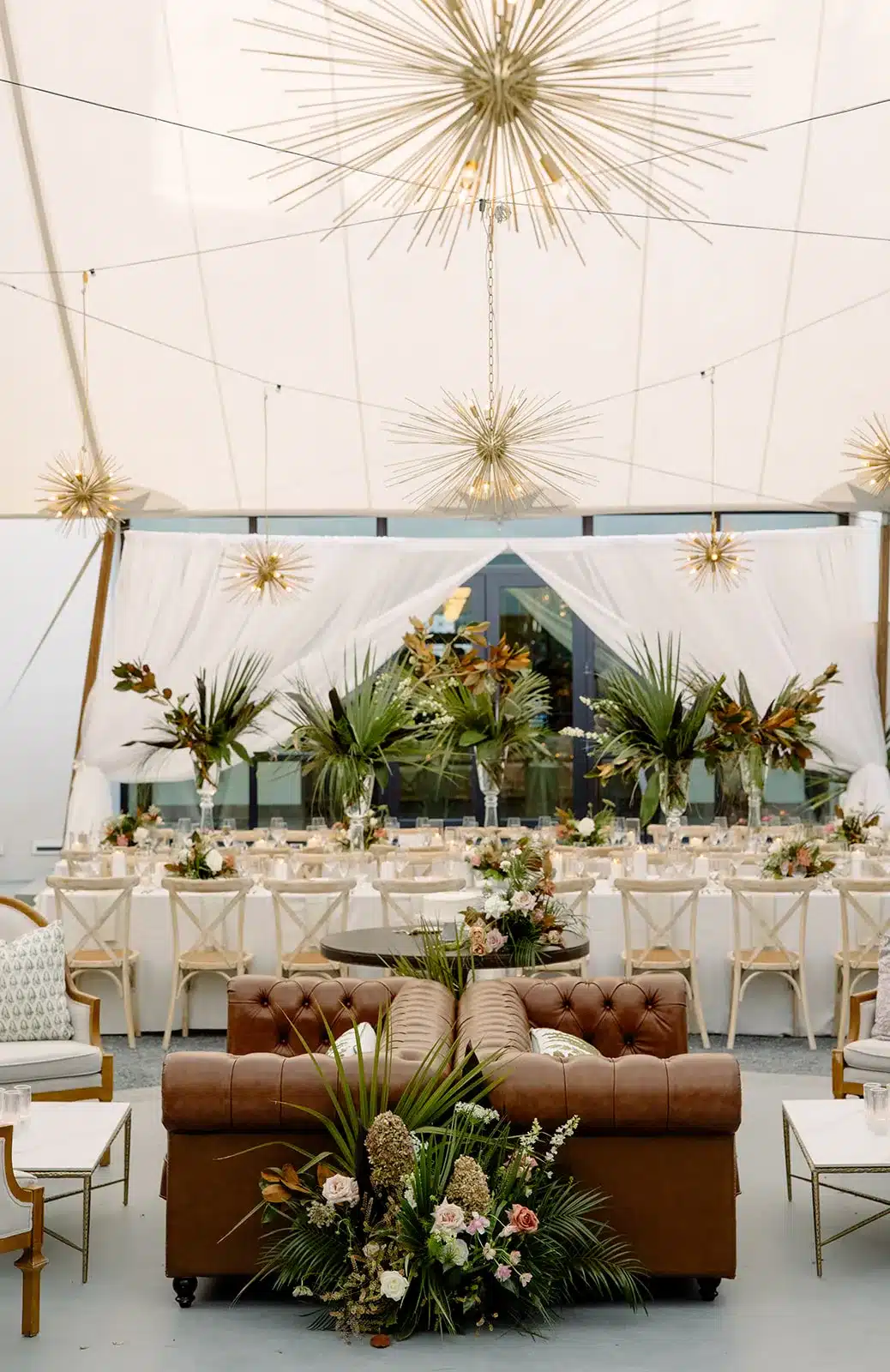
A large Christmas tent can feel wonderfully intimate when its scale is thoughtfully shaped. Creating that sense of coziness begins with how the space is divided, illuminated, and layered. Warm lighting, tactile materials, and intentional furniture groupings work together to visually soften the tent’s volume and invite guests into comfortable pockets that feel welcoming rather than expansive.
This approach is both sensory and practical. Plush textiles help absorb sound and temper drafts, while warm-toned lighting narrows the visual field and creates an instant sense of comfort. When these choices are thoughtfully combined, the environment feels polished, inviting, and purposefully designed, encouraging guests to linger and enjoy the celebration.
Start by mapping lounge footprints, then build them out with layered rugs, clustered seating, and low, warm light. These foundational elements set the stage for efficient heating, comfortable circulation, and a cohesive holiday aesthetic.
Use this checklist to establish a cozy lounge atmosphere before refining the details:
- Define lounge clusters with rugs and furniture groupings to reduce perceived scale.
- Layer textiles, throws, cushions, and soft rugs, for warmth, texture, and visual depth.
- Choose warm, dimmable lighting at 2700K–3000K to soften brightness and create glow.
- Incorporate heating and insulated sidewalls to maintain a consistent microclimate.
- Maintain safe clearances and use non-flammable décor near heating equipment.
These elements form the backbone of a winter-ready lounge. The next sections break down how to apply them through furniture, lighting, and heating selections tailored for cold-weather tents.
What Furniture Choices Enhance Comfort in Christmas Tent Lounges?
Furniture is one of the most effective ways to introduce warmth and character into a winter tent. The right pieces offer tactile comfort, shape circulation, and encourage guests to settle into the experience.
Choose sofas with supportive cushions and moderate depth to keep seating comfortable for longer gatherings. Pair them with high-back armchairs to create sheltered, acoustically pleasant pockets, and incorporate ottomans or low coffee tables to establish relaxed conversation zones. Fabrics such as velvet and faux fur bring richness to the palette while remaining practical for rental use, opt for materials that clean easily and maintain their shape throughout the event.
Arrange seating in clusters of four to eight, leaving 36–48 inches of clearance for smooth circulation and service. Thoughtful placements make heating and lighting more efficient, ensuring each zone feels intentionally framed and comfortably warm.
Which Ambient Lighting Options Warm Up Holiday Tent Interiors?
Lighting plays one of the most transformative roles in shaping the mood of a Christmas tent. Warm color temperatures and layered fixtures help the space feel like an interior environment, even within a large structure.
Begin with soft perimeter lighting, string lights or festoon bulbs in the 2700K–3000K range, to trace the tent’s architecture and establish a warm foundation. Add cluster lighting over lounge areas, such as grouped lanterns or modern chandeliers, to visually anchor each seating pocket. Complement these with table lamps, uplighting, or LED candles to add low-level glow and enhance depth.
Use dimmable circuits to transition seamlessly from cocktails to dinner to late-evening lounging. And always observe safe distances between fixtures and textiles, choosing equipment rated for tented environments. With a layered approach, lighting becomes both a design statement and a functional tool, enveloping the space in a warm, inviting holiday glow.
What Are the Best Tent Styles for Christmas and Corporate Festive Events?
Selecting the right tent style is one of the most important design decisions when shaping a holiday or corporate celebration. Each structure offers its own architectural personality, some lend themselves to grand, formal gatherings, while others evoke warmth, intimacy, or artistic flair. Matching the tent to the event vision ensures the environment feels intentional, cohesive, and tailored to the guest experience.
Clear-span tents provide sweeping, unobstructed interiors ideal for formal dinners, expansive dance floors, and suspended décor installations. High-peak and sailcloth tents introduce sculptural silhouettes that heighten visual drama, making them well-suited for cocktail receptions or branded celebrations. Frame tents excel in more complex footprints, decks, courtyards, and paved surfaces, where adaptable anchoring and layered seating plans are essential.
Below is a streamlined comparison that helps align tent structure with event goals:
Different tent styles compared by practical attributes
The next sections explore how these structures integrate with winter heating solutions to maintain comfort without compromising design.
What Makes Clear-Span Tents Ideal for Elegant Holiday Gatherings?
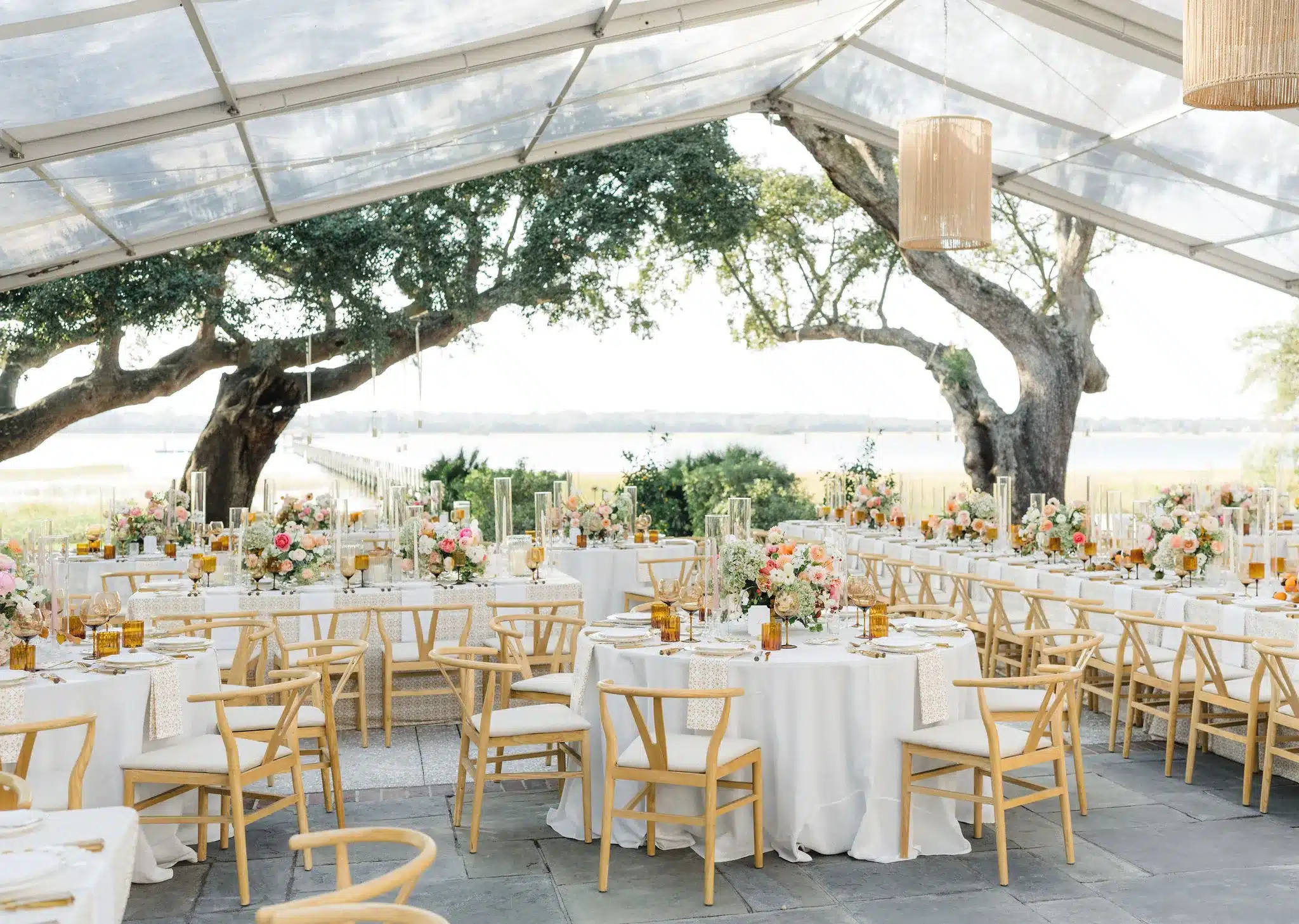
Clear-span tents function like temporary pavilions, offering an uninterrupted interior that feels refined and architectural. With no center poles, the space supports perfectly symmetrical layouts, wide dance floors, and multi-course dining arrangements, all without visual interruption.
This clean geometry also provides excellent opportunities for suspended installations. Chandeliers, draping, hanging greenery, and bespoke lighting designs read beautifully against the clear-span ceiling, transforming the structure into a fully realized event environment.
From a functional standpoint, the open framework simplifies HVAC distribution and flooring integration, making climate control more predictable in winter conditions. For planners seeking a ballroom-like experience in an outdoor setting, clear-span tents consistently deliver precision, elegance, and design flexibility.
How Do High-Peak and Sailcloth Tents Create Dramatic Festive Atmospheres?
High-peak and sailcloth tents offer expressive silhouettes that instantly shape the mood of a holiday event. High-peak tents use sculptural lines to draw the eye upward, creating natural focal points for lighting, floral installations, or seasonal décor. Their dramatic profile adds a celebratory tone that suits reception-style gatherings and visually dynamic corporate activations.
Sailcloth tents, by contrast, create warmth and romance through translucency. When illuminated from within, the fabric canopy glows softly, ideal for coastal-inspired holiday parties, nostalgic winter gatherings, or settings where ambient light plays a defining role.
Both tent types have strong visual impact, but they require thoughtful weather planning. Because their beauty comes from tensioned fabric and expressive peaks, they perform best with reinforced sidewalls or anchored systems in windy or exposed environments.
Understanding these considerations enables planners to incorporate the aesthetics they love while ensuring that comfort and safety remain top priorities.
How Can Climate Control Solutions Improve Comfort at Winter Holiday Tent Events?
Transforming an outdoor setting into a warm, inviting winter venue requires thoughtful climate planning. Effective climate control blends heating, insulation, and airflow management to ensure that every corner of the tent feels comfortable and protected from seasonal elements. When done well, guests experience the tent not as a temporary shelter, but as a polished, interior-grade environment.
The foundation of winter comfort begins with selecting the right heating system and supporting it with insulated sidewalls, ceiling liners, and raised flooring. Forced-air heaters can quickly warm expansive volumes, while radiant heaters offer a quieter, more intimate warmth, ideal for lounge areas or buffet spaces. Insulated liners soften the interior and reduce heat loss, while elevated flooring creates a thermal break from the cold ground, an essential detail for guests wearing formal shoes.
Below is an overview of heating categories commonly used in winter tents:
- Forced-Air Heaters
Push high-BTU air through ducting for rapid, whole-tent heating. - Radiant Heaters
Provide focused, draft-free warmth ideal for occupied zones. - Electric Heaters
Suited for smaller enclosed areas where fuel-based units may not be ideal. - Heating Options and Comparative Considerations
These distinctions help planners match heating systems to tent size, layout, and guest expectations—ensuring warmth feels consistent rather than patchy or overbearing.
The next section explores how structural elements like sidewalls, liners, and flooring work in partnership with heating to maintain a stable, comfortable environment.
What Heating Options Are Available for Outdoor Holiday and Corporate Tents?
The optimal heating design depends on the scale and format of the event. Large winter galas typically require high-capacity forced-air units paired with strategic ducting to eliminate cold zones. More intimate receptions may rely on a constellation of radiant heaters, creating localized pools of warmth where guests gather.
Fuel type influences logistics as well: propane and diesel units require ventilation and fuel management, while electric heaters offer a quieter, more streamlined option for compact installations.
For the most balanced result, planners often pair a central forced-air system with supplemental radiant heaters placed near seating clusters, lounges, or service areas. This layered approach ensures both broad coverage and pinpoint comfort, allowing heating to function not just as infrastructure, but as part of the event’s overall guest experience.
Efficient climate planning also includes routing power or fuel discreetly, coordinating heater placement with décor lines, and ensuring airflow does not disrupt linens, lighting, or floral installations.
How Do Sidewalls, Insulation, and Flooring Enhance Tent Comfort?
Sidewalls, liners, and flooring function as the architectural envelope that protects warmth and elevates the guest experience. Sidewalls serve as wind barriers and create a sense of enclosure, while still allowing controlled openings for ventilation and entry.
Insulated or draped liners provide an additional thermal layer across the roof, reducing heat loss and transforming the ceiling into a soft, elegant visual element, one that interacts beautifully with lighting and suspended décor.
Flooring plays an equally crucial role. Insulated subfloors and raised platforms create a physical buffer between guests and the cold ground, significantly improving underfoot comfort and supporting the performance of your heating system. For winter events, this thermal break is essential, especially for guests in dress shoes.
Together, sidewalls, liners, and flooring establish a cohesive thermal envelope, one that protects décor, supports climate systems, and ensures the tent feels warm, polished, and thoughtfully designed.
What Are Effective Festive Tent Decor and Lighting Ideas for Holiday Parties?
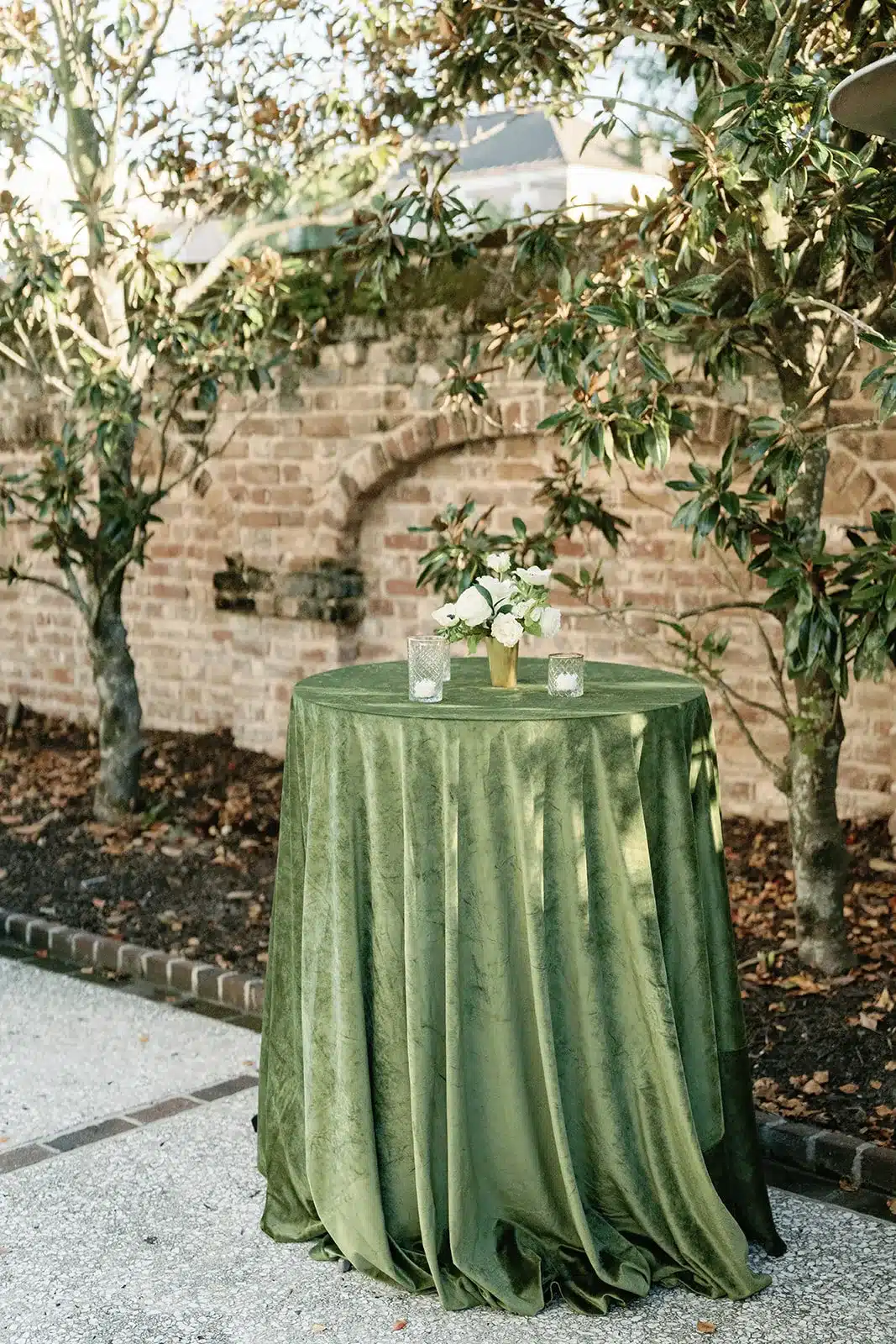
Decor and lighting are what ultimately transform a tent from a structural shell into a fully realized holiday environment. They interpret the architecture, soften scale, and create the layered sensory cues that make guests feel welcomed and immersed. The goal is to craft a space that feels thoughtfully composed, not temporary, using warm illumination, cohesive styling, and a balance of focal and ambient elements.
Begin by layering lighting types. Ambient string lights and lanterns cast a gentle glow that warms the perimeter and defines ceiling lines; architectural uplighting washes fabric peaks and sidewalls in sculptural light; and statement fixtures, chandeliers, pendants, or greenery-wrapped installations, create dramatic visual moments over the head table or dance floor. When paired with thoughtful textiles, elegant centerpieces, and coordinated linens, these lighting layers become the design engine that unifies the entire tent. Before reviewing the comparison table, here are three core lighting strategies:
- Combine ambient string lighting with architectural uplighting to highlight the tent’s structural texture.
- Reserve chandeliers or other statement fixtures for focal areas to create memorable, photo-worthy moments.
- Use dimmable, layered circuits to shift seamlessly from cocktail hour to dinner to dancing.
Common Lighting Types and Their Effect
Use this guide to match lighting choices to your desired atmosphere, power access, and rigging capability. Next, we’ll explore how decor themes interact with tent styles to shape a cohesive holiday aesthetic.
Which Holiday Decor Themes Elevate Tent Ambiance from Traditional to Modern?
Decor themes become most compelling when they work in harmony with the tent’s architectural expression. Traditional holiday motifs, rich linens, evergreen accents, warm candlelight, pair beautifully with the soft glow and organic charm of a sailcloth tent. For a more modern festive atmosphere, monochrome palettes, sculptural furniture, and crisp architectural uplighting feel naturally at home in a clear-span space.
For corporate celebrations, subtle branding can be infused through color palettes, floral details, or signage that complements rather than competes with the tent’s lines. To streamline the design process, begin with a cohesive color story and identify three anchor elements (typically a ceiling treatment, centerpiece approach, and lighting plan). From there, scale textiles and furniture to the tent’s height and footprint, ensuring proportion and balance throughout.
Theme rollout checklist:
- Select a dominant color palette and one accent material.
- Choose a ceiling treatment that aligns with the tent architecture.
- Coordinate lighting choices to reinforce the overall mood.
How Does Ambient and Architectural Lighting Set the Mood in Event Tents?
Ambient and architectural lighting work together to choreograph the guest experience. Ambient lighting establishes a warm, foundational visibility that feels welcoming from the moment guests enter. Architectural lighting adds a sculptural dimension, highlighting peaks, draping, or feature walls to bring depth and artistry to the tent’s interior.
Accent fixtures then refine the flow of the event, drawing attention to bars, food stations, gift displays, or lounge pockets. These subtle focal points help guide circulation and create natural gathering zones.
Technical considerations also shape the lighting plan. Power access, dimming control, and rigging points determine what fixtures can be used and where they can be placed. Clear-span tents typically offer more centralized rigging opportunities, while frame tents may require creative solutions to distribute weight and power safely.
With a layered lighting plot, one that transitions thoughtfully from arrival to dinner to dancing, the tent’s architecture becomes an expressive backdrop that supports the emotional rhythm of the evening.
How Does the Planning and Installation Process Ensure a Successful Holiday Tent Event?
A beautifully executed holiday tent begins long before the first pole is raised. It starts with a thoughtful, site-specific planning process that considers the landscape, event flow, and seasonal conditions. An early walk-through allows planners to identify layout opportunities, access routes, and any terrain or structural nuances that may influence tent style, anchoring, or flooring design. This initial survey also provides the clarity needed to navigate approvals, align with venue policies, and anticipate winter-weather considerations.
Once the foundational plan is set, a professional installation team brings it to life with precision and care. Their sequencing, coordinating deliveries, erecting the structure, leveling floors, positioning heaters and lighting, and refining entry points, ensures that every layer is installed safely and beautifully. This craftsmanship is especially important in winter, when balance, alignment, and weather protection determine how polished and comfortable the final space feels.
A streamlined planning checklist for holiday tent installations:
- Conduct an early site review to guide tent selection, layout, and access planning.
- Confirm required approvals, permits, and venue-specific requirements.
- Coordinate installation windows for heating, lighting, flooring, and décor.
With these essential steps in place, expert consultation becomes the bridge between vision and execution.
What Is the Role of Expert Consultation in Custom Tent Design?
Expert consultation transforms broad event goals into a cohesive, architectural design plan tailored to the site. Instead of sorting through tent styles and technical considerations alone, clients receive informed recommendations on size, shape, layout, and the supporting elements that ensure winter comfort, heating placement, flooring systems, lighting design, and sidewall configuration.
A strong consultation process clarifies what will perform best for the location, anticipates potential challenges, and offers elegant solutions that preserve both functionality and aesthetic intent. This early, strategic guidance minimizes mid-installation changes, streamlines logistics, and ensures that every detail, from rigging points to guest circulation, feels intentional and effortless.
At Curated Events, consultation is the cornerstone of our service model. By aligning design aspirations with technical and logistical planning from the outset, we deliver installations that feel seamless, refined, and distinctly tailored to each client’s vision.
How Does Professional Setup and Breakdown Elevate the Event Experience?
Professional installation transforms the tenting process into a polished, reliable craft. Skilled crews bring a disciplined workflow to both setup and breakdown, ensuring that floors are perfectly level, lighting is securely mounted, fabrics are tensioned cleanly, and décor elements are installed with care. These details directly shape the ambiance guests experience, from the crispness of the entry to the warmth of the lighting canopy overhead.
Setup follows a carefully choreographed sequence: structure, power distribution, flooring, lighting, heating, then décor. This order ensures every trade has safe, efficient access and that technical systems are locked in before the aesthetic layers are added. During breakdown, teams move with equal precision, protecting the venue’s surfaces and preserving rental materials so the site is left in impeccable condition.
This level of professionalism relieves planners and hosts of operational stress, allowing them to focus on hospitality, programming, and enjoying the celebration itself, confident that every behind-the-scenes detail is handled with expertise and care.
Why Choose Curated Events for Your Holiday and Corporate Tent Rentals?
Curated Events is dedicated to elevating gatherings with premium rentals and a service philosophy grounded in attentiveness, craftsmanship, and ease. Our extensive collections, spanning tents, flooring, lighting, linens, and furniture, allow clients to shape cohesive, beautifully layered environments that feel both refined and inviting. From the first design conversation to the final teardown, we provide full-service coordination, giving planners a single, trusted partner who understands how every detail contributes to the overall experience.
With teams positioned throughout the Southeast U.S., each project benefits from a blend of regional insight and unwavering quality standards. Our crews know the nuances of local venues, permitting requirements, and seasonal weather patterns, ensuring installations unfold smoothly and communication stays clear from concept to completion. For clients, this means fewer vendors to manage, streamlined decision-making, and a unified design approach that delivers a polished, memorable result.
Our core strengths include:
- A deep, cohesive inventory that supports beautifully curated tent, décor, and lighting designs.
- End-to-end service that simplifies planning and enhances overall project efficiency.
- Regional teams who pair local expertise with consistently high service standards.
Every project we touch integrates tent architecture, climate considerations, and design detail into a seamless whole, creating holiday and corporate events that feel effortless, comfortable, and impeccably executed. Your next celebration begins with a consultation and a tailored design proposal built around your site, your vision, and your desired guest experience.
What Unique Value Does Curated Events Offer for Festive Tent Rentals?
Curated Events offers thoughtfully assembled packages that pair tent architecture with coordinated décor and winter comfort solutions, an approach that simplifies choices for hosts while preserving design integrity. These collections ensure every element, from lighting to flooring to sidewalls, works together cohesively and enhances the overall atmosphere.
During our design consultations, clients receive tailored recommendations on tent styles, finish selections, and layout possibilities, supported by real project examples that demonstrate how these elements come to life during the holiday season or at branded corporate events.
By consolidating all rentals under one umbrella, we eliminate compatibility concerns and create a seamless visual language across the entire space. The result is a warm, refined environment that keeps guests comfortable and captures the distinct tone and personality of your celebration.
How Does Curated Events Support Multiple Southeast U.S. Locations?
We serve a broad region, including Charleston, Charlotte, Chesapeake, Washington, D.C., Nashville, Raleigh, and Savannah, through dedicated local teams trained in the Curated Events standard of excellence. These teams bring crucial knowledge of local permitting processes, seasonal considerations, and unique venue logistics, enabling installations to run smoothly under a range of conditions.
Our standardized inventory ensures design consistency for clients hosting multi-location programs, while our regional footprint allows for precise scheduling, efficient resource coordination, and responsive communication. Whether your event takes place downtown, on private property, or at a coastal venue, Curated Events delivers the same level of craftsmanship, care, and design expertise that define our brand.
Frequently Asked Questions
What factors should I consider when choosing a tent for my holiday event?
Begin with guest count, event format, and the layout of your venue. From there, select a tent structure, clear-span, high-peak, frame, or sailcloth, that supports your aesthetic goals and technical needs. For winter events, factor in climate control early; heating, sidewalls, and flooring play a major role in guest comfort. Plan décor and lighting in tandem with the tent’s ceiling height and rigging capabilities to ensure a cohesive final design.
How can I ensure my tent is safe and compliant with local regulations?
Start with a detailed site assessment to confirm anchoring conditions and identify potential hazards. Secure any required permits, which may include fire or structural reviews, and verify proper insurance coverage. Partnering with an experienced rental provider helps ensure compliance with local codes, including egress lighting, emergency exits, and anchoring standards. Ongoing inspections during setup and the event help maintain safety throughout.
What are the benefits of using professional installation services for tent events?
Professional crews bring expertise in site evaluation, safety compliance, and efficient setup sequencing. Their coordination across heating, lighting, flooring, and rigging ensures that all systems function as intended. Skilled installers also prevent common issues such as inadequate anchoring or improper climate control. Thoughtful teardown practices protect rental items and venue surfaces, allowing you to focus fully on the guest experience.
How do I choose the right décor theme for my tented event?
Select a theme that complements your tent’s architecture. Start with a cohesive color palette and three foundational design elements, such as a ceiling treatment, centerpiece style, and lighting plan—then layer in textiles and furniture that scale appropriately to the space. For holiday gatherings, decide whether you’re aiming for a traditional, warm atmosphere or a modern, streamlined look, and choose finishes that reinforce that direction.
What are some effective climate control strategies for winter tent events?
Use forced-air heaters to warm large areas quickly and radiant units to add targeted comfort near seating or service zones. Pair these systems with insulated sidewalls and roof liners to retain heat, and consider raised or insulated flooring to improve underfoot warmth. Ensure the heating plan is sized to the tent’s volume and layout, and coordinate fuel or electrical logistics ahead of time.
How can lighting enhance the atmosphere of my tented event?
Lighting shapes both mood and visual impact. String lights create a warm glow, architectural uplighting highlights fabric texture and peak lines, and chandeliers or statement fixtures add focal drama. Use layered lighting circuits with dimming to transition smoothly between cocktails, dinner, and dancing. Thoughtful lighting design strengthens the tent’s architecture and reinforces your overall theme.
What should I include in my event planning checklist for a tented holiday party?
Key items include a site assessment for anchoring and layout, required permits, and a confirmed guest count to determine tent size. Plan for heating, lighting, and flooring, and coordinate delivery schedules with your installation team. Verify rigging points for décor and lighting, and develop a weather contingency plan to ensure the event remains comfortable and on schedule.
Conclusion
Tent rentals provide a flexible, design-forward approach to creating memorable holiday celebrations while ensuring guest comfort and operational ease. By understanding the architectural possibilities of modern tent structures and selecting the right style for your event, you can build a polished, functional environment that supports your seasonal vision.
Curated Events brings together deep inventory, design expertise, and experienced regional teams to deliver turnkey tent solutions from concept through teardown. Ready to elevate your next festive gathering? Begin with a consultation, and we’ll create a customized plan that brings your holiday event to life.