
Great guest flow is one of those details people rarely notice when it’s done well, but they feel it immediately. When movement through a space feels easy and intuitive, guests stay comfortable, conversations happen naturally, and the event unfolds without friction. When it doesn’t, even a beautiful setup can feel crowded or confusing.
In this guide, we break down how strategic furniture placement shapes guest flow and elevates the overall event experience. You’ll learn how thoughtful layouts improve circulation, define activity zones, and encourage connection, along with practical furniture strategies and current design trends you can apply to real venues. Whether you’re planning a wedding, corporate gathering, or social event, designing with flow in mind helps your space feel intentional, welcoming, and effortless from arrival to departure.
What Is Guest Flow and Why Is It Crucial for Event Success?

Guest flow is the way people move through a venue, how they enter, where they pause, and how crowds naturally form over time. When flow is thoughtfully planned, guests feel comfortable and oriented, and they’re more likely to explore the space, engage with one another, and enjoy the event. When movement feels easy, the entire experience feels intentional.
Flow matters because it affects more than convenience. It plays a role in safety and crowd control, reduces congestion at key moments, and supports natural interaction. A well-planned layout encourages networking and conversation without guests having to work around bottlenecks or confusion.
When evaluating a venue, start by identifying arrival points, primary sightlines, and potential pinch points like narrow doorways or service corridors. These features determine which layouts will work best and where furniture should be anchored. Early site assessment often makes the difference between a space that feels intuitive and one that requires constant staff oversight.
How Does Guest Movement Impact Event Experience and Crowd Management?
Movement shapes how a space is perceived. A room that feels crowded or hard to navigate creates tension, while one with clear paths and visible destinations feels calm and welcoming. Simple design choices, open walkways, clear sightlines, and uncluttered circulation, help guests find food, seating, and programming without hesitation.
Pair layout planning with practical crowd-management tools such as signage, staffed wayfinding, and strategically placed furniture anchors. Anticipating how people will move at peak moments helps prevent bottlenecks and keeps the event running smoothly, even as energy and attendance fluctuate.
What Are the Key Benefits of Effective Event Space Optimization?
Designing with flow in mind leads to measurable benefits: guests move more comfortably, transitions between activities feel seamless, and the space supports interaction rather than competing with it. Optimized layouts also reduce strain on staff by minimizing confusion and reactive problem-solving.
When flow is treated as a core design element, the venue becomes more than a backdrop, it actively supports the goals of the event. The result is an experience that feels effortless in the moment and memorable long after guests leave.
Which Event Layout Types Enhance Guest Flow and Circulation?

Layout choice has a direct impact on how people move, gather, and interact within a space. Understanding how each layout handles traffic helps you select an arrangement that supports your event’s goals rather than working against them.
When comparing layout options, think through peak moments, guest arrival, food service, and program start times. Consider whether furniture can be shifted between phases of the event and plan buffer zones where people naturally enter or exit high-activity areas. That flexibility allows the layout to respond to real-time crowd behavior instead of forcing guests into tight or confusing paths.
- Banquet layout
Round tables encourage conversation and work well for seated dinners and ceremonies. They create intimacy but require careful spacing and clearly defined service aisles to avoid congestion during meal service. - Cocktail layout
High-top tables and standing zones keep guests circulating and mingling. This format works especially well for networking events, cocktail hours, and reception-style gatherings where movement is part of the experience. - Lounge seating
Casual groupings of sofas and chairs create relaxed pockets that invite guests to linger. Lounge layouts slow movement naturally and encourage conversation without stopping overall circulation.
How Do Banquet, Cocktail, and Lounge Layouts Differ in Managing Traffic Patterns?
Each layout creates a distinct circulation rhythm. Banquet layouts concentrate guests around fixed tables, making aisle planning essential for smooth service. Cocktail layouts distribute guests across smaller standing zones, which helps prevent crowding in any one area. Lounge layouts form softer clusters that encourage slower movement and more sustained interaction.
Choosing the right approach means aligning circulation with the event’s pace, structured and seated, fast-moving and social, or relaxed and conversational.
What Are Best Practices for Theater-Style and Mixed-Use Event Layouts?
Theater-style seating is ideal for presentations and performances, as it maximizes sightlines and focuses attention. Because movement is more limited, include wide aisles and clearly marked exits to maintain accessibility and ease entry and exit.
Mixed-use layouts combine multiple functions, presentations, dining, and networking, within a single footprint. Success depends on clearly defined zones that allow guests to transition between activities without confusion. Use furniture placement, lighting shifts, or subtle architectural elements to signal those transitions and keep movement intuitive throughout the event.
What Are Strategic Furniture Placement Techniques to Improve Guest Movement?
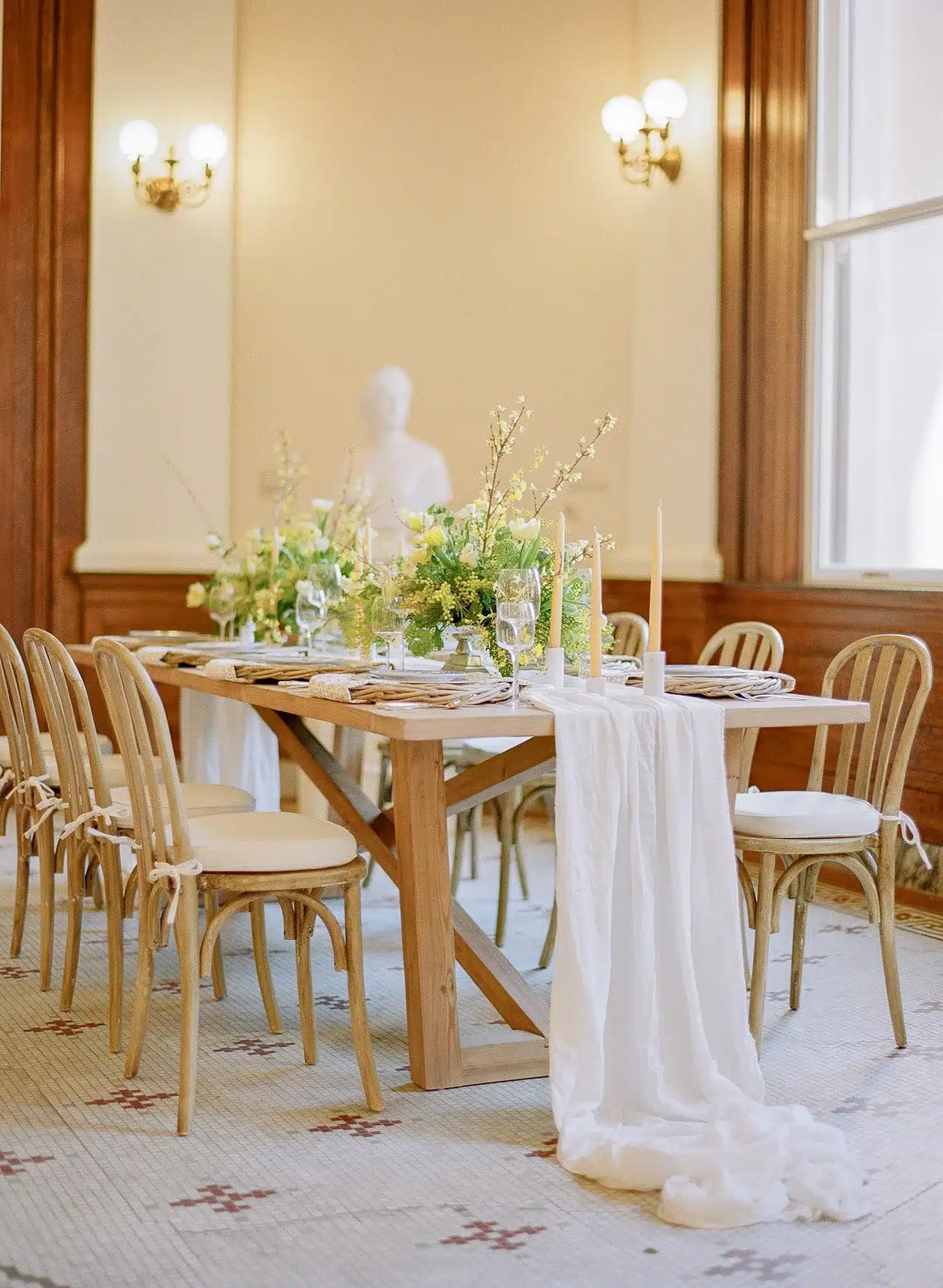

The most effective furniture placement guides guests quietly and intuitively. Rather than calling attention to itself, furniture shapes sightlines, creates natural pathways, and signals where different activities are meant to happen.
Smart placement starts with orientation and spacing. Seating that faces approach routes feels welcoming, open arcs around bars or stages prevent crowding, and avoiding back-to-back furniture keeps circulation from feeling blocked. Think of furniture as subtle wayfinding, its scale, direction, and distance communicate how guests should move through the space.
- Defining zones
Establish clear areas for dining, socializing, and programming. Separating functions reduces overlap, limits congestion, and helps guests understand where different experiences begin and end. - Floating furniture
Freestanding seating arrangements keep pathways open and flexible. Instead of pushing furniture to the perimeter, floating pieces allow guests to circulate naturally and prevent spaces from feeling boxed in.
How Does Defining Zones and Floating Furniture Facilitate Crowd Flow?
Zones give guests clarity. When each area has a clear purpose, people instinctively know where to go for conversation, refreshments, or programming. Floating furniture reinforces that clarity by keeping sightlines open and circulation adaptable.
Used together, these strategies reduce choke points, distribute guests more evenly across the venue, and create a more comfortable environment that supports both movement and interaction.
How Can Creating Focal Points and Clear Pathways Optimize Event Space?
Focal points, such as a stage, bar, or featured installation, naturally attract attention and draw people through the space. When paired with clear approach routes, they help guide movement in predictable, manageable ways.
Placing furniture and décor around these anchors reinforces their role and keeps traffic flowing smoothly toward key moments. The result is a space that feels organized and intuitive, without the need for constant signage or staff direction.
How Can Furniture Arrangement for Events Encourage Social Interaction and Comfort?
Furniture plays a quiet but powerful role in how people connect. Thoughtfully arranged seating invites conversation, balances openness with privacy, and helps guests feel comfortable settling into the space.
Vary seating groupings to support different interaction styles. Tighter, face-to-face arrangements work well for focused networking, while looser clusters encourage casual mingling. Including a few single seats or stools gives guests flexibility for shorter interactions, and placing small surfaces nearby for drinks or devices makes each seating area feel more functional and welcoming.
- Seating groupings
Intentional groupings of chairs, sofas, and tables create natural places for guests to pause and connect without interrupting overall circulation. - Accessibility considerations
Leave generous space between furniture and plan with mobility needs in mind so every guest can move easily and participate fully.
How Does Accessibility Influence Furniture Placement and Guest Circulation?
Accessibility should shape furniture placement from the start. Clear pathways, reachable service points, and thoughtfully placed seating help ensure guests of all mobility levels can navigate the venue confidently.
Inclusive layouts benefit everyone. When movement feels easy and unobstructed, the space feels calmer, more welcoming, and better suited to meaningful interaction, without the need for constant adjustments during the event.
Why Choose Event Furniture Rentals to Support Seamless Guest Flow?
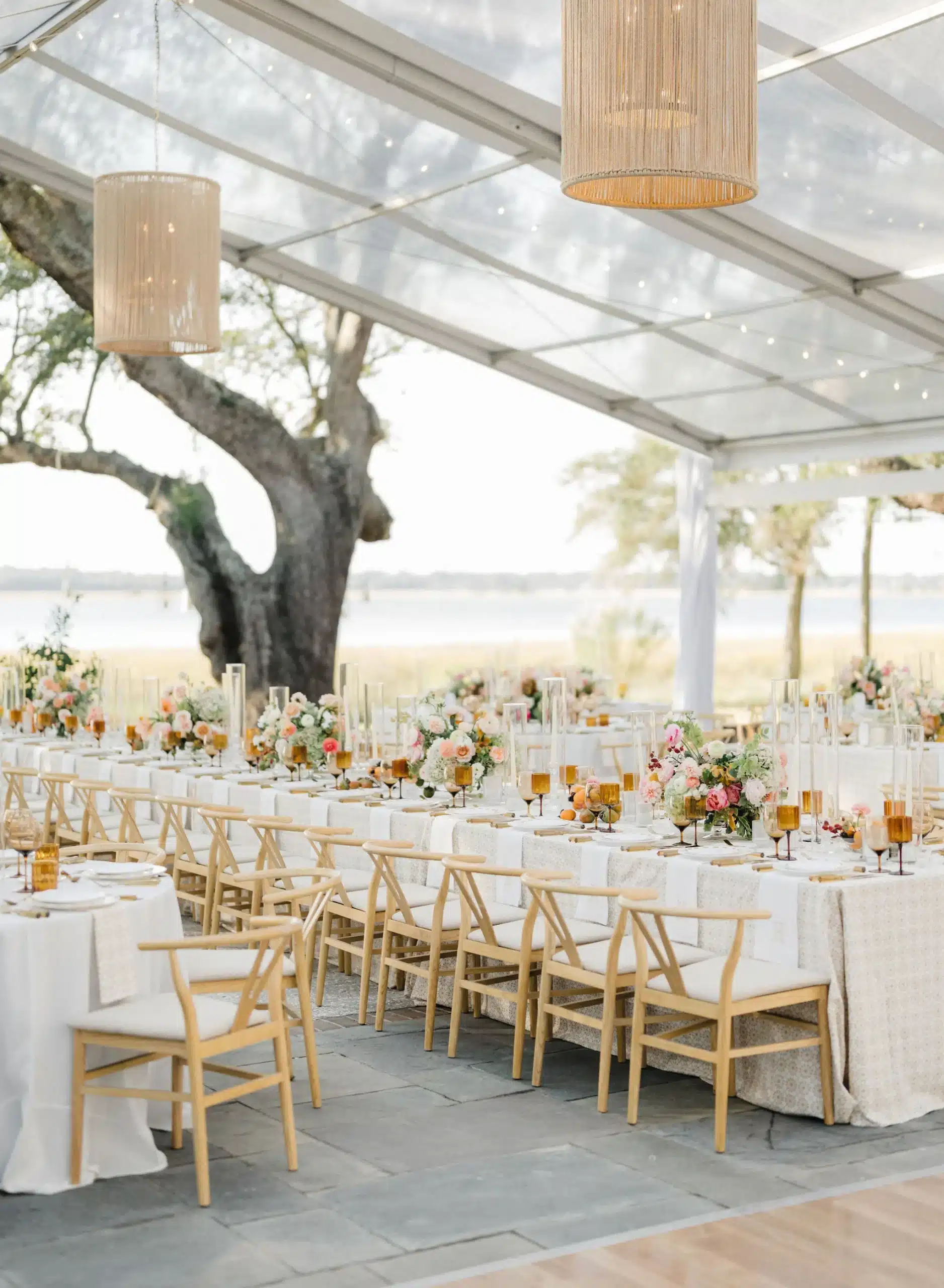
Event furniture rentals give planners the freedom to design layouts that fit the space, the crowd, and the moment, without the limitations of owned inventory. Rentals make it easier to test layout ideas, adjust scale, and respond to changing needs while keeping the overall plan cohesive.
Successful use of rentals depends on coordination. Align delivery windows, setup timing, and a short adjustment period before doors open so the layout can be fine-tuned once all elements are in place. Working with a reliable rental partner also reduces risk when guest counts change or programming shifts, since substitutions or small additions can often be handled quickly.
Flexibility of rental options
Rental inventories allow you to mix styles and configurations so furniture supports both the event’s function and its aesthetic.
Cost efficiency
Renting avoids long-term storage and maintenance costs, freeing budget for production, catering, or staffing where it has the greatest impact.
Breadth of selection
A wide catalog helps you define distinct zones and vary scale across the space, which improves circulation and guest comfort.
What Are the Benefits of Renting Versus Owning Event Furniture for Layout Flexibility?
Renting keeps layouts adaptable. Instead of forcing the same pieces into every floor plan, you can select furniture that suits the crowd size, venue footprint, and flow requirements of each event.
Once the event ends, the furniture goes with it, no storage, upkeep, or long-term commitment. That flexibility makes rentals especially valuable for events that change format throughout the day or vary significantly from one production to the next.
Which Rental Furniture Types Best Manage Traffic and Define Functional Zones?
Certain pieces naturally guide movement. High-top tables create standing zones that encourage circulation, lounge groupings signal places to pause and socialize, and well-placed bars or service stations act as visual anchors that pull guests through the space.
Used together, these elements clarify how the room should function without relying on signage or staff direction.
What Are the Latest Trends in Event Flow Design and Furniture Arrangement?
Current event design trends prioritize layouts that feel open, intuitive, and easy to navigate. Planners are leaning toward movement-friendly arrangements, softer visual boundaries, and furniture that adapts as the event evolves.
Modular seating, lightweight partitions, and multi-use surfaces make it easier to shift from presentations to networking without a full reset. These approaches support smoother transitions and a more relaxed guest experience.
- Curved furniture
Rounded forms guide movement naturally and make seating feel more approachable. - Soft architecture
Drapery, partitions, and organic shapes help define zones while preserving sightlines and maintaining a human scale.
How Do Curved Furniture and Soft Architecture Improve Movement and Sightlines?
Curved furniture encourages circulation by eliminating hard stops and sharp corners. Soft architectural elements define areas without creating visual or physical barriers, helping guests understand where to go while keeping the room open and fluid.
Together, they create layouts that feel intentional without feeling restrictive.
What Role Does Sustainability Play in Furniture Selection and Layout Planning?
Sustainability increasingly influences furniture choices. Reusable, durable pieces and locally sourced rentals reduce waste and transportation impact while supporting flexible layouts.
These choices often align naturally with good flow design, modular, long-lasting furniture adapts easily to different layouts and event formats, benefiting both the environment and the guest experience.
Frequently Asked Questions
What are the most common challenges when managing guest flow at events?
Bottlenecks at bars, food stations, or entrances are the biggest culprits, followed by unclear routes and last-minute layout changes. Crowd size fluctuations can also stress a plan. Anticipate peak moments, keep primary paths open, and use clear visual cues or staff guidance to direct movement before congestion builds.
How can technology help optimize guest flow during an event?
Tools like event apps with venue maps, registration analytics, or simple people-counting systems can reveal where congestion forms. Even without advanced tech, real-time check-ins from staff stationed around the room can help you make quick, informed adjustments.
What role does lighting play in guest flow and overall experience?
Lighting quietly guides movement. Brighter lighting draws guests toward service areas and key activations, while softer lighting signals places to relax and linger. Thoughtful lighting improves visibility and helps guests intuitively understand how to move through the space.
How can feedback from past events improve future layouts?
Post-event feedback highlights where guests felt delayed, crowded, or unsure of where to go next. Pair guest surveys with staff observations to refine furniture placement, adjust pathways, and improve wayfinding for future events.
What furniture features best support guest interaction and movement?
Flexible pieces work best. Modular seating, varied table heights, and multi-purpose surfaces create zones that adapt easily to different crowd behaviors. Furniture that can be reconfigured allows planners to test layouts and respond to how guests actually use the space.
How can planners design furniture layouts that are inclusive?
Inclusivity starts with space. Plan wider circulation routes, offer accessible seating options, and vary seat heights and styles. Clear sightlines and unobstructed paths ensure all guests can move comfortably and participate fully in the event.
Conclusion
Strategic furniture placement is one of the simplest ways to improve guest flow and elevate the event experience. When layouts support natural movement, define clear zones, and align with the event’s purpose, guests feel comfortable, engaged, and at ease from arrival to departure.
Small refinements make a big difference. Walk the space before doors open, test key routes, and stay flexible during the event. With thoughtful planning and the right furniture choices, logistical needs become part of the design, enhancing comfort, safety, and meaningful connection throughout the experience.