
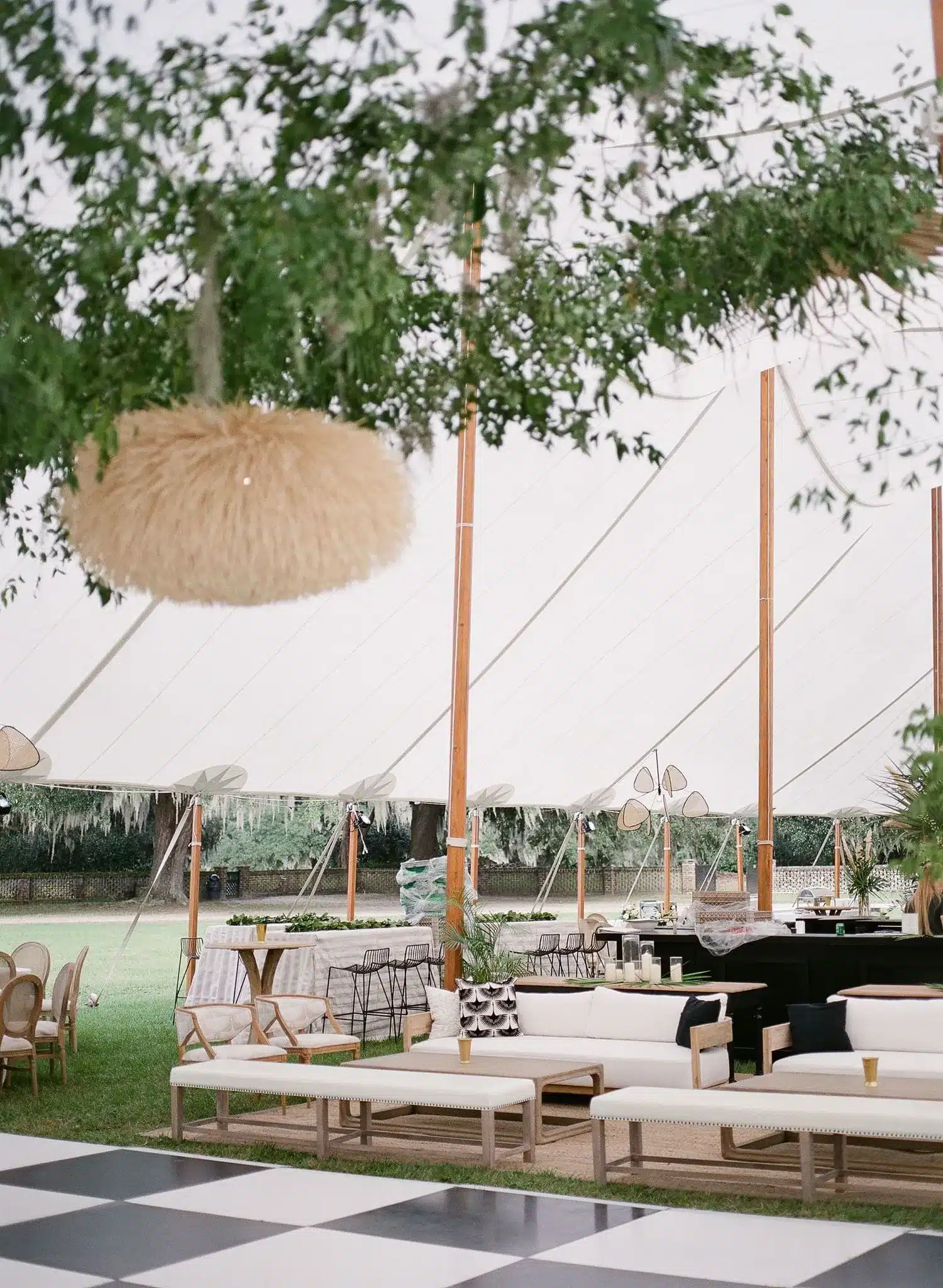
Getting the flooring right can quietly make or break an outdoor event in Savannah. The right surface does more than look good, it keeps guests comfortable, protects against uneven ground, and helps everything from seating to staging feel secure, even in heat and humidity. Whether you’re planning a lawn wedding, a tented reception, or a multi-day festival, flooring plays a bigger role than most people realize.
This guide breaks down the outdoor flooring options that perform best in Savannah’s climate, along with practical considerations like weather protection, installation timing, safety, and accessibility. We’ll walk through when each flooring type makes sense, how to prepare your site, and what to plan for so there are no surprises on event day. With the right information, and the right rental partner, you can choose flooring that supports both the look and flow of your event from the ground up.
What Are the Best Outdoor Flooring Options for Savannah Events?
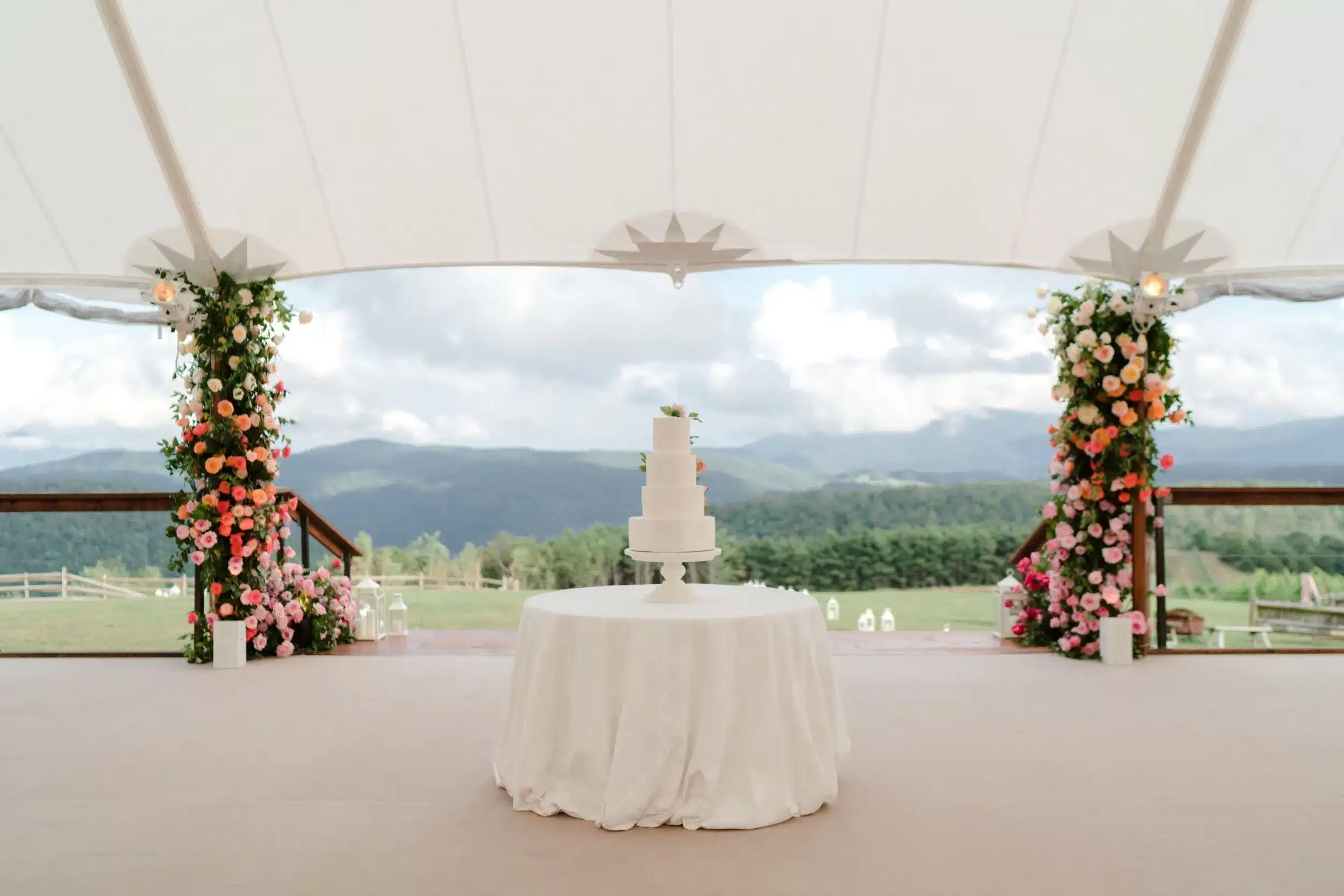
When choosing flooring for an outdoor Savannah event, durability and weather resistance matter just as much as appearance. Uneven ground, heat, and humidity all affect how a surface performs once guests arrive. Below are the most common flooring options we recommend, along with when each works best.
- Interlocking tiles are quick to install, stable underfoot, and easy to transport. They’re well suited for dance floors, walkways, and venues with variable terrain.
- Wood flooring offers a timeless, polished look for weddings and formal events. It performs best when properly treated and installed with moisture protection.
- Outdoor carpet adds softness and warmth in low-traffic areas. It’s ideal for ceremony aisles or lounge spaces where comfort matters more than heavy-duty durability.
- Modular flooring systems are designed to support significant weight and foot traffic. They’re a strong choice for large gatherings or multi-day events that require a more permanent-feeling surface.
Each option balances aesthetics and performance differently. The right choice depends on guest needs, event duration, and the condition of your site.
To narrow your selection quickly, consider three factors: expected traffic and load (seated ceremony versus standing reception or equipment-heavy setup), the visual style you’re aiming for, and the time available for installation and teardown. Interlocking tiles deploy fastest, wood offers an elevated finish with added moisture planning, outdoor carpet brings comfort and acoustical benefits, and modular systems excel when durability is the top priority.
Which Flooring Types Perform Best in Savannah’s Climate and Terrain?
Savannah’s heat, humidity, and frequent rain make moisture resistance a top concern. Flooring that cleans easily and maintains traction in damp conditions is often the safest choice. Interlocking tiles and modular systems are low-maintenance and provide consistent footing, while wood can still work beautifully when sealed and elevated above wet ground.
Many outdoor venues sit on uneven lawns or compacted soil. Flooring systems that flex to the surface, like interlocking panels, help create a level, stable area without extensive site work.
On-site measures can further improve performance. Thin geotextile underlays help prevent sinking on soft turf, lightweight moisture barriers protect against standing water, and transitional ramps at edges reduce tripping hazards. For wood or composite floors, small elevation blocks or temporary joists allow airflow and limit moisture buildup from below.
Should You Choose Portable or Temporary Flooring for Your Event?
Portable flooring systems, such as interlocking tiles, are designed for fast setup and breakdown. They’re lightweight, easy to stage, and ideal for short events or venues with tight turnaround times.
Temporary modular floors are heavier-duty and better suited for sustained use or high-traffic environments. While they take longer to install, they provide a steadier, more durable surface, often worth the extra time for large receptions or corporate builds.
When deciding between the two, factor in crew size and schedule. Portable flooring can often be installed by a small team in a few hours, while modular systems typically require a larger crew and phased installation. Transport logistics matter as well: lighter components move faster, but may require more individual pieces to cover the same footprint.
How Should You Install and Prepare Event Flooring for Outdoor Gatherings?
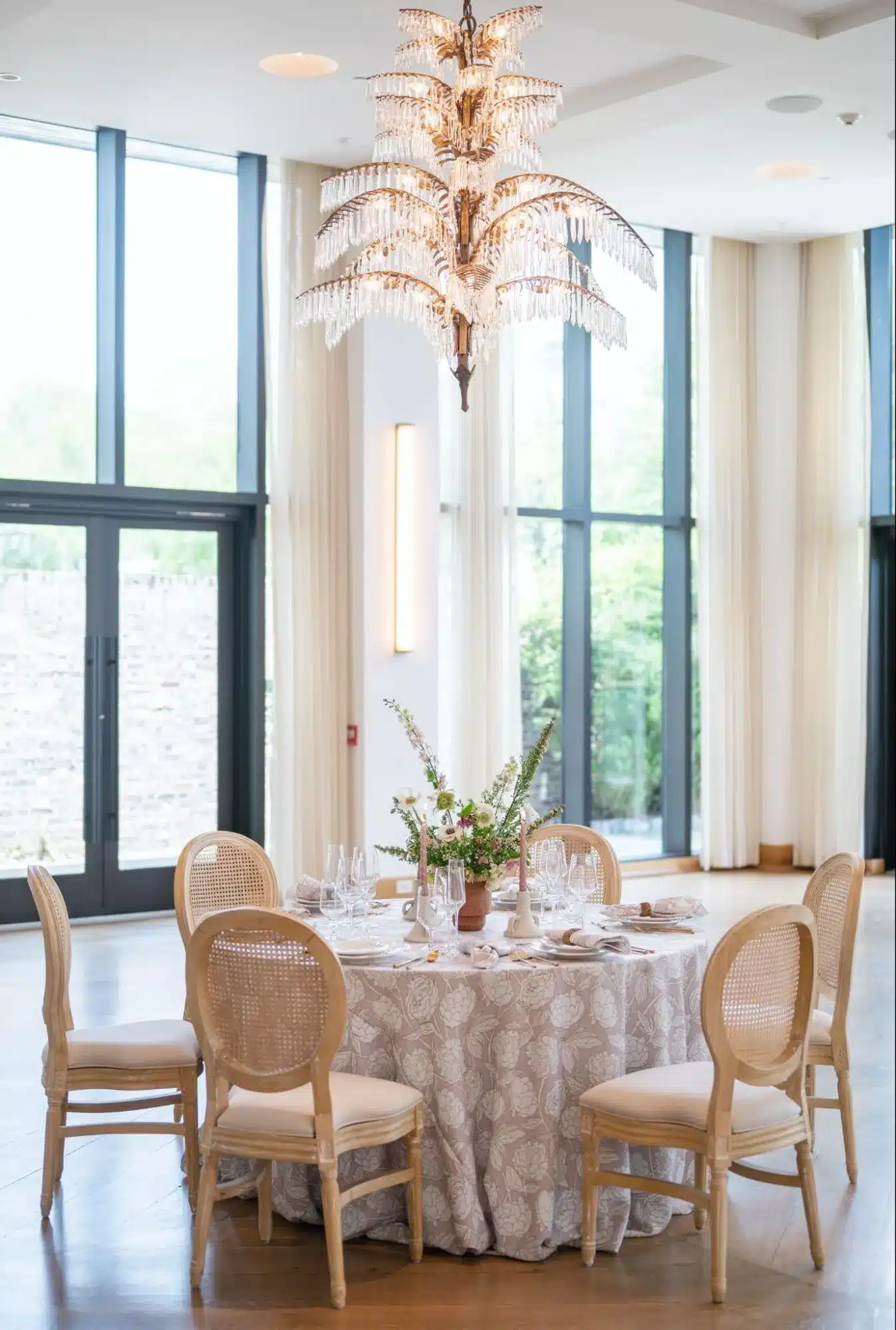
Proper installation does more than make a floor look good, it keeps guests safe, stabilizes tents and staging, and makes teardown far more predictable. A clear, methodical setup process also prevents last-minute fixes once the event is underway. Below is the on-site approach we rely on for outdoor events.
What Is the Step-by-Step Process for Installing Event Flooring?
- Site assessment
Begin by walking the space with a tape measure and a layout plan. Take note of slopes, drainage patterns, access points, and any obstacles that could affect placement or leveling. - Ground preparation
Clear debris, trim turf where needed, and smooth out uneven areas. Starting with a compacted, level base reduces adjustment work later and improves overall stability. - Installation
Follow the manufacturer’s layout guidelines closely. For interlocking systems, starting at a clean corner and working outward produces the tightest seams and cleanest finish. - Finishing touches
Inspect all joins, secure edges, and make small adjustments so the surface feels solid underfoot before guests arrive. - A consistent, step-by-step approach saves time during setup and minimizes disruptions on event day.
To stay organized, add a short pre-install checklist to your run sheet: confirm final site dimensions, lock in delivery windows, stage tools at the access point, plan for turf clippings and packaging disposal, and assign one person to walk the finished surface about an hour before doors open. If flooring is being installed under a tent, coordinate anchor locations in advance so tent stakes and floor anchors don’t interfere with one another.
Pay special attention to seams and transitions. Tapered ramps and temporary thresholds protect edges from damage and help meet accessibility best practices by smoothing changes in elevation. In areas supporting heavier loads, such as stages, bars, or large furniture, ark reinforcement zones on the plan and use load-bearing panels or supplemental boards beneath the surface when possible.
What Tools and Materials Are Needed for Outdoor Flooring Installation?
Having the right equipment on hand keeps installation efficient and safe.
- Installation tools
Rubber mallet, measuring tape, utility knife, and any manufacturer-specific locking tools. - Ground preparation materials
Rakes, shovels, and a level to create a consistent base. - Safety equipment
Gloves, safety glasses, and basic PPE for crew protection during setup.
The right tools reduce delays and help deliver a clean, professional finish.
For smoother installs, consider adding a few extras: a hand truck or folding dolly for moving panels, edge ramps in matching finishes, seam tape or approved adhesive for minor reinforcement, a cordless drill with compatible bits for anchoring hardware, and a small maintenance kit with a soft broom and mild cleaner for final touch-ups. On larger installs, portable work lights or fans can make evening setups and high-humidity conditions far more manageable.
How Does Savannah Weather Affect Outdoor Event Flooring?
Savannah’s climate has a direct impact on how outdoor flooring performs. Heat, humidity, and sudden storms are common, so materials and installation methods should account for moisture exposure, thermal expansion, and the need for quick drying. Planning with weather in mind helps prevent slippery surfaces, warped panels, and last-minute fixes.
What Weather-Resistant Flooring Materials Work Best in Savannah?
For dependable performance in Savannah’s conditions, these materials are consistently reliable:
- Vinyl flooring
Moisture-resistant and easy to clean, vinyl is a practical option for areas that may see rain, spills, or heavy foot traffic. - Composite decking
Designed to resist fading and moisture, composite materials hold up well in heat and humidity while offering a polished appearance. - Rubber flooring
Naturally water-resistant with excellent traction when wet, rubber flooring is a safe choice for high-risk zones like bars or walkways.
Choosing materials built for moisture and heat reduces weather-related issues and helps keep guests comfortable throughout the event.
Beyond material selection, timing also matters. Installing flooring during cooler parts of the day can reduce thermal expansion in plastics and composites. When possible, allow a short acclimation period so materials settle before guests arrive. If rain is in the forecast, stage key elements, such as bars, stages, or ceremony furnishings, under cover and delay sensitive finishes until the ground has had time to drain.
Protecting Flooring from Rain, Heat, and Humidity
Simple protective measures go a long way toward extending the life of your flooring and minimizing on-site stress:
- Use protective covers
Waterproof covers or temporary tarps help shield sensitive materials from sudden showers. - Maintain surfaces regularly
Clean and inspect flooring before and after events to prevent mold, staining, or slick spots in humid conditions. - Allow for proper ventilation
Whenever possible, install flooring in a way that allows airflow underneath to reduce trapped moisture.
These precautions help flooring stay safe, attractive, and functional in Savannah’s variable weather.
What Safety and Accessibility Standards Should Outdoor Event Flooring Meet?
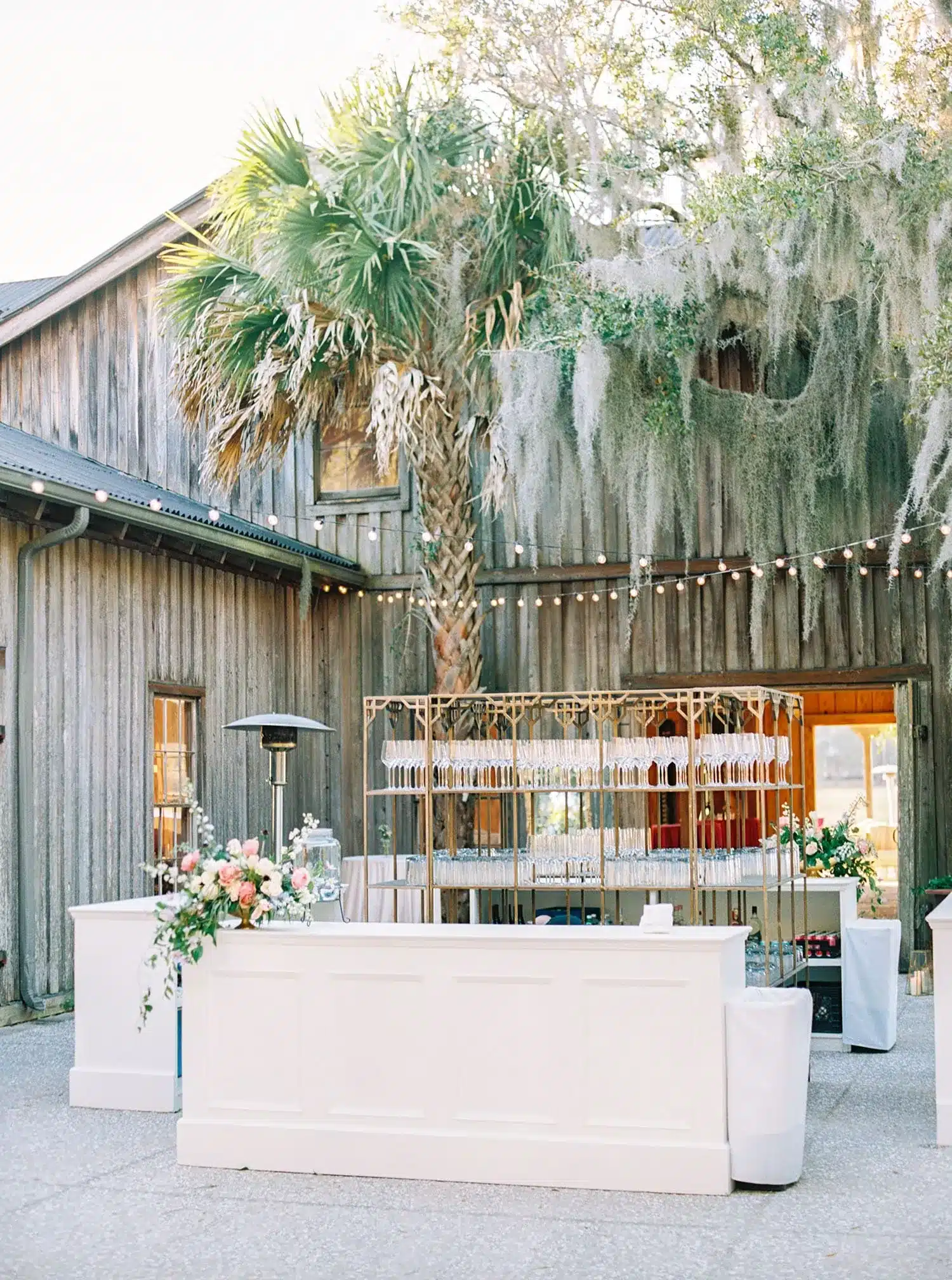
Safety and accessibility are non-negotiable. The right flooring supports guest mobility, meets code requirements, and reduces the risk of accidents across all areas of the event.
How Do You Meet ADA and Fire Safety Requirements?
To remain ADA-compliant, keep flooring surfaces level and transitions gradual so guests using wheelchairs or mobility aids can move comfortably. Where required, use fire-retardant materials, especially near tents, stages, or temporary structures.
Routine site walks to check for loose panels, raised edges, or uneven seams, paired with clear signage, help prevent incidents and keep guest traffic flowing smoothly.
What Are Best Practices for Stability and Guest Safety?
A few consistent habits make a big difference:
- Regular inspections
Walk the floor before doors open and periodically during the event to identify wear or hazards early. - Even weight distribution
Position heavy equipment and furniture across reinforced areas or structural rows to prevent sagging. - Emergency preparedness
Keep exits clear, mark routes clearly, and ensure staff know where first-aid resources are located.
Additional safety steps include marking level changes with high-contrast tape or rope lighting for evening events, placing non-slip mats at beverage stations, and training staff on quick fixes, such as securing a loose panel or temporarily blocking off an affected area. If high-heel traffic is expected, a small soft-mat landing near entrances helps guests transition safely onto temporary flooring.
Frequently Asked Questions
What should I consider when choosing flooring for Savannah outdoor events?
Think about event size, expected foot traffic, local weather and the venue’s terrain. Prioritize durable, weather-resistant surfaces that offer safe transitions and accessibility. Aesthetics matter too, choose a surface that complements your design while meeting performance needs.
How do I keep flooring stable during an event?
Regular inspections, correct anchoring and even weight distribution are key. Use manufacturer-recommended installation methods and check joints and edges before guests arrive. For heavy equipment, plan load paths or reinforced areas.
What maintenance does outdoor event flooring need?
After events, clear debris and clean surfaces to prevent mold or staining, especially in humid conditions. Inspect for damage and repair or replace affected panels. For wood, reapply sealants as needed to protect against moisture.
What if rain is forecast on event day?
Have waterproof covers on standby, confirm proper drainage and consider switching to more water‑resistant flooring if possible. Always have a contingency plan, such as moving key elements under cover or indoors.
How do I find reliable flooring rental services in Savannah?
Start with local event rental companies that have experience with outdoor setups. Check reviews, ask for references or past photos, and request a site visit or mock layout. Compare quotes and confirm what’s included in delivery, setup, and teardown.
Can flooring be installed on sloped sites?
Minor slopes can often be mitigated by creating a framed substructure or using adjustable pedestals to create a level surface. For steeper sites, plan extra time and materials for leveling, and consult the flooring system’s load and slope guidance to ensure a safe, stable result.
How far in advance should flooring be installed?
Schedule installation to allow for final inspections and any necessary adjustments: typically the day before the event for most single‑day gatherings, or earlier for larger, multi-day builds. Allow extra buffer time for weather delays or coordination with other vendors.
Can I serve food and drinks on temporary flooring?
Yes, but protect high-risk areas (bar backs, dishwashing stations) with appropriate coverings or spill mats, and ensure flooring under heavy tables and equipment is reinforced to handle concentrated loads. Keep drying and cleaning supplies nearby for quick spill response.
Conclusion
Choosing the right flooring for Savannah outdoor events protects guests, supports your event flow and completes the look you want. Match material to the site and weather, follow a clear installation plan, and prioritize safety and accessibility. With the right choices and a reliable rental partner, your next outdoor gathering will look great and run smoothly.
Quick checklist to take with you: confirm final dimensions and access routes, select a material that handles humidity and foot traffic, stage tools and crew before arrival, plan for edge transitions and ADA access, and have weather contingency covers on standby. That preparation turns a good floor into a dependable foundation for every event detail that follows.