

Planning a multi-event weekend in Nashville demands strategic foresight and disciplined execution. When programs span multiple venues, guest groups, or consecutive days, rental coordination becomes a critical driver of both operational stability and guest experience. Tenting, furnishings, linens, tabletop, lighting, and staging elements must move seamlessly across timelines without compromising presentation or quality.
This guide explores the most pressing rental-planning considerations for complex weekends, including overlapping schedules, structured vendor communication, and centralized inventory control. It outlines practical frameworks that reduce operational risk, protect installation standards, and preserve design integrity across every event touchpoint.
What Are the Key Challenges in Coordinating Rentals for Multi-Event Weekends?

Coordinating rentals across multiple events introduces operational constraints that affect outcomes. Aligning setups with guest lodging and venue limitations requires precise scheduling and site knowledge. Centralised coordination across locations prevents confusion and missed deliveries, and rigorous oversight of delivery and setup timelines reduces the likelihood of disruptive delays.
Other challenges include limited storage and staging space, last-minute scope changes, and differing venue access rules across sites. Transport capacity and crew availability vary during busy weekends, so plans must account for load-in windows, parking restrictions, and specialised installation equipment. Identifying these constraints early enables realistic schedules and contingency plans that reduce operational pressure on the day.
How Do Overlapping Timelines Affect Rental Logistics?
Overlapping timelines increase the risk of schedule conflicts and rushed setups. Late deliveries compress installation windows and can compromise quality. Clear, published timelines ensure all parties understand responsibilities and deadlines, built-in buffer time mitigates unforeseen delays and supports orderly transitions between events.
In practice, overlapping timelines often require staggered crews, parallel staging areas, or temporary storage to avoid bottlenecks. Develop a phased load-in plan that sequences equipment by priority, critical systems first, then secondary décor and non-structural items.
What Common Issues Arise in Vendor Communication During Multi-Day Events?
Failures in vendor communication commonly lead to scheduling errors and service gaps. Misaligned expectations produce incorrect deliveries or inconsistent service quality. Defining communication channels and scheduling regular status checks promotes alignment, while consistent oversight and documented standards reduce misunderstandings and improve collaboration.
Common pitfalls include reliance on a single contact without backups, fragmented messaging across email and ad-hoc calls, and unclear escalation paths. A communications protocol should specify primary and secondary contacts, acceptable response times, required delivery notifications, and a simple escalation ladder. Written confirmations for changes to scope or times reduce ambiguity and provide an audit trail for billing and dispute resolution.
How to Develop Strategic Rental Timelines for Multi-Event Weekends in Nashville?
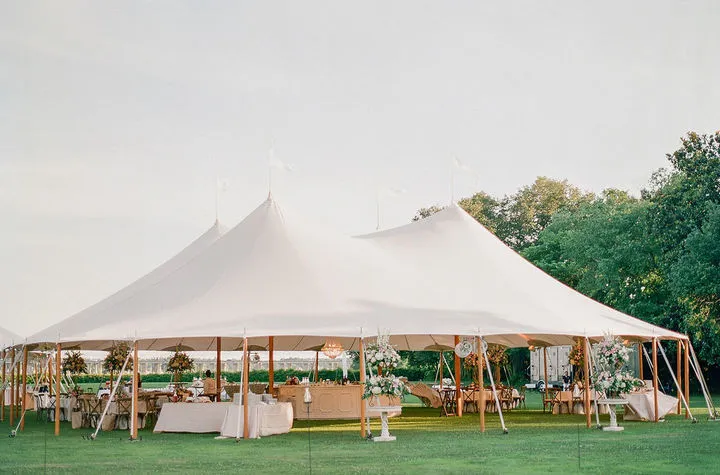
Strategic rental timelines begin with a comprehensive event plan that sets milestones and deadlines. Use the plan as a central reference to sequence tasks, allocate resources, and assign responsibilities. A detailed timeline reduces oversights and supports coordinated execution across teams and vendors.
A practical timeline contains layered views: an overall weekend schedule for senior stakeholders, a vendor-facing timeline with delivery and pickup windows, and crew-level call sheets with minute-by-minute load-in and setup tasks. Include contingency windows for weather, traffic, or venue delays. Share updates in a controlled manner so everyone works from the same document and version history is preserved.
What Are Best Practices for Creating Coordinated Event Schedules?
Best practices include a structured timeline that lists critical tasks and deadlines, coordinated transport plans to ensure on-time delivery, and streamlined attendee registration to reduce bottlenecks. Clear task ownership and contingency steps further improve execution.
Additional practices: define realistic setup durations based on similar past events, confirm measurement and access points at each venue during site surveys, and appoint a single timeline owner who manages edits and distribution.
How Can Timeline Milestones Improve Rental Efficiency?
Timeline milestones create measurable checkpoints that clarify responsibilities and track progress. They enable proactive intervention when tasks fall behind schedule. By aligning vendors and organizers around shared milestones, teams maintain consistency and reduce last-minute pressure.
Useful milestones include final equipment confirmation (several days before the event), arrival windows for heavy or specialised items, electrical and technical inspections, and crew handover points. Use milestone dashboards to report status in the lead-up to events and to alert decision-makers when milestones are at risk. This approach breaks planning into small, verifiable decisions rather than one large, risky deadline.
What Techniques Ensure Effective Inventory Management Across Multiple Events?
Effective inventory management prevents duplication and ensures required items are available when needed. Maintain continuous communication with vendors to keep inventory records current. A comprehensive rental delivery checklist standardises expectations and confirms that all items are received and staged correctly.
Inventory management should include identification tags, standardised packing lists, condition notes, and a clear ownership record for each item. When items move between events, log transfers with timestamps and responsible personnel. Regular audits during the weekend, after each load-in and before each load-out, minimise loss and damage and keep invoicing accurate.
How to Synchronize Rental Inventory to Avoid Redundancies?
To avoid redundancies, produce a consolidated inventory list that specifies items for each event and location. Use digital scheduling tools for real-time updates and adjustments. Conduct pre-event walkthroughs to verify inventory placement and identify gaps before load-in. For more detail, see our article How to Avoid Common Mistakes When Booking Event Rentals.
Synchronisation practices include grouping items by priority (must-have, nice-to-have, optional), tagging interchangeable parts for reallocation, and setting minimum stock thresholds that trigger early reorder or supplier outreach. For multiple venues, map where repeat items can be staged to minimise redundant transport and handling. Co-locating buffer stock at a central staging point supports quick transfers between sites with minimal downtime.
Which Tools Support Centralized Inventory Tracking for Event Rentals?
Various digital platforms provide centralised inventory tracking, delivery monitoring, and vendor messaging. These systems enable organisers to view stock levels, confirm shipments, and coordinate handoffs. Implementing a centralised solution reduces errors and improves supply reliability across events.
Seek tools that offer barcode or RFID support, mobile scanning for on-site checks, multi-location inventory visibility, automated alerts for low stock, and straightforward reporting for post-event reconciliation. Integrations with scheduling calendars and transport management systems remove manual handoffs and reduce the administrative burden typical of busy weekends. Read more in How to Design a Cohesive Multi-Room Event Using Rentals.
How Can Vendor Communication Be Optimized for Multi-Event Rental Planning?

Optimising vendor communication requires clear channels, consistent status updates, and defined escalation paths. Reliable communication structures enable faster issue resolution and maintain service standards. Regular check-ins foster collaboration and support timely delivery. Read more in Fete en Blanc Seaside Event.
Establish communication cadences aligned to the event lifecycle: weekly updates during early planning, daily check-ins during load-in, and immediate-alert channels for critical incidents. Require vendors to confirm changes in writing and to use shared project spaces for version-controlled documents. This reduces information loss and keeps decisions traceable.
What Communication Channels Enhance Vendor Coordination?
Effective channels include integrated booking platforms that provide real-time updates and shared documentation. Scheduled check-ins keep vendors aligned, while structured feedback loops support continuous improvement. These methods reduce ambiguity and improve operational predictability.
Supplement platform-based communication with brief synchronous touchpoint, short stand-up calls or on-site huddles at the start of each day, so teams can surface immediate issues. When communication is layered (asynchronous updates plus brief synchronous alignment), vendors can manage their day while remaining connected to the broader operational picture.
How to Implement Vendor Liaison Services for Seamless Collaboration?
A dedicated vendor liaison centralises communication and enforces timelines and specifications. Start by establishing clear channels, then publish a detailed timeline that assigns responsibilities. Strong vendor relationships built on consistent oversight improve cooperation and service quality.
A liaison role can be full-time for large weekends or part-time for smaller programmes, the key elements are authority and access. The liaison should be empowered to make or escalate decisions and maintain a vendor contact directory, service-level expectations, and a checklist for common on-site issues. This single point of coordination shortens response times and reduces ad-hoc decisions that complicate execution. To check availability for your date, contact our Nashville team.
Frequently Asked Questions
What are the key factors to consider when selecting vendors for multi-event weekends?
Prioritize partners with proven experience executing high-volume, multi-day programs. Capacity, inventory depth, installation expertise, and disciplined communication protocols are essential during compressed timelines. You may also find Easy Tips for Successful Multi-Day Event Rental Planning helpful.
In Nashville’s peak seasons, confirm that vendors can guarantee inventory holds across multiple days and locations. Evaluate responsiveness, documentation standards, and on-site leadership structure. A partner with established local experience brings valuable insight into venue access constraints, permitting requirements, and high-traffic event periods.
How can I effectively manage last-minute changes during an event?
Multi-event weekends require built-in flexibility. Establish contingency plans early, including backup layouts, weather strategies, and secondary equipment allocations.
Designate a single decision-maker or event lead to approve changes and communicate updates. Shared digital timelines and real-time messaging platforms ensure all teams receive accurate information simultaneously. Clear authority and documented updates prevent confusion and protect execution quality.
What should I consider when planning events during peak seasons in Nashville?
Nashville’s event calendar creates intense demand during festival weekends, large conventions, and major sporting events. Secure tenting, furnishings, linens, tabletop, and lighting well in advance to ensure availability.
Factor in traffic congestion, restricted delivery windows, and extended load-in times. Build schedule buffers to protect installation quality and avoid compressed setups.
How can timeline milestones improve event planning efficiency?
Milestones break complex programs into manageable checkpoints. Confirm final equipment counts, approve layouts, schedule technical inspections, and verify delivery windows in advance of event week.
Milestone tracking shifts planning from reactive to proactive management. When progress is measurable, risks surface early and corrective action can be taken before timelines compress.
What role does a vendor liaison play in event coordination?
A vendor liaison centralizes communication, enforces timelines, and maintains alignment across all partners. This role reduces fragmented messaging and accelerates decision-making during high-pressure windows.
By documenting adjustments, tracking performance, and maintaining vendor accountability, the liaison strengthens operational control across multi-event weekends.
Conclusion
Successful rental coordination for multi-event weekends in Nashville depends on disciplined timelines, centralized inventory management, and structured vendor communication. When tenting, furnishings, linens, tabletop, and lighting are planned within a unified operational framework, execution becomes predictable and refined.
A design-led, operationally rigorous rental partner provides more than inventory. Strategic consultation, secured inventory allocations, professional installation teams, and documented logistics processes protect both presentation standards and brand reputation.
By converting planning principles into repeatable systems, clear timelines, centralized tracking, defined communication protocols, and proactive contingency strategies, event teams reduce friction and improve consistency across every program. Incremental operational improvements compound quickly when supported by structured processes and reliable partnerships. Our Nashville event rental showroom can help bring it together.