Seasonal fabrics are the carefully chosen textiles that perfectly complement a specific season’s climate, light, and overall vibe, and selecting them wisely elevates both guest comfort and the event’s visual appeal. This guide dives into how seasonal event fabrics influence atmosphere, practical performance, and rental decisions, empowering planners to select materials that support mood, durability, and logistics. You’ll discover which fabrics shine in winter, spring, summer, and fall, how fabric qualities like drape and breathability dictate suitability, and which current trends, including metallic threads, jacquard, and sustainable event linens, are making waves.
Key Takeaways
- Seasonal event fabrics improve comfort and set the visual mood.
- Match fabric properties to the season and venue conditions.
- Velvet, brocade, and heavy satin work best for winter interiors.
- Linen, lightweight cotton, and sheers are ideal for summer and outdoor use.
- Texture, drape, and light interaction affect photography and acoustics.
- A clear selection process and rental guidance help planners choose reliable, stylish options.
What Are Seasonal Event Fabrics and Why Do They Matter?
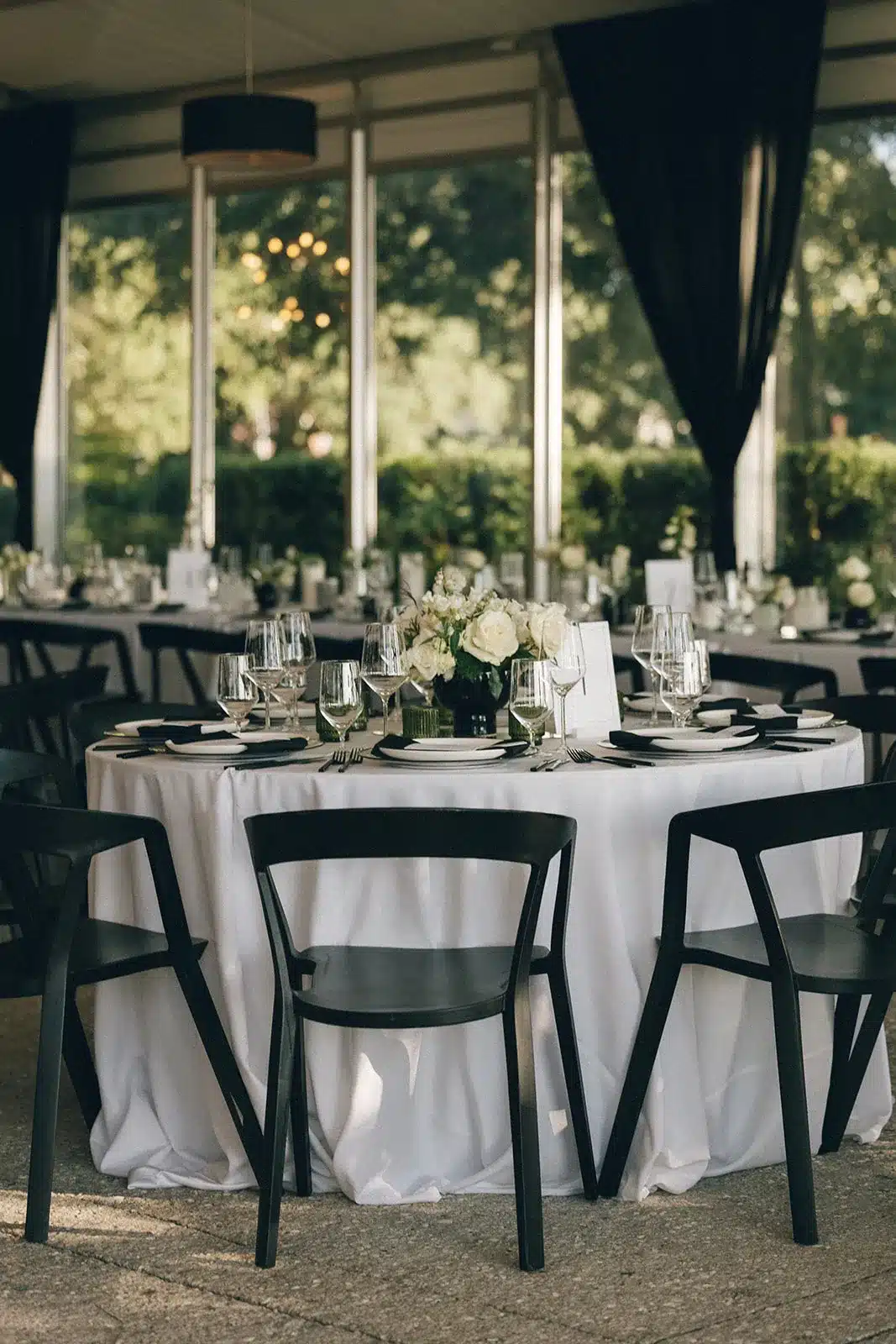
Seasonal event fabrics are textiles selected for a specific time of year because their material properties, thermal conductance, breathability, and light diffusion, directly impact guest comfort, visual tone, and installation performance. Choosing the right fabric works by aligning a textile’s intrinsic attributes (like linen’s breathability or velvet’s insulating weight) with event parameters, leading to tangible benefits such as enhanced comfort, consistent photography outcomes, and smoother onsite management. The result is an event environment that feels intentional and performs reliably, regardless of weather or venue constraints. Understanding these connections between material and outcome helps planners sidestep common issues like overheating at outdoor summer receptions or echo-prone ballrooms in winter.
How seasonal fabrics alter atmosphere and practicality hinges on specific textile features, so the next section explores how thermal behavior, texture, and light interaction shape guest experience and staging.
How Do Seasonal Fabrics Enhance Event Atmosphere and Comfort?
Seasonal fabrics elevate atmosphere by harmonizing thermal properties, tactile textures, and light interaction to shape how guests feel and how spaces are perceived visually. For instance, velvet offers thermal richness and sound absorption, enhancing perceived warmth and intimacy, while chiffon and organza soften harsh sunlight and create graceful movement that reads as romantic on camera. These effects are achieved through material mechanisms: insulating fibers trap warmth, loose weaves allow airflow, and reflective surfaces alter color appearance under event lighting. The tactile component also signals formality, rougher textured linens suggest a casual vibe, while high-sheen jacquard denotes sophistication, so fabric choice directly influences the perceived event tone.
Linking these sensory mechanisms to practical outcomes clarifies why the next section maps specific fabrics to each season and the trade-offs to consider when implementing them.
Which Fabrics Are Best Suited for Each Season?
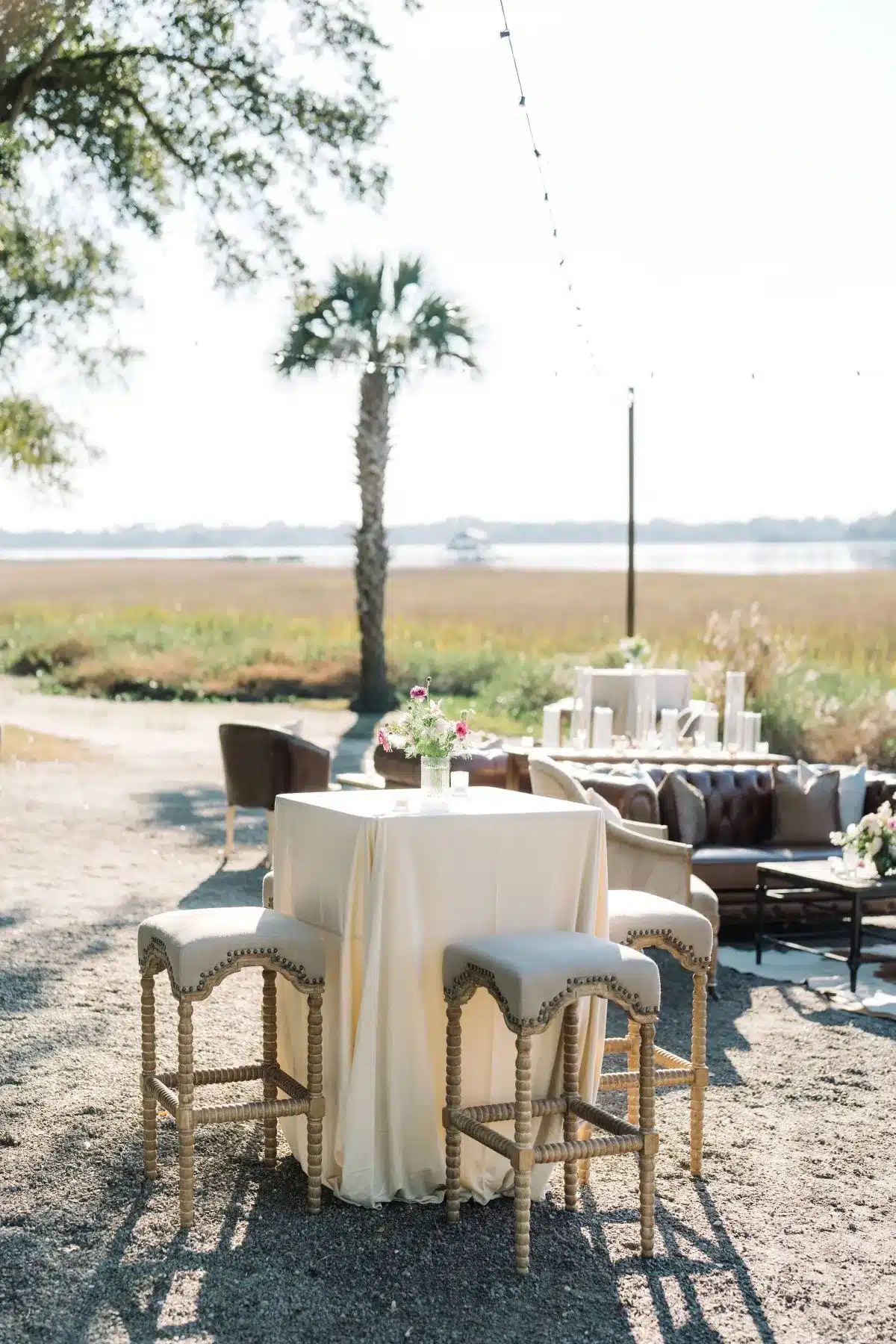
Matching fabrics to seasons involves aligning material performance with typical environmental conditions: heavier, insulating fabrics for colder months and breathable, lightweight textiles for warmer weather. In winter, velvet, brocade, and heavy satin provide warmth, depth of color, and sound dampening for indoor ceremonies and receptions. Spring calls for sheers, printed linens, and light cottons that handle variable temperatures and introduce floral and pastel motifs. Summer favors linen, lightweight cotton, and airy sheers for outdoor comfort and breathability, while fall transitions to textured wovens, velour, and deep earth tones that amplify warm lighting and layered styling.
This season-to-fabric mapping highlights performance priorities and sets the stage for an applied example: how a rental provider can support seasonal selections for real events.
How Does Curated Events Support Seasonal Fabric Rentals?
Curated Events offers event linen rentals across the Eastern United States and supports seasonal fabric selection by maintaining an inventory and service workflows that align with seasonal suitability. Their approach emphasizes high-quality event rentals and exceptional service, helping planners match velvet drapes for events or summer linen rentals to venue requirements while accounting for care and logistics. Consultations and inventory previews guide clients on fabric attributes, drape, weight, and care, so planners can anticipate setup needs and photographic outcomes. For event teams needing implementation assistance, Curated Events serves as a practical example of how rental partnerships translate material recommendations into booked inventory and on-site support.
This practical rental perspective naturally leads into a deeper exploration of velvet, one of the most season-specific fabrics used in winter weddings and galas.
What Are the Best Velvet Drapes for Winter Events?
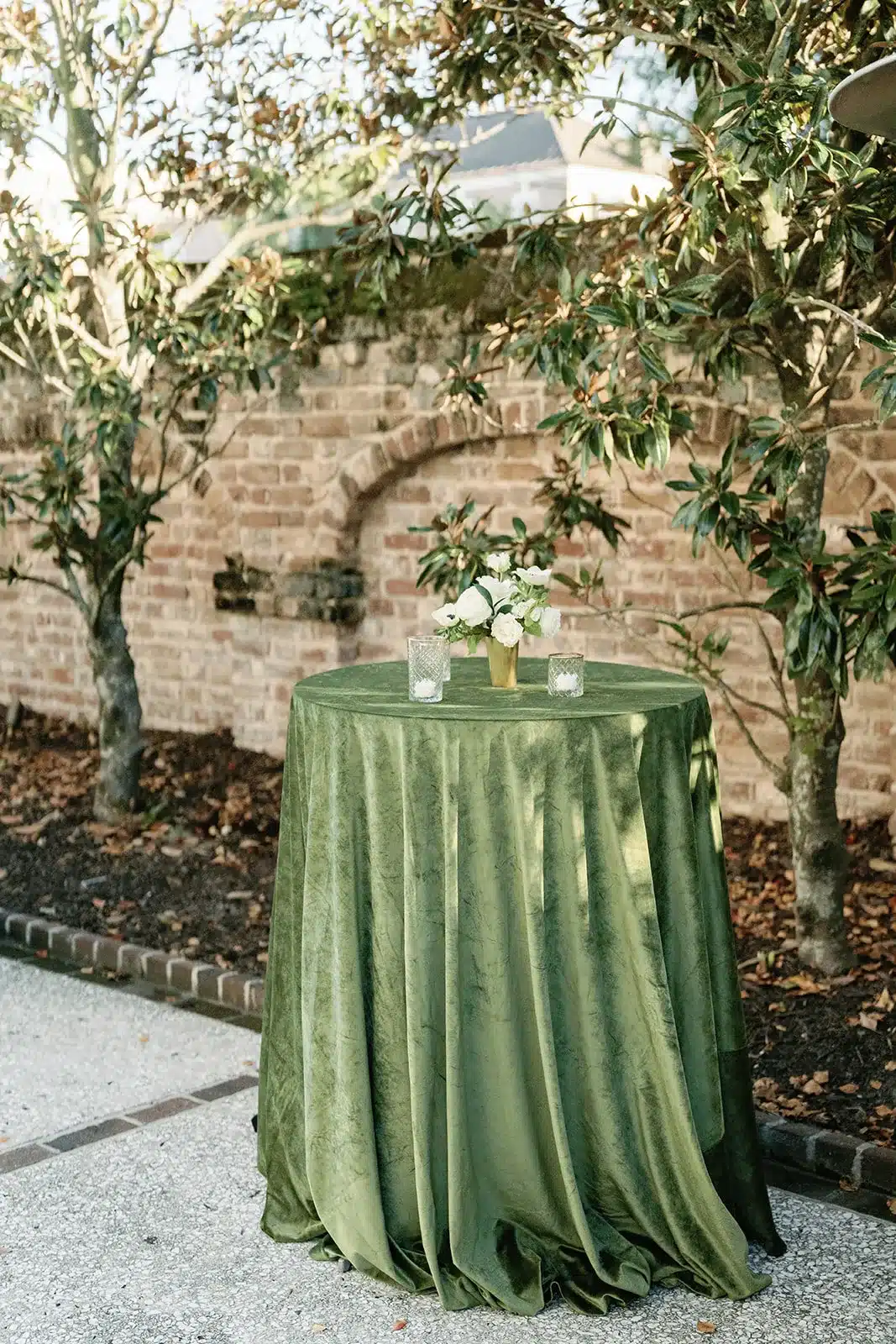
Velvet drapes for events are heavy, pile textiles chosen for their insulating properties, deep color saturation, and luxurious surface sheen, and they work by adding both thermal comfort and visual depth to cold-season venues. Because velvet’s pile and weight trap warm air and reduce reverberation, it enhances acoustic comfort and creates a focused backdrop for photography and ceremony staging. The result is a heightened sense of intimacy and formality perfect for winter weddings, gala dinners, and theater events. Evaluating which velvet type to choose depends on factors like weight, stretch, colorfastness, and fire-resistance.
Understanding what makes velvet effective in winter sets the stage for examining specific velvet varieties and their styling applications in the next section.
What Makes Velvet Ideal for Winter Weddings and Galas?
Velvet is ideal for winter weddings and galas because its dense pile and weight provide thermal insulation, rich color saturation, and soft light reflection that photographs beautifully under warm lighting. The pile structure traps pockets of air, reducing chill near stage areas and making seated guests feel warmer, while the fabric’s surface interacts with directional light to enhance jewel tones and depth. Velvet also dampens sound, which improves speech intelligibility and reduces echo in large indoor venues. These combined properties create a tactile and visual environment that feels both formal and comfortable.
These performance benefits inform specific styling techniques that artists and planners use to maximize velvet’s strengths, which are discussed next.
How to Style Velvet Drapes for Luxurious Winter Event Decor?
Styling velvet drapes for luxurious winter decor involves layering, contrast, and lighting to amplify the fabric’s depth and warmth without overwhelming the venue. Pair velvet backdrops with metallic accents, subtle runners or napkin trims, so the matte pile is balanced by reflective highlights; anchor tables with textured linens in complementary jewel tones to create cohesion; and use directional warm lighting to emphasize pile and color without flattening texture. Avoid over-layering with heavy patterns; instead, use velvet as a primary texture with restrained accents to maintain elegance. Practical setup includes reinforced hanging points and measured pleating to preserve drape lines and weight distribution.
Where Can You Rent High-Quality Velvet Drapes for Winter Events?
Evaluating where to rent velvet drapes focuses on inventory quality, imagery and specification detail, lead times, and provider service, each factor ensures the fabric performs as expected onsite. When assessing rental partners, verify fabric weight and fire-resistance information, request texture close-ups, and confirm measurement guidance and lead-time commitments for custom draping. Providers with regional service and curated seasonal collections simplify logistics by aligning stock with common winter palettes and sizing needs. Curated Events, serving the Eastern United States, positions itself as a resource for high-quality event linen rentals and can assist with measurement tips, booking windows, and suitable velvet options for winterized designs.
Which Breezy Summer Event Fabrics Create Comfortable Outdoor Settings?
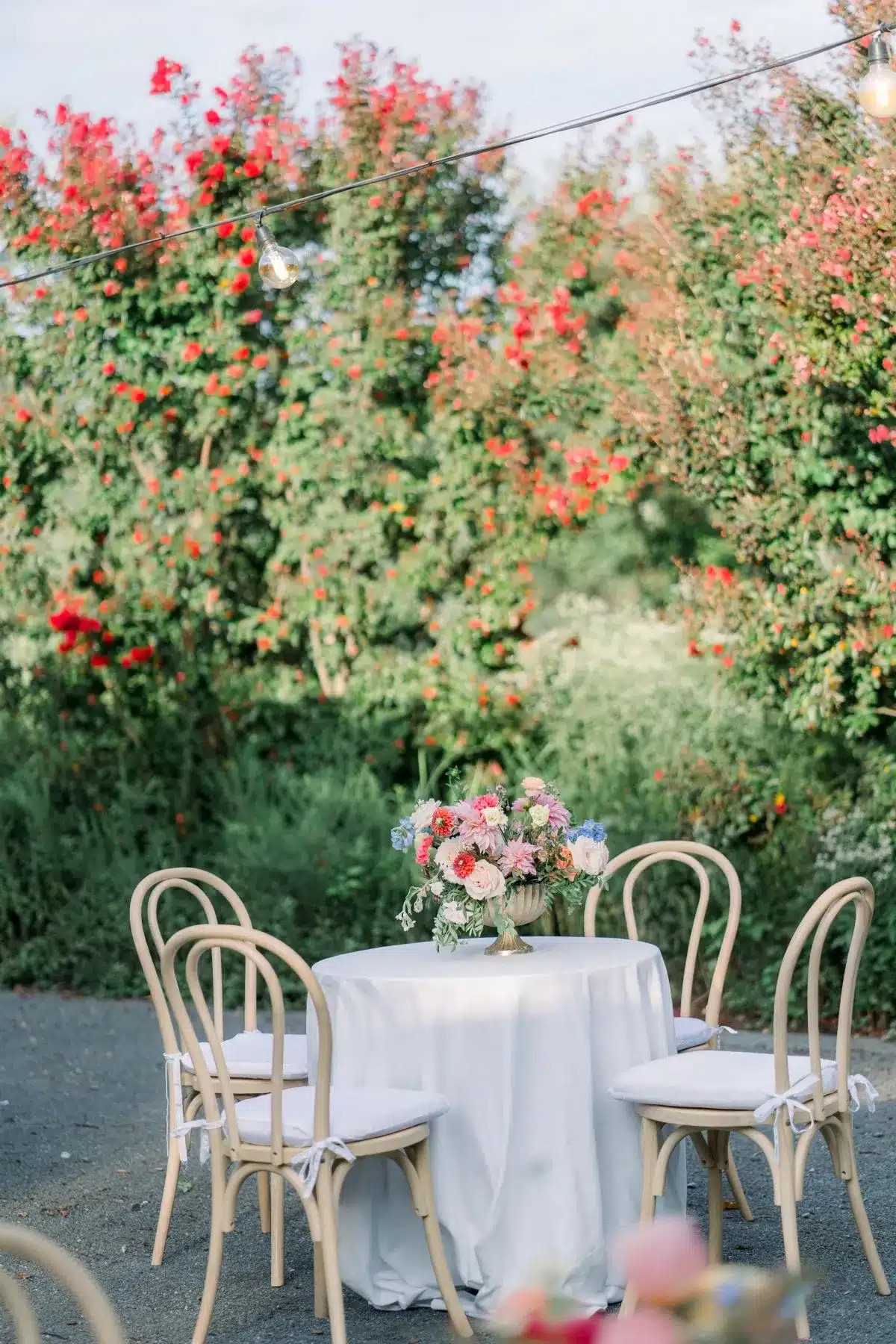
Breezy summer event fabrics are materials selected for their breathability, moisture management, and light diffusion, ensuring outdoor receptions remain comfortable, appealing, and photographically consistent. Linen, lightweight cotton, and sheer fabrics function by promoting airflow, minimizing heat retention, and softening harsh sunlight; the combined effect improves guest comfort and reduces visible perspiration in photos. Selecting fabrics with UV stability and appropriate care profiles ensures prolonged use during multi-hour outdoor events. Practical choices balance aesthetics, natural texture and crisp silhouettes, with performance under sun and humidity.
What Are the Benefits of Linen and Lightweight Cotton for Summer Events?
Linen and lightweight cotton excel in summer due to their high breathability, moisture-wicking fibers, and a natural textured look that suits both casual and elevated outdoor events. Linen’s open weave and flax fibers disperse heat and dry quickly, reducing sticky sensations for guests, while lightweight cotton offers a softer hand-feel and easier wrinkle-control finishes if a crisper look is desired. Care considerations include how wrinkling affects table presentation and whether steaming or exchange-based rental workflows are feasible. For linens used as tablecloths or napkins, weigh breathability against desired crispness to choose the right finish.
To present these comparisons clearly, the table below compares key summer textiles across performance attributes and suitability.
This comparison highlights linen’s clear advantage for breathability, while chiffon and sheers provide aesthetic light control suitable for summer canopies and backdrops.
These airy fabrics lead directly into how sheers are used to craft movement and soften light, which the next section explores.
How Do Sheer Fabrics Like Chiffon and Organza Enhance Summer Decor?
Sheer fabrics such as chiffon and organza enhance summer decor by filtering sunlight, creating movement in the breeze, and offering romantic translucency that layers beautifully over more substantial linens. Used as tent liners, canopy swags, or breezy backdrops, sheers reduce harsh highlights and create soft shadows that flatter photographs. They also pair effectively with solid linen tablecloths to balance formality and airiness, and when secured correctly, they allow airflow while preventing decorative elements from flapping uncontrollably. For coastal or garden weddings, sheers provide a lightweight veil that ties floral and lighting treatments into a cohesive visual field.
What Color Palettes and Patterns Are Trending for Summer Linens?
Summer linen trends blend bold, saturated hues with gentle pastels to create dynamic tablescapes that look stunning in daylight and during evening transitions. Expect combinations like electric blue paired with soft lilac, or tangerine accents balanced by cooled neutrals; patterns favor subtle stripes, seasonal florals, and textured weaves that add depth without cluttering the table. When selecting palettes, anchor bold choices with neutral runners or chair treatments to avoid visual overwhelm and ensure cohesive photography across different lighting conditions. Choosing palettes and patterns with venue materials in mind, stone, wood, or coastal sand, ensures a harmonious final result.
How Do Fabric Choices Change Across Spring and Fall Event Seasons?
Fabric choices across spring and fall adjust to transitional temperatures and shifting color narratives, with spring prioritizing freshness and light movement while fall emphasizes layered warmth and textured depth. Spring selections favor airy sheers and patterned linens that handle cool mornings and warming afternoons, whereas fall leans towards velour, heavier woven blends, and richer palettes that perform well under dimmer light and cooler temperatures.
What Light Fabrics Are Popular for Spring Events?
Popular spring fabrics include chiffon, organza, and light cottons that provide graceful movement and pair easily with floral motifs and pastel palettes. These fabrics allow for breezy draping for outdoor ceremonies and create soft backdrops that complement botanical decor without overpowering it. Light cottons and printed linens work well for daytime receptions that transition to cooler evenings, especially when layered with a slightly heavier runner or chair cover for warmth. For care, choose rental finishes that tolerate light spring winds and plan for steaming or on-site pressing to ensure a pristine presentation.
Which Rich Textures and Earth Tones Define Fall Event Fabrics?
Fall event fabrics rely on textured wovens, velour, and woven blends, combined with earth-tone palettes, rust, terracotta, deep greens, and navy, to evoke warmth and seasonal richness. These materials work by absorbing and reflecting warmer lighting, creating a cozy atmosphere that suits layered tabletop styling and tactile centerpiece elements. Practical pairings include woven tablecloths with velvet runners, and napkins in deep jewel tones to ground floral arrangements. Layering is essential in fall: use underlays and runners to vary texture while maintaining a cohesive palette that supports evening photography and guest comfort.
How to Match Seasonal Fabrics to Event Themes and Venues?
Matching seasonal fabrics to themes and venues is a decision process that weighs venue architecture, desired formality, and logistical constraints, each factor linking to specific fabric choices and installation methods. For a barn wedding, textured linens, velour accents, and layered runners amplify rustic warmth and handle uneven surfaces, while an urban loft benefits from sleek jacquard or lightweight linens that contrast against industrial finishes.
What Are the Luxury Event Fabric Trends?
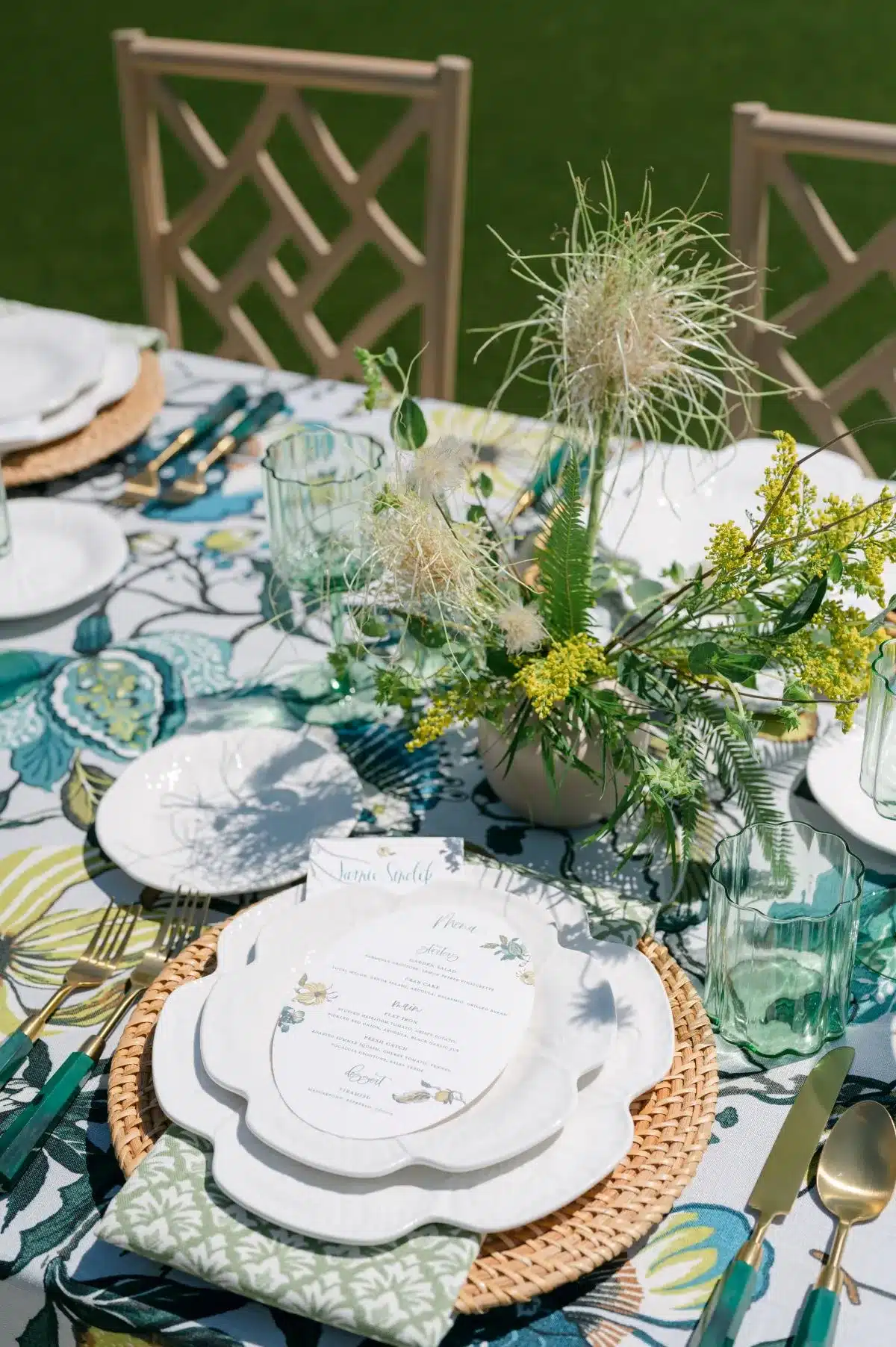
Luxury event fabric trends emphasize texture mixing, subtle metallic detailing, jacquard revival, and a rising demand for sustainable event linens that combine high aesthetics with a lower environmental impact. These trends function by offering new visual focal points, metallic threads for glints in evening light, jacquard patterns for tactile richness, while sustainable textiles address procurement and lifecycle considerations for conscientious planners. Incorporating these trends involves balancing statement pieces with enduring basics to avoid overcommitment to fleeting motifs and to preserve reusability and rental viability. Awareness of these patterns helps planners integrate contemporary style in ways that remain practical for rental operations.
How Are Metallic Threads and Jacquard Fabrics Shaping Event Decor?
Metallic threads and jacquard fabrics shape event decor by introducing controlled shimmer and subtle pattern depth that catch light without dominating the composition. Metallic threading used in runners or accent draping provides focal highlights that photograph well under directional lighting, while jacquard weaves embed pattern and texture into heavier linens suitable for formal tablescapes. These fabrics are most effective as accents, runners, chair sashes, or pillows, so neutrals and matte linens can anchor the overall scheme. Balance is key: too much sheen flattens contrast in photographs, whereas restrained metallic use elevates perceived luxury.
How Do Mixed Textures and Bold Colors Elevate Event Fabrics?
Mixed textures and bold colors elevate event fabrics by creating layered visual depth that draws the eye and supports focal moments, with combinations like a matte linen plus a glossy metallic runner delivering contrast that reads as modern and curated. Texture mixing works best when one dominant texture is balanced by contrasting accents, such as a soft velvet backdrop with a jacquard tablecloth and matte napkins to prevent competition. Bold colors should be anchored by neutrals or grounded motifs to avoid overwhelming the scheme, and test swatches under event lighting to confirm photographic results. These combination recipes enable memorable designs while preserving functionality and rental reusability.
How to Choose the Right Seasonal Fabric for Your Event Linen Rentals?
Choosing the right seasonal fabric for event linen rentals is a stepwise process that aligns venue type, expected weather, event formality, and fabric properties to a final rental plan that balances aesthetics and logistics. The method works by mapping each event parameter to material priorities, breathability for outdoor summer receptions, fire-resistance and weight for winter ballrooms, so choices are purposeful rather than purely aesthetic. The outcome is a rental selection that minimizes onsite surprises, fits budget and cleaning workflows, and supports photography goals. This decision framework leads to concrete checklist items planners can follow before booking.
What Factors Should You Consider: Venue, Season, and Event Type?
Consider three primary factors, venue characteristics, seasonal climate, and event formality, because their interaction dictates material performance and styling choices. Venue factors include indoor vs. outdoor, ceiling height, surface textures, and acoustics, which guide whether to prioritize heavy draping or lightweight canopies. Seasonal climate dictates thermal management and UV exposure concerns; summer events favor breathable textiles while winter requires insulating materials. Event formality influences texture and sheen decisions: casual gatherings suit textured linens, while formal galas benefit from jacquard and velvet accents. Assessing these factors together produces a prioritized list of fabric requirements that simplifies rental selection.
How Do Fabric Properties Like Drape, Durability, and Care Affect Choice?
Fabric properties translate directly into practical implications for installation, maintenance, and rental cost, drape affects backdrop flow and pleating needs, durability influences suitability for high-traffic events, and care requirements determine turnaround logistics. For example, a fabric with excellent drape yields smoother pleats and fewer pins, while a high-durability woven tolerates repeated rentals and reduces replacement costs. Care-intensive fabrics require longer lead times for cleaning and may demand surcharge handling in rental contracts. Considering these property → implication → recommendation relationships helps planners specify fabrics that meet both aesthetic and operational needs.
Below is a decision table linking event type, venue, and season to recommended fabrics and rental considerations to support practical selection.
Where to Find Curated Events’ Seasonal Fabric Collections?
Curated Events organizes seasonal fabric collections by fabric type and seasonal palette to help planners quickly evaluate options and align rentals with event parameters; the collections highlight material descriptions, drape properties, and suggested pairings. On collection pages, expect clear categories, winter velvets, summer linens, spring sheers, fall textured wovens, and guidance that identifies recommended garments for tables, backdrops, and overlays. When booking, request measurement guidance and lead-time estimates to ensure proper fit and timely delivery; consultations help match color and texture choices to the venue. For planners in the Eastern United States seeking high-quality event linen rentals, Curated Events’ curated inventory and service focus support informed selection and practical booking.
Frequently Asked Questions
What are the key considerations when selecting fabrics for outdoor events?
When selecting fabrics for outdoor events, consider breathability, moisture management, and UV protection. Fabrics like linen and lightweight cotton are ideal as they allow airflow and minimize heat retention, ensuring guest comfort. Additionally, look for materials that can withstand varying weather conditions, such as sudden rain or wind. It’s also important to choose colors and patterns that complement the natural surroundings and enhance the overall aesthetic of the event. Proper care and maintenance of these fabrics before and during the event are crucial for maintaining their appearance.
How can I ensure my fabric choices align with my event theme?
To ensure your fabric choices align with your event theme, start by defining the overall aesthetic you want to achieve. Consider the color palette, textures, and styles that reflect your theme. For instance, a rustic theme may benefit from textured linens and earthy tones, while a modern theme might call for sleek fabrics with metallic accents. Additionally, think about how the fabric interacts with the venue’s architecture and decor. Using swatches to visualize combinations can help you make informed decisions that enhance the thematic coherence of your event.
What maintenance is required for seasonal fabrics before and after events?
Maintenance for seasonal fabrics involves proper cleaning, storage, and handling. Before an event, inspect fabrics for stains or damage and clean them according to care instructions, which may include dry cleaning or gentle washing. After the event, ensure fabrics are cleaned promptly to prevent stains from setting. Store them in a cool, dry place, ideally in breathable garment bags to avoid mildew. If using rented fabrics, consult with the rental provider about their specific care requirements and return policies to ensure compliance and avoid additional charges.
How do I choose between renting and purchasing event fabrics?
Choosing between renting and purchasing event fabrics depends on several factors, including budget, frequency of use, and storage capabilities. Renting is often more cost-effective for one-time events, as it eliminates the need for storage and maintenance. However, if you plan to host multiple events or require specific fabrics that may not be readily available for rent, purchasing could be a better long-term investment. Consider the quality and durability of the fabrics, as well as your ability to manage cleaning and storage, when making your decision.
What are the benefits of using sustainable fabrics for events?
Using sustainable fabrics for events offers numerous benefits, including reduced environmental impact and enhanced brand reputation. Sustainable fabrics, such as organic cotton or recycled materials, are produced with lower carbon footprints and often involve ethical labor practices. Incorporating these fabrics can appeal to eco-conscious guests and align with broader sustainability goals. Additionally, many sustainable fabrics are designed to be durable and reusable, which can lead to cost savings over time. Choosing sustainable options also allows event planners to showcase their commitment to responsible practices, enhancing the overall event experience.
How can I effectively communicate my fabric needs to a rental provider?
To effectively communicate your fabric needs to a rental provider, prepare a detailed list of your requirements, including the type of event, theme, color palette, and specific fabric properties you desire. Be clear about the venue’s characteristics, such as indoor or outdoor settings, and any logistical considerations like setup time and delivery needs. Providing visual references, such as mood boards or swatches, can help convey your vision. Additionally, ask questions about the provider’s inventory, care instructions, and any customization options available to ensure you receive the best possible service.
Conclusion
Choosing the right seasonal fabrics for your event can significantly enhance guest comfort and elevate the overall aesthetic. By understanding the unique properties of materials like velvet, linen, and chiffon, planners can create visually stunning and practical environments tailored to each season. Curated Events offers a diverse selection of high-quality rentals to meet your specific needs, ensuring a seamless experience from selection to setup. Explore our collections today to find the perfect fabrics for your next event.