Upscale beverage service blends premium ingredients, intentional presentation, and smooth service to create memorable moments that support an event’s tone and brand. This guide shows how luxury back-bar shelving works as both a visual centerpiece and an operational tool—highlighting top-shelf spirits, corralling glassware, and allowing bartenders to work quickly and confidently. You’ll learn what defines upscale beverage service, why renting back-bar shelving often beats makeshift setups, the designer shelving styles available, practical lighting and display tips, audience-specific uses, and 2026 trends that will shape rental choices. Common pain points, cluttered bars, slow service, missed branding—are addressed with planner-friendly guidance and clear spec comparisons. Along the way we share how Curated Events’ regional rental inventory supports designer bar programs without turning the piece into a sales pitch.
What Defines Upscale Beverage Service and the Role of Back-Bar Shelving?

Upscale beverage service depends on product quality, purposeful presentation, attentive but efficient service, and design coherence that ties the bar into the event story. Back-bar shelving matters because it creates a curated display that signals quality while keeping bottles, glassware, and garnishes organized for fast access. Thoughtful shelving improves bartender workflow, cuts errors, and raises perceived value through choices in lighting, height, and materials that frame premium labels. The list below distills the core elements of an upscale beverage experience and shows where back-bar shelving makes the biggest difference.
Upscale beverage service stands on a mix of tangible and experiential elements:
- Product quality: Premium spirits, fresh mixers, and the right glassware to match guest expectations and price points.
- Presentation: Purposeful bottle arrangement, branded signage, and layered shelving that create a clear visual hierarchy.
- Speed & precision: Layouts that minimize steps and open clear sightlines for fast, accurate service.
- Staff skill: Trained bartenders who use staging and shelving to deliver consistent pours and timely service.
Viewed this way, back-bar shelving is more than decoration: it’s a strategic asset that supports perception and performance. Next we break down presentation tactics that make a bar feel premium across event types.
How Does Presentation Elevate Beverage Service at Events?
Presentation turns a storage solution into a staged experience that shapes guest expectations and purchase behavior. Visual hierarchy—placing hero bottles at eye level, using mirrors to suggest abundance, and arranging shelves by color or spirit type—guides choices and nudges premium pours. For weddings, soft warm LEDs and floral accents create shareable photos; for corporate galas, crisp lines and branded panels reinforce a professional presence. Behavioral research shows a direct link between curated displays and perceived drink value, which can lift average checks and social engagement. These display decisions tie back to operational realities—shelf capacity and bartender sightlines—that determine whether a design works during peak service.
Why Choose Back-Bar Shelving Rentals for Luxury Event Bars?

Renting back-bar shelving is a flexible, cost-conscious way to achieve designer presentation without the burden of ownership, storage, or upkeep. Rentals give access to a range of materials—illuminated units and modular systems that adapt to venue constraints and event scale—so the bar reads cohesive while bartenders enjoy consistent staging. On the logistics side, rentals simplify planning: deliver, install, return. Planners can test styles, scale inventory and avoid long-term capital expense. Below are the primary practical and visual benefits that make rentals a go-to for elevated bar programs.
Top advantages of back-bar shelving rentals:
- Improved workflow: Pre-configured shelving stages bottles and glassware to reduce bartender steps and service errors.
- Elevated presentation: Designer finishes and integrated lighting create compelling focal points and better photos.
- Flexibility: Modular and portable systems fit a variety of footprints and event formats.
- Cost efficiency: Avoid buying, storing, and refurbishing pieces—access premium units for single events.
- Branding opportunities: Shelving surfaces become places for logos, sponsor displays, or curated bottle stories.
Introductory table: the map below links shelf attributes to event outcomes so you can see how features translate into measurable benefits.
This comparison shows how choosing rental units with the right feature set delivers both service speed and visual impact. Below is how Curated Events aligns inventory and service to meet these planner needs.
What Functional Benefits Do Back-Bar Shelves Provide?
Back-bar shelving offers clear operational advantages: organized bottle staging, dedicated zones for mixers and garnishes, visible inventory cues, and reserved spots for glassware that cut cross-traffic. Capacity planning—estimating bottles per shelf and staging spots for mixers and garnishes—keeps restocking from interrupting service. For high-volume events, double-sided or modular shelving creates parallel service lanes and better sightlines so bartenders can monitor queues and refill stations. Use the planner checklist below to ensure your shelving choice supports the expected service tempo.
Key checklist for planners:
- Measure shelf depth and calculate bottle capacity using typical bottle diameters.
- Designate prep zones for garnishes, glassware, and a rinse station to minimize cross-traffic.
- Confirm power access and cable routing for illuminated units.
- Plan staff positions around shelving to optimize sightlines and communication.
These steps bridge display ambitions and service realities; next we catalog designer shelving types that balance both form and function.
What Types of Designer Back-Bar Shelving Are Available for Event Rentals?
Rental inventories generally span a range of designer back-bar styles to suit different themes and logistics—from modern acrylic systems to reclaimed-wood displays and illuminated metal frameworks. Each style brings trade-offs in weight, assembly time, and suitability for indoor versus covered outdoor use. The list below summarizes common categories and why each works for particular event scenarios.
Common designer back-bar shelving types and quick differentiators:
- Modern: Metal frames and acrylic shelves with clean lines—perfect for corporate events and contemporary weddings.
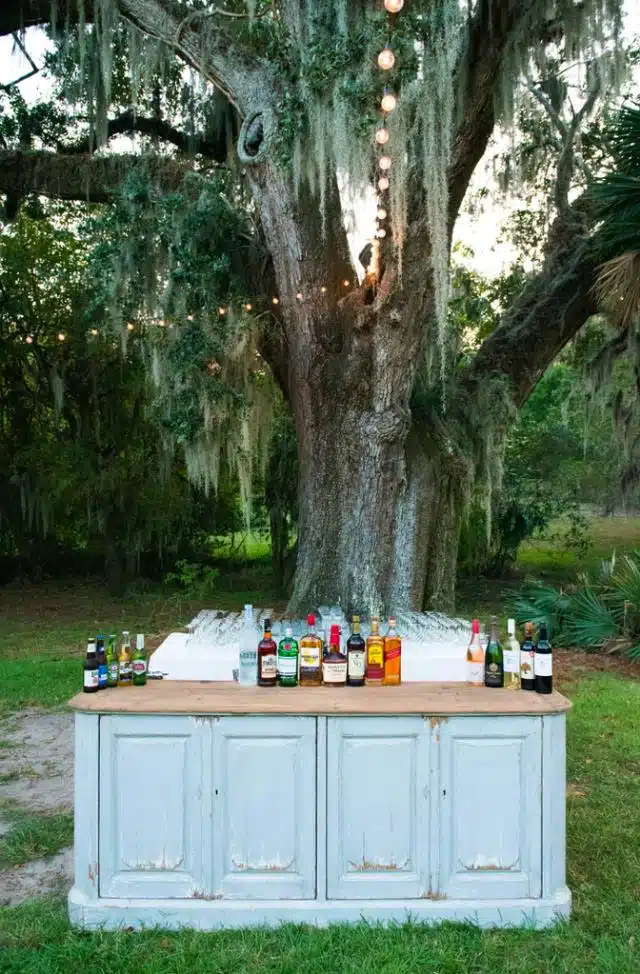
- Rustic: Reclaimed wood and matte hardware for barn weddings and outdoor, relaxed celebrations.
- Illuminated: Integrated LED elements for dramatic night events and high-impact photo moments.
- Modular: Scalable panels and connectors that adjust to footprint needs and allow easy repair or replacement.
Introductory EAV table: a quick comparison to match style, material, and features to your event needs.
This table clarifies how materials and modular features affect installation and visual goals. Choosing the right style will determine power needs, transport logistics, and protective measures for sensitive finishes.
How Do Modern, Rustic, and Illuminated Back-Bar Shelving Styles Differ?
Modern, rustic, and illuminated shelving vary by material choice, visual weight, and the mood they set. Modern units favor metal and acrylic with minimal detail for a clean silhouette—ideal for branded events and minimalist weddings. Rustic shelving uses reclaimed or distressed wood with industrial hardware to add warmth and a handcrafted feel, perfect for outdoor or barn settings. Illuminated units use LED strips, backlit panels, or halo effects to add depth and make label faces pop—especially useful for evening receptions and social-driven activations. In short: modern suits contemporary galas, rustic fits pastoral weddings, and illuminated units deliver drama for nighttime events.
Those stylistic distinctions lead into practical questions about modularity and setup that affect transport and on-site assembly.
What Are the Features of Modular and Portable Back-Bar Systems?
Modular and portable back-bar systems feature connector-based assembly, interchangeable panels, and transport-friendly footprints that speed setup and reduce shipping complexity. Benefits include easy scalability—add or remove bays to match guest counts—simple repairs through replaceable panels, and plug-and-play compatibility with lighting modules and branded facades. Planners should consider module assembly time, required tools, and weight limits for rigging or elevated installs. On-site checklist: verify connector inventory, test-fit modules before the event, and confirm access points for power and cable concealment to keep finishes clean.
Understanding modular features helps planners balance aesthetic goals with transport logistics and the technical infrastructure needed for lighting and branding attachments.
How Can Back-Bar Shelving Rentals Enhance Event Bar Design and Ambiance?
Back-bar shelving can turn a service area into a layered scenic element that anchors the bar and reinforces event ambiance through material choice, lighting, and curated display. Thoughtful shelving introduces depth with staggered shelf heights, mirrored or textured backs, and integrated points for floral or prop accents—creating intentional photo moments. Lighting strategies—warm tones for intimate evenings, cooler whites for modern galas, and accent LEDs to highlight bottles—shape mood and direct guest attention. Below are practical design techniques planners can apply to maximize both looks and service performance.
Design techniques to enhance ambiance:
- Layer heights: Mix shelf depths and heights to create visual hierarchy and guide the eye.
- Mirror & texture: Use mirrored backs or textured panels to add depth and reflect light for a fuller display.
- Strategic lighting: Combine under-shelf LED strips with directional spotlights to showcase hero bottles while avoiding glare.
- Branded touches: Add subtle signage or colored back panels to echo the event palette and highlight sponsors.
What Are Effective Lighting and Display Techniques for Back-Bar Shelving?
Good lighting balances bartender visibility with accent illumination that lifts bottle presentation and adds depth. For intimate receptions use warm 2700–3000K LEDs; for contemporary events choose 3500–4000K for clarity and contrast. Combine under-shelf strip lighting, low-angle uplights to avoid label glare, and small spotlights on hero bottles to balance utility and drama. For displays, apply the rule of thirds: group bottles in odd-numbered clusters, leave negative space to breathe, and position signature bottles at focal points. Practical limits include outdoor power availability, reflections from mirrors, and heat management for long LED runs.
Lighting setup checklist:
- Confirm power location and dimming capabilities at the venue.
- Test lighting angles to minimize label glare in photos.
- Layer task and accent lighting to balance bartender needs and visual impact.
When lighting and display are handled intentionally, the bar reads beautifully in person and in photos—raising perceived value and guest engagement. You may also find Coastal-Inspired Savannah Event Bar Rentals for Your Venue helpful.
How Does Back-Bar Shelving Contribute to Branding and Thematic Cohesion?
Back-bar shelving is prime real estate for branding and thematic detail. Custom facades, colored back panels, and integrated logo panels let the shelving function as a branded backdrop without hindering service ergonomics. For corporate events, matched color temperatures and clean typography reinforce brand presence; for weddings, monogram panels and floral accents personalize the space. Trackable metrics—social mentions and branded photo frequency—offer practical proof of how shelving choices amplify visibility and sponsorship value. Coordinate materials and lighting with the event palette so the bar reads as an integrated element rather than an afterthought.
Who Benefits Most from Luxury Back Bar Rentals in Upscale Beverage Service?

Luxury back-bar rentals deliver measurable value to several audiences—event planners, couples, and corporate hosts—by solving distinct pain points and improving both presentation and service efficiency. Planners get predictable logistics and flexible inventory; couples gain cohesive styling and picture-ready moments; corporate organizers secure brand-forward activation zones that support sponsors and product placement. The list below highlights audience-specific advantages and decision triggers to help each stakeholder evaluate rental options.
Audience-specific benefits:
- Event planners: Streamlined logistics, reliable delivery windows, and versatile inventory that reduce planning friction.
- Couples: Cohesive aesthetics, personalized finishes, and effortless photo moments that elevate the celebration.
- Corporate organizers: Brand consistency, sponsor-friendly surfaces, and polished presentation that bolster stakeholder confidence.
Across these use cases, Curated Events’ regional inventory and service model are designed to fulfill planner needs efficiently and stylishly.
What Advantages Do Event Planners Gain from Back-Bar Shelving Rentals?
Rentals simplify staging, provide consistent product quality across venues, and let planners propose elevated bar concepts without upfront capital. Practical advantages include inventory scalability—matching shelving to guest counts—and contingency support like spare panels and on-call technical help to reduce last-minute risk. A planner checklist for integrating back-bar shelving covers lead times, delivery and pickup windows, assembly crew needs, and power contingencies for illuminated units. When shelving choices are paired with staffing plans, design supports—rather than slows—service execution. Read more in How to Design a Cocktail Experience with Bars & Shelving.
Those operational efficiencies help planners deliver beautiful, reliable bar experiences that increase client satisfaction and generate repeat business.
When selecting a rental partner, planners favor companies with broad bar inventories and regional reach; Curated Events’ catalog and multi-market presence are built to support multi-site programs and reduce logistical headache.
How Do Brides, Grooms, and Corporate Organizers Use Back-Bar Shelving to Elevate Events?
Couples often use back-bar shelving to craft personalized focal points—monograms, floral accents, and warm lighting that match ceremony palettes and deliver photo-ready moments. A typical wedding approach pairs rustic or softly lit illuminated shelving with signature cocktail stations to encourage guest interaction and sharing. Corporate clients use branded facades, product-placement shelves, and clean modern units to highlight sponsors and enable demos. Two short examples: a seaside wedding selecting reclaimed-wood shelving with warm LEDs to echo driftwood décor, and a product launch using modular illuminated units to spotlight new SKUs for media photography. For more detail, see our article How Much Does an Open Bar at a Wedding Cost.
These examples show how shelving choices affect guest flow, photo backdrops, and the event’s visual story—helping you choose between aesthetic priorities and functional needs.
Both couples and corporate hosts benefit most from partners who offer on-site consultation and configurable inventory; Curated Events’ regional stock and design-first approach are built to meet those expectations.
What Are the Latest Trends in Event Bar Shelving Rentals for 2026?
Trends shaping back-bar shelving in 2026 focus on deeper personalization and practical tech integration—each giving planners new ways to balance look, cost, and guest engagement. Personalization appears as interchangeable panels, custom wraps, and curated bottle narratives. Tech trends range from programmable lighting scenes and QR-enabled inventory tags to AR photo filters tied to social campaigns. Below are the key trends and what they mean for planners.
2026 trend highlights:
- Personalization: Custom facades and curated selections foster guest connection and sponsor alignment.
- Technology: Programmable lighting, QR tracking, and AR activations raise engagement and operational visibility.
Introductory EAV table: a trend-to-planner mapping with ROI considerations and practical notes.
This snapshot helps planners weigh aesthetic impact against cost and operational complexity when adopting trend-driven options. Next, we look closer at personalization choices.
How Is Personalization Shaping Back-Bar Shelving Choices?
Personalization uses wraps, peel-on panels, and modular faceplates for last-minute branding. Trade-offs include higher up-front costs and longer lead times for custom finishes. Personalization checklist: lock artwork specs early, allow lead time for fabrication, and budget for proofing when exact color matching matters.
Balancing these considerations helps planners deliver memorable bars without sacrificing timelines or service quality.
What Technological Innovations Are Influencing Upscale Beverage Displays?
Technology in beverage displays now spans programmable LED systems for mood scenes, sensor-triggered accents for interactivity, QR-coded inventory tags for real-time tracking, and AR filters that boost social sharing. These tools offer measurable returns: programmable lighting can increase evening sales by improving visibility; QR inventory reduces restock errors and speeds reconciliation. Planner considerations include power access, wireless control reliability, and basic staff training for any new interfaces. Low-friction tech—dimmable LED drivers, pre-set lighting scenes, and simple QR tagging—delivers strong impact with limited complexity. See the latest pieces in our new arrivals.
Used thoughtfully, these innovations boost guest engagement and back-of-house efficiency so bars feel modern and function smoothly.
Curated Events focuses on keeping inventory current with design and tech trends while offering the regional reach and service support planners need. Our goal is to pair great-looking pieces with practical logistics so your bar performs on the day.
Frequently Asked Questions
What are the key considerations when selecting back-bar shelving for an event?
Choose shelving that fits the venue footprint, complements the event theme, and supports the beverages you’ll serve. Evaluate materials and finishes for durability and look, check capacity and assembly requirements, and confirm whether the unit includes integrated lighting. Also plan for delivery windows, setup time, and flexibility to adapt the layout as guest counts change.
What role does lighting play in enhancing back-bar shelving displays?
Lighting sets mood and highlights product. Use warm 2700–3000K for intimate settings and 3500–4000K for contemporary clarity. Under-shelf strips, low-angle uplights, and focused spotlights will make hero bottles pop while keeping glare off labels. Good lighting improves bartender visibility and makes the bar more photo-friendly—both important for guest experience and sales.
How can event planners ensure that back-bar shelving meets branding needs?
Incorporate customizable elements—logo panels, color-matched backdrops, and subtle branded facades—so the shelving supports brand messaging without getting in the way of service. Work with your rental partner early to confirm artwork specs, lead times, and installation details so the finished bar aligns with the broader event design.
What are some common mistakes to avoid when using back-bar shelving at events?
Avoid overcrowding shelves, which slows bartenders and overwhelms guests. Don’t neglect sightlines—key bottles should be visible at eye level—and plan lighting to prevent label glare. Finally, ensure the shelving style ties into the overall theme so the bar reads as an integrated element, not an afterthought.
How can technology enhance the functionality of back-bar shelving?
Simple tech—programmable LEDs, QR inventory tags, and pre-set lighting scenes—can make a big difference. QR tags speed restocking and reconciliation, while programmable lighting creates mood and improves photography. Keep tech choices pragmatic: verify power, control interfaces, and provide quick staff training to avoid surprises on event day.
Conclusion
Luxury back-bar rentals marry form and function: the right shelving elevates presentation, speeds service, and creates lasting visual moments for guests. By choosing designer shelving that fits your aesthetic, staffing plan, and technical needs, you can amplify brand presence, streamline operations, and create a bar that’s both beautiful and reliable. Ready to transform your bar into a curated focal point? Explore our range of designer back-bar shelving rentals and let’s build something memorable. Curated Events has eight showrooms; find your nearest location.