
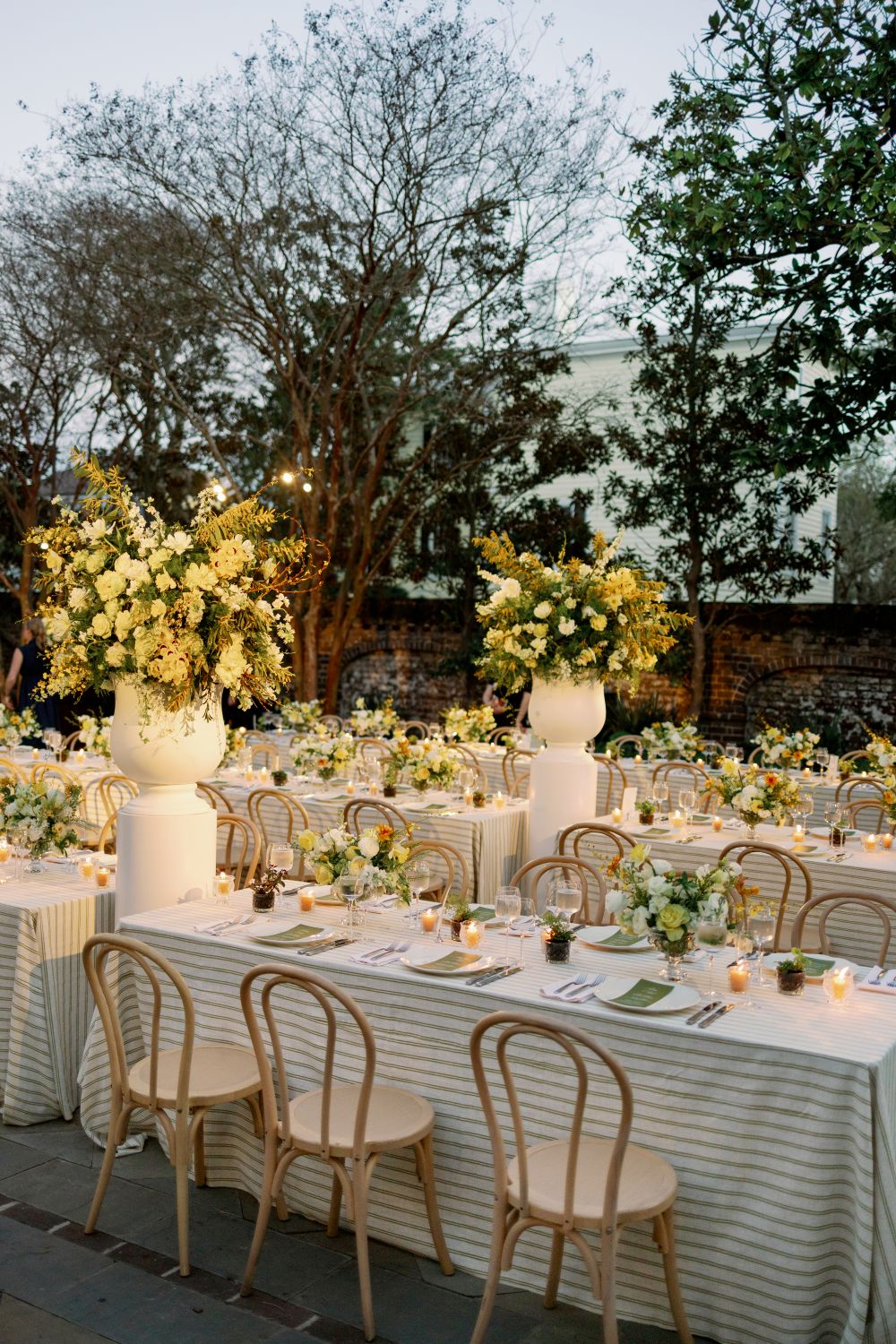
Planning a summer event in Raleigh requires more than choosing a tent style and waiting for event week. Because summer is one of the busiest seasons for outdoor weddings, corporate gatherings, private parties, festivals, and community events, tent rental timing can determine how many options are available, how smoothly vendors coordinate, and how prepared the event is for heat, rain, wind, and changing site conditions.
A clear booking timeline helps you secure the right tent size, tent style, accessories, delivery window, installation crew, and final layout before peak-season availability becomes limited. It also gives rental providers, venues, caterers, AV teams, planners, and other vendors enough time to coordinate around the tent installation.
This guide explains when to book tent rentals for Raleigh summer events, what to confirm at each stage, and how Curated Events can help clients manage the rental timeline from early planning through event day.
Why Is a Tent Rental Booking Timeline Important for Raleigh Summer Events?
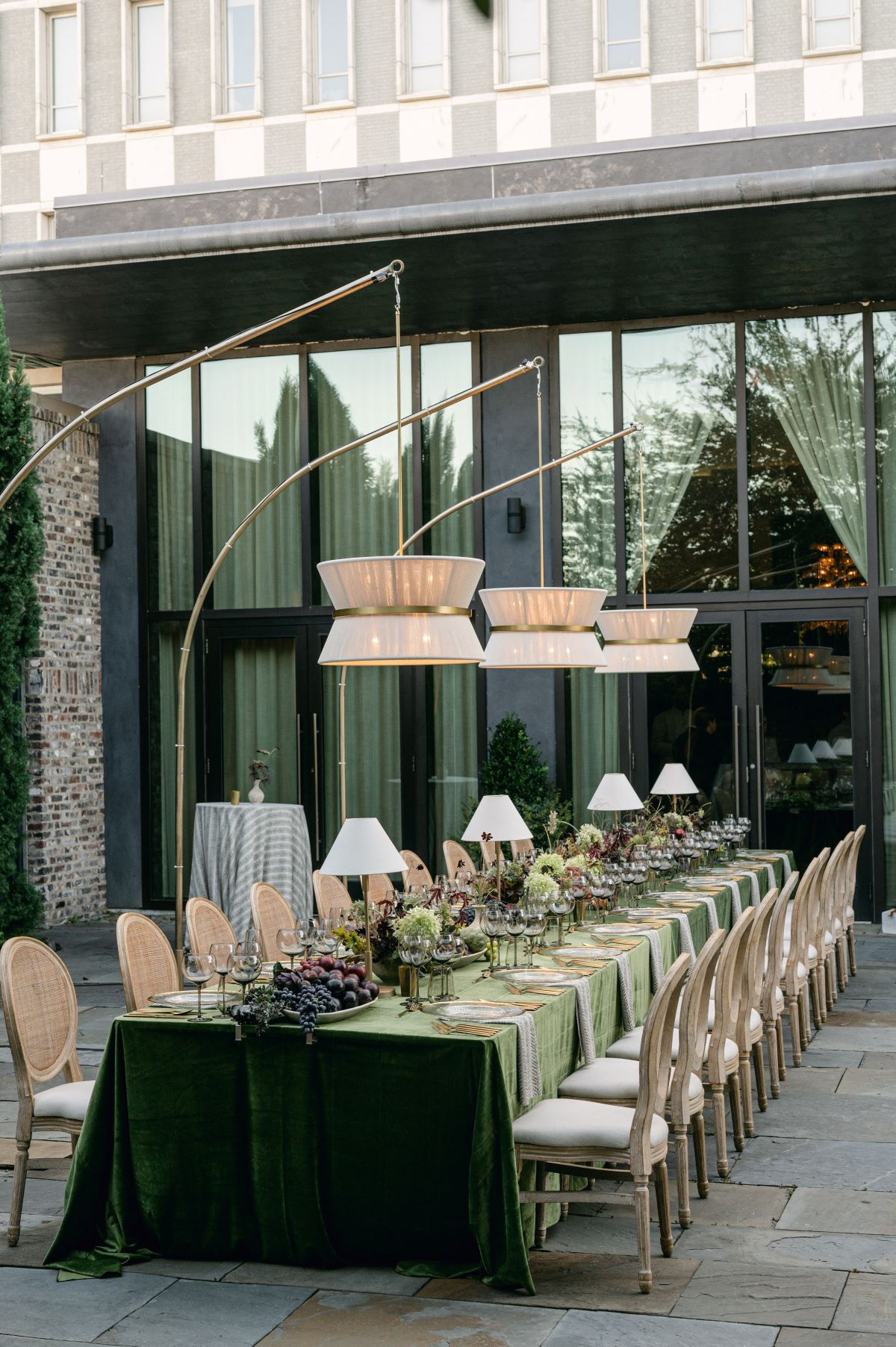
A tent rental timeline gives structure to the planning process. Instead of waiting until the final weeks to confirm equipment, clients can make major decisions early, adjust details in the middle of the process, and use the final weeks for confirmation rather than problem-solving.
Peak Summer Demand Can Limit Tent Availability
Raleigh’s summer event season creates high demand for tents, flooring, lighting, sidewalls, fans, tables, chairs, and installation crews. Weddings, graduation events, corporate gatherings, festivals, fundraisers, and private parties often compete for the same rental inventory during peak weekends.
If you wait too long, your preferred tent size, style, or installation window may no longer be available. This can force compromises in layout, event design, guest comfort, or setup timing. Early booking protects access to the tent structure and related rentals that best fit the event.
Early Booking Protects Layout, Comfort, and Vendor Coordination
Tent rentals affect nearly every part of an outdoor event. The tent location determines where guests enter, where caterers serve, where lighting is installed, where tables are placed, and how vendors move through the site.
Early booking allows the rental provider to confirm the right size and plan for important details such as sidewalls, flooring, lighting, climate control, staging, dance floors, catering access, emergency routes, and power needs. It also gives other vendors enough time to coordinate their equipment and staffing around the tent setup.
12 Months Before the Event: Start Planning for Large or Complex Events
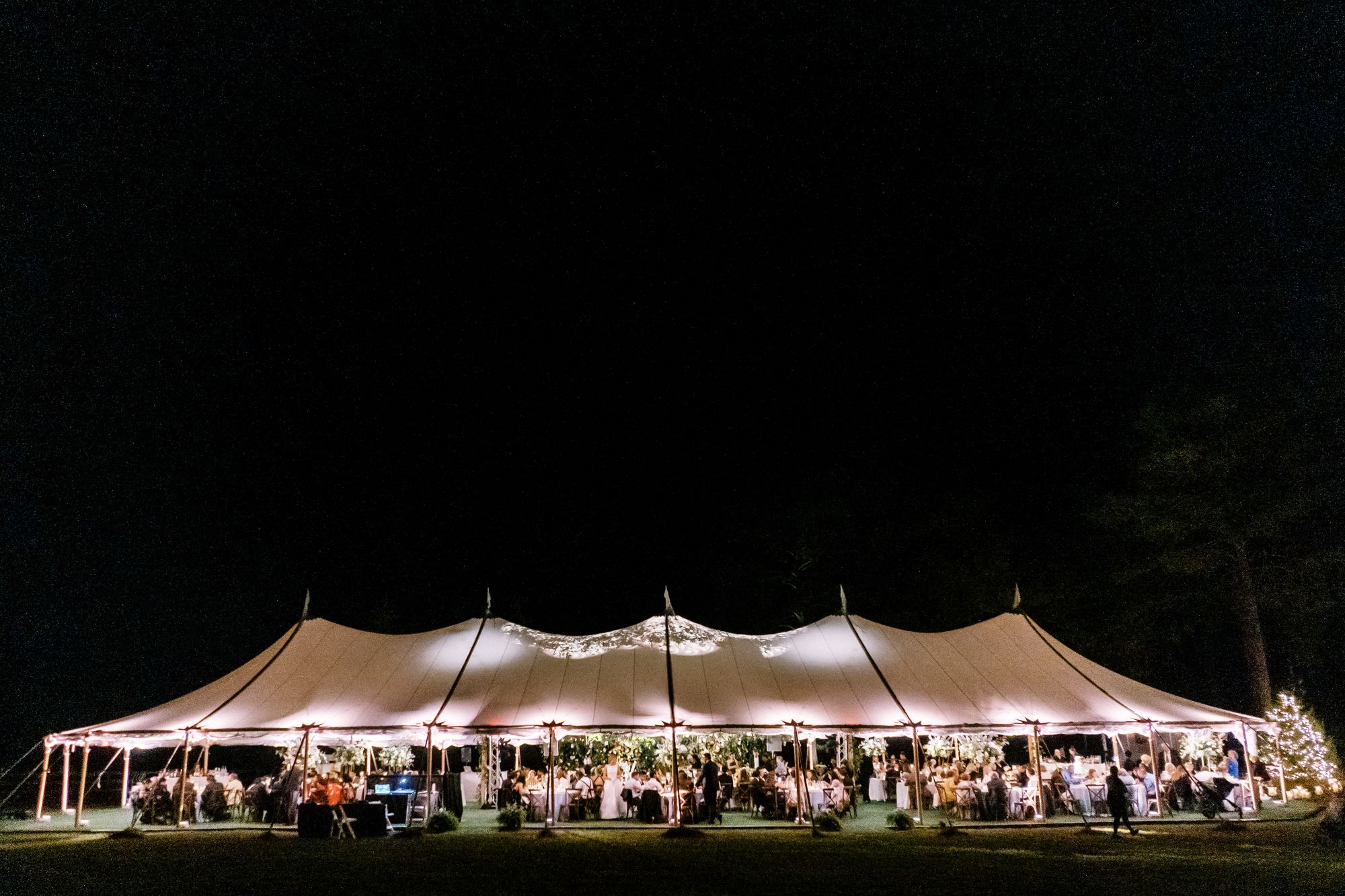
Not every event requires a full year of planning, but larger or more complex summer events should begin early. This is especially important when the event involves a large guest count, premium tent style, multiple rental categories, a custom layout, or a venue with strict installation rules.
Identify the Event Date, Venue, and Estimated Guest Count
At the 12-month stage, the goal is to define the event’s basic parameters. Confirm the preferred date, venue, estimated guest count, and event type. These details determine the initial tent size range and whether the event will require a standard tent installation or a more detailed rental plan.
Large weddings, corporate galas, festivals, private estate events, and community events often benefit from this early planning window. Even if exact guest counts are not final, a working estimate gives the rental provider enough information to begin discussing tent options and possible layout requirements.
Determine Whether the Event Requires a Standard or Custom Tent Setup
Some events need only a simple tent, while others require a more involved installation. Early planning helps identify which category your event falls into.
A custom or complex setup may involve multiple tents, tent connections, flooring, staging, generators, AV production, chandeliers, climate control, specialty lighting, custom entry points, or difficult site access. Events on sloped lawns, hardscape surfaces, rooftops, private estates, or public spaces may also need additional planning time.
If these factors apply, beginning 12 months ahead gives you more time to evaluate site conditions, request quotes, compare options, and reserve preferred inventory before the busiest part of the season.
6–9 Months Before the Event: Reserve Your Tent for Peak Raleigh Summer Dates
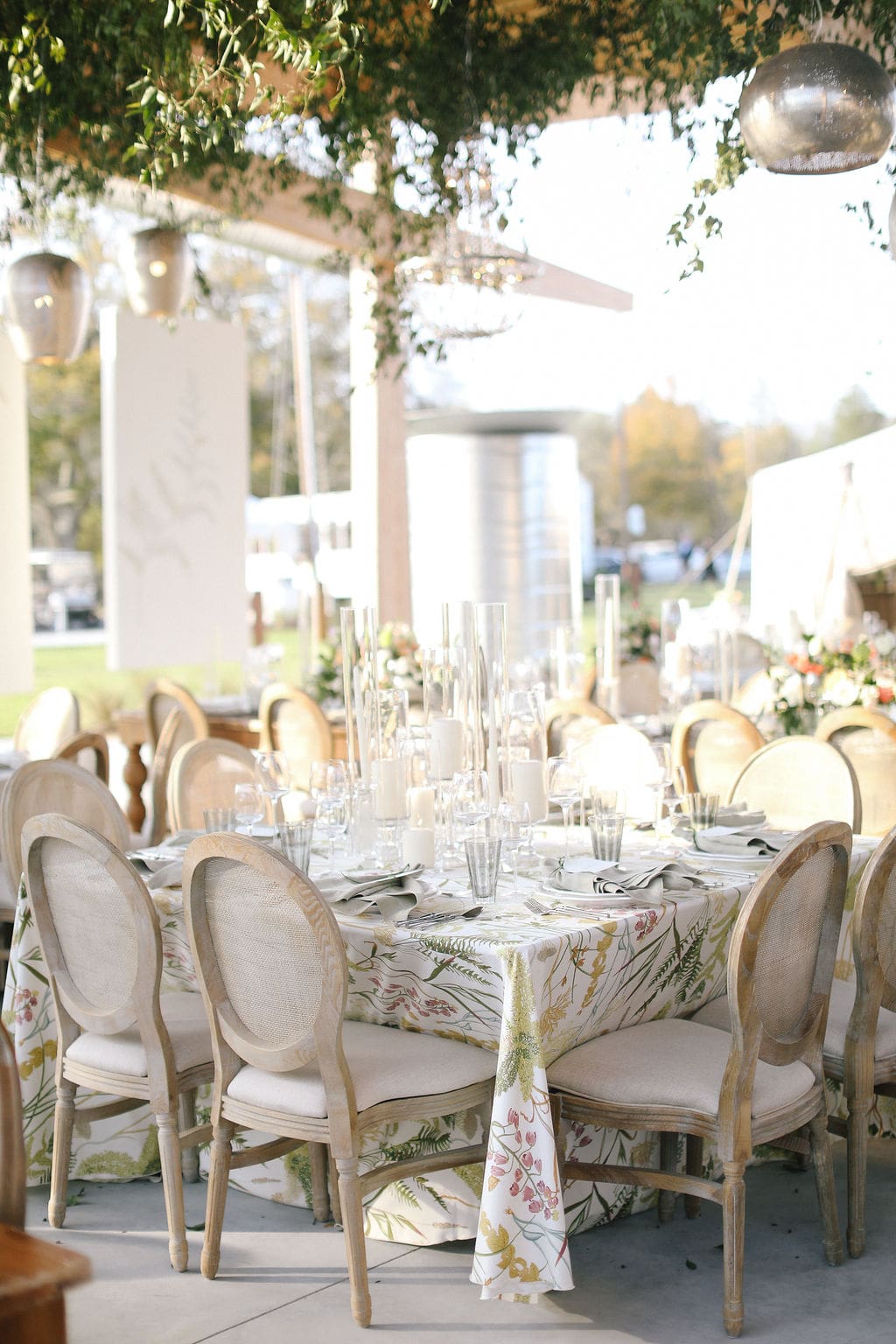
For most weddings, large events, peak summer weekends, and customized outdoor setups, the strongest booking window is 6–9 months before the event. This is when you should move from early planning to reservation.
Secure Preferred Tent Style and Inventory
At this stage, reserve the tent style and general size needed for your event. Waiting until closer to the event date may reduce access to preferred options, especially for popular Raleigh summer weekends.
Tent style affects both appearance and function. Depending on the event, the rental provider may recommend a frame tent, pole tent, clear top tent, sailcloth tent, structure tent, or another option. The right choice depends on guest count, venue surface, event style, layout needs, and weather expectations.
Booking 6–9 months ahead helps preserve access to the tent style, size, and installation schedule that best support the event.
Share Preliminary Site and Layout Details
When requesting availability or reserving a tent, provide the rental company with enough information to make an accurate recommendation. Useful details include:
- Event date
- Venue address
- Estimated guest count
- Event type
- Preferred tent style
- General seating plan
- Dining, dancing, or stage needs
- Caterer or service requirements
- Known access restrictions
- Whether the event is on grass, pavement, or another surface
If available, share a venue diagram, site map, or measurements. These details help the rental team evaluate tent placement, delivery access, and potential installation challenges.
Request an Initial Quote and Availability Confirmation
The 6–9 month stage is also the right time to request an initial quote. The quote should identify the tent type, estimated size, rental period, delivery expectations, installation labor, and any recommended accessories.
Ask the rental company to confirm availability in writing. If your event falls on a holiday weekend, popular wedding weekend, or busy event date, written confirmation helps avoid misunderstandings and gives you a clearer basis for planning the rest of the event.
4–6 Months Before the Event: Confirm Tent Size, Style, and Site Requirements
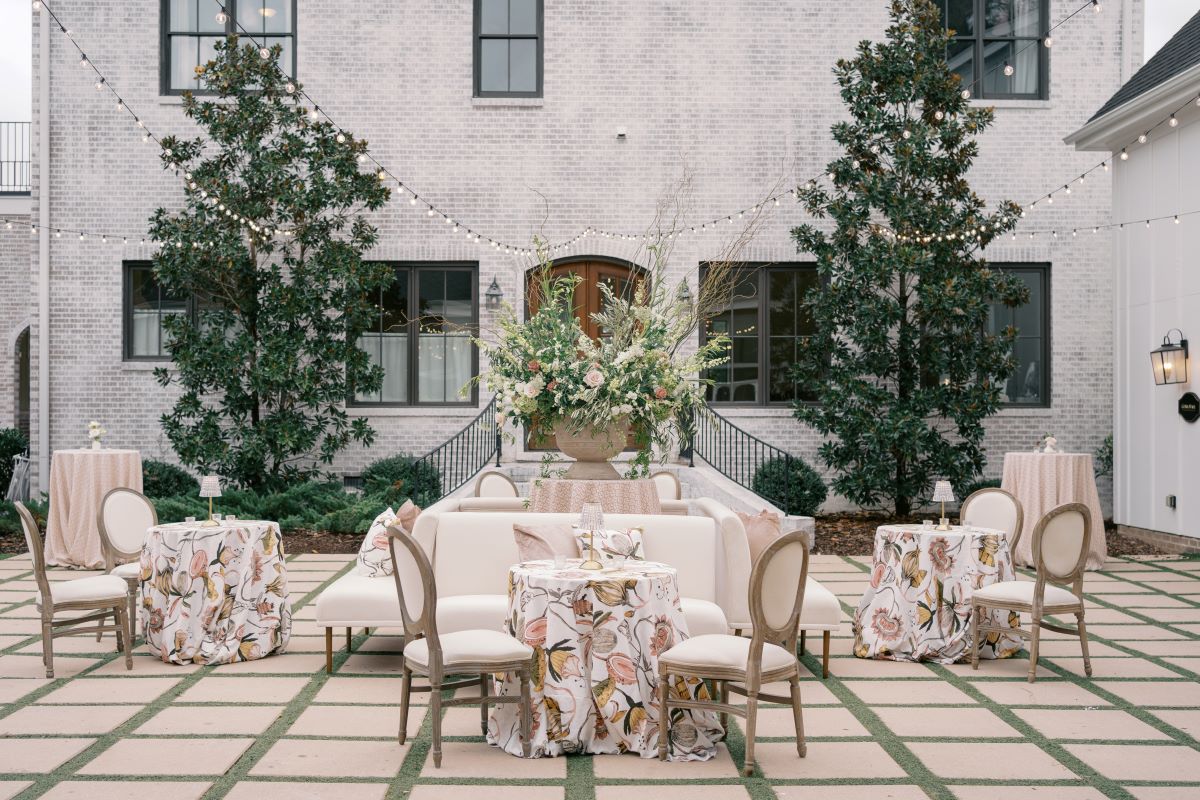
Once the tent is reserved, the next stage is confirming whether the planned setup works with the actual event site. This window is the right time for site review, accessory decisions, and permit discussions.
Schedule a Site Visit With the Rental Provider
A site visit is one of the most important steps in the booking timeline. During the visit, the rental provider can evaluate the installation area and confirm whether the selected tent is appropriate for the site.
The site review should consider:
- Ground slope
- Drainage
- Grass, pavement, concrete, or gravel surfaces
- Delivery truck access
- Load-in paths
- Overhead trees or wires
- Underground utilities
- Nearby buildings
- Wind exposure
- Guest entry points
- Emergency access
- Vendor service routes
A site visit helps prevent last-minute installation problems and allows the rental team to recommend any adjustments before final details are locked.
Finalize Major Tent Accessories
At the 4–6 month stage, begin confirming the major rental items that directly affect the tent installation. These may include flooring, sidewalls, lighting, fans, temporary cooling, heating, staging, dance floors, and generators.
These items should not be treated as last-minute add-ons. Flooring affects installation timing. Lighting may require power planning. Sidewalls may affect airflow and guest comfort. Fans or cooling equipment may need dedicated placement. Staging and AV needs may affect the tent layout.
Confirming these accessories early helps ensure they are available and coordinated with the main tent rental.
Review Permit and Venue Requirements
Some tent installations may require permits, inspections, insurance documents, engineered plans, or venue approvals. Requirements can vary based on tent size, event location, surface type, public access, and local rules.
By reviewing permit and venue requirements 4–6 months ahead, clients have enough time to gather documentation, schedule inspections, and resolve approval issues before the final planning period.
3–4 Months Before the Event: Coordinate Vendors and Technical Requirements

At 3–4 months before the event, the focus should shift toward vendor coordination. The tent layout must support catering, entertainment, lighting, AV, guest movement, and service access.
Confirm Catering, AV, Lighting, and Power Needs
Vendors should share their technical and space requirements during this stage. Caterers may need prep areas, buffet lines, service corridors, or covered staging zones. AV teams may need power, rigging locations, speaker placement, or a stage. Lighting providers may need mounting points, cable routes, and electrical access.
Power planning is especially important. Confirm whether the venue has enough electrical capacity or whether generators will be required. If multiple vendors need power, those requirements should be documented and shared with the rental team.
Create a Draft Site Plan
A draft site plan helps vendors understand how the tented event will function. The plan should show the tentative placement of major event elements, including:
- Tent location
- Guest seating
- Dance floor
- Stage or DJ area
- Bars
- Buffet or catering stations
- Restrooms
- Lounge areas
- Emergency exits
- Vendor load-in paths
- Power or generator locations
This draft does not need to be final, but it should be accurate enough for vendors to review and raise concerns.
Identify Any Changes Before Final Counts Are Due
The 3–4 month window is the right time to identify major changes before they become expensive or difficult to manage. If the guest count has grown, the layout has changed, or the event now requires additional covered space, communicate that to the rental company as early as possible.
Major changes made late in the process may affect inventory availability, delivery timing, labor needs, and pricing.
1–2 Months Before the Event: Finalize Rental Counts and Installation Details

The final one to two months should be used to confirm details, not make foundational decisions. By this stage, the tent should already be reserved, the site should be reviewed, and major vendors should understand the layout. You may also find The Ultimate Guide to Luxury Tent Rentals for Memorable Outdoor Celebrations helpful.
Confirm Guest Count and Seating Layout
Use the latest guest count to finalize the seating layout and rental quantities. This may include tables, chairs, linens, place settings, sidewalls, flooring, lounge furniture, and other items connected to the tented area.
If the event includes a seated dinner, confirm table quantities and spacing. If it includes a cocktail reception, confirm standing room, bars, high-top tables, and lounge areas. If the event includes dancing or entertainment, confirm the dance floor or stage dimensions.
Finalize Delivery, Setup, and Takedown Windows
Installation timing is a critical part of the rental timeline. Confirm when the venue allows access, when the tent crew will arrive, when installation must be complete, and when teardown can begin.
Also confirm how the tent installation fits with other vendor schedules. In many cases, tents, flooring, staging, and major power infrastructure must be installed before florals, décor, catering equipment, or AV details can be placed.
Important timing details include:
- Venue access window
- Tent installation start time
- Tent completion deadline
- Vendor load-in sequence
- Guest arrival time
- Event end time
- Takedown start time
- Venue clearance deadline
- Any after-hours labor charges
Distribute the Final Site Plan to Vendors
Once the layout is final, distribute the site plan to the venue, planner, caterer, rental team, lighting provider, florist, entertainment team, AV provider, and any other relevant vendors.
Everyone should work from the same version of the plan. This reduces the risk of conflicting setups, blocked access points, misplaced equipment, or last-minute layout confusion.
1 Week Before the Event: Reconfirm the Tent Rental Plan

One week before the event, the focus should be confirmation. The main decisions should already be made. This stage is about checking the contract, reviewing weather, confirming communication channels, and preparing for setup.
Review the Contract and Equipment List
Compare the final rental agreement with the event plan. Confirm that the contract includes the correct tent size, tent style, accessories, delivery date, setup time, takedown time, rental duration, labor details, and any additional items such as sidewalls, flooring, lighting, or fans.
If anything is unclear, resolve it before installation day.
Confirm Weather Contingency Decisions
Raleigh summer weather can change quickly, so review the forecast and confirm any weather-related rentals or setup adjustments. This may include sidewalls, fans, flooring protection, additional tent coverage, covered walkways, or changes to guest arrival routes. You may also find How to Keep Guests Cool Under a Tent at Raleigh Summer Events helpful.
Weather plans should be practical and time-specific. Confirm when decisions must be made and who has authority to approve changes.
Assign One On-Site Point of Contact
Designate one person to communicate with the rental company during installation and event day. This may be the planner, venue manager, event producer, or client representative.
The point of contact should understand the layout, have authority to approve small adjustments, and be available by phone during delivery, setup, event hours, and teardown.
Event Day: Complete the Final Tent Walkthrough
On event day, the tent should be inspected before guests arrive. The walkthrough should confirm that the installation matches the plan and that key safety and access points are clear.
Inspect Placement, Anchoring, Access, and Safety
Walk through the site with the rental lead, planner, or venue representative. Check that the tent is placed correctly and that all major elements are installed as expected.
Review the following:
- Tent placement
- Anchoring or ballast
- Sidewalls
- Flooring
- Lighting
- Power access
- Fans or climate control
- Stage or dance floor placement
- Guest pathways
- Catering access
- Emergency exits
- Fire extinguishers or safety equipment
- Clear vendor routes
If anything needs adjustment, address it before guests arrive.
Keep Communication Open During Setup
Small adjustments may be necessary on event day, especially for outdoor events. Any changes should go through the designated point of contact so vendors receive clear direction and the setup remains organized.
Keep the event timeline and vendor contact list accessible throughout the day.
How Booking Timelines Differ for Weddings, Corporate Events, and Private Parties

Different event types require different booking windows. The more complex the layout, guest experience, or vendor coordination, the earlier the tent should be reserved.
Weddings: Book 6–9 Months in Advance
Weddings usually require longer lead times because they involve detailed layouts, guest seating, florals, lighting, catering, entertainment, photography, and décor. For Raleigh summer weddings, booking 6–9 months ahead is recommended, especially for peak weekends or larger receptions.
This window gives couples enough time to confirm the tent structure, refine the layout, schedule site visits, and coordinate accessories such as flooring, lighting, sidewalls, and fans.
Corporate Events: Book 3–6 Months in Advance
Corporate events may have more standardized layouts, but they still require advance planning. For meetings, employee celebrations, client receptions, product activations, or branded outdoor events, booking 3–6 months ahead is a practical target.
Larger corporate events, events with staging or AV needs, and events tied to fixed launch dates should book earlier to secure the right setup and installation schedule.
Private Parties: Book 3–6 Months in Advance When Possible
Smaller private parties may allow more flexibility, but Raleigh summer weekends can still fill quickly. Booking 3–6 months in advance gives hosts better access to tent sizes, accessories, and setup times.
If the event is informal and the date is flexible, shorter timelines may be possible. However, early booking is still the safer option during peak season.
How Curated Events Helps Clients Manage the Tent Rental Timeline
Curated Events can support Raleigh clients by helping them manage tent rental timing, availability, accessory planning, site coordination, and setup logistics.
Early Planning and Quote Support
During the early planning stage, Curated Events can help clients estimate tent needs based on event date, location, guest count, and layout goals. The team can review available options, recommend appropriate tent styles, and prepare an initial quote.
This early support helps clients understand what is realistic for their venue, timeline, and budget.
Site Visit and Layout Coordination
Curated Events can assist with site visits and layout planning to confirm tent placement, access requirements, accessory needs, and installation feasibility.
This coordination helps ensure that the tent works with the event’s seating plan, catering routes, entertainment setup, lighting needs, and guest flow.
Final Confirmation and Setup Support
As the event approaches, Curated Events can help confirm delivery windows, installation timing, rental counts, and setup details. Having a coordinated rental partner reduces the risk of miscommunication between vendors and supports a smoother event-day setup. Ready to plan? Request a quote from Curated Events Raleigh.
Frequently Asked Questions
When should I book a tent for a Raleigh summer wedding?
For a Raleigh summer wedding, book the tent 6–9 months in advance when possible. This is especially important for peak weekends, larger guest counts, custom layouts, or events requiring flooring, lighting, sidewalls, or climate control.
Is 3 months enough time to book a tent rental?
Three months may be enough for smaller or more flexible events, but options can be limited during peak summer season. If your event has a fixed date, large guest count, or specific tent style in mind, booking earlier is strongly recommended.
When should I schedule a site visit?
Schedule a site visit 4–6 months before the event, after initial tent availability is confirmed. This gives the rental provider time to evaluate ground conditions, access, utilities, anchoring needs, and placement options.
When should I finalize guest count and rental quantities?
Final guest count and rental quantities are typically confirmed 1–2 months before the event, depending on the rental provider’s contract terms. This is when tables, chairs, linens, sidewalls, flooring, and other related rentals should be adjusted to match the final plan.
When should I confirm weather-related rentals?
Discuss weather-related rentals early in the planning process, especially for summer events. Reconfirm items such as sidewalls, fans, flooring, rain protection, and contingency equipment during the final month and again one week before the event.
Conclusion
A successful Raleigh summer event depends on more than reserving a tent. It requires a clear booking timeline that protects availability, supports vendor coordination, and gives the rental team enough time to prepare for the site, weather, guest count, and event layout.
For large or complex events, planning may begin up to 12 months ahead. For weddings, peak dates, and customized outdoor setups, tents should generally be reserved 6–9 months in advance. Smaller corporate events and private parties may be able to book 3–6 months ahead, but earlier is always safer during the summer season. Final counts, rental details, delivery windows, and installation plans should be confirmed 1–2 months before the event, with a final review one week before event day.
Curated Events helps Raleigh clients manage this timeline with rental guidance, quote support, site coordination, accessory planning, and setup assistance. By starting early and following a structured booking schedule, you can secure the right tent rental and create a smoother, more reliable event experience.