
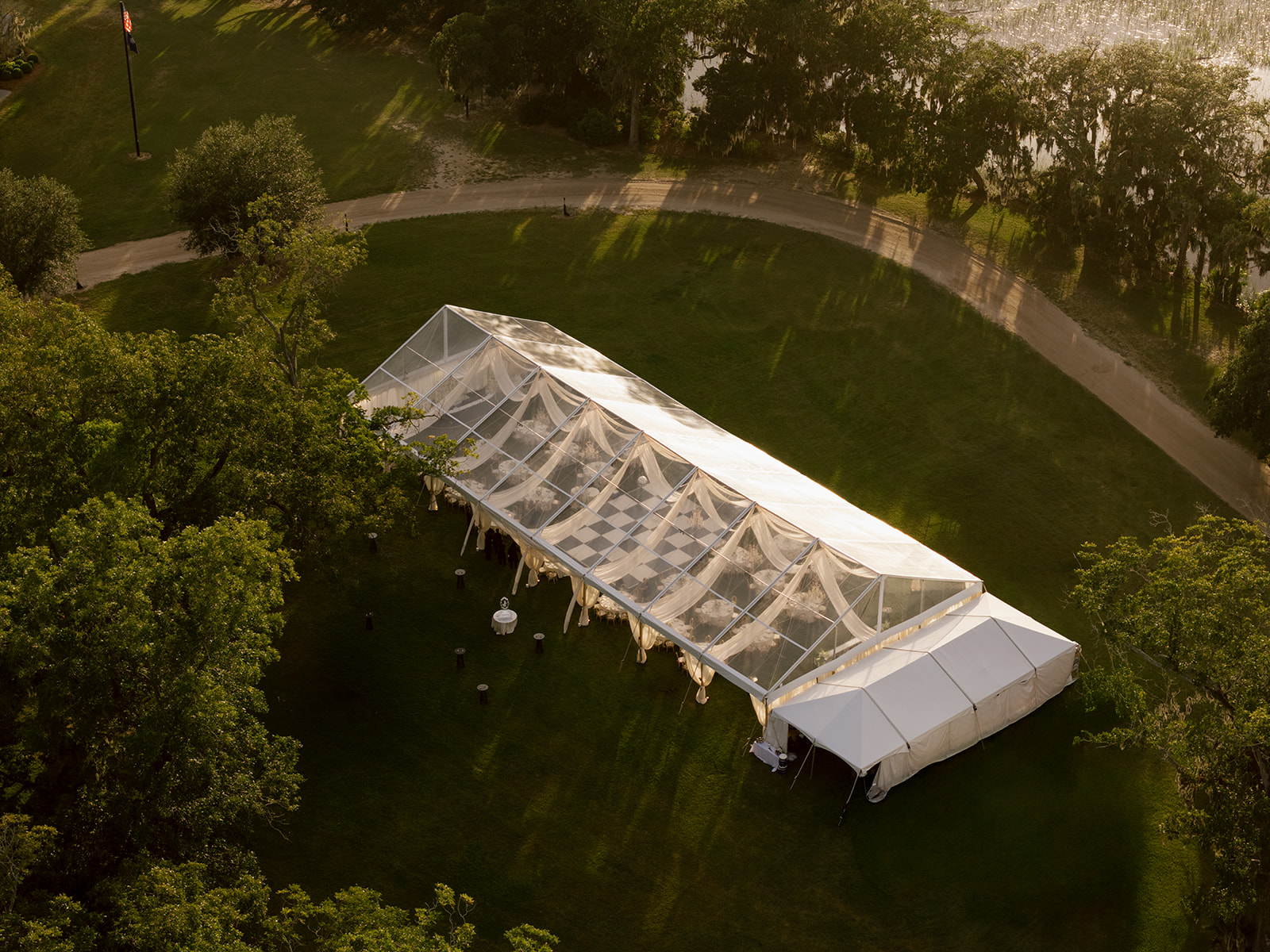
Outdoor events in Raleigh can be beautiful, memorable, and highly flexible, but summer weather requires careful planning. Heat, humidity, sudden rain, and fast-moving thunderstorms can affect guest comfort, vendor operations, equipment safety, and the overall flow of an event. For weddings, corporate gatherings, festivals, and private celebrations, a tent is not just a backup feature; it is a core part of the event infrastructure.
Effective tent rental weather planning starts well before installation day. The right approach considers the venue, guest count, event schedule, forecast, surface conditions, and available contingency options. A well-selected tent can provide shade, shelter, airflow, and protection for key event areas, while accessories such as sidewalls, flooring, fans, lighting, and covered walkways can further improve comfort and functionality.
This guide outlines how to prepare for Raleigh’s summer weather when planning an outdoor event. It covers local weather risks, tent selection, site preparation, guest comfort, contingency planning, and booking best practices. With the right rental strategy and support from an experienced event partner, you can reduce weather-related risk while preserving the design, atmosphere, and guest experience of your event.
Choose the Right Tent Style for the Forecast and Venue
Once you understand the likely weather risks, the next step is choosing a tent style that fits the venue, guest experience, and seasonal conditions. Different tents offer different advantages for layout, stability, appearance, and weather protection. The best choice depends on the event format, surface type, expected guest count, and how much flexibility you need if the forecast changes.
A rental provider can help assess the site and recommend the right tent structure, but it is helpful to understand the primary options before making a decision.
Frame Tents
Frame tents are one of the most versatile options for outdoor events because they can be installed on a variety of surfaces, including grass, pavement, patios, and uneven ground when properly secured. Since they do not require center poles, they provide more open interior space for seating, dance floors, stages, bars, buffet stations, and guest circulation.
For Raleigh summer events, frame tents are often a strong choice when weather flexibility is a priority. Their structure can support sidewalls, lighting, fans, and other accessories, making it easier to adapt the space for rain, wind, or heat. They are also useful for events with complex layouts because the open interior allows more freedom in floor-plan design.
Pole Tents
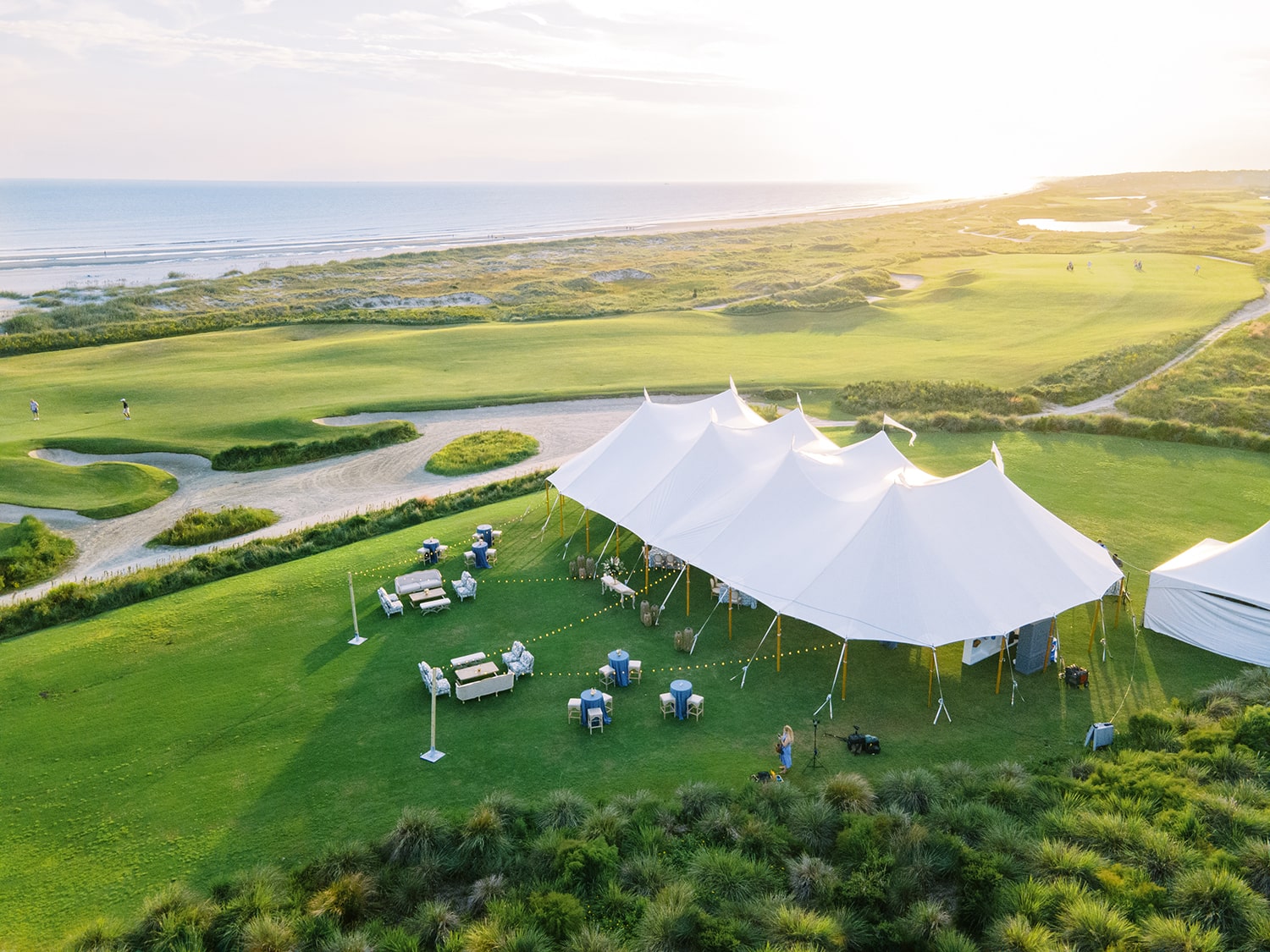
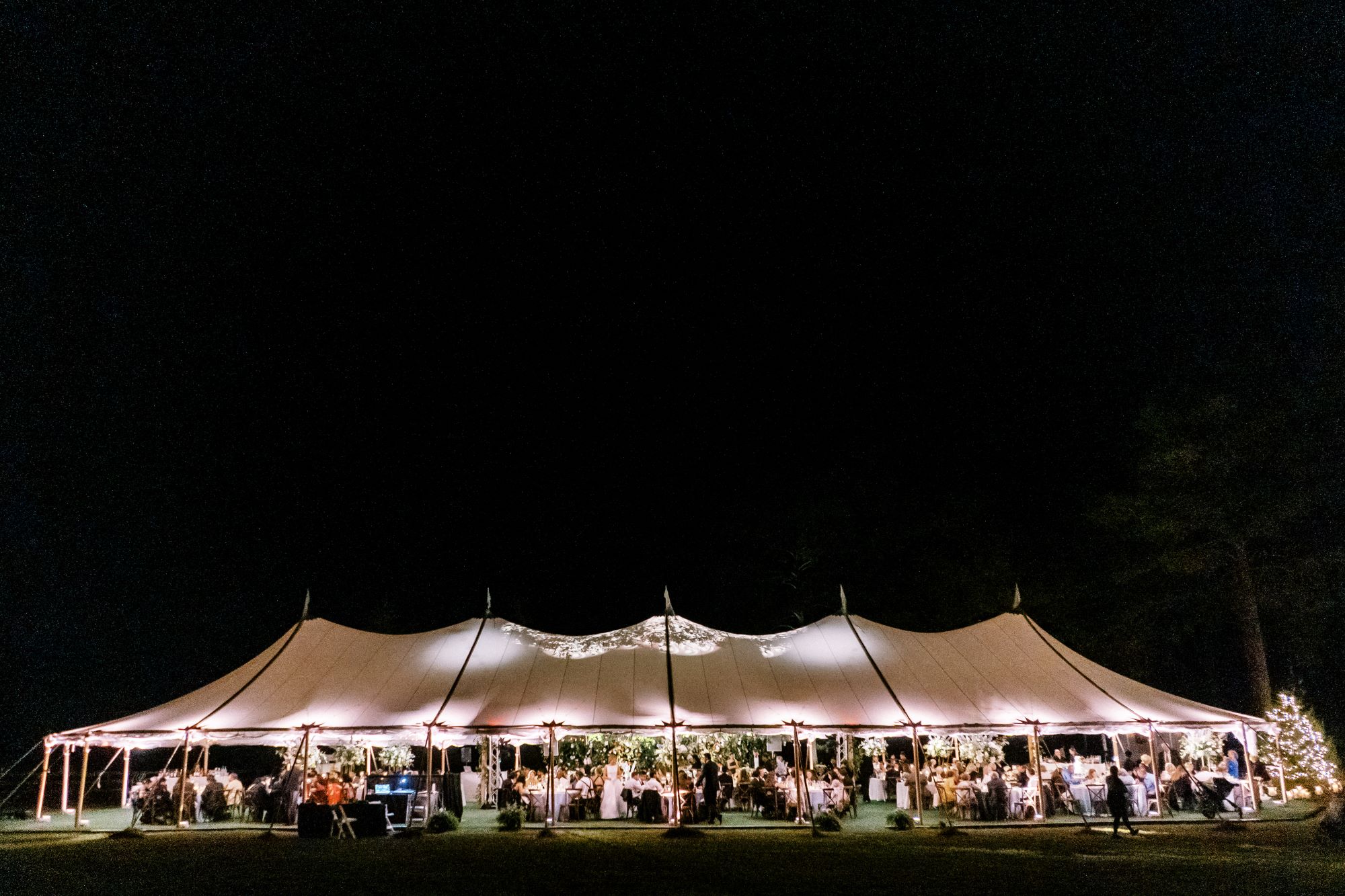
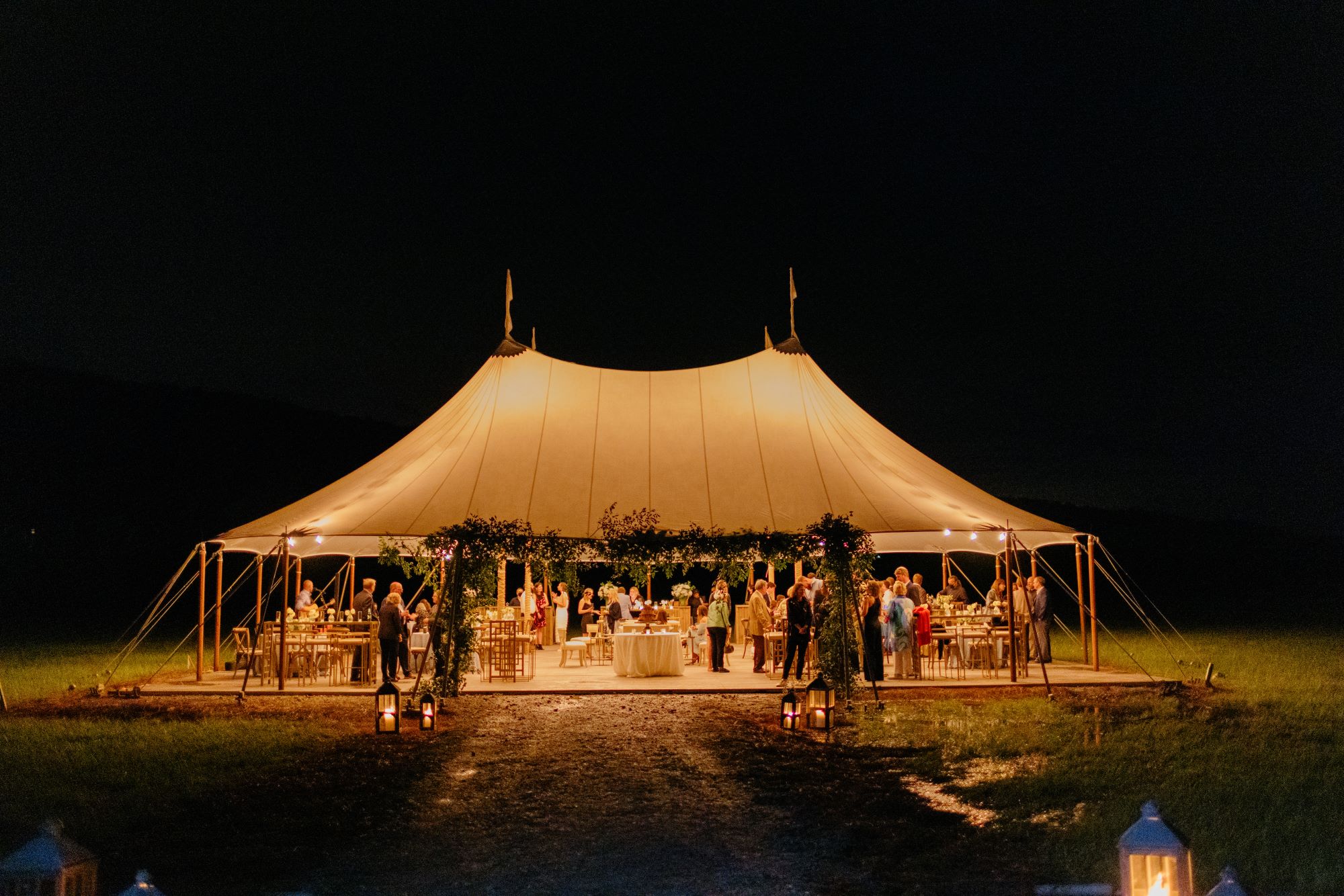
Pole tents are known for their classic, elegant appearance. Their high peaks and sweeping lines make them especially popular for weddings, formal gatherings, and large outdoor celebrations. They work well on lawns and open spaces where staking is permitted and there is enough room for the tent footprint, center poles, and perimeter anchoring.
Because pole tents rely on tension and staking, they are more site-dependent than frame tents. They usually require a larger setup area, and the center poles must be considered when designing the layout. These poles can add visual character, but they may affect sightlines, seating arrangements, staging, or dance-floor placement.
Clear-Top Tents
Clear-top tents create a distinctive event atmosphere by allowing natural light, evening sky views, and surrounding scenery to remain visible. They are often selected for upscale receptions, scenic venues, and evening events where visual impact is a priority.
For summer events, the main consideration is heat. Clear tent materials can increase sun exposure and trap warmth during daytime events, especially in direct sunlight. If a clear-top tent is used for a daytime or early afternoon event, climate planning becomes especially important. Fans, ventilation, shaded guest areas, and careful event timing may be needed to maintain comfort.
Clear-top tents are often best suited for evening events or shaded sites where the aesthetic benefit can be achieved without creating unnecessary heat buildup. Ask your rental provider about UV protection, material quality, ventilation options, and whether the tent is appropriate for the event schedule.
Plan Tent Size, Layout, and Guest Comfort
After selecting the tent style, the next priority is determining the right size and layout. A tent should not simply fit the guest count; it should support the full event experience, including seating, service areas, entertainment, movement, accessibility, and weather-related adjustments.
A well-planned layout helps guests move comfortably, allows vendors to work efficiently, and gives the event team more flexibility if rain, wind, or heat affects the original plan.
Estimate Space Based on Event Format
Tent sizing should begin with the event format. A seated dinner requires more space per guest than a cocktail-style reception, and both require additional room for operational elements such as bars, buffets, catering stations, staging, dance floors, registration tables, lounge areas, and AV equipment.
As a general guideline, plan for approximately:
These estimates should be treated as a starting point, not a final calculation. Staff, vendors, performers, and production teams also need space, and weather planning may require extra room for protected equipment, covered walkways, or temporary guest shelter.
When in doubt, it is usually better to allow more space than to create a layout that feels crowded or difficult to adjust.
Design for Airflow and Movement
Airflow is especially important for summer events in Raleigh. A tent that technically fits the guest count may still feel uncomfortable if seating is too dense, service areas are congested, or openings do not allow air to circulate.
To improve comfort, plan wide aisles, avoid overloading the tent with furniture, and place bars, buffets, and guest-service stations where they will not block movement. If possible, orient tent openings to take advantage of natural breezes while still protecting guests from direct sun or rain.
The layout should also include clear emergency exits, accessible pathways, and logical routes between key areas such as parking, restrooms, catering, ceremony spaces, and reception areas. If multiple tents are used, covered connectors or clearly marked paths can help guests move safely during rain.
Add Climate-Control Features
Climate-control accessories can make a major difference in guest comfort. For warm-weather events, fans, ventilation systems, portable air conditioning, misting systems, and shaded lounge areas can help manage heat. For evening events or unexpected temperature drops, safe heating options may be appropriate.
The best climate-control plan depends on the tent type, guest count, power availability, event time, and site conditions. For example, a clear-top tent may require more cooling support than a traditional vinyl tent during the day. A tent with sidewalls may protect against rain but may also need additional ventilation to prevent the interior from feeling stagnant.
Prepare the Site Before Installation Day
A weather-ready tent depends on more than the tent itself. The installation site must support safe anchoring, stable flooring, efficient vendor access, and practical guest movement. Before installation day, review the venue conditions with your rental provider so potential issues can be addressed before equipment arrives.
Site preparation is especially important for Raleigh summer events because heavy rain, heat, and changing ground conditions can affect both setup and guest experience. A flat lawn may work well in dry weather but become soft or muddy after rain. A paved surface may simplify access but require a different anchoring method. Early review gives the event team time to plan around these variables.
Select a Flat, Well-Drained Location
Choose a tent location that is as level, dry, and accessible as possible. Avoid low-lying areas where water may collect during heavy rain, and look for signs of poor drainage, soft ground, or erosion. If the venue has a slope, drainage channel, or nearby hardscape, discuss how water may move across the site during a storm.
The tent location should also account for sun exposure throughout the event timeline. For daytime events, positioning the tent to reduce direct sun can improve comfort and lower the need for additional cooling. For evening events, consider lighting, guest arrival routes, and proximity to restrooms, catering areas, parking, and backup shelter.
If the event requires heavy equipment, flooring, staging, bars, or catering stations, confirm that the ground can support the installation without becoming unstable or uneven.
Confirm Anchoring Requirements
Proper anchoring is one of the most important safety considerations for tent rentals. The correct method depends on the tent style, surface type, site conditions, and expected weather. Grass, asphalt, concrete, patios, and turf may each require a different anchoring strategy.
Common anchoring methods include:
Confirm anchoring details in writing before installation. The rental provider should identify the appropriate method, the required weight or staking depth, and any limitations based on the site. If underground utilities, irrigation, lighting lines, or drainage systems are present, they should be marked before staking begins.
Anchoring should never be treated as a visual or logistical afterthought. It directly affects tent stability, guest safety, and the event team’s ability to respond to wind or severe weather.
Schedule a Site Visit With Your Rental Provider
A site visit allows the rental team to evaluate installation conditions and identify practical constraints before event week. This is the time to confirm where the tent will be placed, how equipment will be delivered, and what adjustments may be needed for weather, access, or safety.
During the site visit, review:
- Tent placement and orientation
- Delivery truck access
- Load-in and teardown routes
- Anchor locations
- Power distribution
- Drainage and water flow
- Flooring needs
- Sidewall placement
- Guest entrances and exits
- Vendor staging areas
- Nearby shelter or backup locations
The site visit should also include the planner, venue manager, caterer, production team, and any vendor whose work depends on the tent layout. A shared understanding of the site reduces installation-day delays and helps prevent conflicts between tent placement, catering operations, guest flow, and weather planning.
Plan for Flooring, Access, and Power
Flooring can protect guests from mud, uneven ground, and standing water. It can also improve accessibility, stabilize furniture, and create a more finished look for weddings, corporate events, and formal gatherings. If the event site is vulnerable to rain or soft ground, flooring should be discussed early rather than added as a last-minute upgrade.
Access planning is equally important. Guests should have safe, clear pathways from parking, restrooms, ceremony areas, reception spaces, and backup shelter. Vendors need separate service routes where possible, especially for catering, rentals, entertainment, and AV equipment.
Power should be planned with the tent layout in mind. Lighting, fans, catering equipment, sound systems, climate control, and décor may all require electricity. Cable runs should be protected, routed away from major walkways, and reviewed for safety. If generators are needed, determine where they will be placed so they do not disrupt the guest experience or interfere with tent access.
A prepared site gives the tent installation a stronger foundation and allows the event team to focus on execution rather than troubleshooting.
Build a Weather Contingency Plan

Even with the right tent and a well-prepared site, outdoor events need a written contingency plan. Summer weather can change quickly, and decisions made under pressure are more effective when the team has already agreed on roles, triggers, and response options.
A strong contingency plan should be practical, tiered, and easy to activate. It should identify what happens during light rain, high heat, strong wind, lightning, heavy rain, or severe weather. The goal is not to predict every possible condition, but to create a clear operating framework that protects guests, vendors, equipment, and the event schedule.
Create Tiered Weather Responses
Not every weather issue requires the same response. A tiered plan helps the event team match the action to the severity of the condition.
These responses should be discussed with the rental provider, venue, planner, and key vendors before the event. For example, the rental company may define wind-related safety limits for the tent, while the venue may have specific rules for lightning, evacuation, or sheltering.
Identify Backup Shelter or Indoor Space
A tent can provide shade and rain protection, but it is not always the correct shelter for severe weather. The contingency plan should identify where guests and staff will go if conditions become unsafe.
Possible backup options include:
- An indoor room at the venue
- A nearby building or covered structure
- A secondary tent for vendor or guest overflow
- Covered walkways between event areas
- Designated vehicle or shuttle pickup points
- A protected area for catering, AV, or event equipment
If a full indoor backup is not available, plan phased options. For example, the event team may first protect equipment, then move guests to covered areas, then suspend programming if conditions worsen. These decisions should be connected to clear weather triggers so the team does not have to debate next steps during the event.
Frequently Asked Questions
What should I do if rain is forecast for my event?
Confirm sidewalls, covered walkways, and flooring options with your rental provider. Move sensitive areas such as AV equipment, bars, registration tables, and lounge furniture under cover before rain begins. Share any location or timing changes with guests early so arrival and event flow remain clear.
How do I keep a tent stable in windy weather?
Use the anchoring method recommended for the tent style and surface, such as stakes, augers, ballast weights, or engineered anchors. Secure loose décor, signage, linens, and hanging elements. Follow your rental provider’s wind-safety guidance and set a clear threshold for pausing or adjusting the event.
What tent type works best for Raleigh summer events?
Frame tents are often a practical choice because they work on many surfaces, provide open interior space, and pair well with sidewalls, fans, flooring, and lighting. Pole tents are ideal for a classic event look on lawns where staking is allowed. Clear-top tents are best for evening events or shaded locations because they can retain heat in direct sun.
How much space do I need under the tent?
Plan for about 10 square feet per guest for seated events and about 5 square feet per guest for standing receptions. Add extra space for bars, buffets, dance floors, stages, lounge areas, service aisles, and vendor equipment. More space also improves airflow and makes weather adjustments easier.
Should I rent sidewalls for a summer event?
Sidewalls are useful when rain, wind, or evening temperature changes are possible. They help protect guests and equipment from wind-driven rain, but they can reduce airflow if fully enclosed. For summer events, consider adjustable sidewalls so the tent can stay open in good weather and close quickly if conditions change.
Do I need flooring under my event tent?
Flooring is recommended if the site may become muddy, uneven, or soft after rain. It creates a more stable surface for guests, tables, chairs, catering stations, and dance floors. Flooring also improves accessibility and gives the event a more polished appearance.
How far in advance should I book a tent rental?
Book as early as possible, especially for spring and summer dates. Early booking gives you better access to tent styles, sidewalls, flooring, lighting, climate-control accessories, and preferred installation windows. It also leaves time for site visits, permit checks, layout changes, and weather planning.
What should happen if severe weather occurs during the event?
Guest safety comes first. Pause outdoor activity, communicate clear instructions, and move guests to the designated shelter or indoor backup location. The event team should follow the pre-set contingency plan, monitor official alerts, and coordinate with the venue, rental provider, security, and emergency contacts as needed.
Conclusion
Raleigh summer events can be unpredictable, but weather-related issues are easier to manage with early planning and the right rental strategy. Start by understanding the site, guest count, event format, and seasonal weather risks. Then choose a tent structure, layout, anchoring method, and accessory package that can support both the event design and practical weather needs.
A strong plan should include forecast monitoring, sidewall and flooring decisions, climate-control options, guest communication steps, and a clear contingency process for rain, wind, heat, or severe weather. With the right preparation, an outdoor event can remain comfortable, functional, and visually polished even when conditions shift.
Curated Events can help you plan a weather-ready tent rental setup that fits your venue, timeline, and guest experience. From tent selection and accessories to site coordination and event-day logistics, the right rental partner can make your Raleigh outdoor event feel seamless from setup to final sendoff.