

Planning a wedding involves hundreds of moving parts, and rental delivery logistics are among the most important. From elegant furniture and statement tents to lighting setups and catering equipment, timely and organized delivery ensures that each element arrives on time, intact, and exactly where it needs to be. Whether you’re working with a rental company for the first time or coordinating multiple vendors for a large-scale event, understanding how to manage these logistics can make or break the day.
In this guide, you’ll learn expert-backed tips to streamline your wedding rental delivery—from early planning and contract reviews to day-of coordination and post-event pickup. With the right strategy, you can eliminate costly delays, reduce stress, and create a flawless event experience for you and your guests.
Key Takeaways
- Start planning your wedding rentals early to secure items and avoid last-minute issues.
- Create a detailed rental checklist and budget to stay organized and on track.
- Communicate clearly with all vendors and assign one person to manage updates and questions.
- Visit the venue in advance to check delivery access, setup areas, and any restrictions.
- Prepare a timeline for deliveries and make sure every item is verified upon arrival.
- Have backup plans ready for weather delays, vendor issues, or damaged items.
Foundational Wedding Rental Delivery Tips for Early Planning

Early planning lays the groundwork for smooth, stress-free wedding rental deliveries. From defining your rental needs to locking in vendors, taking action well in advance helps avoid last-minute chaos, ensures availability, and supports better budgeting. A proactive approach allows you to build a cohesive rental strategy that fits your wedding theme and timeline.
Define Your Rental Needs and Set a Budget
Start by identifying everything you’ll need across the wedding weekend—ceremony, reception, and any additional events like a rehearsal dinner or welcome party. List out essentials like tents, tables, chairs, linens, lighting, and dance floors. Then, consider style preferences, guest count, and backup quantities. Set a realistic budget early to guide your choices and avoid overspending. When your budget is clear, it’s easier to prioritize high-impact items and negotiate effectively with rental vendors.
Choose Reputable Rental Companies
Research potential rental companies thoroughly. Look for businesses with strong customer reviews, transparent pricing, and reliable service histories. Reputable vendors typically offer well-documented rental agreements and insurance coverage, which can protect you from surprise fees or service issues. Ask for referrals, read testimonials, and compare at least two to three options before making your final decision.
Review Contracts and Delivery Terms Carefully
Every rental agreement should be read in detail. Pay close attention to delivery schedules, setup instructions, pickup timelines, and cancellation or damage policies. Make sure all terms are clearly defined—especially those related to overtime charges, weather-related delays, and liability.
Understanding these details up front prevents disputes and ensures both parties know what to expect.
Create a Wedding Rental Inventory Checklist
Build a detailed inventory list of all rental items, including quantities, colors, styles, and setup instructions. This checklist becomes a critical reference tool for both planning and day-of execution.
Break the list into categories (e.g., ceremony seating, reception tables, lighting, décor) to simplify coordination with vendors and ensure nothing gets overlooked.
Set Booking Timelines and Confirmation Deadlines
Create a timeline for booking each rental item based on its importance and availability. Large items like tents or custom furniture should be reserved several months ahead, while smaller décor pieces may have more flexible timelines. Be sure to include buffer time in case of changes, vendor delays, or product substitutions. Early confirmations help solidify your schedule and make room for last-minute tweaks without stress.
Effective Vendor Communication: A Key to Seamless Rental Coordination

Clear, consistent communication with all rental vendors is essential for ensuring a smooth and timely wedding setup. From dance floors and tents to catering equipment and décor, most weddings involve multiple delivery sources—and aligning those moving parts requires structure. Establishing a reliable communication process keeps everyone on the same page and prevents costly missteps.
Assign a Single Point of Contact for All Rental Vendors
Designate one person—ideally the wedding planner or a trusted family member—to serve as the main liaison for all vendor communication. This central figure ensures that instructions about delivery windows, venue access, and setup requirements are clearly communicated and consistently followed.
By consolidating communication through one point of contact, you reduce confusion, avoid conflicting instructions, and create a direct line for addressing any day-of issues.
Confirm Delivery Windows and Vendor Contacts
Before the big day, confirm exact delivery timeframes with each supplier. Be sure to collect names and direct contact information for the individuals responsible for drop-offs. This allows you to organize a delivery schedule and address any issues quickly if timelines shift. For example, if a large tent is delayed, having a direct vendor contact helps expedite problem-solving and avoids unnecessary setup setbacks.
Share Detailed Venue Access and Setup Information
Provide every vendor with comprehensive details about the venue. This should include the venue address, drop-off locations, load-in instructions, parking availability, and any time restrictions.
Sharing floor plans and access routes helps vendors plan ahead—especially when large items like furniture or equipment must navigate tight spaces. The more information vendors have up front, the fewer surprises they’ll face on delivery day.
Schedule Pre-Wedding Vendor Check-Ins
Conduct check-in calls or meetings with your vendors in the days leading up to the wedding. These brief but crucial conversations allow you to confirm delivery times, address any last-minute questions, and verify that all rental items are ready to go. Aim to schedule two check-ins: one about a week before the wedding and another the day before. This ensures all vendors are aligned and prepared for seamless execution.
Keep a Written Record of All Agreements
Always document your communication in writing. Email threads, signed contracts, and even text confirmations serve as a vital reference if something goes wrong. Keep a digital folder or printed binder of all agreements, timelines, and contacts. This not only protects you in case of disputes but also adds accountability for each vendor involved.
Navigating Venue Rules for Trouble-Free Wedding Rental Deliveries
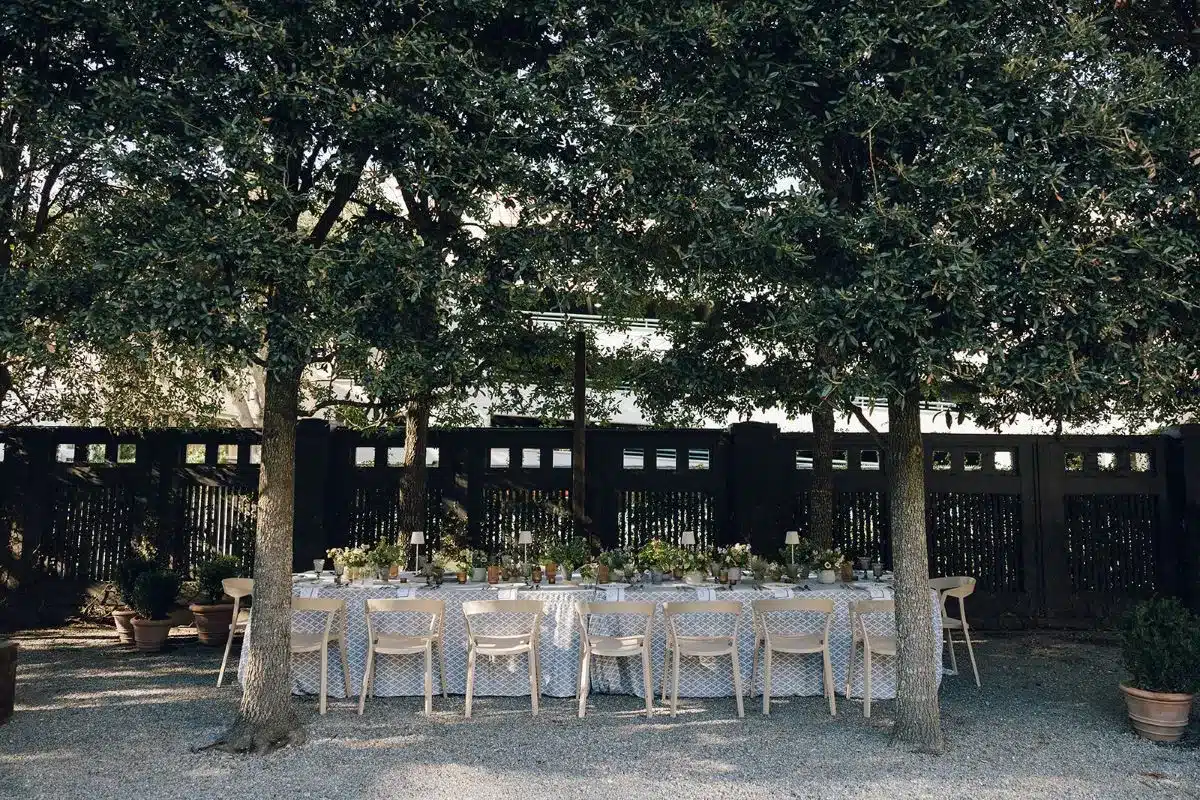
Understanding your venue’s rules and layout is a key part of delivering wedding rentals successfully. Many venues have specific policies about delivery hours, access points, setup procedures, and equipment removal. Without proper planning, these restrictions can cause last-minute setbacks. By conducting an early site visit and communicating key details to your vendors, you can prevent conflicts and keep your setup timeline running smoothly. For more detail, see our article The Complete Wedding Planning Checklist by Curated Events.
Visit the Venue Early to Plan for Delivery Logistics
A site visit is one of the most important steps in rental delivery planning. Walk through the space with logistics in mind—look at door widths, staircases, tight corners, elevators, and parking options. Assess where items can be staged temporarily and identify any potential obstacles for larger pieces like tents, staging, or furniture. Document everything and share your findings with all rental vendors. The more they know about the venue layout, the better they can prepare for setup and delivery.
Confirm Delivery Times and Access Rules in Advance
Many venues limit when deliveries can be made to avoid disrupting other events or staff operations. Confirm those timeframes ahead of time and share them clearly with each vendor.
Be specific about where vendors should park, where they should load in, and any off-limit areas. Providing access instructions and delivery windows ensures vendors can plan appropriately and stay compliant with venue policies.
Review Setup and Teardown Guidelines with Vendors
Venues often have detailed rules for how rentals are installed and removed. This can include setup start times, mandatory end times, cleanup expectations, and even rules about floor protection or damage prevention. Discuss these policies with vendors during your planning meetings. Make sure they’re aware of any curfews, cleanup duties, or restoration requirements—so no time is lost figuring things out during the event itself.
Plan Storage Areas for Empty Boxes and Equipment
Empties and leftover materials can pile up quickly during setup and teardown. Coordinate with the venue in advance to find a designated area to store empty boxes, containers, or unused equipment.
Having a plan helps maintain a clean and safe environment during high-traffic moments and makes post-event pickup more efficient. Be sure to align storage and removal plans with the venue’s rules to avoid delays or extra charges.
Secure Permits or Special Approvals if Needed
Some venues—or city regulations—may require delivery permits for large vehicles or oversized equipment. Common examples include tenting on public property or navigating narrow access roads.
Check early in the planning process to see if any permits or documentation are needed. Securing these ahead of time ensures your vendors won’t face access issues on the day of the event and helps avoid potential legal or logistical problems.
Orchestrating Day-of Wedding Rental Delivery Logistics

Venue-specific rules can greatly impact the timing and success of your wedding rental deliveries. From strict access schedules to setup limitations, overlooking these policies can lead to costly delays or day-of disruptions. The best way to avoid issues is to understand your venue’s logistics well in advance and relay all relevant details to your vendors. We cover this further in Eco-Friendly Wedding Rentals DC: Plan a Green Celebration.
Conduct a Site Visit to Evaluate Delivery Logistics
Schedule a walk-through of the venue with delivery logistics in mind. Pay attention to entry points, loading docks, narrow hallways, staircases, elevator access, and parking options. Note any potential challenges that might affect the movement of large items like tents, stages, or lounge furniture.
Once assessed, document these findings and share them with all vendors to help them prepare for the delivery setup.
Clarify Delivery Schedules and Access Guidelines
Most venues have fixed time windows for vendor drop-offs and pickups. Confirm these delivery timeframes early and communicate them to your rental providers. In addition, provide details on where to park, load in, and unload—especially if there are restrictions on driveways, service entrances, or loading zones. Clear delivery instructions prevent delays and help vendors remain compliant with venue policies.
Review Setup and Breakdown Policies with Vendors
Setup and teardown procedures vary from one venue to another. Some may have curfews, noise restrictions, or requirements for cleanup and floor protection. Discuss these expectations with your rental vendors before the event. Make sure everyone understands what’s required—especially if there are fees or penalties tied to violations. A clear understanding ensures the entire setup process runs smoothly and on schedule.
Organize Onsite Storage for Empty Materials
Setup often involves packaging materials, crates, or extra supplies that need temporary storage. Work with the venue to identify a designated area for storing empty boxes or unused rental items during the event. This keeps walkways clear and ensures the event space remains safe and organized for both guests and staff. Post-event, this also speeds up cleanup and item returns.
Obtain Permits or Special Permissions When Needed
Some venues—or city regulations—may require special permits for large equipment, tent installations, or vehicle access. This is especially common in urban areas, public parks, or private properties with limited space. Check with the venue and local authorities to determine if any approvals are necessary. Getting permits in advance prevents last-minute roadblocks and ensures legal compliance for your delivery plan.
Anticipating and Managing Rental Delivery Setbacks

Even the best-planned weddings can face unexpected delivery issues. From weather delays to vendor no-shows, last-minute complications can disrupt your timeline if you’re not prepared. Building contingency plans and maintaining strong communication protocols ensures you’re ready to respond quickly and keep the event running smoothly. By anticipating common challenges before they happen, you’ll reduce risk and stay in control—no matter what surprises the big day brings.
Create a Contingency Plan for Common Delivery Challenges
Potential setbacks like traffic, vehicle breakdowns, severe weather, or sudden vendor cancellations are all realistic risks. Develop a backup strategy for each scenario. This might include booking early delivery windows, identifying alternate vendors, or having duplicate items available if needed. By planning for the unexpected, you can protect your timeline and avoid last-minute stress.
Keep an Emergency Contact List for All Vendors
Maintain a master list of emergency contacts for every rental vendor. Include direct phone numbers, email addresses, and backup contacts in case the primary person is unavailable.
Quick access to these details helps your point of contact troubleshoot problems in real time and coordinate swift solutions if a delay or issue arises.
Plan Ahead for Weather-Related Disruptions
Weather is one of the most unpredictable variables in event logistics. Rain, wind, or snow can delay deliveries or make outdoor setups unsafe. Check the forecast regularly in the week leading up to the wedding. Have a plan in place for covering equipment, rerouting deliveries indoors, or switching to backup items if needed. Inform vendors of these weather contingencies ahead of time to keep everyone aligned.
Have a Protocol for Damaged or Incorrect Items
No rental order is immune to mistakes. If an item arrives broken, dirty, or incorrect, respond immediately. Inspect each delivery on arrival, document any issues with photos, and notify the vendor right away. Having a clear process for resolving these issues can prevent them from derailing the entire event and ensures fast replacements when needed.
Communicate Delays and Issues Immediately
When setbacks occur, fast and clear communication is crucial. The designated point of contact should notify all involved parties—vendors, the venue, and planners—as soon as a delay is identified.
Sharing updates quickly allows for timeline adjustments, resource reallocation, and solution brainstorming. Proactive communication prevents minor issues from turning into major disruptions.
Frequently Asked Questions
What are the key benefits of early planning for wedding rentals?
Early planning ensures that you identify all rental needs, secure your preferred vendors, and negotiate the best rates. It also allows for buffer time to manage any last-minute changes or inventory adjustments.
How does assigning a single point of contact help with vendor coordination?
A designated point of contact helps streamline communication, avoid missteps, and centralize all updates. This person can quickly respond to delivery questions and ensure vendors follow the same schedule.
Why is a venue site visit important for rental delivery planning?
A site visit lets you assess access points, delivery paths, storage options, and any restrictions that could impact setup. It’s essential for aligning vendor plans with the venue’s logistical requirements.
What should I do if a rental item arrives damaged or is missing?
Immediately document the issue with photos and notify the vendor. Use your inventory checklist to track what was delivered, and work with the vendor to replace or resolve the problem as soon as possible. For real event inspiration, browse our past events.
How do I handle post-event rental pickup efficiently?
Confirm pickup times in advance and ensure all items are cleaned, repacked, and placed in the designated area. A final inventory check will help avoid lost or unreturned items and smooth out final vendor payments.
What backup plans should I have for delivery issues?
Prepare for common issues like weather delays, traffic, or vendor no-shows by having flexible timelines, emergency contacts, and secondary vendor options. Building in these contingencies helps protect your event flow. Curated Events has eight showrooms; find your nearest location.
Conclusion
Successful wedding rental delivery relies on proactive planning, clear communication, and smart logistics. From creating a detailed rental checklist to coordinating delivery timelines and verifying each item upon arrival, every step contributes to a stress-free and beautifully executed event. By anticipating challenges and staying organized, you’ll set the stage for a wedding day that flows seamlessly—leaving more time for celebration and less for troubleshooting. With the right approach, your rentals can enhance your venue, support your vision, and ensure every detail is perfectly in place. You may also find Eco-friendly Luxury Wedding: How to Plan a Green Celebration helpful.