
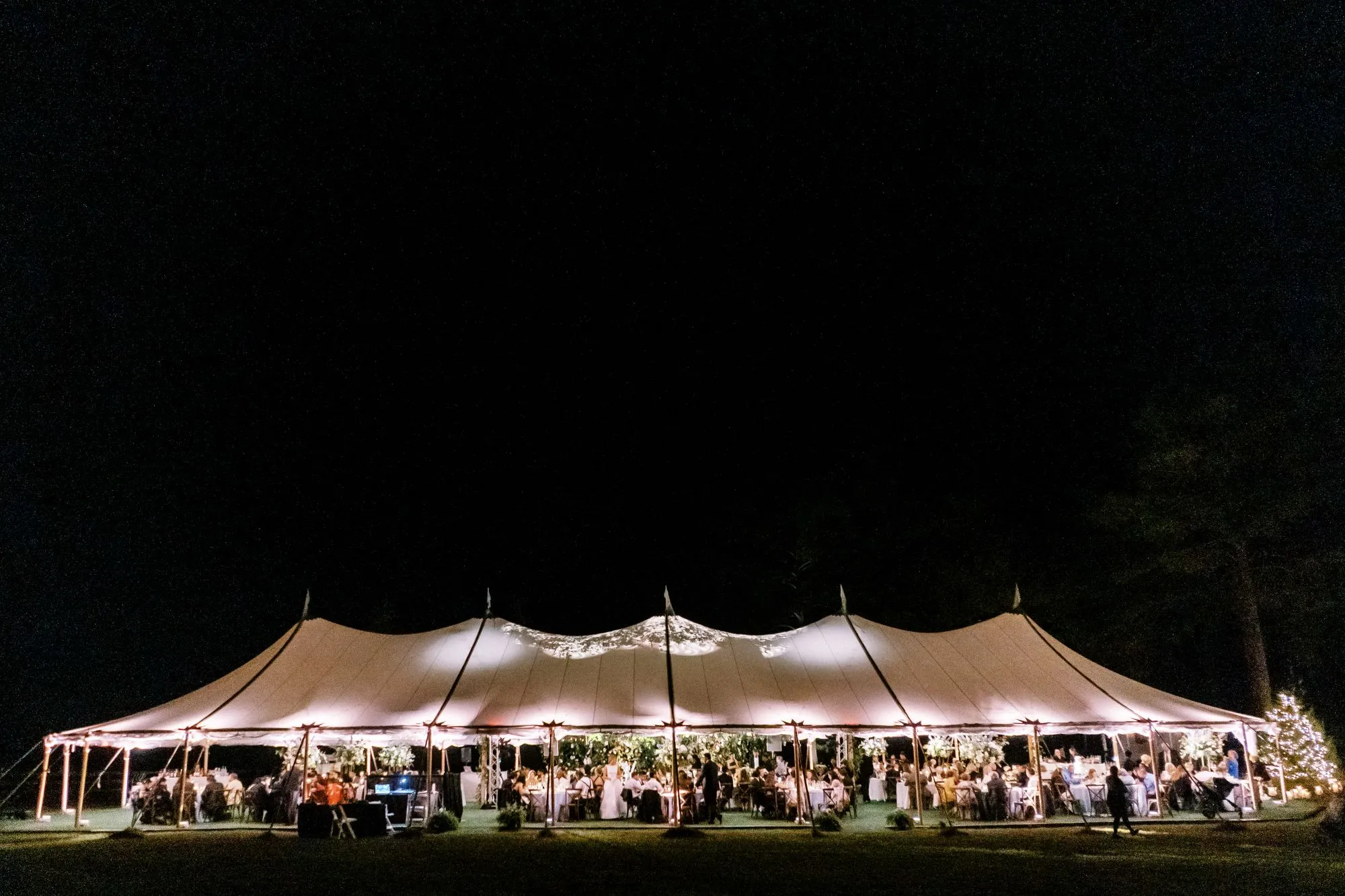
Outdoor event electrical and power rentals in Nashville cover two core needs: lighting and reliable power distribution. You need enough capacity to run lighting, AV, catering equipment, and cooling systems, and you need a layout that keeps everything stable and safe throughout the event.
For most summer events, this includes string lights, chandeliers, pendants, and utility lighting, supported by a clear power plan that distributes load across the site. Lighting is not just decorative. It defines visibility after sunset, supports guest movement, and impacts how the event feels.
Nashville’s summer conditions increase load demands due to lighting, refrigeration, and cooling equipment. Planning early ensures the right equipment, proper distribution, and no interruptions during peak moments.
This guide breaks down what lighting and electrical rentals are needed, how to plan power requirements, and how to build a setup that performs consistently from setup through teardown.
What Electrical and Power Rentals Are Needed for Outdoor Events in Nashville
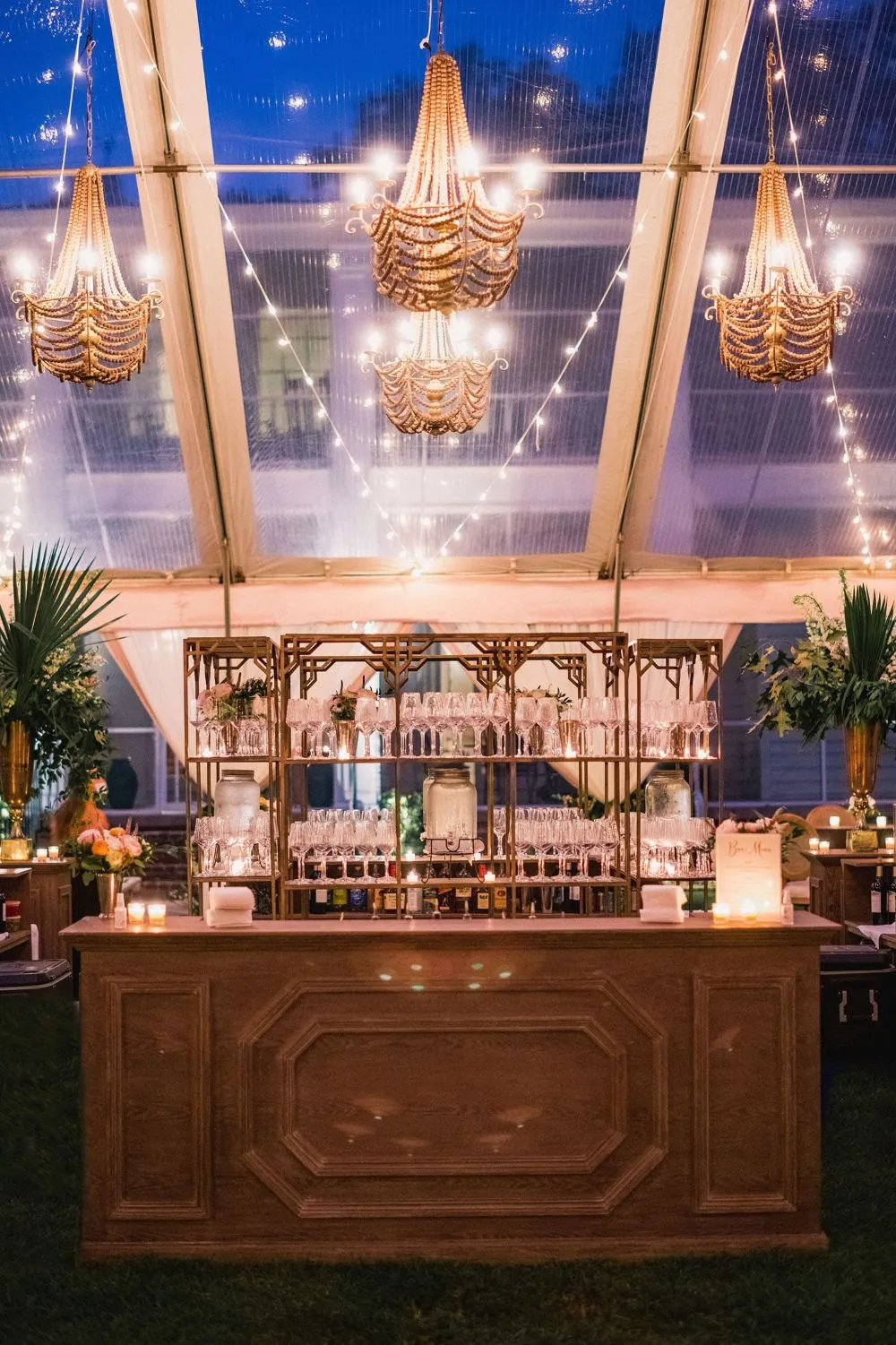
Outdoor events require a combination of lighting elements and supporting electrical infrastructure to function properly. The goal is to ensure consistent power delivery while creating a usable and well-lit environment.
Ambient and Decorative Event Lighting
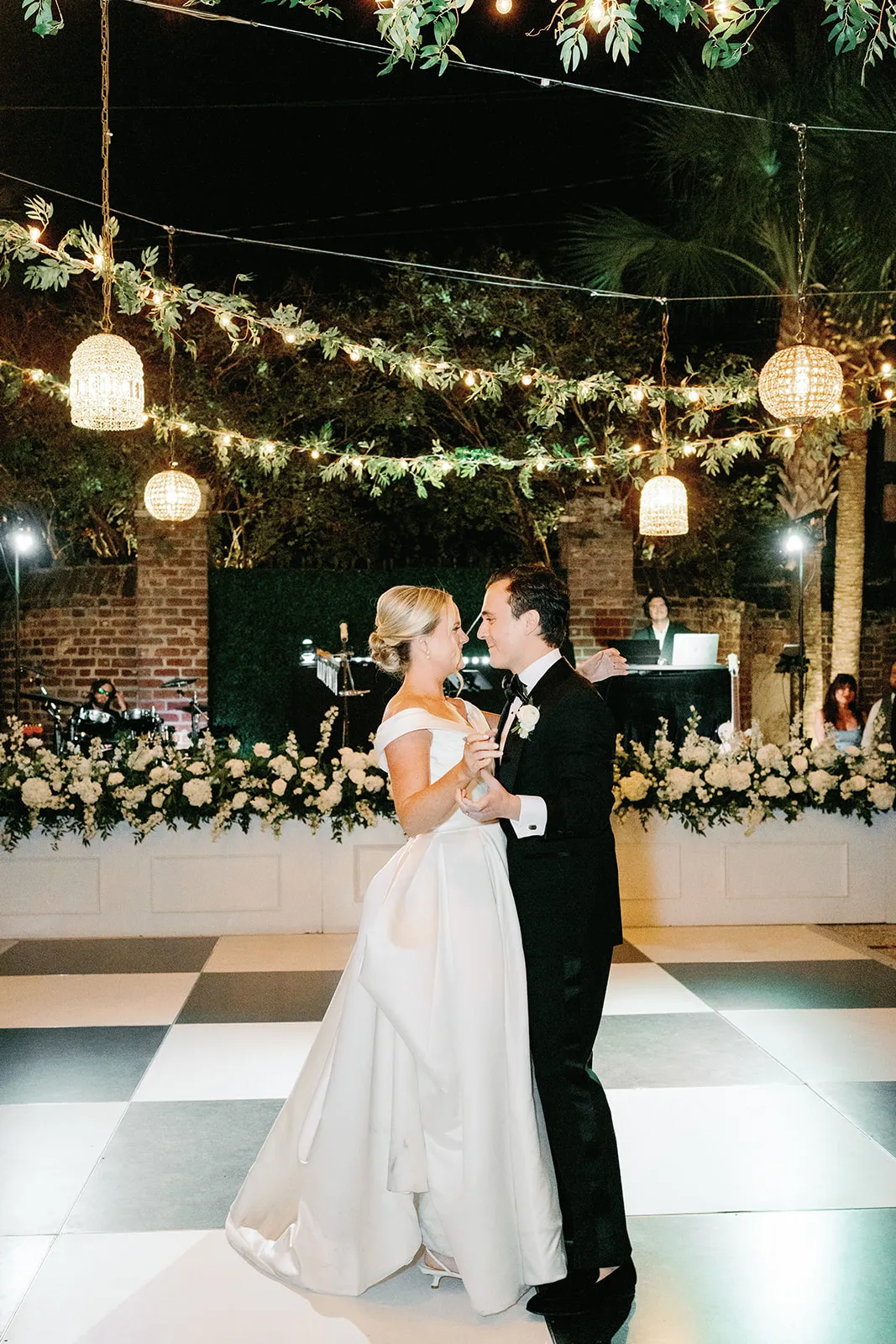
Decorative lighting defines the atmosphere and is a primary component of outdoor setups. Common options include:
- String lights for overhead coverage
- Chandeliers and pendants for focal areas
- Table and floor lamps for lounge spaces
- Carriage lights for entrances and accents
These elements shape the visual experience and require coordinated power access across the layout.
Functional Lighting for Safety and Visibility
Beyond aesthetics, lighting must support safe movement and usability. This includes:
- Pathway and perimeter lighting
- Area lighting for dining and service zones
- High-output fixtures for larger covered spaces
Functional lighting ensures guests can navigate the event comfortably after sunset.
Power Support for Event Operations
Lighting is only one part of the load. Power must also support:
- Audio-visual equipment
- Catering and refrigeration
- Cooling systems such as fans or portable AC
All components need to be accounted for in a single power plan to avoid overloads or interruptions.
Setup Components and Electrical Distribution
A complete setup includes distribution elements that connect everything:
- Power distribution units
- Extension cabling rated for outdoor use
- Mounting or rigging support for lighting
Proper distribution ensures balanced load and stable performance across all event zones.
Why Electrical and Power Planning Matters for Nashville Outdoor Events
Electrical planning directly impacts event reliability, safety, and overall experience. Poor planning leads to outages, uneven lighting, or unsafe conditions.
Supporting a Consistent Guest Experience
Lighting and power must remain stable throughout the event. Interruptions during key moments such as speeches or performances disrupt flow and reduce event quality.
Maintaining Safety Across the Event Space
Adequate lighting is required for:
- Walkways and transitions
- Entry and exit points
- Service and operational areas
Consistent visibility reduces risk and supports smooth movement.
Managing Peak Power Demand
Power usage increases during peak periods when multiple systems run simultaneously. Without proper planning, this can overload circuits or cause failures.
Aligning Design With Function
Lighting choices affect power requirements. Decorative fixtures, utility lighting, and equipment loads must be planned together rather than separately. This ensures the setup performs as intended without last-minute adjustments.
Event Lighting Options Available Through Curated Events Nashville
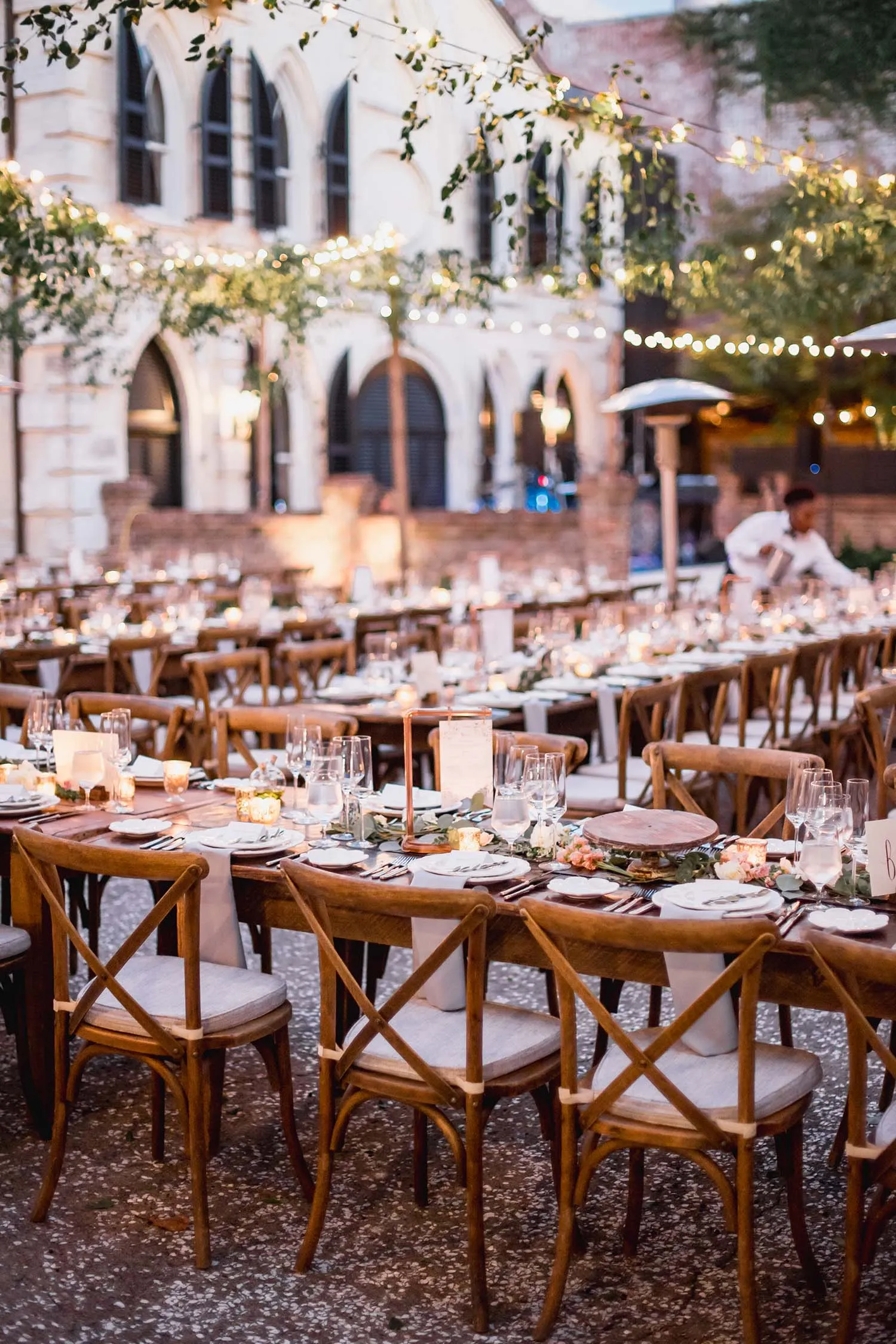
Lighting inventory should be selected based on both function and design impact. Curated Events offers a range of lighting options that support different event formats while integrating with overall power planning.
String Lights for Overhead Coverage
String lights are commonly used to define outdoor spaces. They provide even ambient lighting across dining areas, patios, and open-air sections. They are effective for large coverage with relatively low power demand.
Chandeliers and Pendants for Statement Areas
Chandeliers and pendant lighting create focal points within tents or defined zones. These fixtures are typically used over dining layouts, stages, or central gathering areas where visual emphasis is required.
Carriage Lights for Entrances and Accents
Carriage lights are used to define entry points, pathways, and transitions between spaces. They provide both functional illumination and structured visual markers across the layout.
Table and Floor Lamps for Lounge Spaces
Table and floor lamps are suited for lounge seating and smaller gathering zones. They add localized lighting without requiring overhead rigging and help create defined, comfortable areas within the event footprint.
High-Output Lighting for Large Areas
Fixtures such as LED high bay lights are used where broader coverage is required. These are typically applied in large tents, service areas, or operational zones where stronger illumination is needed.
How to Choose the Right Lighting and Power Setup for Your Event
Selecting the correct setup requires aligning lighting choices with layout, event type, and total power demand. Decisions should be made based on function first, then design.
Consider Event Type and Use Case
Different events require different lighting priorities:
- Weddings prioritize ambient and decorative lighting
- Corporate events require balanced functional and presentation lighting
- Large events require broader coverage and operational visibility
Plan for Day-to-Night Transition
Outdoor events change significantly after sunset. Lighting must be sufficient to maintain visibility while preserving the intended atmosphere. Daytime setups often require additional fixtures for evening use.
Map Lighting to Event Zones
Divide the layout into zones and assign lighting accordingly:
- Dining areas
- Entry and exit points
- Stages or presentation zones
- Lounge and networking spaces
This prevents uneven coverage and ensures all areas are usable.
Align Lighting With Power Availability
Each lighting choice adds to total load. Power planning must account for all fixtures along with other equipment such as AV and catering. Coordinating these early prevents overload and reduces the need for last-minute adjustments.
Outdoor Event Lighting Design Strategies
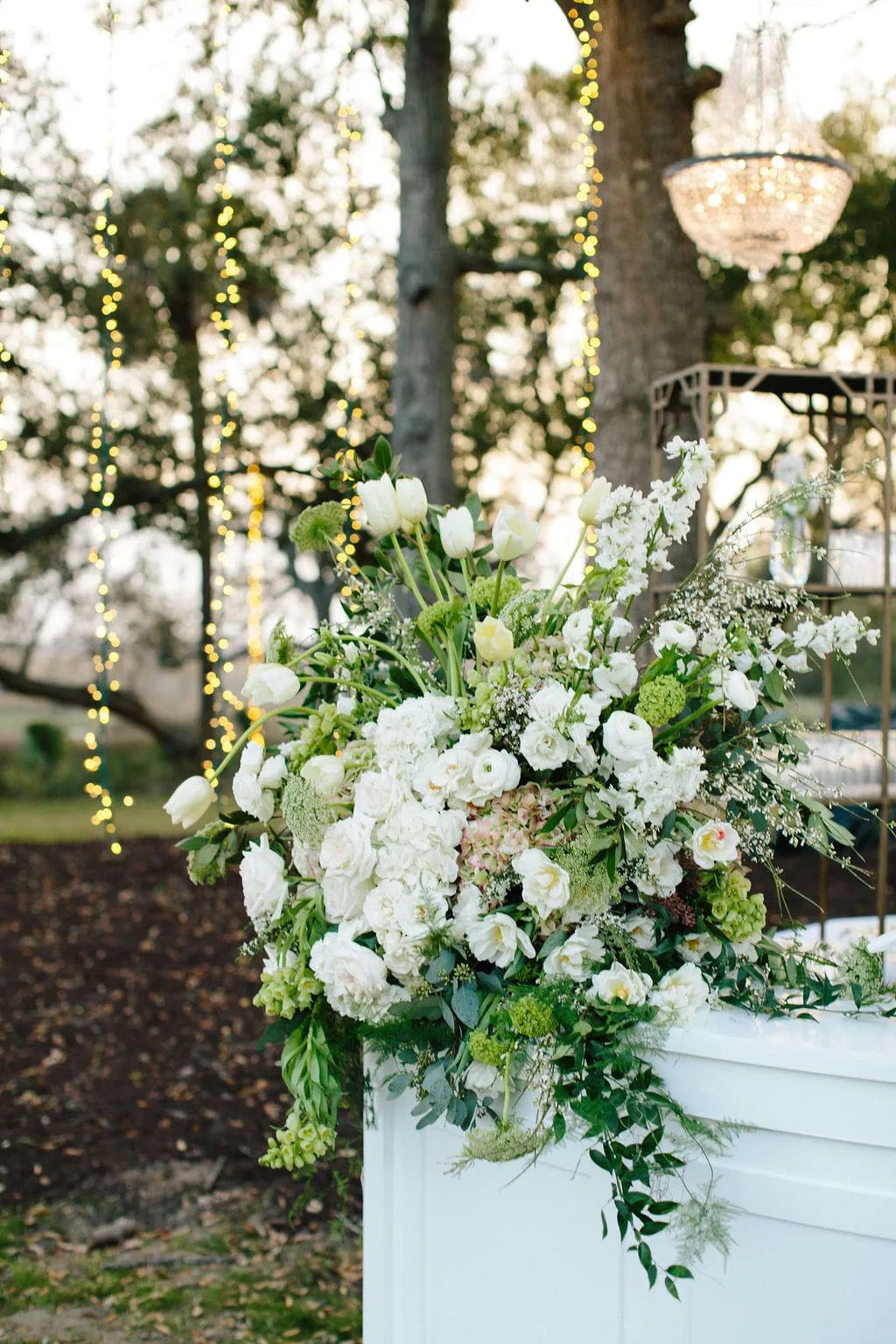
Lighting should be planned as part of the overall event layout, not added at the end. A structured approach improves both usability and visual consistency.
Layer Lighting for Different Functions
Use multiple lighting types together:
- Ambient lighting for overall visibility
- Accent lighting for focal areas
- Task lighting for service zones
Layering prevents dark spots and avoids over-reliance on a single source.
Define Key Areas With Lighting
Lighting can be used to organize the space:
- Highlight entrances and exits
- Frame dining and seating areas
- Emphasize stages or presentation zones
This improves navigation and makes the layout easier to understand.
Maintain Consistent Coverage
Avoid uneven lighting across the site. Gaps between fixtures can create low-visibility areas, especially in larger outdoor setups. Plan spacing and placement to maintain consistent illumination.
Balance Aesthetic and Practical Needs
Decorative lighting should not reduce visibility. Ensure that design choices still provide enough light for movement, service, and safety.
Electrical Planning for Outdoor Event Rentals
Electrical planning ensures that all systems operate reliably under load. This includes calculating demand, organizing distribution, and preparing for contingencies.
Estimate Total Power Load
List all equipment that requires power:
- Lighting fixtures
- AV systems
- Catering and refrigeration
- Cooling equipment
Calculate total load and include a buffer for peak usage.
Distribute Power Across Zones
Divide the event into zones and assign load accordingly. This prevents overloading a single circuit and allows better control of power distribution.
Plan Cable Routing and Equipment Placement
Cables should be routed to:
- Avoid guest pathways
- Minimize trip hazards
- Maintain clean layout aesthetics
Equipment placement should allow access for adjustments during the event.
Include Backup and Redundancy
Critical systems should have backup support. This reduces risk during peak moments and ensures continuity if a component fails.
Lighting and Power Recommendations by Event Type
Different event formats require different lighting and power priorities. Matching setup to event type improves both functionality and guest experience.
Weddings
- String lights for ambient coverage
- Chandeliers or pendants for focal areas
- Accent lighting for pathways and seating zonesPower planning should prioritize consistent lighting and support for catering and entertainment.
Corporate Events
- Balanced mix of decorative and functional lighting
- Focused lighting for stages and presentation areas
- Clear visibility for networking zonesPower must support AV systems, presentation equipment, and structured layouts.
Private Parties
- Flexible lighting such as string lights and lamps
- Defined lounge and social areas
- Moderate power requirements with emphasis on atmosphere
Large Outdoor Events
- High-output lighting for wide coverage
- Clear pathway and safety lighting
- Distributed power across multiple zonesPlanning should account for higher load and broader coverage needs.
Safety and Reliability Considerations for Outdoor Electrical Setups
Electrical systems must be stable and safe throughout the event. Proper setup reduces risk and ensures consistent performance.
Use Weather-Appropriate Equipment
All lighting and electrical components should be suitable for outdoor conditions, including heat and potential moisture exposure.
Manage Cables and Connections Safely
- Route cables away from guest pathways
- Secure connections to prevent disconnection
- Use protective covers where needed
Ensure Adequate Visibility
Lighting should support safe movement across all areas, including entrances, exits, and transitions between zones.
Rely on Professional Installation
Proper setup and monitoring reduce the risk of failure. Professional installation ensures correct load distribution and secure connections.
Pricing and Rental Considerations for Event Lighting and Power
Understanding cost structure helps align design choices with budget and operational requirements. Lighting and electrical rentals vary based on scale, equipment type, and setup complexity.
What Affects Rental Costs
Primary cost drivers include:
- Type of lighting fixtures (decorative vs high-output)
- Quantity of units required
- Power load and distribution needs
More complex setups with multiple zones or specialty fixtures increase overall cost.
Installation and Site Factors
Site conditions influence pricing:
- Access for delivery and setup
- Mounting or rigging requirements
- Distance between power source and usage points
Difficult access or extended cable runs can increase labor and equipment needs.
Bundled Lighting and Power Solutions
Bundled rentals can simplify planning and reduce coordination. Combining lighting and electrical support ensures compatibility and often improves cost efficiency compared to sourcing separately.
When to Book Event Lighting and Power Rentals in Nashville
Timing is critical due to high demand during summer months. Early planning ensures availability and allows proper coordination with other event elements.
Recommended Booking Timeline
Book lighting and power rentals at least 6 to 10 weeks in advance. Larger or more complex events may require earlier commitments.
Peak Season Demand
Summer is a high-demand period in Nashville. Delayed booking can limit fixture options and reduce flexibility in design and layout.
Coordination With Other Rentals
Lighting and power should be planned alongside:
- Tent layouts
- Seating arrangements
- Catering and AV setups
Coordinated planning prevents conflicts and ensures all systems integrate properly.
Why Work With a Nashville Event Lighting and Power Rental Company
Working with a professional provider improves execution and reduces planning risk. Lighting and power require coordination across multiple components, which benefits from experienced oversight.
Integrated Planning and Execution
A single provider can manage lighting selection, power requirements, and setup. This reduces coordination issues and ensures all elements work together.
Local Experience With Outdoor Events
Local providers understand Nashville venues, summer conditions, and common logistical challenges. This helps avoid setup issues and improves reliability.
How Curated Events Supports Lighting and Power Rentals
Curated Events provides lighting-focused solutions supported by coordinated electrical planning. Their approach integrates decorative lighting with functional power needs, ensuring both performance and visual consistency across the event.
Frequently Asked Questions
What lighting rentals are commonly used for outdoor events?
String lights, chandeliers, pendants, carriage lights, and lamps are commonly used to create both ambient and functional lighting.
How do I estimate power requirements for my event?
List all equipment that requires power, calculate total load, and include a margin for peak usage and additional needs.
Do lighting rentals require separate power planning?
No. Lighting should be included in the overall power plan along with AV, catering, and cooling equipment.
How far in advance should I book lighting rentals?
At least 6 to 10 weeks in advance, especially during peak summer months in Nashville.
What is the difference between decorative and functional lighting?
Decorative lighting focuses on atmosphere, while functional lighting ensures visibility and safety across the event space.
Can lighting be customized to match event design?
Yes. Many lighting options can be selected to align with color schemes, themes, and layout requirements.
What should I consider for evening outdoor events?
Ensure sufficient coverage for all areas, including pathways, seating, and service zones, while maintaining the desired atmosphere.
What happens if power demand exceeds capacity?
Overload can cause outages or equipment failure. Proper planning and load distribution prevent this issue.
Conclusion
Event lighting and power rentals are essential for both functionality and atmosphere at outdoor events in Nashville. A well-planned setup ensures reliable performance while supporting the overall design and guest experience.
By aligning lighting choices with power requirements and coordinating all elements early, you can avoid disruptions and create a consistent, usable event environment. Working with an experienced rental provider ensures that both electrical infrastructure and lighting design are executed correctly from setup through completion.