
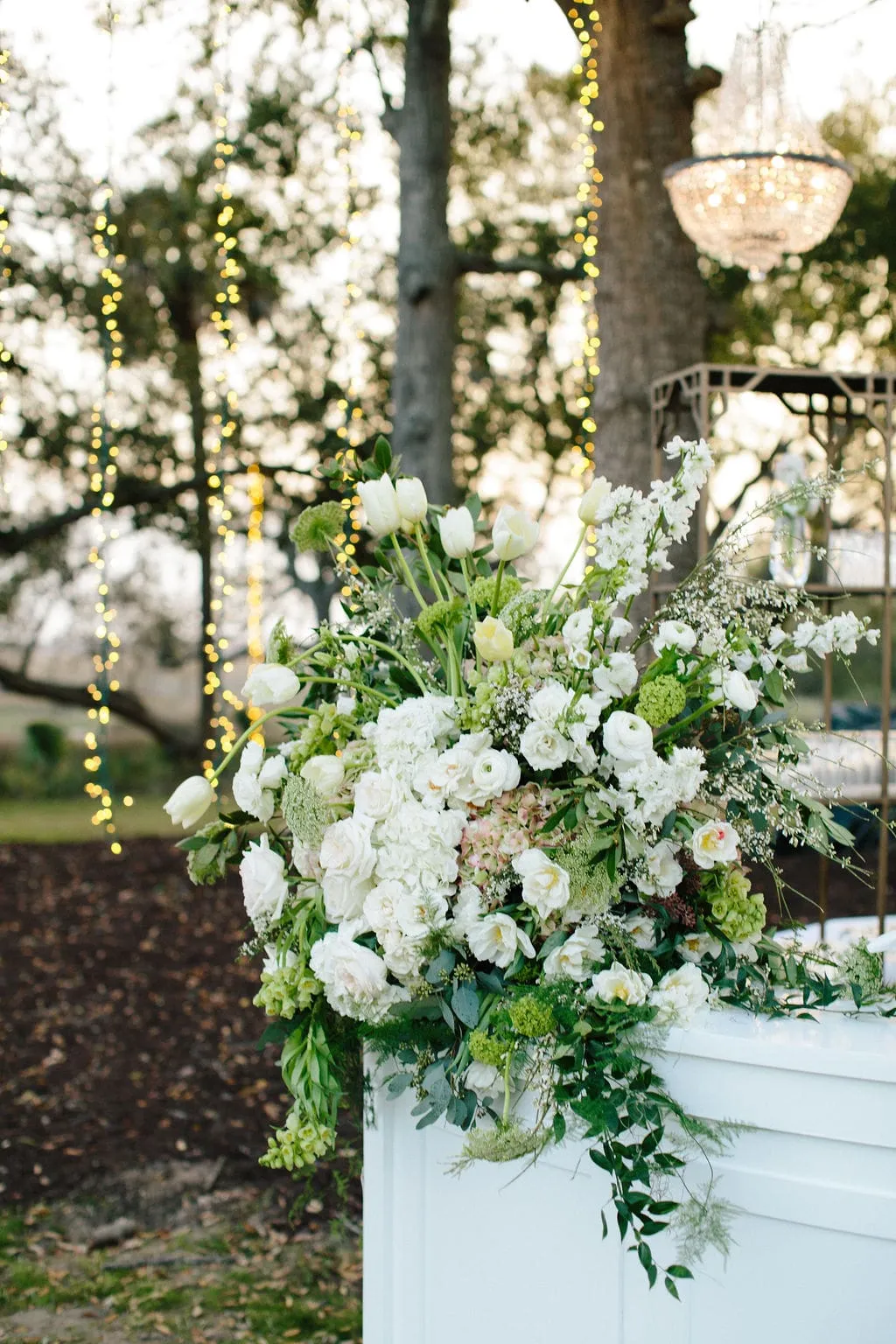
The best lighting rentals for summer events include string lights for ambient coverage, uplighting for depth and structure, LED lighting for color control, and chandeliers or feature lighting for focal points. These options work together to shape visibility, atmosphere, and how guests experience the space as the event transitions from day to evening.
For summer events in Nashville, lighting should be planned based on event type, layout, and timing. Outdoor settings often require layered lighting that supports both function and design, with solutions that adapt as natural light fades. Selecting the right combination ensures the space remains visually cohesive, comfortable, and well-defined throughout the event.
What Are the Best Lighting Rental for Summer Events?
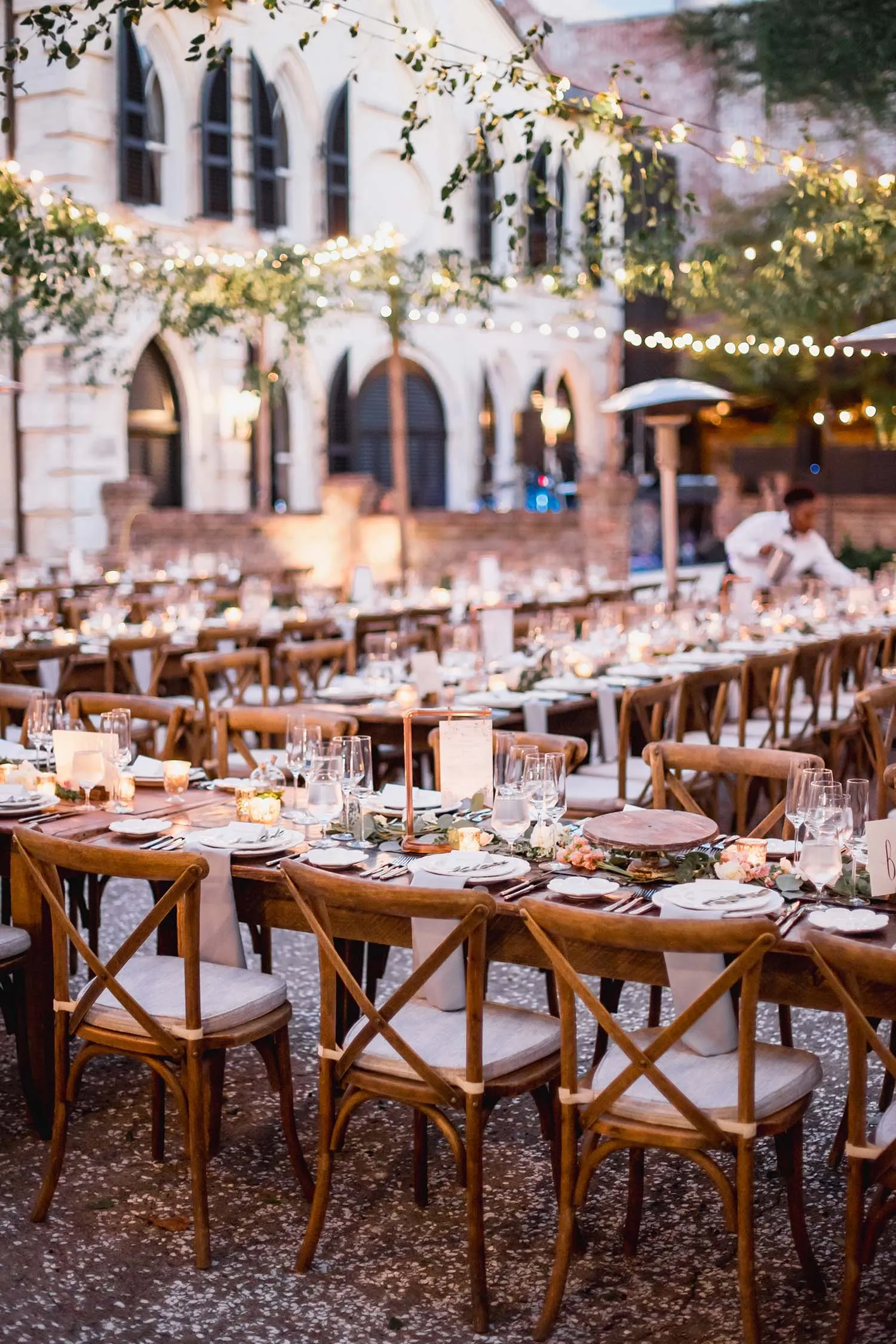
Lighting rentals for summer events should be selected based on how they support atmosphere, define space, and adapt as daylight changes. A well-planned combination of lighting types creates a balanced setup that works from early evening through nighttime.
String Lights for Ambient Outdoor Lighting
String lights provide soft, even illumination across open spaces. They are commonly installed overhead across dining areas, patios, or tent interiors to create a warm and inviting environment. This type of lighting helps transition outdoor spaces into usable evening settings without overwhelming the overall design.
Uplighting for Structure and Depth
Uplighting is used to highlight vertical surfaces such as walls, trees, and tent interiors. By directing light upward, it adds depth and dimension to the space while reinforcing the event’s visual structure. It is especially useful for defining the perimeter and creating a cohesive backdrop.
LED Lighting for Flexible Color Control
LED lighting offers adaptability through adjustable color and intensity. It can be used to match event themes, support branding, or shift the mood throughout the event. This flexibility makes it suitable for a wide range of event types, from formal gatherings to more dynamic environments.
Chandeliers for Elevated Event Design
Chandeliers act as focal points within tents or covered areas. They introduce a refined visual element while also providing functional light. This option is often used in more formal settings where the lighting contributes directly to the overall design.
Dance Floor Lighting for Energy and Movement
Dance floor lighting creates a more active and engaging environment. It introduces movement and variation, helping define entertainment areas and encouraging guest interaction. This type of lighting is typically used later in the event when the focus shifts to social and high-energy moments.
How to Choose the Right Lighting Based on Event Type

Lighting should be selected based on how the event is structured and how guests will use the space. Different event types require different lighting approaches to balance function, visibility, and atmosphere.
Weddings and Design-Focused Events
Weddings typically benefit from layered lighting that supports both ambiance and visual cohesion. String lights and chandeliers create a warm base, while uplighting adds depth to tent interiors or surrounding elements. The goal is to maintain a consistent atmosphere that complements décor and transitions smoothly into the evening.
Corporate Events and Branded Environments
Corporate events often require a more controlled lighting approach. LED lighting is commonly used to align with brand colors and create a clean, structured environment. Lighting placement should support presentations, networking areas, and clear visibility without distracting from the event’s purpose.
Outdoor Events and Open-Air Layouts
Open-air events require broader coverage to ensure visibility across the entire space. String lights and uplighting help define key areas such as seating, bar setups, and walkways. Lighting should be distributed evenly to avoid dark zones while maintaining a cohesive look across the event footprint.
How to Plan Lighting for Your Event Layout
Planning lighting effectively requires aligning it with the event layout, timing, and guest movement. Rather than treating lighting as a final layer, it should be mapped early so it supports both function and atmosphere across the entire space.
Identify Key Areas That Require Lighting
Start by defining where lighting is needed based on how the event is structured. Dining areas require consistent ambient lighting, while bar setups and entrances benefit from more focused illumination. Walkways and transitions between spaces should be clearly lit to support safe movement, and entertainment areas such as dance floors often require more dynamic lighting. Identifying these zones early ensures that no area is underlit or disconnected from the overall setup.
Layer Lighting for Function and Atmosphere
A balanced lighting plan combines multiple types of lighting to achieve both usability and visual impact. Ambient lighting, such as string lights, provides overall coverage. Accent lighting, including uplighting, adds depth and defines structural elements. Feature lighting, such as chandeliers or dance floor effects, creates focal points within the space. Layering these elements allows the environment to feel complete without relying on a single lighting source. Read more in The Wedding Lighting Rental Guide.
Plan Lighting Based on Event Timeline
Lighting requirements change as the event progresses. Early portions of the event may rely more on natural light, while evening segments depend entirely on artificial lighting. Planning for this transition ensures that lighting increases gradually in intensity and importance, supporting visibility and atmosphere without abrupt changes. Aligning lighting with key moments such as dinner, speeches, and entertainment helps maintain a consistent experience throughout the event. We cover this further in How to Choose the Perfect Wedding Lighting to Set the Mood.
Lighting Considerations for Summer Conditions in Nashville
Summer events in Nashville require lighting plans that account for long daylight hours, outdoor environments, and site-specific infrastructure. These factors influence how and when lighting becomes effective, as well as how it supports both visibility and atmosphere throughout the event. We cover this further in Illuminate Events With Raleigh’s Top Lighting Rental Solutions.
Transition From Daylight to Evening
In Nashville, summer daylight extends well into the evening, which affects when lighting begins to have visual impact. Early portions of the event may rely more on natural light, while lighting gradually becomes essential as the sun sets. Planning this transition ensures that the shift from daylight to evening feels smooth, with lighting levels increasing naturally to support both function and ambiance.
Coverage for Large Outdoor Spaces
Many Nashville venues feature open layouts that require consistent lighting across multiple areas. Combining overhead lighting with targeted accent lighting helps define spaces such as dining areas, bars, and walkways. Even distribution is important to avoid dark zones and to maintain clear visibility as guests move throughout the event.
Power and Installation Requirements
Outdoor events in Nashville often require careful coordination of power access and installation logistics. Lighting setups may need additional planning for power distribution, especially in venues with limited infrastructure. Managing cable routing, load capacity, and installation timing in advance ensures that lighting operates reliably and integrates cleanly with the overall event setup.
Planning Lighting Rentals With Curated Events

Planning lighting rentals with Curated Events is approached as part of a complete event design strategy, where lighting is integrated with tents, furnishings, and overall layout from the beginning. This ensures that every element works together to create a cohesive and well-structured environment. Get in touch with our Nashville showroom to start your rental order.
Lighting Design and Layout Integration
The process begins with a detailed review of the event layout, identifying how lighting will support key areas such as dining spaces, bar setups, entrances, and gathering zones. Rather than treating lighting as a separate layer, it is incorporated into the overall design so that placement, scale, and style align with the full event vision.
Coordinated Setup With Event Infrastructure
Lighting installation is planned alongside other structural elements, including tents, flooring, and power access. Coordinating these components in advance ensures that fixtures are positioned correctly, power requirements are met, and installation is executed efficiently without disrupting other aspects of the setup.
Consistent Design Across the Entire Space
A unified lighting plan maintains consistency in tone, intensity, and style throughout the event. This creates a seamless transition between different areas and reinforces the overall design direction. When lighting is aligned with the broader event setup, it enhances both the visual impact and the guest experience in a cohesive way.
Frequently Asked Questions
What lighting is best for outdoor summer events?
The most effective lighting combines string lights for ambient coverage, uplighting for structure, and LED lighting for flexibility. This layered approach ensures visibility while maintaining a consistent atmosphere as natural light fades.
How much lighting do I need for my event?
Lighting needs depend on the size of the space and how the event is structured. Larger layouts require broader coverage, while smaller or tented setups may focus on key areas such as dining, bar, and walkways. A layout-based plan helps determine the right quantity and placement.
Can lighting be customized to match my event theme?
Lighting can be adjusted in terms of color, intensity, and placement to align with the event’s design. LED lighting is commonly used for customization, allowing planners to match specific color palettes or create different moods throughout the event. You may also find How to Select Lighting Rentals That Match Venue Restrictions and Codes helpful.
Do I need professional installation for event lighting?
Professional installation ensures that lighting is placed correctly, operates safely, and delivers the intended effect. It also helps coordinate power requirements and setup timing, reducing the risk of issues during the event.
Conclusion
Selecting the right lighting rentals is essential to creating a well-structured and visually cohesive summer event. From ambient string lights to focused uplighting and adaptable LED systems, each element contributes to how the space looks and functions throughout the event.
A thoughtful lighting plan supports visibility, defines key areas, and enhances the overall atmosphere as the event transitions into the evening. By aligning lighting choices with the event layout and design, planners can create an environment that feels consistent, functional, and engaging for guests.