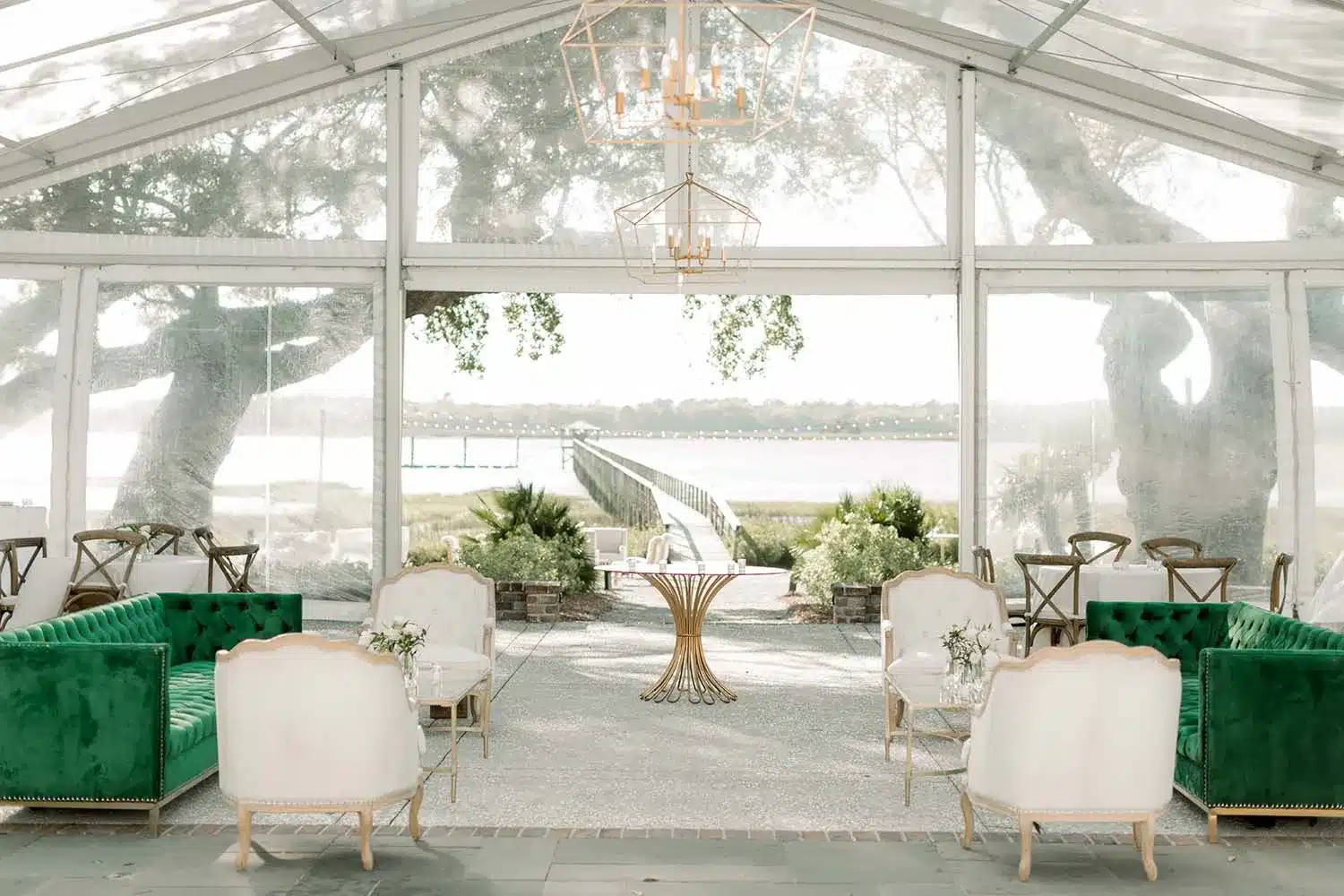
Riverfront pop‑ups in Savannah demand more than a pretty setup — they require plans that perform in real coastal humidity. Moisture affects guest comfort, AV equipment, linens and finishes; humidity‑proof rentals keep service steady and spaces feeling intentional, even when the air is heavy. This guide explains what “humidity‑proof” looks like for riverfront activations, why it matters locally, and how equipment, layout and logistics combine to produce consistent experiences. You’ll get a practical overview of Savannah’s humidity challenges, rental solutions that lower risk, decor and furniture recommendations that balance luxury with durability, plus the permits and onsite practices that keep operations running. Start with the basics and follow a clear path through solution selection, materials, checklists and the case for a specialty rental partner on the Savannah Riverfront.
What Challenges Does Humidity Present For Savannah Riverfront Pop‑Up Events?
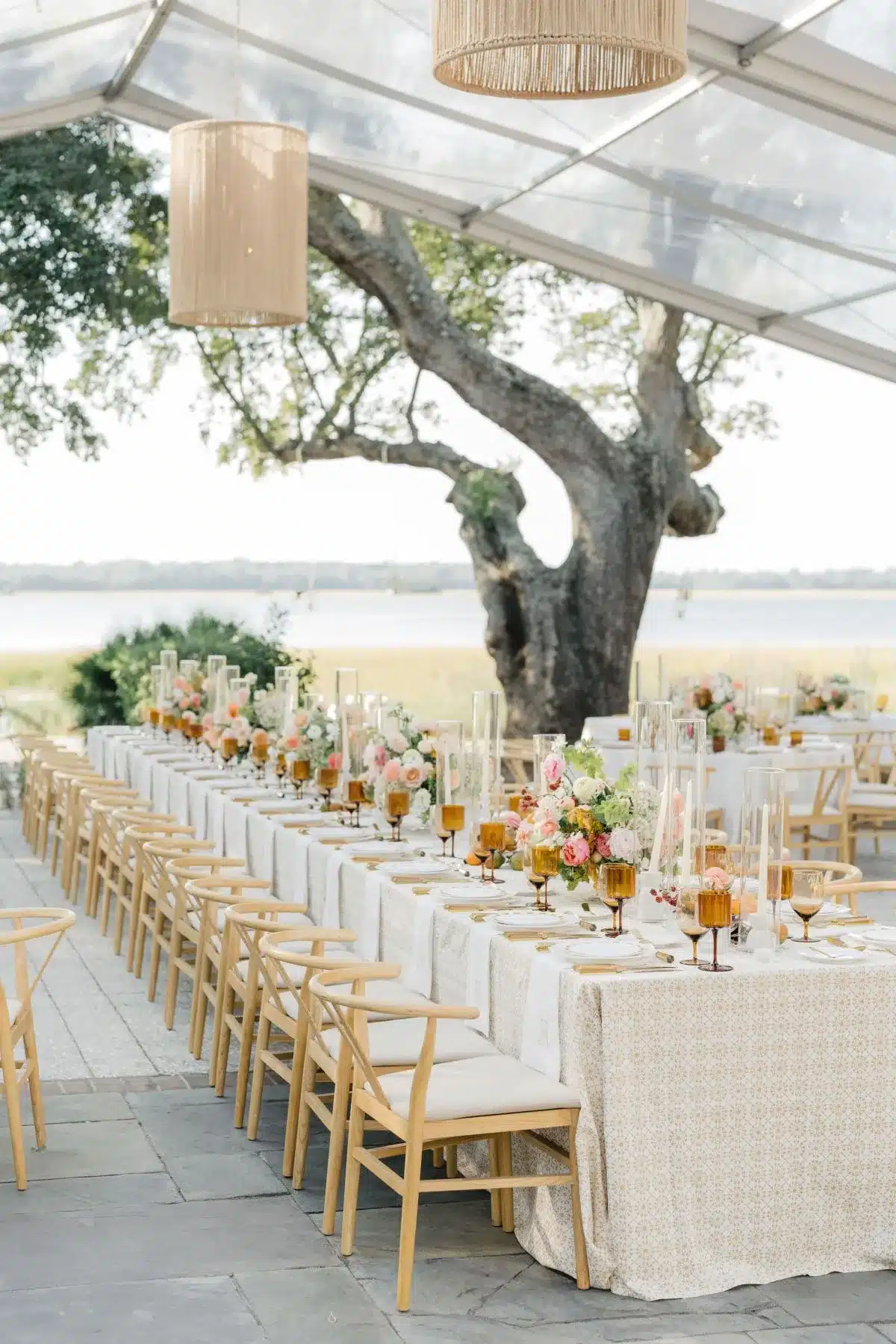
Savannah’s humidity raises vapor pressure and encourages surface condensation — that affects comfort, shortens material life and can threaten electronics and food safety. High relative humidity limits the body’s evaporative cooling, so guests feel warmer even when the thermometer hasn’t changed much. Moisture beads on glassware and AV housings, soaks textiles and can promote odors, and it makes temperature control inside tents more difficult. Successful planning accounts for the site’s microclimates and the vulnerabilities of each equipment type.
Managing humidity is as much about safety and asset protection as it is about guest comfort.
Savannah’s coastal climate keeps humidity elevated much of the year, which shapes the ideal windows for outdoor activations and the contingency plans you’ll want to build.
How Does Savannah’s Climate Affect Outdoor Event Rentals?
Savannah has long warm seasons and sustained relative humidity that peaks in summer and lingers into fall. That means events here more often face steady moisture rather than short spikes. Rental choices and setup timing should follow those seasonal rhythms: lightweight, well‑ventilated structures and robust dehumidification are critical in summer, while transitional months may allow simpler fan strategies. Plan operational details like generator sizing for climate gear, contingencies for prolonged damp stretches, and scheduling setups to avoid overnight condensation on fabrics and flooring. Knowing these seasonal patterns helps you pick the right tent, HVAC capacity and finishes to limit humidity’s impact.
What Are Common Humidity‑Related Issues In Riverfront Pop‑Ups?
On the riverfront, humidity commonly causes condensation on chilled beverages and AV boxes, damp textiles that crease or smell, and moisture‑driven failures in lighting and electronics. Condensing water creates slippery service zones and can damage finishes; clingy fabrics undermine a polished look; electronics may short, corrode or fog lenses if left unprotected. These risks point directly to practical fixes — dehumidification, HVAC‑ready tents and moisture‑resistant decor — which we cover next.
Which Humidity‑Proof Rental Solutions Does Curated Events Offer In Savannah?
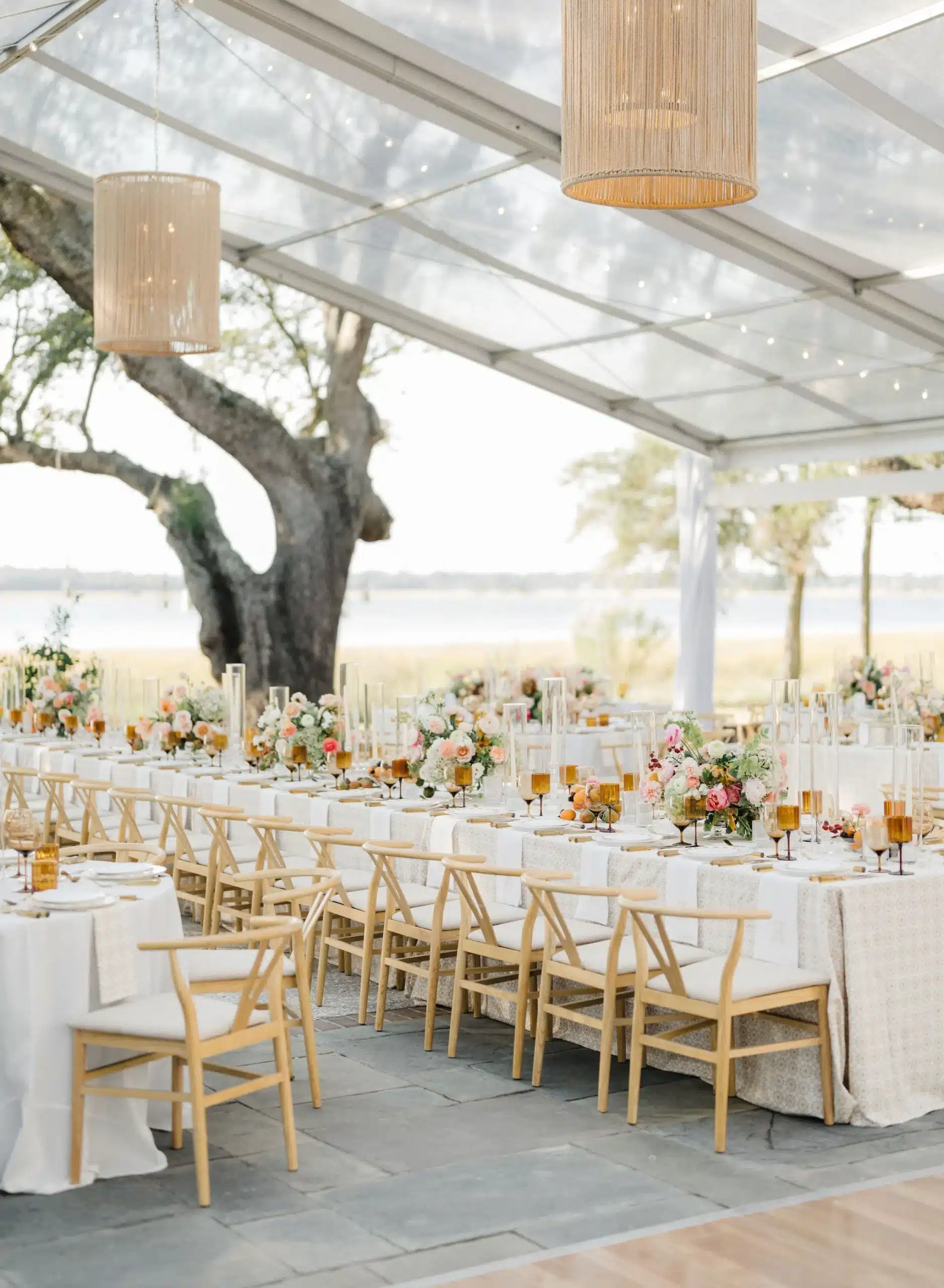
Humidity‑proof rentals combine smart structure choices, effective climate control and moisture‑resistant accessories to create dependable guest environments on the riverfront. Key systems include weather‑resistant tent frames with ventilation and HVAC compatibility, portable dehumidifiers sized to tent volume, portable AC for enclosed spaces, misting fans for open‑air cooling and moisture‑absorbing accessories to protect textiles and gear. Curated Events supplies premium tents, climate systems (fans, AC, dehumidifiers) and weather‑ready decor tuned to Savannah’s riverfront conditions. Our differentiators: a carefully curated inventory, white‑glove service, experience with humid‑site activations and a local presence in Savannah, GA.
Typical humidity‑focused items you’ll see on a site plan: frame or enclosed tents with HVAC ports, dehumidifiers rated for tent cubic footage, modular HVAC hoses and adapters, misting fan arrays for promenade zones, and sealed flooring systems to reduce ground moisture migration. The right mix restores guest comfort and protects assets — and it sets up the logistics work that follows.
Quick comparison: common solution categories and what they deliver on site.
- Weather‑resistant tents: Create sheltered zones that allow mechanical climate control and protect finishes.
- Portable dehumidifiers: Lower indoor humidity to prevent condensation and protect textiles.
- Portable AC units: Deliver fast, sensible cooling in enclosed, HVAC‑ready spaces.
- Misting fans: Provide evaporative relief in open‑air areas where added moisture will evaporate.
These categories form the backbone of humidity‑proof activations and set up the hardware and tent comparisons below.
What Advanced Climate Control Systems Are Available For Humid Events?
Advanced climate‑control options include portable dehumidifiers, packaged rooftop or trailer‑mounted AC systems, ducted HVAC with flexible hoses, misting arrays and high‑capacity circulation fans. Each option has trade‑offs in capacity, power needs and coverage. Dehumidifiers handle latent load and make AC more efficient; misting fans cool open areas but add moisture and aren’t suitable inside enclosed tents. Choose equipment by matching rated capacity to enclosed cubic footage and expected guest density, and plan electrical supply and backup power accordingly. The table below helps you weigh capacity, coverage and power needs when choosing systems.
This snapshot clarifies the balance between removing moisture and providing sensible cooling, which helps when you decide on tent type and climate strategy.
How Do Weather‑Resistant Tent Structures Protect Against Humidity?
Weather‑resistant tents control humidity through material selection, ventilation design and HVAC compatibility. Frame tents with PVC‑coated fabrics and side vents support good airflow and accept ducted HVAC or portable AC. High‑peak tents offer stack ventilation but are harder to seal for mechanical climate control. Fully enclosed, HVAC‑ready tents allow you to manage temperature and humidity but require sealed perimeters, proper anchoring and drainage to prevent ground moisture migration. The table below compares tent types by material, ventilation and climate‑control compatibility to help match structure to strategy.
Use this comparison to align tent design with the climate strategy you plan to deploy.
How Can Luxury Decor And Furniture Enhance Comfort In Humid Savannah Pop‑Ups?
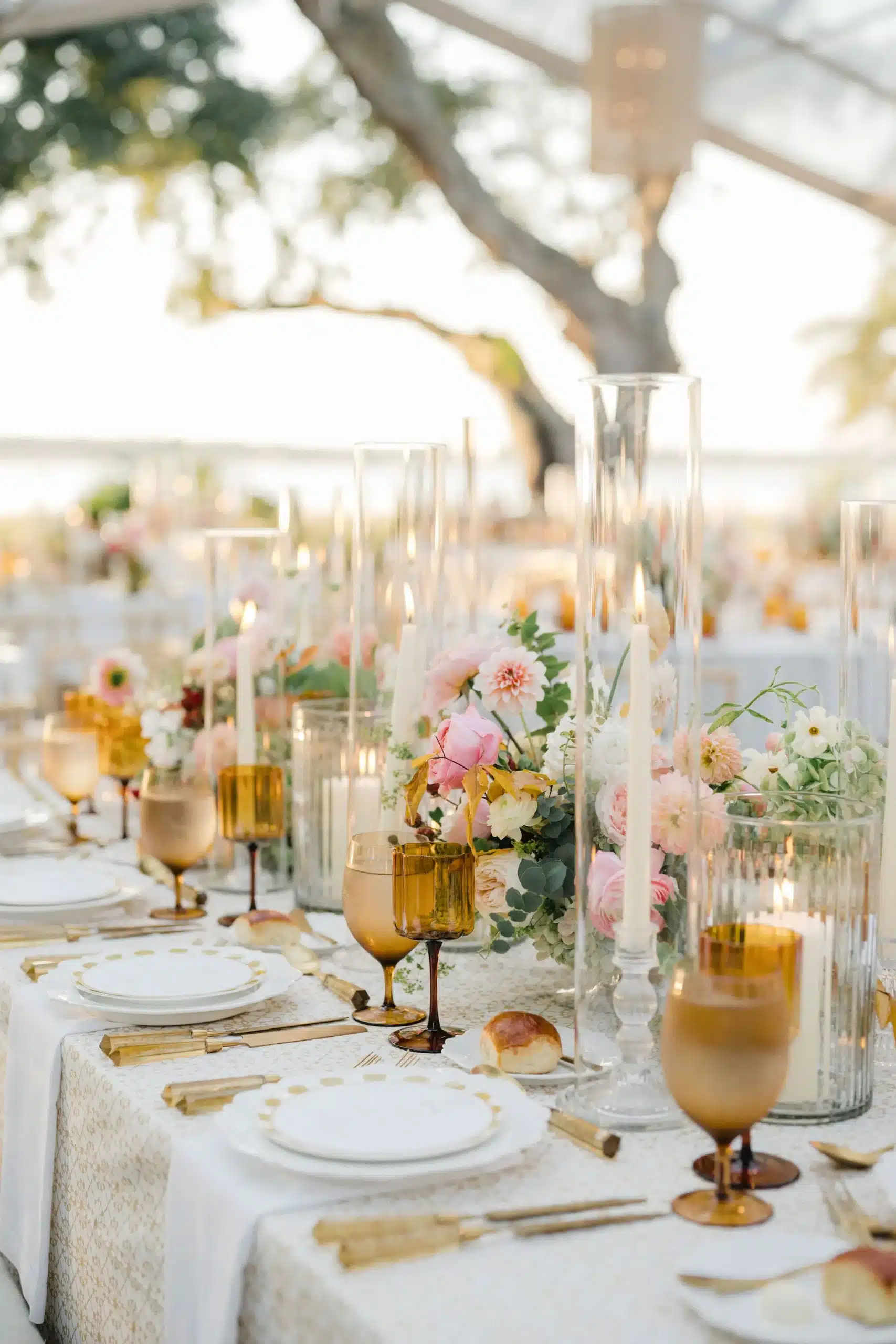
Luxury finishes can coexist with humidity‑aware performance when you choose breathable, quick‑dry materials and plan airflow into the layout. Performance linens, water‑resistant tabletop finishes and breathable upholstery deliver a refined look while resisting moisture issues. Layout choices — staggered lounge clusters, clear circulation paths and intentional placement of fans and dehumidifiers — improve perceived comfort without sacrificing style. The sections below outline materials, furniture and upkeep practices that keep multi‑day activations looking pristine.
Design principles that protect both the look and the longevity of your installation.
- Choose breathable, quick‑dry linens: Select fabrics that wick moisture and dry quickly to avoid cling and odor.
- Prefer water‑resistant table surfaces: Sealed finishes prevent ring marks and staining from condensation.
- Design for airflow: Arrange seating and pathways to avoid pockets of stagnant, humid air.
In short: pair humidity‑aware materials with airflow‑first layouts to preserve both luxury and function.
What Materials And Designs Are Best For Humidity‑Resistant Event Decor?
Best‑fit materials include performance linens made from blended synthetics that wick moisture, quick‑dry upholstery and non‑porous tabletops that resist staining and mold. Favor removable, washable covers and elevated staging to limit contact with ground moisture; specify decor that can be ventilated or dried between activations to prevent odors and degradation. Avoid heavy, dense fabrics and untreated woods that trap moisture — choose treated or composite surfaces with sealed finishes instead. These material choices naturally guide furniture selection for humid sites.
Studies consistently recommend moisture‑resistant materials to protect structures and finishes over time.
Which Furniture Options Suit Outdoor Riverfront Pop‑Up Events?
For humid riverfront use, choose powder‑coated aluminum, sealed or treated hardwoods and synthetic wicker designed to resist moisture and salt air. Modular lounge pieces let you open circulation paths and align seating with climate equipment placement; removable cushions speed drying and cleaning between sessions. Keep protective storage crates and breathable covers on hand for sudden rain or heavy dew, and specify furniture with risers or feet to reduce direct ground contact. These choices also affect delivery, storage and handling practices that lower humidity risk during operations.
What Logistics And Permits Are Essential For Successful Savannah Riverfront Pop‑Up Rentals?
Smooth riverfront activations depend on tight logistics — permits, site plans, delivery windows, electrical provisioning and contingency protocols — with humidity management built into each step. Permitting and local coordination affect timelines, while electrical planning determines which climate solutions are feasible. Map lead times and responsibilities early. Operational checklists should include staging for HVAC and dehumidifiers, drainage and anchoring plans, and access for mid‑event adjustments; these steps reduce downtime and protect rented assets. The permit matrix below highlights common permit types, typical lead times and likely owners for each task.
Use this permit and logistics matrix to fold humidity preparations into the event schedule.
This matrix clarifies timing and ownership so humidity mitigation is part of the overall timeline, not an afterthought.
How Does Curated Events Support Local Permitting And Event Planning?
Curated Events is a full‑service rental partner with local experience in Savannah, GA, offering tents, climate systems (fans, AC, dehumidifiers) and weather‑ready decor tailored for riverfront conditions. Our strengths: a curated inventory, attentive service and practical experience managing humidity‑sensitive activations on coastal sites.
We support planners by producing site plans that show HVAC ducting, dehumidifier placement and electrical load calculations, and by coordinating permits and inspections with local authorities. That coordination reduces administrative burden and helps ensure equipment and tent configurations meet site‑specific structural and power requirements, letting planners focus on programming while technical logistics are handled by experienced teams.
What Are Best Practices For Delivery, Setup, And Humidity Management?
Onsite best practices start with staging climate equipment early and sequencing tent erection to limit overnight moisture exposure. Position dehumidifiers and HVAC first so dry conditions are established before linens and decor go in. Electrical plans should include dedicated circuits and capacity buffers for high‑draw units; pre‑test equipment to confirm airflow and humidity reduction across the footprint. Monitor RH and surface condensation during setup and the event, and keep a contingency cache of dehumidifiers and absorbents for quick response. These steps tie directly to choosing a rental partner who can provide the right gear and onsite technical support.
Practical onsite checklist for humidity management:
- Stage climate equipment early: Power up dehumidifiers and HVAC before installing decor to establish dry conditions.
- Map electrical loads: Confirm dedicated circuits and allow backup capacity for high‑draw units.
- Monitor and adjust: Use RH meters and tweak equipment settings as guest counts and weather change.
These practices reduce humidity risk and help keep events running smoothly with minimal mid‑event interruptions.
Why Choose Curated Events For Your Humidity‑Proof Savannah Riverfront Pop‑Up Rentals?
Curated Events pairs a focused inventory with hands‑on operational expertise for Savannah riverfront activations. We supply HVAC‑ready tents, dehumidifiers, portable AC and weather‑resistant décor — backed by local knowledge and technical support. Our approach centers on curated selections, dependable service and real experience solving humid‑site challenges.
Beyond equipment, our engagement includes consultative planning, site assessment, equipment specification, supervised setup and mid‑event monitoring to keep conditions stable. We emphasize pre‑event load testing, clear staging and circulation plans, and rapid‑response teams for adjustments — practices that minimize humidity incidents and deliver consistent guest experiences. Below are the core benefits planners can expect when choosing a humidity‑focused rental partner.
- Curated inventory: Tents, HVAC‑ready structures, dehumidifiers and weather‑resistant decor at your fingertips.
- Local expertise: Savannah‑specific knowledge of riverfront constraints and seasonal weather patterns.
- Operational support: Permit coordination, load planning, supervised setup and on‑site monitoring.
How Does Curated Events Ensure Exceptional Service And Event Execution?
Our service model is a repeatable workflow: consultation to define goals and constraints, site visit and equipment specification, permitting support, supervised setup with load‑tested climate systems, active monitoring during the event, and organized teardown. Quality checks include pre‑event equipment tests to validate RH and temperature targets, mid‑event monitoring triggers for adjustments, and post‑event assessments to refine future plans. For a humidity‑proof riverfront pop‑up, combining technical rigor with curated aesthetics is the best path to a seamless outdoor experience.
Frequently Asked Questions
What Are The Key Benefits Of Using Humidity‑Proof Rentals For Outdoor Events?
Humidity‑proof rentals keep guests comfortable and protect assets in damp conditions. They prevent moisture buildup that can cause discomfort, damage electronics and degrade textiles. Specialized materials and climate‑control systems preserve aesthetics and functionality, helping create a smooth, enjoyable experience for attendees.
How Can I Prepare For Unexpected Weather Changes During An Outdoor Event?
Build contingency into your plan: secure the right permits, stage portable dehumidifiers and fans, and choose weather‑resistant gear. Monitor forecasts closely and design a flexible layout that allows quick adjustments. Having spare climate units and breathable protective covers on site speeds recovery from sudden weather shifts.
What Types Of Permits Are Typically Required For Hosting Events On The Savannah Riverfront?
Common permits include a Temporary Use Permit, Electrical Permit, and Tent Permit or structural approval. Lead times vary by permit — often several weeks — so coordinate with local authorities and map responsibilities early to avoid schedule risk.
What Are The Best Practices For Maintaining Humidity Control During An An Event?
Start climate systems early, use dehumidifiers and HVAC to manage moisture, and monitor RH with meters. Place equipment intentionally, confirm electrical capacity, and keep a contingency supply of climate units and absorbents so you can respond quickly to changes in guest load or weather.
How Does Furniture Selection Impact Humidity Management At Outdoor Events?
Choose moisture‑resistant materials like powder‑coated aluminum, sealed hardwoods and synthetic wicker. Removable cushion covers speed drying; elevated furniture feet reduce ground wicking. Arrange pieces to maintain airflow and minimize stagnant pockets where humidity can build.
What Role Does Layout Design Play In Enhancing Comfort During Humid Events?
Layout drives airflow. Cluster seating to create circulation paths, avoid tight nooks that trap humid air, and place fans or dehumidifiers to support those pathways. Thoughtful shading and strategic positioning of climate equipment keep guests comfortable without sacrificing style.
Conclusion
Humidity‑proof rentals are a practical investment for Savannah riverfront pop‑ups — they protect guests, equipment and aesthetics from moisture‑related problems. By understanding local climate patterns and choosing the right tent types, climate systems and materials, planners can deliver polished, reliable activations. Curated Events offers the inventory and operational support to make those outcomes predictable. Explore our solutions to see how we can elevate your next riverfront activation.