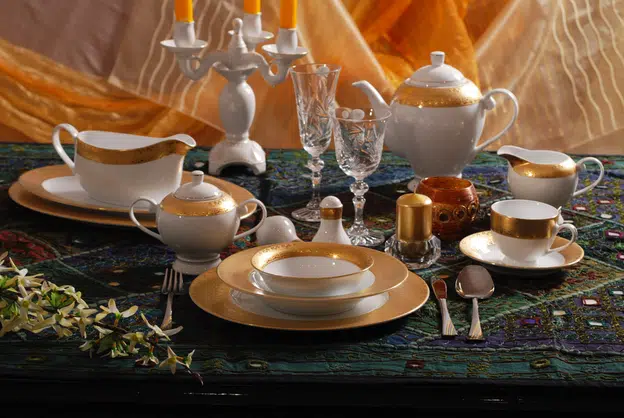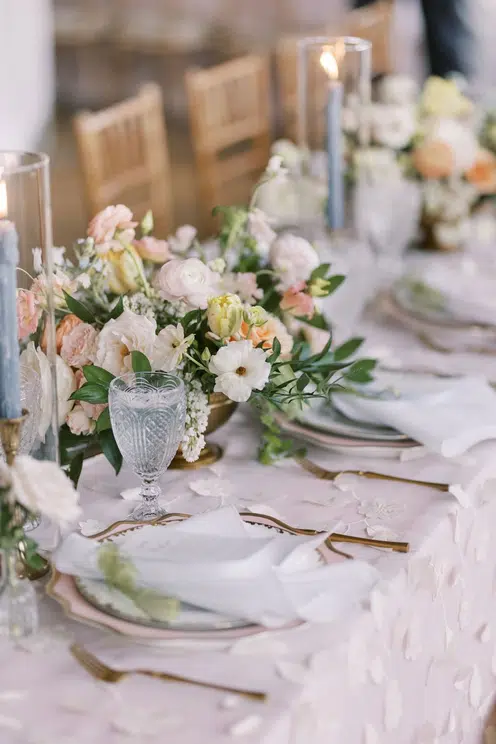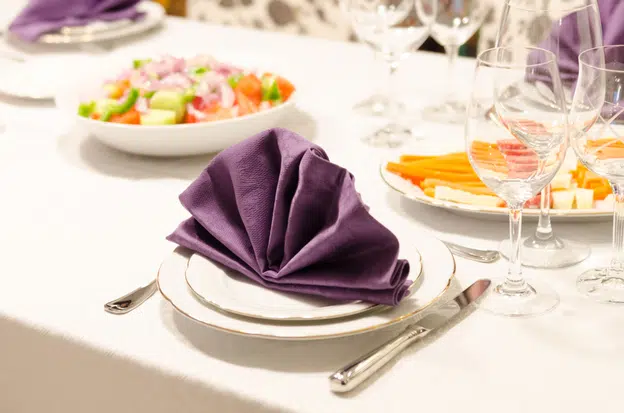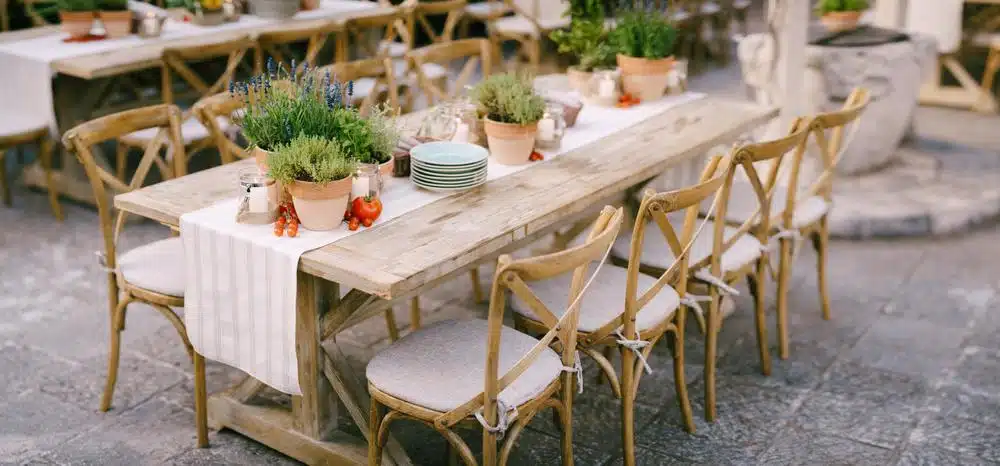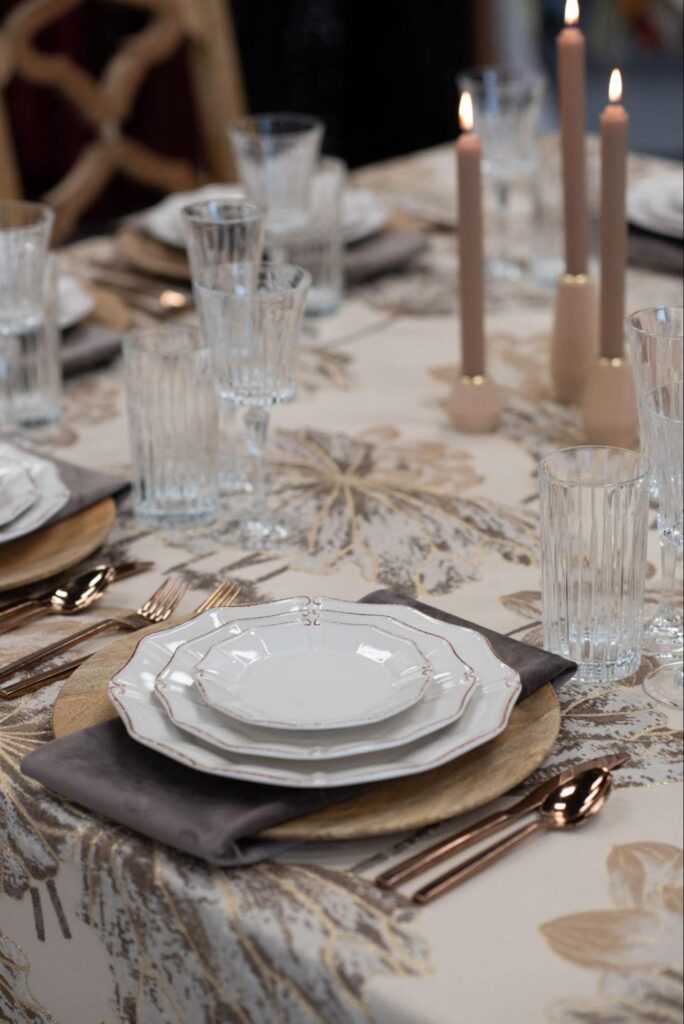
Tag

Rental

Bottles of spirits and liquor at the bar

What do I need to hire to serve all the drinks for my event?

By Blog

Planning and holding an event is a daunting task. You need to ensure that everything runs smoothly, everyone is satisfied, and deal with any problem that may arise.

When it comes to making the event a success, one thing stands out- the catering. Almost everyone loves to eat and drink, and the best way to keep them happy is to ensure food and drinks are in plenty. For beverages, it could range from alcoholic drinks, soft drinks, and other specialty drinks.

If you want to know what you need and what to hire to serve all drinks at your event, this blog is for you. Our Curated experts will go through why drinks are essential for an event and everything you need to make it successful.

Let’s get the party going!

Why are Drinks Important at an Event?

Food and beverages have been part of most events throughout history. Behind all the chatting about politics, weather, and life, eating and talking about food is one of many pastimes. Here are some reasons why drinks are essential at an event.

  1. It’s about hospitality- Drinks are special in most events in almost all cultures. It is a way of saying thank you to the guests and ensuring they hydrate, freshen up, and re-energize.
  2. They add to the experience- Drinks are a great way of making a party lively, especially if you’re dealing with adults who drink alcoholic beverages.
  3. They are good icebreakers- Everyone who loves to drink probably loves to talk about their favorite drink. As such, beverages are a great way to connect the guests and make it easy to start conversations.
  4. They make an event more memorable- The best way to brand an event is by providing your guest with the best drinks. What you provide will make your event stand out and make a statement.

Factors to Consider When Planning for Event Drinks

While drinks are essential to the success of an event, there are things you must consider when planning what to provide. Here are some factors to consider.

Type of Bars

There are very many types of ways to provide drinks to guests. You can let everyone drink to their fill, allocate a specific amount or ask the guests to pay. Here are the types of bars for events.

  1. Open Bar: An open bar setting is the favorite among guests because it lets them drink without a limit. The downside is you have to foot the bill- a price to make the event successful.
  2. Hosted Bar: A hosted bar is similar to an open bar, with the difference being you pay for the drinks and all opened bottles. Open bars usually offer fixed rates for each guest.
  3. Cash Bar: In this arrangement, your guest will pay for the drinks they drink. It is an excellent way to keep the budget low, but you should inform the guests beforehand.
  4. Limited Bar: Limited bars are open bars where the guests can only have specific drinks. That could be wine, beer, champagne, or a combination of any beverage.

Budget

The budget you have set aside will indicate the number of drinks you need and the type and quality. If your budget is vast, you can have an open bar serving all drinks and brands. If the budget is low, you may have to reduce the number of drinks per guest and go for much lower-priced beverages.

Always ensure you have almost accurate, if not exact, figures to avoid going over budget and falling into financial trouble. If you can’t, you plan to have a bar with a capped spend where the bar closes after reaching the limit.

Number of Guests

The number of guests you invite to your event is directly proportional to the number of drinks you’ll need to serve. The higher the number of guests, the more beverages you need to purchase to ensure everyone gets something to drink. The best way to deal with this is by buying in bulk to take advantage of discounts and economies of scale.

Types of Drinks to Serve at an Event

You can serve different drinks at an event depending on who is attending. Some are teetotallers and those who love to drink alcohol at a wedding.

Here are the types of drinks you’ll expect to serve at your event.

  1. Alcoholic Beverages: Alcoholic beverages are popular at most events, especially towards the end. These drinks include spirits, vodkas, beers, wine, champagne Whiskey, and tequila. You’ll need to check whether you need licenses to serve these beverages.
  2. Non-Alcoholic: Non-alcoholic drinks are a better option to keep things sober at your event. These include soda, energizers, and other beverages like tea. They are also the best pick if you have kids attending your event.
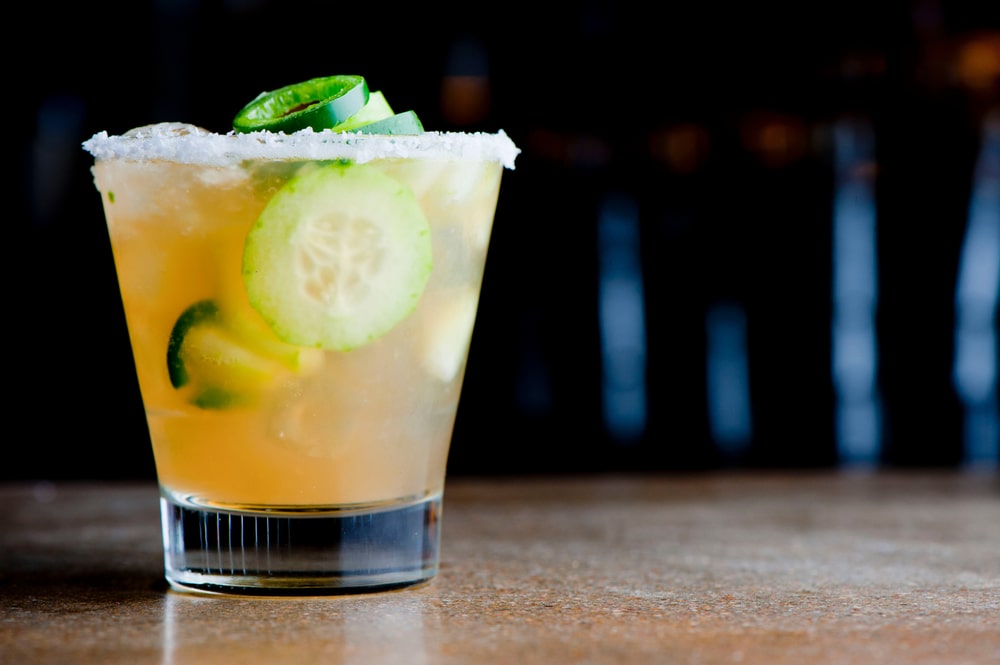
  3. Specialty Drinks and Mocktails: Speciality drinks are original drinks made by the bartender or the venue. They are exclusive to them and are usually non-alcoholic. It also applies to mocktails, usually a mix of different fruit juices.

What You Need to Hire to Serve Drinks at Your Wedding

Here is what you need to hire to serve all drinks at your event.

Bartender or Beverage Caterer
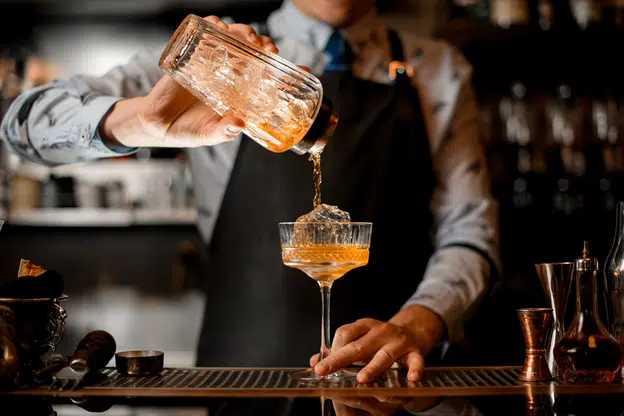
Barman gently pours a finished cocktail from a glass shaker into a glass

A bartender or beverage caterer does more than serve drinks at any event. They sometimes have to listen to the guests talking about life and serve as some source of entertainment. They keep track of how much individuals drink to avoid overindulgence.

As such, picking a perfect bartender or beverage caterer is crucial to ensure everything in the beverage department runs smoothly.

Portable Bar
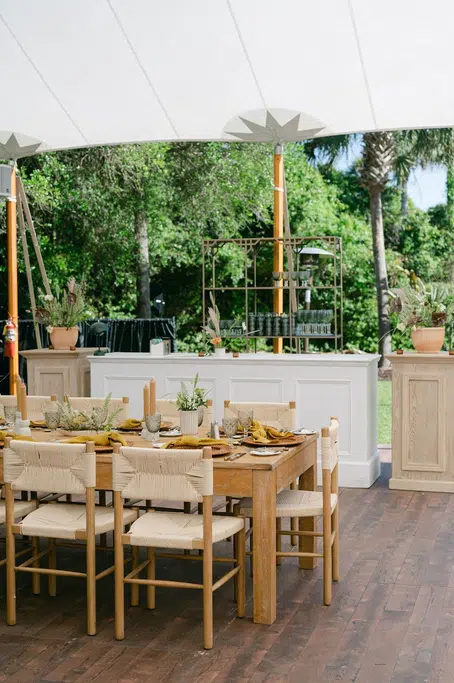
Portable bar with rooftop and stools

You may have to hire a portable bar if your event is in a location without a bar. Fortunately, this is your chance to get creative and go for a bar that complements the occasion. You can even decide to make your chosen bar the centerpiece.

Curated Events has a wide range of portable bars from which you can find one for your event. Our collection includes different colors and designs to ensure everyone finds something suitable. Everything we have is sure to make a statement!

Glassware and Tools
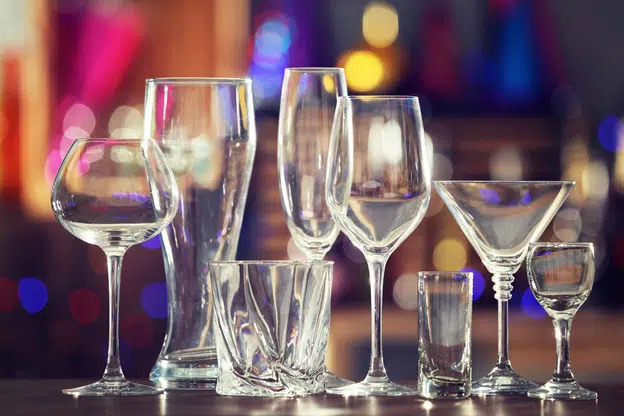
Different types of glassware on a table

Every bar and bartender needs tools and equipment to function. Whatever the drinks you are going to serve, you’ll need glassware. It is especially true if you serve beverages from large bottles that can’t be used, like beer bottles.

Additionally, you’ll need to hire tools such as cocktail shakers, jiggers, and muddlers to enable the bartender to make the best drinks. If you worry about getting this, you can use Curated Events. Our collection ensures the bar has everything to function fully without hiccups.

Drink Dispensers
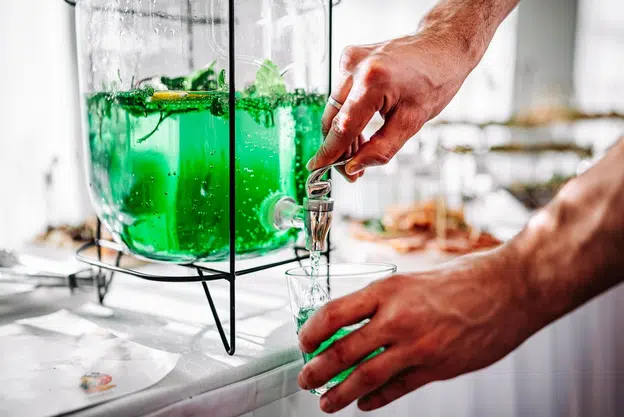
Man pours colored lemonade from a bottle into a glass

Pouring drinks straight out of a bottle can take time and effort. The best way to deal with it is to use a soda or bar gun to pour your carbonated and non-carbonated drinks. You can also use a dispenser for your alcohol bottles to make the serving process smooth and fast.

If you are thinking of where to get a drink dispenser, Curated Events has you covered. You can choose from any of our catalogs, and we assure you the bar will run smoothly.

Conclusion

Serving beverages at an event is a no-brainer. Drinks are refreshments and icebreakers and keep everyone jolly and happy. If you are organizing an event, the challenge is getting everything in order and ensuring you serve something for all the guests. You’ll need to hire a bartender or caterer, get the necessary tools and buy the drinks.

Curated Events provide all types of events with some of the things you need to hire to serve all drinks at your event. We have portable bars, drink dispensers, glassware, and other things you may need to serve drinks. Contact us, and we’ll handle all your beverage needs for you.

FAQs

1. How many drinks can you serve per person?

Experts claim that the average drinker consumes 1.5 drinks an hour per guest per hour. However, you should consider your budget and remember to keep people from overindulging. You wouldn’t want your event to turn into chaos due to drunkenness.

2. How do you calculate for drinks for an event?

To estimate the amount you’ll use to provide drinks at your event, consider the number of guests you’ve invited and the beverage each will consume. Usually, most guests will have two drinks within the first hour and one per hour afterward. However, planning extra drinks is good to avoid running out before the end.
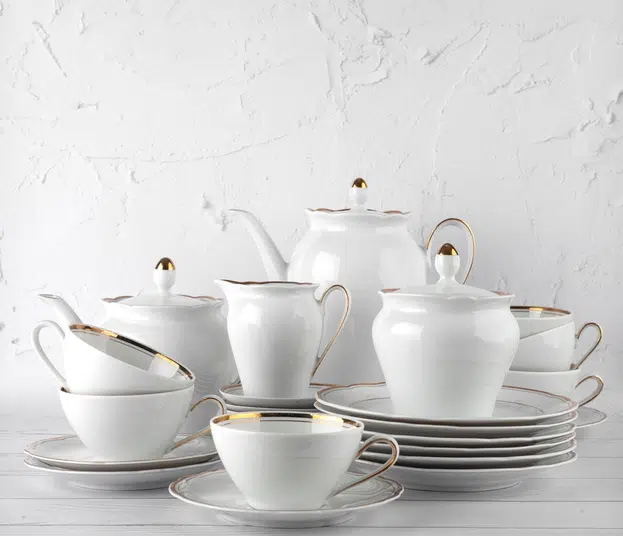
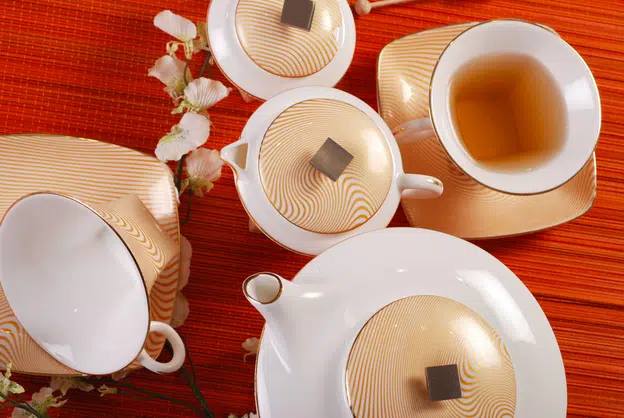
Fine china tea set

What is the difference between China and Dinnerware?

By Blog

You can never miss two things at a wedding reception; seats and tabletop ware. When it comes to crockery and cutlery, there are several terms that you might come across, and sometimes even used interchangeably, which can prove quite confusing.

For your big day, it is important to understand the key differences between the various crockery, especially if you want to have a hands-on approach. Each material has unique qualities, features, price points, and shortcomings.

This guide will highlight the main differences between China and Dinnerware, including care tips. This information is handy when selecting distinctive tabletop ware for your big day. Let’s get right into it, shall we?

What is China Dishes?

China refers to high-quality ceramic tableware crafted from a refined blend of clay, kaolin, feldspar, and quartz. This mixture is fired at high temperatures in a kiln, resulting in durable, elegant pieces often featuring intricate designs. Commonly known as chinaware, these dishes are traditionally reserved for special occasions due to their delicate appearance and timeless appeal.

What is Dinnerware?

Dinnerware is a broad term that includes plates, dishes, serving bowls, platters, etc., used for serving and eating meals. Because of its broad definition, dinnerware often includes China as a subset.

There are several other types of dinnerware, including melamine, earthenware, stoneware, etc., which we will look into later. Since there are hundreds of different types of dinnerware to choose from, we will look at some of the most elegant options, hallmarked by their key features.

History of Chinaware

Chinaware, often referred to as china dishes, traces its origins back to ancient China during the Han and Tang Dynasties (618–907 AD). This period marked a golden age of cultural and artistic achievement, where refined craftsmanship flourished across the country. Key regions known for their porcelain artistry included Dehua in Fujian, Jingdezhen in Jiangxi, Liling in Hunan, Shiwan in Guangdong, Tangshan in Hebei, and Zibo in Shandong. These centers became renowned for producing exquisite ceramics that laid the foundation for what we now recognize as traditional chinaware.

Types of China

Many people assume that all China refers to all fancy dishes and there’s no distinguishing between them, but this is far from the truth. There are different types of China dishes, each with its distinct qualities and features, that can be used to make your big day extra special. Let’s quickly take a look at different types of China.

Fine China

These crockeries are made from fine-particle clay combined with feldspar, kaolin, and quartz, fired up at high temperatures in a kiln. This results in extremely durable and nonporous dinnerware. Making fine China allows the wares to be more delicately constructed with a heavier body and a smooth, white, and lustrous appearance. Making fine China also allows shaped details to be incorporated into the body’s design.

Fine China is usually microwave, oven, and dishwasher safe unless indicated otherwise by the manufacturer. If the dishes have a gold, silver, or platinum border, then it’s not advisable to microwave them. Moreover, you shouldn’t use lemon or citrus-scented dish soap on them since they could damage the metal accents. Many people handwash their metal-accented fine China dishes. Fine China can create an upscale and refined look for your reception on your big day.

Bone China

Bone China is made from feldspar, ball clay, quartz, kaolin, and bone ash from farm animals, ground into a fine powder or ash. This mixture is then heated at a relatively lower temperature than fine china. This results in lightweight and delicate-feeling tablewares with a translucent milky appearance. Although bone China looks and feels more fragile, it’s the strongest and most durable. Most bone China contains between 25 and 45 percent bone ash in the mixture.

Untitled

Like fine China, bone China is also typically microwave, oven, and dishwasher safe unless the manufacturer indicates it isn’t. If it has metal banding, then you shouldn’t put them in a microwave or oven. Bone China has glazes that protect it from chipping and scratching; its refined look makes it a great pick for luxurious events.

Pros and Cons of China Tableware

Choosing china tableware for your event—especially a wedding—can dramatically elevate the dining experience. But before you make the investment, it’s essential to weigh the benefits and potential drawbacks.

Pros of China Tableware

  • Elegant Aesthetic: China dishes are known for their refined, luxurious appearance. Their glossy finish, intricate detailing, and delicate translucence (especially in bone china) add a timeless charm to any tablescape.

  • Durable When Properly Cared For: Despite their delicate look, high-quality china—particularly bone china—is surprisingly strong and chip-resistant, making it a reliable choice for formal events.

  • Heat Resistance: Most fine and bone china pieces are safe for use in microwaves and ovens (excluding those with metallic accents), offering both beauty and function.

  • Dishwasher Friendly: Many modern china dishes are dishwasher safe, making post-event cleanup more manageable, though handwashing is still preferred to preserve detailing.

  • Prestige and Perception: Using china signals attention to detail and high standards—qualities that impress guests and elevate the overall dining experience.

Cons of China Tableware

  • Higher Cost: China tableware—especially bone china—is generally more expensive than other materials like stoneware or melamine, which may stretch budget-conscious plans.

  • Fragility: While durable, china can still crack or shatter if mishandled or dropped, making it less ideal for fast-paced, high-traffic events without careful staff.

  • Not Always Microwave-Safe: China with metallic trim (gold, platinum, silver) is not microwave-compatible, which may limit functionality for some caterers or venues.

  • Special Care Required: To maintain its finish and prevent wear, china often requires gentle cleaning methods and thoughtful storage—an important consideration for long-term use or rental businesses.

Types of Dinnerware

As mentioned earlier, dinnerware is usually a blanket term for different crockery. There are different types of dinnerware, each made from different materials and with its unique features. Let’s take a quick look at them.

Earthenware

Earthenware is ceramic that has been glazed and fired up. It is usually less expensive than other types of dinnerware. It has a thick, heavy, and rustic look and feel. However, it is prone to chipping and less durable and strong than other types of dinnerware. Earthenware is best known for its hand-painted designs.

The drawback of earthenware is that it’s often porous and prone to staining and absorbing liquid. Therefore, you must avoid submerging earthenware in water for an extended duration. Most glazed earthenware is microwave, oven, and dishwasher safe, but it’s wise to double-check with the manufacturers first.

Stoneware

Stoneware is also a type of ceramic that has been glazed and fired. Because the clay is heated at a higher temperature, stoneware is more durable than earthenware. It also has vitreous (glass) material added to it for more durability. The body of stoneware is typically more opaque and thicker than more refined materials like porcelain and China. Stoneware can be finished with various glaze textures, such as satin, matte, or shiny.

Stoneware is typically used in casual, everyday place settings, but it can also be used for special occasions such as weddings. Most superior-quality stoneware is very versatile and quite easy to maintain. However, it is important to note that stoneware shouldn’t be exposed to sudden or extreme temperature changes.

Melamine

Melamine is a lightweight plastic material with a sturdy, inflexible feel and a glossy finish. If you’re looking for unbreakable plates for your big day, then melamine is the way to go. Melamine is virtually indestructible and is ideal for children and outdoor use. Besides being a safe choice to avoid damage, melamine is also BPA-Free. If you are having an outdoor wedding or want dishes that the little ones can safely use, then you can consider melamine.

Vitrified Glass

Vitrified glass is usually opaque and created by being heated to an ultra-high temperature, so it’s non-porous and extremely durable. High-quality vitrified glass is virtually indestructible and will not break or chip even when dropped onto a hard floor. The unique look brings out a classy feel for table tops and speaks out to luxe events. In addition, vitrified glass is safe for use in dishwashers and microwaves.

Porcelain

Untitled

Although most people usually use China and porcelain interchangeably to describe dinnerware, there is a difference between the two. Both are made from the same materials, but their countries of origin and manufacturing processes are slightly different. Porcelain is fired at a higher temperature than fine China to make it more durable.

Porcelain has European origins, and the word is derived from the Latin word “porcella,” which means seashell. In terms of appearance, porcelain and China are almost indistinguishable in their glazed form. Unglazed porcelain is known as bisque or biscuit, but it’s too porous in this form, so it isn’t used for tableware. Porcelain is also not as expensive as traditional China and bone China dishes. For an exquisite look, porcelain can perfectly fit your big day.

Bone China vs. Porcelain:

While both bone china and porcelain are popular choices for elegant wedding table settings, they differ in subtle but important ways. From material composition to appearance and durability, understanding these distinctions can help you choose the perfect dinnerware that matches your event’s style, functionality, and budget. Here’s a side-by-side comparison to help you decide which one suits your big day best.

Feature Bone China Porcelain
Material Composition Made with clay, kaolin, feldspar, quartz, and bone ash (typically 25–45%) Made with clay, kaolin, feldspar, and quartz (no bone ash)
Appearance Translucent, milky white, delicate look Bright white, opaque, more solid-looking
Weight Lighter and more delicate feel Heavier and sturdier
Durability Surprisingly strong and chip-resistant despite delicate appearance Very durable and dense; less prone to cracking
Cost Generally more expensive due to bone ash and craftsmanship Typically more affordable than bone china
Elegance Factor Considered more luxurious and refined Elegant but slightly less formal than bone china
Microwave Safe Yes, unless it has metallic trim Yes, unless decorated with metallic accents
Dishwasher Safe Yes, but handwashing recommended for longevity Yes, durable enough for regular dishwasher use
Best Use Case Formal events, upscale weddings, luxury dining Everyday use, formal and casual events
Origin Developed in England in the 18th century Originated in China, refined in Europe (notably Germany and France)

Choosing Tabletop Ware for Your Big Day

You need to consider several things when choosing tabletop ware for your wedding. We are going to highlight the most important ones briefly.

  • Presentation: When serving meals, the tabletop ware serves as a canvas for the chef’s culinary presentation. When you choose delightful crockery, your chefs have an even easier time when it comes to the presentation of the food.
  • Theme: Depending on what your event theme is, different tabletop ware settings can help reinforce or bring out your desired theme. If done well, the crockery can help create a unique atmosphere for your wedding reception.
  • Experience:  Aside from the food served, the setting of the table can influence your guests’ experience. More exquisite crockery can give your guests an extra luxe experience.
  • Cost: The cost of tabletop ware is often not fixed. Some chinaware and dinnerware usually hold a premium price tag, especially regarding high-end crockery.
  • Durability: If you want to go all out and get fancy tabletop ware, you must be sure they are durable. No one wants to pay premium money for dishes that chip or break easily.

Wrapping Up

When planning a wedding, every detail matters—including what your guests will eat from. From the timeless elegance of bone china to the practicality of porcelain and the charm of alternative dinnerware styles, your tabletop choices set the tone for the entire dining experience. Understanding the differences between various materials helps you stay within budget and ensures that the tableware aligns with your theme, venue, and guest experience goals.

Whether you’re aiming for a luxurious, formal setting or a more laid-back, functional vibe, selecting the right tableware is an investment in the overall ambiance of your celebration. Curated Events is here to bring that vision to life if you envision a wedding reception with stunning, high-quality tabletop pieces. Contact our team to explore rental options and design possibilities tailored to your big day.

Table setting with floral decor

What does flatware include for events?

By Blog

Occasionally, you would hear someone comment about the type of flatware or silverware in a particular event and wonder – is cutlery that important? The answer is a resounding yes!

The type and quality of flatware you use for your event matters. It can throw the entire celebration off if it’s low quality or doesn’t match the theme. On the other hand, if you choose the perfect flatware set, it can elevate the aesthetics of your event and be something your guests compliment you on long after it’s over.

This article will discuss what flatware is, what it includes for an event, how to choose the right flatware set for your event, and the essential flatware pieces you should have in your event.

What Is Flatware?

Typically, an event dining set might contain different varieties of tableware, ranging from serving bowls, plates, and ladles to spoons, forks, and knives. Most people don’t know that this cutlery is divided into minor subgroups, with flatware being one of them.

So what is flatware? As its name suggests, flatware simply refers to tableware whose surface is flat and is mainly used for serving and eating. Think about spoons, forks, and knives. These are the most common examples of items in a flatware set.

You will likely come across a flatware set on any occasion with food, including events like wedding receptions, graduations, and day-to-day activities such as family dinners or in restaurants or school dining rooms.

How To Choose The Right Flatware For Your Event

Set with examples of different beautiful table settings

Ideally, you want to choose the style of flatware that not only looks good but also feels good and matches the theme and decor.

Because flatware is made of different materials, you should decide what fits correctly with the event. Will the gold-plated ones bring out the elegance and sophistication you want to achieve, or would a silver handled flatware match the aesthetic better?

Apart from the material, you should also pay close attention to the flatware’s quality, weight, and patterns. Choose a set that reflects the type of occasion you are putting in place.

Here are five tips that can help you pick the right flatware:

  1. The Type of Flatware Material

The type of flatware material you choose can make or break your event. Before picking or purchasing, ask yourself – what feeling I want to bring out with the occasion? And will this material reflect that?

For example, you don’t want your guests to think you are a cheapskate just because you chose to serve them with plastic spoons and forks. Although plastic cutlery might be perfect for family events with children around, it might not be ideal for a wedding reception or a work function.

The other thing you should look out for is the strength and durability of the material, especially if you purchased the cutlery. When the event ends, you want to take the flatware home and use it on another occasion.

Regarding durability, stainless steel is the best material to pick for your flatware. It’s not only low maintenance, but it’s also resistant to rust and stains.

  1. The Quality of Flatware

Clean plate and shiny silver cutlery

After you have chosen the right material, it’s time to consider the quality of the particle flatware set. You might purchase a flatware set that seems perfect on paper, but it throws the whole event mood off because it’s of low quality.

Flatware Numbers and What They Mean

One way to identify a high-quality flatware set is by looking at the numbers marked on it. Marked as 18/another number, this indicator is a grading system common in stainless steel flatware. It shows chromium’s composition ratio compared to nickel, with the first number representing chromium.

A high-quality stainless steel set has a higher nickel number, which means that the composition of nickel, which is responsible for the shine and durability, is on a higher level. The best quality flatware has a grading system of 18/10 and above.

  1. The Patterns On The Flatware

So, you have the right high-quality material for your flatware. Great. Now comes another hurdle – should your set have patterns? And if so, should the patterns match the other tableware sets or should you go a little rogue?

Unlike the other practical determinants, this decision is solely based on you and your taste. It’s a chance to flex your creativity and pick a pattern complimenting the decor while simultaneously bringing out your personality. Trust your instinct, avoid second-guessing, and choose the set that resonates with you most.

  1. The Weight Of The Flatware

You might be wondering if the weight of the flatware matters, and the answer is yes. Guests want to feel special during a dining experience, and providing flatware that has weight, allowing for balance, can be the way to go.

Essential Flatware Pieces for Events

A fun and colorful tablescape with Gold Gatsby Flatware

Shopping for flatware sets for your event can expose you to many different varieties of tableware. Getting overwhelmed about what you should and should avoid picking is normal.

Regardless, there are some essential flatware pieces that you cannot miss to have in your dining set. Some of these pieces include:

Dinner Forks

Also referred to as the place fork, the dinner fork is the longest fork on the table. It’s characterized by having four tines of equal length and is mainly used for the main courses.

Salad Forks

The salad fork has four prongs, with the left-most tine being extra-wide to allow for the cutting of vegetables. It’s usually placed on the dinner fork’s right side and the plate’s left side.

Dinner Knives

Typically used in all eating occasions, from breakfast and lunch to dinner, the dinner knives are the most standard knives in a dining experience. They are characterized by their long, slightly curved blade and their minimal edge.

Dinner knives cut cooked foods like meat, vegetables, and fish.

Soup Spoons

As the name suggests, soup spoons are spoons used for eating soup. It’s characterized by being round at the end of the bowl-like part.

Soup spoons are categorized into two different groups – Chinese soup spoons and British soup spoons. The difference between the two types is in the shape of the bowl, with the British one being circular while the Chinese one is flat.

Teaspoons

If you plan to serve beverages at your event, you cannot fail to include teaspoons in your flatware. Teaspoons are typically small and stir sugar in tea or coffee. Occasionally, they can also be used to eat soft foods.

Dessert Spoons

Serving your guest’s sweet delicacies at the end of the main course can be the peak of your event. When you do, use the right flatware – dessert spoons.

Characterized by its oval bowl, a dessert spoon is usually the same size as a soup spoon and is twice as large in capacity as compared to a teaspoon. Their oval shape allows guests to scoop the desserts in as much quantity as possible and enjoy the flavors.

Conclusion

In event dining experiences, nothing matters more than flatware – the flat tableware used for eating and serving, such as knives, forks, and spoons. Choosing the right set can be tricky, but as long as you pick the ideal high-quality material for your flatware and with patterns that fit in with your theme, you are good to go!

Flatware Frequently Asked Questions

What does flatware include?

Flatware includes spoons, forks, knives, and other flat tableware for serving and eating.

What is flatware in catering?

Flatwares is a type of cutlery with a flat surface typically used to cut or scoop up food. Examples include spoons, forks, and knives.

How do flatware and silverware differ?

Silverware is any type of cutlery or utensils made of silver, while flatware is a type of tableware with a flat surface and is mainly used for eating or serving.

Some flatware made of silver can be referred to as silverware, although not all silverware is flatware.

Dinner plates setup with pink napkins

What are the different types of napkins for events?

By Blog

What are The Different Types of Napkins for Events?

Delivering an opulent gathering means leaving no stone unturned in terms of planning and execution- especially when it comes down to crafting every single detail towards perfection. The decorations, cutlery, and even something as minute as napkins contributes significantly towards creating a captivating ambiance for guests at your remarkable affair.

But amongst all these aspects lies one often overlooked: the artfully designed napkin. Not just does this item add a touch of elegance, but it also helps maintain great aesthetics. However, due to the numerous options available, making a choice can be overwhelming.

Luckily, our guide comprehensively covers everything you need to know about picking out the right set of event-worthy Napkins!

Why Choose the Right Napkin

To make an event truly unforgettable, it’s essential to consider every aspect. From décor to cuisine, each detail contributes to your guests’ overall experience. Though often neglected, selecting the right napkin can significantly create the desired atmosphere at your event.

Adds to The Overall Aesthetic

Napkins serve a greater purpose than simply wiping your mouth. They offer an opportunity to elevate the sophistication and elegance of your event’s aesthetic. Whether you choose a simple or elaborate design, selecting the right napkin can harmonize your tablescape’s overall look and feel.

Sets The Tone for The Event

Napkins are an often overlooked aspect of event planning that can make all the difference in setting the desired tone. Want to create an air of sophistication? Select classic white or black linen napkins. Or are you aiming for an informal ambiance? Adding some colorful or interestingly patterned napkins is sure to do the trick!

Shows Attention to Detail

Appearances matter, especially when it comes to hosting a successful event. Although choosing the proper napkin may seem insignificant, it says a lot about your attention to detail and commitment to creating a memorable guest experience.

No matter how seemingly insignificant certain factors may be, each one contributes to an overall memorable experience.

Types of Event Napkins

Amongst other aspects, selecting appropriate table settings like premium quality napkins is crucial in creating an elevated ambiance reflective of the luxury standards one might expect from such an affair.

Beautiful table setting on a wooden table

Below we’ve rounded up different types of carefully curated options worthy of consideration while planning out the perfect table setting:

Cloth Napkins

The mark of any exquisite event lies in its attention to detail, the finishing touches that culminate in something truly exceptional. For this reason, cloth napkins should be at the top of your list for luxury gatherings – offering an instant upgrade that the paper alternatives alone can’t achieve.

The variety of premium materials on offer means you can customize according to style and sustainability concerns, perfect for those who value class without compromising longevity or environmental impact.

Colored Napkins

Deciding on a specific color for your napkins will make your tablescape more vibrant and distinctive. This shade ought to complement your event’s theme. From vivid hues like red, green, and yellow to delicate tones like pink and lavender, colored napkins come in various colors. They come in textile and paper varieties.

Patterned Napkins

Are you planning an exclusive event where every detail must reflect luxury? Consider adding some pizzazz with patterned napkins! These decorative items offer countless possibilities for customization – through playful florals or elegant geometric designs – allowing you to showcase your unique style.

Coordinating different colors with your chosen pattern makes it easy to create an effortlessly chic ambiance that wows guests from start to finish.

Monogrammed Napkins

Incorporating monogrammed napkins into your event decor is an easy way to enhance the overall ambiance with minimal effort. These lavish table additions offer a personal touch and an elevated aesthetic guaranteed to impress guests.

Made from premium cloth materials and customizable in various colors and styles, personalized monogrammed napkins are ideal for anyone seeking a luxury experience with minimal hassle.

Napkin Folding Styles

As a professional with expertise in crafting unforgettable experiences for clients through luxury events, you value precision in every aspect of planning. Everything counts towards achieving an exceptional ambiance at events, From grand designs to minor details like choosing exquisite napkins and perfecting their folds.

Laying cutlery above folded napkins

Below are some trendy napkin folding styles that will elevate any occasion:

The Classic Fold

Hosting formal gatherings requires attention to detail and refined decorum–the classic fold technique for napkins is one way of achieving this standard of sophistication with minimal effort.

By folding your napkin in half into a square shape, you can then delicately fold each corner inward until you have fashioned it into an elegant diamond formation; finish it off by precisely folding both sides downward.

The Pyramid Fold

Are you looking for that special touch that adds refinement and elegance to your dining experience? Look no further than the pyramid fold! This graceful and intricate napkin fold amplifies any occasion with its sophisticated appeal.

Glasses, flowers, fork, knife, napkin folded in a pyramid

Simply begin by folding your napkin diagonally in half before bringing down both sides from above – meeting at their center point for that ultimate apex- A true stunner!

The Pocket Fold

Functionality meets sophistication with the pocket fold—the ideal choice for those wanting refined tablescapes without sacrificing practicality. This design provides ample room to conceal menus or flatware while maintaining an attractive presentation.

Festive table setting with plates, cutlery, and napkin

Begin creating yours by folding your napkin in half diagonally before lowering its top layer approximately one-third of its length downwards. Turn over your napkin, then proceed to inwardly crease both left and right corners towards each other without fully closing off its summit for the utmost elegance points possible! Finally, finish off by bringing up its bottom portion upwards.

The Fan Fold

Hosting an outdoor or summer event can be taxing enough without worrying about intricate decor details – but did you know there’s one simple and elegant trick that’ll take seconds yet make all of the difference? The humble fan fold!

Purple fan napkin on a table set up

All it takes is starting with a square-shaped napkin and folding it diagonally in half before furrowing each side separately back and forth (accordion style) until you reach each end. Then fan out your folds to reveal your stunning masterpiece!
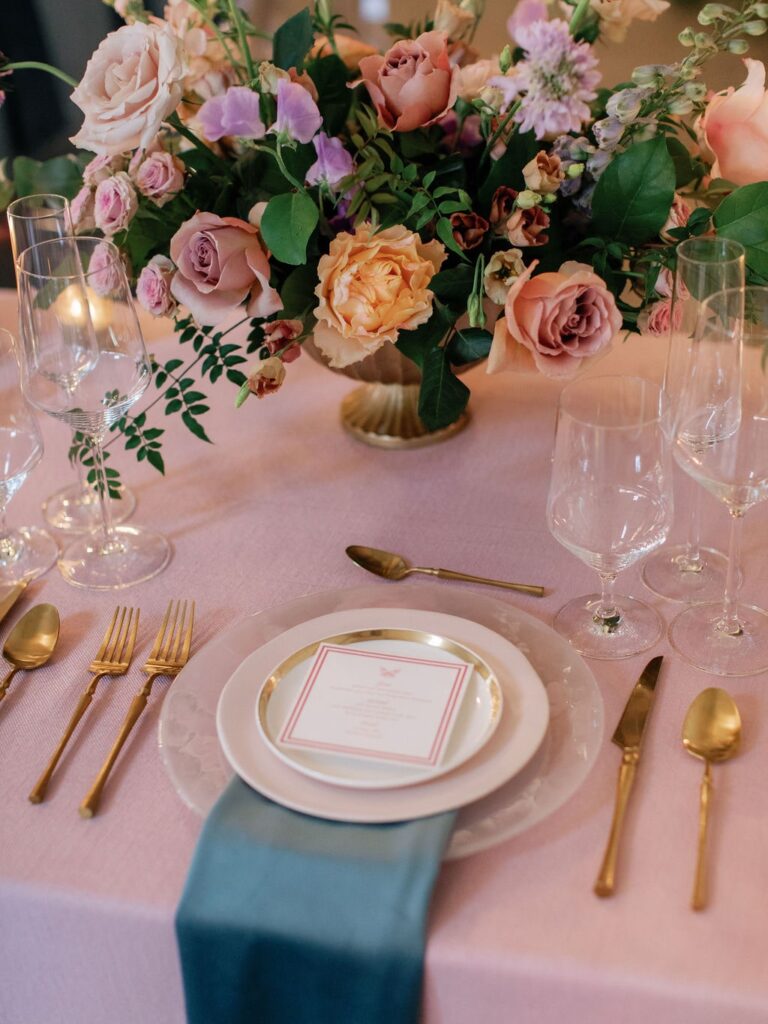
Napkin Rental FAQs

What makes Curated Events different from other event planning companies?

Curated Events focuses on high-end luxury events and pays close attention to even the smallest details to ensure an unforgettable experience for their clients.

Can I request a specific napkin color or design for my event?

Yes, Curated Events offers a variety of napkin options and can work with you to select the perfect color and design to match your event’s theme.

Will Curated Events handle selection of the napkins for my event?

Curated Events offers event design services, including selecting napkins for your event.

How far in advance should I book Curated Events for my luxury event?

Book Curated Events at least three to five months in advance to ensure availability and ample time for planning and preparation.

Your next luxurious gathering deserves no less than perfection! Every little detail counts – including something as seemingly trivial as napkin selection. The team at Curated Events understands this well and possesses unparalleled expertise in crafting lavish events.

Let us join hands in creating an unforgettable experience by bringing our world-class attention to detail into play when choosing everything from folding styles down to color schemes for your napkins! Feel inspired? Contact us today!

Ancient rectangular wooden tables with rag runner

What Are Table Runners And When Are They Used?

By Blog

Everything You Need To Know About Table Runners

A table runner is a long strip of fabric placed down the center of a table, typically used for decorative purposes. It is more narrow than a tablecloth and is usually used alongside the latter for extra decoration on a table setting.

When mapping out your home, restaurant, or event decor, you will soon learn that every little aspect counts. It is critical to ensure that your decor choices complement the overall theme. Therefore, table runners are not just a last-minute decision but an important consideration.

This post will explore the history, uses, and mishaps when using table runners and what to consider when choosing them.

Brief History of Table Runners

Table runners have been used for centuries as a decorative element on tables, adding color, texture, and style to a dining or banquet table. We can trace back the history of table runners to ancient civilizations.

In ancient Egypt, table runners were made of linen and decorated with hieroglyphics or geometric patterns. Here, people used table runners to protect the table from scratches and spills during meals. In ancient Greece and Rome, the people used table runners for a similar purpose, but they were often made of wool or silk and adorned with intricate patterns and designs.

During the Middle Ages, table runners became more elaborate and decorative, denoting the homeowner’s social status. Often, table runners were made of rich fabrics like velvet, silk, or brocade and embellished with gold or silver thread, embroidery, or applique. They were also used to display the owner’s valuable silverware collection and other tableware.

In the Renaissance, table runners became even more ornate, with elaborate designs that included floral motifs, animals, and mythological figures. They were often made of expensive fabrics and used during banquets and formal dinners.

During the 19th and early 20th centuries, table runners were popular decorative elements in the home. They were often made of lace or linen and embroidered with delicate floral designs or monograms. They were used for both everyday meals and formal occasions.

Openwork lace on white gauzey material over a tablecloth

Table runners are still used in homes, restaurants, and events as a decorative element. They come in a wide range of materials, colors, and styles, from traditional to contemporary, and are often used to complement the room’s overall decor.

Uses Of Table Runners

Table runners can add an elegant touch to any table setting. Here are some uses of table runners –

  • Centerpiece accent – Use a table runner as a backdrop for your centerpiece, making it the focal point of your table. This is particularly effective for rectangular or oval-shaped tables.
  • Layering – Layer a table runner over a tablecloth to add depth and texture to your table. Choose a complementary color or pattern for a cohesive look.
  • Color pop – Use a brightly colored table runner to add a pop of color to an otherwise neutral table setting. This can be particularly effective for outdoor events or casual gatherings.
  • Contrasting textures – Pair a table runner made from a different material or texture with your tablecloth to add visual interest. For example, pair a silk table runner with a linen tablecloth.
  • Long tables – Use table runners to break up long tables into smaller sections, creating a more intimate setting. This is particularly effective for weddings or large gatherings.
  • Unique placements – Use a table runner to create unique guest placements. For example, place a table runner on the diagonal across each place setting, or use a table runner to create a circular or spiral placement.
  • Buffet tables – Use a table runner to highlight different sections of your buffet table, making it easy for guests to find what they want. This is particularly effective for large events with multiple food stations.

There are numerous ways to incorporate table runners into your setup, and there’s no right or wrong way. The good news is that the choice depends on your unique style and preferences.

Common Table Runner Mishaps

Let’s look at some common mishaps associated with table runners, shall we?

  1. Size and length – If a table runner is too short or too long, it can look awkward and out of place on the table. Measure your table before purchasing a runner to ensure it fits properly.
  2. Material and texture – Different materials and textures can affect how a table runner lays on the table. If the material is too stiff or thin, it can create bumps and wrinkles on the surface, making your setup messy and untidy.
  3. Color and pattern – Choosing the wrong color or pattern for your table runner can clash with the rest of the table setting or decor. Make sure to consider the overall color scheme and theme of the occasion.
  4. Cleaning and maintenance – Some table runners require special care when it comes to cleaning and maintenance. Check the care instructions before purchasing to ensure it is something you can handle.
  5. Wrinkles and creases – Table runners can become wrinkled or creased during storage or transportation. Remember to iron or steam the runner before using it on the table to ensure it looks neat and presentable.
  6. Overcrowding – Placing too many items on top of a table runner can cause it to bunch up or shift, creating an unappealing look. Ensure enough space on the table for the runner to lay flat.
  7. Windy conditions – If using a table runner for an outdoor event, wind can cause it to blow around and become disheveled. Consider using weights or clips to keep it in place.

From the list above, it is clear that things could go wrong when we fail to give table runners care and attention. Therefore, you must partner with an event rental company that will deliver quality service. Curated Events is the top choice.

Things To Consider When Choosing Table Runners

Although there are no hard and fast rules when choosing table runners, there are several factors to consider:

  • Table Size: The size of your table should be the first consideration when choosing a table runner. You want to ensure that the runner is long enough to cover the length of the table but not so long that it hangs over the edges and becomes a tripping hazard.
  • Style and Color: Table runners come in various styles and colors. Consider the overall aesthetic of your room and the occasion for which you’ll be using the runner. If you’re looking for a runner for a formal dinner party, you should choose a more elegant and subdued runner. For a casual gathering, a brightly colored or patterned runner can be a fun addition to your table.
  • Material: Table runners can be made from different materials, including cotton, linen, silk, and more. Consider the durability of the material and how easy it is to clean. If you’re looking for a runner that you will use frequently, choose a material that is easy to clean and maintain.
  • Functionality: Consider the function of the table runner. Will it be purely decorative, or will it be functional as well? If you use the runner for a formal dinner party, choose a decorative runner. If you are using the runner for everyday meals, choose a more durable and functional runner.
  • Cost: Table runners can vary in price, so consider your budget when choosing a runner. You can find runners at various prices, from inexpensive options to high-end designer runners. Choose a runner that fits within your budget and meets your needs.

It would be a great disservice to your entire setup if your table runners clashed with the theme or failed to complement the other decor elements. Curated Events can assist if you’re having trouble using table runners appropriately.

Bottom Line

Table runners have a rich history dating back to ancient civilizations and have become a staple in modern-day dining and event decor. They serve functional and aesthetic purposes, protecting the table while adding color and texture to the overall setting.

When choosing a table runner, it is vital to consider factors such as the occasion, the color scheme, the material, and the size. A neutral or subdued color palette may be appropriate for formal events, while brighter and more vibrant colors may be suitable for casual gatherings. The material of the runner should also be chosen carefully, with factors such as durability and maintenance in mind.
Ultimately, the choice of a table runner can significantly enhance the ambiance of any occasion. With careful consideration, choosing the appropriate table runner can transform a table into a beautiful and inviting setting that will leave a lasting impression on guests.

At Curated Events, we understand the significance of paying attention to every detail. Furthermore, we are well-equipped to handle all your event rental needs. Reach out to us today.

Millennium sectional bar

The Different Types Of Portable Bars Available For Events

By Blog

Bars are the focal point of many events and gatherings. They’re a place for people to gather, relax and socialize – and a portable bar can make it even easier. This article will explain everything you need to know about portable bars, the forms they come in, and what factors to consider before renting one for your next event.

What Is A Portable Bar?

A portable bar is a self-contained bar unit that can be easily moved to different areas. It typically consists of a frame, shelves, and a countertop. Portable bars are typically used for serving drinks at events, such as parties, corporate meetings, and conventions. They can also be rented for special occasions, such as weddings and anniversaries. Portable bars provide a convenient way to serve drinks without the hassle of setting up or reserving full-sized accommodations.

Different Types Of Portable Bars

While they all share the aspect of maneuverability, portable bars can differ from one another in form. They come in formats that cater to all sorts of event types, from small backyard parties to large corporate functions. The following section will review the most popular types of portable bars and explain what characteristics set each apart.

Sideboard Bars

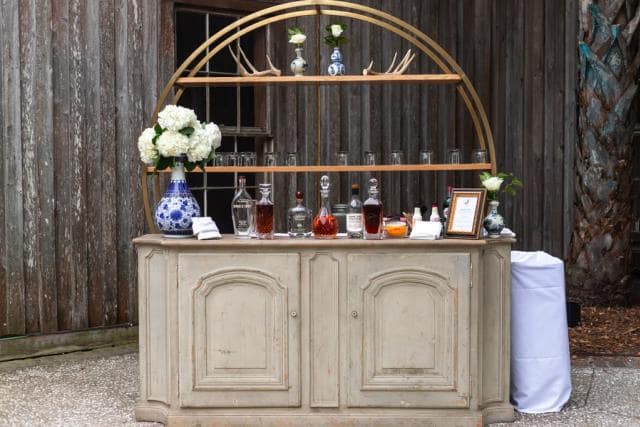
Sideboard bar

Sideboard bars are the most popular type of mobile bar, as they’re quite versatile and easy to move around. These stations can vary in size but generally measure between 72 and 74 inches in length and 36 and 38 inches in height. They are all rectangular with depths of 17 to 20 inches and designed with a flat top surface and shelving or storage units beneath.
Sideboard bars are perfect for events where space is limited, as they can be snaked around furniture and other props to create a bar wherever needed. Their flat fronts come in plenty of unique styles and are easy to decorate with banners or lights.

Rail Bars

Vintage brass rail bar

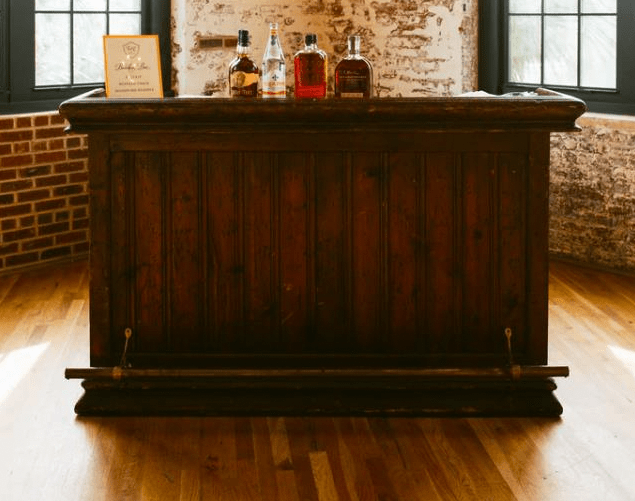
Rail bars are really only characterized by one thing – the presence of a metal rail on their outer base. This is a nod to traditional full-sized bars, which usually have a brass rod along their bottom front for patrons’ feet.

The feature can serve an equal purpose in the context of mobile setups, although being smaller in size, are usually just for aesthetics. Rail bars come in a variety of sizes, ranging from 2-4 feet in length and 36-38 inches in height. Most embody a traditional or vintage look with real wood and brass-toned elements.

Moon Bars

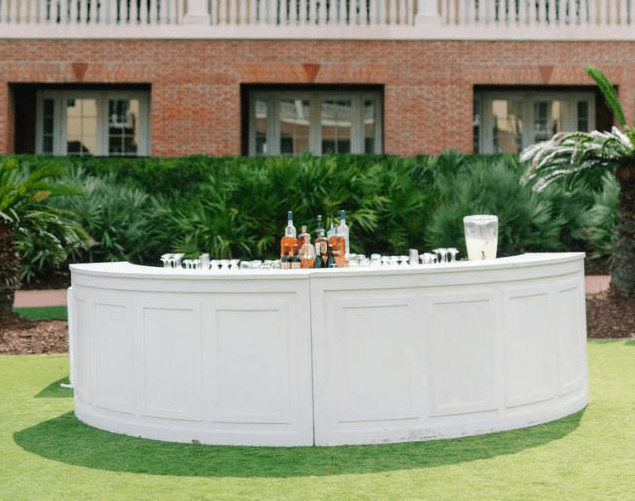
White quarter moon bar

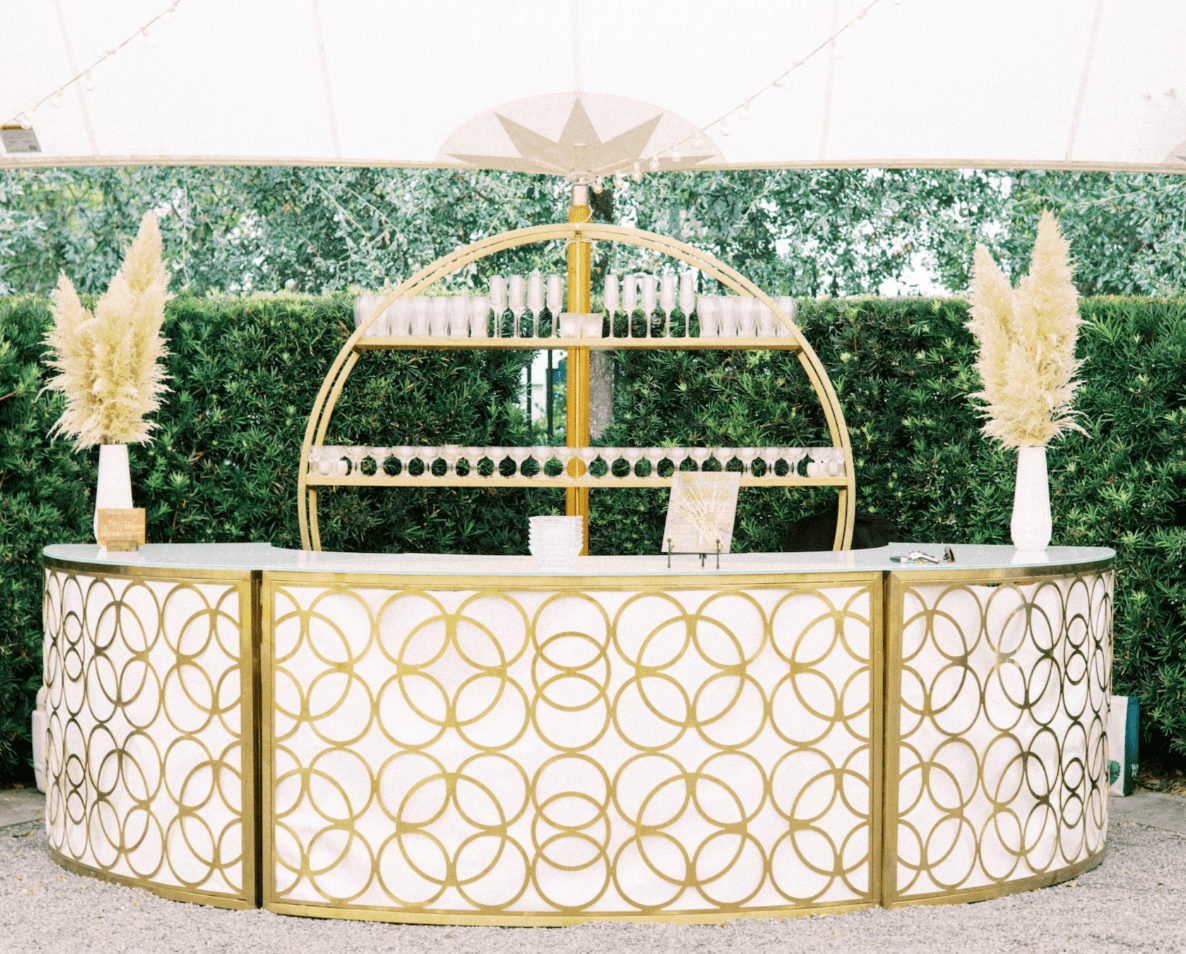
Moon bars are aptly named because of their curved fronts, which depending on the design of a given setup, can join to create a quarter, half, or full circle. This makes them perfect for events and environments with more open floor plans or a need for more surface space. The size of moon bars can vary, but their sections are generally between 4 and 8 feet in length.

Column Bars

Column bars offer a unique take on the traditional portable bar by doing away with a front panel and instead using columns to support its countertop. They are much larger than other mobile setups with average lengths of around 80 inches or greater.

The columns themselves usually make or break the verdict of whether this option is right for an event. Some planners love the thin, elevated look of the styled posts and use them to enhance their decor, while others prefer portable bars that have internal components and shelf room.

Pop-Up Bars

Pop-up bars are defined by their ability to be quickly and easily set up, which makes them the perfect solution for events with tight time constraints. They usually come in two parts, the base, and the countertop, with each part fitting together quickly like a puzzle.

Once set up, the bar measures 6 feet long and 36 to 40 inches high, with the countertop measuring 24 to 27 inches in depth. While not as intricate as sideboard bars, pop-up bars can also be decorated with lights and banners to fit any theme.

Popular Portable Bar Materials And Designs

Portable bars are available in a range of varieties to suit any taste. From stylish wood bars to sleek metal designs, each material offers its own unique look and feel. Below are just a few examples of popular styles that can be rented out.

Metal

The classic look of metal lends itself well to a portable bar. It is solid and durable, making it an ideal choice if you are looking for a reliable bar that will last for years. Brass in particular is a popular option, as it adds an elegant touch to any setting and can easily be matched with other materials. This material is also corrosion-resistant, making it perfect for outdoor use. It offers an eye-catching appeal that will make your bar stand out from the crowd.

Wood

Wood is a popular choice for portable bars due to its versatility, durability, and warm aesthetic. It can be stained, distressed, washed, or left in its natural state to create a range of effects.

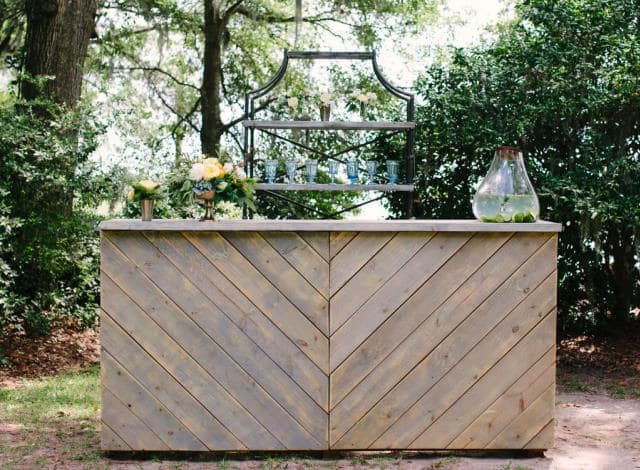
Distressed wood gives bars a classic, vintage look with its unique texture and patterns. Stained wood allows for a variety of color choices and adds a sophisticated, polished finish. Washed wood offers an organic feel with its subtle hues, while natural wood is perfect for those who want a timeless, rustic look.

Grey washed chevron bar

Popular wood choices for portable bars include mahogany and walnut. Both kinds of wood are strong and offer a luxurious feel, though mahogany is typically darker in color while walnut has a lighter hue.

Glass and Mirror

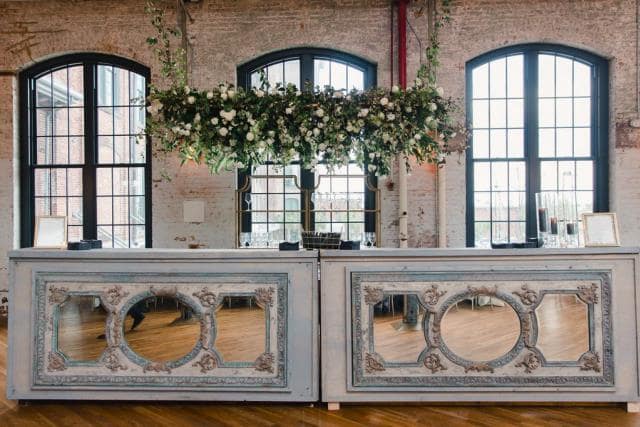
Theon mirror front bar

Glass and mirror materials can create an exquisite look when used in a portable bar. Clear glass has a contemporary appeal that can be used to create a modern and sleek atmosphere. Mirrored designs are especially popular, as they can reflect light in different directions to create visual interest. Glass and mirror bars are perfect for those who want a polished, sophisticated style.

Faux Greenery

Faux greenery is a great way to add atmosphere and life to a portable bar. Artificial plants, flowers, and foliage are available in an array of styles, colors, and sizes to suit any need. Not only are they easy to maintain and transport, but they can also be used indoors or outdoors to add a splash of color and life to any setting.

What To Consider When Renting a Portable Bar For Your Event

Portable bars can be a great addition to any event, from backyard barbecues to large corporate functions. But before you rent one, you should consider a few things.

The Type Of Beverages You Will Serve

Not all portable bars are designed for the same types of drinks—some are better suited for beer and wine, while others are designed to serve cocktails. Consider the type of beverages you’ll be serving at your event and make sure you rent the bar that’s best suited for it.

The Size Of Your Event

The size of your event is important when considering a portable bar rental. If you’re hosting a more intimate gathering, such as a family reunion or small birthday party, a small portable bar may be just the right size. But if you’re hosting a large event with more than one hundred guests, you’ll need a large portable bar that can accommodate crowds.

The Location Of Your Event

If you’re hosting your event outdoors, you’ll need to make sure that the portable bar you rent is suitable for outdoor use. Some bars are designed specifically for outdoor events, while others are designed for indoor use only.

Shelving

Not all portable bars come with the same amount of shelving – some have just one shelf, while others have multiple shelves. This could be a make-or-break factor, depending on how much alcohol and other supplies you’ll need to store. Generally speaking, box-style sideboard bars and other enclosed options will have more internal space for items than a column or pop-up setup. Looking at the measured depth of the bars you’re considering can be helpful in gauging just how much can fit on each shelf.

Budget

Budget is always an important consideration when renting a portable bar. You’ll want to look for bars that fit within your budget, but also have the features you need to make your event a success. Be sure to get quotes from several different vendors and compare them side-by-side. This will help you get the best bang for your buck.

Set Up And Take Down

Where will your event be held? How much time will you have to set things up and take them down? These are important questions to answer when renting a portable bar. Many companies offer delivery, set-up, and take-down services, but not all of them do. Make sure that the company you choose can provide these services if needed, and if not, that you select a bar you’re comfortable setting up and taking down yourself.

Renting a portable bar can elevate your event in more ways than one. Whether you’re looking for a sleek metal option, a classic wood design, or something more unique, there are plenty of materials and styles to choose from. Hopefully, this article served as a good starting point! As you know, Curated Events offers high-end and unique bars in just about any style or material you are looking for!

Empty catering plates platters trays

Catering Equipment You Need For Your Outdoor Event

By Blog

Catered events, and especially those that are outdoors, call for a few special items and pieces of equipment to help keep food warm and safe. This article will explore some of the most important and explain why they’re essential.

Catering Equipment: The Essentials

Any catered event, regardless of its nature or size, ought to have several basic pieces of food service equipment. This is especially true when it comes to buffet-style events, where guests will be served directly from a table with no dedicated server present. The following are some of the most important items that should always be included.

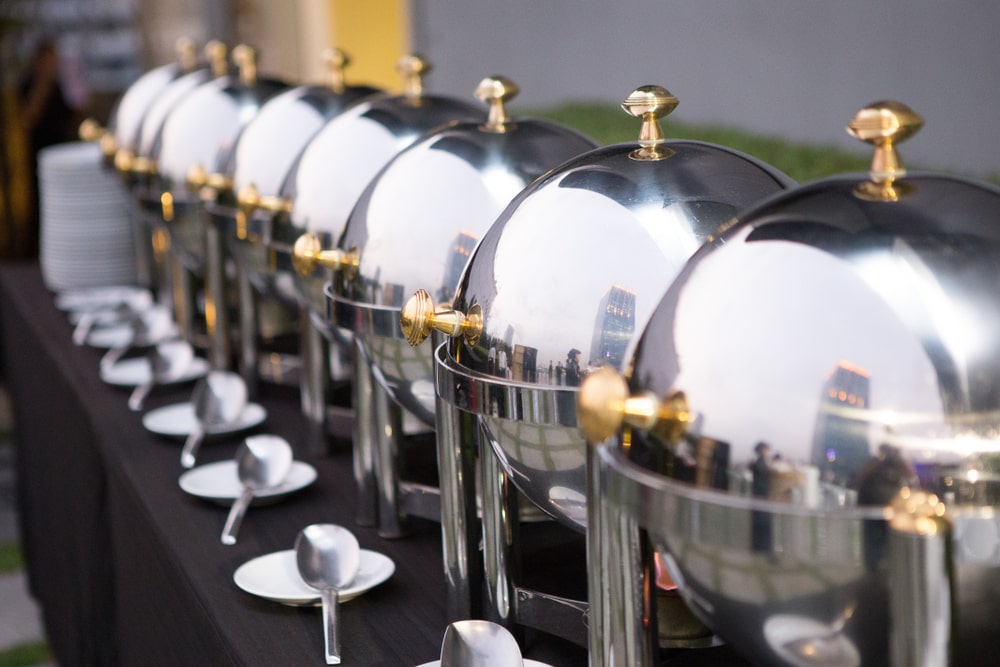
Chafers

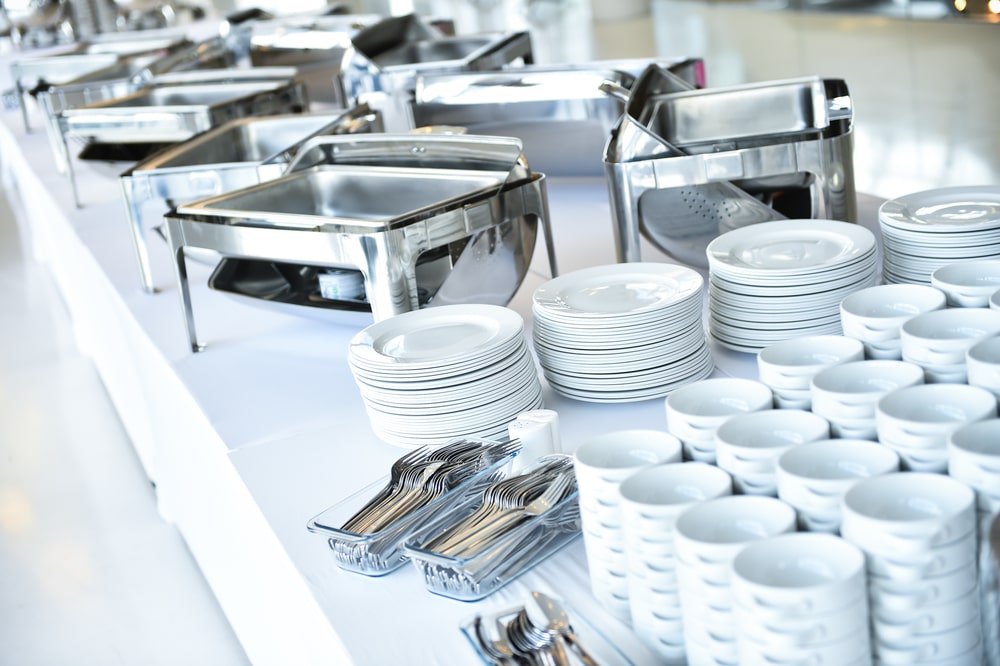
Chafers are food warmers that are used in buffets and other food service establishments. They are typically made from stainless steel or brass and feature a frame that encloses the food to be heated. 

Chafing dishes at a banquet

The chafers have a removable cover and come with a water pan and fuel holder. The fuel holder is used to heat the water, which then heats the food inside. Chafers are ideal for keeping foods warm and safe during outdoor dining events.

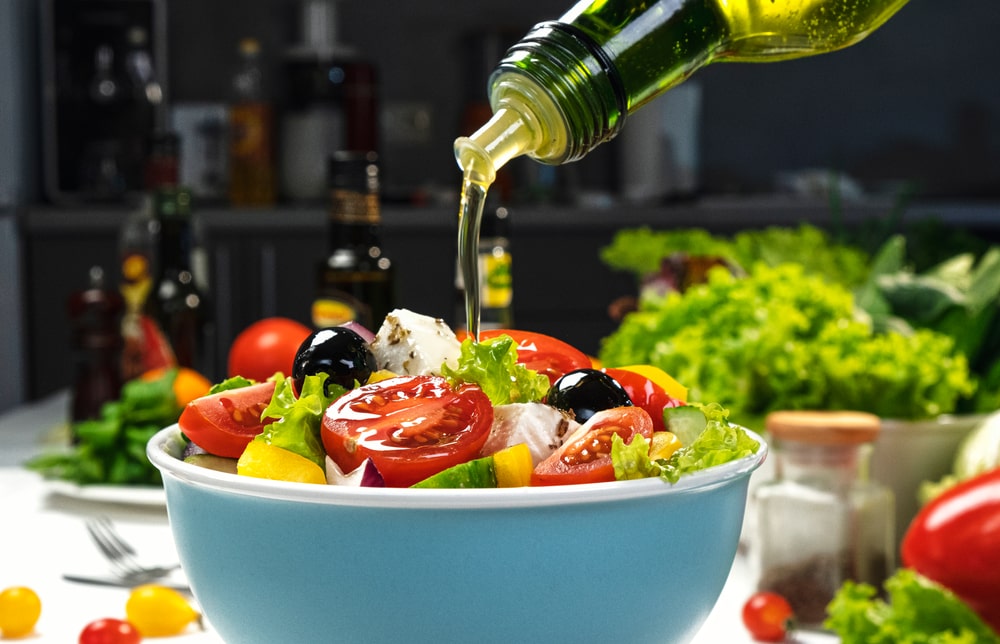
Serving Bowls

Serving bowls are a type of serving ware used for holding, heating, or displaying food items. You’ll often find these bowls used as part of a dinner set, or at buffets or catered events. 

Serving bowl holding a greek salad

Serving bowls are typically made of ceramic, porcelain, stoneware, glass, plastic, or metal materials. They can come in a variety of sizes and shapes—from small individual bowls to larger platters or trays—and hold anything from small snacks to salads and other side dishes.

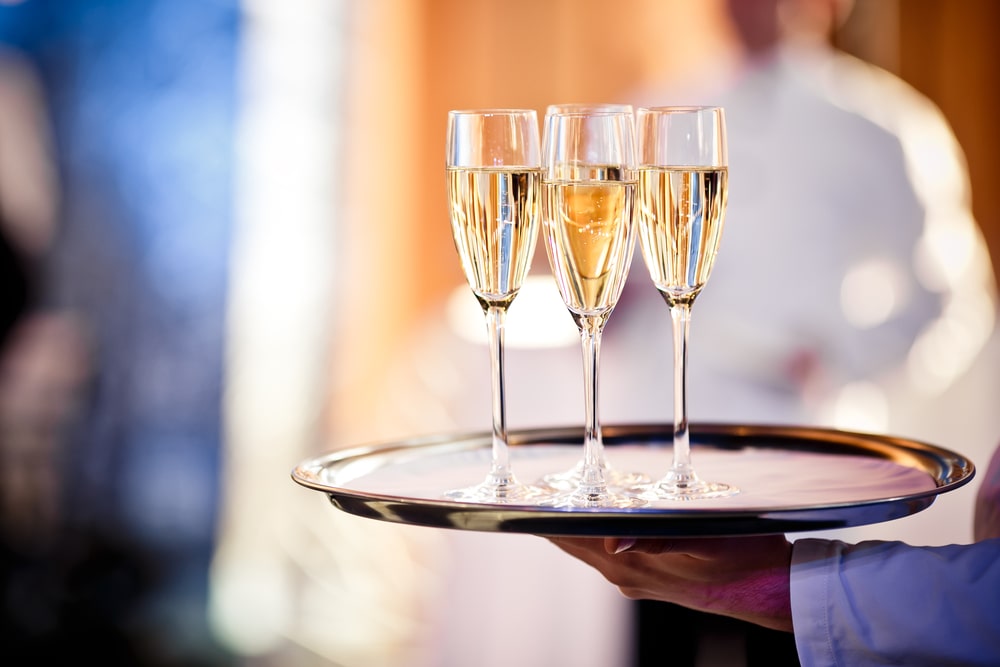
Serving Trays

Serving trays are pieces of flatware that are used to serve food and drinks. They are usually made from materials such as plastic, metal, ceramic, or wood. 

Champagne being carried on a serving tray

They may have a flat surface for carrying food or an indented area for holding utensils. Serving trays can also be used to serve drinks such as coffee, tea, or beer.

Serving Utensils

Serving utensils are tools that are specifically designed to portion and distribute food. They include items such as serving spoons, ladles, tongs, forks, slotted spoons, and skimmers. These tools not only make it easier to dish up a meal but also help keep food sanitary and prevent the spread of germs.

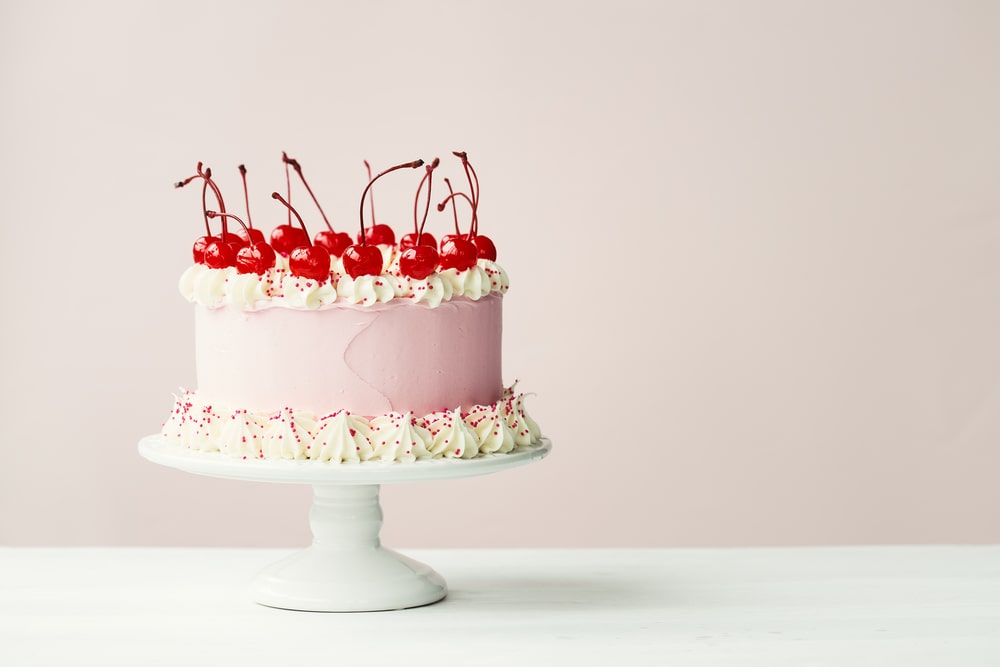
Cake Plateaus

Cake plateaus, also known as cake stands, are an essential piece of food service equipment for any buffet or catering event. They can be used to display cakes, cupcakes, muffins, and other baked goods in an attractive way. 

Cake plateaus come in a variety of styles and sizes to suit any occasion. They can be simple and elegant, or intricate and ornate. They can be made from a range of materials such as glass, plastic, metal, and wood.

Decorated cake on a cake stand

Other Items To Rent For An Outdoor Catered Event

Aside from the fundamentals, there are a few other items that you might want to consider when planning your outdoor catered event.

Tenting

Most outdoor catered events will require some form of shelter from the elements, such as tents or awnings. We’ve outlined the most popular types below along with the characteristics that make them special.

Clear Frame Tents – Clear frame tents offer an elegant, modern look and provide a great amount of natural light while still providing protection from the elements. They are strong and relatively easy to install.

Sailcloth Tents – Sailcloth tents are a good option if you need more headroom than a typical frame tent. They provide shade and some protection from the elements while still allowing the view to remain unobstructed and open.

Walkway Tents – Walkway tents are designed specifically for outdoor events that need more coverage than a typical frame tent. They provide an open-air space with ample room and are ideal for larger events that need to accommodate many people.

White Frame Tents – White frame tents are a popular choice for events where you need an elegant look and maximum visibility from the outside. They provide a polished, clean look and create an inviting atmosphere. They are also relatively easy to install and pack away after the event.

Tables

With catering often comes a need for tables. Tables come in a variety of sizes, materials, and colors, and can be used to display food, decorate a space or even provide seating. Consider the following popular options.

Buffet Tables

Buffet tables are specifically designed for food service. They come in a variety of sizes, shapes, and materials to meet your catering needs. They can be made from wood or metal, with features such as drop leaves for added space and trays to keep food warm.

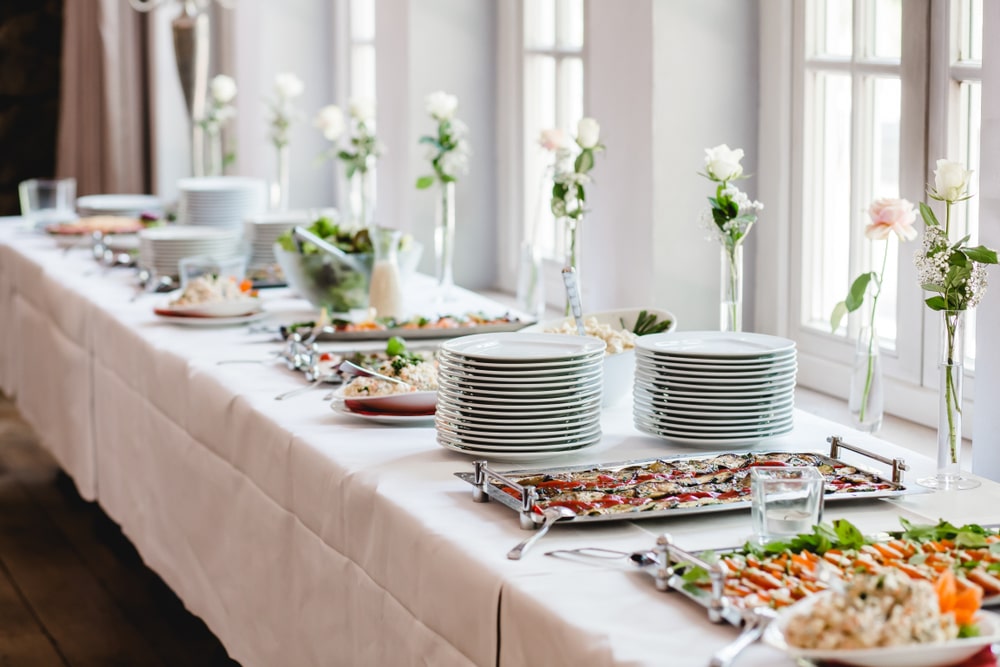
Catering buffet at a wedding

Bar And Bistro Tables

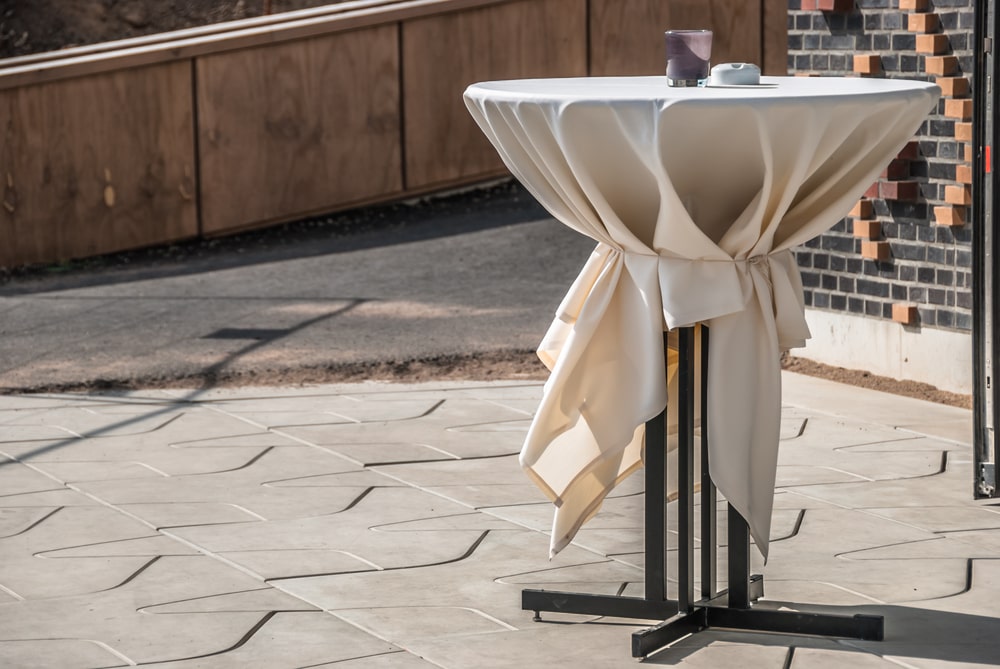
Bistro table with a white tablecloth

These tables offer a more relaxed and casual atmosphere for events. They’re more elevated than an average table, making it easier to stand and mingle with guests. Bar and bistro tables are ideal for smaller events or receptions where the conversation is encouraged.

Folding Tables

Folding tables are perfect for events that require space on the go. They’re lightweight and easy to set up and take down, making them a great choice for occasions where space needs to be quickly reconfigured.

Banquet Tables

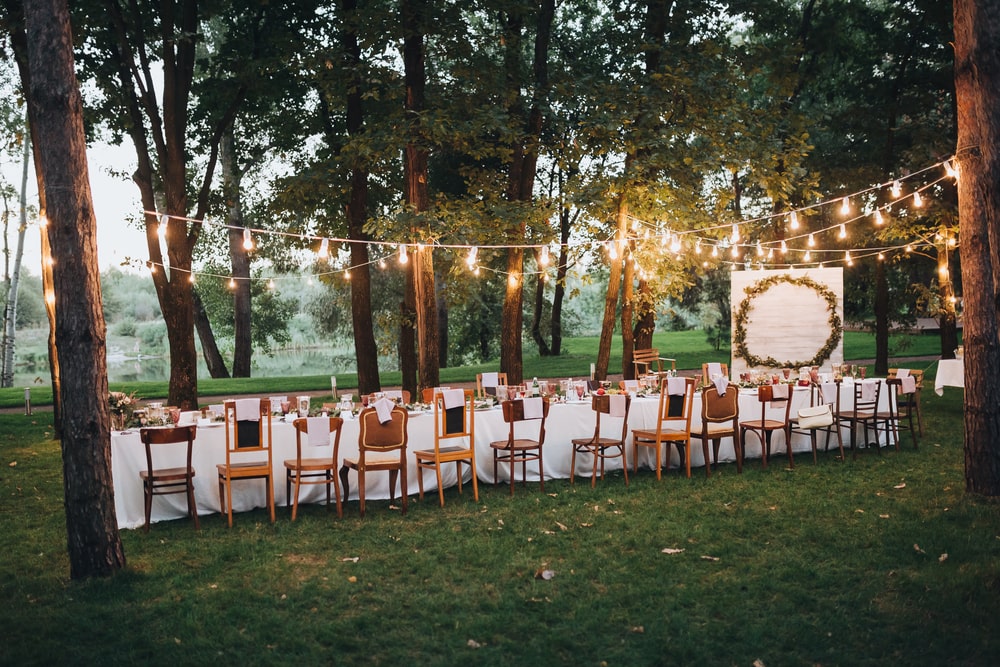
Banquet table outdoors amongst trees

Banquet tables are usually rectangular in shape and come in a variety of sizes to meet different seating needs. They’re typically made from sturdy materials like wood or metal and are designed to support a lot of weight. Banquet tables can be used indoors or outdoors, and are great for seating larger groups of people.

Chairs

Seating is just as important as tables when it comes to catering. Chairs come in a variety of styles and materials, from folding chairs to sleek modern designs. You’ll want to make sure that the chairs are comfortable and suitable for your event, while still looking stylish and elegant. Take a look at the following varieties.

Folding Chairs

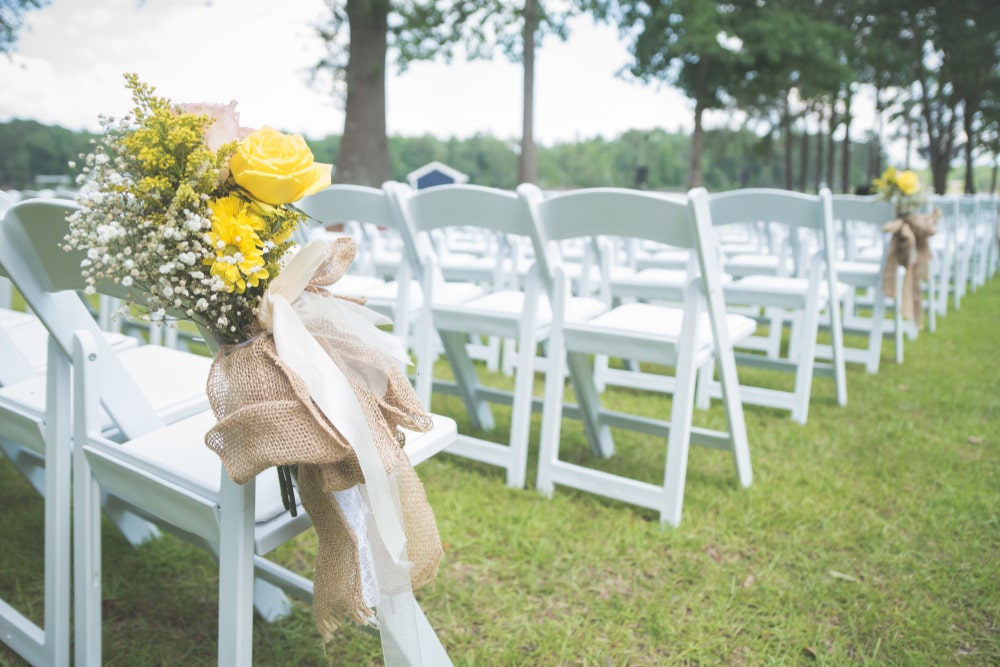
White folding chairs

Folding chairs are some of the most versatile pieces available for an event. They’re lightweight and can be easily moved from one place to another, making them a great choice for events that are held outdoors or require quick setup and teardown. Folding chairs are also typically the most economical option, so they’re ideal for those on a tight budget.

Chiavari Chairs

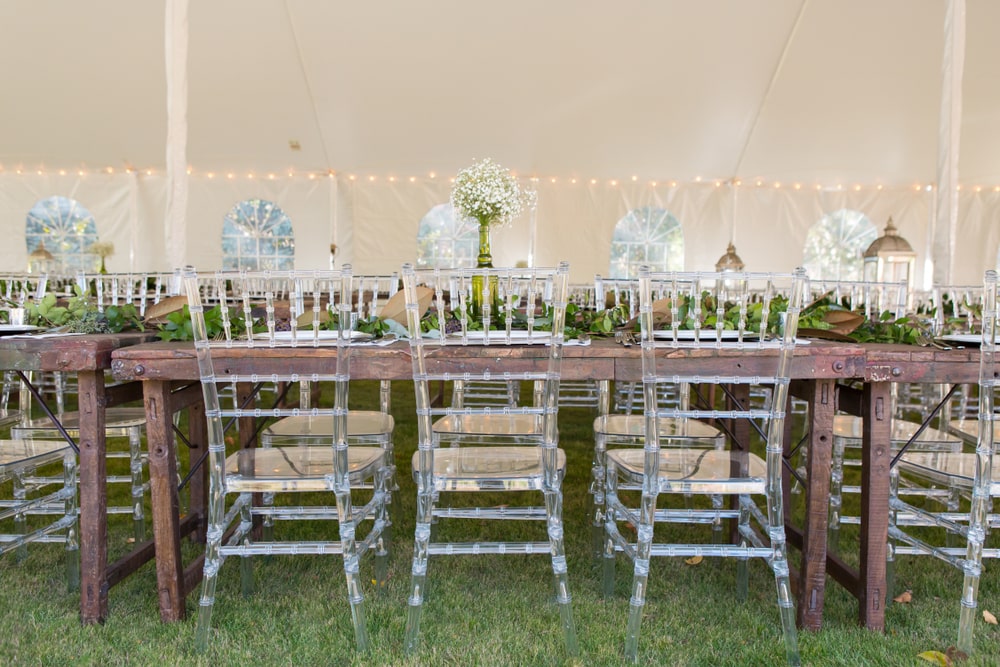
Chiavari chairs at an outdoor event

These chairs distinguish themselves with a characteristic design and elegant flair. They come in a variety of colors and finishes, allowing you to customize the look of your event’s seating. Chiavari chairs are perfect for conferences, weddings, banquets, and other formal occasions.

Barstools

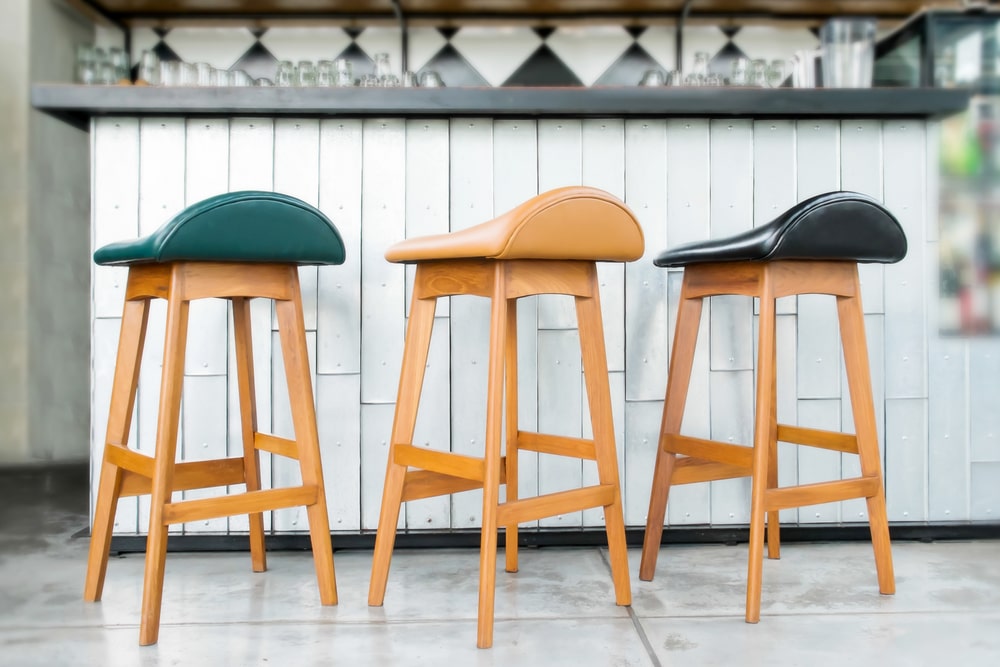
Bar stools next to a pop up bar

Barstools provide a casual yet stylish seating option. They can be used for all kinds of occasions, from outdoor block parties and festivals to indoor meals, meetings, and conferences. With barstools, you can seat more people in the same amount of space, allowing you to maximize your event venue’s capacity.

Heating And Cooling

Climate control is a major consideration worth keeping in mind when planning any type of outdoor event. Catered occasions require additional equipment such as fans, heaters, and air conditioning units to keep guests comfortable during their time at the event. Make sure you plan ahead so that your guests won’t be put in an uncomfortable situation due to the temperature.

Common rentals for outdoor sources of heating include…

Firepits –  Firepits are an attractive and effective way to keep guests warm. They also add a cozy atmosphere to any outdoor space.

Fans –  Fans help to circulate the air, keeping guests comfortable and cool in even the hottest weather conditions.

Heaters And Blowers –  Heaters and blowers are highly efficient ways to keep the temperature controlled, especially in large open areas.

Catered events are special occasions, and the pieces of equipment that you choose for them are an important part of the overall experience. Tables, chairs, and climate control solutions all play a role in creating a comfortable atmosphere for your guests, so it’s important to select the right pieces from a reliable supplier. With careful planning and the right equipment, you can create a memorable event that your guests will remember for years to come.

FAQs

How Should I Choose Tables And Chairs For My Event?

When selecting tables and chairs for your event, you’ll want to consider the size and shape of the room, the number of guests that need to be seated, and any special requirements. For example, if you’re serving food, you’ll need larger tables than if you were simply having drinks. Make sure to measure the space and compare it with the size of the tables and chairs you’re considering.

How Many Fans Should I Rent For An Outdoor Event?

The number of fans you’ll need for an outdoor event depends on the size of the area and how many people are attending. Generally speaking, you’ll want at least one fan for every 100 square feet of space. If it’s a particularly hot day, you may want to rent additional fans to ensure that your guests remain comfortable.

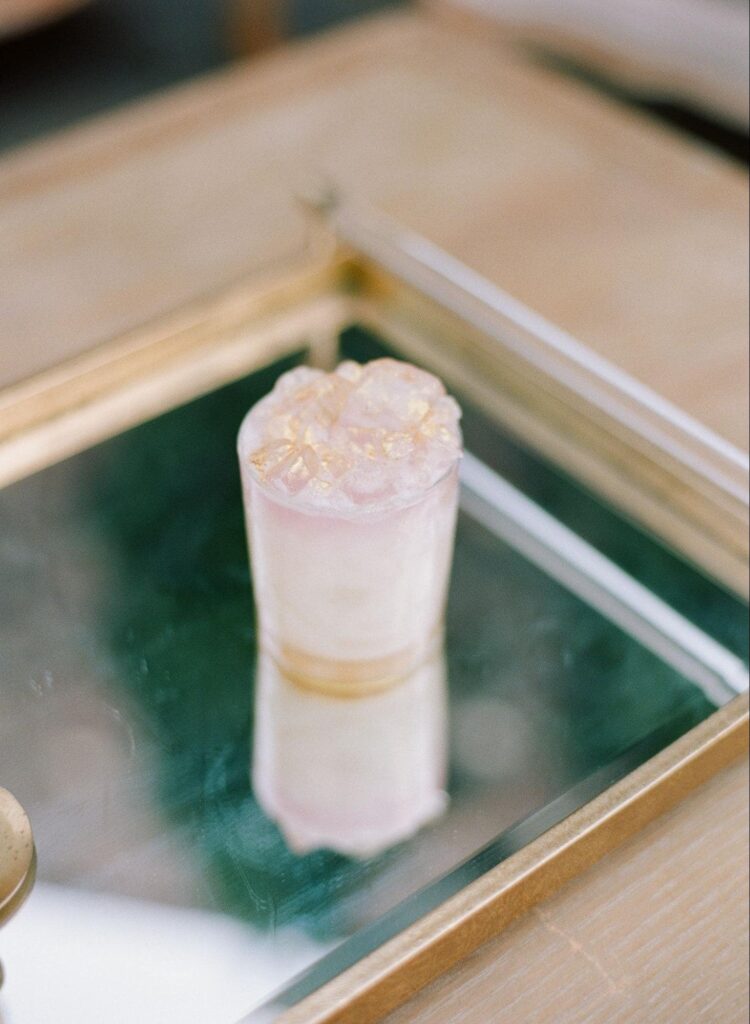
Cocktail in a french tumbler

The Different Types of Glassware for Events

By Blog

Selecting the perfect glassware for your event is one of the most important steps you’ll take in creating an elegant, cohesive experience. Glassware is more than functional. It’s a design element, a statement piece, and a core component of your guest’s experience. Curated Events offers the options you need to elevate your next event.

Common Glassware Rentals for Luxury Events

Depending on the type of event you’re planning, you may want to offer a range of beautiful, carefully curated glassware options for guests. Consider a few of the most commonly found options for elegant events.

  • TIP: Don’t underestimate the importance of your glassware. After all, your guests will likely have one in their hands the entire event! 

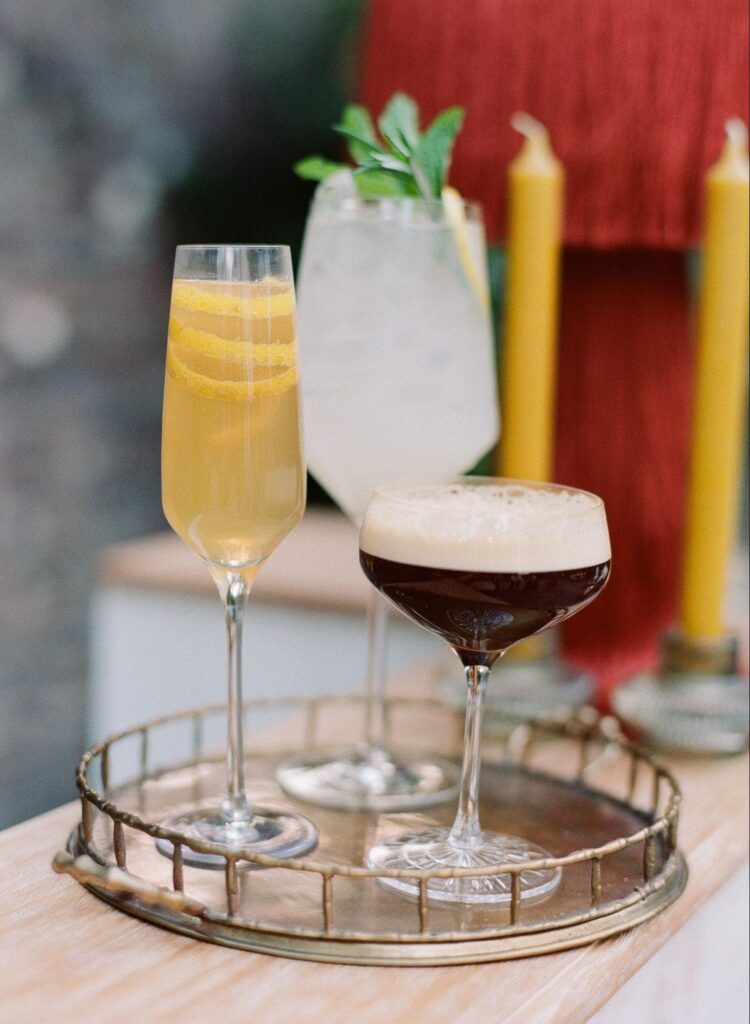
Cocktails on a tray

Long-stem Glassware

Long stemmed wine glass

Noted as a requirement for any fine dining experience where red and white will be served, long-stem glassware is a critical choice.

Flute Glassware

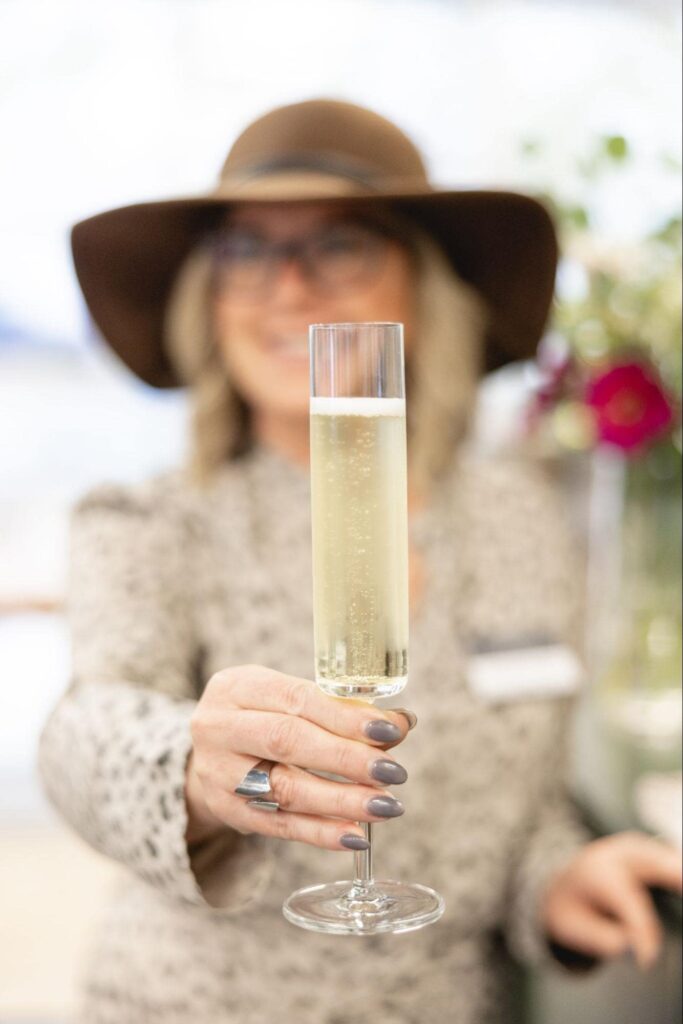
Flutes are even more elegant, often for a more sophisticated dining experience. They are an ideal (and necessary) glassware option for sparkling wine and champagne.

Champagne flute

Cocktail Glassware

Cocktail glasses with city view

There’s nothing quite like enjoying the perfect martini or Cosmo in a cocktail glass. The beautiful shape of these glasses helps any drinks served “up” to be enjoyed fully.

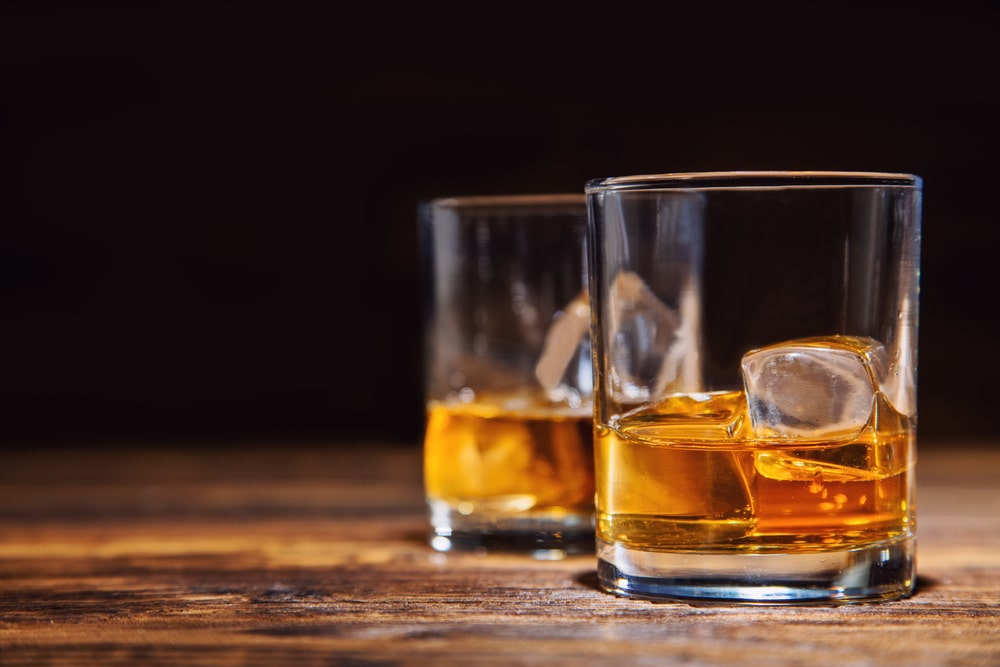
Rocks Glasses

Whisky glasses on a table

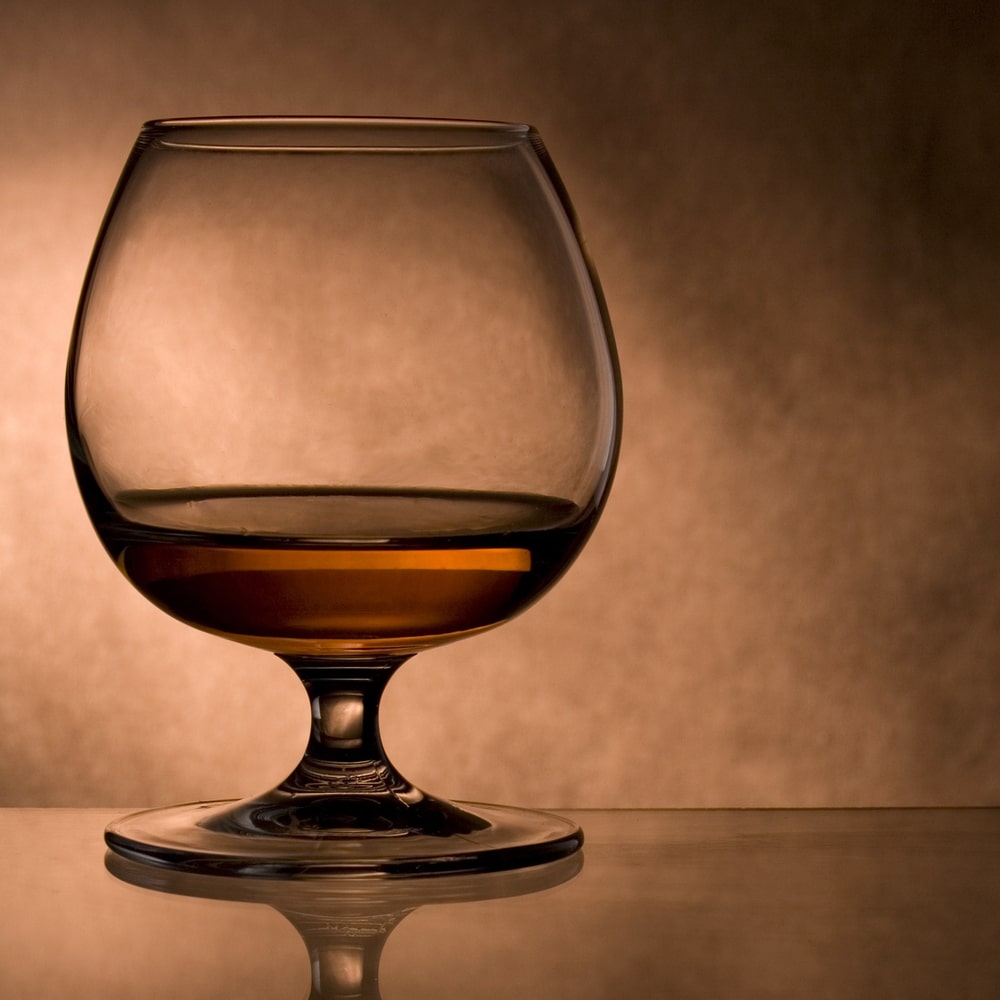
Smaller in stature but just as important, rocks glasses are necessary whenever you plan to serve liquor or anything that’s served “on the rocks.”

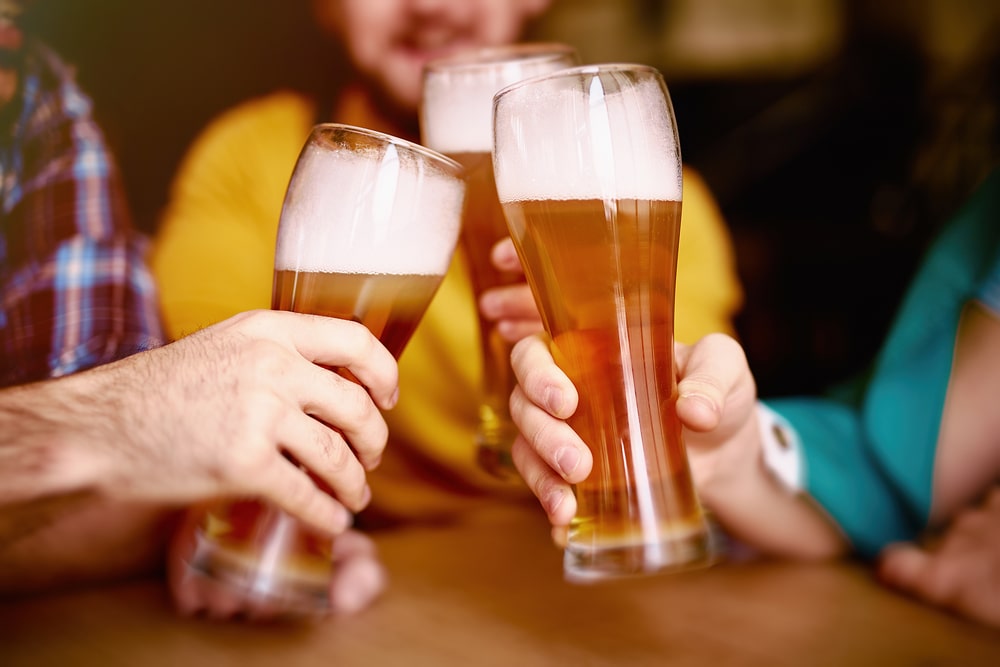
Pilsner Glassware

Three pilsner glasses

Pilsner glasses are an essential choice for any event serving beer. These tall, larger glasses have a refined shape, perfect for beer.

Short-Stem Glasses

Short stemmed glass

Most often, your table setting will include a short-stem glass at each place setting. These are typically used for water or tea, or other types of non-alcoholic drinks.

Coffee Mugs

Coffee mug on a table

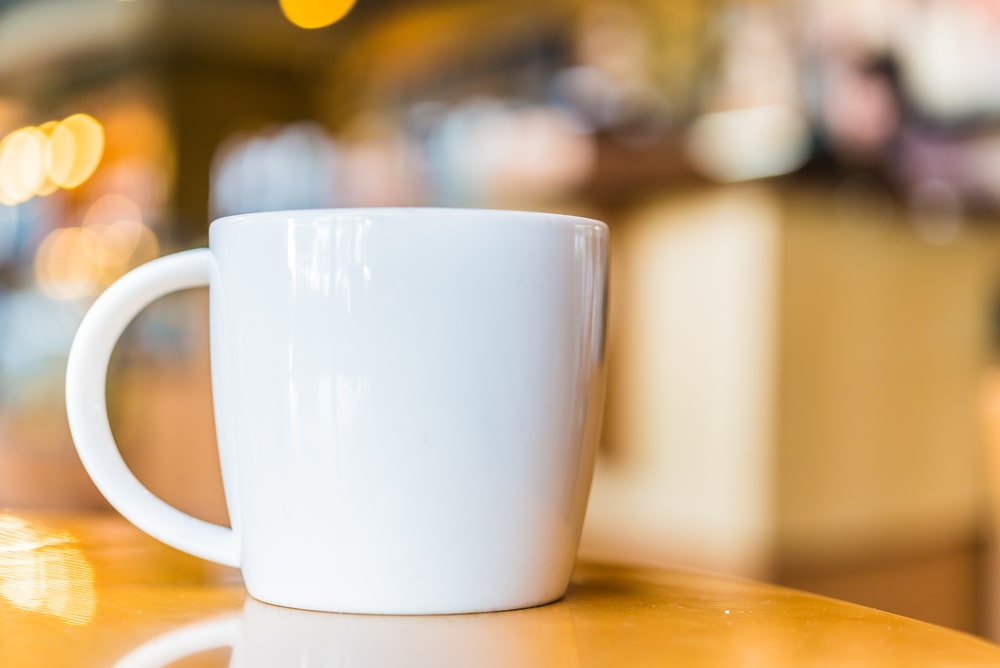
After a long night of dancing and having fun, there’s often the need for some coffee. While you may not consider coffee mugs a must for your glassware needs, they are going to be used by your guests.

Need advice on which one is best for you? At Curated Events, we make the entire process as easy and refined as possible. Let us answer your questions and create a successful event.

Fabulous Glassware Goes Further

While each of the glassware options listed here offers a specific function, the glass itself can be as unique, ornate, or simplified as you need it to be. Consider, for a moment, the need to elevate your event. A simple champagne flute may seem elegant enough, but adding some bit of uniqueness to it will further elevate the experience.

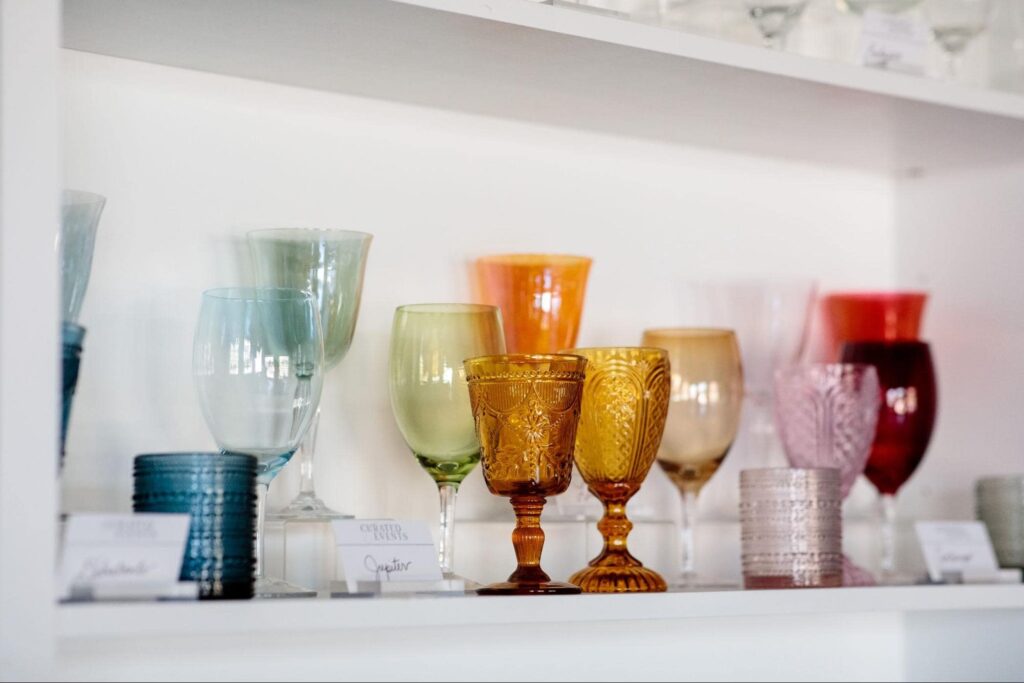
  • Choose a style that you love – whether a simple round look or a dazzling crystal style
  • You can choose colored glasses. A bit more edgy and unique, there’s something special about these, especially when they coordinate with your theme or color scheme
  • Specialty glasses take things a bit further with ornate patterns and colors

What Special Glasses Will You Include for Your Event?

Let your creative style come through in the classes you select. Here are some ideas to help you personalize your experience.

Footed Goblet Glasses – Sophisticated, but Historical

Goblets are the perfect choice for water glasses, tea, and even some types of beer and liquor. To elevate this just a bit, consider footed goblets, which offer more of a statement piece.

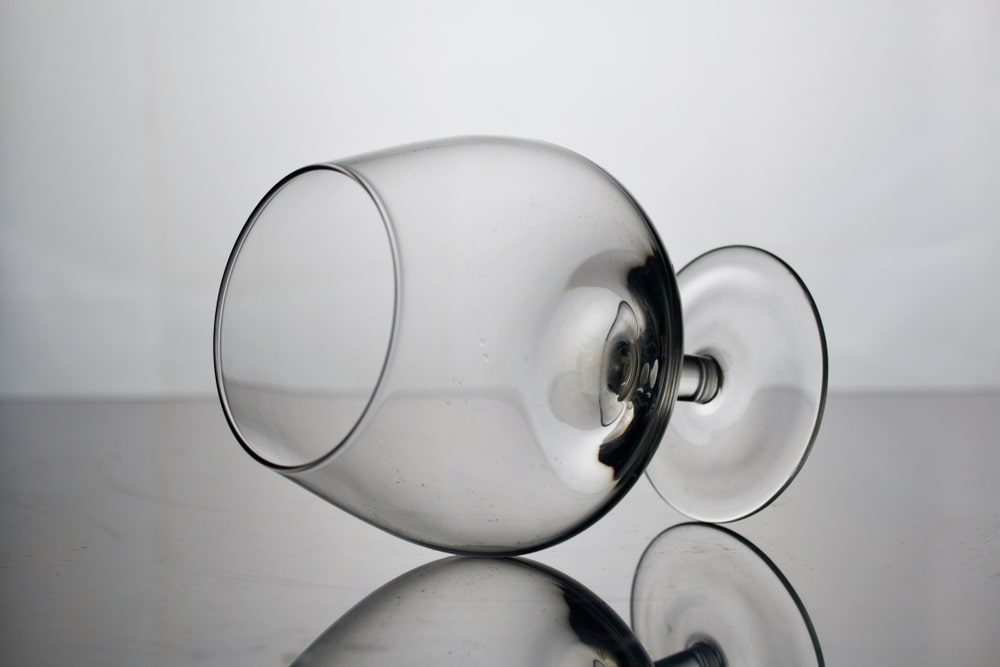
Footed goblet

French Tumblers

Sipping from a French tumbler creates a bit more of a special feel to any drink. You’ll love the fine crystal-like detailing often on these glasses.

Stemless Glasses

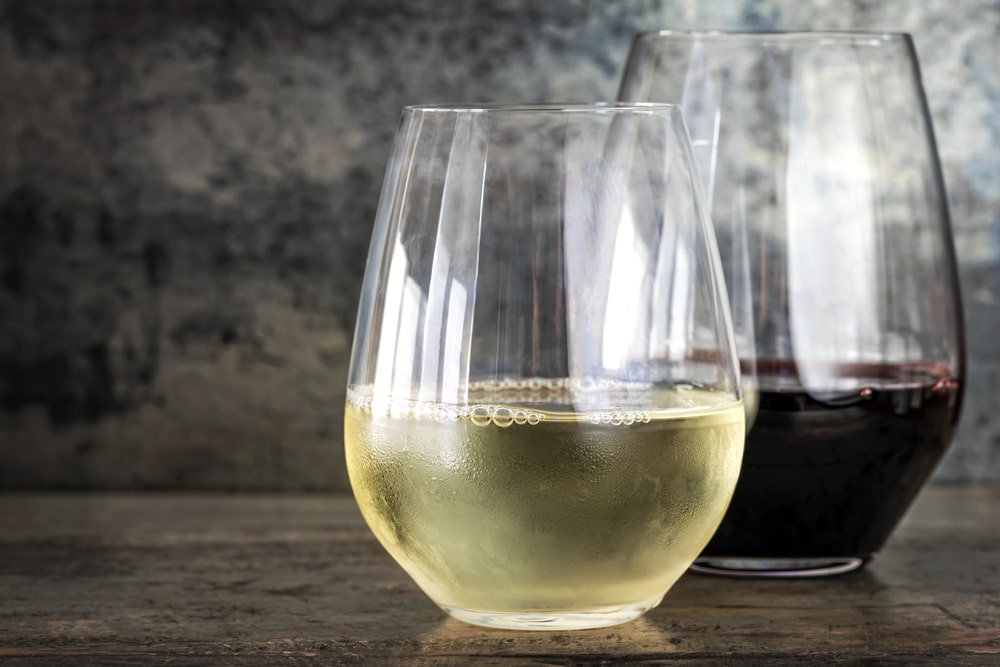
Stemless glasses with white and red wine

If there’s a risk your guests may spill a bit more often, or you want a bit of a more refined look, consider stemless glasses perfect for their lower center of gravity. They’re more modern than your average flute.

Rimmed Glasses

Pair your gold or silver-rimmed glasses with your plates and serving items for an exceptional look. These glasses help to bring the elegance of refined glassware to the event.

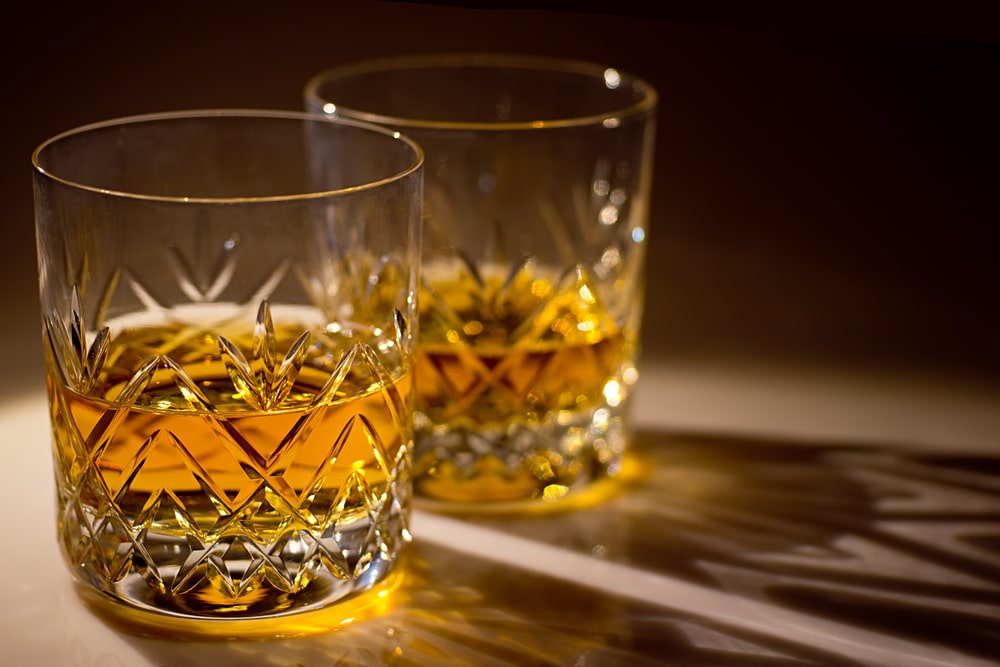
Cut Crystal

Two cut crystal whisky glasses with whisky

Perhaps the highest level of sophistication comes from the use of cut crystal glassware. Quite the sparkling choice, it has a luxe look that’s hard to beat.

How Many Glasses Do You Need for Your Event?

Having enough glasses is critical. There’s no one in the back to wash and prepare them for a second use. That’s why you need to have plenty.

Most of the time, it’s best to have no less than 1.5 glasses per person for the first hour of the event. Then, you should have another 1 glass per person for every hour after that.

Let’s say your event will have about 200 people. For the first two hours, you’ll need to have 300 glasses. Your event will go on for three additional hours. That means you’ll need to have 600 additional glasses. That means you’ll need about 900 glasses for the event.

Unsure of how many glasses and which type to purchase? That’s where Curated Events can help you. Reach out to us for guidance based on the type of event you’re planning.

Pair Your Glassware Choices with Your Event Style

Every detail of your event matters to you – and it should. With the ability to select from such a large number of glassware types and options, it can become a bit overwhelming to know what to rent and what to skip. It’s also easy to get a bit carried away.

  • TIP: Too many glasses will just make storage difficult. Don’t overwhelm your bartender and servers with so many options they can’t keep things straight.

Some Glass Are a Must

Some styles of glasses are designed to provide a very specific purpose. For example, the unique design and shape of a martini glass are aimed at keeping drinks cold. The same applies, for the most part, to pilsner glasses. They actually enhance the temperature, helping to keep that tall beer from going flat. Flutes are a must for champagne because they allow for plenty of headroom.

Style Matters

When choosing glasses, make sure the overall style of your event comes through. For example, if your event is high sophistication, you don’t want colored glasses that take away from that feeling of elegance, but metallic-rimmed glasses will enhance it.

Matching Across the Board

Most often, you’ll want the style of glasses you use to be fairly matching. That is, choose the same style of glass for your flutes, wine glasses, and tableware when possible. For most people, this is easy to do. Even with the most elegant of events, simple, clear, high-quality glasses tend to be the popular option, even with a bit of etching or cutting into them. However, if you’re going to do colors or metallic rims, be sure to create a cohesive look across all styles.

How Much of Each Glass Do You Need?

Work closely with your staffing team to create a plan for drinks. It’s often hard to know what people will drink at events. However, those behind the bar have a good idea of what is requested the most often and can help you tailor that to your event.

There’s no doubt white wine glasses and red wine glasses (which really do not have to be different from each other) are going to be essential choices. You may also need a significant number of goblets for each table’s water glasses.

There’s no benefit to having more glasses of one particular drink than you have in servings. At the same time, you don’t want to run out of glasses and have a case of wine that’s ready to be used.

Create a Guest Experience They’ll Remember

As you consider the stemware and barware for your event, make thoughtfully curated decisions. Choose items that are meant to improve guest experiences, not make it more difficult for them to enjoy their drink.

Hard-to-hold glasses, such as those that are simply very large or those that are so delicate they break easily, do not work well in most events. Glasses that don’t fit what’s being put into them are also a turn-off. Something strangely shaped may make it more cumbersome to enjoy that cocktail. Get people talking about how lavish and luxe your event is right down to the glassware.

Expect the Help You Need from a Team That’s Passionate About Details

Who knew stemware would be just a big component of your decision-making process? At Curated Events, we work closely with you to ensure you have access to the very best materials. Every detail makes an impression on your guests.

Turn to Curated Events for the support you need in picking and planning each detail of your elegant affair. Contact us today to learn more about the services we offer.

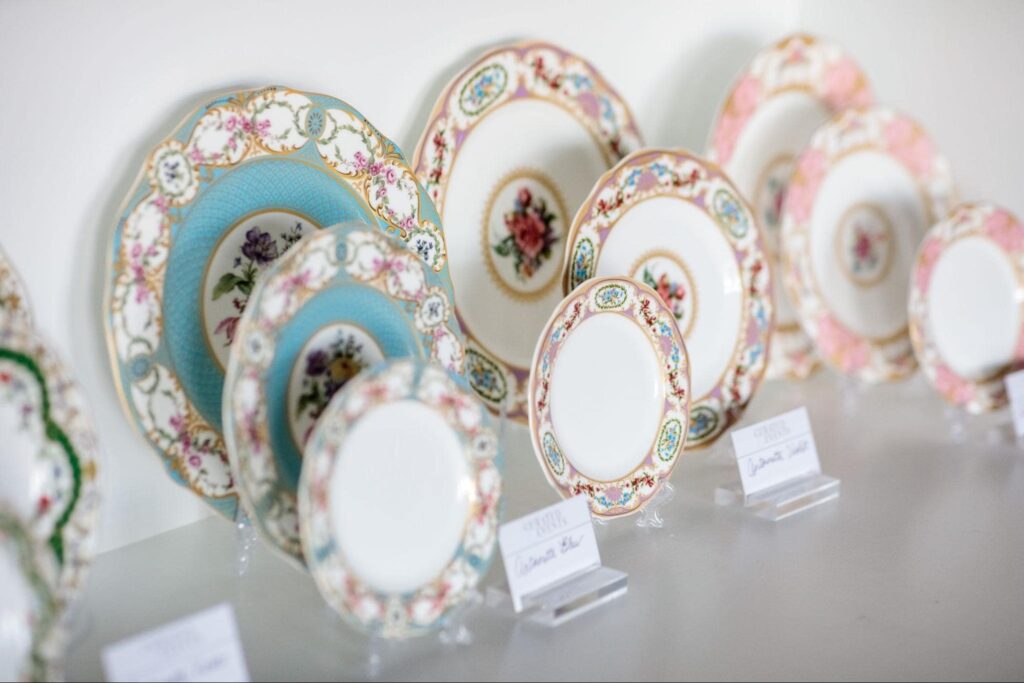
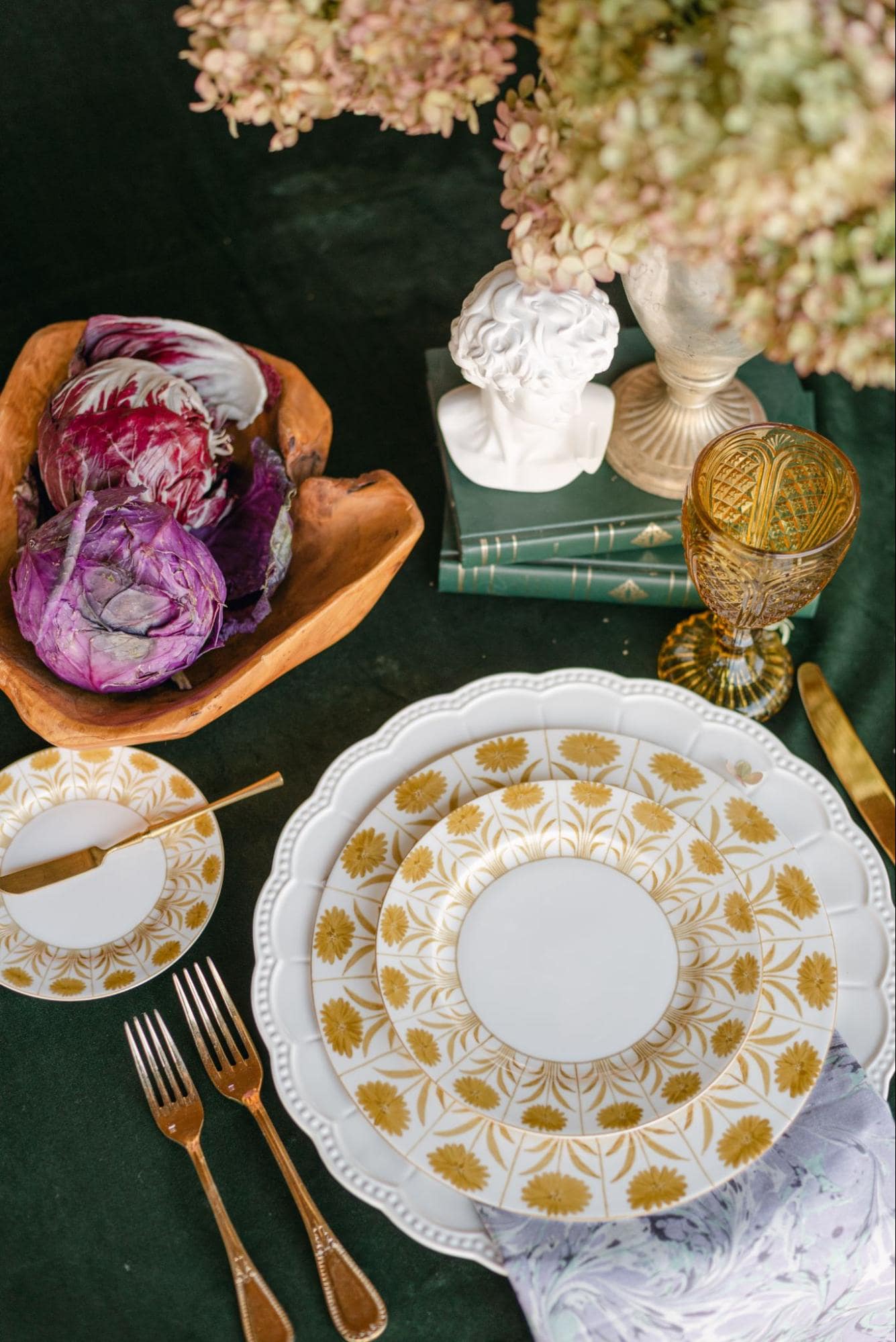
Tableware with patterns

What Does Tableware Include?

By Blog

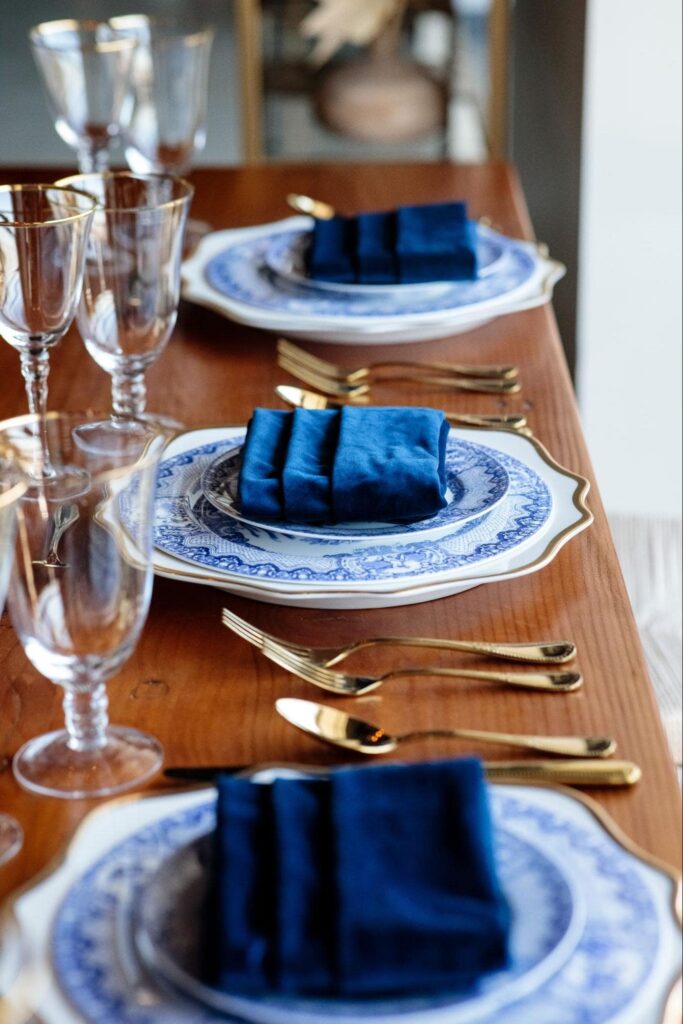
Tableware includes the dishes, utensils, and drinkware used for serving and enjoying a meal. This covers items such as plates, bowls, cutlery, glasses, and serving pieces—each playing a role in the presentation and function of a dining setup.

Whether you’re hosting a casual dinner at home or planning a formal event, the tableware you choose helps set the mood and elevate the experience. In this guide, you’ll discover the main types of tableware, their specific uses, and tips for selecting the right pieces for any occasion.

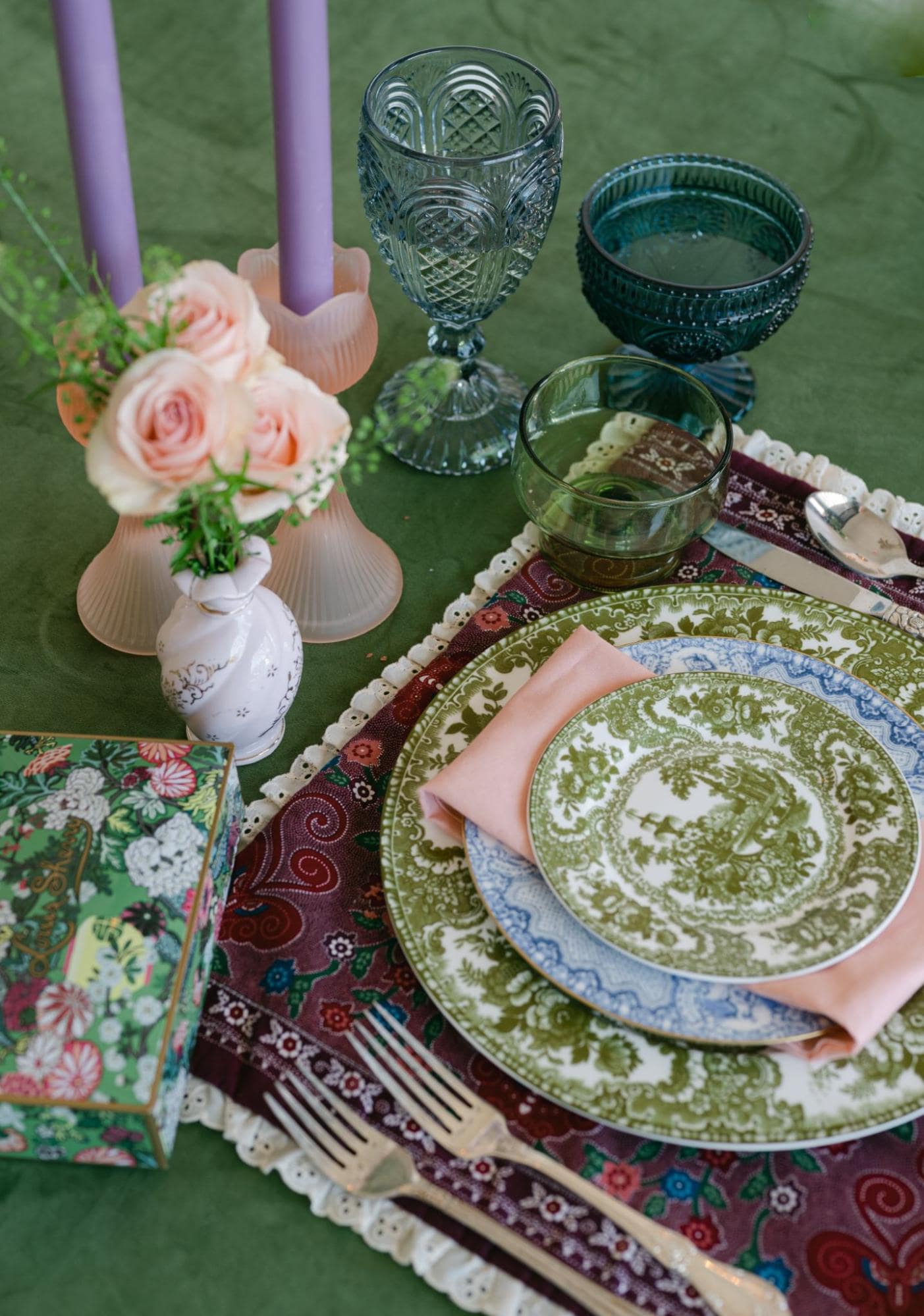
Luxury tableware table setting

What Is Tableware?

The term ‘tableware ‘encompasses all of the dishes, utensils, and vessels used in distributing and eating a meal. Also referred to as ‘crockery’ in the United Kingdom, these items come in sets that can be rented or bought for large gatherings involving food. 

They play both a functional and decorative role, as aside from enabling guests to enjoy fare offerings, they also add visual interest to a dining table.

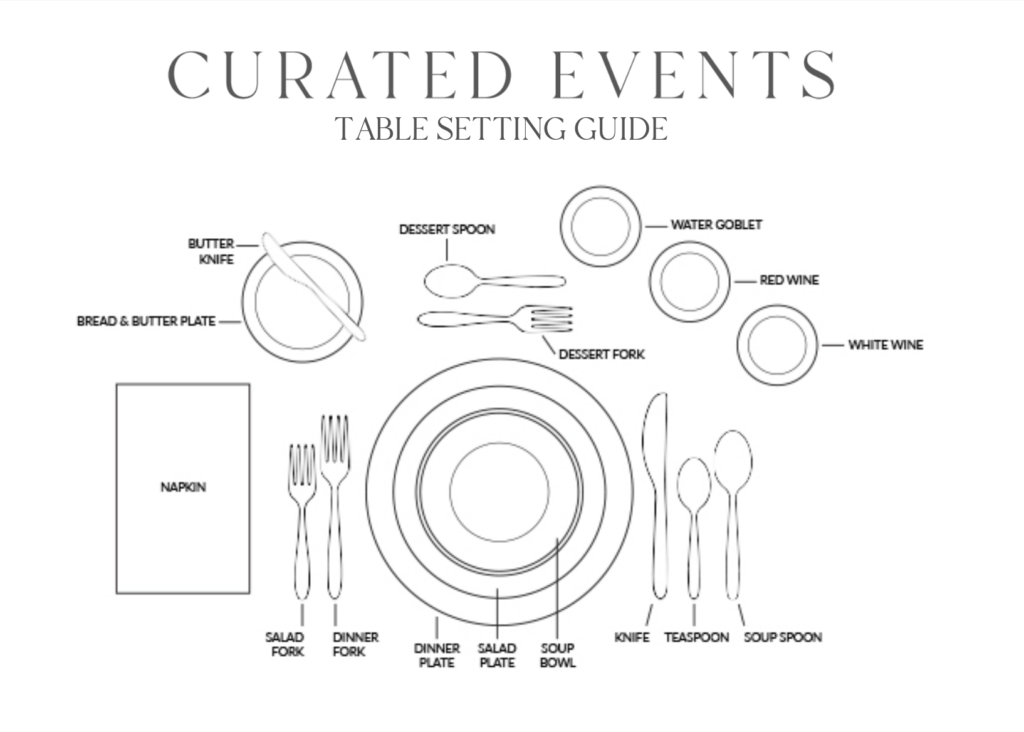
List of Tableware Items By Type

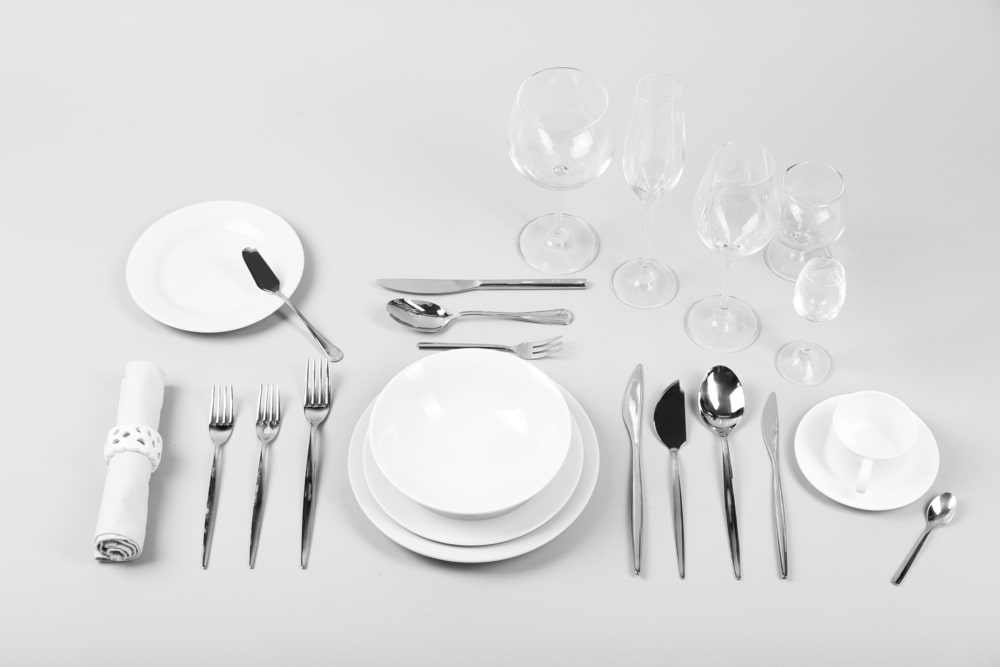
Choosing the right tableware starts with understanding what items are available and how each contributes to the overall dining experience. This list of tableware items is organized by category to help you plan with clarity and purpose, whether you’re hosting a formal dinner or a relaxed social gathering.

1. Dinnerware

  • Charger Plates – Decorative base plates placed beneath dinner plates to frame each setting.

  • Dinner Plates – The main plates used for serving entrees.

  • Salad Plates – Smaller plates for salads or appetizers.

  • Dessert Plates – Typically used for serving sweets after the main course.

  • Soup Bowls – Deep bowls designed for hot liquids and broths.

  • Bread and Butter Plates – Small plates used for rolls, butter, or condiments.

  • Cups and Saucers – Often used with tea or coffee service.

2. Serveware 

  • Serving Platters – Wide trays used to hold and display main or side dishes.

  • Serving Bowls – Deep bowls used for shared items like salads or pastas.

  • Gravy Boats – Small vessels with spouts for serving sauces or gravy.

  • Butter Dishes – Keeps butter neat and easily accessible.

  • Sugar Bowls and Creamers – Common components of coffee or tea service.

  • Cake Stands – Elevated platforms that display desserts or centerpiece treats.

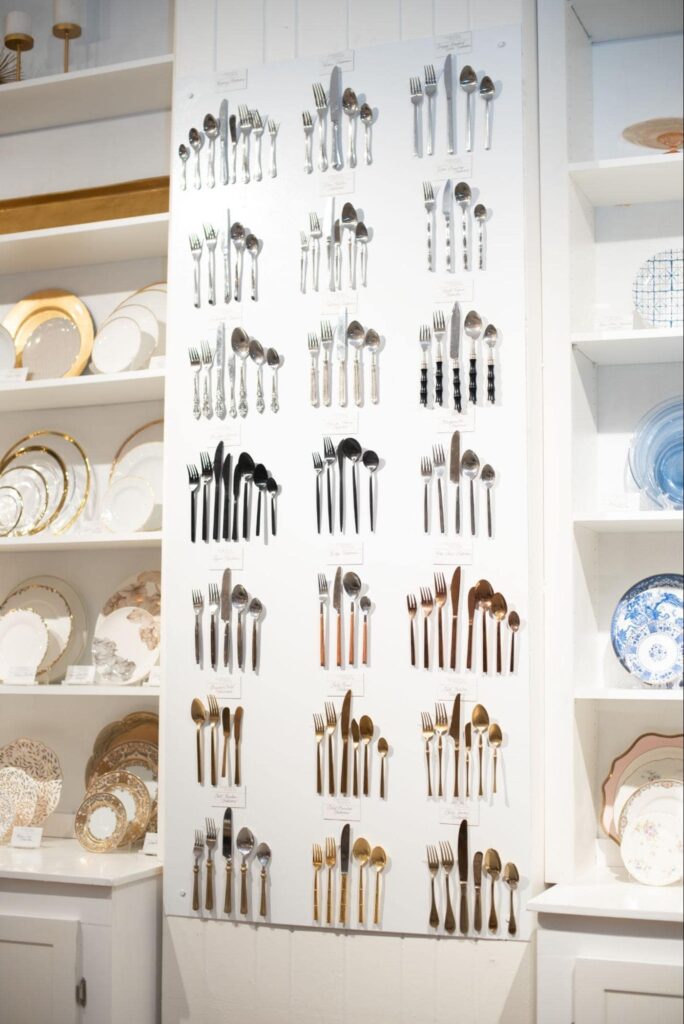
3. Flatware 

  • Dinner Forks – Standard forks for main dishes.

  • Salad Forks – Slightly smaller forks used during appetizer or salad courses.

  • Dessert Forks – Designed for cakes, tarts, and other sweets.

  • Dinner Knives – Essential knives for general cutting and slicing.

  • Butter Knives – Dull-edged knives used for spreading.

  • Soup Spoons – Rounder, deeper spoons made for soups and stews.

  • Teaspoons – Smaller spoons ideal for coffee, tea, or desserts.

  • Serving Utensils – Large spoons, tongs, or ladles used to portion out shared dishes.

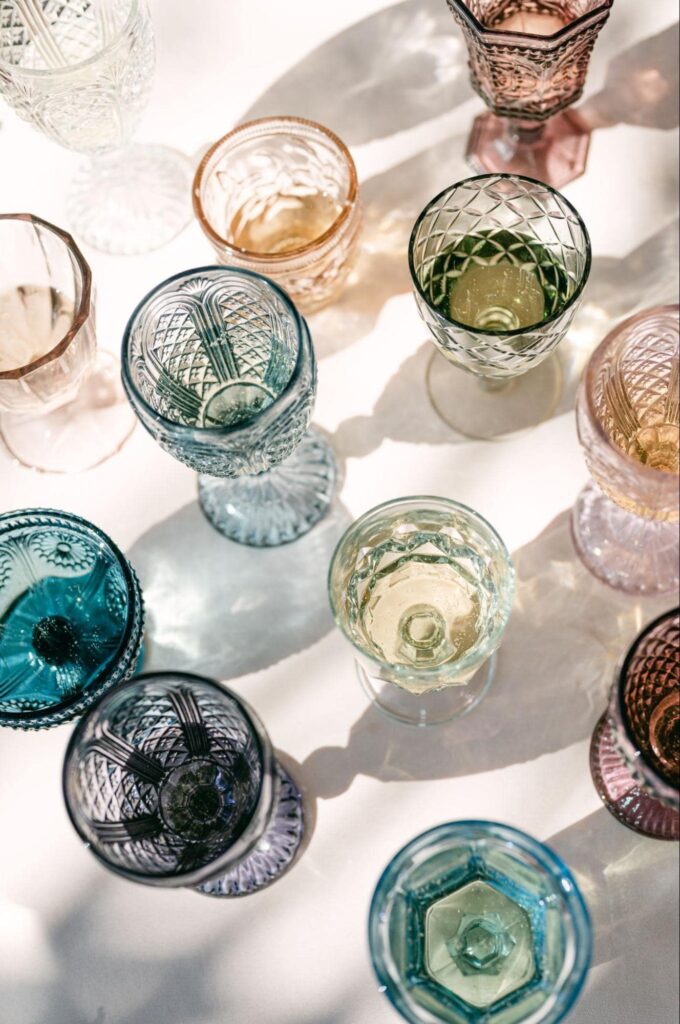
4. Glassware

  • Water Goblets – Large, durable glasses primarily used for water.

  • Wine Glasses – Available in styles for red or white wines, shaped to enhance flavor.

  • Champagne Flutes – Narrow, tall glasses ideal for sparkling wines.

  • Cocktail Glasses – Includes martini, highball, or rocks glasses depending on the beverage.

  • Beer Glasses – Ranging from mugs to pilsner glasses for serving different beer styles.

  • Stemless Glasses – Modern alternatives for wine or cocktails.

  • Coffee Mugs – Used for serving hot drinks like coffee or tea.

Getting To Know Each Type Of Tableware

Tableware is an extremely broad word that covers a litany of dishes and utensils. Generally speaking, items can be broken into four main categories: serve ware, dinnerware, silverware, and drinkware. The following sections will review each type’s role in the dining experience.

Serveware 

Serveware, as its name suggests, is used for serving food. Anything that holds it or helps the distribution process can fall into this category, including serving platters, bowls, salad bowls, casserole dishes, soup pots, and teapots. Think of any item that you could use to present food to others.

While large dishes are usually the first thing that comes to mind when one thinks of serveware, certain utensils like serving spoons, tongs, ladles, and pitchers can also be considered part of the family.

Dinnerware

Sometimes called crockery or china, dinnerware is where food goes as it’s portioned to individuals. The category comprises any items used to eat directly, from dinner plates and soup bowls to salad plates, saucers, and dessert plates.

Beautiful table setting

Types Of Dinnerware

Dinnerware can come in various sizes, shapes, and forms to suit different dishes. Let’s take a closer look at some common types and what context each is used in.

Dinner Plate – Used to hold main courses, this is one of the most common pieces of dinnerware you’ll come across. Dinner plates are the largest on the table, measuring 11 or 12 inches in diameter.

Dessert Plate – Dessert plates are saucers used to serve smaller portions of food. They measure 18 cm across and are best suited for informal gatherings that don’t involve a full sit-down meal.

Bread And Butter Plate – Sometimes referred to as a side plate or quarter plate, these pieces serve as accessories to main dinner plates. Bread and butter plates are smaller in diameter at roughly 15 cm and hold items like bread rolls, butter, and small condiments.

Appetizer Plates – Appetizer plates are slightly bigger than the average bread and butter plate, with a length of 17 cm or more. Simple and slightly curved, they’re meant to hold smaller portions of food or snacks before a full dish is served.

Soup Bowl – Holding up to 16 ounces of liquid, soup bowls can come in various shapes and sizes, depending on the type of soup served. Usually, they are round and measure between 11 and 12 cm in diameter.

Plates in a display

The Materials You Can Find Dinnerware In

Aside from size and purpose, dinnerware can also differ in the material it’s made out of. You can find dishes in various options to suit any occasion – the following are some of the most popular.

Melamine –  Melamine is a type of plastic that’s used to make dinnerware inexpensive and durable. It can be found in various colors and patterns, and is ideal for everyday use.

Porcelain – Porcelain dishes are made from kaolin and feldspar, resulting in a delicate yet strong material often used to make dinner plates and soup bowls.

Glass – Glass dinnerware is great for special occasions like weddings and corporate events, as it adds a sense of elegance to any table setting. Glass comes in various shapes and sizes, with transparent and colored options available.

Stoneware –  Stoneware is usually found in earthy tones like cream and brown. It’s a heavy material that makes great dinner plates and soup bowls, and is ideal for outdoor use.

Earthenware –  Earthenware is a type of pottery that’s been fired at low temperatures. It has a porous, matte finish and can be used to make various items, from cups to plates.

Silverware And Cutlery

Cutlery includes any implements used to eat food, from knives and forks to spoons and specialty utensils. This type of serveware can be made from various materials like stainless steel, silver, wood, and plastic.

Vintage silverware set

Like dinnerware, cutlery encompasses many different sub-varieties, each of which can be used for a specific purpose.

Forks – are commonly used to spear, cut, and hold food on a plate. They come in varieties such as dinner forks, salad forks, and dessert forks.

Spoons – Spoons are used to scoop up liquid or solid food. They range from soup spoons to teaspoons, tablespoons, and finally, the dessert spoon.

Knives – Knives are used for cutting and spreading items such as butter and cheese. They have sharp blades and come in different lengths, from the small steak knife to the larger dinner knife.

The pieces that make up a cutlery set can differ depending on the occasion and menu, but typically you’ll find one of each type for an informal setting. From there, you can add more utensils as the occasion and complexity of dishes demand.

Drinkware

Drinkware comprises all items from which one can drink, such as cups, mugs, and glasses.  As with dinnerware and cutlery, the drinkware you choose will depend on the occasion and menu.

Glassware

Types Of Drinkware

There are countless varieties of drinkware out there, all of which can be broken down into two main categories: stemware and tumblers.

The first, stemware, refers to any glass with a thin and elevated base. Common examples include the martini glass, wine glass, brandy glass, Champagne coupe, cordial glass, Champagne flute, and Sherry glass.

Tumblers, on the other hand, look more like conventional cups and have a flat-bottomed design. The family includes glasses like tumblers, shot glasses, beer glasses, beer mugs, rock glasses, water glasses, Collins glasses, and tall glasses.

While the majority of drinkware that you’ll find at a formal event will be glass, several plastic and ceramic options are available for different budgets and beverage temperature levels.

Choosing The Right Tableware For Your Event

With all of the varieties out there, it can be difficult to know what type and style of tableware fits a particular event. These guidelines will help you discern what options make the most sense for your occasion.

Consider The Nature Of Your Event

The context of your gathering can help you determine the most suitable tableware to select. A casual outdoor barbecue will naturally call for more relaxed, picnic-style plates and cups, while a more formal indoor affair might require more structured pieces, such as traditional dinnerware or elegant china.

Think About The Number Of Guests

The number of people attending your event will also determine the type and amount of tableware you need. If you’re hosting a smaller gathering, you may want to opt for individual place settings. A buffet-style set up with shared plates and serving ware may be better if you expect a larger crowd.

Keep The Menu And Courses In Mind

When deciding on tableware, you’ll want to consider the menu. Multi-course meals will inevitably require more types of plates and utensils than small receptions. Formality comes back into play here as well; generally speaking, the more formal an event is, the more intricate you’ll want to get with place settings.

Tableware is only one piece of the puzzle when it comes to hosting a successful event, yet at the same time, it can be incredibly impactful. With the right combination of items and careful consideration for quality, style, and material, you can create a dining experience that exceeds expectations and leaves a lasting impression.

Frequently Asked Questions

What is the difference between Tableware and Flatware?

Tableware refers to any type of dish or plate used during a meal, while flatware is a collective term for cutlery (forks, knives, spoons, and other utensils).

Should I rent or buy Tableware?

Renting tableware is often the most cost-effective option for large events, while buying them is usually more practical for smaller occasions. Call on Curated Events for all of your table setting needs- it is our specialty! 

What is tableware?

Tableware refers to the dishes, utensils, and drinkware used for serving and consuming food during a meal. It includes plates, bowls, cutlery, glasses, and serving accessories that contribute both function and style to the dining experience. Whether at a casual family dinner or a formal event, tableware plays a vital role in how a meal is presented and enjoyed.

What are the main types of tableware?

There are four main types of tableware: dinnerware, flatware, glassware, and serveware. Dinnerware includes plates and bowls used for individual portions. Flatware refers to eating utensils like forks, knives, and spoons. Glassware covers all drink-related items such as wine glasses and water goblets, while serveware includes larger items used to present and distribute food, such as platters, bowls, and pitchers.

What should be included in a list of tableware items?

A complete list of tableware items typically includes charger plates, dinner plates, salad plates, soup bowls, dessert plates, bread plates, forks, knives, spoons, water glasses, wine glasses, coffee cups, serving platters, and utensils. The specific list can vary depending on the type of event, menu, and service style. Having a clear list of tableware items ensures you’re well-prepared to create a polished and functional table setting.

Can I mix different types of tableware at my event?

Yes, mixing different types of tableware is a popular approach in modern event design. For example, you can pair rustic dinnerware with sleek metallic flatware or combine vintage glasses with minimalist plates. The key is to maintain a cohesive theme or color palette so the mixed elements complement one another without looking mismatched.

How do I choose the right tableware for my event?

To choose the right tableware, consider your event’s theme, formality, guest count, and menu. Formal events typically call for a full place setting with multiple courses, while casual gatherings may only require basic items. Reviewing a detailed list of tableware items can help you identify exactly what’s needed based on how your meal will be served.

Do I need different types of tableware for each course?

For formal events with multiple courses, it’s recommended to use different types of tableware for each stage of the meal—such as salad plates, soup bowls, dinner plates, and dessert plates. Each item is sized and styled for its specific use, helping to enhance the presentation and experience of the meal.

Green tableware

Various Ways To Set Tableware At An Event

By Blog

The table setting is a time-old tradition that dates back centuries. It’s a way of formalizing meal time, adding flair, and giving gatherings around a table the respect they deserve. Yet, in the same breath, table setting has slowly become a forgotten art. Today’s world of casual dining and fast food has led to drastically lowered standards, leading us to under appreciate the true elegance that proper setup can bring to a dining experience. 

Table setting

In this guide, we’ll discuss the basics of table setting, from the parts that make up a setting to best practices for different occasions.

Why Take The Time To Set Your Dinner Table?

The art of table setting has slowly declined in practice over the past decades. Once a common standard in households, it’s now only really seen at organized events and gatherings. You could blame this downfall on several things – like changes in eating styles, social norms, or a simple loss of interest in tradition. But whatever the case, the fact remains clear that few seem to appreciate it anymore. So why care?

Despite its relevance to everyday individuals, table setting remains an essential skill to know and practice. It teaches respect and gratitude, which are two important principles that will always be relevant in social life. Further, the table setting offers a sense of decoration and style which can add an extra touch to any occasion. It shows that you took the time to consider the event and care about the people there.

The table setting is also an important part of etiquette, which can set the tone for dinner. It can be a way to set boundaries and expectations for the evening’s food, people, and atmosphere. When practiced correctly, it can help to make dinner more enjoyable and memorable.

Table Setting: The Fundamentals

The table setting is seldom taught in schools, so it’s completely okay to feel a need for direction when planning your event. The process is actually quite simple; all it takes is some knowledge of the basics to get started. We’ll review them piece by piece below.

The Parts Of A Place Setting

First, let’s go over the items you’ll find in a traditional table placement. 

Traditional place setting

Regardless of the occasion, place settings should always consist of the following:

Plate – This is the main item that will be used to hold food throughout the dinner. Plates can come in various varieties, including appetizer, salad, entrée, and dessert plates. Charger plates are a larger accessory that can underlayer the regular plate and add an extra touch of style.

Bowls – Bowls are often used for soup or other dishes. Typically, the soup bowl is placed on top of the dinner plate.

Glassware – A standard place setting will include at least two glasses: a water glass and a stemmed glass for wine.

Utensils – This includes the knife, fork, and spoon. Depending on your occasion, multiple types of each can be used for different meal courses.

Napkin –  This item is included to wipe your hands and face while eating. Most events opt for fabric varieties, which can be styled with the table’s overall décor. 

Best Practices

While it’s important to note that these rules can vary with context, there are some basic protocols everyone should follow when setting the table for an event.

The first is how things are laid out across the table. It’s important to consider the gathering size and the number of people who can realistically dine from the same surface. If you’re expecting a large group, it’s worth spreading them out across multiple tables rather than trying to fit all of their places into one. Each guest should have at least two feet of space between them and the next person.

As for the dinnerware, pieces should be arranged in the same order for everyone. This includes the plate, napkin, utensils, and beverage glasses. They should also be spaced apart from each other according to their size and use.

Bigger items should be placed farther away, while smaller ones can be closer together. The layout can vary depending on how formal your event is, which we’ll get into next.

How To Set Tableware For Your Event Based On Formality

While the tableware setting generally follows a core set of conventions, the details that go into it can vary depending on the type of event you’re hosting. Some gatherings will require more details – and pieces – than others.

The following is a breakdown of the table setting types that exist for different event formalities.

Basic Table Setting

The basic table setting includes a plate, napkin, knife, fork, and spoon. It’s the most common type of dining arrangement and is appropriate for informal gatherings.

How to do it:

  1. Place the plate a few inches from the table’s edge
  2. Place the napkin to the left of the plate, or on top of it
  3. Place a fork (tines facing up) to the left of the plate
  4. Place a spoon and knife on the far right side of the plate, with the knife closest to it with the sharp side facing toward the palte

Special Considerations

This covers everything we discussed earlier regarding fundamental tableware. Nothing more, nothing less. However, step one can be skipped to allow guests to serve themselves if you are hosting a buffet.

Casual Table Setting 

Casual table spreads are intended for gatherings that involve some level of formality but need easy and fast rules. This type of table setting adds a few elements to the basics, such as salad and dessert forks, extra glasses, and side plates.

Casual table setting

How to do it:

  1. Place the plate two or three inches from the table edge
  2. Place the napkin to the left of the plate, or fold it and put it on top of the plate
  3. Place a salad fork and dessert fork (tines facing up) to the left of the plate
  4. Place a knife to the right of the plate, facing inwards
  5. Place a soup spoon on the far right side beside the knife
  6. Place a dessert spoon above the plate with the handle pointing to the right
  7. Place a drinking glass and/or wine glass on the upper right side of the plate

Formal Table Setting

Formal table setting involves going all out on a table’s presentation. Its surface, like the guests attending the event, should be dressed to look the part – affluent, cohesive, and elegant. This type of setting requires the most pieces, such as multiple glasses for champagne and wine, a soup spoon, and additional dinnerware for appetizers or desserts.

How to do it:

  1. Place a charger plate two or three inches out from the table’s edge, layered with the dinner plate
  2. Stack any and all additional plates and bowls in order of size on top of the charger plate
  3. Place a folded napkin on the left side of the charger plate
  4. Place a bread plate and butter knife on the upper left side of the charger plate
  5. Place a salad fork and dessert fork (tines facing up) to the left of the plate, in order of small to large
  6. Place a soup spoon horizontally above the plate with its handle pointing to the right
  7. Place a knife to the right of the plate, facing inwards
  8. Place a teaspoon on the far right side beside the knife
  9. Place multiple glasses on the upper right side of the plate, including a water glass, wine, and champagne glasses
  10. Add a wine decanter and butter dish to the top left side if appropriate

The table setting is an important part of any event, from casual to formal. Knowing how to properly set the table for every case is key to ensuring your guests have an enjoyable time. With the guidelines outlined above, you’ll be sure to impress guests of any type.

Formal table setting

FAQs

What is a charger plate?

A charger plate is a large, decorative plate that acts as the base for the table setting. It adds an elevated aesthetic and is generally used to decorate the table while keeping it clean and food warm.

What is the difference between a formal and casual table setting?

The main differences between a formal and casual table setting are the number of pieces used and their placement. A casual table setting requires fewer pieces but still follows the fundamental rules for tableware placement. A formal table setting, on the other hand, requires more pieces and is much more intricate. It also often includes additional items such as wine glasses or decanters.

Where can I get a tableware set?

Intricate tableware sets are something only some have lying around, so they usually need to be purchased or rented. Curated Events has the most extensive inventory of tabletop ware, with both depth of inventory and breadth of designs and aesthetics. We can’t wait to create a custom tabletop look with you!