
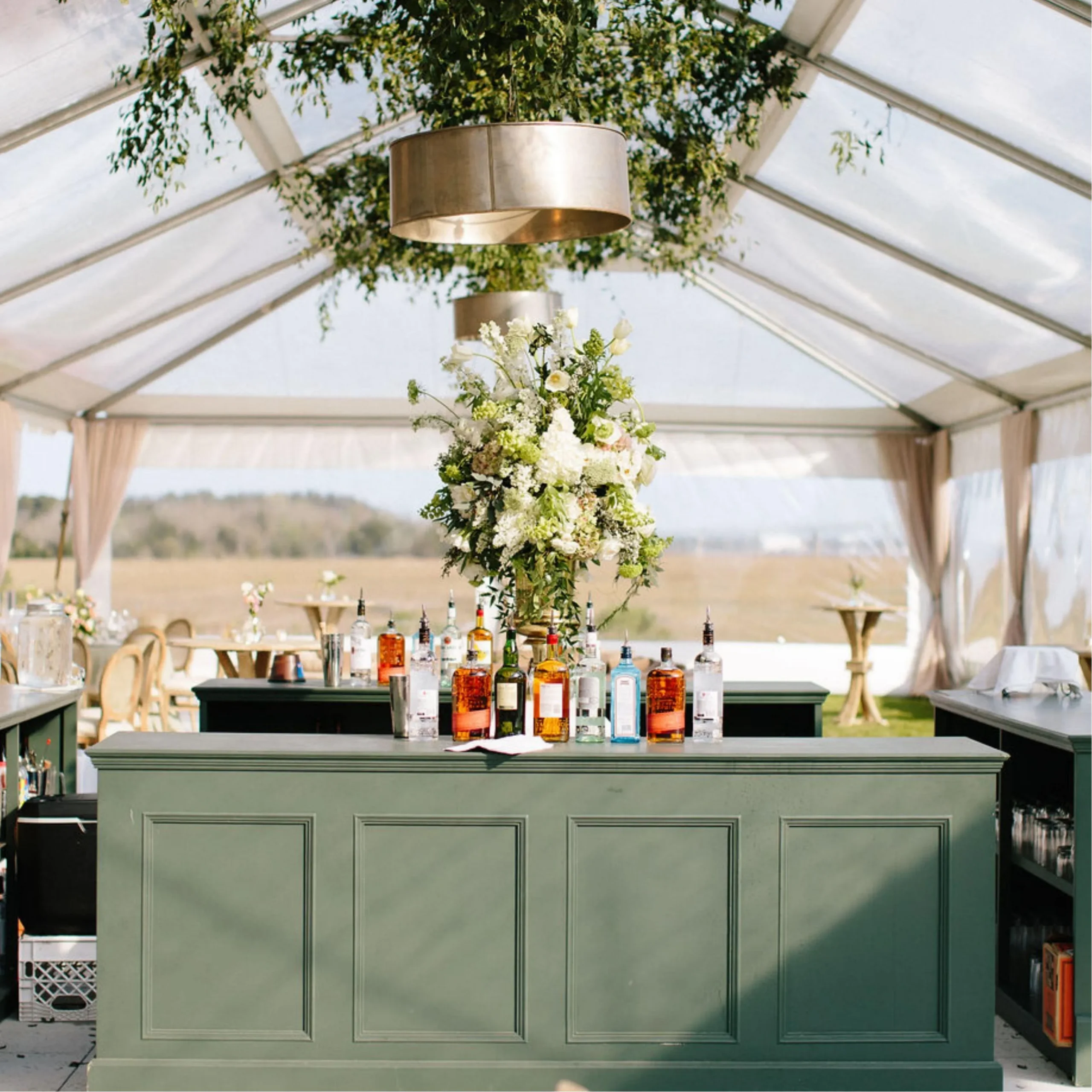
Oyster roasts are a longstanding part of Charleston’s gathering traditions, bringing friends, families, and colleagues together around fresh seafood, conversation, and outdoor hospitality. Particularly popular during the cooler months, these gatherings combine relaxed dining with the opportunity to enjoy the Lowcountry’s distinctive outdoor settings.
While the atmosphere may be informal, a thoughtfully planned oyster roast benefits from appropriate shelter, comfortable seating, and arrangements that accommodate changing weather conditions. Tent selection, heating, and the event layout all contribute to how guests experience the occasion.
Curated Events offers tenting, heating, and event rentals in Charleston to help hosts create welcoming spaces for seasonal celebrations.
Planning a Comfortable Charleston Oyster Roast
An oyster roast differs from a traditional seated dinner because guests frequently move between serving stations, dining tables, and conversation areas. The event setup should support this movement while providing comfortable places to gather, particularly when the celebration continues into the evening.
Consider How Guests Will Gather Throughout the Event
Oyster roasts naturally encourage a more interactive style of entertaining. Guests may gather around oyster stations, move between tables, or spend time enjoying drinks and conversation away from the main dining area.
Planning these activities as distinct but connected spaces creates a more comfortable experience. Serving stations should remain accessible without interrupting guest circulation, while dining tables provide places to enjoy freshly prepared oysters and accompanying dishes.
For larger gatherings, a combination of communal dining tables and smaller seating areas can accommodate different preferences. Some guests may enjoy standing and socializing, while others appreciate a comfortable place to sit throughout the event.
Account for Charleston’s Seasonal Conditions
Charleston’s fall and winter seasons offer opportunities for outdoor entertaining, although conditions can change throughout the day. An afternoon oyster roast may begin in mild weather before cooler temperatures and coastal breezes become more noticeable after sunset.
The venue’s location also influences the experience. Waterfront properties and open lawns may be more exposed to wind, while courtyards and gardens surrounded by buildings can offer additional shelter.
Considering these characteristics early helps determine where covered areas should be positioned and whether heating may be appropriate. The event schedule, anticipated weather, and available indoor alternatives should all inform the overall plan.
Choosing a Tent for an Oyster Roast
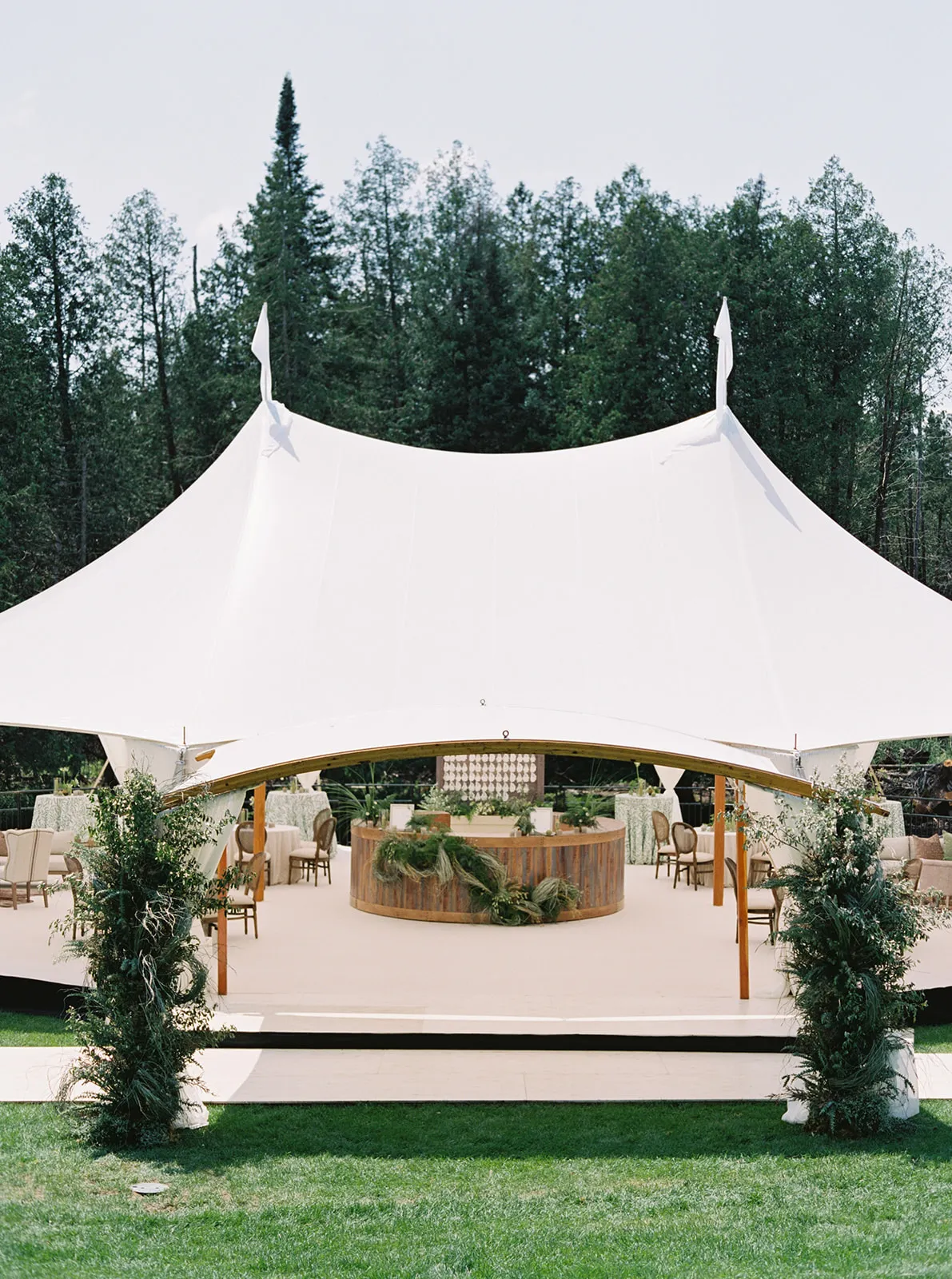
A tent can provide a central gathering space while preserving the outdoor atmosphere associated with a traditional Lowcountry oyster roast. Selecting the appropriate structure involves considering the venue, anticipated guest count, and the activities that will take place beneath it.
Select a Tent That Accommodates the Event Layout
Different tent styles can support different approaches to outdoor entertaining. Frame tents offer flexible interior arrangements, while sailcloth tents introduce a softer architectural appearance that complements garden settings and open properties.
The most suitable option depends on the available space and how the event will unfold. A gathering featuring communal tables and several serving stations may require a different configuration from one centered on cocktail tables and casual conversation.
Rather than selecting a tent based solely on attendance, consider the space needed for dining, beverage service, catering access, and comfortable movement. Any cooking or steaming equipment should be located according to the caterer’s requirements, venue restrictions, and applicable safety rules.
Exploring Charleston tent rentals can help hosts understand the available structures before developing a layout suited to the property.
Consider Sidewalls for Cooler Weather
Sidewalls can help reduce exposure to wind and rain, making them an important consideration for oyster roasts held during cooler months. Their configuration also influences how open the tent feels and how guests move between covered and uncovered areas.
For venues with attractive gardens or waterfront surroundings, maintaining views may be part of the design plan. Depending on the tent, weather, and professional recommendations, selected sidewall arrangements may provide protection while preserving a connection to the setting.
Sidewalls should also be coordinated with any proposed heating system. The appropriate configuration depends on ventilation requirements, equipment specifications, and venue conditions, so full enclosure should not be assumed to be the best choice for every event.
How to Plan Tent Heater Rentals in Charleston
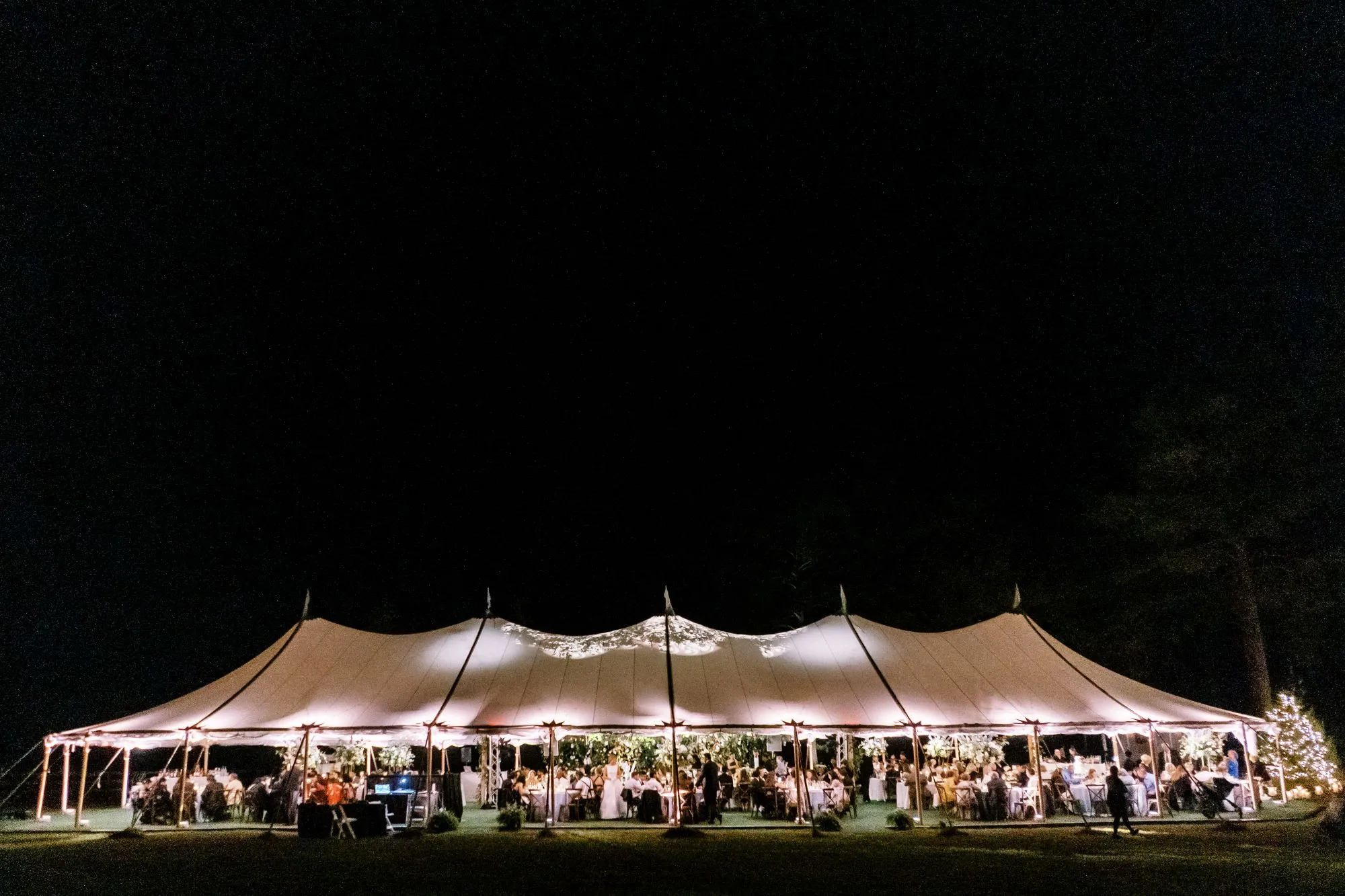
Heating can contribute to guest comfort when an oyster roast extends into a cool afternoon or evening. However, the appropriate equipment and arrangement depend on the tent structure, weather exposure, and the way guests will use the space.
Understand What Influences Heating Requirements
Tent dimensions are only one consideration when planning temporary heating. The height of the structure, placement of entrances, sidewall configuration, and surrounding conditions can all affect how warmth is distributed.
Guest activity also matters. People moving between oyster stations and beverage service may experience the space differently from those remaining seated for an extended period. Dining areas and quieter conversation spaces may therefore require particular attention.
When exploring tent heater rental in Charleston, hosts should review the proposed tent layout and event schedule with the rental team. This allows equipment recommendations to reflect the actual arrangement rather than relying on general assumptions about tent size or outdoor temperature.
Coordinate Heater Selection and Professional Installation
Temporary event heating requires careful coordination with the tent structure and surrounding event equipment. Heater placement, fuel or electrical requirements, ventilation, exhaust, and necessary clearances must all be considered before the final layout is approved.
Heating equipment should be selected and installed according to the manufacturer’s specifications and applicable venue and fire-safety requirements. A qualified provider can evaluate the proposed arrangement and determine which equipment and operating procedures are suitable.
The positioning of heating equipment can also influence furniture placement and guest movement. Reviewing these requirements before arranging tables, lounges, and serving stations helps preserve a practical floor plan.
For additional guidance, hosts can explore Charleston tent heating and sidewall planning, which examines how tent configurations and climate-control arrangements work together.
Creating an Inviting Oyster Roast Layout
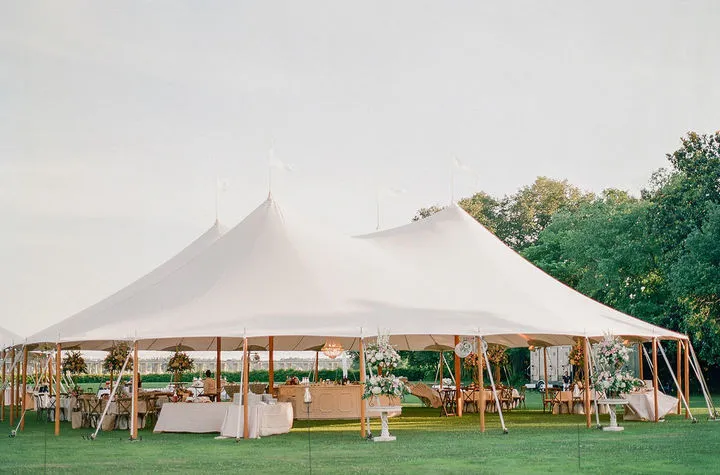
The atmosphere of an oyster roast comes from its welcoming, communal character. Furniture and layout choices should support that experience while introducing the level of refinement appropriate for a private celebration, corporate gathering, or seasonal social event.
Arrange Oyster Stations and Dining Areas
Oyster stations often become natural gathering points, making their placement an important part of the event layout. Guests should be able to approach the stations comfortably without obstructing dining areas or frequently used pathways.
For events offering additional food selections, buffet tables and beverage stations can be positioned to encourage movement between different areas. Separating active service from seated dining helps the gathering feel organized without imposing an overly formal structure.
Catering requirements should also be considered. Oyster preparation, serving equipment, shell collection, and staff access need appropriate space, with cooking operations positioned according to the caterer’s approved setup.
These practical details can be incorporated without compromising the relaxed atmosphere that makes an oyster roast distinctive.
Choose Tables and Seating That Support the Gathering
Communal tables work particularly well for oyster roasts because they encourage conversation and provide shared dining surfaces. Rectangular tables can accommodate groups seated together, while round tables offer an alternative for gatherings with a more traditional reception arrangement.
Cocktail tables may be useful near beverage stations or in areas intended for mingling. For a gathering that continues into the evening, a small lounge arrangement can provide an additional space for conversation away from the main dining area.
Furniture finishes and materials can reinforce the overall design. Natural wood tones, understated linens, and comfortable seating complement the informal character of an oyster roast while maintaining a polished appearance.
The goal is not to make every area elaborate, but to select furnishings that feel appropriate for how guests will use the space.
Incorporate Lighting and Practical Outdoor Details
Lighting becomes increasingly important when an oyster roast extends beyond daylight hours. A combination of ambient illumination and practical lighting around dining and serving areas can create a welcoming environment while supporting guest movement.
Soft overhead lighting may complement a tented gathering, while additional illumination can help define entrances, service stations, and pathways. The appropriate fixtures depend on the tent structure, available power, and event design.
Ground conditions should also be reviewed, particularly at outdoor venues where grass or uneven surfaces may affect furniture placement and circulation. Suitable flooring or ground protection may be worth considering where the site and event requirements call for it.
These details should complement the event rather than overwhelm its relaxed, social atmosphere.
Coordinating Tent, Heating, and Event Rentals
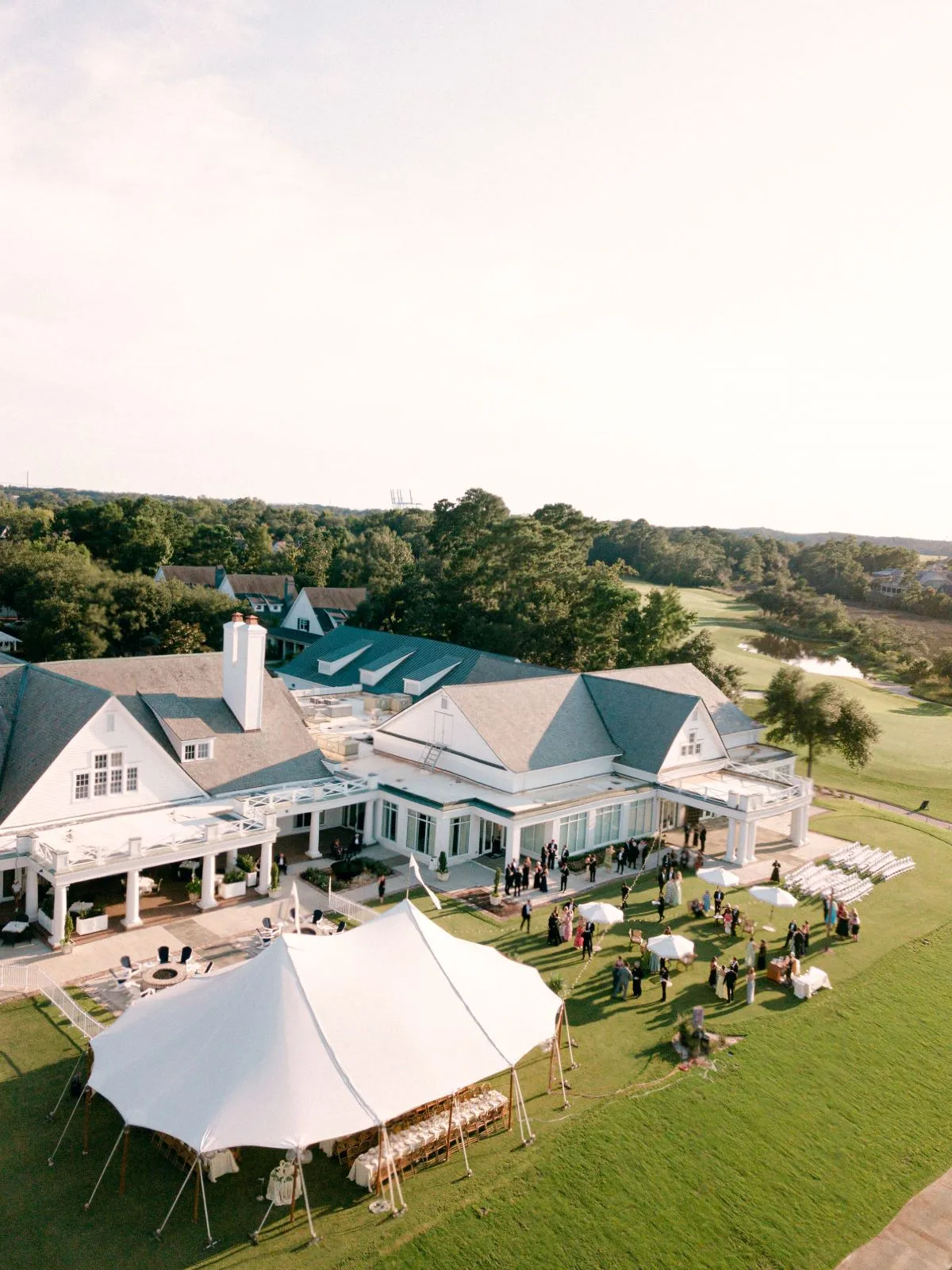
A well-planned oyster roast brings together several rental categories, including tenting, climate control, furnishings, and lighting. Reviewing these elements as part of one arrangement helps ensure that the selected pieces work together aesthetically and functionally.
Review Rental Needs with the Charleston Team
Before finalizing rentals, hosts should establish the event date, venue, anticipated attendance, and preferred dining format. These details provide the foundation for discussing the tent structure, heating requirements, and appropriate furniture arrangements.
Curated Events Charleston offers heating and cooling rentals alongside tenting, tables, chairs, lighting, and other event furnishings. Considering these categories together can help align the covered gathering areas with the broader event layout.
The planner, rental provider, caterer, and venue should also review any requirements that affect equipment placement or guest circulation. This is particularly important when the event combines outdoor cooking, covered dining, and temporary heating.
Product availability and the specific services included with each rental should be confirmed with the Charleston team.
Confirm Weather Arrangements and Event Logistics
Outdoor celebrations benefit from a weather contingency plan established before the event. Depending on the venue and season, this may include approved sidewall arrangements, heating considerations, or access to an alternative covered space.
The event team should understand how changing conditions could affect dining areas, serving stations, and guest movement. Any adjustments to installed tenting or heating equipment should be managed by the appropriate professionals according to the approved plan.
Delivery access, setup requirements, and venue restrictions should also be discussed early. Coordinating these details helps ensure that practical arrangements support the event’s intended design and atmosphere.
Frequently Asked Questions
Do all Charleston oyster roasts need tent heaters?
Not every oyster roast requires additional heating. The need depends on the time of year, event schedule, expected weather, and available shelter. Gatherings held during mild afternoons may remain comfortable without heaters, while evening events during cooler months may benefit from professionally planned climate control.
Can tent heaters be used with sidewalls?
Some tent heating systems can be used with appropriate sidewall configurations, but compatibility depends on the equipment and installation requirements. Ventilation, exhaust, and safety clearances must be evaluated by qualified professionals before a heated tent arrangement is approved.
How do I know what size heater my event needs?
Heater requirements depend on the tent’s dimensions, height, sidewall configuration, location, and expected weather conditions. The rental provider should review these factors alongside the event layout before recommending equipment. Generalized heater calculations are not a substitute for product-specific professional guidance.
How early should tents and heaters be reserved for an oyster roast?
It is advisable to begin discussing rentals once the event date and venue are established. Availability may vary depending on the season, event size, and requested equipment. Contacting the Charleston rental team early allows time to review tent options, climate-control requirements, and coordinating furnishings.
Plan Your Charleston Oyster Roast with Curated Events
A Charleston oyster roast brings together the ease of outdoor entertaining and the traditions of Lowcountry hospitality. Creating a comfortable setting involves considering how guests will gather, where food will be served, and how the space will respond to seasonal conditions.
Thoughtfully selected tents, professionally coordinated heating, and well-arranged furnishings can support these activities while maintaining the occasion’s welcoming character.
Explore Curated Events’ Charleston social event rentals to discover tenting, climate-control options, seating, and additional furnishings for an upcoming oyster roast or winter gathering.