
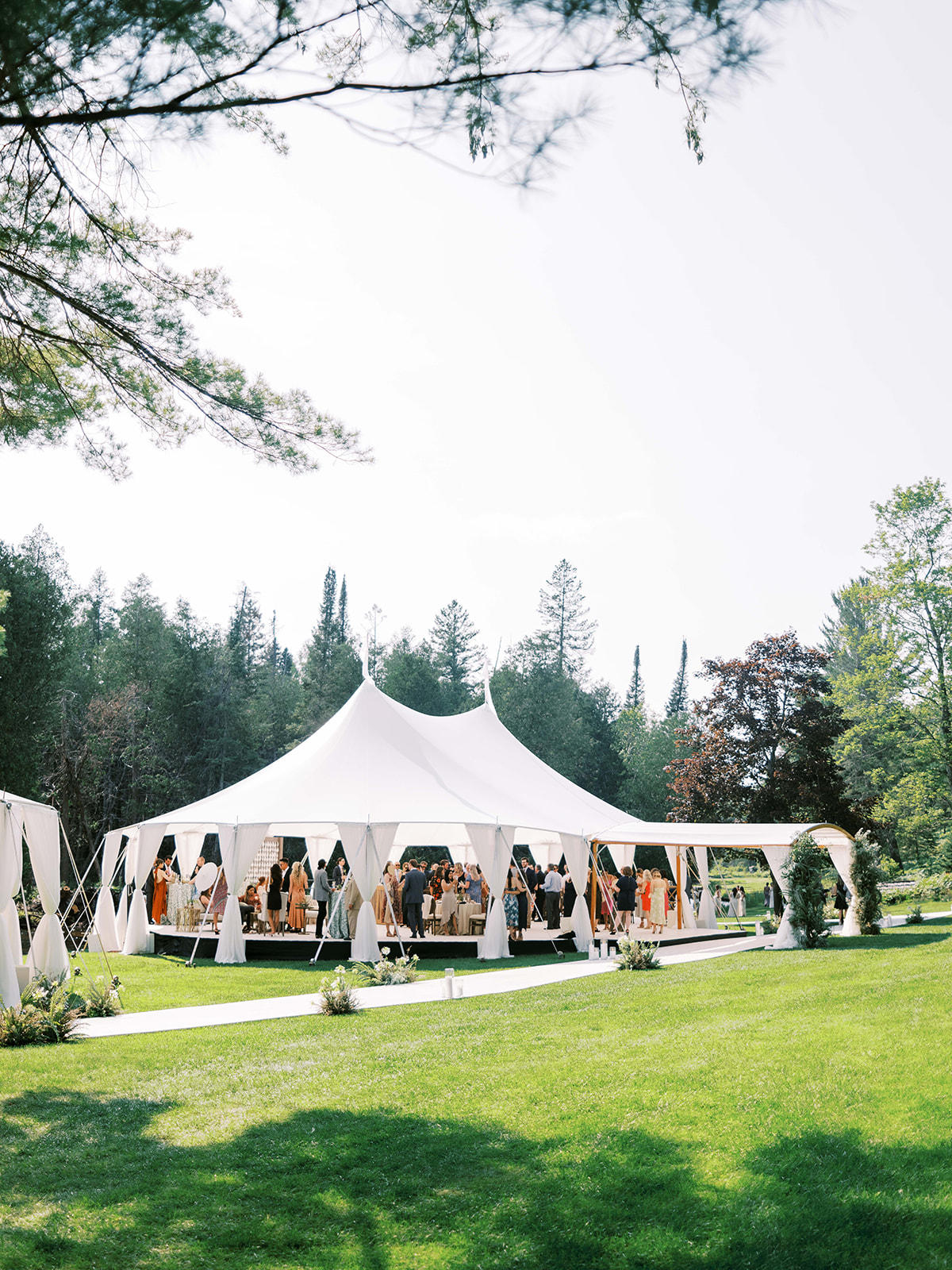
Outdoor events in Chesapeake can feel refined, comfortable, and beautifully intentional when the tent is planned as a complete event environment rather than basic overhead coverage. Whether you are hosting a wedding, corporate gathering, private celebration, fundraiser, or outdoor reception, the right tenting plan can help shape the entire guest experience.
Climate-controlled tent rentals are especially useful for Chesapeake events because outdoor conditions can shift throughout the day. Warm afternoons, humidity, rain, direct sun, and cooler evenings can all affect comfort. A thoughtful rental plan accounts for those conditions from the beginning, pairing the right tent style with heating and cooling rentals, airflow, lighting, flooring, seating, tabletop details, and guest flow.
Curated Events Chesapeake helps hosts and planners create polished outdoor spaces through tenting, heating and cooling rentals, lighting, linens, lounge furniture, tabletop rentals, dance floors, and other event essentials. This guide explains how to approach climate-controlled tent rentals with comfort, layout, and event style in mind.
Start With the Event Setting Before Choosing the Tent

Before selecting a tent, it is important to understand the event setting. The location affects more than where the tent will sit. It influences guest arrival, vendor access, shade, airflow, seating layout, service areas, and the overall atmosphere of the event.
For Chesapeake events, outdoor venues can vary widely. Some gatherings take place on private lawns, while others are hosted at waterfront-style properties, corporate spaces, estates, or open outdoor event areas. Each setting requires a different tenting approach. A tent that works well for a cocktail reception on a paved surface may not be the right choice for a seated wedding reception on grass.
Consider the Surface, Shade, and Exposure
The surface beneath the tent plays an important role in both setup and guest comfort. Grass, pavement, gravel, and uneven outdoor areas all affect how the space should be arranged. The surface may also influence whether flooring, staging, or a dance floor should be added to create a more finished environment.
Shade and sun exposure should also be considered early. A tent placed in direct sun may require a different comfort plan than one positioned near natural shade. The direction of sunlight, time of day, and surrounding buildings or trees can all influence how guests experience the space.
Exposure to wind and rain should also be part of the conversation. Chesapeake outdoor events can benefit from flexible tenting plans that account for changing conditions without compromising the event’s design.
Map the Guest Flow Early
A climate-controlled tent should support the way guests move through the event. The layout should make it easy for guests to transition between ceremony seating, cocktail areas, dining tables, bars, lounge spaces, dance floors, and exits.
Guest flow also affects comfort. If bars or buffet stations are placed too close to entrances, guests may gather in areas where airflow should remain open. If lounge spaces are positioned too far from the main event activity, they may feel disconnected. If the dance floor is placed without enough surrounding space, the tent can feel crowded even when the guest count is appropriate.
Planning the layout early helps ensure that the tent feels spacious, functional, and easy to navigate.
Plan for Chesapeake’s Changing Outdoor Conditions
Climate control should not only be considered for hot weather. Chesapeake events may need cooling during the day and added warmth later in the evening, depending on the season and event timeline.
Warm afternoons may call for airflow support, fans, open tent sides, or other cooling considerations. Evening events may require heating rentals, especially during transitional seasons. Rain may require sidewalls or protected entry points. The most effective tent plans account for these conditions before the event day, rather than treating comfort as a last-minute adjustment.
Select a Tent Style That Supports Both Comfort and Atmosphere

The tent itself sets the tone for the event. It shapes the visual experience, supports the layout, and creates the foundation for lighting, flooring, climate control, furniture, and décor. Choosing the right tent style is one of the most important decisions in planning a comfortable outdoor event.
Curated Events Chesapeake offers tenting options suited to different event styles, including frame tents, sailcloth tents, garden tents, structure tents, and other tent accessories. The best choice depends on the guest count, location, event format, design direction, and comfort needs.
Frame Tents for Flexible Event Layouts
Frame tents are a versatile option for events that require flexible layouts. Because they can support a range of configurations, they are useful for dining areas, cocktail receptions, lounge-heavy layouts, corporate gatherings, and events with several activity zones.
A frame tent can work well when planners need to arrange tables, bars, dance floors, and service areas within one covered space. It can also support a clean, structured look that works with many event styles, from formal receptions to branded corporate events.
When climate control is part of the plan, frame tents can also make it easier to think through airflow, sidewall placement, and equipment positioning.
Sailcloth and Garden Tents for a Softer Event Look
Sailcloth and garden tents are often selected for events where the tent is part of the visual design. These styles can create a softer, more elegant atmosphere, making them well-suited for weddings, outdoor dinners, private celebrations, and receptions with a refined design direction. For more detail, see our article The Ultimate Guide to Luxury Tent Rentals for Memorable Outdoor Celebrations.
These tent styles can feel warm and inviting when paired with thoughtful lighting, linens, chairs, tabletop pieces, and floral design. For comfort planning, the layout should still be carefully considered. Openings, airflow, dining arrangements, and lounge areas all need to work together so the event feels beautiful and comfortable at the same time.
Structure Tents for Larger or More Complex Setups
Structure tents can be a strong choice for events that require a more substantial tented environment. Larger guest counts, complex layouts, corporate functions, multi-zone receptions, and events with significant rental needs may benefit from this type of tenting.
A structure tent can help create a more defined event space, especially when the event includes dining, presentations, entertainment, bars, lounges, or staging. These tents can also support a more polished venue-like feeling when combined with flooring, lighting, climate-control rentals, and finished design details.
Build Climate Control Into the Floor Plan
Climate control works best when it is included in the event plan from the beginning. It should not be treated as an afterthought once the tent, tables, and décor have already been selected. The placement of heating and cooling rentals, the size of the tent, the use of sidewalls, and the overall layout all affect how comfortable the space feels.
For Chesapeake events, climate control often includes a combination of airflow planning, fans, heaters, tent accessories, and layout decisions. The goal is to create a tented space where guests can dine, mingle, dance, and relax without feeling distracted by the weather.
Use Fans and Cooling Rentals to Support Air Movement
Fans and cooling rentals can help support air movement inside a tent, especially during warm or humid conditions. The key is to place them thoughtfully so they improve comfort without interrupting the visual layout or guest experience.
Air movement should be considered around dining areas, lounge seating, bars, and high-traffic zones. For example, guests seated for dinner should feel comfortable without having equipment placed too close to tables. Cocktail areas and bar lines should also be arranged so guests are not standing in stagnant or crowded areas.
A strong cooling plan supports the event without drawing attention away from the design.
Plan Heating for Cool Evenings and Transitional Seasons
Even when the event begins in mild weather, the temperature may drop later in the day. This is especially important for evening receptions, fall events, spring gatherings, and outdoor dinners that continue after sunset.
Heating rentals can help keep guests comfortable during cooler parts of the event. Like cooling equipment, heaters should be planned around the floor plan. Placement should account for seating areas, guest circulation, service paths, sidewalls, entrances, and the overall look of the tent.
A comfortable evening event depends on more than simply adding heat. It requires a layout that allows the equipment to support the space naturally.
Coordinate Sidewalls, Openings, and Airflow
Sidewalls can play an important role in climate-controlled tent planning. They may help protect guests from rain, wind, or cooler air, but they also affect airflow. When sidewalls are used, openings should be planned carefully so the tent does not feel closed off or difficult to navigate.
The right approach depends on the event setting and weather conditions. Some events may benefit from more open sides during the day and added coverage later in the evening. Others may need sidewalls from the start because of exposure, privacy, or weather concerns.
Sidewalls should be treated as part of the overall comfort and design plan, not just a weather backup.
Create Comfortable Guest Zones Inside the Tent

A climate-controlled tent should feel organized and welcoming. Guests should understand where to go, where to gather, where to sit, and how to move between different parts of the event. The most successful tented events are planned in zones, with each area serving a clear purpose.
This is where Curated Events’ broader rental selection becomes especially valuable. Tables, chairs, linens, lounge furniture, bars, tabletop rentals, lighting, and dance floors all work together to turn a tent into a complete event environment.
Dining Areas That Stay Comfortable Through the Meal
Dining areas should be planned with enough space for guests, servers, chairs, table settings, and movement between tables. A beautiful table layout can feel uncomfortable if guests are seated too tightly or if service paths are too narrow.
Comfort also depends on how the dining area relates to climate-control equipment. Fans, heaters, openings, and sidewalls should be considered when placing guest tables. For seated dinners, airflow and temperature consistency matter because guests remain in one area for a longer period of time. We cover this further in Comfort in Every Season: Climate Control for Tents and Venues.
Linens, chairs, china, glassware, flatware, and table décor should also support the event’s design direction so the dining area feels finished and cohesive.
Lounge Areas That Give Guests a Place to Reset
Lounge areas can make a tented event feel more hospitable. They give guests a place to step away from the dining table, hold conversations, or relax between event moments. For weddings, lounges can work well near cocktail areas or dance floors. For corporate events, they can create natural gathering spaces for networking.
Lounge placement should be intentional. If the area is too far from the main event, guests may not use it. If it is too close to a high-traffic zone, it may not feel comfortable. Climate control should also be considered so lounge seating remains pleasant throughout the event.
A well-placed lounge area can make the entire tent feel more layered, stylish, and guest-friendly.
Bar and Catering Zones That Do Not Interrupt Circulation
Bars, catering stations, buffet areas, and service access points need careful placement. These areas naturally draw traffic, so they should not block entrances, airflow, dance floors, or main walkways.
For tented events, bar placement can influence the energy of the room. A bar near a lounge area may encourage conversation, while a bar closer to the dance floor may support a more social reception flow. Catering areas should be accessible for service teams without making guests feel like they are moving through a back-of-house space.
When these zones are planned well, the tent feels smoother, more comfortable, and more polished.
Pair Climate Control With Rentals That Complete the Tented Space
Comfort is not only about temperature. A tented event feels complete when every rental category works together. Lighting, flooring, linens, tabletop pieces, lounge furniture, chairs, bars, and dance floors all help shape the guest experience.
This is where a climate-controlled tent becomes more than a covered outdoor area. With the right design and rental plan, it can feel like a temporary venue created specifically for the event. Read more in Outdoor Charlotte Events: Tent, Flooring & Climate Solutions.
Lighting That Makes the Tent Feel Intentional
Lighting helps define the atmosphere inside the tent. It affects visibility, mood, photography, transitions, and the way guests experience the space from day to evening.
For daytime events, lighting may be subtle and functional. For evening receptions, it can become a major design feature. Lighting can highlight dining areas, lounge spaces, bars, dance floors, entrances, and focal points. It can also soften the tent interior and make the space feel more finished.
When climate-control equipment is part of the tent, lighting should be planned so the functional elements of the space do not distract from the overall design.
Flooring and Dance Floors for a More Finished Layout
Flooring and dance floors can help define the event layout while improving comfort underfoot. This is especially useful for outdoor events on grass, uneven surfaces, or areas where guests will be wearing formal shoes.
A dance floor creates a central activity zone and helps guide the reception layout. Flooring can also make dining and lounge areas feel more polished. These choices support both comfort and event design, especially when the tent is being used as the primary venue space.
For climate-controlled tents, flooring decisions should be considered alongside entrances, equipment placement, table layouts, and guest movement.
Linens, Tabletop, and Chairs That Match the Event Style
The details inside the tent have a major impact on how the space feels. Linens, chairs, china, glassware, flatware, and tabletop pieces help establish the event’s style and make the setting feel intentional.
For a wedding, these details may reflect a romantic, formal, coastal, garden-inspired, or modern design direction. For a corporate event, they may support a clean, branded, or hospitality-focused environment. For a private celebration, they can make the space feel personal and elevated.
Climate control creates comfort, but the finishing rentals create the atmosphere. Both should be planned together.
What to Discuss With Curated Events Before Reserving Your Tent

A productive tent rental conversation starts with the right details. Before reserving a climate-controlled tent, hosts and planners should be prepared to discuss the event location, guest count, timeline, layout, rental needs, and comfort priorities.
This helps the Curated Events Chesapeake team recommend tenting and rental options that support the full event experience, not just the tent structure.
Guest Count and Seating Style
Guest count is important, but it is only one part of the planning process. The seating style also affects the tent size and layout. A seated dinner requires a different arrangement than a cocktail reception. A ceremony-to-reception layout requires different planning than a corporate presentation or social gathering with lounge areas.
Planners should also consider whether the event will include round tables, long tables, cocktail tables, lounge seating, a dance floor, buffet stations, bars, or presentation areas. Each element affects the overall footprint.
Event Timeline and Time of Day
The time of day can influence the climate-control plan. A daytime event may need more focus on shade and airflow, while an evening event may require heating or additional lighting. An event that begins in the afternoon and continues into the evening may need a more flexible plan that supports changing conditions.
The timeline also affects setup needs, vendor access, lighting transitions, and guest comfort. Sharing the full event schedule early helps create a stronger rental plan.
Rental Categories Needed Beyond the Tent
The tent is only one part of the event environment. To create a cohesive and comfortable space, hosts should also think about tables, chairs, linens, lighting, lounge furniture, tabletop rentals, bars, catering equipment, dance floors, sidewalls, and heating or cooling rentals.
Considering these categories together allows the event to feel more complete. It also helps avoid a mismatched layout where the tent is selected first and the rest of the rentals are forced to fit later.
Site Access and Setup Requirements
Site access can affect how the tent and rentals are delivered and installed. Planners should be ready to discuss where the tent will be placed, how the setup team can access the area, what surface the tent will sit on, and whether there are any obstacles such as trees, slopes, gates, landscaping, or limited entry points.
Power needs should also be discussed early when climate-control equipment, lighting, catering rentals, or entertainment elements are part of the event. These details help support a smoother setup and a more comfortable event day.
Common Climate-Controlled Tent Planning Mistakes to Avoid
A climate-controlled tent can make a major difference in guest comfort, but only when it is planned correctly. Many common issues happen when the tent is selected too quickly or when climate control is added after the main layout has already been finalized.
Avoiding these mistakes can help the event feel more polished, comfortable, and easy to experience from start to finish.
Choosing the Tent Before Planning the Layout
Selecting a tent based only on guest count can create problems later. The layout also needs to account for tables, chairs, bars, lounge areas, dance floors, catering stations, entertainment, walkways, and service access.
A tent may technically fit the number of guests, but still feel crowded if the rest of the event elements are not included in the plan. Starting with the full layout helps ensure the tent supports the event rather than limiting it.
Treating Cooling or Heating as a Late Add-On
Climate control should be discussed early in the planning process. Adding fans, heaters, sidewalls, or other comfort rentals late in the process may limit placement options or affect the look and flow of the space.
When heating and cooling rentals are planned from the start, they can be integrated more naturally into the tent design. This helps preserve both comfort and visual appeal.
Forgetting Comfort Outside the Main Dining Area
Guest comfort is not limited to the dining tables. Cocktail areas, entry points, bar lines, lounge seating, ceremony transitions, dance floors, and vendor service paths all affect how people experience the event.
If only the main dining area is considered, guests may still feel uncomfortable while waiting at the bar, gathering near an entrance, or moving between event spaces. A stronger plan considers the entire guest journey.
Overlooking the Visual Impact of Comfort Equipment
Heating and cooling rentals serve a practical purpose, but they should still be considered within the overall event design. Placement matters. Equipment should support the tent environment without becoming a distraction.
This does not mean hiding every functional element. It means planning the space so comfort rentals, lighting, furniture, and décor all work together. A well-designed tent should feel both beautiful and practical.
Conclusion
Climate-controlled tent rentals can help outdoor Chesapeake events feel comfortable, polished, and thoughtfully planned. The key is to approach the tent as a complete event environment rather than a standalone rental.
By considering the event setting, tent style, airflow, heating and cooling needs, guest zones, lighting, flooring, linens, tabletop details, and setup requirements, hosts and planners can create an outdoor event that feels intentional from the first guest arrival to the final send-off.
For weddings, corporate gatherings, private celebrations, and social events, Curated Events Chesapeake offers the rental categories and planning support needed to bring a comfortable tented event to life. Ready to plan? Request a quote from Curated Events Norfolk.