
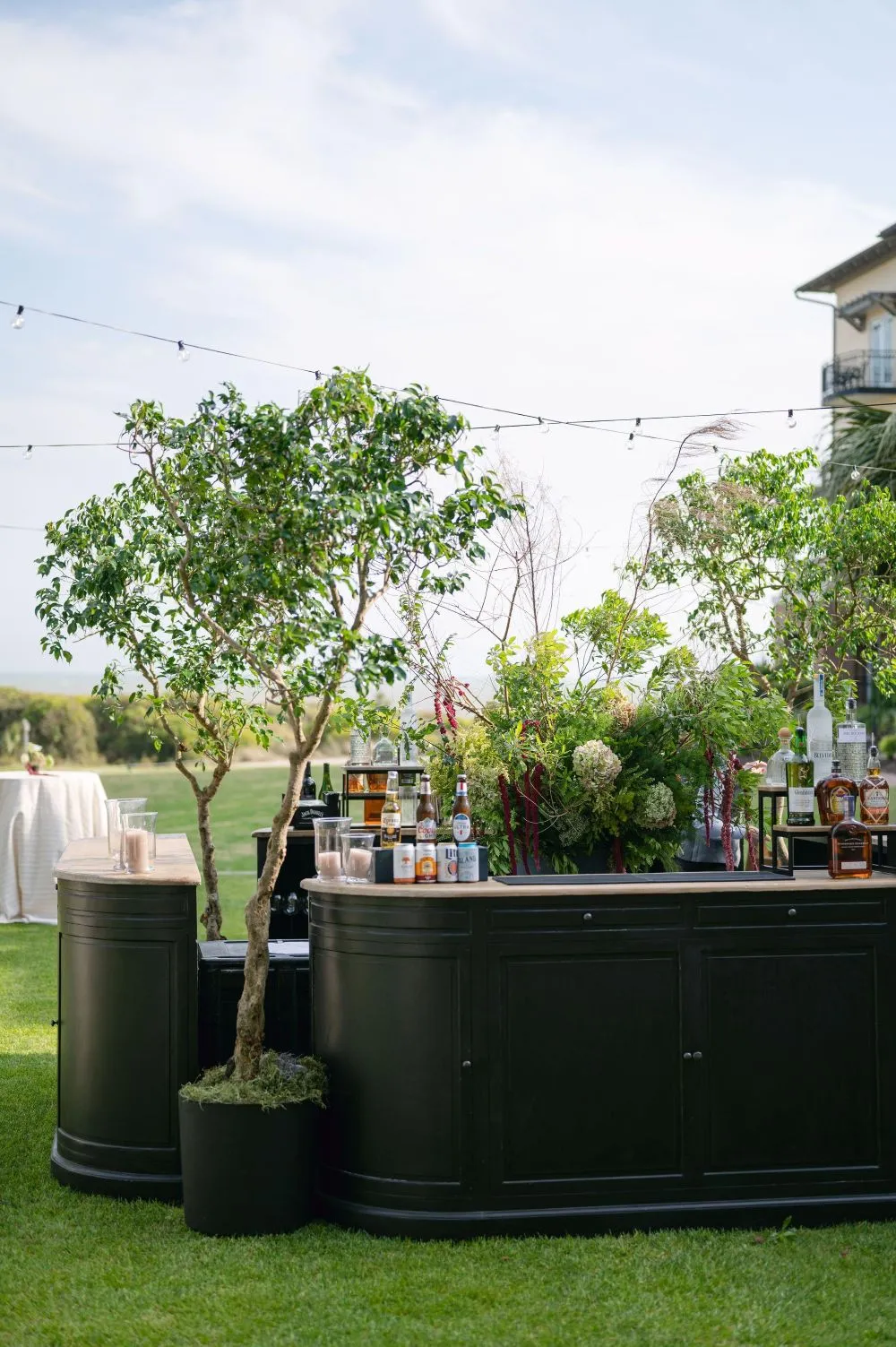
Corporate receptions in Washington, D.C. often take place in visually distinctive settings, from polished contemporary venues to historic interiors with strong architectural character. In these environments, the bar and lounge furniture occupy a significant portion of the room and strongly influence its overall appearance.
A well-designed reception treats these pieces as parts of one composition. The bar, sofas, lounge chairs, barstools, coffee tables, side tables, and shelving should share a visual relationship without looking like a perfectly matched furniture set. Proportion, materials, color, silhouette, and the surrounding architecture all contribute to that balance.
For planners selecting bar and lounge furniture rentals for D.C. corporate receptions, the following principles provide a more focused way to create an environment that feels polished, intentional, and appropriate for the occasion.
Decide What Should Visually Anchor the Reception
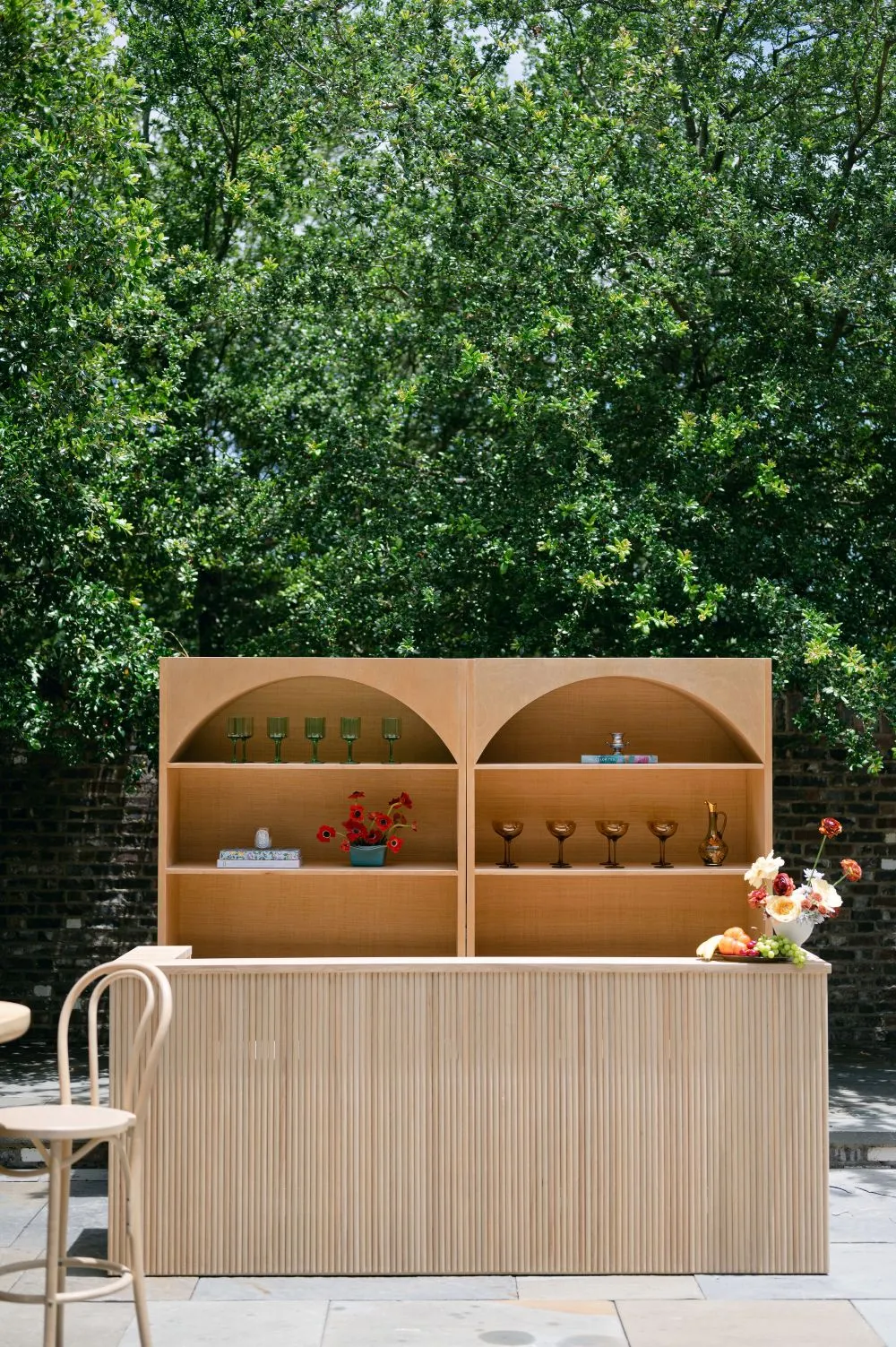
Every strong reception design needs a clear starting point. In some spaces, the bar naturally becomes the dominant architectural feature. In others, an expressive lounge grouping deserves more attention. Establishing that hierarchy early keeps the room from becoming crowded with competing statement pieces.
The anchor does not need to be the largest rental in the space. It simply needs enough visual presence to give the surrounding selections direction.
When the Bar Should Lead the Design
A distinctive bar can establish the reception’s design language before any other furniture is selected.
Its form, finish, dimensions, and detailing can influence the pieces placed around it. A structured wood bar might lead toward furniture with similarly warm finishes or clean silhouettes, while a lighter or more sculptural bar may work with softer upholstered pieces and restrained occasional tables.
The surrounding lounge furniture should support the bar rather than repeat every detail. If the bar has a particularly strong finish or architectural shape, simpler sofas and chairs can give it enough visual space to remain the focal point.
This approach works especially well when the bar is visible immediately upon entering the reception or occupies a prominent position within the room.
When the Lounge Should Carry More Visual Weight
Some receptions benefit from making the lounge the stronger design moment.
A sofa with a distinctive silhouette, richly textured upholstery, or a strong color can establish the character of the setting while the bar remains visually quieter. Accent chairs, coffee tables, and side tables can then reinforce that direction without making the lounge feel like a preassembled furniture suite.
This strategy can work particularly well in corporate environments where the reception should feel warm and polished rather than overly formal.
A prominent lounge also creates an opportunity to introduce materials and colors that may be too strong if applied across the entire reception.
When Two Focal Points Can Work Together
Larger receptions can support both a statement bar and a distinctive lounge, but the two elements need a clear relationship.
That connection might come from a shared material, similar geometric forms, related tones, or deliberately contrasting finishes. A dark architectural bar, for example, can sit comfortably near lighter upholstered furniture when smaller supporting pieces connect the two areas.
The key is avoiding two unrelated design ideas occupying the same room. Each focal point should look intentional when viewed independently and when seen alongside the other.
Build a Material Conversation Between the Bar and Lounge
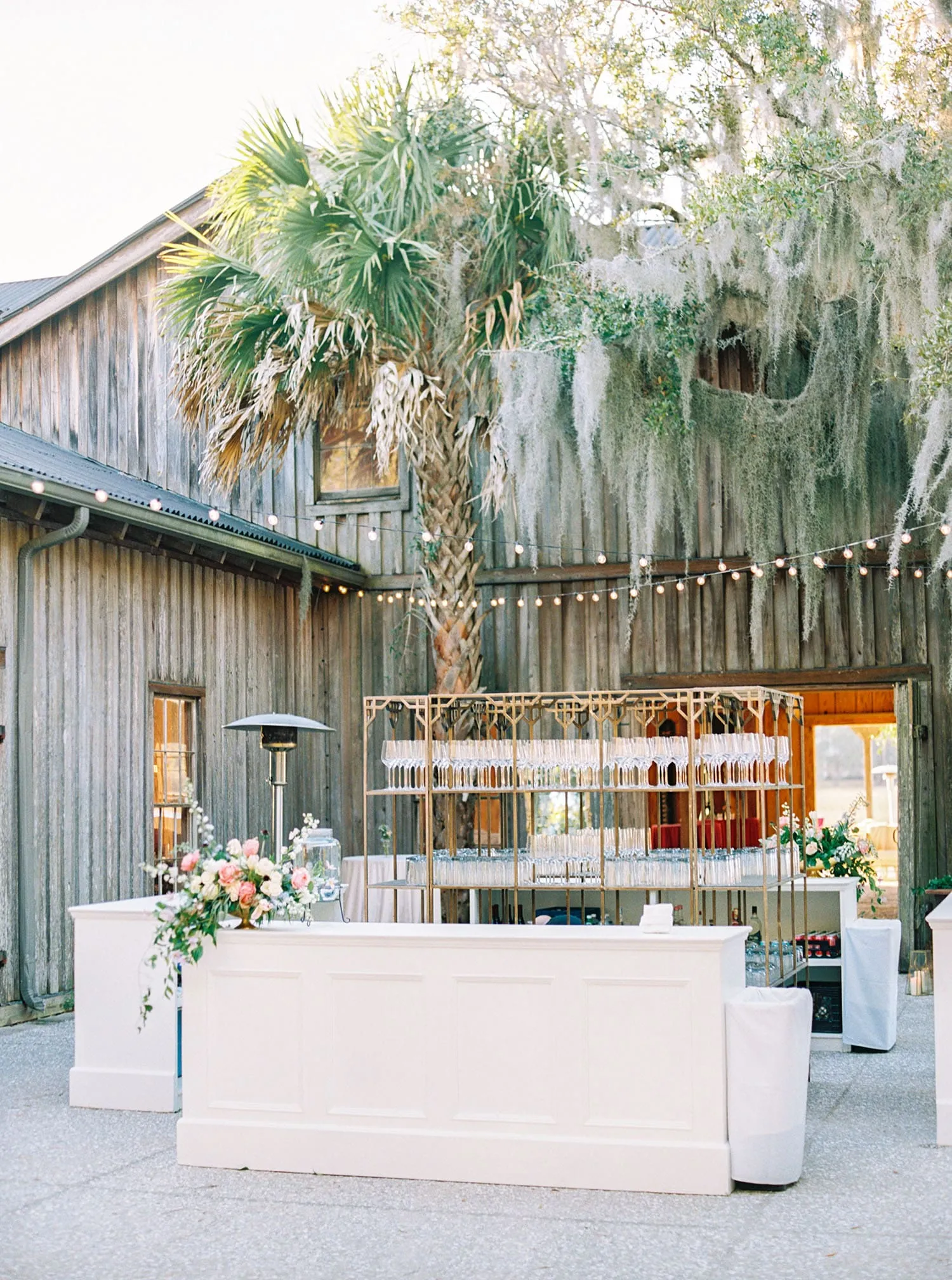
Matching every furniture piece can make a corporate reception feel rigid. A more considered approach connects different rentals through material relationships, allowing variation while maintaining visual continuity.
Wood, metal, glass, stone-like surfaces, acrylic details, upholstery, and textured finishes can all coexist when one or two materials establish a dominant direction.
Repeat One Finish Without Matching Everything
A repeated finish is one of the simplest ways to create cohesion.
If the bar contains warm wood, a similar tone might reappear on a coffee table or side table rather than on every chair and stool. A metallic detail from the bar could appear again in an occasional table or the frame of a lounge chair.
This repetition creates a connection that guests notice without making the room feel overly coordinated.
It also gives planners greater freedom to combine pieces from different collections. The goal is to create relationships between furniture rather than search for exact matches.
Balance Hard Surfaces With Upholstery
Bars and occasional tables tend to introduce harder, more architectural surfaces, while sofas and lounge chairs contribute softness.
That contrast gives the reception visual depth.
A substantial wood or metal bar may feel more inviting when paired with upholstered seating. Likewise, a lounge filled with soft, rounded forms can benefit from the cleaner lines of a structured table or bar.
Instead of minimizing those differences, use them deliberately. The tension between hard and soft materials can make a corporate reception feel more sophisticated than a room where every piece shares the same finish and texture.
Connect Warm and Cool Materials Deliberately
Warm wood tones, polished metal, darker finishes, ivory upholstery, glass, and stone-inspired surfaces can work together when there is a clear hierarchy.
Start by determining whether the room should feel predominantly warm, cool, light, dark, or neutral. Introduce contrasting materials in smaller amounts to create interest.
For example, warm wood may dominate the bar while cool metallic details appear through tables or chair frames. Alternatively, neutral upholstery can soften a reception built around darker furniture.
A controlled material palette makes varied rentals feel intentional instead of collected at random.
Use Color as a Material Relationship, Not a Theme
Color can provide a strong connection between bar and lounge furniture without turning the reception into an obvious corporate color scheme.
A colored sofa may become the primary accent while the bar and tables remain neutral. A distinctive bar finish can carry the color while surrounding lounge pieces use quieter tones.
The strongest approach usually selects one dominant color moment and allows nearby pieces to support it.
This keeps the reception refined while still giving the room enough personality to feel intentionally designed.
Get the Proportions Right Between Bar and Lounge Furniture
Beautiful rentals can still feel uncomfortable together when their visual scale is mismatched. Bar height, sofa length, chair volume, table size, and surrounding open space all influence whether the composition feels balanced.
Proportion becomes particularly important in large D.C. reception spaces, where furniture may be viewed from a considerable distance as guests enter or move through the venue.
Balance a Substantial Bar With Equally Grounded Furniture
A large architectural bar creates visual weight. Furniture placed nearby should have enough presence to exist comfortably alongside it.
Very delicate seating can look disconnected when paired with a broad, substantial bar. In those situations, a sofa with a stronger silhouette, a pair of substantial lounge chairs, or an appropriately scaled coffee table can bring the composition back into balance.
This does not mean every piece needs to be physically large. A chair with a strong frame or distinctive shape can create sufficient visual weight without occupying excessive space.
Give Sculptural Furniture Enough Visual Space
Curved sofas, dramatic chairs, unusual bar forms, and distinctive tables need room around them.
When several sculptural pieces are placed too close together, their shapes begin competing for attention. A stronger result comes from allowing one form to lead while surrounding pieces remain comparatively restrained.
Negative space becomes part of the design.
This is particularly useful in corporate receptions where the goal is a clean, sophisticated atmosphere rather than a furniture-heavy room.
Keep Small Accent Pieces in Scale With the Main Furniture
Coffee and side tables may occupy less physical space, but their scale still matters.
A very small table can disappear beside a substantial sofa, while an oversized table can make a lounge grouping feel crowded. The table should relate comfortably to the seating around it in both height and visual mass.
The same principle applies to side tables placed between chairs. They should complete the grouping without becoming another focal point unless that is intentional.
Use High and Low Furniture as a Deliberate Contrast
Bars and barstools naturally create height, while sofas, lounge chairs, and coffee tables sit lower in the visual field.
This contrast can give a reception dimension when it is handled deliberately.
Higher furniture can create a stronger architectural line through one part of the room, while lower lounge pieces provide a softer counterbalance. Shelving can extend the taller portion of the composition, while side tables and ottomans reinforce the lower plane.
The resulting variation keeps the reception visually interesting without relying on excessive decorative details.
Use Supporting Pieces to Bridge the Bar and Lounge
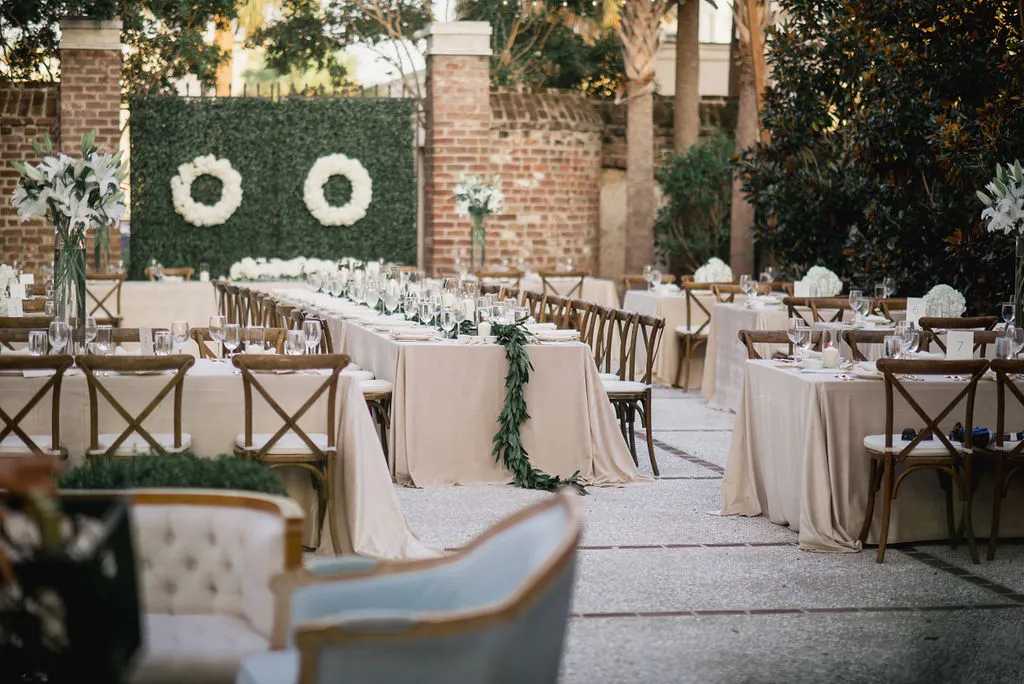
The bar and primary lounge seating may establish the strongest visual ideas, but smaller pieces often determine whether the complete setting feels connected.
Coffee tables, side tables, barstools, shelving, and carefully selected cocktail surfaces can repeat materials, colors, or shapes from one area to another. These details create continuity without forcing the major pieces to match.
Let Coffee Tables Carry the Material Story Into the Lounge
Coffee tables provide an effective way to repeat a material from the bar within the lounge.
A wood finish can connect an architectural bar to upholstered sofas. Metallic or stone-inspired surfaces can repeat smaller details used elsewhere in the reception. A table with a softer rounded form can also help mediate between a linear bar and curved seating.
Because coffee tables sit at the center of lounge arrangements, their visual influence is greater than their size may suggest.
They should feel connected to both the seating and the broader room.
Use Side Tables to Introduce Smaller Repeated Details
Side tables allow a finish or material to appear in smaller doses.
If repeating a strong bar finish on a large coffee table would make the design feel too coordinated, a pair of side tables can create a subtler relationship. Their frames, tops, or shapes can reference another piece without reproducing it directly. We cover this further in Discover Premium Bar and Table Rentals for DC Receptions.
This approach is particularly effective when working with metallic finishes or stronger colors.
Small repetitions can make a varied furniture collection feel carefully edited.
Treat Barstools as Part of the Bar Composition
Barstools should be evaluated alongside the bar rather than selected as an independent category.
Consider the relationship between the stool frame and the bar finish, the visual density of the seat, and whether the silhouettes complement or intentionally contrast with each other.
A detailed bar may work best with a quieter stool. A restrained bar can support a stool with more expressive shape or upholstery.
The goal is balance rather than perfect coordination.
Use Shelving to Extend the Bar’s Architecture
Shelving can help the bar feel integrated into a larger visual composition. Read more in Wedding Bar & Beverage Service Rental Guide.
Rather than treating shelving simply as background storage, planners can consider its height, frame, finish, and relationship to the main bar. A coordinated shelving piece can create vertical structure behind or near the bar while reinforcing the same design language. Read more in Custom Bar Rentals for Charleston, SC Receptions.
Shelving can also help create visual continuity when the bar occupies a wide area or when the reception needs a stronger architectural presence.
Respond to the Character of the D.C. Venue
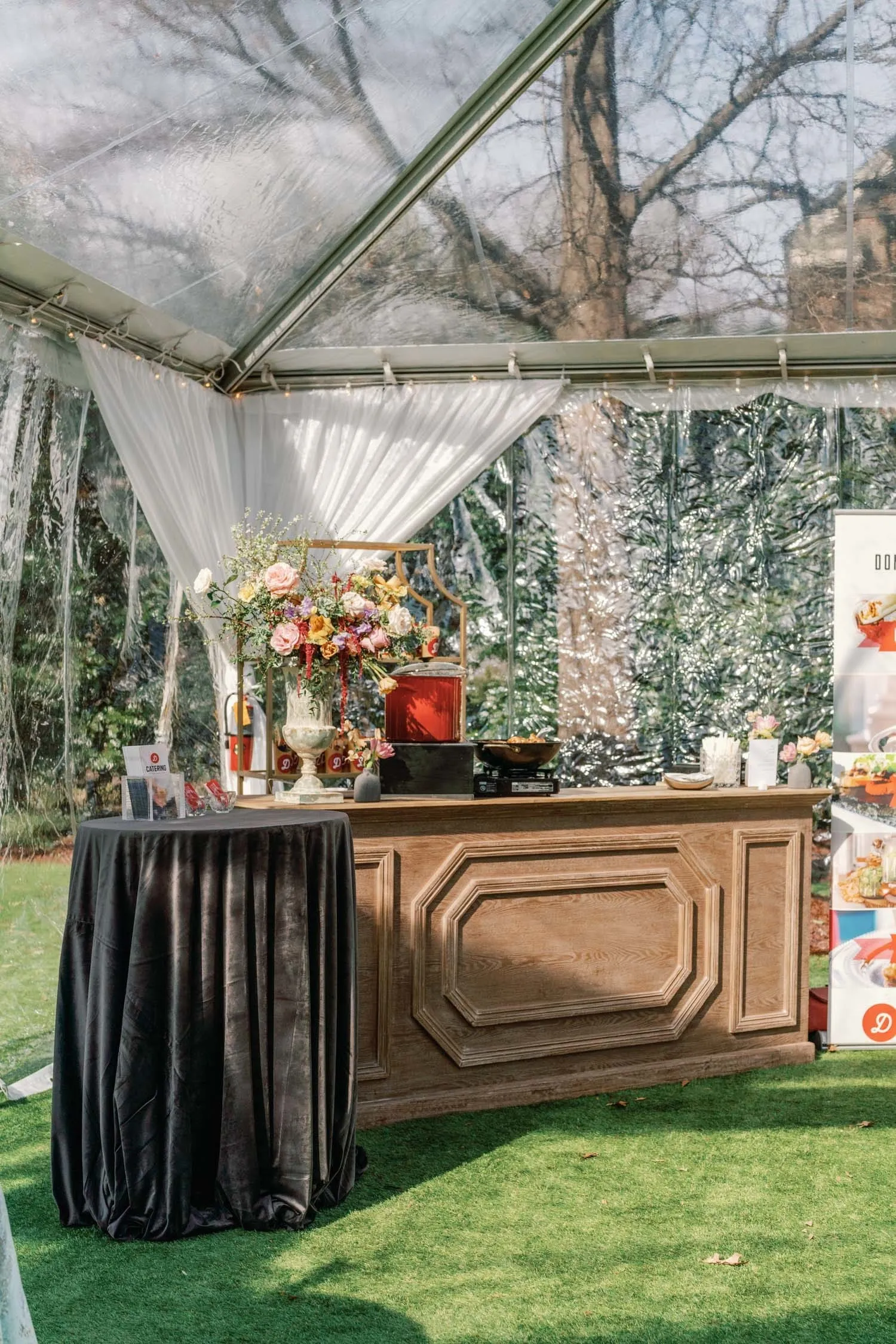
No single bar-and-lounge formula works across every Washington reception venue. Historic interiors, clean contemporary settings, large ballrooms, open event spaces, and tented environments each create different design opportunities. We cover this further in How to Design a Luxury NYE Bar and Lounge Experience.
Rather than choosing furniture in isolation, consider what the room already contributes and what the rentals need to add.
Use Restraint in Visually Detailed Interiors
Architecturally detailed spaces often need less from the furniture.
A highly ornate bar, patterned seating, multiple statement tables, and elaborate surroundings can create too many competing visual layers. Streamlined furniture allows the room’s existing character to remain visible while still giving the reception a polished identity.
A restrained furniture palette can also make carefully selected materials and finishes stand out more clearly.
Add Warmth to Clean Contemporary Spaces
Minimal interiors offer greater freedom to introduce texture and softer forms.
Upholstery, curved seating, natural materials, and warmer finishes can prevent a contemporary reception from feeling overly stark. A distinctive wood bar or substantial lounge grouping can give the room a stronger visual center.
Contrast works particularly well here. Clean architecture creates a controlled background against which material-rich furniture can feel intentional and sophisticated.
Create Definition in Large Open Rooms
Large rooms without strong architectural divisions can benefit from furniture with enough presence to establish visual structure.
A substantial bar can serve as one anchor, while a clearly composed lounge creates another. Supporting tables and shelving can reinforce these areas without turning the room into a collection of unrelated furniture islands.
The scale of the rentals matters in these environments. Pieces that work beautifully in an intimate venue may feel too slight when placed inside a much larger room.
Let the Venue Influence the Furniture Without Dictating It
Historic venues do not require traditional furniture, just as contemporary venues do not require completely minimalist selections.
Contrast can create some of the strongest reception designs.
A clean contemporary bar may feel particularly striking in a traditional interior, while soft upholstered seating can add warmth to an architectural modern space. The important consideration is whether the contrast feels deliberate.
Furniture should respond to the venue while still expressing the intended character of the corporate event.
Edit the Furniture Palette Before Adding More Pieces
A refined reception rarely depends on using every available furniture category. Once the primary bar, seating, tables, stools, and supporting pieces establish the design, additional rentals should have a clear reason for being included.
Editing prevents the reception from feeling like a showroom and gives the strongest pieces enough space to make an impact.
Limit the Number of Competing Statement Pieces
A statement bar, expressive sofa, dramatic shelving, sculptural chairs, and multiple distinctive table styles can quickly compete with one another.
Choose which pieces deserve the most attention.
If the bar carries a bold form or finish, let the lounge rely on quieter upholstery and simpler tables. If the sofa provides the strongest color or silhouette, surrounding pieces can create contrast without introducing another equally dominant statement.
Visual hierarchy makes the entire composition easier to understand.
Avoid the Perfectly Matched-Set Look
Furniture does not need to come from one identical collection to feel cohesive.
Mixing related pieces often creates a more considered result. A wood bar can work with upholstered lounge seating, metallic side tables, and a stone-inspired coffee table when those materials are distributed intentionally.
The relationship should be clear without becoming literal.
This collected approach suits luxury corporate receptions particularly well because it allows each setting to feel specific to the venue and event rather than reproduced from a standard furniture package.
Repeat Details With Enough Restraint to Make Them Noticeable
Repetition works best when it is controlled.
A metallic detail appearing on the bar, one coffee table, and a few side tables can become a recognizable part of the design language. Repeating that finish across every stool, table, shelf, and chair may reduce its impact.
The same principle applies to color, wood tones, and distinctive shapes.
Use repeated details to create connection, then allow contrasting pieces to give them definition.
Review the Complete Composition, Not the Rental Cart
Before finalizing selections, evaluate the furniture as one environment.
Look at the bar beside the chosen stools. Consider the sofa with the coffee and side tables. Review how shelving relates to the bar and how the primary lounge appears from across the room.
Individual rentals can be attractive while still being wrong for the final composition.
The strongest choices are those that contribute to a clear overall design rather than simply standing out on their own.
Develop the Final Bar-and-Lounge Composition With Curated Events DMV
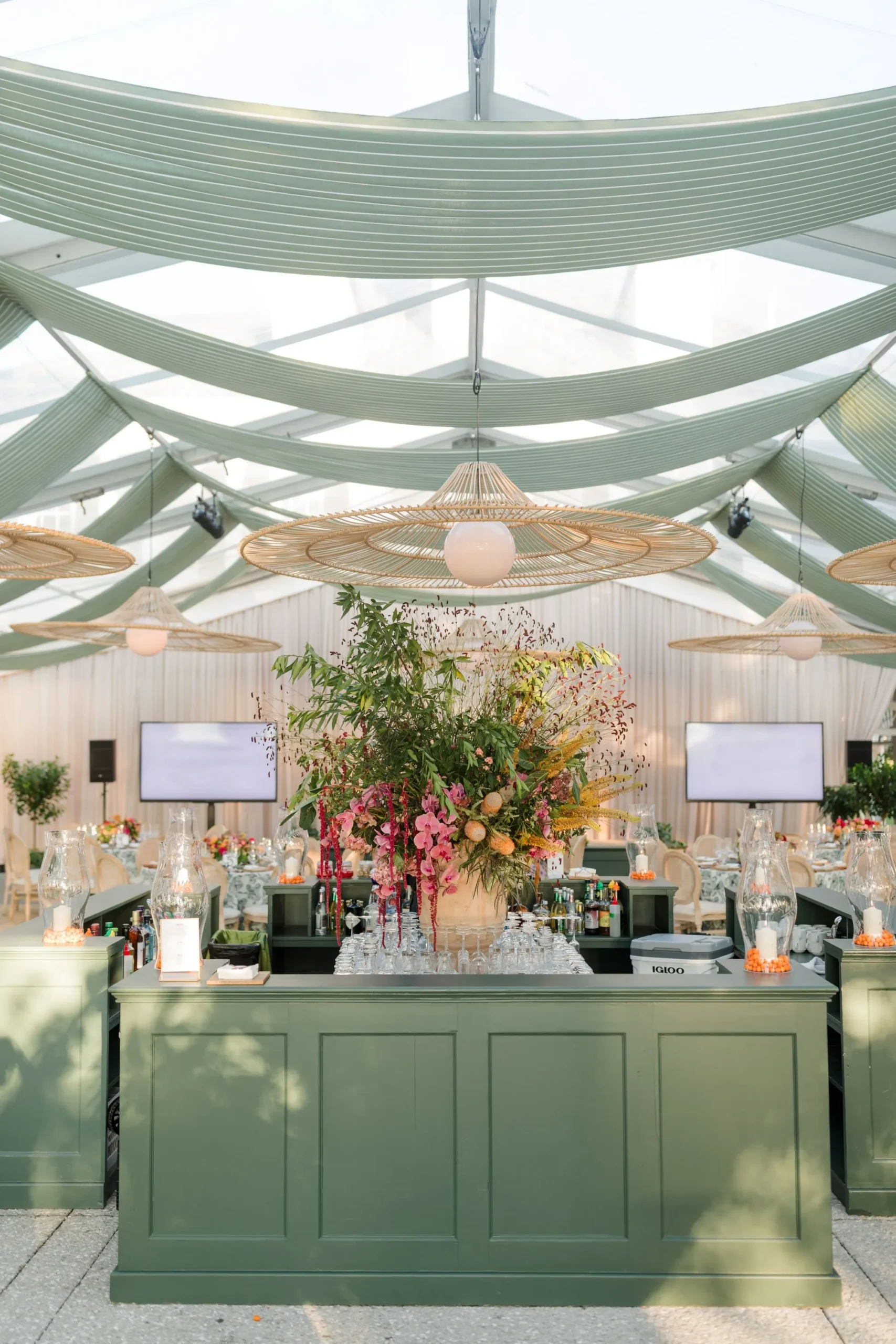
Creating a cohesive reception becomes easier when bars, lounge seating, occasional tables, stools, and shelving are considered together rather than selected one category at a time.
Curated Events offers a broad range of bar, shelving, lounge, and table rentals for Washington, D.C. events, giving planners flexibility to build combinations around material, scale, color, and design character. Working with an event consultant can also help narrow the possibilities and refine the final composition.
Start With Two or Three Potential Anchor Pieces
Begin with a focused shortlist.
Select a few bars or primary lounge pieces that reflect the reception’s intended character and work with the venue. Comparing a small group of strong options makes it easier to establish a consistent direction.
Once an anchor has been chosen, supporting rentals can be evaluated against it.
This approach is more efficient than selecting sofas, tables, stools, and bars independently and trying to connect them later.
Compare Supporting Pieces Against the Anchor
Every additional rental should reinforce, balance, or intentionally contrast with the anchor.
Consider whether a coffee table adds the right material relationship, whether a barstool feels appropriately scaled against the bar, and whether a lounge chair contributes something different from the sofa without appearing unrelated.
This keeps the furniture selection focused as the composition becomes more detailed.
Look for Relationships Across Curated Events’ Collections
A cohesive reception does not require staying within a single matching furniture family.
Bars, lounge seating, coffee tables, side tables, stools, and shelving can be combined through repeated materials, similar tones, complementary silhouettes, or controlled contrast. See the full collection of Washington, DC bar rentals at Curated Events.
Looking across categories can produce a more individual result than treating each collection separately.
It also allows the design to respond more closely to the particular venue and corporate reception.
Refine Rather Than Continually Add
Once the main composition feels complete, review what can be removed.
A lounge may not need another chair if the sofa and existing seating already provide the right balance. The bar may not need additional decorative furniture if shelving has already established sufficient vertical structure.
Luxury event design often feels strongest when each rental has a clear purpose.
Curating the final selection with restraint keeps the reception visually polished and gives the most important pieces room to stand out.
Frequently Asked Questions
Should the bar and lounge furniture match exactly?
No. Coordinated materials, finishes, colors, or silhouettes can connect the bar and lounge without requiring an exact match. A deliberately mixed composition often feels more refined than a perfectly matched furniture set.
What should be selected first, the bar or lounge seating?
Start with whichever element should serve as the primary visual anchor. A distinctive bar may establish the direction for the room, while another reception may be built around a particular sofa or lounge grouping.
How can planners combine wood, metal, stone-inspired surfaces, and upholstered furniture?
Establish one dominant material direction, then introduce contrasting surfaces selectively. Repeating one or two finishes across smaller furniture pieces can help varied materials feel connected.
Can a statement bar be paired with colorful lounge furniture?
Yes, provided the two do not compete equally. If both the bar and seating carry strong color, shape, or texture, use quieter supporting tables and stools to maintain balance.
What types of tables complete a corporate lounge grouping?
Coffee tables and side tables typically complete the lounge composition. Their scale, height, material, and shape should relate to the surrounding sofas and chairs as well as the wider reception design.
Should barstools match the bar finish?
They can, but they do not have to. Barstools may repeat part of the bar’s finish or provide an intentional contrast. Consider the bar and stools together so the pairing feels deliberate.
How can lounge furniture complement a venue with strong architectural details?
Use furniture that responds to the room without competing with it. Cleaner forms can provide balance in highly detailed interiors, while richer materials or sculptural furniture can add depth to simpler architectural settings.
How many statement furniture styles should be used in one reception?
There is no fixed number, but a clear visual hierarchy is important. One or two major statement elements usually have greater impact than several equally expressive pieces competing throughout the room.
Can shelving be incorporated into the bar-and-lounge design?
Yes. Shelving can extend the architectural presence of the bar, add vertical structure, and repeat finishes or design details used elsewhere in the reception.
How can planners create a modern reception without making the furniture feel overly minimal?
Modern design can include warmth, texture, curved forms, upholstery, wood, and contrasting materials. A contemporary reception does not need to rely entirely on sharp lines or a limited palette.
Conclusion
A sophisticated corporate reception begins with a clear furniture hierarchy. The bar, lounge seating, barstools, coffee tables, side tables, and shelving should work together through deliberate relationships in material, scale, color, and form.
The strongest compositions avoid both extremes: furniture does not need to match perfectly, and it should not feel randomly assembled. A repeated finish, carefully balanced proportions, thoughtful sightlines, and a few well-placed statement pieces can create a reception that feels collected and intentional.
For Washington, D.C. corporate events, Curated Events offers bar, lounge, shelving, and occasional-table rentals that can be combined into a setting suited to the venue and occasion. By developing the entire composition together and editing the final palette with care, planners can create a reception environment with a clear, polished point of view. Get in touch with our Washington, DC showroom to start your rental order.