

Holiday gatherings call for spaces that feel both enchanting and inviting, where guests can enjoy winter’s beauty without the chill. Tent sidewalls play a vital role in achieving that balance, combining panoramic views with reliable protection from the elements. From clear vinyl that showcases twinkling cityscapes to insulated panels that retain warmth on crisp evenings, each sidewall choice shapes the comfort and atmosphere of your event.
This guide explores how sidewall options influence visibility, temperature, and overall guest experience, helping planners and hosts select designs that complement their seasonal vision. You’ll discover how materials interact with lighting and heating, creative ways to blend form and function, and design techniques that enhance ambiance without sacrificing comfort. With thoughtful selection and expert installation, tent sidewalls transform outdoor venues into beautifully sheltered winter settings that feel effortlessly refined.
Why Are Tent Sidewalls Essential for Holiday Gatherings?

Tent sidewalls play a vital role in transforming an outdoor venue into a warm and inviting seasonal setting. Designed to shield guests from wind, rain, and winter chill, sidewalls allow holiday celebrations to continue comfortably, without sacrificing the charm of an open-air atmosphere. By enclosing the space and maintaining a steady interior temperature, they create a cozy, intimate environment that enhances guest enjoyment and extends event hours well into the evening. Whether framing the view of a snowy landscape or ensuring comfort during a festive dinner, sidewalls are the key to balancing protection and elegance in any winter event.
How Do Sidewalls Balance Panoramic Views and Weather Protection?
The best sidewall designs provide both comfort and connection to the surroundings. Clear vinyl panels preserve scenic backdrops and natural daylight, making them ideal for waterfront or skyline views, while insulated or solid panels prioritize warmth and privacy for cooler nights. Many event designers choose hybrid combinations, such as clear upper panels paired with opaque or insulated lower sections, to maintain visibility while improving insulation and wind resistance. This thoughtful layering creates a seamless experience where guests can admire the view while remaining perfectly comfortable.
What Comfort and Ambiance Benefits Do Sidewalls Provide for Outdoor Events?
Beyond warmth and shelter, tent sidewalls play a powerful role in shaping ambiance. They soften outside noise, stabilize temperature, and create a sense of intimacy that encourages conversation and connection. Clear walls invite daylight and scenic views, while draped or windowed panels frame the space with elegance and texture, supporting lighting and décor that complement the season’s mood. By blending functionality with aesthetic design, sidewalls turn an ordinary tent into a polished, welcoming environment ideal for winter celebrations, dinners, and receptions.
What Are the Best Sidewall Options to Maximize Views for Winter Events?
When views are a primary objective, select sidewall types that favor high light transmission and optical clarity while offering practical attachment and weatherproofing features. Clear vinyl sidewalls deliver the most unobstructed visibility and daylight, windowed panels give a classic tent aesthetic with view corridors, and kedered systems provide a smooth, taut finish that reduces flapping and improves sealing. For planners choosing among these options, consider site exposure, view importance, and how each panel type pairs with heating or insulation strategies to maintain comfort.
How Do Clear Vinyl Sidewalls Enhance Scenic Views and Natural Light?
Clear vinyl sidewalls provide large uninterrupted sightlines that preserve landscape and skyline backdrops, making them ideal for waterfront ceremonies and scenic holiday receptions. The material’s high light transmission enhances natural illumination, reducing the need for daytime supplemental lighting and maintaining photographic clarity for event images. However, clear vinyl can show condensation and glare; mitigation strategies include strategic heater placement, anti-condensation coatings, and alternating clear and opaque panels to control radiant heat loss. These operational details inform the choice of windowed or kedered alternatives when sealing and stylistic considerations become priorities.
How Do Insulated and Solid Sidewalls Provide Ultimate Weather Protection?
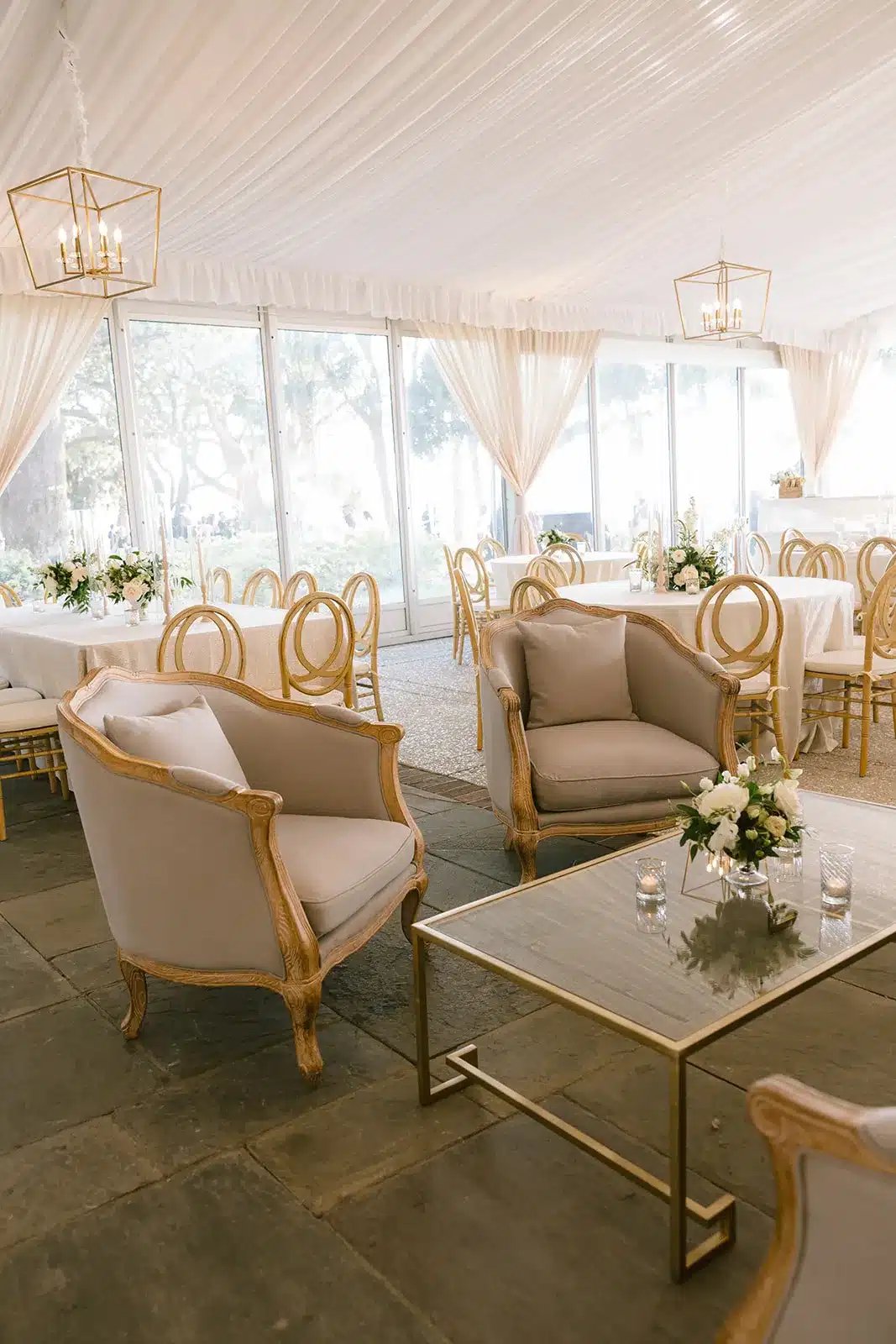
Insulated and solid sidewalls focus on thermal retention, wind resistance, and privacy by combining dense materials, thermal liners, or sewn-in insulation layers to limit convective and radiative heat loss. These panels are particularly useful for back-of-house spaces, heating buffer zones, and events on exposed sites where wind-driven cold can undermine comfort. Insulated walls slow conductive heat exchange and can be paired with radiant heaters for efficient warmth, while solid opaque panels block sightlines and reduce noise; installation coordination with tent frames and heating systems is essential to maintain safety and performance.
What Materials and Features Make Insulated Sidewalls Ideal for Cold Weather?
Insulated sidewalls typically combine a durable outer vinyl layer with an internal thermal liner or sewn insulation that traps a layer of air and reduces conductive heat transfer. Features such as double-layer construction, reflective liners, and tightly sealed seams improve thermal performance and reduce drafts, which enhances the efficiency of tent heating systems. Practical pairing advice includes using insulated panels near heater sources, sealing all grommet and zipper interfaces, and sequencing installation to allow heater commissioning before final wall closure. These material and installation practices directly inform when solid walls are the preferable option for privacy or extreme exposure.
When Should You Choose Solid Sidewalls for Privacy and Protection?
Solid sidewalls are the best choice when privacy, noise control, or maximum wind resistance is the priority, examples include back-of-house areas, service corridors, and venues on windy shorelines. Opaque panels block sightlines, protect lighting and equipment from the elements, and create secure partitions for caterers and storage, which preserves the guest experience in the primary tent. Planners often combine solid lower panels with clear or insulated uppers to blend protection with a sense of openness, balancing privacy and visual connection to the surroundings. Deciding between solid and insulated options depends on expected guest density, site exposure, and whether view preservation remains a factor.
How Can Event Tent Heating Solutions Complement Sidewalls for Cold Weather Comfort?
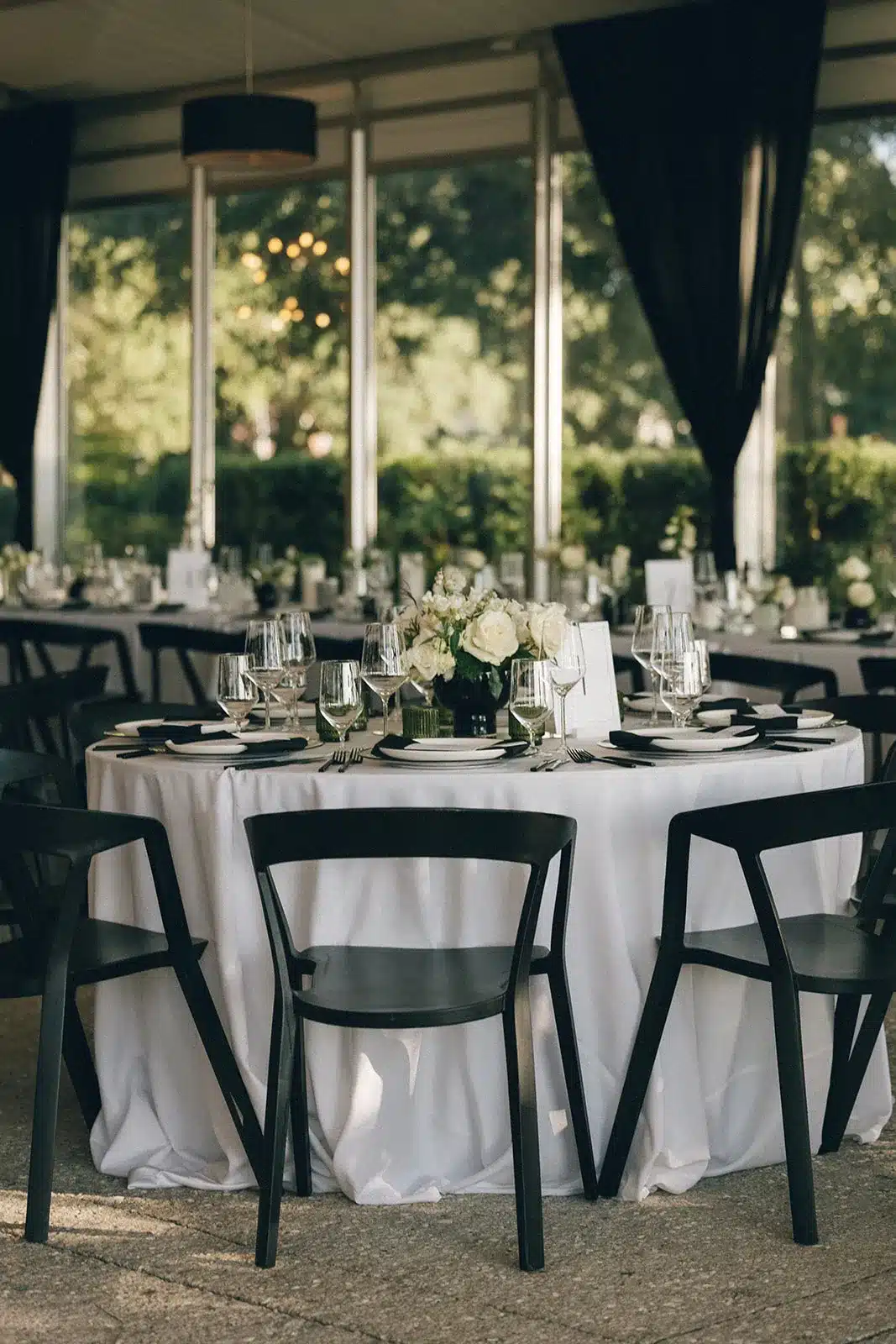
The right heating plan transforms a beautiful tent into a truly inviting winter venue. When paired thoughtfully with the chosen sidewalls, heating systems maintain consistent warmth and ensure guests remain comfortable throughout the event. Forced-air heaters circulate warm air efficiently in large, open tents, while radiant heaters create targeted, gentle warmth that pairs beautifully with insulated or enclosed designs. Each system must be carefully positioned to balance airflow and safety while preserving the tent’s refined appearance. Coordination between the tent provider and HVAC specialists ensures heat is distributed evenly and discreetly, allowing the atmosphere to remain cozy and elegant, never intrusive.
When planned together, sidewalls and heating systems create the perfect balance of efficiency, warmth, and aesthetic comfort, ensuring every guest feels at ease, no matter the temperature outside.
What Types of Heating Systems Work Best with Tent Sidewalls?
Each tent style and sidewall material interacts differently with heat, so selecting the right system is essential. Forced-air systems work best for expansive, open interiors, keeping the air warm and circulating evenly. Radiant heaters are ideal for insulated or partially enclosed tents, offering direct warmth that enhances comfort without creating drafts. Portable propane heaters are useful for specific areas, such as entrances or lounges, where flexible heat sources are needed.
For the best results, heating capacity should be based on tent size, guest count, and sidewall configuration. Collaborating with your event rental specialists ensures the system is both efficient and discreet, maintaining comfort without distracting from the ambiance.
Why Is Proper Ventilation Important When Using Heating in Tented Events?
Even the most refined heating design depends on proper ventilation. Balanced airflow ensures fresh, clean air circulates throughout the tent while preventing condensation and maintaining comfortable humidity levels. Adjustable sidewall vents, zippered panels, and scheduled door openings allow natural air exchange without compromising warmth.
This careful coordination between heating and ventilation protects both guests and décor, preserving a fresh, comfortable atmosphere from the first toast to the last dance. For planners, it’s one more reason to partner with professionals who understand how structure, comfort, and safety work in harmony during seasonal celebrations.
How to Design Elegant Holiday Tents Using Sidewalls for Aesthetics and Functionality?
Designing elegant holiday tents requires integrating sidewall selection with lighting, drapery, and layout so the structure supports the event narrative while meeting thermal and logistic needs. Sidewall choices influence lighting strategies: clear vinyl benefits from warm uplighting to counter glare, while solid walls serve as canvases for projected patterns or soft wash lighting. Practical layout planning places service zones behind opaque walls and guest areas near clear panels to preserve views, and sequencing installation with heating and audio ensures safety and performance.
- Use layered lighting strategies to balance glare through clear walls and create warmth with uplighting.
- Incorporate drapery and greenery at wall seams to enhance insulation and hide fasteners.
- Plan layout so service and storage areas sit behind opaque walls, preserving guest-facing views.
What Lighting and Decor Enhance Sidewall Appearance for Sophisticated Events?
Lighting choices should respond to wall translucency: warm, directional uplighting reduces the starkness of clear vinyl and enriches fabrics, while soft wash lights create depth on solid panels and support projection work. Drapery and greenery provide dual benefits, visual refinement and modest thermal buffering, when layered over sidewalls or used to frame entrances and clear panels. Fixtures should be positioned and rated for tent installation, avoiding contact with vinyl seams and drapery; coordinating electrical layouts with sidewall seams maintains both aesthetics and safety. These lighting and decor principles feed directly into the installation sequence that ensures secure attachment and safe clearances.
What Practical Tips Ensure Safe and Efficient Sidewall Installation?
Safe sidewall installation begins with a site assessment that evaluates wind exposure, footing, and access for anchoring, then sequences anchor and frame work before wall placement to ensure seals are secure. Use kedered tracks where possible to create taut, weather-resistant attachments and verify all zippers, snaps, and grommets are closed before energizing heaters or lighting. Coordinate heater commissioning and ventilation checks prior to guest arrival, and use temporary bracing during high winds or temperature swings to prevent panel stress. Following these sequencing and fastening best practices preserves structural integrity and guest safety while enabling the design goals described earlier.
Frequently Asked Questions
What factors should I consider when selecting sidewalls for my winter event?
Focus on your event’s primary goal, whether it’s showcasing views, maintaining warmth, or both. Evaluate expected weather conditions, site exposure, and guest density. Clear vinyl enhances visibility, while insulated walls retain heat. Ensure your sidewall choice integrates smoothly with your heating and décor plan to create a cohesive, welcoming environment.
How can I improve the thermal performance of tent sidewalls?
Opt for insulated panels with multi-layer construction or thermal liners. Make sure all seams and zippers are fully sealed to prevent drafts, and pair walls with radiant heaters to distribute warmth evenly. Combining clear upper panels with solid lower sections offers a balanced solution for warmth and visibility.
What’s the best way to maintain visibility while keeping guests warm?
Hybrid walls, clear on top and insulated below, allow stunning views while reducing heat loss. Strategic heater placement and soft décor elements like drapery or greenery help maintain both comfort and ambiance without blocking sightlines.
How do I ensure proper ventilation when using heating systems in tents?
Good ventilation prevents condensation and maintains air quality. Use zippered vents or adjustable panels in your sidewalls to allow airflow while retaining heat. Coordinate with your event team to ensure heaters are positioned safely and ventilation systems are active before guests arrive.
What design touches enhance the look of tent sidewalls?
Incorporate lighting, drapery, and greenery to elevate your tent’s aesthetic. Warm uplighting softens clear vinyl walls, while layered fabrics add depth and texture. Position service areas behind opaque walls to maintain an uninterrupted guest view and a refined visual flow.
What are common mistakes to avoid during installation?
Skipping a site assessment or rushing installation can lead to drafts or uneven sealing. Always secure all zippers, snaps, and grommets before activating heaters. Confirm ventilation and safety systems are operational, and use additional bracing in windy conditions to ensure stability and comfort.
What Are the Best Tent Sidewalls for Winter Events?
For winter celebrations, insulated sidewalls paired with radiant heat provide the ideal balance of warmth and comfort. When panoramic views are a key feature, clear vinyl panels are a beautiful choice, especially when combined with an efficient heating plan to offset heat loss. Many planners opt for hybrid configurations, using clear upper panels to preserve views and solid lower panels for added insulation and privacy. Evaluating your site’s wind exposure, guest layout, and service areas will help determine which combination best supports both functionality and design.
How Do Tent Sidewalls Block Wind and Retain Heat?
Sidewalls block wind and retain heat through tight, continuous seals that reduce drafts and temperature fluctuations. Systems such as kedered tracks or zippered seams create secure, streamlined connections that keep interiors comfortable. To further enhance warmth, pair insulated walls with radiant heaters and minimize unnecessary openings. Simple measures, like overlapping seams and securing solid lower skirts, can make a significant difference in keeping guests cozy throughout the event.
What Are Kedered Sidewalls and Why Are They Beneficial?
Kedered sidewalls feature a sewn-in strip that slides neatly into a track along the tent frame, creating a smooth, wrinkle-free appearance and superior weather resistance. This design not only improves sealing and wind protection but also enhances the interior’s clean, tailored aesthetic, ideal for high-end gatherings. Kedered systems also enable faster, more consistent installation and pair beautifully with insulated panels and heating solutions, making them a top choice for polished, weather-secure winter events. Quick Planning Tips:
- Visibility: Choose clear vinyl for scenic views and natural light.
- Warmth: Use insulated or solid panels where temperature control is a priority.
- Security: Select kedered systems for wind resistance and a sleek, finished look.
Conclusion
Choosing the right tent sidewalls can significantly enhance the comfort and aesthetic appeal of winter gatherings, balancing panoramic views with essential weather protection. By understanding the various materials and their benefits, event planners can create inviting spaces that keep guests warm and engaged. For those looking to elevate their holiday events, exploring our premium sidewall options will ensure a memorable experience. Connect with us today to discover how we can help you achieve the perfect setup for your next gathering.