
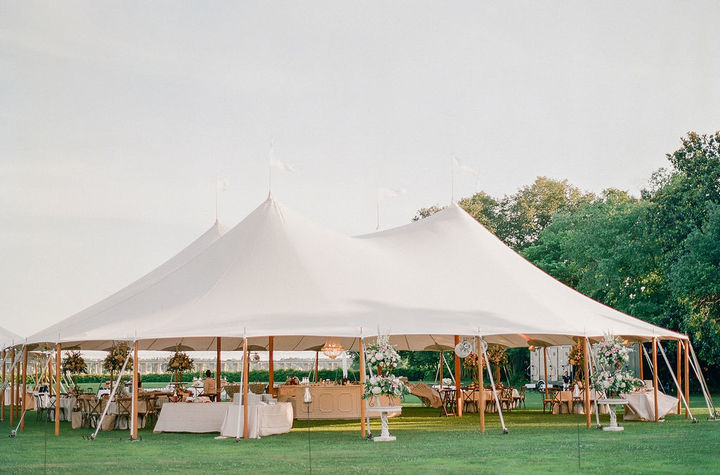
Outdoor events are more popular than ever, but unpredictable weather can quickly complicate the best plans. Choosing a weatherproof tent helps ensure your celebration continues seamlessly, even in rain, wind, or heat. This guide explores the essentials of weather-ready tent rentals, from protective structures and climate control options to smart planning strategies and emerging trends, so your 2026 event feels comfortable, safe, and beautifully designed in any condition.
Key Takeaways
- Weatherproof tents protect guests from rain, wind, heat, and cold.
- Frame, pole, and clear-span tents each offer unique strengths for different conditions.
- Sidewalls, flooring, and secure anchoring systems improve safety and comfort.
- Heating, cooling, and ventilation options keep interiors pleasant year-round.
- Careful site selection and planning reduce weather risks and ensure smooth setup.
- With Curated Events’ expertise, outdoor events stay stylish, safe, and stress-free in any weather.
What Are the Key Weather Challenges for Outdoor Events in 2026?
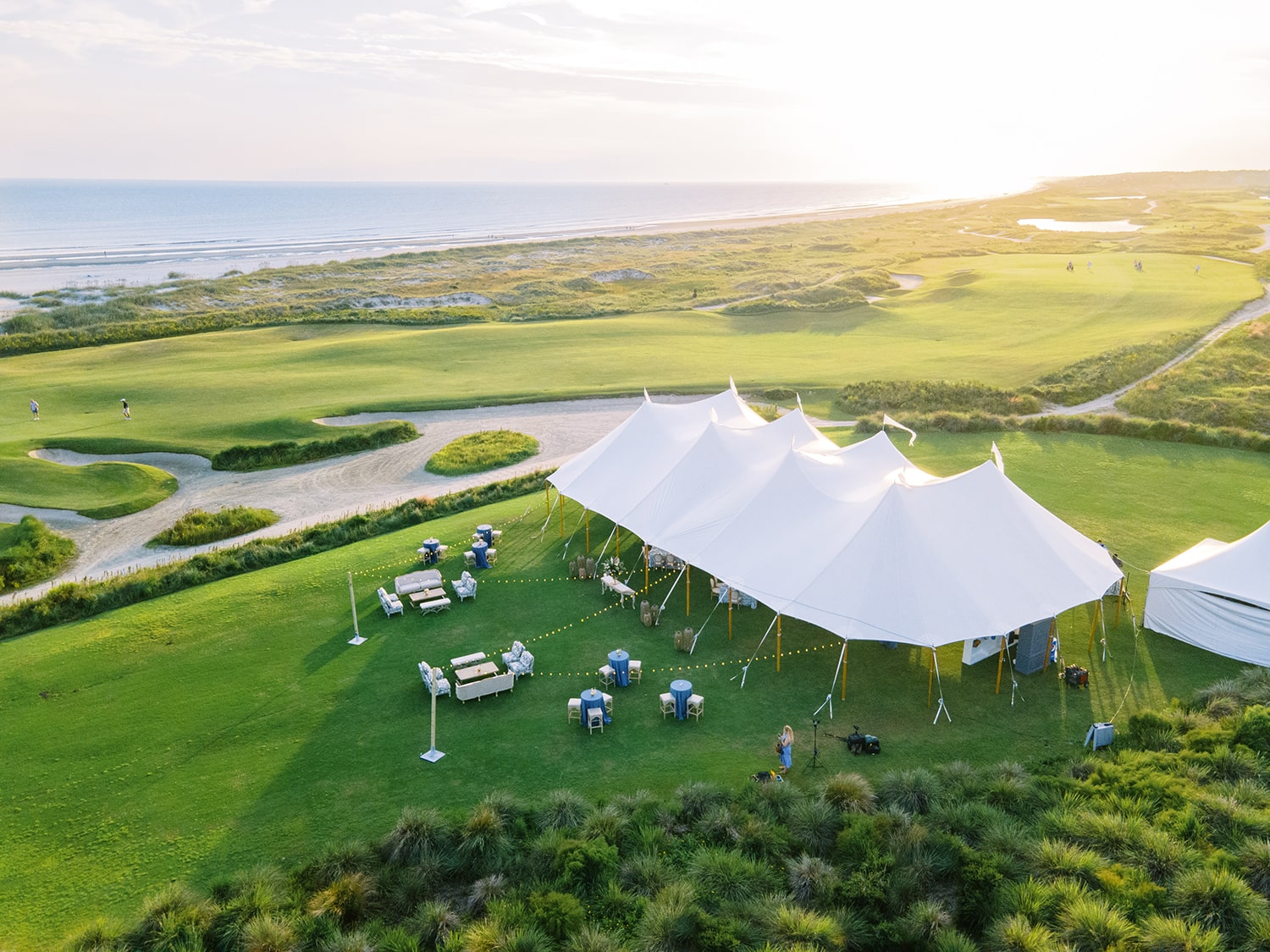
The first step to achieving true weatherproofing is understanding the forces of nature you’re up against. Rain, wind, extreme heat, and biting cold each present unique obstacles that can disrupt outdoor gatherings, leading to muddy conditions, structural strain, uncomfortable temperatures, and potential safety hazards. Event professionals who proactively identify these risks are better equipped to select tents that enhance resilience and ensure guest satisfaction.
Before we dive into solutions, let’s consider the specific impact each element can have on your event:
- Torrential downpours can turn pathways into quagmires and drench seating areas, potentially delaying crucial moments.
- Fierce gusts of wind can put immense stress on tent poles and frames, risking structural compromise.
- Intense solar radiation can lead to dehydration and sunburn for guests in exposed, unshaded areas.
- Frigid temperatures can create slick, icy surfaces, making access and general comfort a significant challenge.
How Do Rain, Wind, Heat, and Cold Impact Outdoor Event Success?
Heavy rainfall can compromise the stability of the ground, weakening tent stakes and leading to unwelcome puddles forming beneath the canopy. Strong winds exert lateral pressure on tent structures, potentially causing seams to tear or stakes to pull free. Excessive heat can make interior temperatures uncomfortable, leading to higher guest turnover. Conversely, cold weather can intensify condensation and chilling effects, rendering seating areas unusable without adequate insulation. Recognizing these potential impacts highlights the critical need for robust tent construction and effective climate control solutions.
What Are the Safety Concerns for Tent Events in Severe Weather?
The potential for structural failure, lightning strikes, water accumulation, and sudden, drastic temperature shifts presents serious safety concerns within a tent environment. Inadequate anchoring can invite catastrophic collapse, while insufficient insulation can lead to dangerous conditions like hypothermia or heatstroke. Lightning striking tent peaks poses a direct threat to occupants if proper lightning protection measures aren’t in place. Addressing these critical concerns is paramount when selecting reinforced frames, protective sidewalls, and establishing robust emergency protocols as part of your overall weatherproofing strategy.
How Do You Choose the Right Weatherproof Tent Type for Your 2026 Event?
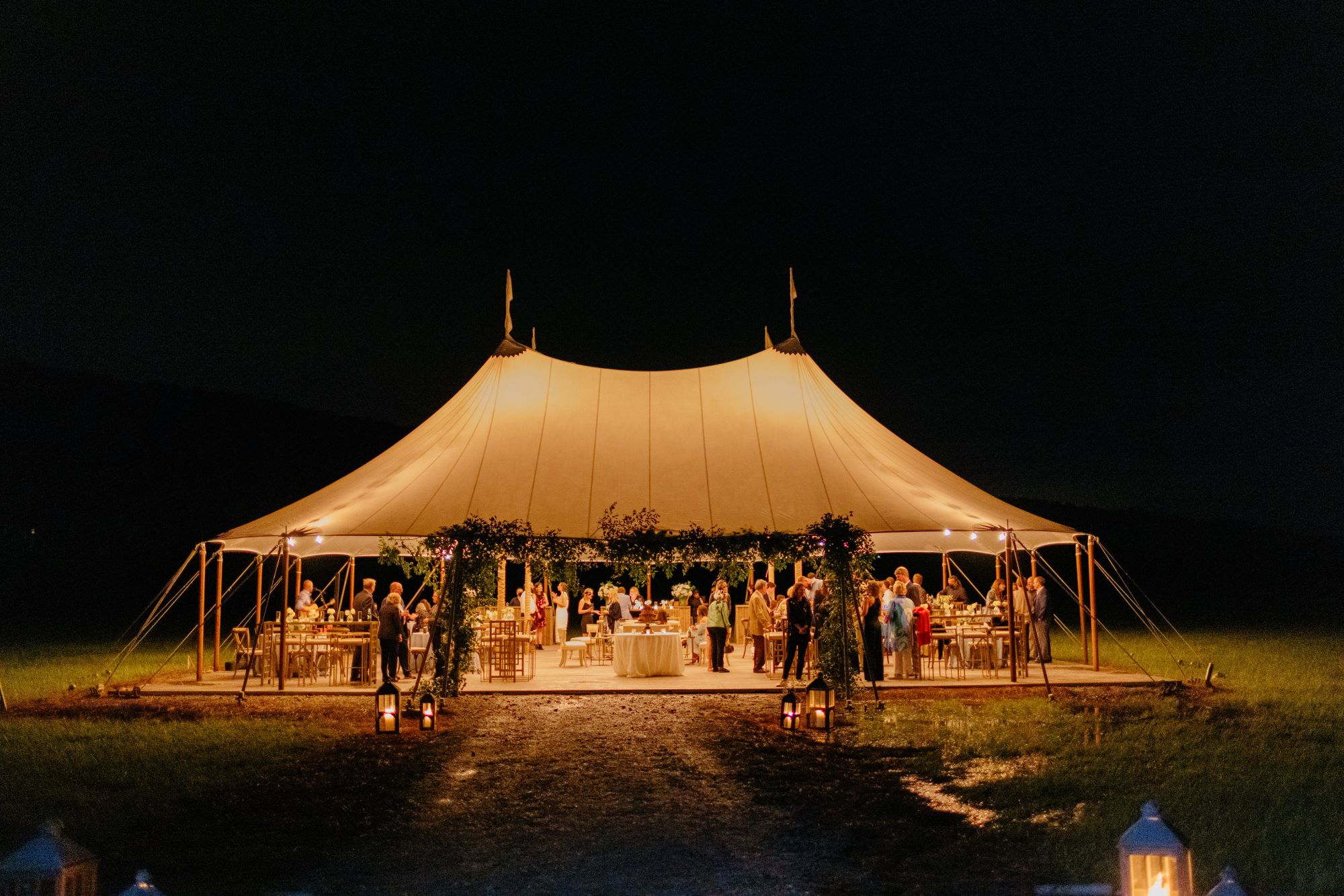
Selecting the ideal tent hinges on matching its structural design and material composition to the anticipated weather stresses. A thoughtfully chosen tent will offer superior wind resistance, efficiently shed water, and effectively support climate control systems to ensure ultimate guest comfort.
What Are the Benefits of Frame Tents for Weather Resistance?
Frame tents feature a robust, rigid metal framework that provides exceptional stability, even when erected on challenging surfaces like concrete, asphalt, or gravel.
- They eliminate the need for interior support poles, maximizing the usable event space.
- Their engineered frames are designed to withstand significant wind loads, offering impressive stability up to 80 mph when properly secured.
- They readily accommodate heavy-duty sidewalls and climate control equipment without any risk of sagging.
Frame tents’ inherent stability makes them an outstanding choice for venues exposed to strong gusts or those with hard surfaces. They lay the groundwork for comprehensive protection against the elements.
How Do Pole Tents Perform in Wind and Rain Conditions?
Pole tents achieve their strength and stability through a system of tensioned fabric supported by central and perimeter poles, blending striking aesthetics with reliable functionality.
- When expertly staked and tensioned, their peaked contours facilitate efficient rainwater runoff.
- The use of high-tensile fabrics ensures excellent resistance to tearing, even under considerable wind pressure.
- Their elegant, elevated peaks are expertly designed to channel rainwater effectively away from guest areas.
Pole tents not only enhance the visual appeal of an event but also maintain robust weather resistance when installed by seasoned professionals.
When Are Clearspan Tents Ideal for Large-Scale Weatherproofing?
Clearspan tents utilize a sophisticated system of interlocking aluminum beams to create expansive, column-free interiors capable of supporting substantial loads without the need for ground anchors.
- Their robust construction allows them to handle significant snow and rain accumulation on the roof, up to 25 lbs per square foot.
- Their modular design offers remarkable adaptability, easily conforming to a wide range of site dimensions and event layouts.
- They are perfectly suited for the integration of advanced HVAC systems, enabling precise climate control.
Clearspan structures are the premier choice for grand corporate galas and multi-day festivals where uninterrupted space and exceptional durability are non-negotiable requirements.
Which Tent Fabrics Offer Waterproof and UV-Resistant Protection?
A comparative look at common tent fabrics reveals how material selection directly influences weatherproofing performance.
PVC-coated polyester provides excellent defense against heavy rainfall, while vinyl laminated polyester offers superior protection against harmful UV rays. Understanding these material properties is key to making rental choices that maximize durability and guest protection, whether under intense sun or driving rain.
What Essential Accessories Enhance Tent Weather Protection in 2026?
Beyond the main canopy, a selection of strategic accessories forms a comprehensive defense against wind, water, and fluctuating temperatures. These carefully chosen components work in synergy to reinforce tent integrity and ensure guest comfort throughout even the most unpredictable days.
How Do Sidewalls Protect Against Wind, Rain, and Temperature Fluctuations?
Sidewalls create an enclosed perimeter, forming an effective insulated barrier that shields the interior from wind and rain.
- Solid panels act as a formidable barrier against drafts, helping to maintain a comfortable interior temperature.
- Clear vinyl sections offer unobstructed views while effectively keeping moisture out.
- Windowed walls provide a delightful balance of natural light and robust weather resistance.
By fully enclosing the tent structure, sidewalls significantly enhance the efficiency of climate control systems and bolster structural stability against strong gusts.
What Flooring Options Keep Event Guests Dry and Comfortable?
Appropriate flooring is essential for preventing mud from entering the tent and for leveling uneven terrain, thereby improving accessibility for all guests.
- Interlocking plastic tiles create a completely waterproof and slip-resistant surface.
- Elevated wooden platforms lift guests above any potential standing water.
- Artificial turf provides excellent traction and a touch of warmth without trapping moisture.
Implementing raised flooring solutions not only enhances guest comfort but also mitigates liability risks by ensuring a stable and consistently dry foundation.
How Do Anchoring Systems Secure Tents Against High Winds?
Robust anchoring systems are crucial for preventing tent uplift and lateral movement during periods of high wind. You may also find Create Stunning High-End Tent Interiors for Special Events helpful.
- Heavy-duty steel stakes driven deep into firm soil provide the primary line of defense.
- Water-filled barrels offer substantial ballast without the need for ground penetration.
- Concrete ballasts ensure secure installation on paved surfaces or rocky terrain.
Employing redundant anchoring methods guarantees that the tent remains firmly in place, even when subjected to intense wind pressure. Read more in Find the Perfect Tent Size for Raleigh Summer Events Guide.
Why Are Rain Gutters and Drainage Systems Critical for Water Management?
Rain gutters are designed to effectively channel roof runoff, directing it away from entry points and between adjacent tent sections. We cover this further in The Ultimate Guide to Luxury Tent Rentals for Memorable Outdoor Celebrations.
- Integrated gutter systems prevent water from pooling at tent seams.
- Flexible downspouts guide collected water toward designated drainage areas.
- Portable trench drains intercept runoff before it can reach guest pathways or flooring.
The strategic implementation of well-defined drainage pathways significantly reduces the risk of water damage and ensures guests remain dry, even during prolonged heavy showers.
How Can Climate Control Solutions Improve Comfort in Weatherproof Event Tents?
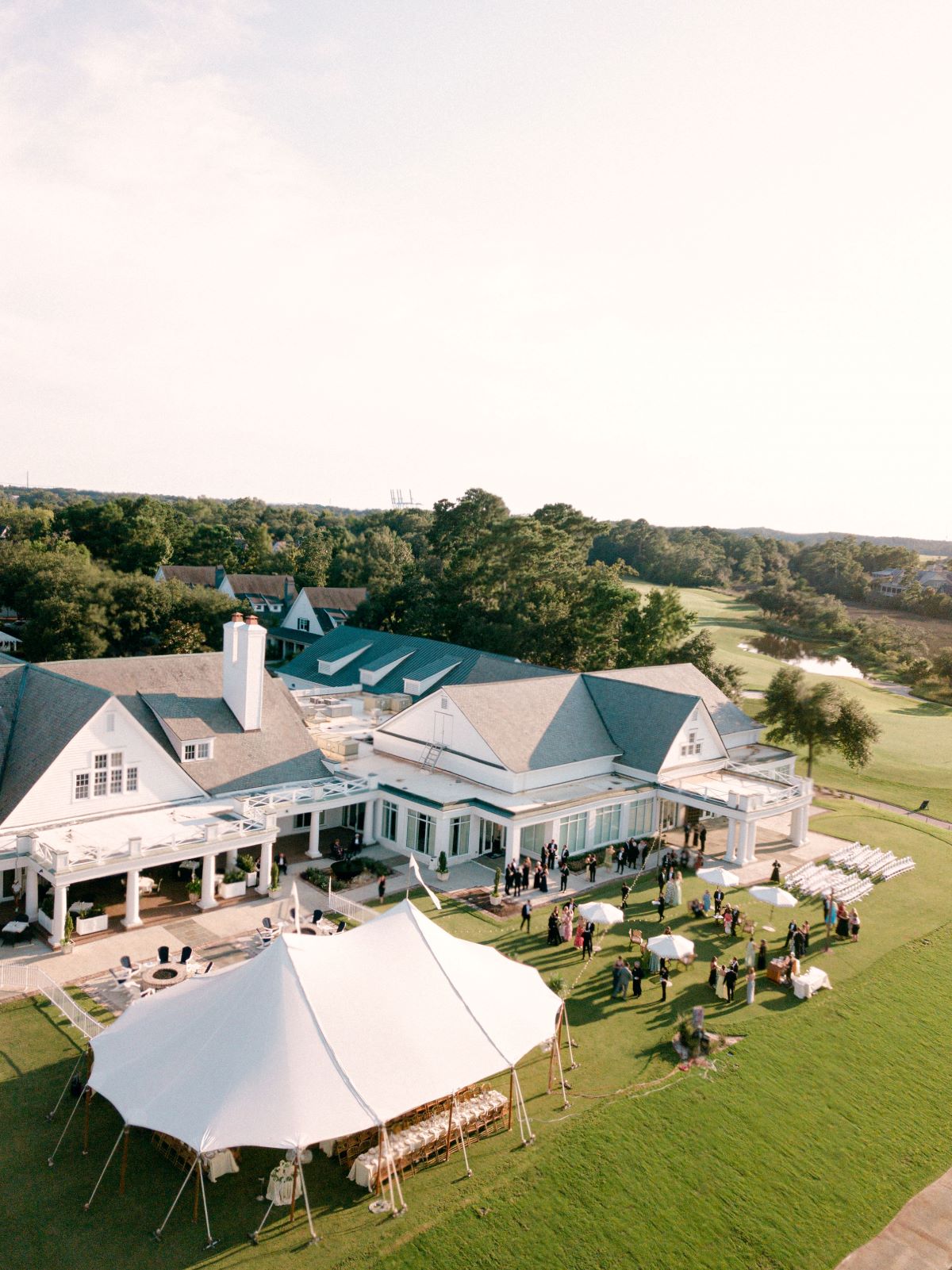
Precisely regulating interior temperatures is key to elevating guest satisfaction and extending the usability of your tented space, even under challenging weather conditions. The intelligent integration of heating, cooling, and ventilation systems works harmoniously to maintain consistently comfortable environments.
What Are the Best Heating Options for Cold Weather Tent Events?
Efficient tent heating systems are essential for delivering reliable warmth and ensuring safety in colder climates.
Indirect-fired heaters are particularly beneficial as they exhaust fumes externally, ensuring superior indoor air quality, while radiant panels provide silent, uniform warmth that complements sidewall insulation.
How Do Cooling Systems Keep Tents Comfortable in Hot Weather?
Portable cooling units are instrumental in enhancing interior air quality and reducing temperatures for summer events.
- Packaged AC units effectively cool spaces by circulating chilled air through integrated ductwork.
- Industrial-grade fans promote optimal airflow, minimizing heat buildup in specific areas.
- Evaporative coolers introduce moisture into dry environments while simultaneously cooling the air through the process of evaporation.
Deploying the right combination of cooling solutions and effective sidewall insulation is crucial for preventing uncomfortable heat buildup and maintaining guest comfort, even when outdoor temperatures reach extreme levels.
What Ventilation Strategies Optimize Airflow and Humidity Control?
Strategic ventilation is vital for balancing temperature and managing moisture levels within a tent environment:
- Ridge vents allow warm air to escape through the highest point of the tent roof naturally.
- Screened exhaust ports effectively prevent insect ingress while promoting essential air circulation.
- Adjustable louvers integrated into the sidewalls enable precise control over airflow direction and intensity.
The thoughtful integration of both mechanical and passive ventilation techniques significantly reduces condensation buildup and enhances the overall effectiveness of climate regulation.
How Should You Plan Your Outdoor Event Site for Maximum Weather Resilience?

Meticulous site planning forms the bedrock of a truly weatherproof event, minimizing potential exposure and enabling swift, decisive responses to rapidly changing conditions.
What Site Selection Factors Minimize Weather Risks?
Choosing the optimal location is paramount for reducing the likelihood of water pooling and mitigating wind exposure. Consider these critical factors:
How Do You Develop Effective Emergency Plans for Tent Events?
A comprehensive emergency plan is essential for ensuring swift, organized, and effective responses to severe weather events.
- Designate a specific individual to monitor weather conditions and provide real-time updates.
- Clearly define evacuation routes and identify safe, nearby shelter locations.
- Thoroughly train all staff members on alarm signals, guest communication protocols, and essential equipment shutdown procedures.
- Establish clear lines of communication and coordinate with local emergency services for timely weather alerts and potential backup resources.
Implementing a proactive emergency framework significantly enhances guest safety and minimizes operational disruptions during unexpected weather challenges.
What Are Best Practices for Professional Tent Installation and Safety?
Entrusting tent installation to professionals ensures that every component functions optimally under demanding conditions.
- Conduct thorough site surveys and precise load calculations before commencing setup.
- Utilize only certified equipment and strictly adhere to manufacturer guidelines for anchoring.
- Perform meticulous post-setup inspections to verify fabric tension, seam integrity, and anchor depth.
- Ensure all materials meet fire-retardant standards and maintain clear, unobstructed exit pathways.
Expert installation guarantees that tents maintain their structural integrity and safety certifications, providing reliable protection in all weather conditions.
What Are the Top 2026 Trends in Weatherproof Event Tents and Smart Rentals?
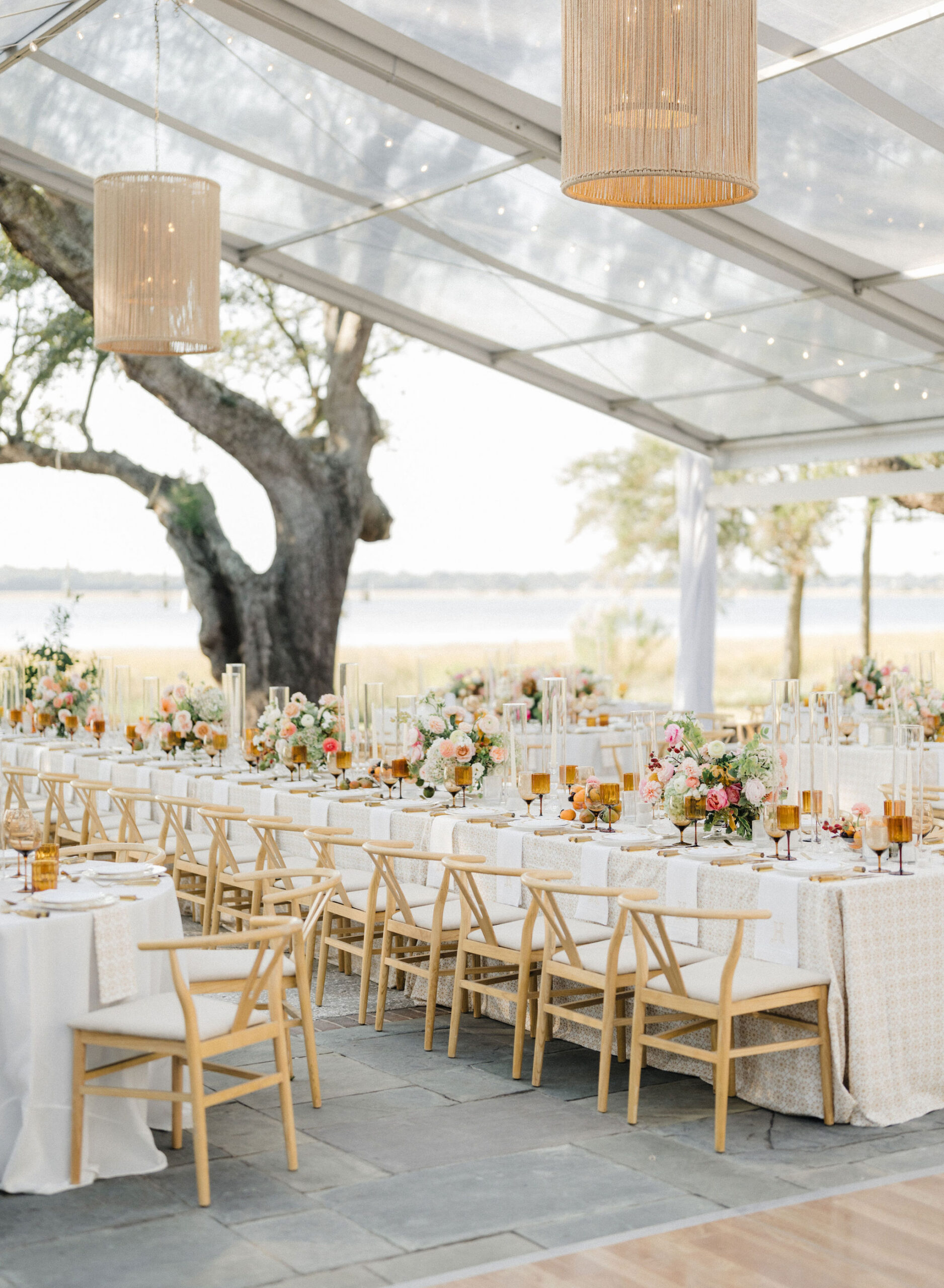
Forward-thinking event professionals are increasingly leveraging innovative technologies and advanced materials to enhance weather resilience and promote sustainability at outdoor events.
How Are Smart Tents Using Technology for Climate Control and Monitoring?
The latest generation of smart tents seamlessly integrates advanced sensors and automation to maintain ideal interior environments.
- Real-time temperature and humidity sensors automatically adjust HVAC systems as needed.
- Integrated wind and rainfall gauges can trigger automated sidewall deployment.
- Remote monitoring dashboards provide instant alerts to staff regarding changing environmental conditions.
This sophisticated level of automation significantly boosts responsiveness, reduces the need for manual intervention, and elevates both guest comfort and operational efficiency.
What Sustainable Materials Are Shaping Eco-Friendly Tent Rentals?
Environmentally conscious planners are actively seeking materials that minimize ecological impact without compromising on performance.
- Recycled PVC fabrics offer excellent waterproof protection while boasting a reduced carbon footprint.
- Biodegradable canvas alternatives provide effective rain protection and enhanced breathability.
- Solar-integrated roof panels can supply renewable energy to power lighting and HVAC units.
How Does Customization Enhance Weather Resilience and Event Aesthetics?
Tailored tent configurations offer a dual benefit, improving both functional performance and the overall visual appeal of the event.
- Custom-printed sidewalls effectively reinforce brand messaging while shielding guests from sun or wind.
- Modular wall sections allow for flexible climate zoning across different areas of the event space.
- Specialty fabric coatings enhance UV and water resistance, available in a wide spectrum of vibrant colors.
You can rent transparent propane heaters and insulated sidewalls directly through our expert team at Curated Events, ensuring they integrate flawlessly into your comprehensive 2026 weatherproof strategy. Find the showroom nearest you on our store locations page.
Conclusion
Weatherproof tents give you confidence that your outdoor celebration will run smoothly, no matter what the forecast brings. By planning for comfort, stability, and style with the right structures, accessories, and layout, you can protect your guests while maintaining a polished atmosphere. With Curated Events’ expertise and premium rentals, every detail is thoughtfully managed, ensuring your 2026 event is both resilient and unforgettable. Fresh additions to the collection are in New Arrivals.