
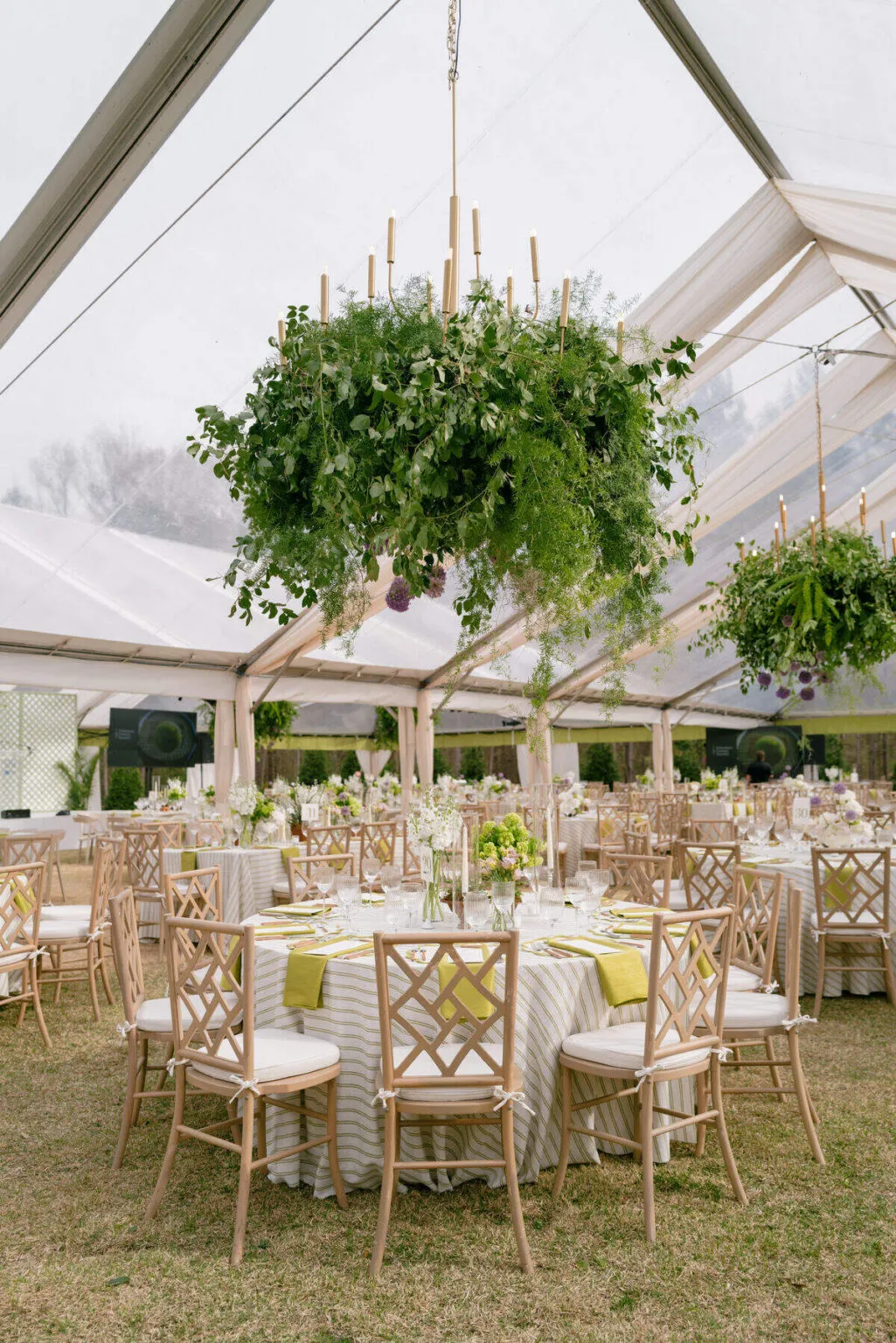
Outdoor events during Raleigh’s cooler months can offer a distinctive setting for weddings, corporate gatherings, and private celebrations. However, creating a comfortable tented environment requires more than selecting a structure and adding heating equipment.
Planning a heated tent rental in Raleigh involves coordinating the tent, appropriate climate-control equipment, enclosure options, and venue requirements. Each component must be considered in relation to the event’s size, schedule, and location.
Curated Events offers tenting and heating rentals in Raleigh, allowing clients to explore these requirements as part of a coordinated event setup. Understanding what a heated tent rental involves, and which details need confirmation before booking, can help establish a practical plan for an outdoor celebration.
What Does a Heated Tent Rental Include?
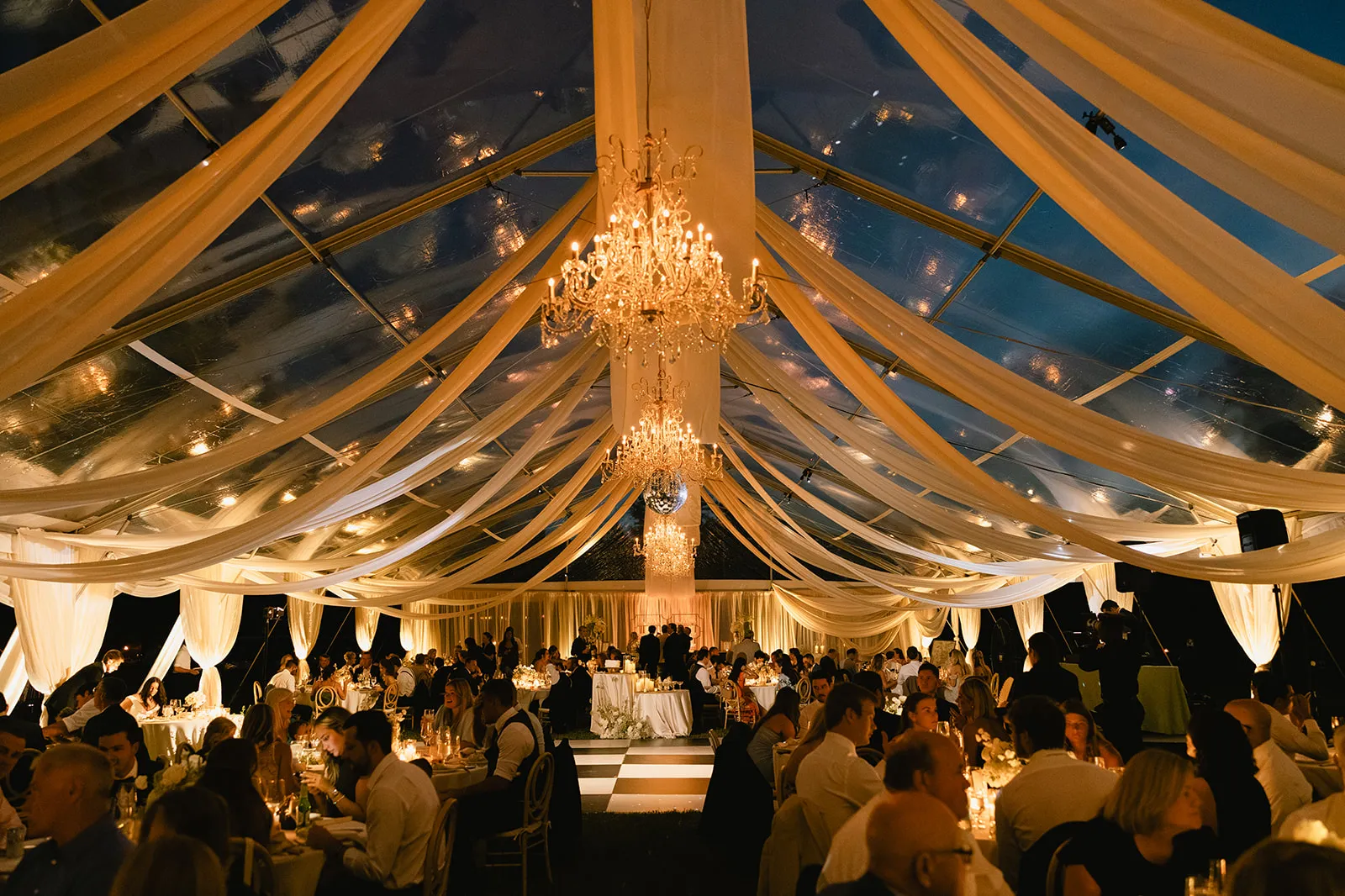
A heated tent rental is not necessarily a single rental product. It generally combines a suitable event tent with compatible heating equipment, while additional components depend on the venue, weather conditions, and intended use of the space.
A Tent Structure Suited to the Venue
The tent structure provides the foundation for the entire setup. Its dimensions, construction, and available configurations influence the interior layout and the appropriate heating arrangement.
Curated Events’ Raleigh tenting collection includes frame, garden, sailcloth, and structure tents. Each offers different characteristics in terms of appearance, usable space, and installation requirements.
Rather than selecting a tent based on appearance alone, consider how the structure will accommodate guests, furniture, service areas, and the equipment needed for colder conditions.
Not every tent style or material is equally suitable for winter use. The rental provider should confirm whether the preferred structure can accommodate the proposed heating system and the expected conditions.
Heating Equipment Appropriate for the Structure
Commercial heating equipment is selected according to the tent’s dimensions, enclosure, anticipated outdoor temperatures, and event requirements.
The Raleigh climate-control collection includes tent heaters and related equipment with different heating capacities. However, the capacity listed for an individual heater does not, by itself, determine which tent it can serve.
A larger structure may require a different heating arrangement from a smaller reception tent, while differences in enclosure and event timing can further influence equipment selection.
The tent and heating system should therefore be evaluated together, with the appropriate equipment determined through a professional review of the event.
Sidewalls and Other Supporting Components
Depending on the selected structure, sidewalls may help reduce exposure to wind and changing outdoor conditions.
Entry panels, appropriate ventilation, and other structural accessories can also influence the proposed setup. The necessary configuration depends on the heating equipment and the requirements of the event site.
Flooring may be worth considering if the tent will be installed on grass, uneven ground, or other surfaces that require additional preparation.
These components should not automatically be treated as included features. Before confirming the rental, ask which accessories are included in the proposal and which must be arranged separately.
Can Your Raleigh Venue Accommodate a Heated Tent?
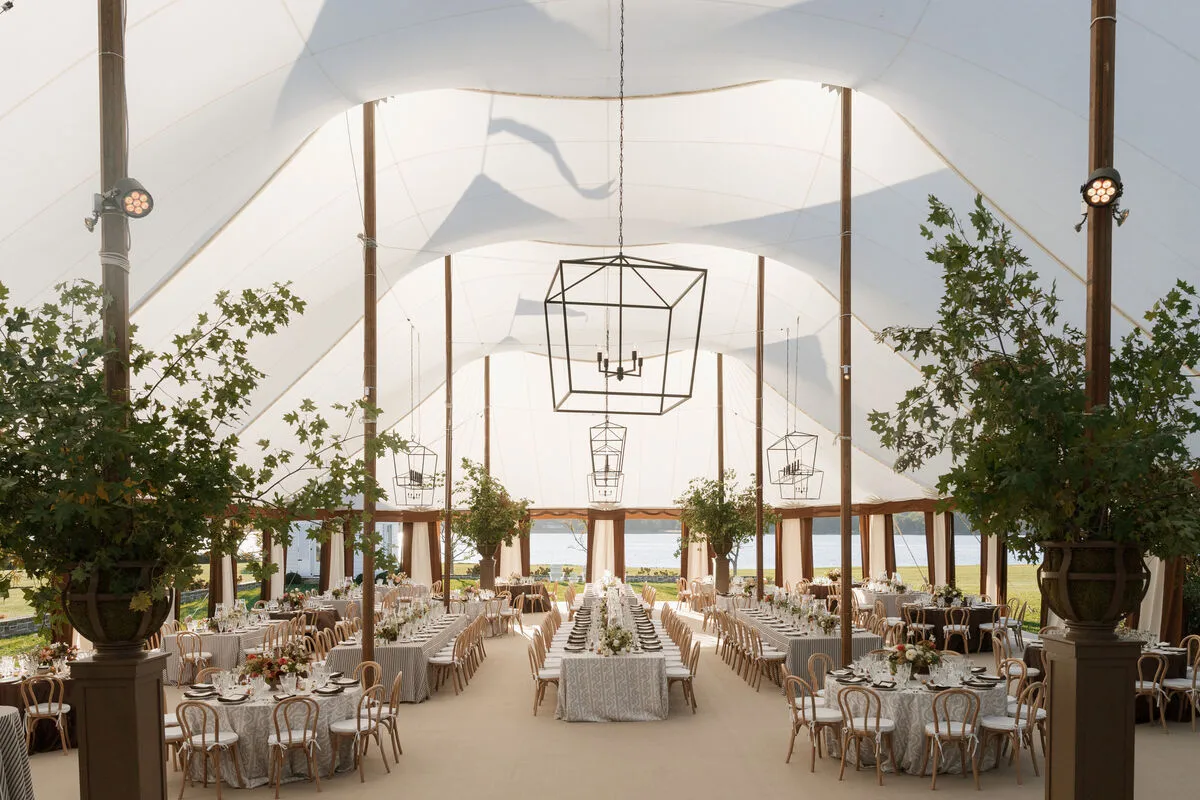
Before reserving a tent, determine whether the property can support both the structure and the equipment required for heating. Available space, ground conditions, access, and utilities all influence the feasibility of the installation.
Available Space and Ground Conditions
The usable installation area must accommodate more than the dimensions of the tent itself. Depending on the structure, additional space may be necessary for anchoring, equipment, entrances, and service access. Trees, landscaping, permanent fixtures, and overhead obstacles can also restrict placement.
Ground conditions are another important consideration. A lawn, paved courtyard, or other surface may require a different anchoring approach, and not every installation method is suitable for every property.
Before selecting a tent size, provide the rental team with the approximate available space and details about the installation surface. A site assessment may be necessary to confirm whether the proposed structure is appropriate.
Delivery Access and Equipment Space
Tents and commercial heating equipment require practical access for delivery, installation, and removal. Consider whether delivery vehicles can reach the site and whether narrow driveways, gates, loading restrictions, or other obstacles could affect the installation.
The layout must also allow suitable space for heating equipment and any associated infrastructure. These requirements should be established before positioning guest furniture or assigning nearby areas to other vendors.
A property may have sufficient room for the tent itself but limited space for equipment access. Identifying these limitations early allows the rental provider to assess the proposed arrangement before the order is finalized.
Power, Fuel, and Venue Requirements
Different heating systems have different operational requirements. Some equipment may use fuel while also requiring electricity for fans, controls, or other components. The availability of a standard electrical outlet does not necessarily establish that the site can support the selected system.
Confirm existing utility access and communicate any venue restrictions involving fuel, equipment placement, or temporary installations.
Depending on the property and proposed structure, permits or other approvals may also be required. These details should be reviewed with the rental team and venue representative so that responsibilities are understood before installation.
How Should the Heated Tent Be Planned Around the Event?
A heated tent should be planned according to the activities taking place inside it. Guest count, event duration, and the movement between spaces all influence how the structure needs to function.
Identify Which Parts of the Event Will Take Place Inside
A tent used for a wedding ceremony may have different requirements from one intended for a seated reception or multi-hour corporate gathering.
For example, a dinner reception needs sufficient space for dining tables, circulation, and food service. A cocktail gathering may use a more open arrangement with standing areas and selected seating.
Events combining dining, dancing, and presentations introduce additional spatial considerations.
Establish which activities will take place inside the tent before confirming the structure’s dimensions and heating requirements.
This helps ensure that the selected tent supports the complete event rather than accommodating only the expected attendance.
Plan Guest Movement Between Event Areas
Some Raleigh events use a tent as the primary gathering space, while others connect a tented area to an existing building or another outdoor location.
These arrangements affect how guests enter and leave the structure.
A tent connected to an indoor venue may require a different entrance configuration from one positioned independently on a lawn. Frequently used openings can also influence interior conditions during cooler weather.
Consider guest access, accessibility, and the relationship between the tent and surrounding spaces when reviewing the proposed layout.
The objective is to create a functional connection between event areas without interfering with the requirements of the heating installation.
Account for Changing Conditions During the Celebration
Outdoor temperatures can change considerably between the beginning and end of an event, particularly during fall and winter evenings.
A wedding ceremony scheduled for the afternoon may take place under different conditions from the reception that follows. Similarly, a corporate gathering extending several hours after sunset may require heating to be considered throughout the event schedule.
Communicate the planned start time, guest arrival, principal activities, and expected conclusion when discussing equipment requirements.
Wind exposure and the possibility of precipitation should also be considered during planning.
Reviewing the full schedule helps the rental provider evaluate the proposed arrangement against the conditions the event may encounter.
Which Tent Details Affect Heating and Guest Comfort?

The interior environment depends partly on how the tent is configured. Enclosure, flooring, and operational access should be considered alongside the heating equipment rather than treated as separate decisions.
Sidewall Coverage and Entry Points
Sidewalls can reduce direct exposure to outdoor air and help define the enclosed event space. However, the appropriate configuration depends on the tent, heating equipment, and ventilation requirements. A fully enclosed arrangement should not be assumed suitable for every installation.
Entry points also need attention, particularly when guests and vendors will move frequently between the tent and surrounding areas.
Discuss the intended sidewall arrangement with the rental provider before finalizing the structure. The selected configuration should support guest access while meeting the operational and safety requirements of the heating system.
Flooring and Interior Layout
Flooring requirements depend on the venue surface and how the space will be used. A tent installed on an established hard surface may have different needs from one placed over a lawn. If temporary flooring is being considered, its compatibility with the tent and site conditions should be confirmed.
The interior layout must also account for space occupied by heating equipment and any associated components.
Dining tables, lounge furnishings, and other rentals should be arranged around the approved installation plan rather than requiring the equipment to be repositioned after the layout is complete. This allows the technical requirements and event furnishings to be coordinated as one arrangement.
Catering and Service Access
Catering operations can influence the tent’s entrance configuration and available interior space. A seated reception may require designated service routes between the tent and a preparation area, while a corporate gathering may include beverage stations or other vendor access points. These movements should be considered before finalizing sidewall openings and the floor plan.
It is also important to establish where vendors can access the structure without obstructing heating equipment or designated circulation routes. Reviewing these details with the venue and rental provider helps preserve the functionality of the tent throughout the event.
What Should You Confirm in a Heated Tent Rental Quote?
A complete rental proposal should clearly identify the equipment being provided and the responsibilities associated with the installation. Reviewing the scope carefully helps prevent assumptions about what is included.
Tent, Heating Equipment, and Included Accessories
Start by confirming the selected tent structure and its dimensions. The proposal should also identify the heating equipment being recommended and any additional components required for its operation.
Review whether sidewalls, entrance panels, flooring, or other accessories are included in the rental agreement. If the event requires additional products, clarify whether they must be requested separately.
This is particularly important when tenting and heating equipment appear as separate categories in the rental catalog. The goal is to understand the complete proposed setup before committing to the reservation.
Delivery, Installation, and Venue Responsibilities
Confirm how delivery, installation, and removal will be coordinated. The rental agreement should establish which services are included and whether additional arrangements are required for setup or takedown.
Power access, fuel arrangements, venue preparation, and equipment space should also have clearly assigned responsibilities.
If the event requires permits or venue approvals, determine who will obtain them and what information must be provided. These conversations are best completed before the event date, particularly when multiple vendors or property representatives are involved.
Weather Changes and Order Adjustments
Changing weather forecasts can affect the planning considerations for an outdoor event. Ask the rental provider how significant changes in anticipated conditions should be communicated and whether they may require a review of the proposed equipment.
It is also important to understand the deadlines for finalizing selections and requesting adjustments.
Availability, substitutions, and changes to the rental scope depend on the provider’s reservation terms. Clarifying these arrangements helps clients understand what flexibility exists after the original order has been confirmed.
How to Request a Heated Tent Rental From Curated Events Raleigh

Curated Events provides tenting, heating, and cooling rentals for Raleigh-area events, allowing clients to explore the equipment needed for an integrated outdoor setup. The rental process begins with identifying the event’s requirements and reviewing suitable options.
Gather the Essential Event Details
Before requesting a quote, prepare the information that will help the rental team understand the proposed installation.
Useful details include:
-
Event date and location: Provide the venue or property address.
-
Expected guest count: Include the estimated attendance and event format.
-
Event schedule: Identify when the tent will be used and how long the gathering will last.
-
Tent purpose: Explain whether the space will accommodate a ceremony, reception, dining, or multiple activities.
-
Available installation area: Share approximate dimensions and any known site restrictions.
-
Ground conditions: Describe the surface where the tent will be installed.
-
Utilities: Identify available electrical access and any fuel restrictions.
-
Existing arrangements: Note any confirmed furniture layouts, structures, or venue requirements.
Not every detail needs to be finalized before the first conversation. However, providing accurate information helps the team identify which aspects of the project require further review.
Explore Rental Options and Request a Quote
Clients can browse the Raleigh tenting collection to explore available structures, including frame, garden, sailcloth, and structure tents.
The Raleigh heating and cooling collection provides additional information about available climate-control rental categories.
Preferred products can be added to a rental wishlist and submitted with the event details for a custom quote.
Curated Events Raleigh recommends contacting the team at least six months in advance for the best availability during busier periods. Specific tent and heating equipment availability should be confirmed for the intended event date.
An early conversation allows time to review venue feasibility, equipment requirements, and the proposed installation arrangements before finalizing the rental.
Frequently Asked Questions
Does a Heated Tent Rental Include the Heater?
Not necessarily. Tent structures and heating equipment are listed as separate rental categories, and the inclusions depend on the proposal. Confirm that the selected heating equipment and any required accessories are included before approving the quote.
Can a Heated Tent Be Used for a Winter Wedding in Raleigh?
Yes. A heated tent can be considered for a winter wedding when the selected structure, heating equipment, and venue conditions are suitable. The arrangement should be evaluated according to the wedding’s schedule, guest count, and installation requirements.
Do Heated Tent Rentals Require Electricity?
Electrical requirements vary by heating equipment. Some fuel-powered heaters also require electricity for fans or other components. Confirm the specifications of the proposed system and whether the venue can provide the necessary utilities.
Can a Tent With Open Sides Be Heated?
Some heating arrangements may be appropriate for partially open tent structures, but performance depends on the equipment, enclosure, and outdoor conditions. The rental provider should assess whether the proposed configuration is suitable.
How Far in Advance Should a Heated Tent Be Reserved?
Curated Events Raleigh recommends contacting the team at least six months ahead for the best availability during busy periods. Early inquiries are particularly useful when coordinating a large tent structure with heating equipment and other installation requirements.
Plan Your Heated Tent Rental in Raleigh
A well-planned heated tent begins with selecting a structure that suits the venue and coordinating it with appropriate heating equipment. Site access, utilities, enclosure, and event timing all contribute to the proposed arrangement.
Reviewing these details before booking helps establish a clear rental scope and ensures that installation responsibilities are understood.
Curated Events offers heated tent rental options in Raleigh through its tenting and climate-control collections, supporting weddings, corporate gatherings, and private celebrations during the cooler months.
Explore the Raleigh event rental collection and request a custom quote to discuss the tent structure and heating equipment appropriate for your upcoming event.